
Classic convertibles hold a special place in automotive culture because they offer an unparalleled combination of style, performance, and nostalgia. For many enthusiasts, the thrill of driving a car with the top down, the wind in your hair, and the unmistakable rumble of a well-tuned engine is more than just transportation; it is an experience.
However, owning a classic convertible is not merely about enjoying its aesthetics or performance. A crucial factor in maintaining these vehicles and keeping them roadworthy is the strength of their aftermarket support.
Aftermarket support refers to the availability of replacement parts, performance upgrades, bodywork components, and restoration services that make it possible to preserve, repair, or enhance a classic car. Without reliable aftermarket support, classic car ownership can quickly become frustrating, costly, and unsustainable.
The appeal of classic convertibles goes beyond the average collector’s mindset. Many drivers are drawn to these cars because they represent an era when automotive design balanced beauty and mechanical ingenuity. Unlike modern vehicles, which often rely on complex electronics and integrated systems, classic convertibles tend to have simpler mechanical layouts.
This simplicity makes them excellent candidates for restoration, modification, and personalization. Yet, the age of these cars naturally brings challenges, such as worn-out parts, corrosion, or outdated systems. This is where strong aftermarket support plays a pivotal role, ensuring that owners can keep their cars in optimal condition while even enhancing performance or aesthetics with modern upgrades.
Another reason these classic convertibles remain highly desirable is the diversity of the aftermarket options available. Whether it is upgrading the suspension, replacing worn interiors, or restoring the original paint and chrome, a robust aftermarket network ensures that enthusiasts can tailor their cars to personal tastes without sacrificing authenticity.
Some classic convertibles even benefit from specialized aftermarket companies dedicated solely to their make and model, offering everything from engine rebuild kits to rare trim pieces that are otherwise impossible to find. This accessibility helps keep prices reasonable and encourages more people to take on restoration projects without fear of running into dead ends.
This article will highlight ten classic convertibles that not only stand out for their timeless appeal but also for their excellent aftermarket support. Each of these vehicles has maintained a strong presence in the enthusiast community, with a wide range of parts and services readily available.
From European sports cars to American muscle roadsters, these convertibles represent a cross-section of the most celebrated machines in automotive history. The following sections will provide a detailed look at each model, examining why they continue to thrive both on the road and in the marketplace, and why their aftermarket ecosystems make them practical choices for collectors and drivers alike.
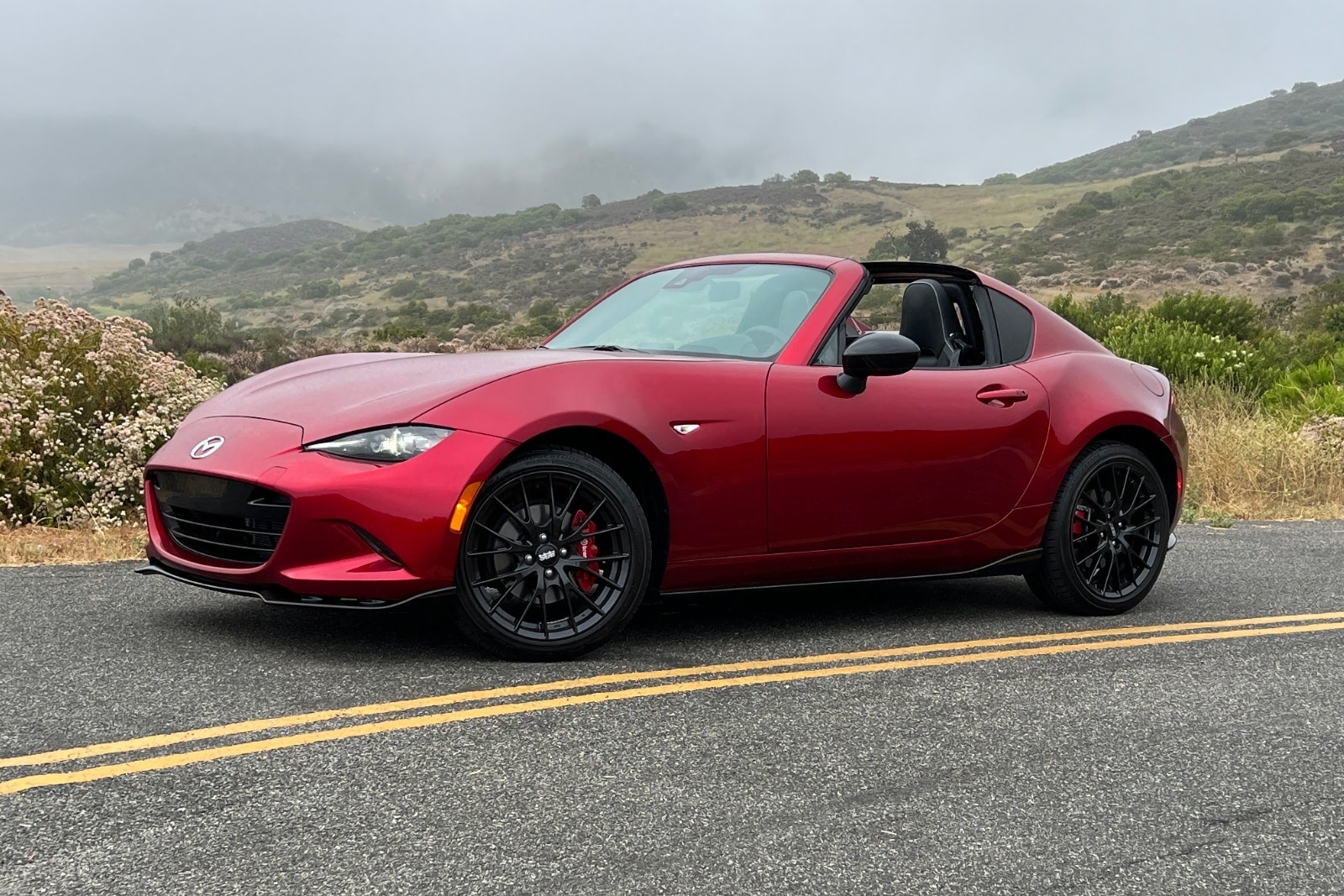
1. Mazda MX-5 Miata (NA/NB)
The Mazda MX-5 Miata is one of the most beloved lightweight sports cars ever produced, and its convertible versions are particularly prized. Introduced in the late 1980s, the first-generation NA Miata brought back the joy of affordable, simple, and nimble roadsters, reminiscent of the British and Japanese classics of earlier decades.
Its success quickly generated a dedicated community, which continues to grow today. One of the defining features of the Miata is its ease of maintenance and modification. Almost every component is accessible, and this simplicity has made it a favorite for both restorers and tuners.
The aftermarket support for the NA and NB Miatas is extensive. Performance upgrades range from engine swaps and turbo kits to suspension enhancements and braking improvements. Cosmetic modifications are equally plentiful, with options for wheels, seats, and interior trim that allow owners to achieve either a period-correct look or a modernized appearance.
Hardtop conversions, roll bars, and custom soft tops are also widely available, making the Miata versatile for different climates and driving preferences. This abundance of parts means that maintaining or restoring a Miata is not only feasible but also relatively affordable compared to many other classics.
Miata owners benefit greatly from a thriving enthusiast network. Clubs, forums, and social media groups provide guidance on everything from routine maintenance to ambitious performance projects. This community-driven knowledge base ensures that even first-time classic car owners can navigate restoration challenges with confidence.
Additionally, many aftermarket companies focus exclusively on Miatas, producing parts specifically engineered for durability and performance. As a result, even heavily modified Miatas can retain reliability while offering unique driving experiences.
Finally, the Miata’s convertible design has aged exceptionally well. Its compact size, responsive handling, and balanced chassis make it enjoyable in urban settings, on winding country roads, and even on the occasional track day.
The aftermarket support amplifies this experience by providing suspension kits that improve cornering, engine upgrades that boost power without sacrificing reliability, and interior refinements that enhance comfort during longer drives. With such a combination of accessibility, performance potential, and community support, the Miata remains a top choice for classic convertible enthusiasts seeking a car that is both practical and fun.
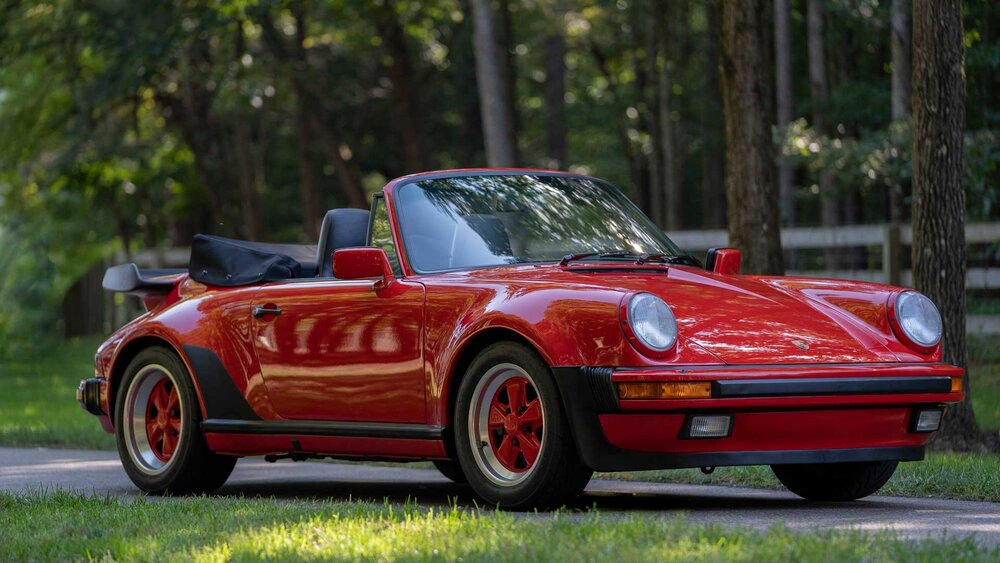
2. Porsche 911 Cabriolet (Classic 1960s-1980s)
The Porsche 911 Cabriolet is an icon of automotive history, combining distinctive styling with legendary performance. Early models from the 1960s through the 1980s have become particularly sought after due to their timeless design and air-cooled engines.
The 911’s convertible variants provide the full thrill of open-air driving without compromising the dynamic characteristics that define Porsche. These vehicles are recognized for their engineering precision, excellent handling, and strong resale value, which has helped maintain demand for aftermarket support over decades.
Aftermarket support for classic 911 Cabriolets is robust, particularly for models produced during the air-cooled era. Engine parts, transmission components, suspension elements, and body panels are widely available from specialized suppliers.
Companies dedicated to Porsche restoration have developed complete kits that allow enthusiasts to rebuild engines, refurbish interiors, and repair rust-prone areas like floors and fenders. Even cosmetic components, such as trim pieces, soft tops, and lighting, can be sourced through aftermarket channels, ensuring that these cars remain both functional and visually striking.
Performance modification is another area where the Porsche 911 Cabriolet shines. Enthusiasts can upgrade the suspension with modern shocks and sway bars, increase engine output with cams or turbochargers, and install braking systems that match contemporary standards.
These upgrades are supported by decades of experience from the aftermarket industry, which has developed parts and solutions specifically for the 911’s unique rear-engine layout. This wealth of knowledge allows owners to enhance performance while maintaining reliability and preserving the car’s classic character.
Beyond parts, the Porsche community contributes significantly to the model’s appeal. Forums, clubs, and events provide extensive information on maintenance, upgrades, and sourcing rare components.
Owners share technical manuals, step-by-step guides, and vendor recommendations, making it easier for even novice enthusiasts to tackle complex restorations. With strong aftermarket support and an engaged community, classic Porsche 911 Cabriolets remain accessible, enjoyable, and viable for decades after their original production.
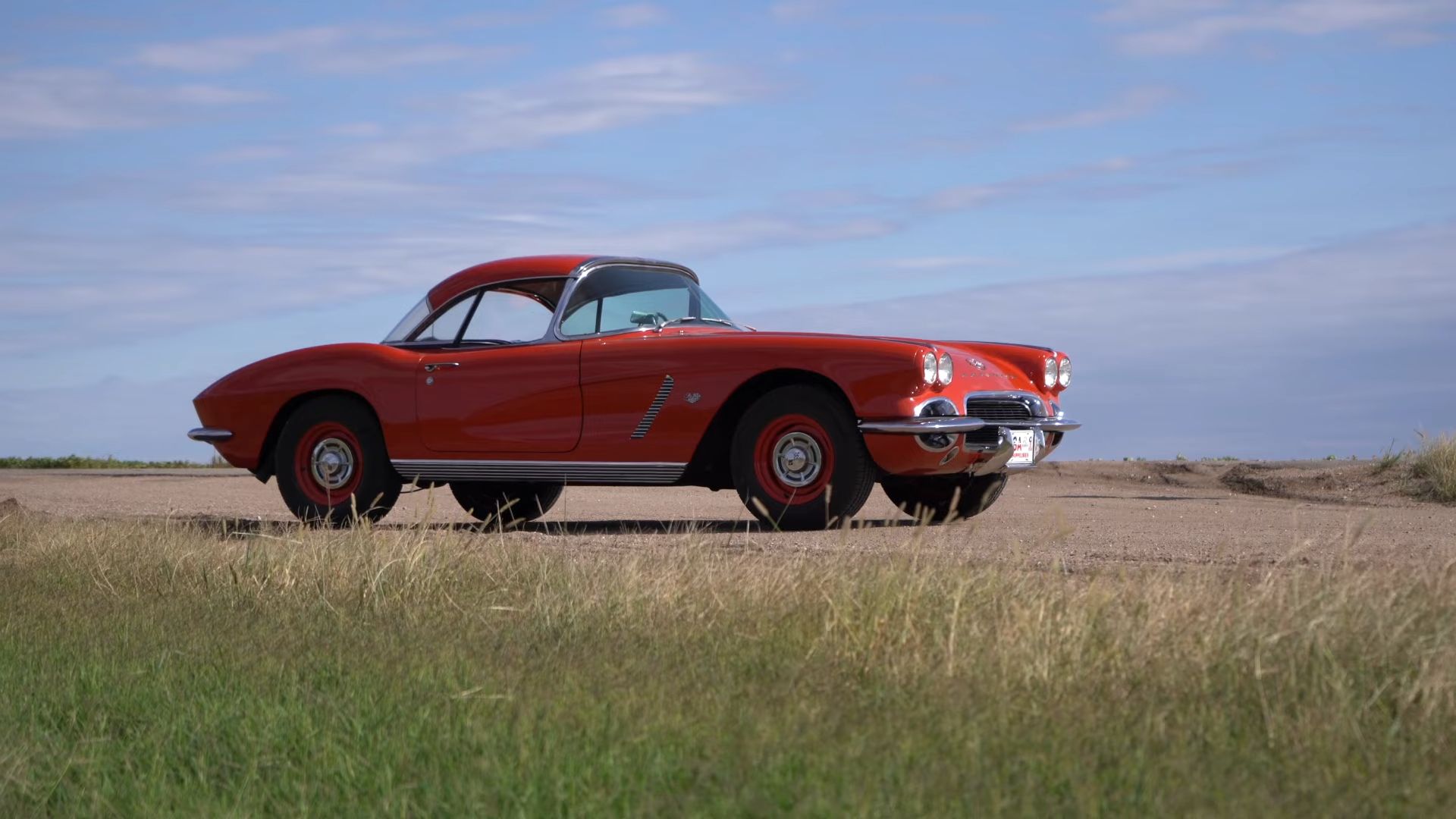
3. Chevrolet Corvette (C1/C2 Convertible)
The Chevrolet Corvette has long been America’s answer to the classic roadster, and its first and second generations are particularly admired for their combination of style and performance.
The C1 (1953-1962) and C2 (1963-1967) convertibles represent a period of rapid innovation in American automotive design, characterized by sleek lines, fiberglass bodies, and powerful V8 engines. Collectors prize these models for their aesthetic appeal, historical significance, and the visceral driving experience that comes with an open-top V8.
Aftermarket support for early Corvettes is extensive, thanks in part to the model’s enduring popularity. Replacement body panels, chrome trim, interiors, and mechanical components are widely available.
Fiberglass body parts, in particular, can be repaired or replaced with high-quality aftermarket options, which helps owners maintain originality without excessive cost. Additionally, restoration kits cover electrical systems, engine rebuilds, and suspension components, providing comprehensive solutions for keeping these cars in running condition.
Performance enhancements are also a strong suit for classic Corvette convertibles. Many aftermarket suppliers offer upgraded carburetors, exhaust systems, ignition components, and brake kits tailored to the C1 and C2 platforms. These modifications allow owners to enjoy improved acceleration, handling, and braking while retaining the classic look and feel.
Customizations for comfort, such as modern air conditioning systems or upgraded seats, can be added discreetly, preserving the car’s vintage aesthetic.
The community of Corvette enthusiasts further strengthens aftermarket support. Clubs and forums dedicated to these classic American cars provide advice on sourcing rare parts, performing restorations, and troubleshooting mechanical issues.
This shared expertise, combined with the vast array of aftermarket components, makes owning a classic Corvette convertible a manageable and rewarding endeavor. Owners can enjoy both the open-air driving experience and the satisfaction of maintaining a historically significant vehicle.
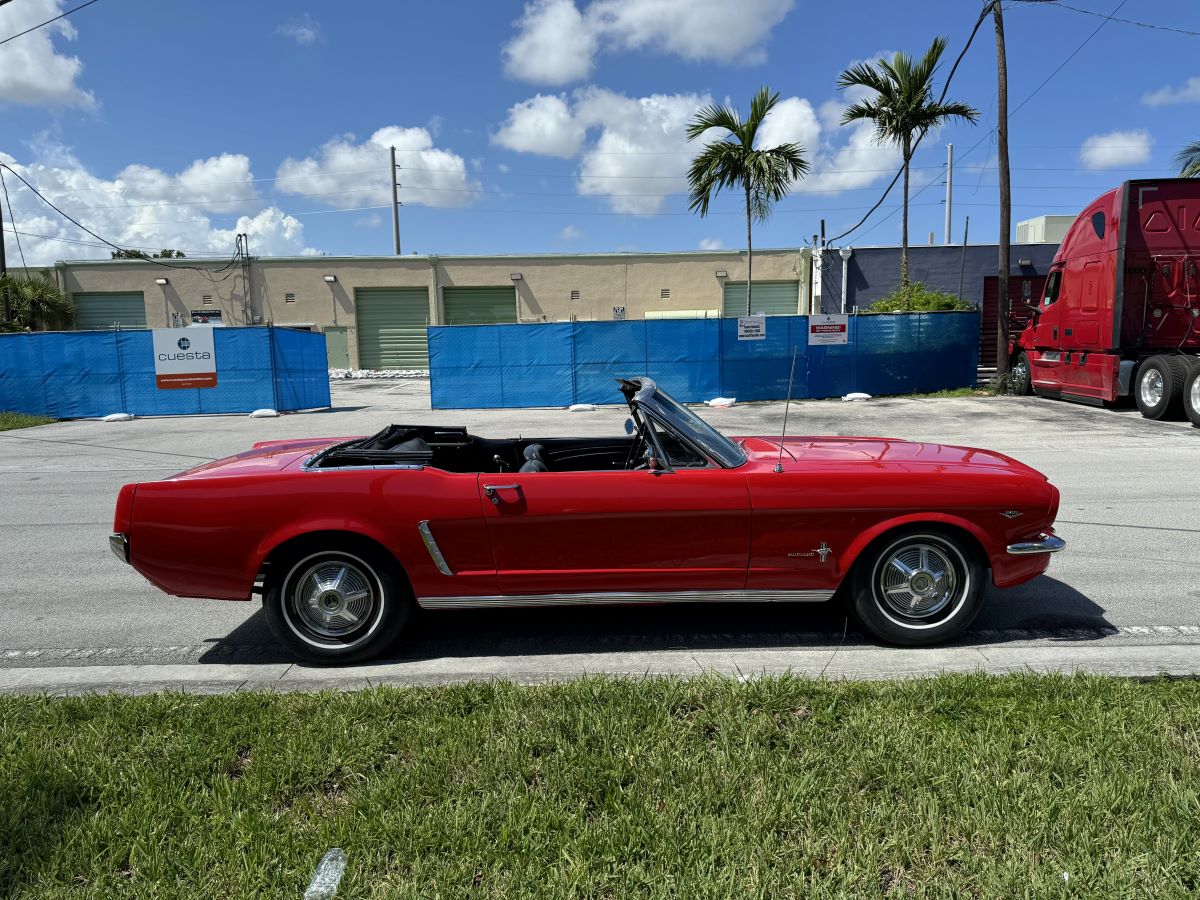
4. Ford Mustang Convertible (1960s)
The Ford Mustang convertible is one of the most iconic American classics, representing freedom, youth culture, and automotive innovation. Introduced in 1964, the first-generation Mustang offered affordable performance and stylish design, quickly becoming a cultural phenomenon.
The convertible variant amplified its appeal, combining practicality with open-air enjoyment. Its enduring popularity has ensured that aftermarket support remains strong, even decades after the original models were produced.
Aftermarket availability for first-generation Mustang convertibles is remarkable. From body panels and interiors to suspension components and engine parts, enthusiasts have access to nearly every component needed for restoration or upgrade.
Reproduction parts often match the originals closely, allowing owners to preserve authenticity while repairing age-related wear. Additionally, specialty suppliers offer rare items, such as trim pieces and badges, ensuring that even highly detailed restorations are achievable.
Performance modifications for classic Mustang convertibles are extensive. Engine upgrades range from mild improvements, such as carburetor tuning and exhaust enhancements, to more ambitious modifications like high-performance V8 swaps.
Suspension kits, upgraded brakes, and modern tires further enhance handling, making these vehicles more enjoyable on modern roads. Importantly, these upgrades are supported by decades of aftermarket development, providing reliable solutions that are well-documented in enthusiast literature and online resources.
Mustang clubs, forums, and events contribute significantly to the car’s ongoing appeal. Owners exchange knowledge about parts, maintenance techniques, and restoration strategies, creating a network that simplifies even complex projects. Combined with the strong aftermarket ecosystem, this community ensures that classic Mustang convertibles remain accessible, rewarding, and exciting to own.
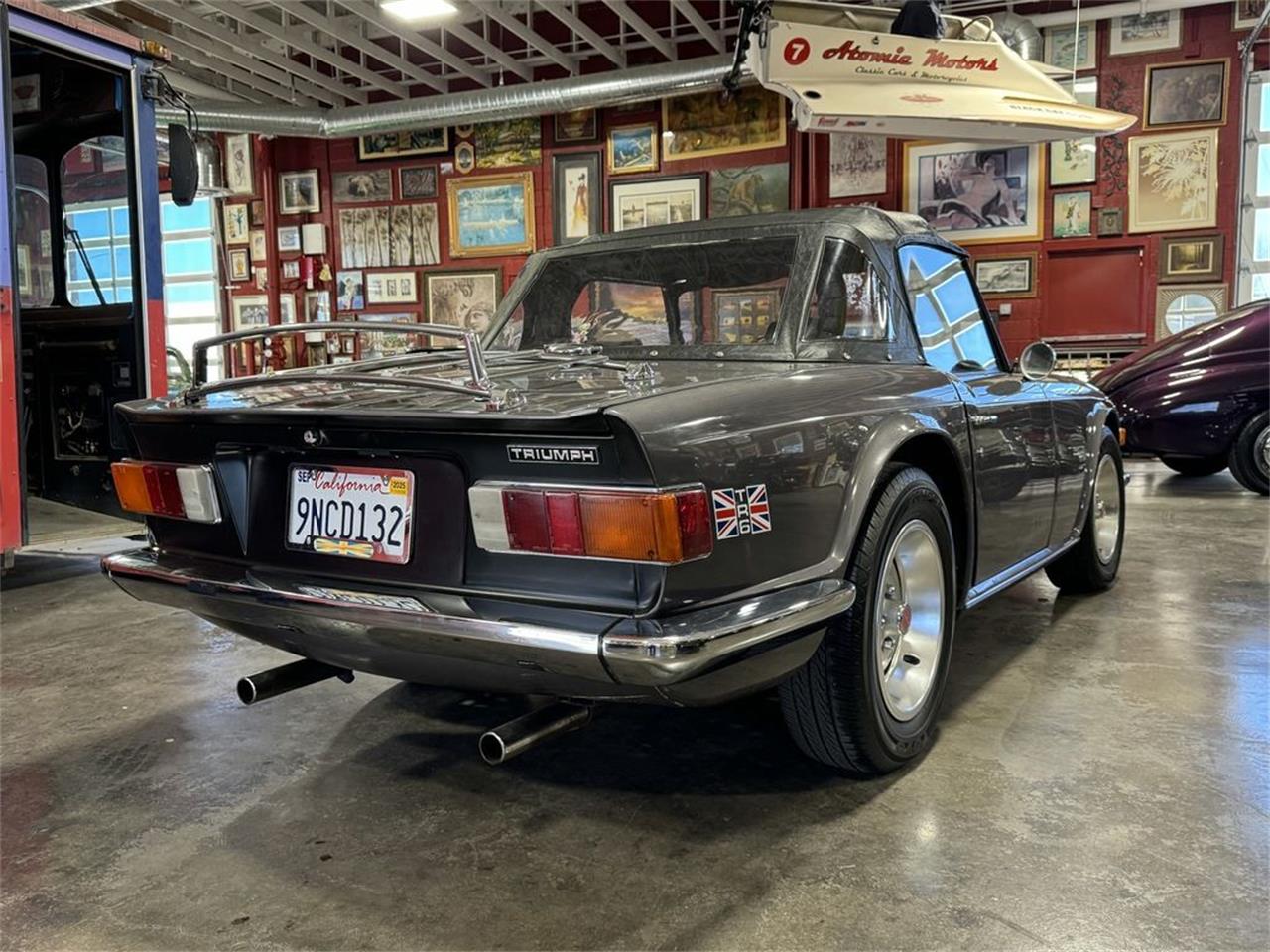
5. Triumph TR6
The Triumph TR6 is a quintessential British sports car, known for its combination of straightforward mechanics and classic styling. Produced between 1968 and 1976, the TR6 offered a strong inline-six engine, rear-wheel-drive balance, and a lightweight chassis that made it an exhilarating drive.
Unlike some British cars of its era, the TR6 has benefited from consistent aftermarket support, which has helped maintain its reputation as a manageable and enjoyable classic convertible. Enthusiasts appreciate the TR6 not only for its mechanical simplicity but also for the purity of the driving experience it offers.
The open-air cockpit, crisp steering, and responsive gearbox make the TR6 feel immediate and engaging on winding roads, providing a raw connection between driver, machine, and environment that few modern cars replicate.
The TR6’s aftermarket support is robust, with many companies specializing in parts for British sports cars of the 1960s and 1970s. Components such as carburetors, suspension bushings, brake systems, and electrical wiring can all be sourced without excessive difficulty.
Body panels, interior trim, and convertible tops are also widely available, which is crucial for a car that often suffers from corrosion over time. The availability of these parts ensures that owners can pursue full restorations or simply replace worn components to maintain reliability.
Additionally, many aftermarket suppliers offer performance upgrades, including improved exhausts, modern ignition systems, and reinforced suspension components, allowing the TR6 to be more capable while preserving its classic character.
Performance enhancements are particularly popular among TR6 owners, given the car’s naturally enthusiastic chassis. With aftermarket options, the TR6 can achieve sharper handling, more reliable braking, and a slightly higher power output without fundamentally changing the car’s personality.
Modern components such as disc brake upgrades, coilover suspension kits, and electronic fuel injection conversions can be installed discreetly, allowing the car to retain its vintage appearance while benefiting from contemporary reliability and safety improvements. This balance of authenticity and usability makes the TR6 an appealing choice for both weekend drives and longer excursions.
The Triumph TR6 community also plays a key role in sustaining aftermarket support. Owners often share technical advice, restoration guides, and vendor recommendations through clubs, forums, and enthusiast gatherings. This collective knowledge makes sourcing parts and performing repairs far more accessible, even for owners who are not seasoned mechanics.
Combined with extensive aftermarket resources, the TR6 remains a rewarding classic convertible that blends British charm, solid performance, and practical ownership, making it an enduring favorite for collectors and drivers alike.
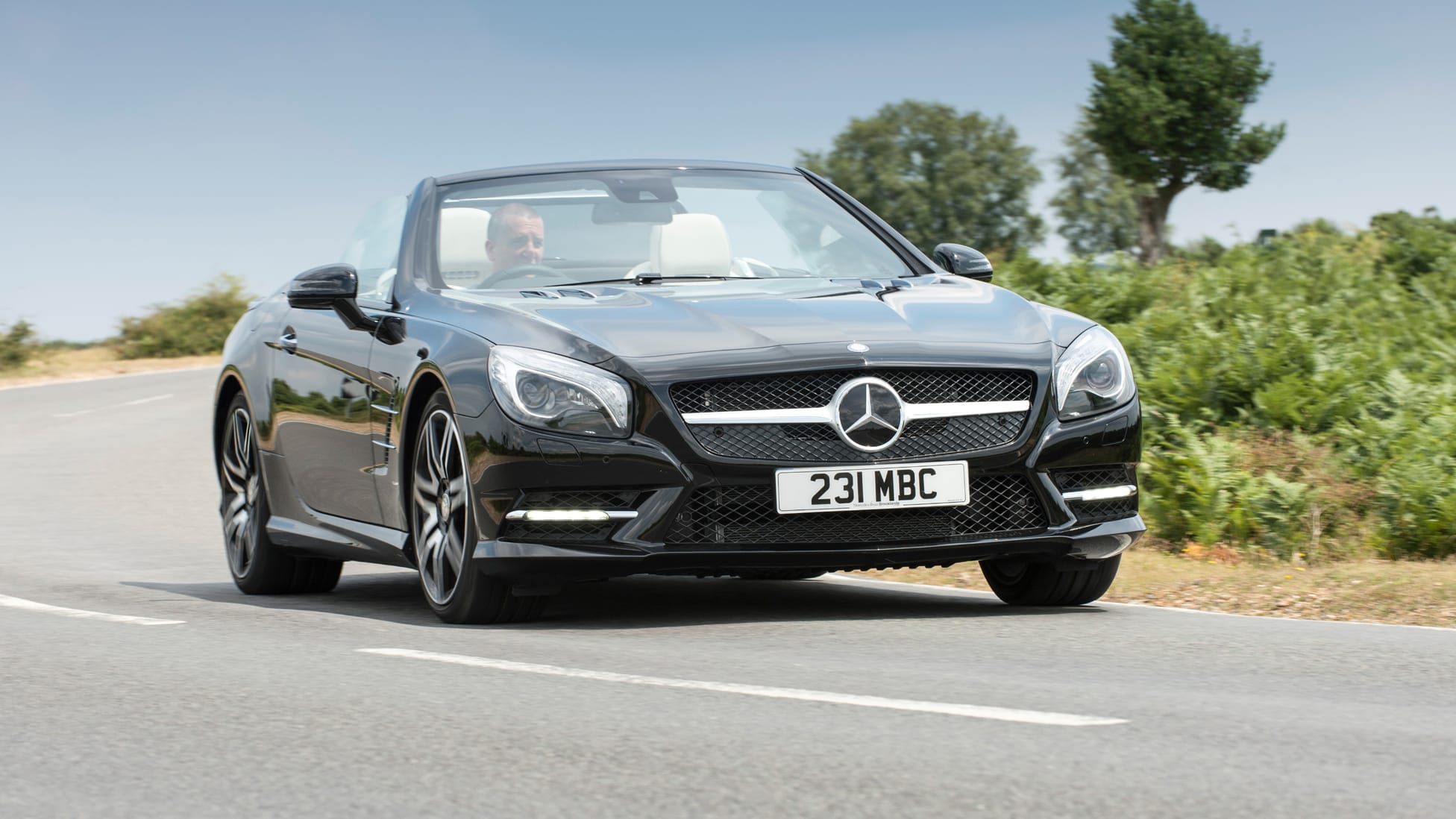
6. Mercedes-Benz SL (R107)
The Mercedes-Benz SL R107, produced from 1971 to 1989, is a classic luxury convertible that combines refined styling with durability and engineering excellence. Unlike many sports cars of the era, the R107 was designed for longevity, featuring solid construction, reliable engines, and a comfortable ride.
Its timeless design, characterized by clean lines, a low profile, and a folding soft top, has made it highly desirable among collectors and enthusiasts. The combination of classic Mercedes engineering and open-top driving pleasure ensures that the R107 remains relevant even decades after its production ended. Owners appreciate the balance between performance and comfort, with engines that provide smooth power delivery and chassis dynamics that make the car predictable yet engaging.
Aftermarket support for the R107 is extensive, largely due to its popularity and relatively high production numbers. Replacement body panels, soft tops, trim pieces, and interior components are widely available through specialized suppliers.
Mechanical parts for the engines, transmissions, suspension, and braking systems are also accessible, allowing owners to restore or maintain the car without excessive difficulty. This strong aftermarket ecosystem is particularly valuable for older Mercedes convertibles, where corrosion or age-related wear can affect bodywork, wiring, or interior trim.
Even highly detailed restoration projects are achievable thanks to the availability of reproduction components that closely match the original specifications.
Performance modifications are less common for the R107 compared to sports-focused convertibles, but many owners pursue upgrades to improve reliability, drivability, and comfort. Suspension enhancements, brake system upgrades, and modern electronic ignition systems can enhance the car’s responsiveness and safety without compromising its classic character.
Some enthusiasts also install more powerful engines from later Mercedes models or performance exhaust systems to achieve a slightly sportier driving experience. The fact that so many aftermarket options exist makes the R107 adaptable to a variety of driving preferences, from relaxed cruising to spirited weekend drives.
The Mercedes-Benz SL community also strengthens the R107’s appeal. Enthusiast clubs, forums, and restoration specialists provide valuable resources for troubleshooting, sourcing parts, and completing comprehensive restorations.
This collective knowledge, combined with the wide availability of aftermarket support, ensures that the R107 can be enjoyed by both first-time classic owners and experienced collectors. The result is a convertible that offers timeless style, solid engineering, and practicality for modern use, making it one of the most enduring examples of classic Mercedes open-top luxury.
7. Jaguar E-Type Series 1 Convertible
The Jaguar E-Type Series 1, produced from 1961 to 1968, is often celebrated as one of the most beautiful cars ever made. Its sweeping lines, long bonnet, and distinctive oval grille create an instantly recognizable silhouette, while the convertible variant offers the expression of its elegance.
The E-Type’s combination of style, performance, and open-top pleasure made it an instant classic, and it continues to command attention at car shows, rallies, and private collections worldwide. Beyond its visual appeal, the Series 1 E-Type is appreciated for its engineering innovations, including independent suspension and a powerful inline-six engine, which provide impressive handling and acceleration for a car of its era.
Aftermarket support for the E-Type Series 1 is strong, although certain parts can be rare or expensive due to the car’s status as a high-end classic. Reproduction body panels, soft tops, interior trim, and engine components are available through specialized suppliers, making restoration projects achievable.
Mechanical components such as suspension parts, brake systems, and engine rebuild kits can be sourced to keep the car in reliable condition. Many restoration specialists focus exclusively on Jaguars, providing expertise in everything from rust repair to period-correct interior detailing, which ensures that the E-Type can be preserved in authentic form.
Performance upgrades are an aspect of aftermarket support for the E-Type. Enthusiasts can install modern ignition systems, upgraded carburetors, or improved brake components to enhance the car’s drivability without detracting from its classic feel.
Suspension modifications, including adjustable shocks and upgraded bushings, allow for more precise handling while maintaining ride comfort. These enhancements make the E-Type more suited for modern driving conditions while retaining the visual and mechanical characteristics that make it a true classic.
The E-Type community plays an essential role in supporting owners and restorers. Clubs, forums, and gatherings provide guidance on sourcing parts, performing restorations, and navigating mechanical challenges.
Shared expertise helps reduce the complexity and cost of maintaining these cars, while networking with fellow enthusiasts allows owners to keep their vehicles in top condition.
With strong aftermarket support and a vibrant community, the Jaguar E-Type Series 1 convertible continues to be one of the most celebrated and attainable classic convertibles, offering a combination of beauty, performance, and open-top enjoyment that few cars can match.
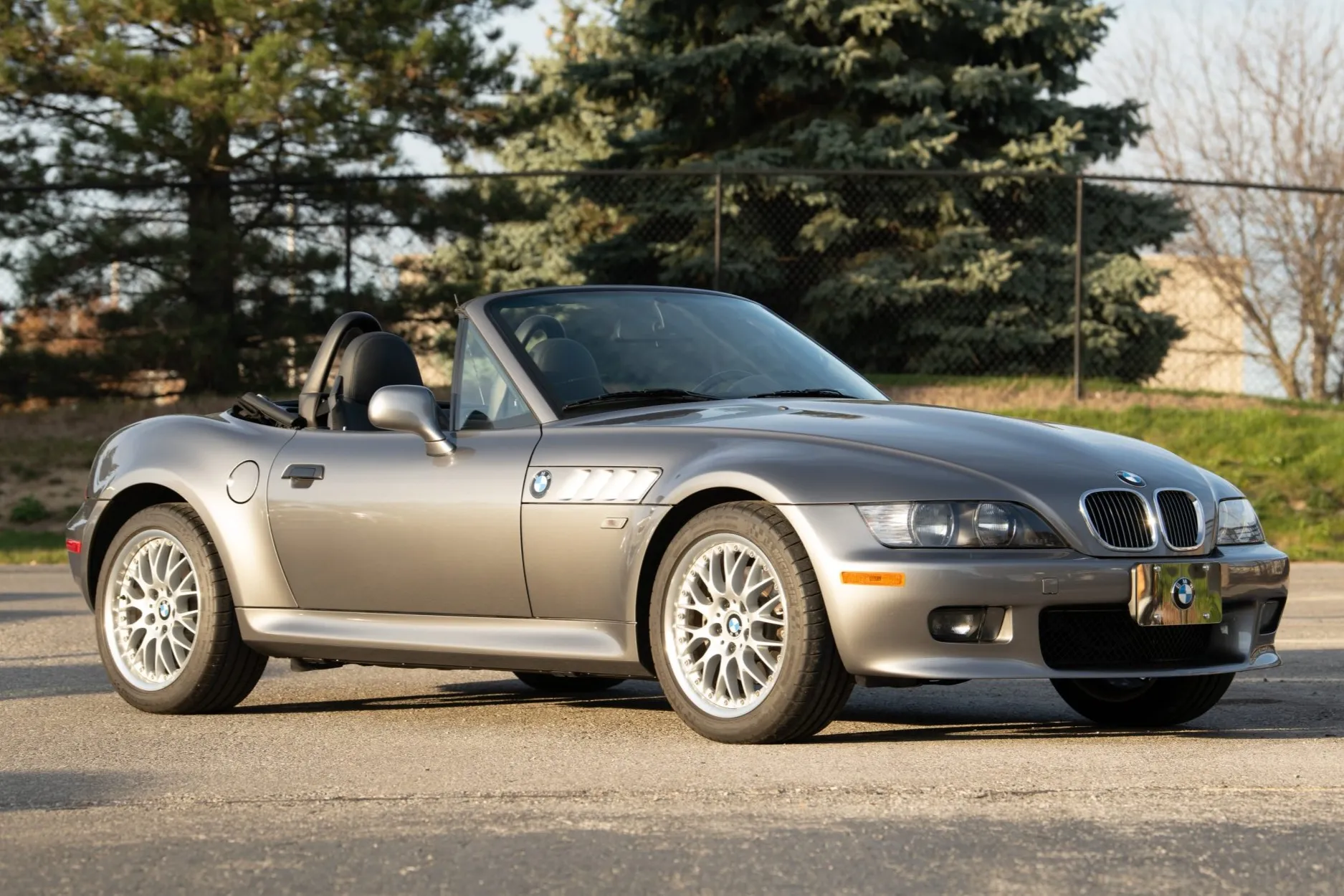
8. BMW Z3 Roadster
The BMW Z3 Roadster, produced from 1995 to 2002, is a more modern classic, often overlooked but highly rewarding for enthusiasts. Its styling is timeless, with a low, wide stance and elegant proportions that make it instantly recognizable.
Aftermarket support for the Z3 is extensive and continues to grow as the car transitions into classic status. Replacement body panels, soft tops, interior components, and trim pieces are all readily available through BMW-specific suppliers and independent specialists.
Mechanical parts, including engines, transmissions, suspension components, and brakes, can also be sourced easily, making full restorations or routine maintenance projects practical. Additionally, many companies offer upgraded performance components specifically for the Z3, allowing owners to improve handling, braking, or engine output without compromising reliability.
Performance enhancements are a significant part of the Z3 aftermarket ecosystem. Owners can install sport suspensions, upgraded brakes, and performance exhaust systems to create a more engaging driving experience.
Engine tuning and forced induction kits are available for those seeking additional power, while cosmetic upgrades such as wheels, interior trim, and lighting allow for personal customization. The modular nature of the Z3’s engineering means that modifications can be made without affecting the car’s reliability, making it appealing to both purists and enthusiasts seeking a more spirited drive.
The BMW Z3 Roadster community adds value by sharing knowledge, advice, and technical resources. Online forums, local clubs, and social media groups provide detailed guidance for sourcing parts, performing repairs, and executing upgrades.
This network, combined with strong aftermarket support, ensures that the Z3 remains accessible for classic car ownership while offering modern drivability and classic roadster charm. Its combination of affordability, availability, and enthusiast support makes the Z3 Roadster an excellent option for those seeking a practical yet fun convertible experience.
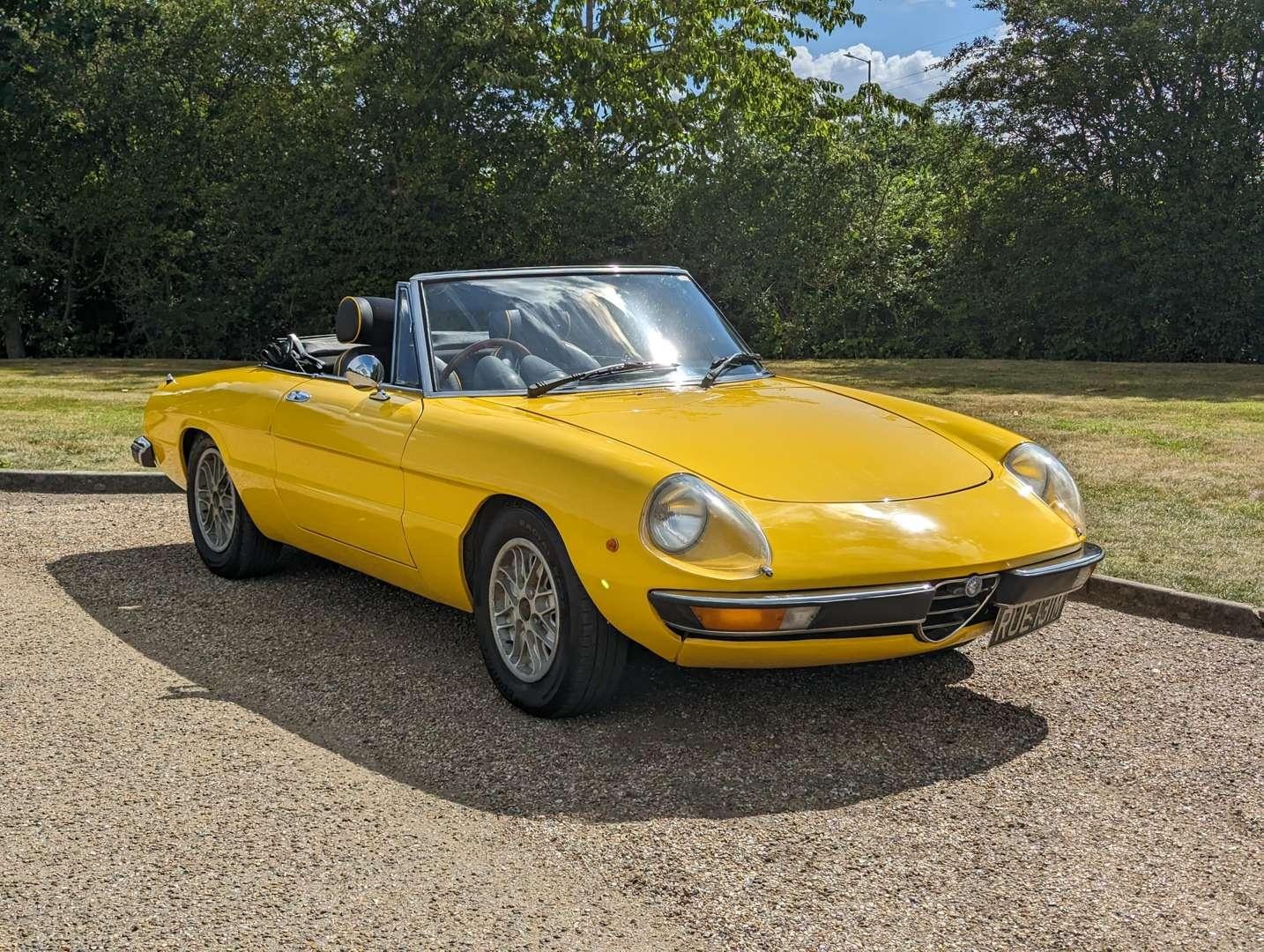
9. Alfa Romeo Spider (Series 1-4)
The Alfa Romeo Spider, produced from 1966 to 1994, is one of the most iconic Italian roadsters, known for its elegant lines, compact proportions, and lively performance. The Spider embodies the quintessential Italian convertible experience: lightweight, nimble, and stylish. Its enduring appeal comes from the balance of aesthetic beauty and engaging driving dynamics.
Early series models, particularly the Duetto and Series 2 variants, are highly sought after, while later models continued the tradition with improved reliability and comfort. The Spider remains an attractive choice for collectors who value driving enjoyment, design, and a car that feels connected to the road.
Aftermarket support for the Alfa Romeo Spider is strong, especially for European suppliers who specialize in Italian classics. Replacement parts for engines, suspension systems, braking components, and bodywork are widely available, as are interior elements such as seats, dashboards, and trim.
Convertible tops and related hardware can also be sourced through specialized vendors, which is critical for maintaining both functionality and aesthetics. Enthusiasts appreciate the accessibility of parts and the existence of kits that simplify restoration, enabling cars to be brought back to original specifications or modified subtly.
Performance upgrades are well-supported within the Alfa Romeo community. Engine tuning, carburetor modifications, suspension enhancements, and brake upgrades can all be applied to improve handling, responsiveness, and acceleration.
Many aftermarket suppliers offer performance components designed to retain the car’s classic character while enhancing drivability for modern conditions. Cosmetic upgrades, including wheels, lighting, and interior finishes, also allow owners to personalize their Spider without detracting from its timeless Italian design.
The Alfa Romeo Spider community further reinforces its appeal. Clubs, forums, and enthusiast gatherings offer a wealth of information on maintenance, restoration, and performance modifications. Owners share advice on sourcing rare components, troubleshooting mechanical issues, and preserving originality.
This combination of strong aftermarket support and community expertise ensures that the Alfa Romeo Spider remains a practical, rewarding, and stylish classic convertible that continues to delight enthusiasts around the world.
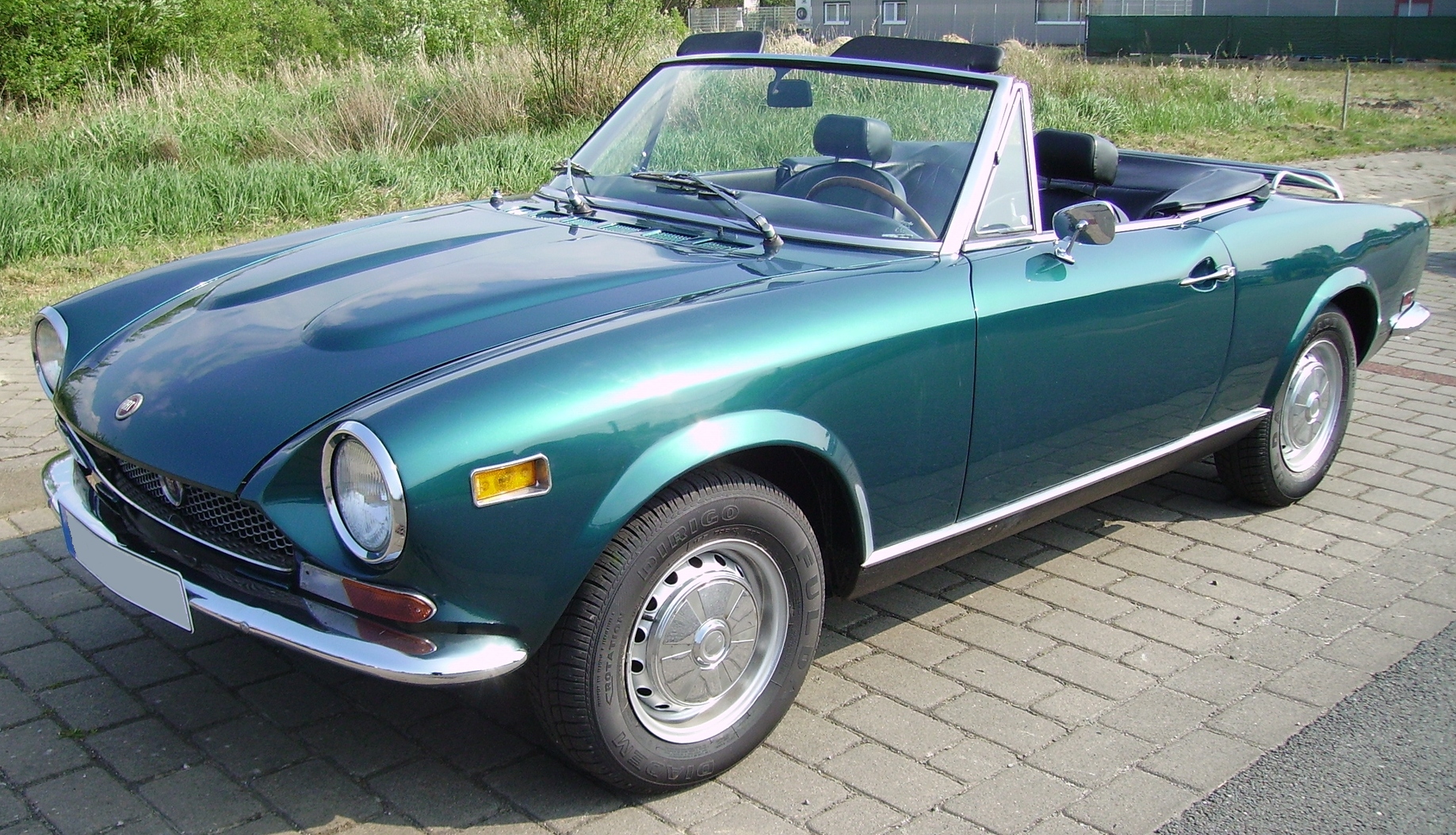
10. Fiat 124 Spider
The Fiat 124 Spider, produced from 1966 to 1985, is a compact Italian roadster that combines light weight, nimble handling, and classic styling. Its small dimensions and front-engine, rear-wheel-drive layout make it an engaging and accessible convertible, perfect for winding roads and weekend drives.
The 124 Spider is celebrated for its simplicity and charm, with mechanical systems that are easy to work on and parts that are widely available thanks to strong aftermarket support. Its affordability and drivability make it a popular choice for enthusiasts seeking a classic Italian convertible without the high cost of rare models.
Aftermarket support for the Fiat 124 Spider is extensive. Body panels, soft tops, trim pieces, and interior components are readily available, enabling full restorations or cosmetic updates. Engine parts, suspension components, and brakes are also accessible through both general suppliers and specialized Italian car vendors.
Many companies produce reproduction parts that closely match the original specifications, which allows owners to maintain authenticity while replacing worn or damaged components. This robust aftermarket ecosystem ensures that even older 124 Spiders can remain reliable and enjoyable to drive.
Performance upgrades for the Fiat 124 Spider include engine tuning, carburetor optimization, suspension improvements, and brake enhancements. Lightweight wheels, modern tires, and upgraded dampers improve handling and ride quality, while subtle cosmetic enhancements allow owners to tailor the car’s appearance.
These upgrades can enhance driving pleasure without compromising the classic feel of the vehicle, making the 124 Spider a versatile platform for both restoration and spirited driving projects.
The Fiat 124 Spider community is another key asset for owners. Clubs, forums, and social media groups provide guidance on sourcing parts, completing restorations, and troubleshooting common mechanical issues.
This shared knowledge, combined with extensive aftermarket support, ensures that the 124 Spider remains an accessible and rewarding classic convertible. Its blend of Italian styling, engaging handling, and practical aftermarket resources makes it a standout choice for enthusiasts seeking a compact, fun, and historically significant open-top car.
