
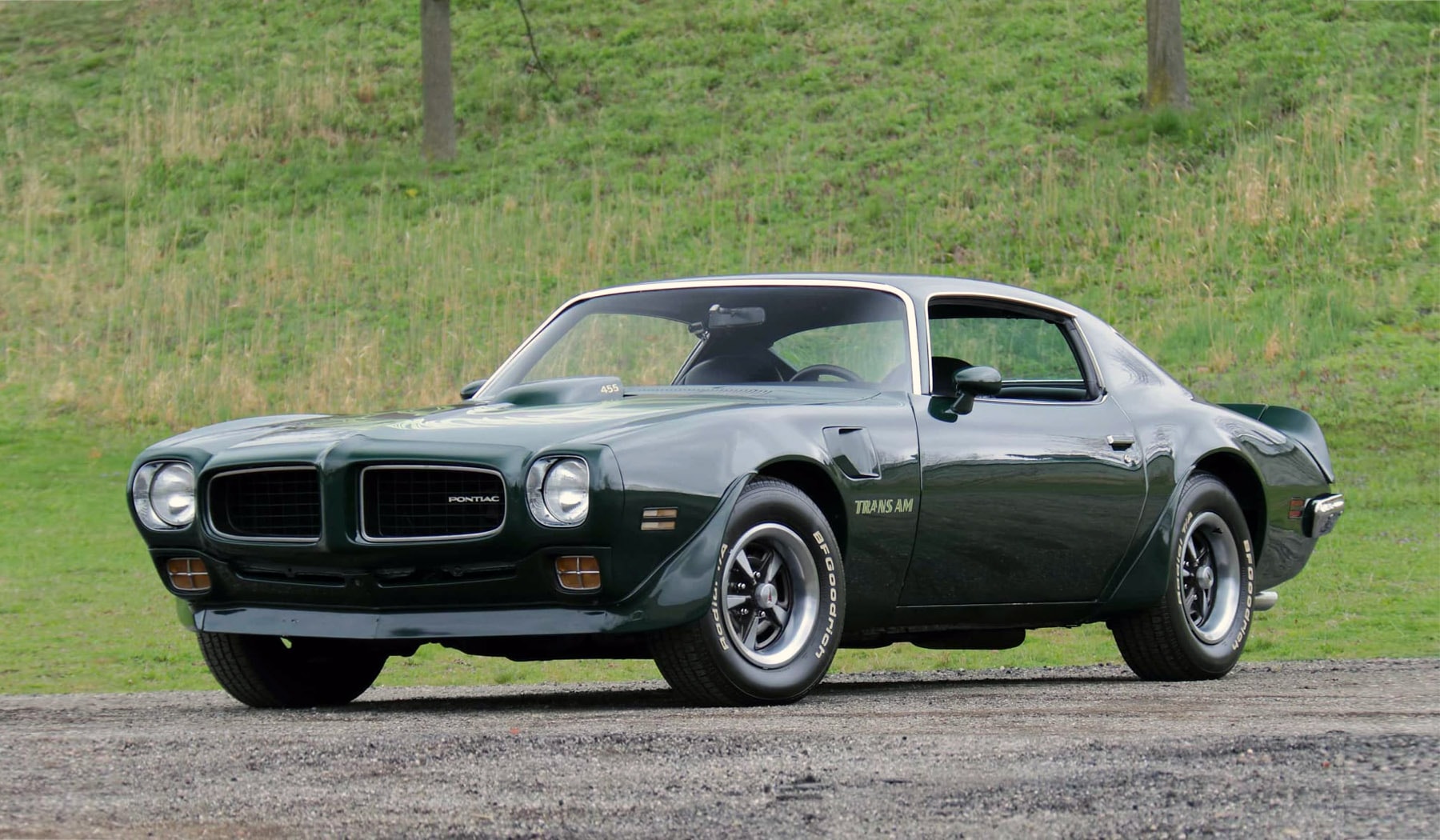
The 1980s and 1990s were a unique era for automotive design, marked by bold experimentation, flashy colors, and distinctive styling cues. Among the trends that left a lasting impression on car enthusiasts and casual drivers alike was the two-tone paint scheme.
Unlike today’s subtle color palettes, the vehicles of this period embraced the idea of pairing contrasting shades, often separating the upper and lower body panels, or accentuating trim and features with a different hue. This approach not only highlighted the car’s lines but also created a sense of personality that set these vehicles apart from the more conservative designs of previous decades.
Two-tone paint schemes became more than just a styling choice; they were a statement of identity, reflecting the optimism, flamboyance, and experimentation of the time. From sporty hatchbacks to luxurious sedans, this design element found its way onto a wide variety of vehicles, turning everyday cars into memorable icons.
The popularity of two-tone paint was influenced by several factors. Automakers were looking for ways to make their models stand out in a crowded market, and the two-tone approach offered a visually striking solution without requiring significant changes to the underlying design.
The use of vinyl cladding, chrome trims, and contrasting roof colors added depth to the vehicles’ appearance, emphasizing curves, body lines, and distinctive styling features. Additionally, the consumer culture of the era encouraged personal expression, and owning a vehicle with a bold color combination was a reflection of individuality and taste. Advertisements often highlighted these paint schemes as a selling point, reinforcing the idea that a car’s appearance was just as important as its performance or reliability.
Today, two-tone vehicles from the ’80s and ’90s are celebrated for their unique aesthetic and nostalgic appeal. Collectors and enthusiasts seek out well-preserved examples, appreciating the way these color combinations capture the spirit of an era defined by creativity and confidence.
Whether it was a family SUV with a rugged lower trim, a compact car with a cheerful roof color, or a luxury sedan with understated elegance, the two-tone designs of this period continue to inspire admiration. Their influence can still be seen in modern vehicles, where selective use of contrasting colors pays homage to this classic trend while maintaining contemporary styling sensibilities.
This article will highlight ten vehicles that exemplified the two-tone paint trend during the 1980s and 1990s. Each of these cars contributed to the popularity of the style in its own way, whether through bold color choices, innovative design, or cultural impact. By examining their distinctive paint schemes and the reasons they stood out, we can better understand how these vehicles shaped automotive trends and why they remain cherished symbols of a bygone era.
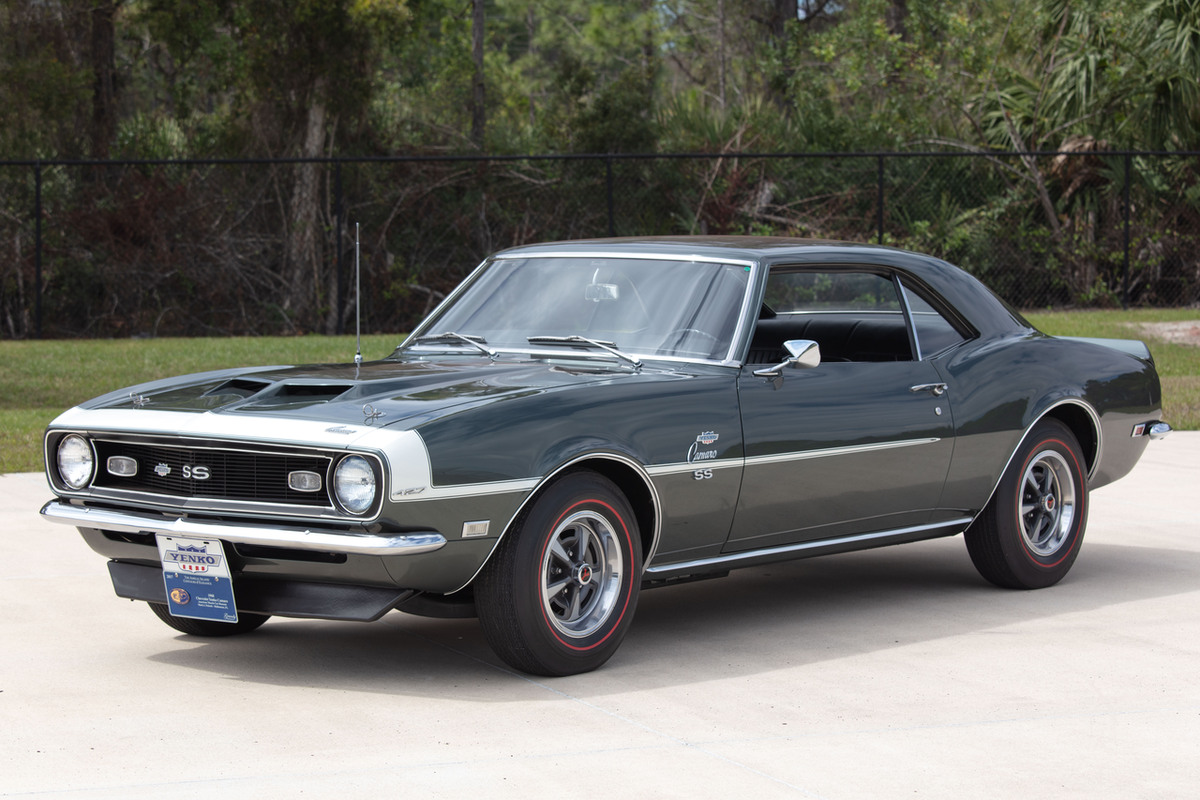
1. Chevrolet Camaro (Third Generation, 1982–1992)
The third-generation Chevrolet Camaro was a standout example of sporty American design in the 1980s, and its two-tone paint options added a unique flair to an already aggressive silhouette. The model featured sharply angled lines, aerodynamic front ends, and a lower, sleeker profile than its predecessors.
Chevrolet offered several two-tone schemes, often pairing darker lower panels with vibrant upper sections or contrasting roof colors with the main body. These combinations highlighted the Camaro’s muscular fenders and distinctive hatchback design, giving the car a sense of motion even while standing still.
Popular schemes included black over red, blue over silver, and tan over brown, which allowed buyers to select a combination that reflected their personality while remaining stylish and contemporary.
The two-tone paint on the Camaro was more than an aesthetic choice; it functionally emphasized the car’s structural elements. For example, the lower panels often received darker colors to mask road grime and minor scratches, while the lighter upper colors drew attention to the roofline and hood.
This contrast made the vehicle appear longer and lower, a visual trick that appealed to performance-minded drivers. Additionally, Camaro enthusiasts appreciated how the two-tone options could be paired with other styling features, such as stripes, decals, or aftermarket accessories, giving owners the ability to create a personalized statement on the road.
Chevrolet’s marketing for the third-generation Camaro frequently highlighted its two-tone appeal. Advertisements depicted the car in motion along city streets and highways, showcasing the dramatic contrast of its paint combinations against the vehicle’s aerodynamic shape.
The automaker presented the car as a symbol of freedom, individuality, and youthful energy, with the two-tone paint acting as a visual representation of these values. Enthusiasts often associated specific color combinations with performance packages, further cementing the connection between paint choice and personality.
Even today, restored third-generation Camaros often retain their original two-tone schemes, which collectors see as integral to the car’s identity. The combination of performance, design, and distinctive color placement makes these vehicles highly sought after.
The two-tone design of the Camaro demonstrates how a simple paint strategy can enhance a vehicle’s appeal, both in its original era and decades later. It remains a benchmark for understanding the bold aesthetics of the ’80s American sports car.
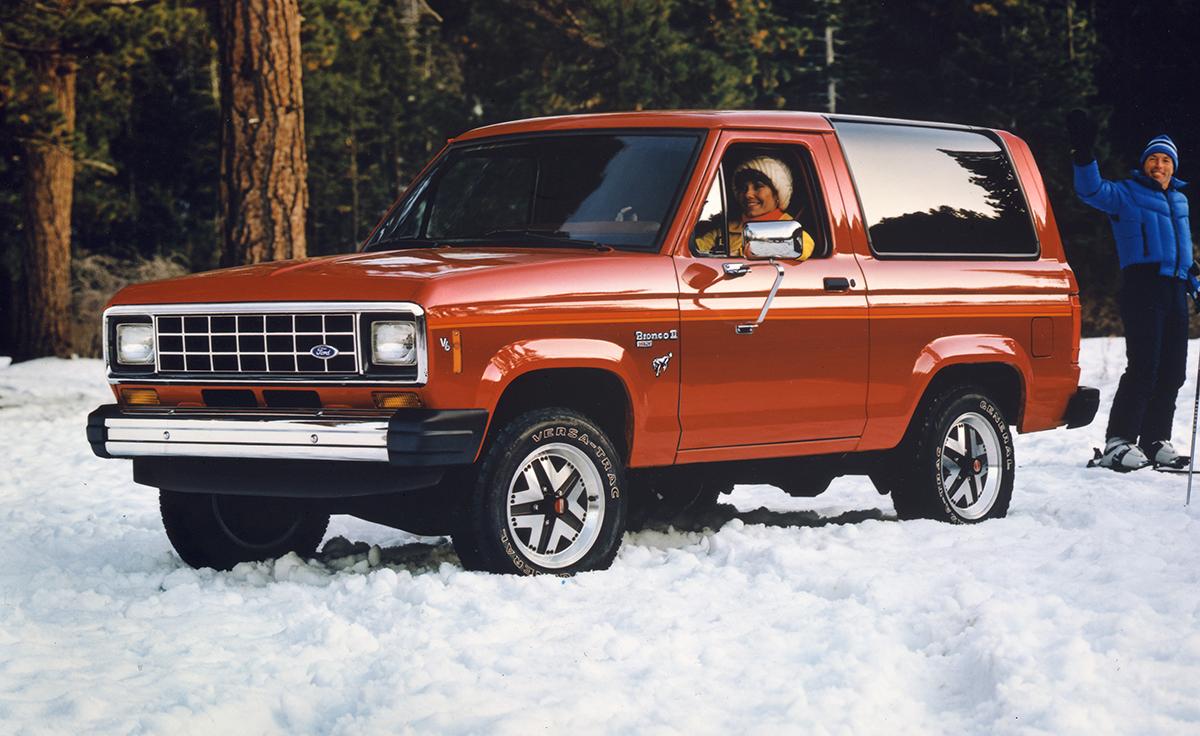
2. Ford Bronco II (1984–1990)
The Ford Bronco II was a compact SUV that captured the rugged spirit of off-road adventure while embracing the stylistic trends of its time. Unlike its larger predecessor, the full-size Bronco, the Bronco II had a more manageable size, making it practical for urban environments and weekend excursions alike.
Two-tone paint was a hallmark feature, frequently featuring a darker lower section designed to withstand the dirt and mud of off-road excursions paired with a brighter or lighter upper section. This combination visually separated the functional body cladding from the main panels, giving the vehicle a more defined and purposeful look. Popular pairings included deep greens over beige, navy over silver, and maroon over tan, which balanced toughness with style.
Functionally, the two-tone paint on the Bronco II highlighted its off-road capability while maintaining an attractive appearance for daily use. The lower, darker sections helped conceal scratches from rocks, branches, and gravel, which were common challenges for compact SUVs of the period.
Meanwhile, the lighter upper panels provided contrast that accentuated the vehicle’s boxy design and tall stance, making it look more robust without appearing heavy. This clever use of color placement became a defining element of the Bronco II’s aesthetic identity.
Ford capitalized on the two-tone appeal in its advertising campaigns, presenting the Bronco II as a versatile vehicle capable of handling both city streets and wilderness trails. The paint schemes suggested durability, confidence, and individuality, appealing to buyers who wanted a practical vehicle without sacrificing style.
Enthusiasts frequently sought out the two-tone versions because the combinations emphasized the SUV’s adventurous nature, enhancing its desirability in a market crowded with utilitarian options.
Today, well-preserved Bronco IIs with original two-tone paint are celebrated among collectors and off-road enthusiasts. The combination of rugged utility and distinctive styling embodies the era’s design philosophy, where form and function worked hand in hand. The Bronco II remains a strong example of how a two-tone paint scheme can transform a practical vehicle into an icon with lasting appeal.
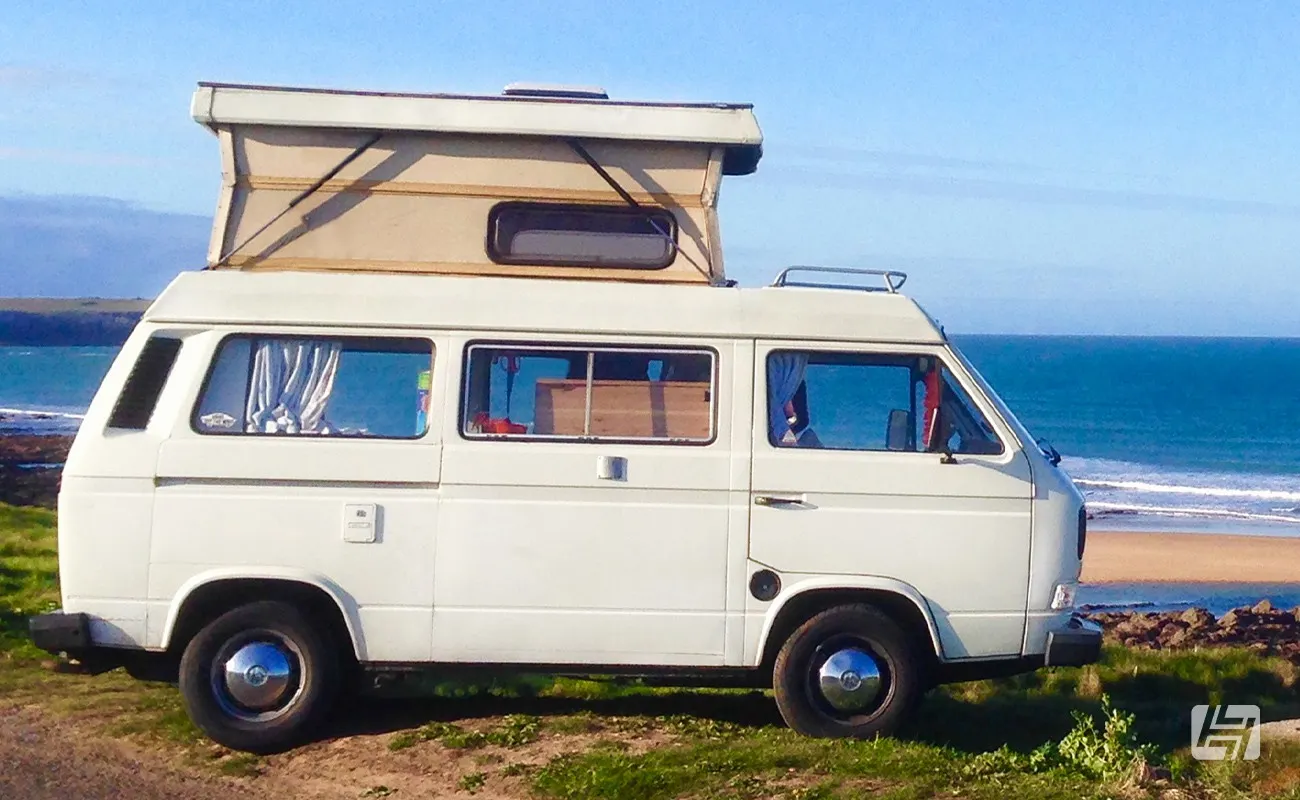
3. Volkswagen Vanagon (T3, 1979–1992)
The Volkswagen Vanagon, known in some markets as the Transporter T3, became an emblem of both practicality and counterculture in the ’80s and early ’90s. Its boxy, utilitarian shape was complemented by two-tone paint schemes that emphasized the vehicle’s modular design and spacious interior.
Typically, the Vanagon featured a lighter upper section with a darker lower half, sometimes separated by a subtle pinstripe, giving the van a distinct and balanced appearance. These color combinations ranged from classic white over blue to cream over brown, creating a friendly yet purposeful look that resonated with families, travelers, and adventure seekers.
Two-tone paint on the Vanagon was functional as well as aesthetic. The darker lower section helped conceal dirt and minor scuffs from outdoor use, a practical consideration for a vehicle often used for camping and road trips.
At the same time, the lighter upper body panels enhanced visibility and made the van feel more spacious, a psychological trick that complemented its roomy interior. Pinstripes or trim accents often followed the dividing line between colors, providing a neat, intentional separation that emphasized the van’s shape and design proportions.
Volkswagen marketed the Vanagon as a versatile and adventurous vehicle, with two-tone paint reinforcing the notion that this was more than just a transportation tool. The contrasting colors suggested energy, individuality, and a certain playfulness, appealing to buyers who wanted a vehicle that could serve as a home on wheels or a canvas for personal expression.
Owners often customized their Vanagons further with roof racks, pop-up campers, and decorative decals, with the two-tone scheme serving as a backdrop for these additions.
Collectors today value Vanagons with original two-tone paint highly, recognizing them as symbols of a bygone era of freedom, mobility, and design experimentation. The paint schemes enhance the nostalgia factor, reminding enthusiasts of a time when color and personality were just as important as functionality.
The Volkswagen Vanagon remains a celebrated example of two-tone styling that balanced practicality with distinct character, ensuring its place in automotive history.

4. Toyota Land Cruiser (60 Series, 1980–1990)
The Toyota Land Cruiser 60 Series was a model that combined rugged off-road capability with a refined presence that made it popular across multiple markets. The two-tone paint options of this era highlighted the vehicle’s dual nature as both a dependable workhorse and a stylish family SUV.
Typically, the lower half of the vehicle would feature a darker, earth-toned hue while the upper section would have a lighter, more neutral shade. This approach visually emphasized the Land Cruiser’s strong wheel arches, long wheelbase, and boxy yet balanced proportions.
Color combinations such as silver over charcoal, beige over brown, and white over forest green were particularly popular and highlighted the vehicle’s commanding presence on both highways and unpaved trails.
Beyond aesthetics, the two-tone paint of the Land Cruiser 60 Series served a functional purpose. The darker lower panels protected against the visual impact of dirt, mud, and minor abrasions from off-road use, which was a common scenario for these SUVs.
Meanwhile, the lighter upper panels helped reduce glare under sunlight, a subtle yet practical consideration for long-distance travel and harsh environments. The contrasting paint also accentuated the vehicle’s rugged lines, giving it a sense of strength and stability while avoiding the monotony of a single-color exterior.
Marketing campaigns of the 1980s and early 1990s positioned the Land Cruiser as the adventure vehicle, capable of traversing continents while offering comfort for passengers. The two-tone paint options reinforced this message, suggesting sophistication without sacrificing practicality.
The visual differentiation between upper and lower panels implied durability and resilience, qualities that buyers sought in an SUV designed for extreme conditions. Enthusiasts often associated certain color pairings with specific trims or equipment packages, which added a layer of exclusivity and desirability to the two-tone models.
Today, well-preserved 60 Series Land Cruisers with original two-tone paint command attention in the collector’s market. The combinations evoke nostalgia for an era when SUVs were built for both adventure and elegance, and the enduring appeal of these vehicles demonstrates the effectiveness of the two-tone approach.
They remain a testament to Toyota’s ability to merge function, style, and timeless design, with the paint schemes playing a key role in creating the iconic identity that persists decades later.
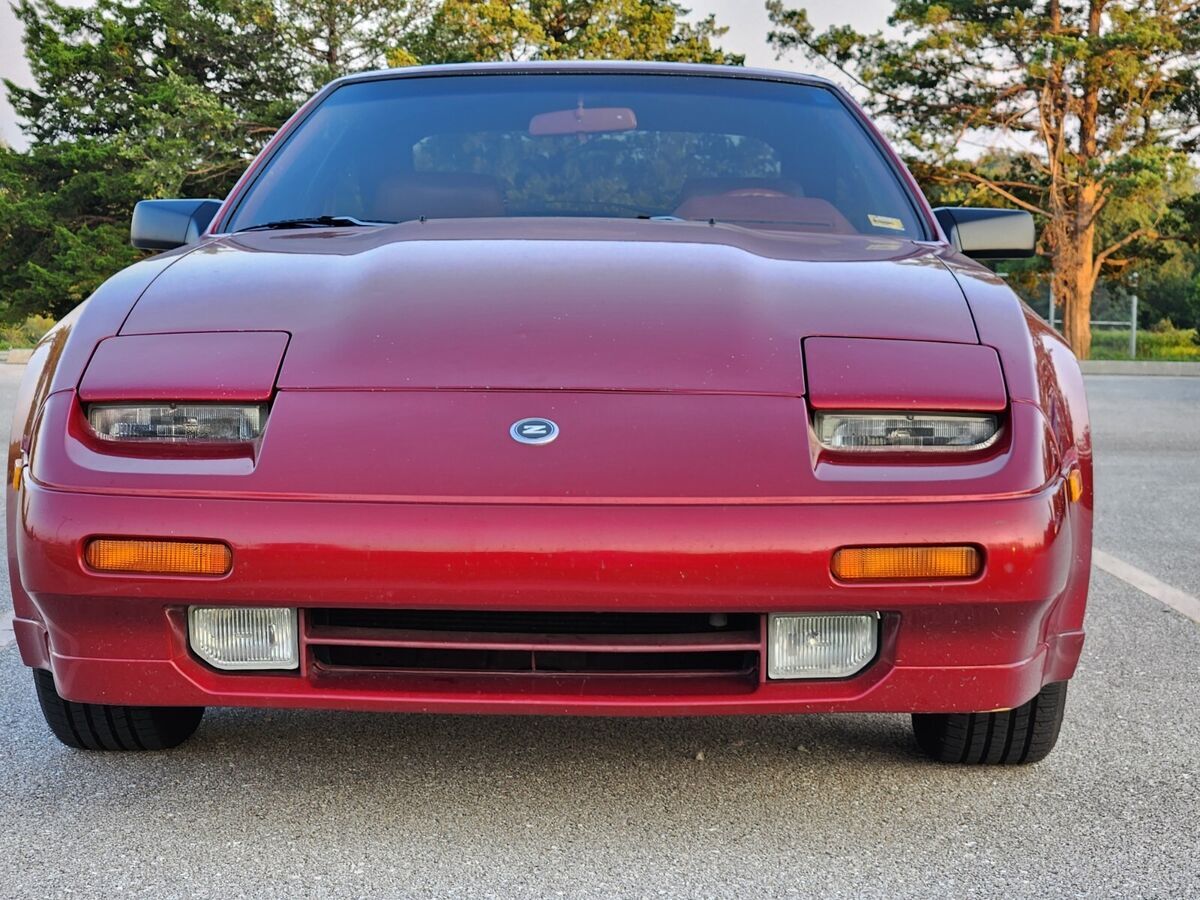
5. Nissan 300ZX (Z31, 1983–1989)
The Nissan 300ZX, part of the Z-car lineage, became one of the most recognizable sports cars of the 1980s, and two-tone paint options enhanced its futuristic yet aggressive styling. The Z31 featured sharp angular lines, pop-up headlights, and a wedge-shaped profile, which made it ideal for highlighting contrasting color schemes.
Nissan often offered a darker lower body with a lighter upper section or subtle roof accent, emphasizing the vehicle’s aerodynamic lines and creating visual interest. Popular combinations included silver over gray, black over red, and blue over silver, each providing a distinct personality while maintaining a sophisticated sports car image.
Functionally, the two-tone paint worked to accentuate the 300ZX’s performance-oriented design. The lower darker panels helped define the wide stance of the vehicle, drawing attention to its tires and underbody, while the lighter upper body accentuated the sloped hood and windshield angles.
This contrast enhanced the perception of speed and sleekness, even when the car was stationary. The design also complemented optional trim packages and aftermarket modifications, allowing owners to further personalize their vehicles and showcase their individuality on the road.
Advertising campaigns in the 1980s emphasized the 300ZX as a car for the modern driver, combining performance with style and sophistication. Two-tone paint was presented as a symbol of exclusivity and flair, appealing to buyers who wanted a sports car that stood out in urban environments and on highways alike.
Photographs of the Z31 in glossy print ads often highlighted the reflective properties of the paint, demonstrating how the contrasting colors enhanced the angular body lines and gave the vehicle a futuristic appearance.
Even today, the 300ZX with original two-tone paint is considered a collector’s gem. Enthusiasts appreciate the way these combinations capture the bold experimentation of ’80s sports car design while maintaining a timeless appeal.
The contrast between upper and lower panels not only emphasizes the car’s unique styling but also serves as a reminder of an era when automotive aesthetics were as much a part of the driving experience as horsepower or handling.
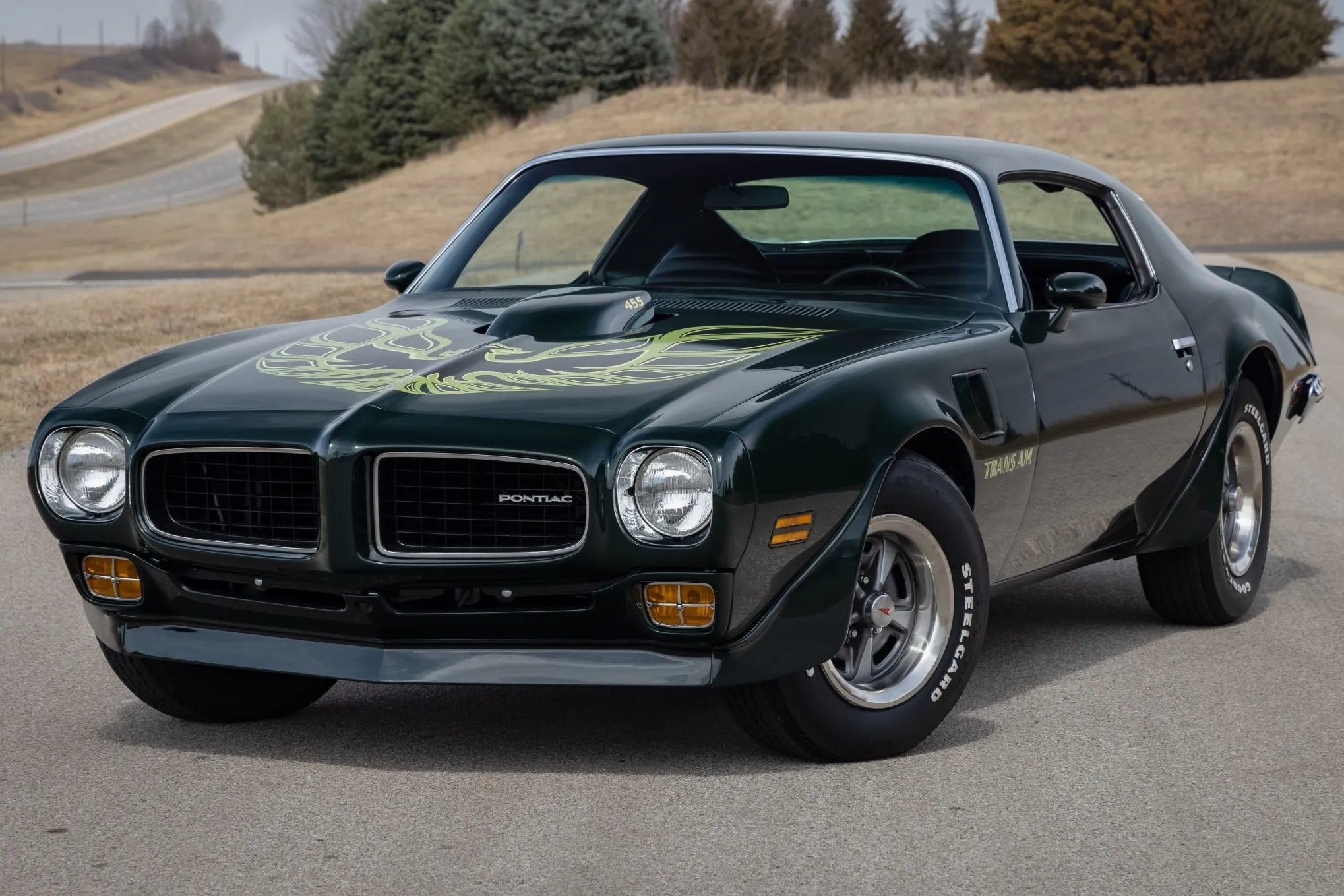
6. Pontiac Firebird (Third Generation, 1982–1992)
The third-generation Pontiac Firebird was one of the most influential American muscle cars of the 1980s, and its two-tone paint options helped define its iconic look. Characterized by sharp edges, a low-slung profile, and aerodynamic lines, the Firebird was a natural candidate for contrasting color treatments.
Popular two-tone schemes often combined black with red, white with gray, or silver with maroon, creating dramatic visual effects that emphasized the car’s aggressive stance and sporty features. These paint combinations enhanced the vehicle’s sculpted hood, flared fenders, and distinctive rear deck, making it a standout presence on streets and highways.
Beyond aesthetics, the two-tone paint highlighted the Firebird’s performance-oriented design. Darker lower panels created a grounded appearance, enhancing the perception of speed and stability, while lighter upper sections drew attention to key design elements like the T-top roof and pop-up headlights.
These contrasts made the car appear more dynamic and visually engaging, even when parked. Enthusiasts often appreciated how the two-tone options could be combined with decals, pinstripes, or specialty trims to create a truly customized look.
Pontiac’s marketing emphasized the Firebird’s bold personality and youthful energy, with two-tone paint playing a crucial role in this positioning. The contrasting colors were associated with exclusivity, flair, and a sense of fun, which resonated with a generation of buyers looking for vehicles that expressed individuality and confidence.
Two-tone models became particularly desirable because they offered an extra layer of visual drama that single-color options could not provide.
Collectors and fans today regard the third-generation Firebird with two-tone paint as a symbol of American muscle car design at its peak. The combination of aggressive styling, performance, and striking color contrast ensures that these vehicles continue to attract attention and admiration.
The two-tone schemes remain a defining characteristic, reminding enthusiasts of a period when cars were designed to be both fast and visually unforgettable.
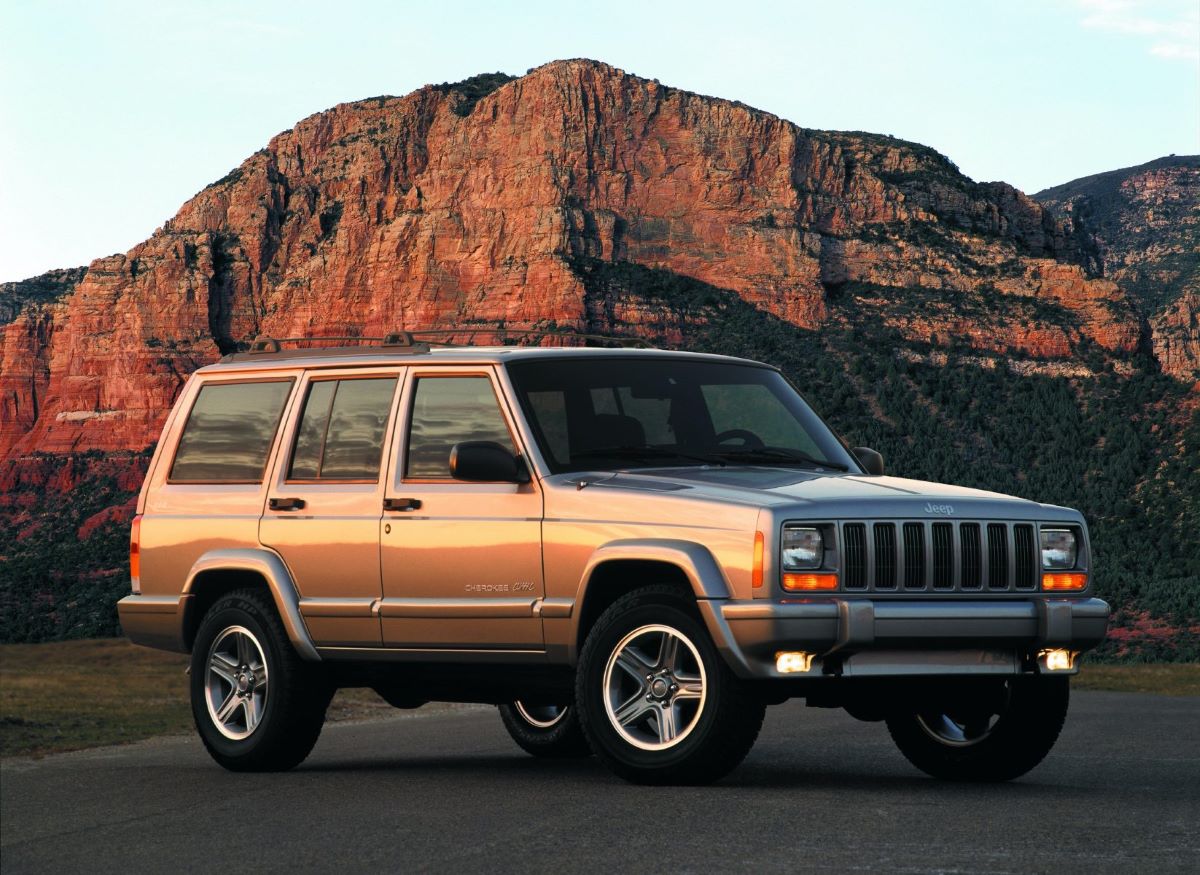
7. Jeep Cherokee XJ (1984–2001)
The Jeep Cherokee XJ represented a significant evolution in the SUV segment, introducing a more compact and efficient design while retaining the rugged character that Jeep was known for. Two-tone paint became a popular feature on the Cherokee XJ, often highlighting the body cladding, fender flares, or the lower portion of the vehicle.
Typically, the upper body would feature a brighter color while the lower panels were a darker shade, creating visual separation that emphasized the boxy, angular design. Combinations like silver over charcoal, white over blue, and green over tan allowed buyers to select a scheme that expressed personal style while still appearing tough and capable.
The functional aspect of the two-tone paint on the Cherokee XJ was as important as its aesthetic appeal. Darker lower panels helped conceal scratches, mud, and road debris, which were common when the vehicle was used off-road or in harsh conditions.
Meanwhile, the lighter upper body panels emphasized the roofline and windows, making the vehicle appear taller and more substantial. This contrast not only enhanced visual appeal but also reinforced the Cherokee’s identity as both an urban-friendly SUV and an off-road adventurer.
Marketing campaigns in the 1980s and early ’90s emphasized versatility and reliability, and the two-tone paint reinforced these values. The color combinations suggested durability while offering a distinctive style that stood out among competitors like the Ford Bronco II and Chevrolet S-10 Blazer.
Buyers often associated certain two-tone schemes with premium trim levels or special editions, which made the vehicles more desirable and fostered a sense of uniqueness for owners.
Today, the Cherokee XJ with original two-tone paint is highly sought after among collectors and off-road enthusiasts. The paint schemes evoke nostalgia for an era when SUVs were transitioning from purely utilitarian vehicles to lifestyle statements. Preserved examples demonstrate how a simple yet thoughtful use of contrasting colors can enhance both the utility and the visual appeal of a vehicle, cementing the Cherokee XJ as a two-tone icon of its time.
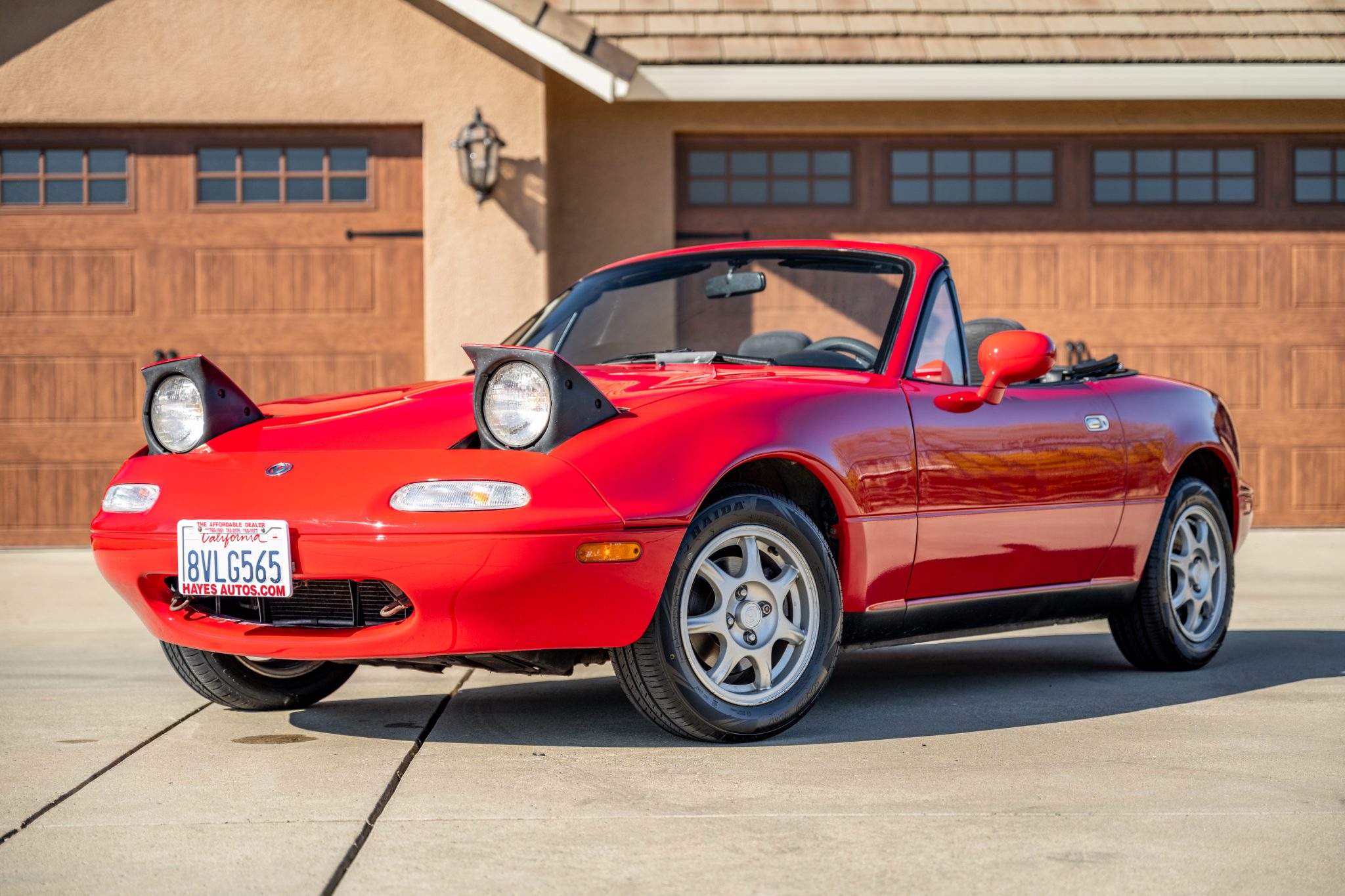
8. Mazda MX-5 Miata (NA, 1989–1997)
The first-generation Mazda MX-5 Miata, known as the NA, is a small sports car that achieved legendary status thanks to its lightweight design, rear-wheel-drive layout, and exceptional handling. While the Miata is often remembered for its simplicity, two-tone paint options were occasionally offered, adding a layer of visual excitement to its otherwise minimalist design.
Common configurations included a darker lower half with a lighter upper body or contrasting accent colors around the bumpers and side skirts. These choices enhanced the Miata’s compact proportions and emphasized its rounded fenders and low stance. Popular pairings like black over red or silver over blue created a playful yet refined appearance that suited the car’s sporty personality.
Two-tone paint on the Miata NA served more than an aesthetic purpose. By visually separating the lower body, the design emphasized the car’s lightweight construction and performance-oriented dimensions.
The contrast also highlighted the curvature of the fenders, the lines of the hood, and the angular pop-up headlights, making the car appear more dynamic. Owners appreciated that the two-tone options accentuated the Miata’s compact and agile look, reinforcing the idea that even a small sports car could have personality and presence on the road.
Mazda’s marketing campaigns highlighted the Miata’s fun-to-drive nature, often pairing the car with vibrant color schemes that reflected youthful energy and freedom. The two-tone paint reinforced this message, giving the vehicle a distinctive look that stood out among other small sports cars of the era.
Buyers who opted for these paint combinations signaled that they valued individuality and style as much as performance, making two-tone examples highly prized in the marketplace.
Today, early Miatas with original two-tone paint are treasured by collectors and enthusiasts. They are celebrated not only for their handling and mechanical simplicity but also for their eye-catching appearance. The two-tone scheme adds a nostalgic charm that captures the late ’80s and early ’90s spirit, reminding drivers of a period when even compact sports cars could make a bold visual statement.
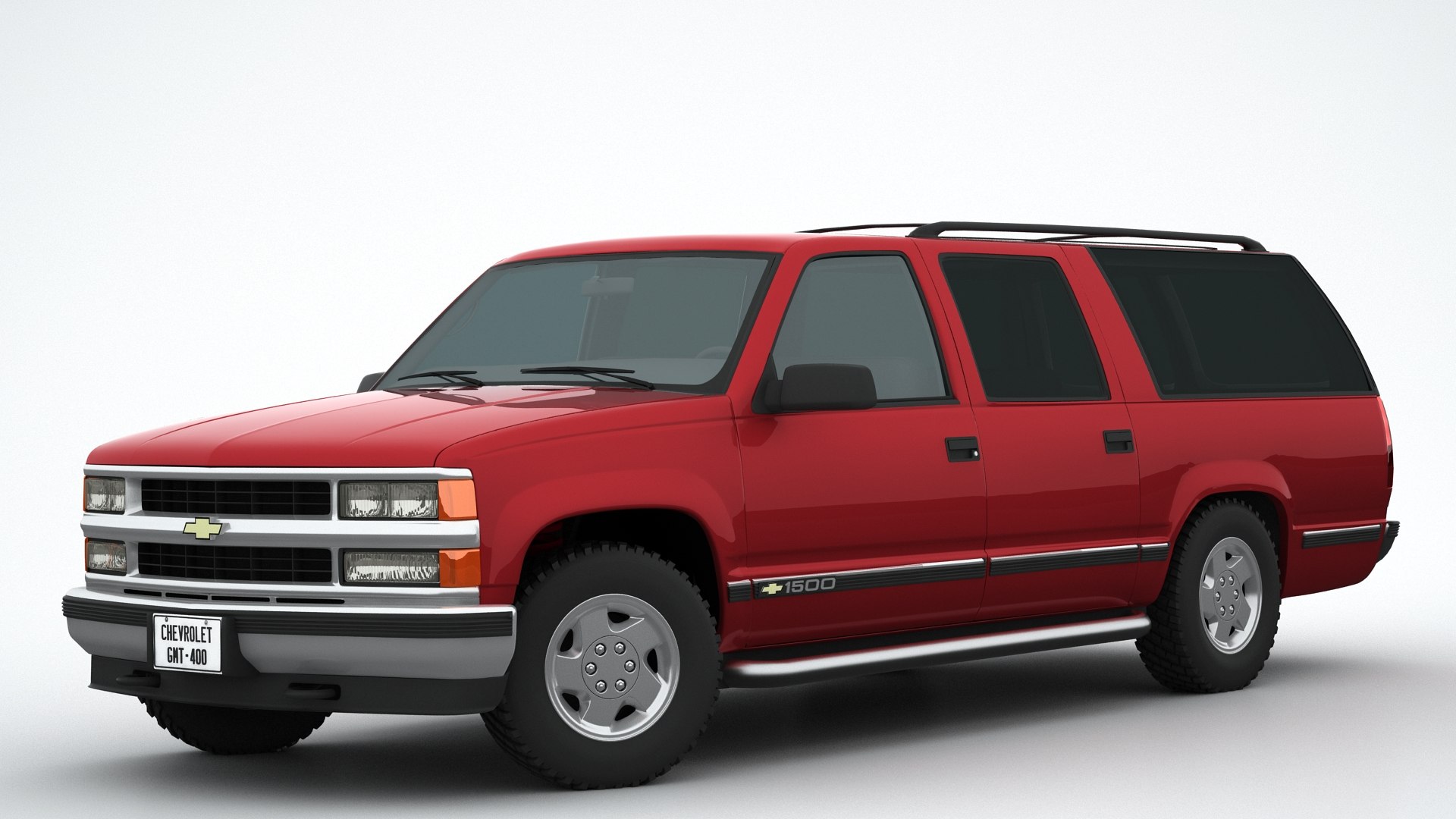
9. GMC Suburban (1981–1991)
The GMC Suburban of the 1980s was an iconic full-size SUV that balanced utility with a sense of style, and two-tone paint became one of its most defining features. The vehicles often featured a darker lower body color with a lighter upper section, emphasizing the SUV’s sheer size and angular lines.
Popular combinations included brown over beige, white over blue, and green over tan. These schemes were frequently complemented by chrome trim and roof racks, further enhancing the vehicle’s commanding presence. The contrast in colors helped visually break up the large, boxy profile, making the Suburban appear more approachable and stylish while retaining its rugged character.
Functionally, the darker lower panels of the Suburban helped conceal dirt, mud, and wear from daily use or off-road excursions, while the lighter upper panels highlighted the roofline, windows, and shape. This contrast emphasized the SUV’s versatility, making it suitable for both family use and professional applications.
The two-tone paint also drew attention to key design elements such as the squared-off wheel arches, extended rear cargo area, and front grille, adding sophistication to an otherwise utilitarian vehicle.
Marketing campaigns presented the Suburban as the combination of space, capability, and comfort. The two-tone paint reinforced these qualities by suggesting durability, reliability, and a touch of refinement. Buyers were drawn to these models not only for their practical benefits but also for the sense of status and presence that the bold color schemes conveyed.
The contrasting colors added personality to a vehicle that otherwise might have appeared plain, allowing it to stand out in a segment dominated by functional, utilitarian designs.
Today, original two-tone GMC Suburbans are celebrated by collectors and off-road enthusiasts alike. The combination of practicality, size, and striking color contrast makes them highly desirable, especially in well-preserved condition.
These paint schemes serve as a reminder of an era when full-size SUVs could be both workhorses and stylish statements, capturing the essence of 1980s automotive design and leaving a lasting impression on enthusiasts.
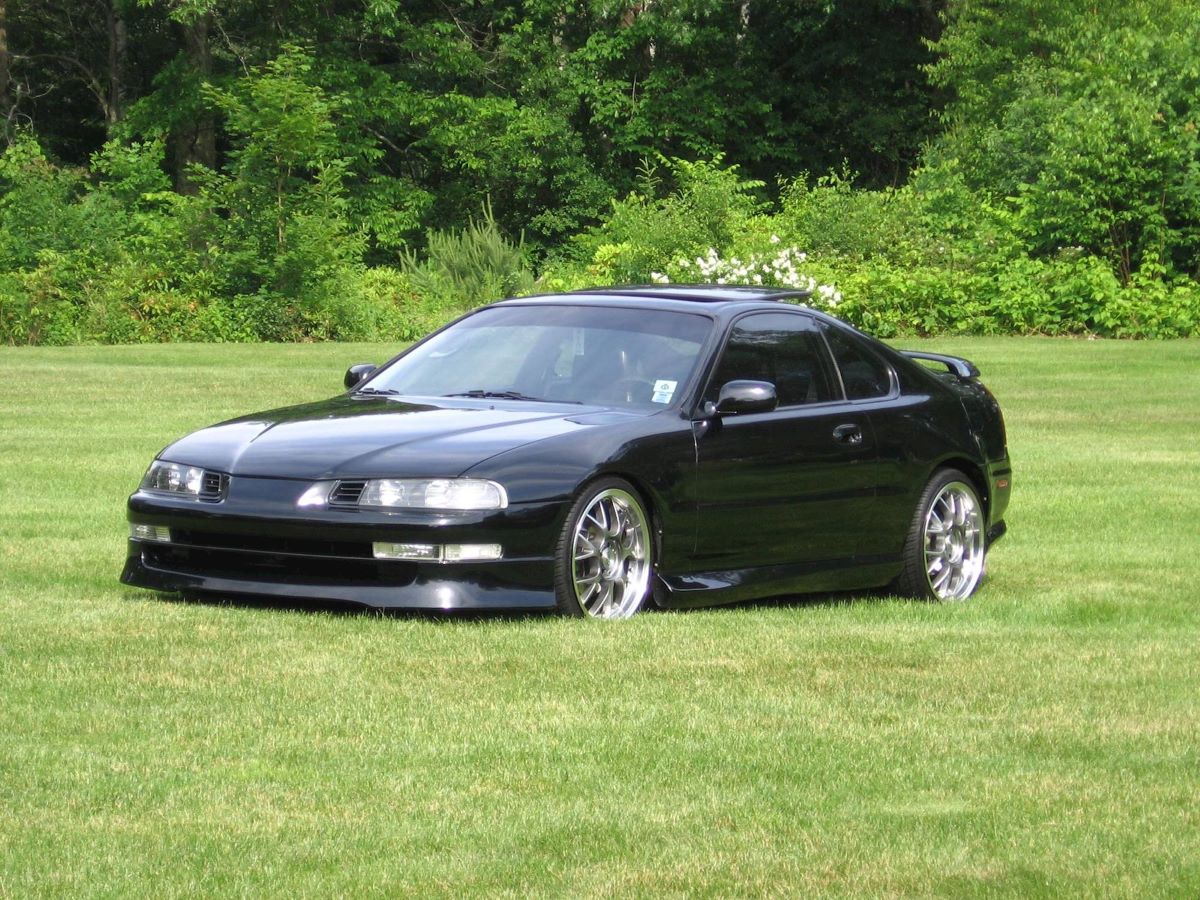
10. Honda Prelude (Third Generation, 1987–1991)
The third-generation Honda Prelude was a sleek, compact sports coupe that reflected the growing influence of Japanese automakers in the performance segment of the late ’80s. Two-tone paint schemes became a distinguishing feature for certain models, enhancing the vehicle’s aerodynamic design and accentuating its low, wide stance.
Typically, darker lower panels were paired with lighter upper sections, highlighting the angular lines of the hood, roof, and rear deck. Popular combinations such as black over red, silver over gray, or blue over white emphasized the vehicle’s sporty profile and contributed to a bold yet sophisticated appearance that resonated with young enthusiasts and daily drivers alike.
Two-tone paint on the Prelude also functioned to visually refine its proportions. The darker lower panels helped anchor the car to the road, while the lighter upper body emphasized the sloping hood and T-bar roofline. This contrast enhanced the perception of speed and movement, making the car appear dynamic even when stationary.
In addition, the two-tone treatment complemented other styling elements like alloy wheels, trim accents, and rear spoilers, allowing owners to create a cohesive and personalized look.
Honda’s marketing for the Prelude highlighted precision engineering, sporty performance, and style, with two-tone paint reinforcing these attributes. The contrasting colors were associated with sophistication and individuality, appealing to buyers who sought a vehicle that could deliver both performance and visual distinction.
Two-tone models often became focal points in dealership showrooms and advertisements, emphasizing the car’s ability to stand out in a competitive compact sports segment dominated by rivals such as the Toyota Celica and Nissan 240SX.
Today, the third-generation Prelude with original two-tone paint remains a sought-after collector’s vehicle. Enthusiasts appreciate the way the contrasting colors enhance the car’s distinctive lines and aerodynamic silhouette.
These paint schemes capture the bold, experimental spirit of late ’80s automotive design, serving as a visual reminder of a time when manufacturers embraced individuality and style alongside engineering innovation. The two-tone Prelude continues to exemplify the combination of performance and aesthetics that defined the era.
