
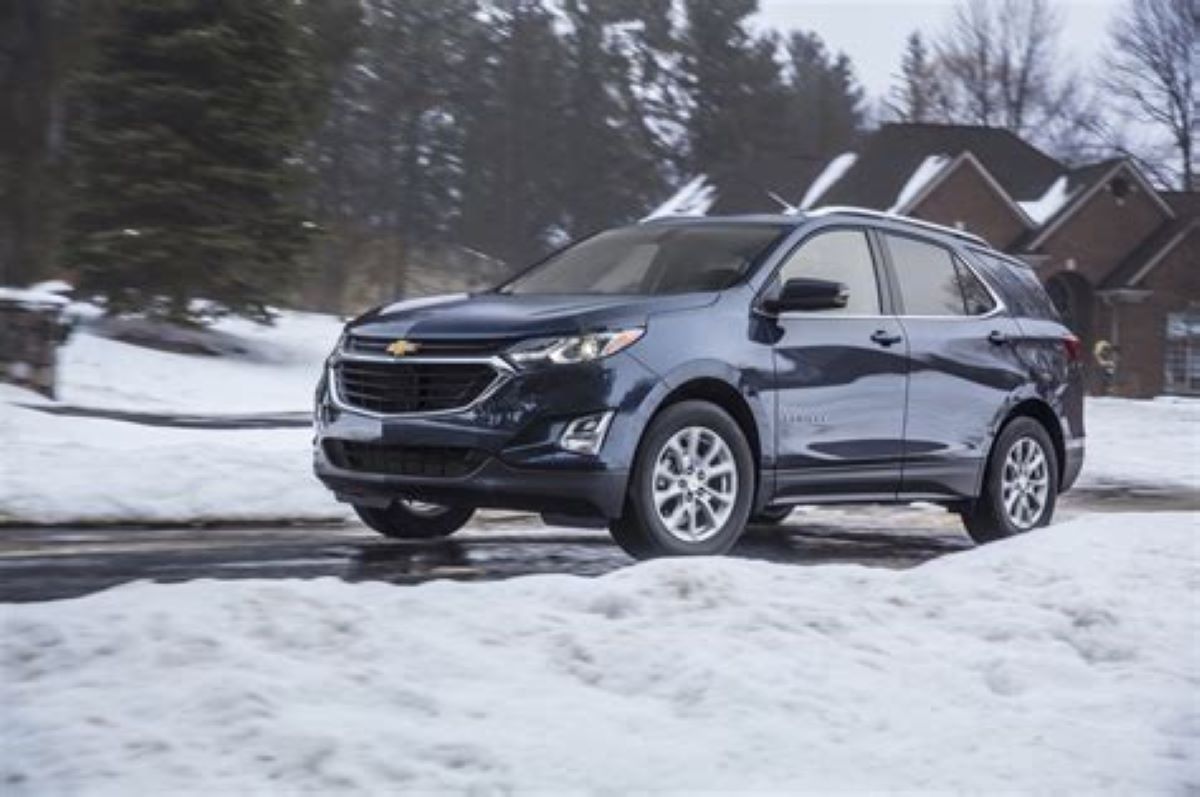
Crossovers have become one of the most popular vehicle segments, offering a mix of practicality, comfort, and a higher driving position without the bulk of a traditional SUV.
For families, outdoor enthusiasts, and daily commuters alike, a key concern is how a vehicle handles when fully loaded. Many crossovers feel fine with just the driver and a passenger, but once cargo, children, and gear are added, some models develop a floaty or unstable sensation that can reduce confidence and safety. This can manifest as body roll around corners, a lack of braking stability, or a general sense of the vehicle being disconnected from the road.
Choosing a crossover that maintains composure under load requires a balance of suspension tuning, chassis rigidity, and design. Some models are engineered with heavier springs or reinforced structures to handle weight better, while others use advanced stability systems to counteract the effects of a full cabin. A well-designed crossover can inspire confidence, whether traveling on highways, winding roads, or uneven terrain, even when carrying passengers and luggage.
Another factor is weight distribution. A vehicle with proper balance and attention to rear suspension dynamics tends to respond more predictably when loaded.
This not only improves safety but also enhances comfort, reducing fatigue during long drives. Interior space and cargo flexibility also play a role, allowing the load to be distributed evenly without compromising vehicle handling. Crossovers that perform well with a full load often combine thoughtful engineering with real-world practicality.
This article highlights ten crossovers that are known for maintaining a planted, composed feel even when carrying passengers and cargo. Each model represents a combination of design, engineering, and user experience that addresses the challenges of a fully loaded vehicle.
From mainstream brands to those known for a sportier approach, these crossovers demonstrate that practicality does not have to come at the expense of handling and driver confidence. The goal is to help readers identify options that stay stable, predictable, and comfortable in everyday situations, providing both versatility and peace of mind.
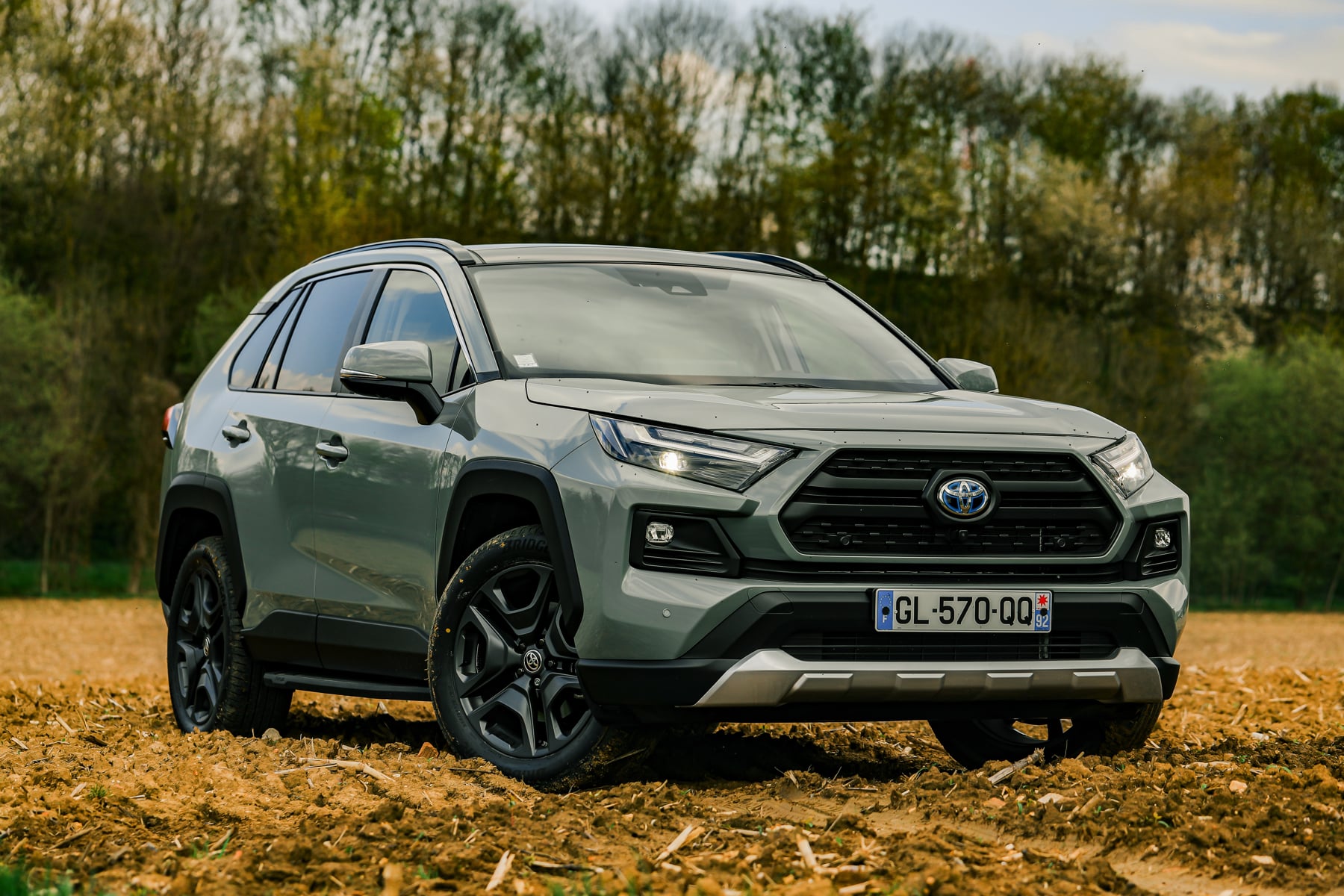
1. Toyota RAV4
The Toyota RAV4 has long been a benchmark for reliability and practicality, but its performance under a full load is equally impressive. The vehicle’s suspension system is carefully tuned to balance comfort and control, allowing it to absorb road imperfections without compromising stability.
Drivers often report that even with a full cabin, luggage, and additional gear, the RAV4 maintains a grounded, planted feel. Unlike some crossovers that develop a floaty or disconnected sensation when heavily loaded, the RAV4 retains composure through corners and maintains consistent braking performance, which enhances driving confidence.
Its predictable handling allows drivers to focus on the road rather than constantly adjusting for instability, making it an ideal choice for families and those who regularly transport heavy loads.
Inside, the RAV4’s cabin layout plays a critical role in maintaining stability. Rear passengers enjoy ample legroom, and the seating design helps distribute weight evenly across the chassis. The cargo area is spacious, and the flat load floor allows for luggage, sports equipment, or groceries to be arranged efficiently, reducing the chances of shifting weight affecting handling.
Even when fully loaded, the crossover’s balance remains steady, making highway driving and long trips more comfortable and less fatiguing. The thoughtful interior design contributes not only to comfort but also to safety, as it helps maintain predictable vehicle dynamics regardless of how much is inside.
Another key factor is the RAV4’s powertrain options. Whether equipped with a gasoline engine or a hybrid setup, acceleration is smooth and linear, preventing sudden weight shifts that could destabilize the chassis.
The hybrid model adds efficiency without compromising stability, and its regenerative braking system works seamlessly to keep the vehicle’s behavior consistent under braking. Additionally, Toyota’s electronic stability control system provides subtle interventions to maintain traction and balance, especially when cornering with a full load. This combination of mechanical and electronic systems ensures that drivers experience confidence and control at all times.
The steering and suspension of the RAV4 further reinforce its stability. Steering feedback is precise, allowing the driver to anticipate road conditions and vehicle response accurately. Even under maximum load, the RAV4 remains predictable, with minimal body roll and excellent composure on uneven or winding roads.
This makes it easier to navigate city streets, suburban roads, or mountain passes without feeling the typical floatiness associated with fully loaded crossovers. The Toyota RAV4’s combination of engineering, interior design, and powertrain tuning establishes it as a highly capable crossover for those who frequently carry passengers and cargo.
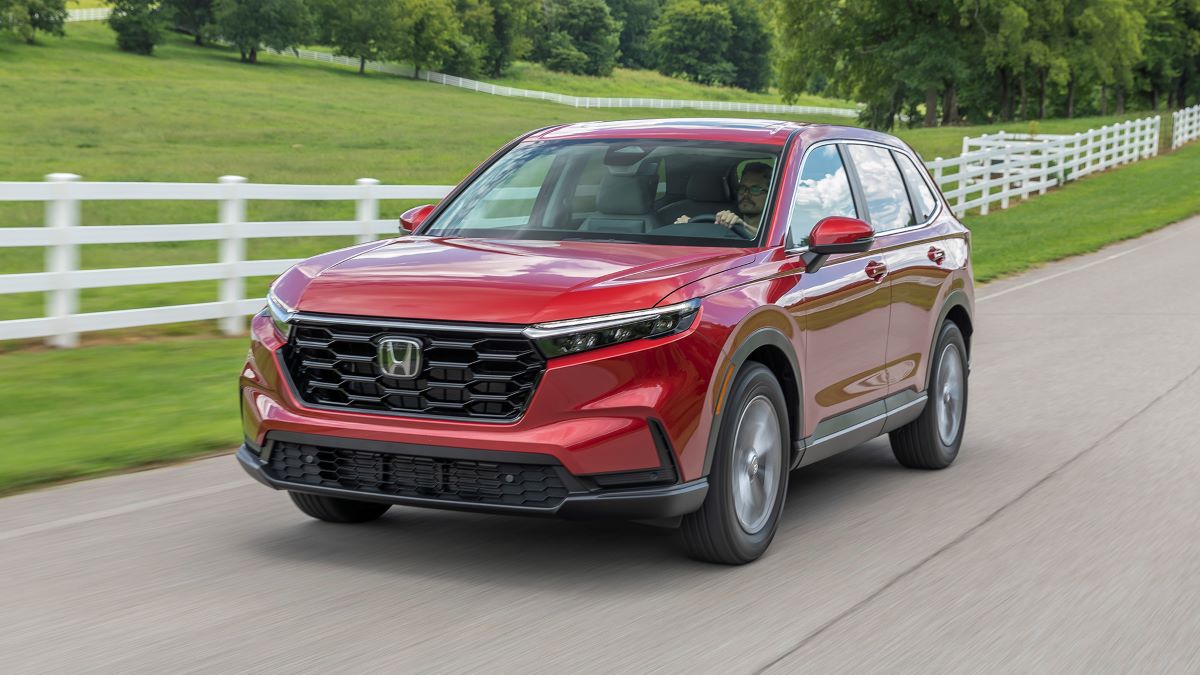
2. Honda CR-V
The Honda CR-V has long been celebrated for its smooth ride and composed handling, traits that remain consistent even under a full load. Its suspension is designed to absorb bumps and road irregularities while keeping the chassis balanced and controlled.
Drivers often note that the CR-V does not develop the floaty sensation that can plague some crossovers when heavily loaded. Instead, it maintains a firm yet comfortable feel, making it easier to navigate both urban streets and highways with passengers, luggage, or outdoor gear. The vehicle’s balance helps reduce driver fatigue during long journeys, as it behaves predictably under a variety of real-world conditions.
The interior layout of the CR-V contributes significantly to its stable performance. The rear seats fold flat, creating a level surface for cargo and ensuring even weight distribution. This prevents sudden shifts that can affect handling during acceleration, cornering, or braking.
In addition, passenger seating is designed for comfort, allowing adults and children to ride without compromising vehicle balance. By addressing both comfort and practicality, Honda ensures that the CR-V remains a crossover that is not only versatile but also safe and reliable under a fully loaded condition.
Powertrain and braking systems in the CR-V are calibrated to maintain composure under weight. The engine delivers consistent, linear power, while the continuously variable transmission provides smooth acceleration without abrupt surges. This is especially important when the vehicle is heavily loaded, as sudden torque spikes can affect stability.
Braking performance is firm and reliable, allowing the driver to stop confidently even when the vehicle carries passengers and cargo at maximum capacity. These engineering considerations contribute to the CR-V’s reputation for maintaining composure under challenging conditions.
Steering and chassis dynamics further enhance the driving experience. The CR-V communicates road feedback effectively, allowing the driver to anticipate vehicle behavior. Even with a full load, body roll remains minimal, and the vehicle feels connected to the road.
This predictability encourages confidence in all driving situations, whether navigating tight city corners or merging onto the highway. The combination of suspension tuning, weight distribution, and powertrain reliability makes the Honda CR-V one of the more dependable crossovers for those who need stability, comfort, and practicality simultaneously.
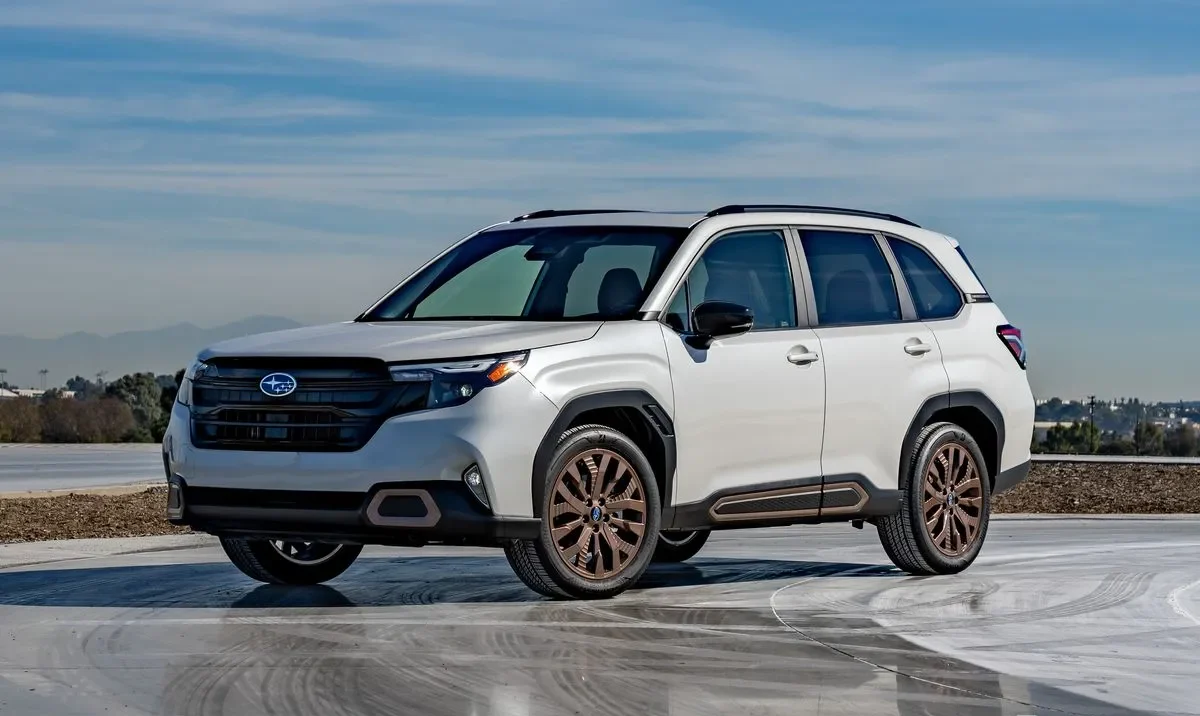
3. Subaru Forester
The Subaru Forester is renowned for its symmetrical all-wheel drive system, which provides consistent traction and control under various driving conditions, including full loads. Its chassis remains balanced even with a cabin filled with passengers and cargo, which contributes to a grounded, secure feel that is uncommon in some crossovers.
The suspension is designed to absorb road imperfections while controlling body movement, allowing the Forester to remain composed during cornering, lane changes, and braking maneuvers. Drivers appreciate that the Forester retains a stable and predictable demeanor, even on challenging terrain or long trips.
Passenger and cargo management plays a significant role in the Forester’s performance under load. Rear seats fold flat, creating a level surface for gear, luggage, or recreational equipment. This makes it easier to distribute weight evenly and prevents handling issues that could arise from uneven loading.
The vehicle’s relatively low center of gravity for its segment further contributes to its stable performance, helping to minimize floaty sensations even when the crossover is fully packed. This combination of thoughtful interior design and mechanical engineering ensures that the Forester remains versatile without sacrificing stability.
The Forester’s powertrain is optimized for smooth acceleration and consistent braking, enhancing confidence when carrying a full load. The engine responds linearly, while braking systems are engineered to maintain consistent stopping power regardless of the vehicle’s weight. All-wheel drive provides additional reassurance, particularly in adverse weather or on slippery surfaces, reducing the likelihood of loss of control. These features make it easier to manage a heavily loaded Forester safely and efficiently.
Steering and suspension feedback play a crucial role in the Forester’s predictable behavior. The steering communicates subtle road nuances, helping the driver anticipate changes in traction or road surface.
Combined with the firm yet compliant suspension, the Forester handles corners and uneven terrain with minimal body roll and floatiness. The result is a crossover that inspires confidence for families, adventurers, and commuters who rely on a stable, composed vehicle even when carrying full capacity.
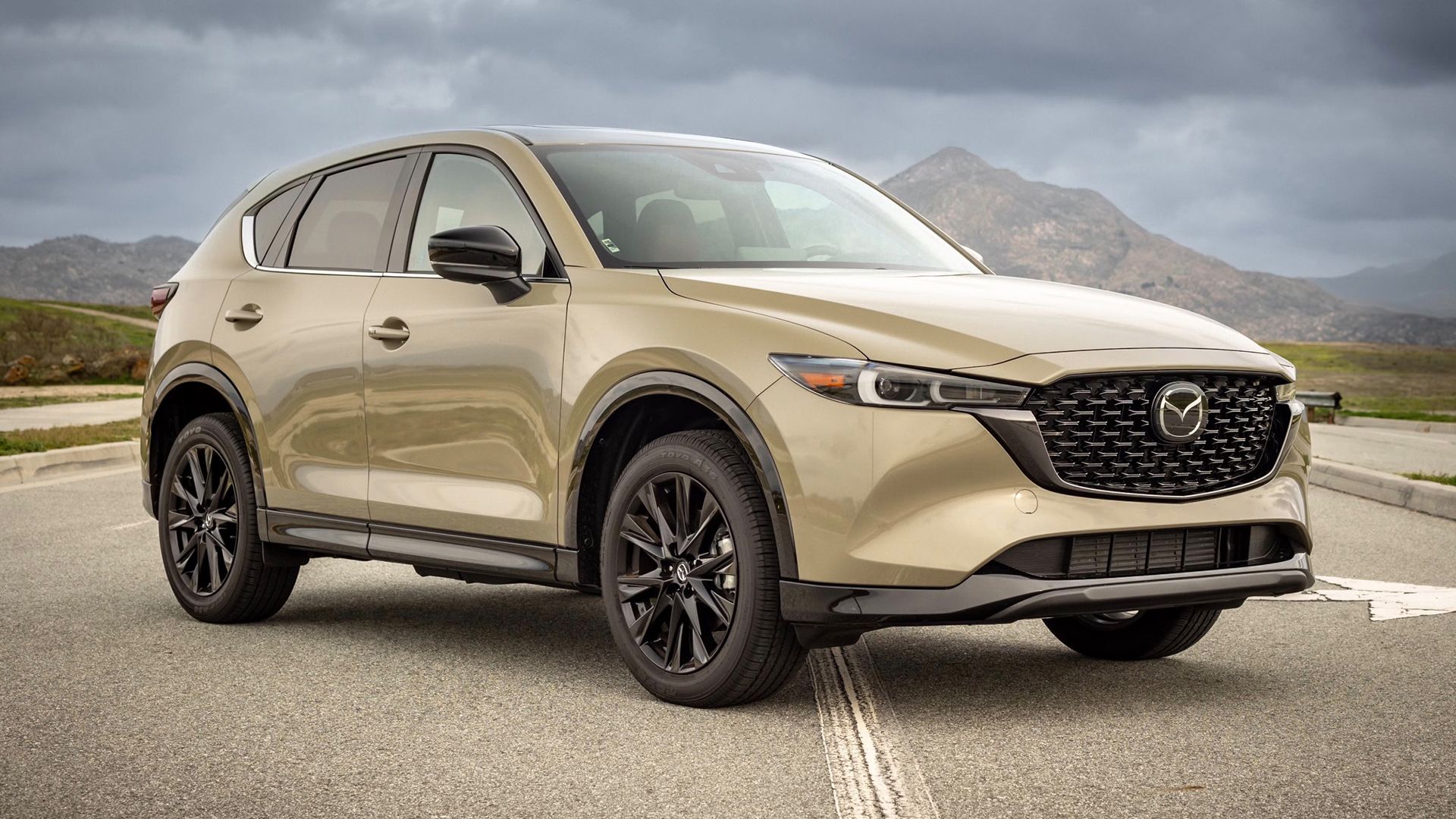
4. Mazda CX-5
The Mazda CX-5 is widely recognized for offering a driving experience that feels more dynamic than most crossovers while remaining exceptionally stable under load. Its suspension system is tuned to absorb bumps and irregularities without sacrificing composure.
Even when the vehicle is carrying passengers, luggage, or other cargo, the CX-5 maintains a connected and predictable feel on the road. Unlike some vehicles that feel soft or floaty under weight, the CX-5 communicates confidence through both the steering and chassis, providing reassurance to the driver in a variety of situations.
Weight distribution and center of gravity are key strengths of the CX-5. The crossover is designed so that added passengers and cargo do not negatively impact handling characteristics. Rear seats fold flat for convenient storage, while the layout of the cabin allows for even weight distribution.
This careful design ensures that the vehicle remains stable during acceleration, braking, and cornering, which is particularly important for drivers who frequently transport multiple passengers or heavy loads.
The CX-5’s powertrain contributes to its stability under full load. The engine delivers smooth, consistent power while the transmission shifts seamlessly, reducing torque spikes that can destabilize the vehicle.
Braking systems are tuned to maintain firmness even with added weight, further enhancing confidence during emergency stops or sudden traffic situations. The combination of these mechanical elements allows the CX-5 to handle like a midsize sedan despite its crossover shape, providing an engaging yet safe driving experience.
Steering feedback and chassis dynamics are also critical components of the CX-5’s performance. The steering communicates road conditions accurately, helping the driver anticipate vehicle movements. Suspension control keeps body roll in check while ensuring that road imperfections do not compromise stability.
This allows the CX-5 to handle long drives, winding roads, and fully loaded trips with poise. The Mazda CX-5 demonstrates that crossover practicality and driving enjoyment can coexist even under maximum load conditions.
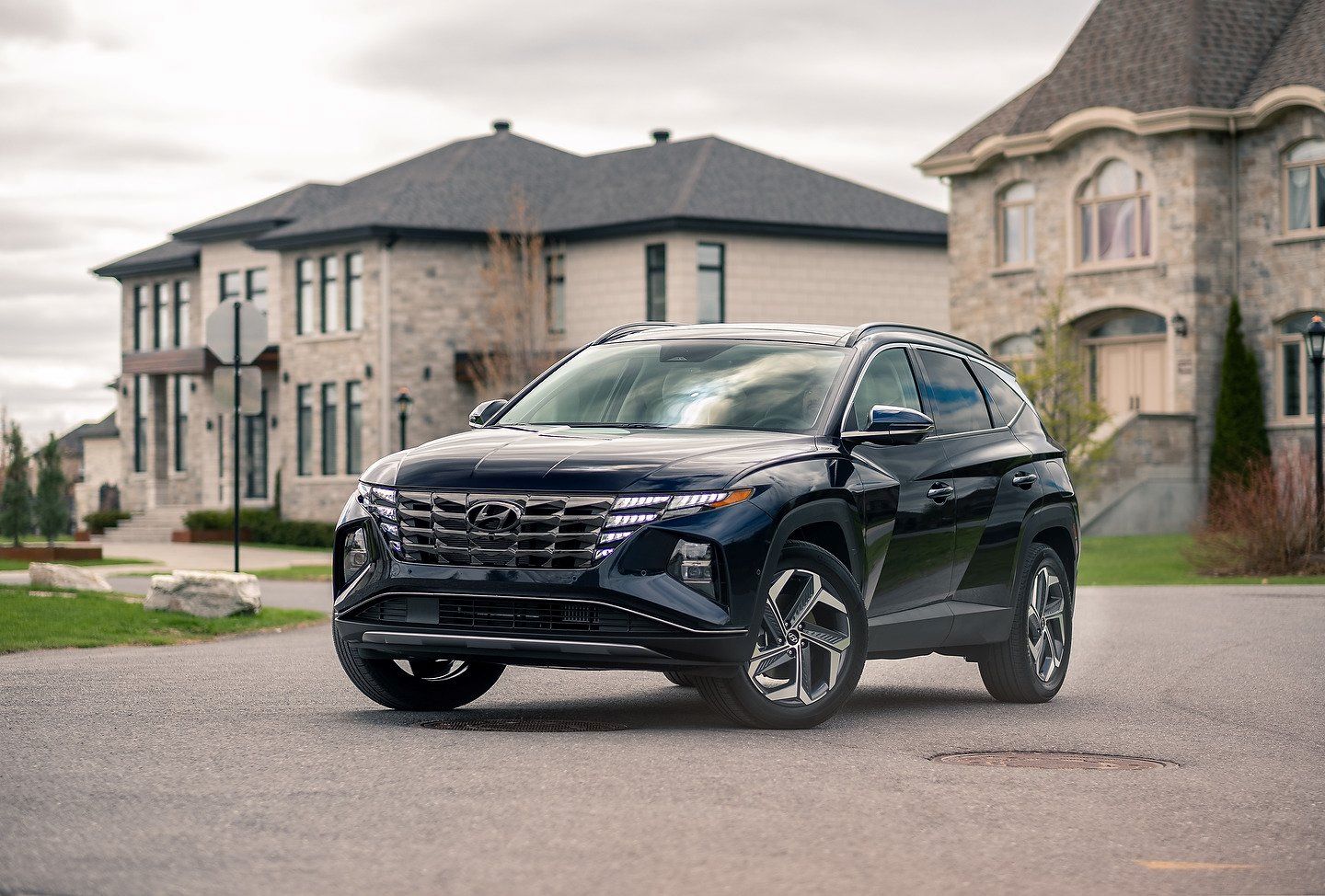
5. Hyundai Tucson
The Hyundai Tucson is praised for its stable ride and predictable handling, qualities that are maintained even when the vehicle is fully loaded. Its suspension system effectively manages weight, absorbing road imperfections while keeping the chassis firm and balanced.
Drivers report that the Tucson maintains composure under load, with minimal body roll and a steady feel on curves and during braking. This ensures a sense of confidence when carrying passengers, groceries, sports gear, or other heavy items. Its suspension tuning strikes a balance between comfort and control, making it suitable for both daily commuting and long-distance travel.
The Tucson’s interior layout complements its handling characteristics. Rear seats fold flat, and the cargo area provides ample space for distributing weight evenly.
This ensures that passengers and luggage do not create instability that could affect vehicle performance. Interior design and ergonomics also enhance comfort, with seating that supports passengers on long trips while contributing to an even distribution of mass across the vehicle. This combination of space and engineering helps maintain stability and reduces the floaty sensation often experienced by crossovers under maximum load.
Power delivery and braking performance are carefully tuned in the Tucson. The engine provides smooth acceleration, while the transmission ensures linear power application that does not upset the vehicle’s balance. Braking is firm and reliable, further supporting stability and driver confidence. These factors make it easier to handle the Tucson under full load conditions, whether on city streets, highways, or more challenging terrain.
Steering and chassis dynamics round out the Tucson’s capabilities. Steering communicates effectively with the driver, and the suspension keeps body roll controlled. The vehicle responds predictably to corners and road irregularities, even with passengers and cargo at full capacity.
Tucson demonstrates that comfort, practicality, and composure can coexist in a crossover, making it a reliable option for those who need stability without sacrificing interior space or driving confidence.
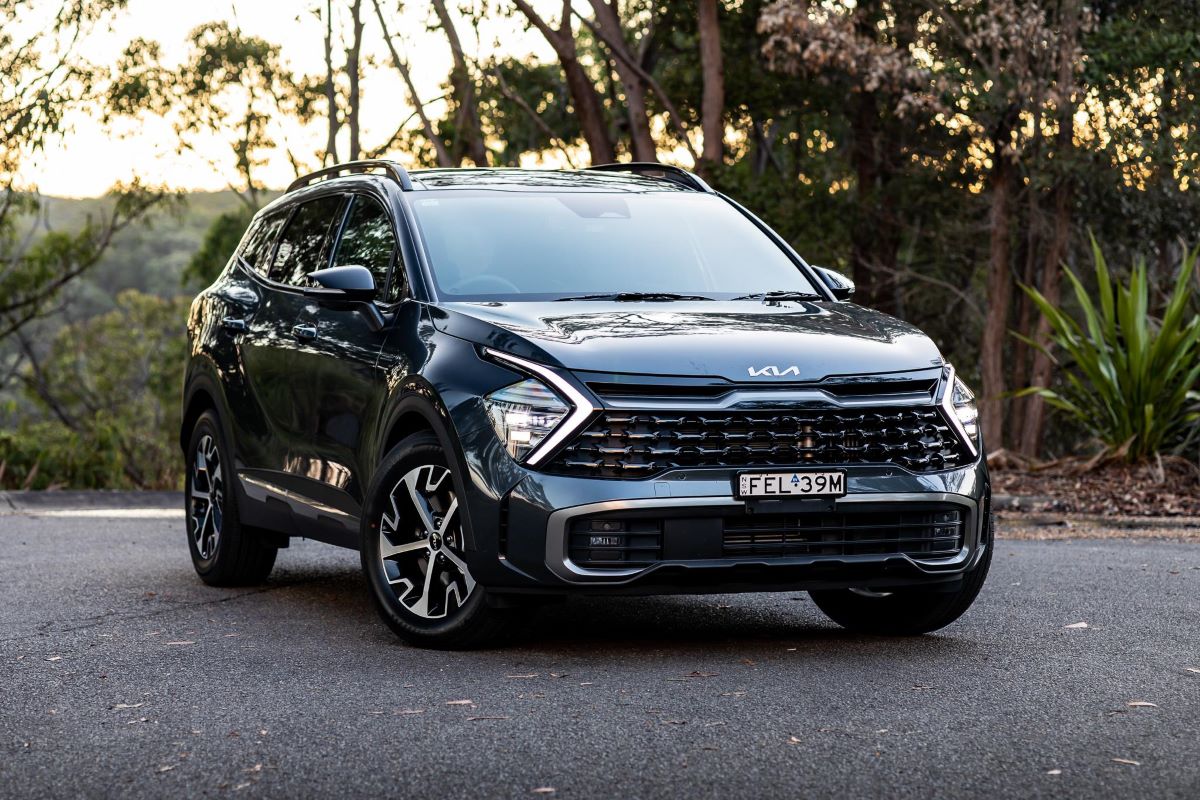
6. Kia Sportage
The Kia Sportage delivers a stable and controlled ride, even when carrying a full complement of passengers and cargo. Its suspension system is engineered to balance comfort and performance, absorbing bumps without making the vehicle feel soft or floaty.
Drivers frequently note that even with a fully loaded cabin, the Sportage feels connected to the road, maintaining composure through turns and lane changes. Unlike some crossovers where heavy loads can exaggerate body roll or unpredictability, the Sportage’s chassis remains firm and reassuring, giving drivers a sense of confidence and control in a variety of driving situations.
Passenger and cargo management in the Sportage is designed with stability in mind. Rear seats fold flat to create a level load floor, allowing cargo to be placed evenly without compromising handling.
The cabin layout also ensures that weight is distributed across the vehicle, rather than concentrated in one area, which helps preserve stability during acceleration, braking, and cornering. This thoughtful design extends to both everyday errands and longer road trips, where consistent handling is critical for driver confidence and comfort.
The Sportage’s engine and transmission are tuned to provide smooth, linear power delivery. Even under a full load, acceleration remains predictable and controlled, avoiding sudden surges that could destabilize the vehicle. Braking is equally reliable, allowing drivers to stop with confidence regardless of passenger or cargo weight.
These mechanical considerations ensure that the Sportage performs consistently in real-world driving conditions, from city traffic to open highways, making it a practical choice for those who need a crossover that can handle heavy loads without sacrificing safety or comfort.
Steering and chassis dynamics further enhance the Sportage’s stability. Steering response is precise and communicates road conditions effectively, helping the driver anticipate movements and adjust accordingly.
Combined with the suspension system, the Sportage maintains a composed posture even on uneven surfaces or sharp corners. This level of predictability and control under full load conditions makes the Sportage a compelling choice for families, outdoor enthusiasts, and commuters alike, demonstrating that comfort and practicality do not have to compromise handling.
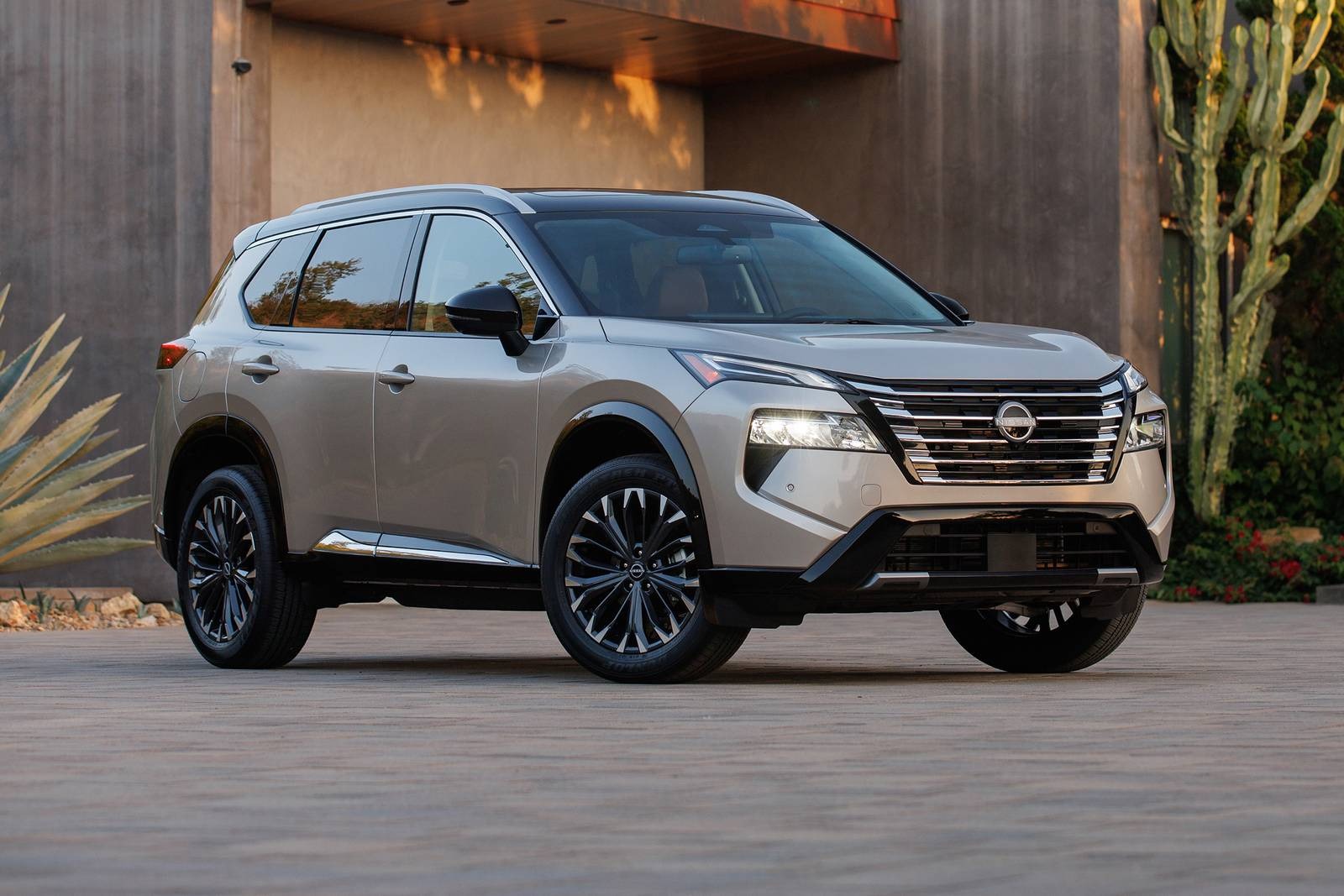
7. Nissan Rogue
The Nissan Rogue excels in delivering a stable, composed ride even when fully loaded. Its suspension is carefully tuned to absorb road imperfections while maintaining balance, reducing the sensation of floatiness that can occur in heavily loaded crossovers.
Drivers often appreciate that the Rogue handles predictably under real-world conditions, whether navigating city streets or traveling on highways. The combination of chassis rigidity and suspension calibration allows the vehicle to remain planted, giving drivers a reliable sense of control and confidence in everyday driving situations.
The Rogue’s interior design contributes significantly to its handling stability. Rear seats fold flat to provide a level cargo floor, allowing for efficient placement of luggage or equipment without impacting weight distribution. Properly balanced loads reduce body roll and ensure the vehicle responds consistently during acceleration, cornering, and braking.
Passenger comfort is also enhanced, with ergonomically designed seats that keep occupants secure while maintaining vehicle balance. This thoughtful approach to interior design ensures that the Rogue remains composed even when operating at full capacity.
Powertrain performance in the Rogue is designed to maintain control under load. The engine delivers smooth, linear acceleration, while the transmission shifts seamlessly to prevent sudden changes in momentum that could destabilize the vehicle.
Braking performance is similarly reliable, allowing the Rogue to stop predictably under heavy loads. These engineering decisions make it easier for drivers to maintain confidence during emergency maneuvers or while driving in traffic, even when the vehicle is fully occupied.
Steering and chassis response also play key roles in the Rogue’s stability. The steering provides clear feedback, allowing the driver to anticipate vehicle behavior and adjust inputs accordingly.
Suspension dynamics work in harmony with weight distribution to minimize body roll and maintain a grounded feel, even on uneven roads or tight turns. The Nissan Rogue demonstrates that practicality and stability can coexist, offering a crossover that remains safe, comfortable, and predictable under full load conditions.
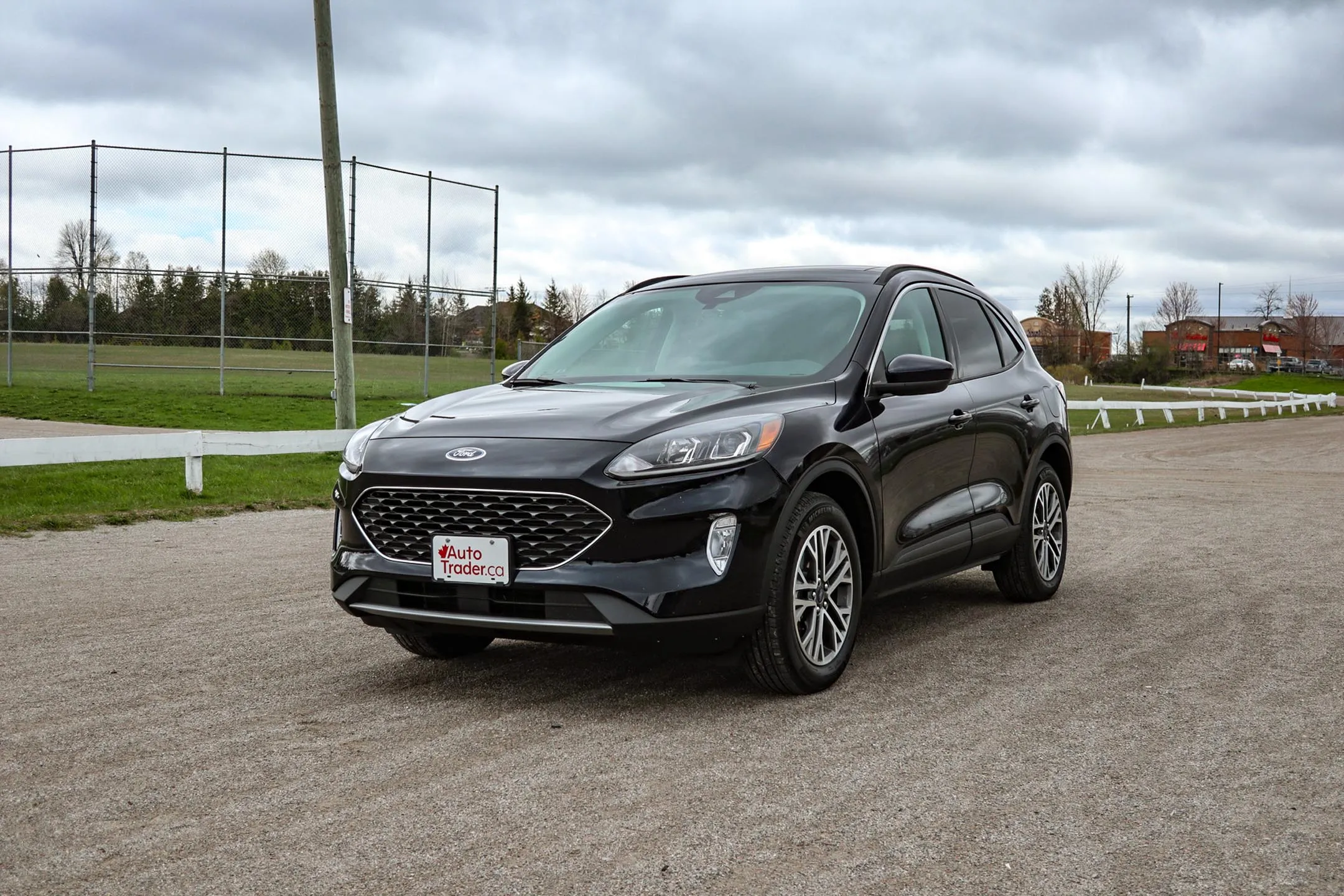
8. Ford Escape
The Ford Escape provides a steady and controlled ride, even when carrying the maximum number of passengers and cargo. Its suspension system is tuned to balance comfort and stability, absorbing bumps and imperfections while keeping the vehicle planted on the road.
Drivers frequently note that the Escape does not develop a floaty feel when heavily loaded, maintaining composure during turns, lane changes, and braking. The combination of chassis stiffness and suspension calibration gives the Escape a predictable character, allowing drivers to navigate both urban streets and highways with confidence.
The Escape’s interior layout is optimized for both comfort and weight management. Rear seats fold flat to allow even placement of cargo, reducing the potential for load imbalance.
Proper distribution of passengers and luggage ensures that acceleration, braking, and cornering remain predictable. Additionally, the cabin is designed to provide comfort during long trips, with supportive seats and ample legroom for passengers. These features help maintain stability, even during extended journeys with a fully loaded vehicle.
Engine and transmission performance in the Escape is also tuned to accommodate full loads. Acceleration is smooth and controlled, preventing sudden torque surges that could upset stability.
Braking is consistent and effective, giving the driver confidence in the vehicle’s ability to respond under heavy weight. These features, combined with the well-calibrated suspension, make the Escape a reliable crossover for families, commuters, and road travelers alike.
Steering and chassis dynamics further enhance the Escape’s stable ride. The steering communicates road conditions effectively, allowing drivers to anticipate and respond to changes in road surface or vehicle load. Body roll is minimized even in sharp turns or during evasive maneuvers, and the suspension provides a comfortable, connected feel.
The Ford Escape demonstrates that a compact crossover can deliver predictable handling, composure, and comfort under the pressures of a full load.
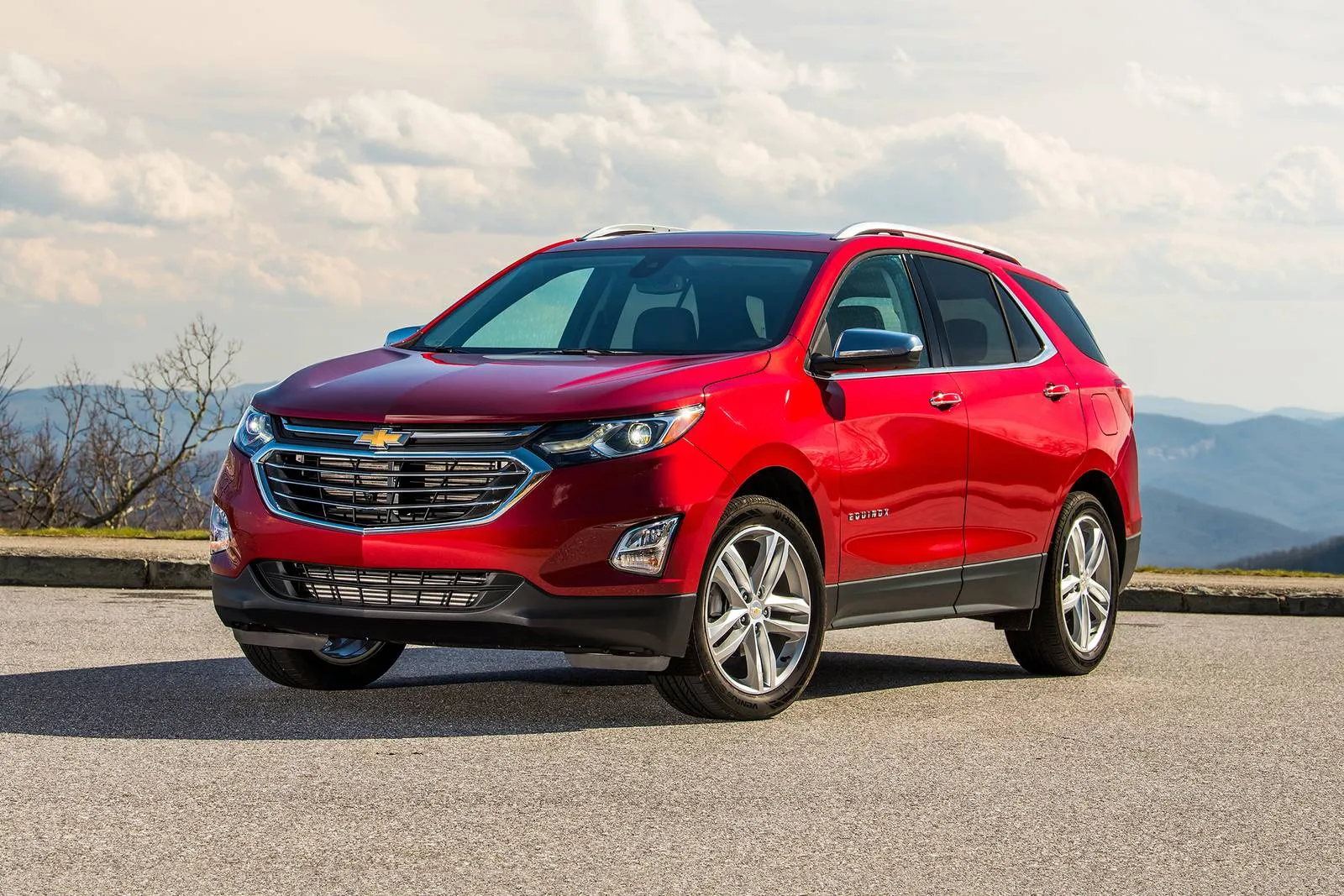
9. Chevrolet Equinox
The Chevrolet Equinox provides a smooth, stable ride even when fully loaded. Its suspension system absorbs bumps while keeping the chassis firm, reducing the sensation of floatiness that sometimes occurs in midsize crossovers.
Drivers report that the Equinox maintains composure during cornering and braking, even with passengers and cargo at full capacity. The combination of suspension tuning, weight distribution, and chassis design ensures that the vehicle remains predictable and secure in a variety of driving scenarios, from suburban roads to highway cruising.
The Equinox’s interior layout contributes to its stable performance. Rear seats fold flat to create a level cargo floor, allowing luggage or heavy items to be positioned evenly.
This helps maintain proper balance and reduces the risk of shifting weight affecting handling. Passenger seating is designed for comfort and stability, helping maintain vehicle balance during acceleration, braking, and turns. The thoughtful design ensures that the Equinox performs consistently under both light and heavy loads.
Powertrain performance in the Equinox is calibrated to support stability. Acceleration remains smooth and controlled even under maximum weight, while braking systems provide predictable stopping power. This ensures that the vehicle behaves consistently in traffic, on highways, and in emergency situations. The combination of mechanical and electronic systems reinforces confidence, allowing the driver to focus on the road rather than compensating for instability.
Steering and chassis dynamics further enhance the Equinox’s reliability under load. The steering provides precise feedback, and the suspension works to minimize body roll while keeping the vehicle grounded.
This allows the Equinox to maintain a connected, controlled feel on corners and uneven surfaces. The Chevrolet Equinox demonstrates that midsize crossovers can combine comfort, utility, and stability, even when fully loaded with passengers and cargo.
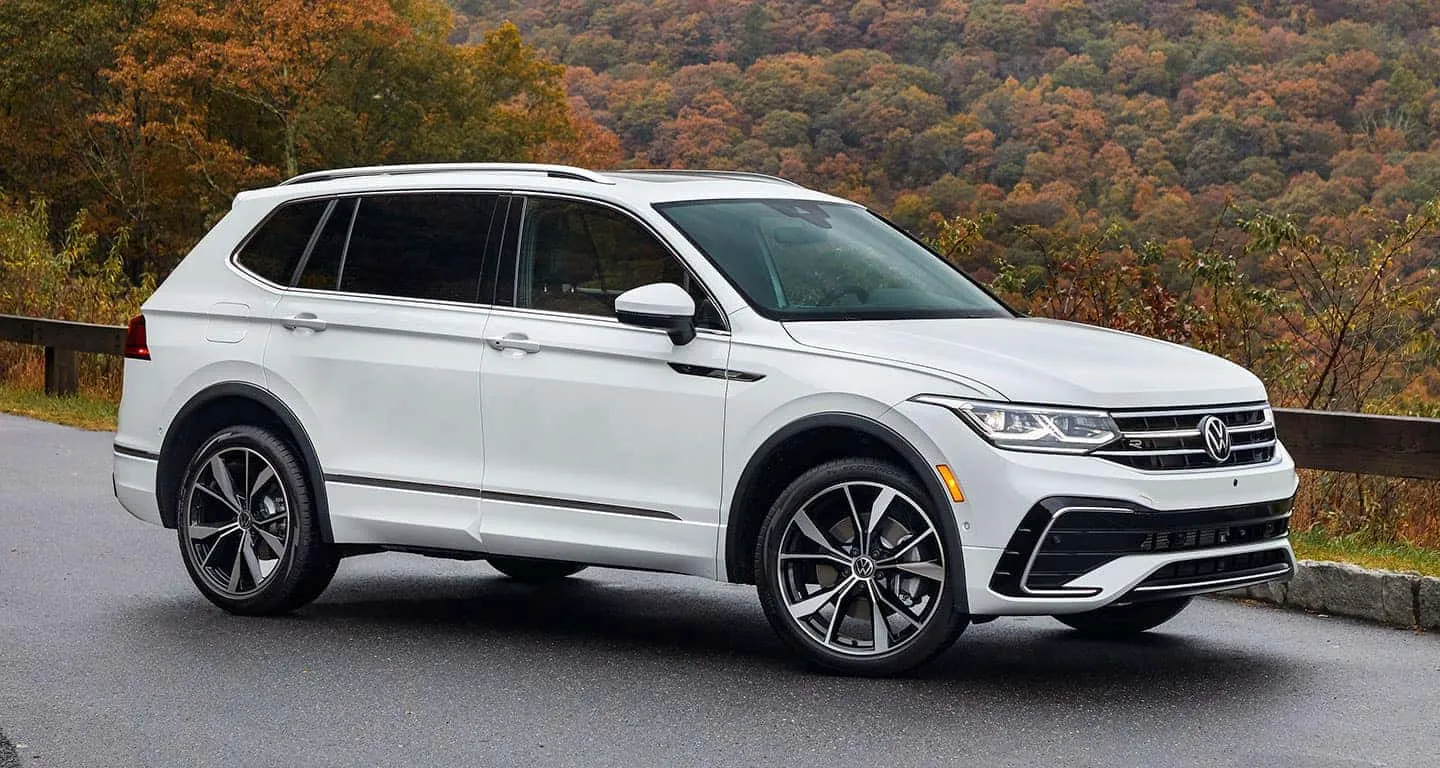
10. Volkswagen Tiguan
The Volkswagen Tiguan offers a refined balance between driving dynamics and stability under load. Its suspension is designed to absorb road imperfections while keeping the chassis firm and composed.
Even when carrying passengers and cargo at full capacity, the Tiguan remains grounded, avoiding the floaty feel that sometimes occurs in crossovers with higher seating positions. Drivers benefit from a predictable, controlled ride, whether navigating tight city streets or long highway stretches. The vehicle’s engineering ensures that weight distribution and suspension work together to maintain composure at all times.
Interior space in the Tiguan contributes to its stable handling. Rear seats fold flat to allow a level cargo floor, making it easier to distribute heavy items evenly.
This prevents sudden weight shifts that could affect handling and stability. Passenger comfort is also a priority, with supportive seating and a thoughtfully arranged cabin that helps maintain balance. Properly managing interior space ensures that the Tiguan remains composed and predictable under a full load.
The Tiguan’s engine and transmission systems are tuned to provide smooth, linear power delivery. Acceleration is consistent, even when the vehicle is heavily loaded, while braking performance remains reliable and predictable. These mechanical considerations allow drivers to maintain confidence during both everyday driving and more demanding maneuvers. The combination of smooth power delivery and well-calibrated braking helps the Tiguan retain composure under all conditions.
Steering and chassis feedback in the Tiguan is precise and communicative. Drivers can anticipate vehicle behavior accurately, even when carrying a full load. Suspension control minimizes body roll and maintains road contact, ensuring stability through turns and over uneven surfaces.
The Tiguan demonstrates that a crossover can combine European-style driving dynamics with practicality and stability, offering a vehicle that is comfortable, capable, and reliable under heavy loads.
