
The world of sports cars is one where performance, style, and prestige often intersect, but sometimes the price of these machines seems to defy reason. Some vehicles cost well over six figures and yet offer performance that, while impressive, does not necessarily justify the astronomical cost.
For some buyers, owning a car in this price range is about more than speed or handling; it is about status, brand loyalty, or simply the thrill of claiming a rare and expensive machine as their own. Yet some sports cars seem to push the boundary of value, charging amounts that make even wealthy enthusiasts pause and reconsider.
Many of these cars carry names with decades of racing heritage, luxurious interiors, and aggressive styling that screams exclusivity, but when compared to their actual performance or driving experience, the price often feels inflated.
While each car on this list is undoubtedly attractive and capable in its own right, they represent a segment of the market where pricing may be more about perception than reality.
Buying such a car can be a gamble, relying on the prestige of the brand rather than the raw merit of the machine. From handling quirks that detract from the driving experience to engines that fail to outperform significantly cheaper alternatives, these cars challenge the idea of what makes a sports car worth its price.
For collectors, enthusiasts, and casual admirers alike, understanding why a vehicle is considered overpriced requires looking beyond the badges and into the realities of performance, reliability, and enjoyment. This list examines ten sports cars around the $100,000 mark that, despite their appeal, are widely regarded as overpriced.
By looking at factors such as performance, comfort, and overall value, it becomes easier to see why some vehicles may offer a less convincing argument for their high cost, leaving buyers to weigh their desires against practical alternatives in the automotive world.
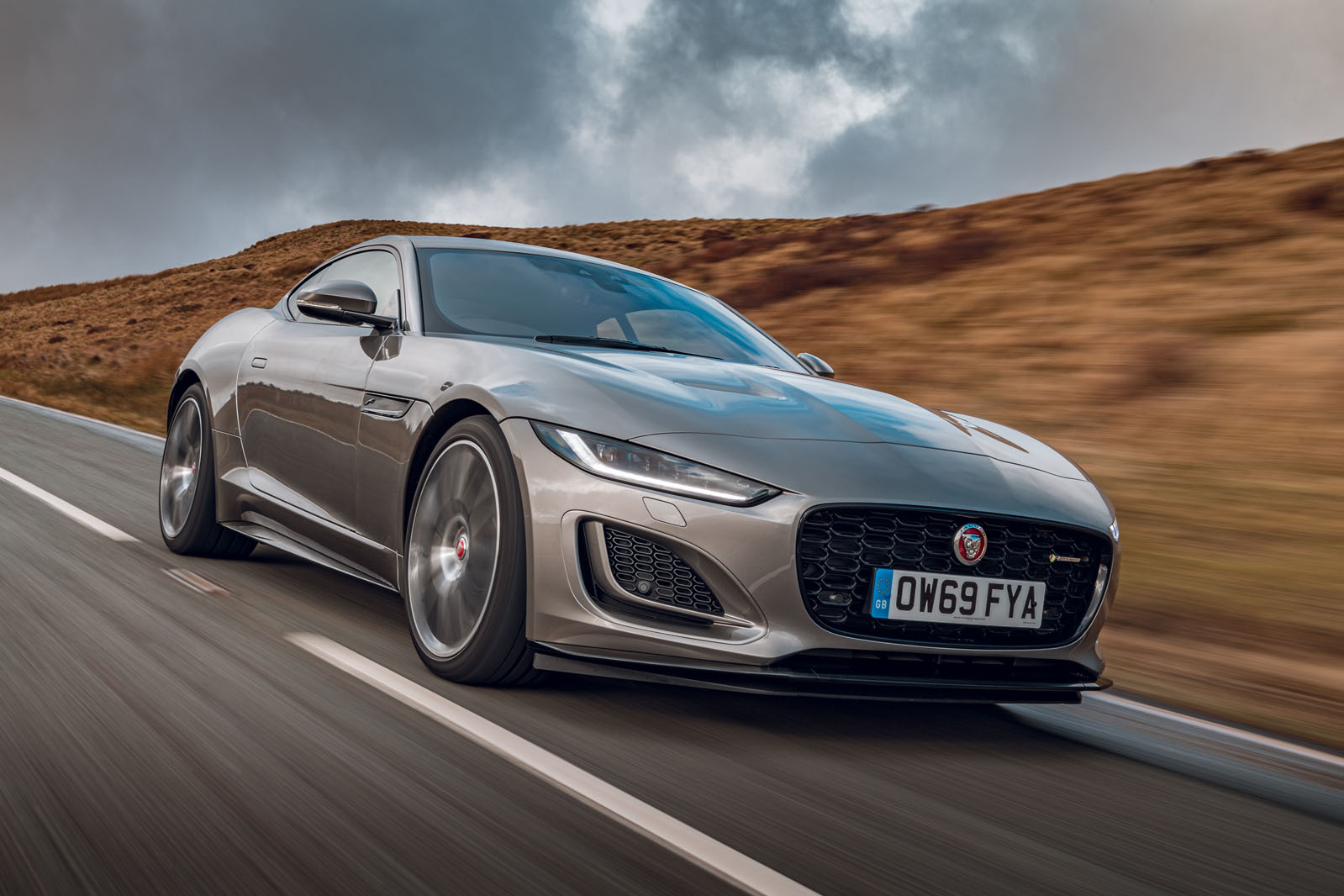
1. Jaguar F-Type R
The Jaguar F-Type R is a car that captures attention the moment it appears on the road. Its design is sleek, aggressive, and unmistakably British. With a roaring V8 engine and a cabin that blends luxury with driver-focused ergonomics, it checks many boxes for someone looking for a high-end sports car.
However, the price of the F-Type R often exceeds $100,000 in many configurations, and the justification for this number can be questionable when compared to competitors in the same price range.
The engine performance is undeniably strong, delivering impressive acceleration and a soundtrack that excites most enthusiasts, but handling and interior quality can leave some drivers feeling underwhelmed.
The car is known for its comfort-oriented suspension setup, which sacrifices some of the sharpness and precision that serious sports car buyers might expect at this price point.
While it offers a compelling aesthetic and enjoyable driving experience for everyday use, the raw performance relative to similarly priced vehicles from brands like Porsche or Audi may not feel sufficient.
Many buyers might find that the driving excitement does not fully match the premium cost, especially when the F-Type R’s resale value can also drop faster than anticipated.
There are stories of owners feeling that they are paying a significant premium for style and branding rather than a tangible edge in driving performance. The interior, while luxurious, sometimes lacks the refinement or technological integration found in rivals, which can make the car feel like a compromise rather than a pure sports machine.
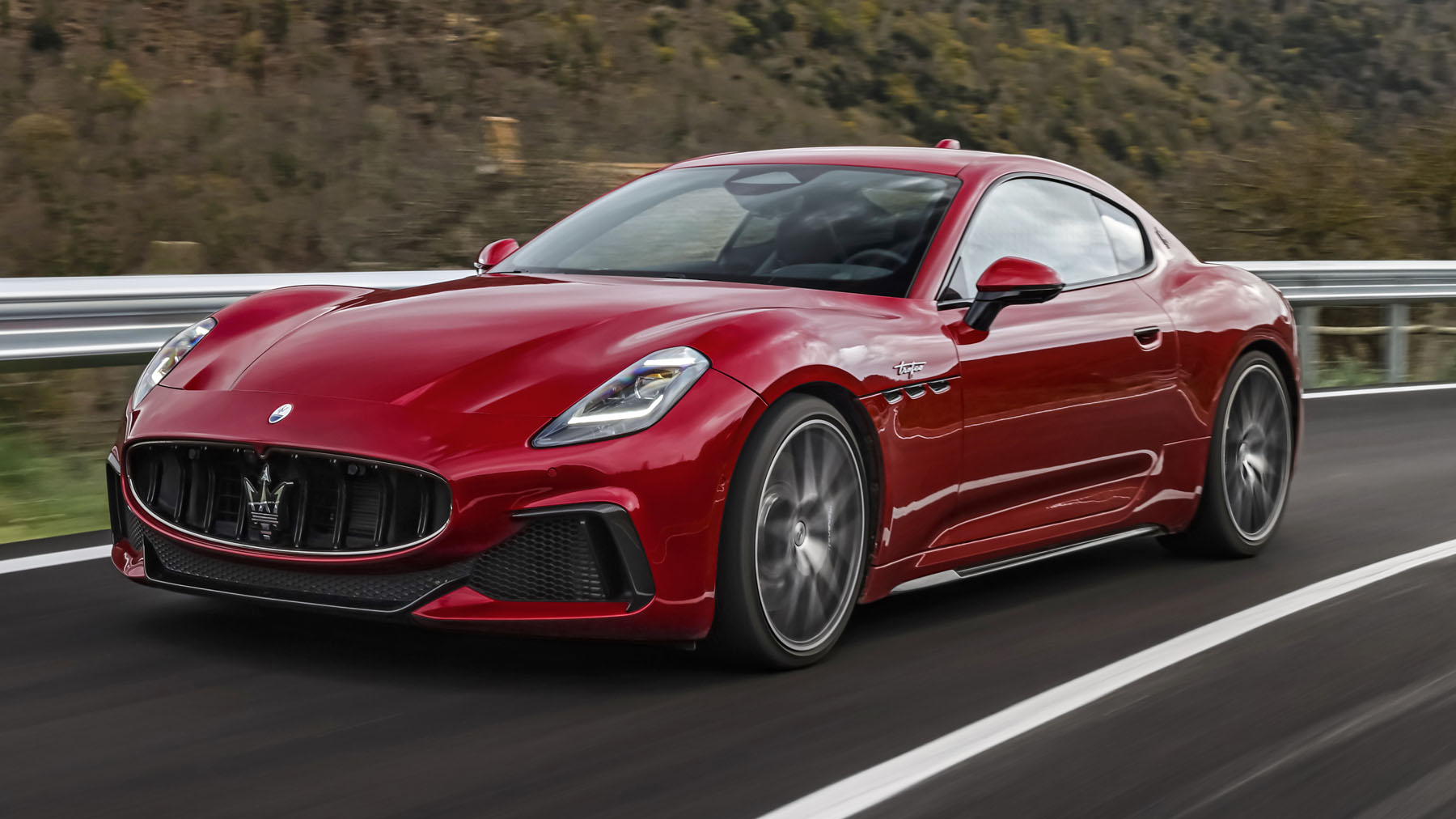
2. Maserati GranTurismo
The Maserati GranTurismo has long been a symbol of Italian flair and elegance, with a design that turns heads and a V8 engine that delivers an intoxicating exhaust note. However, the car’s price tag, often hovering around or above $100,000, positions it in a range crowded with more capable and technologically advanced competitors.
Performance on paper is respectable, with strong acceleration and top-end speed figures, but real-world handling can leave enthusiasts wanting more. The GranTurismo’s chassis does not always inspire confidence in high-speed cornering, and it lacks the precision that similarly priced sports cars offer.
Comfort and luxury are highlights, yet buyers are often paying for brand heritage and visual appeal more than groundbreaking performance. Maintenance costs are another consideration, as Maserati vehicles are notorious for requiring significant upkeep, which can inflate the total cost of ownership beyond what was initially expected.
Reliability concerns can make potential buyers hesitant, especially when cars from brands like Porsche and BMW offer proven durability in addition to comparable performance. Inside, the GranTurismo impresses with Italian craftsmanship, but some materials and technology features can feel outdated or less refined than expected at this price point.
The driving experience is emotional and engaging, yet the compromises in handling and modern conveniences may not justify the premium.
While the Maserati GranTurismo is a visually stunning and charismatic machine, its combination of high price, limited performance advantage, and ownership costs can make it feel overpriced to those seeking a sports car that offers both thrills and value.
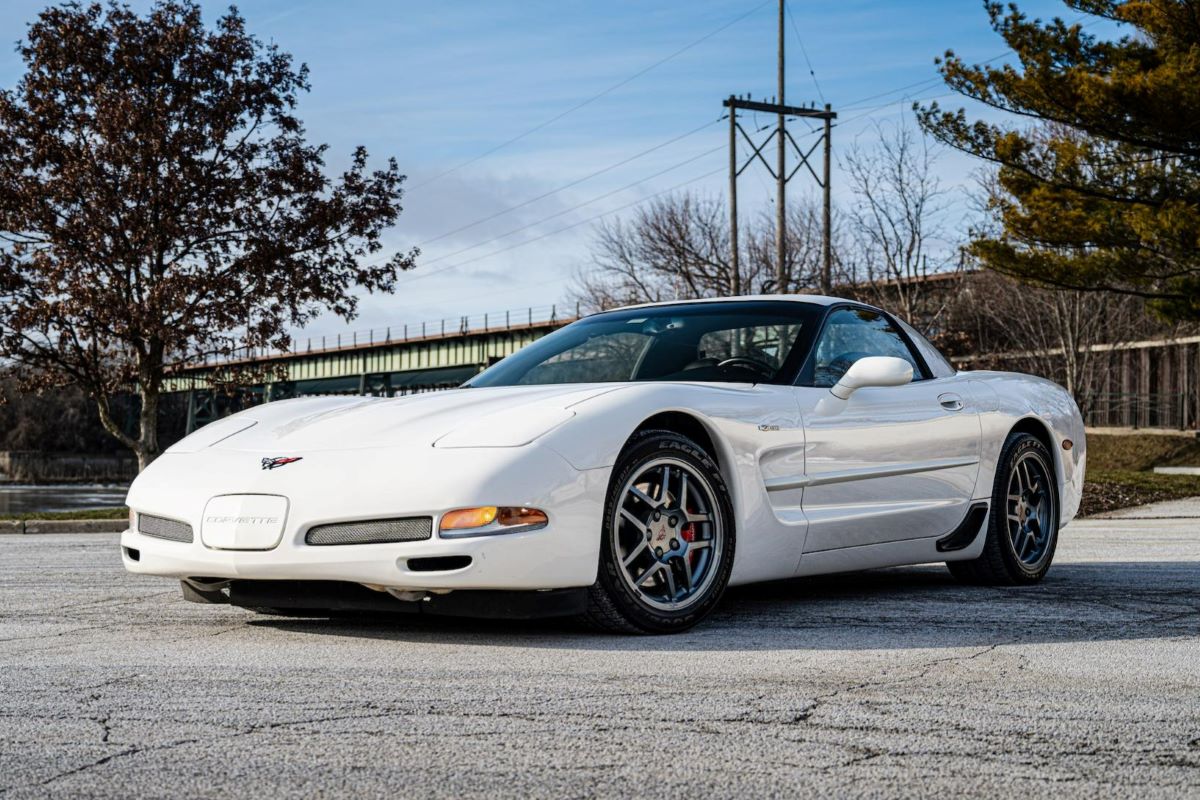
3. Chevrolet Corvette Z06 (C7)
The Chevrolet Corvette Z06, particularly from the C7 generation, is a car that straddles the line between American muscle and precision sports engineering. With its supercharged V8 engine producing immense horsepower, the Z06 can rival cars that cost significantly more.
Despite its performance credentials, certain configurations can push its price to around $100,000, and some buyers feel that this number may not reflect true value compared to European rivals. The car’s handling is sharp and responsive, yet it can be less forgiving in everyday driving situations, especially for those unfamiliar with its raw power.
Inside, the cabin quality is good for an American sports car, but it falls short of the luxury expected at this price point, with plastics and design elements that feel utilitarian compared to similarly priced European competitors.
The aggressive styling and performance capabilities are undeniable, yet the badge does not carry the same prestige as Ferrari or Lamborghini, which can influence perceptions of value. Insurance, maintenance, and potential depreciation are additional factors that can make the Corvette seem less attractive financially.
Owners often praise its speed and exhilaration on the track but acknowledge that for the money, the Corvette lacks the refinement and brand cachet of European alternatives.
In many ways, the C7 Z06 is a fantastic car for driving enthusiasts, but the $100,000 price point can feel like a stretch when measured against the total ownership experience and comparison to international sports cars.
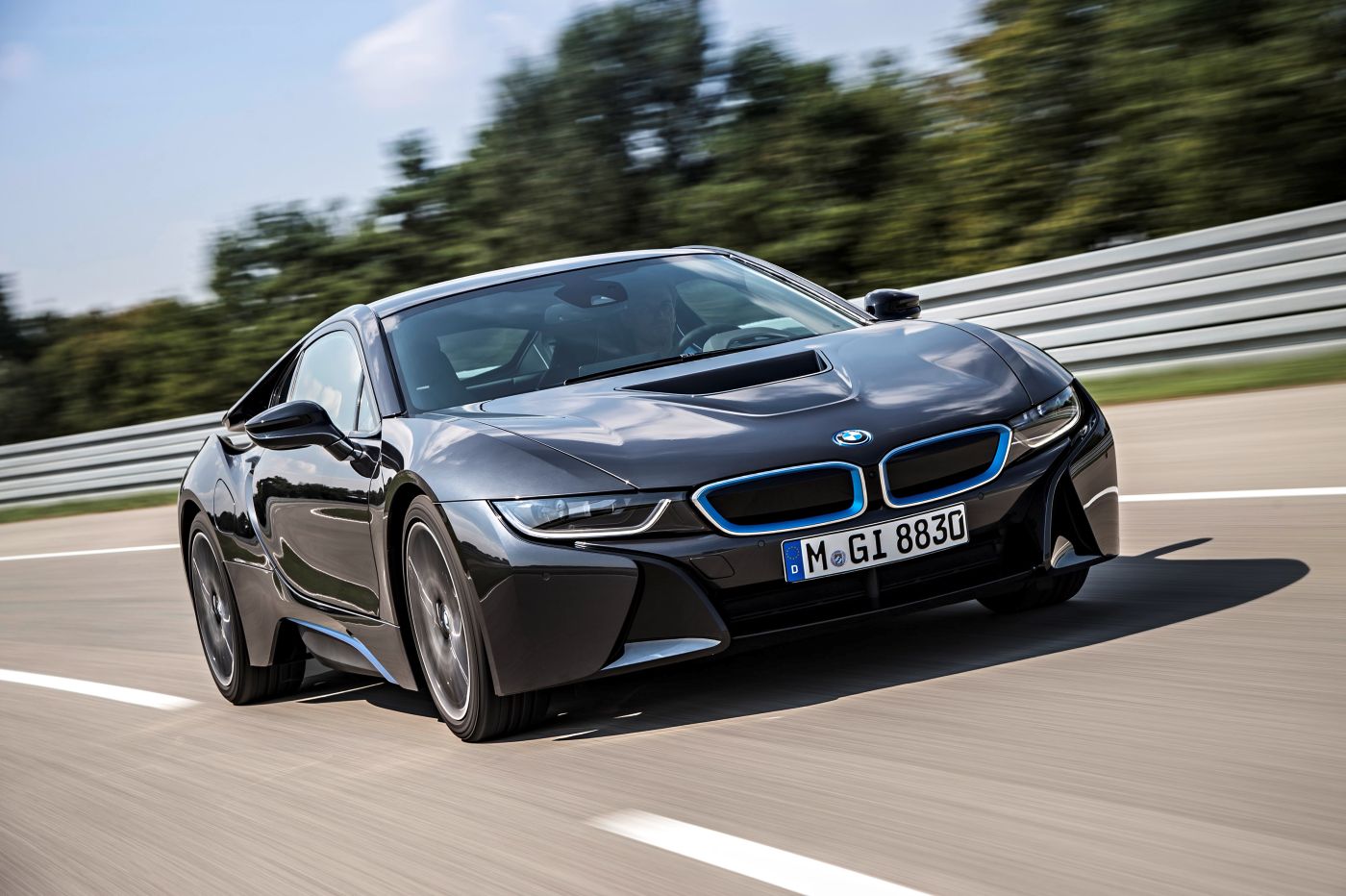
4. BMW i8
The BMW i8 presents a futuristic take on the sports car formula, combining a hybrid powertrain with eye-catching design. Its carbon fiber construction and exotic appearance are major selling points, but the reality is that many buyers question whether the $100,000 price is warranted.
Performance is unique, with a combination of electric torque and a small turbocharged engine, yet it often cannot match the raw driving excitement of conventional high-performance sports cars. The driving experience is smooth and refined, but some enthusiasts criticize the i8 for lacking the visceral thrill expected at this price range.
Fuel efficiency and low emissions are highlights, but they do not compensate for the compromises in power and handling. The interior blends modern design with advanced technology, but some controls are unintuitive, and space can feel limited. Resale values are also a concern, as hybrid sports cars tend to depreciate quickly due to rapidly advancing technology.
The i8 attracts attention wherever it goes, and its uniqueness cannot be denied, yet buyers seeking an engaging driving experience may feel the premium price is not fully justified. While the i8 is an innovative and stylish vehicle, it challenges traditional ideas of performance, leaving many to question whether the combination of aesthetics, technology, and hybrid efficiency truly warrants the $100,000 cost.
5. Aston Martin Vantage
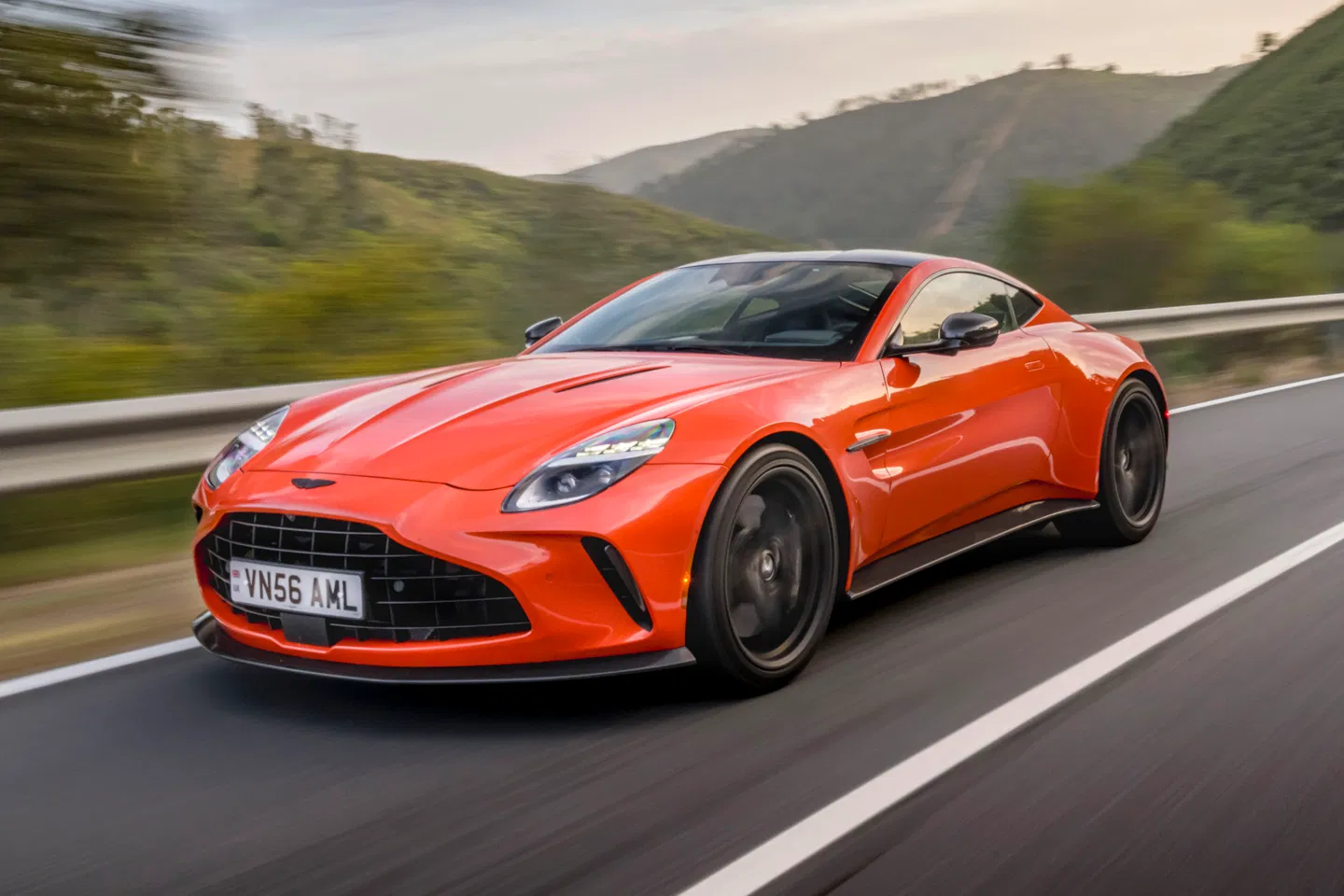
The Aston Martin Vantage has always been associated with a blend of British elegance and sporting ambition. Its exterior design emphasizes sleek curves, low-slung proportions, and a presence that demands attention.
Every angle of the car reflects the craftsmanship that Aston Martin is known for, with hand-finished materials and subtle design details that make the Vantage stand out among its competitors.
Yet, while the design is undeniably beautiful, the price tag hovering around $100,000 can feel inflated, particularly when compared to other sports cars that offer more performance for the same cost.
The Vantage is often praised for its exotic look and exclusivity, but owning one can mean paying a premium largely for aesthetics and badge recognition rather than tangible advantages on the track. The car exudes style, but the cost-to-performance ratio can leave potential buyers questioning whether the investment is justified.
Under the hood, the Vantage is equipped with a V8 engine that delivers a satisfying roar and respectable acceleration. The power output is competitive for its class, providing smooth delivery and sufficient speed to excite most drivers.
However, the driving dynamics, while comfortable and engaging for casual roads, may not fully satisfy enthusiasts seeking sharp handling and precise cornering. The suspension setup leans toward comfort, which is excellent for long cruises but can compromise the thrill of aggressive driving.
Compared to rivals like the Porsche 911 or Mercedes-AMG models, the Vantage can feel slightly less refined in terms of handling feedback and driver engagement.
While it is capable, the car’s true performance potential often seems secondary to its styling and brand prestige, reinforcing the sense of being overpriced for what it delivers in raw driving experience.
Ownership of an Aston Martin Vantage also comes with considerations that affect overall value. Maintenance, parts, and servicing can be costly, and depreciation can be steep in the first few years, further inflating the total cost of ownership. Insurance premiums for the Vantage are often higher than other vehicles with similar performance.
Collectively, these factors mean that while the car offers charm, sophistication, and a strong emotional appeal, its price may not align with the tangible benefits.
Enthusiasts seeking a high-performance, engaging sports car might find better alternatives in terms of driving dynamics and long-term value, making the Vantage one of the more stylish yet arguably overpriced options in the $100,000 sports car category.
6. Porsche 911 Carrera S
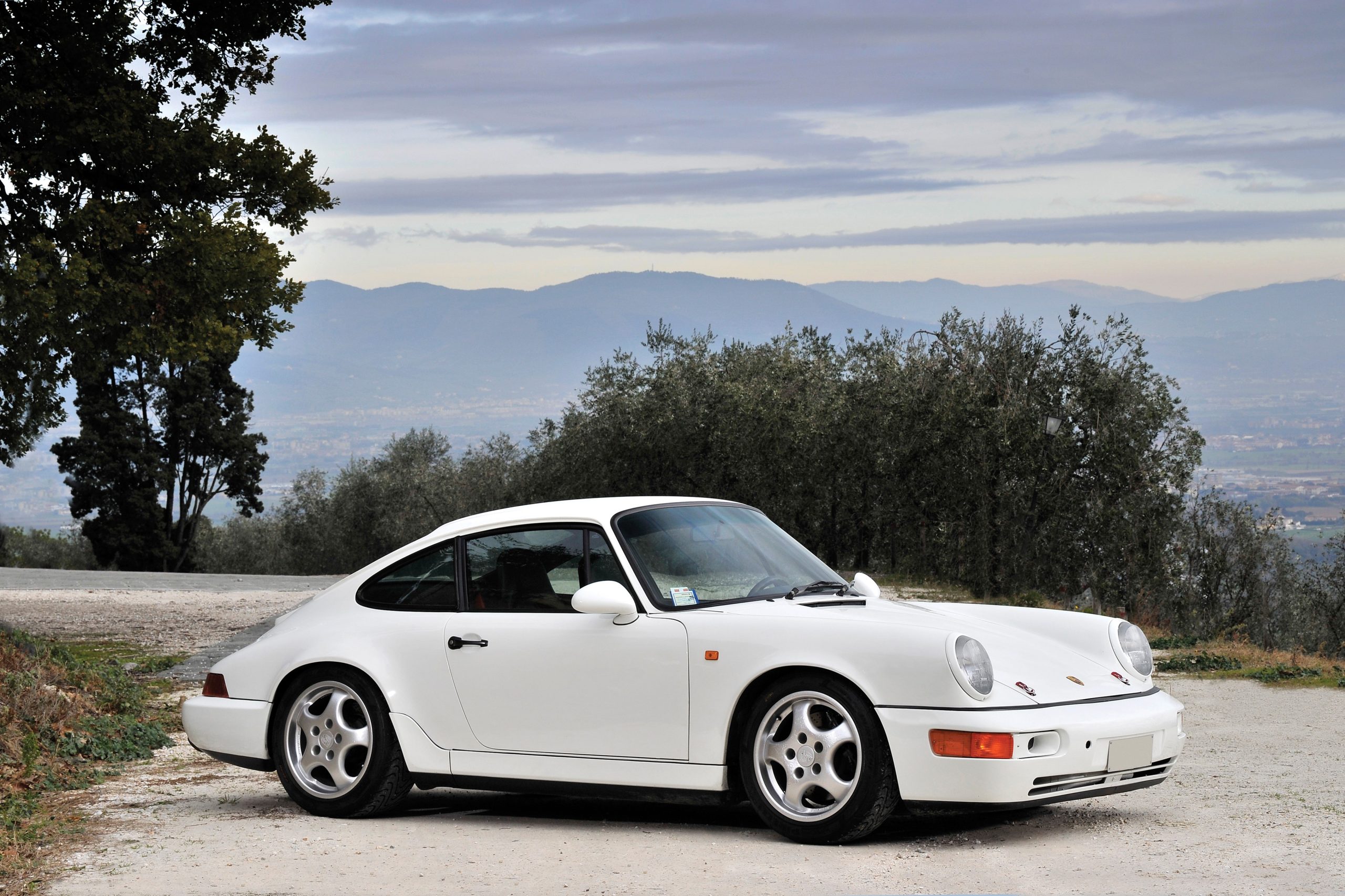
The Porsche 911 Carrera S carries with it decades of automotive heritage and a reputation for precision engineering. Its timeless silhouette and instantly recognizable design give it an aura of sophistication and performance.
At a price around $100,000, the Carrera S offers excellent build quality, attention to detail, and advanced engineering that most cars in this range cannot match.
The exterior design is subtle yet aggressive, balancing elegance and athleticism. Porsche’s reputation ensures that even a base Carrera S commands respect and admiration on the road.
However, despite its pedigree, some critics argue that certain configurations push the price beyond what is practically justified for the experience provided, particularly when considering the cost of optional packages and performance upgrades.
Performance-wise, the 911 Carrera S is exceptional, with a flat-six engine that produces smooth, linear power delivery. Acceleration is quick, handling is precise, and the rear-engine layout provides unique driving dynamics that enthusiasts either love or struggle to master.
However, optional extras can quickly inflate the final price, sometimes significantly beyond the base MSRP. For buyers comparing total cost to performance, this can be a sticking point, as the addition of even standard desirable options can make the car feel less of a value proposition.
The interior maintains Porsche’s reputation for driver-centered excellence, but it does not offer the flashy appeal that some buyers might expect for a six-figure sports car.
Ownership and maintenance further contribute to the perception of the 911 Carrera S as overpriced. While Porsche is known for reliability relative to exotic competitors, repairs, servicing, and insurance for the 911 can be costly, especially for performance-oriented models.
Depreciation, though moderate compared to some exotic brands, still affects total ownership costs. For those seeking an engaging driving experience with a balance of luxury and performance, the Carrera S remains a strong candidate, yet the premium price often feels more aligned with prestige and engineering pedigree than with tangible value relative to performance rivals.
7. McLaren 540C
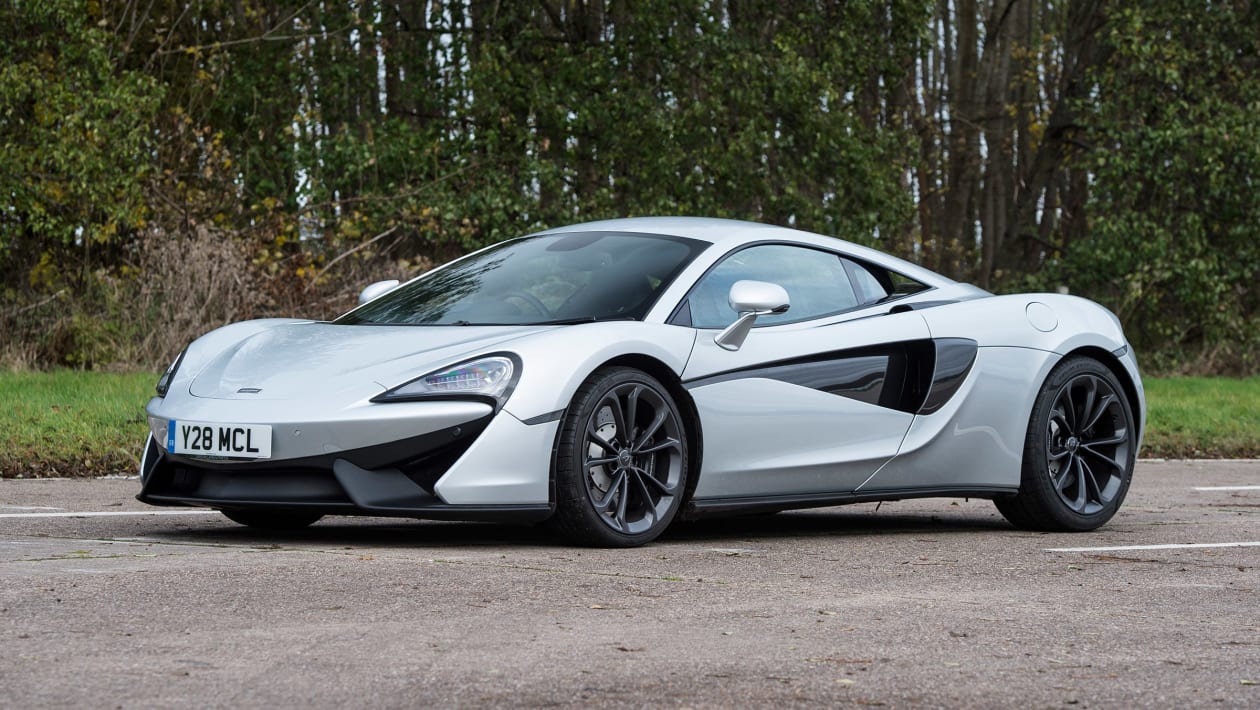
The McLaren 540C is an entry-level model in the McLaren lineup, yet its price of around $100,000 positions it in a territory where buyers expect extreme performance and cutting-edge engineering. McLaren’s reputation for supercar design is evident in the 540C’s aesthetic and construction.
The car features carbon fiber construction, lightweight design, and aerodynamic efficiency that are hallmarks of the brand. Visually, the 540C is stunning, with dramatic lines and aggressive styling that immediately signals its performance intentions.
However, while it looks the part, critics argue that the driving experience does not always justify the price when compared to competitors offering similar thrill levels for less money.
Performance is a key selling point for the 540C. Its twin-turbo V8 delivers exhilarating acceleration and impressive top speeds, making it competitive with far more expensive supercars. The chassis and suspension provide excellent handling and responsiveness, making it a joy to drive on twisty roads.
Yet some enthusiasts point out that the 540C’s driving experience can feel clinical, lacking the emotional engagement found in naturally aspirated rivals.
For buyers seeking a visceral connection to the car, this may represent a compromise. While undeniably fast and capable, the car’s high price is often justified more by its exclusivity and McLaren branding than by a superior performance advantage over alternatives.
The interior of the 540C emphasizes minimalism, focusing on driver engagement and weight reduction. While this aligns with McLaren’s philosophy, it means luxury amenities are sparse compared to other six-figure sports cars. Infotainment and comfort features are functional but not extravagant, which can feel inconsistent with the expectations of buyers spending $100,000 or more.
The cabin delivers a race-inspired experience rather than a plush, luxurious environment. This trade-off between weight savings and comfort is a factor contributing to the perception of being overpriced, as buyers may feel they are sacrificing daily usability for brand prestige.
Maintenance costs, specialized servicing, and limited dealer networks make the long-term cost of ownership high. Depreciation is significant, particularly for models that are not the flagship variants, further reducing perceived value.
While the car is a technological and engineering marvel in many respects, its combination of high cost, niche practicality, and less emotional driving experience for some buyers reinforces the notion that it is overpriced relative to the experience it offers compared to alternatives.
8. Audi R8 V10
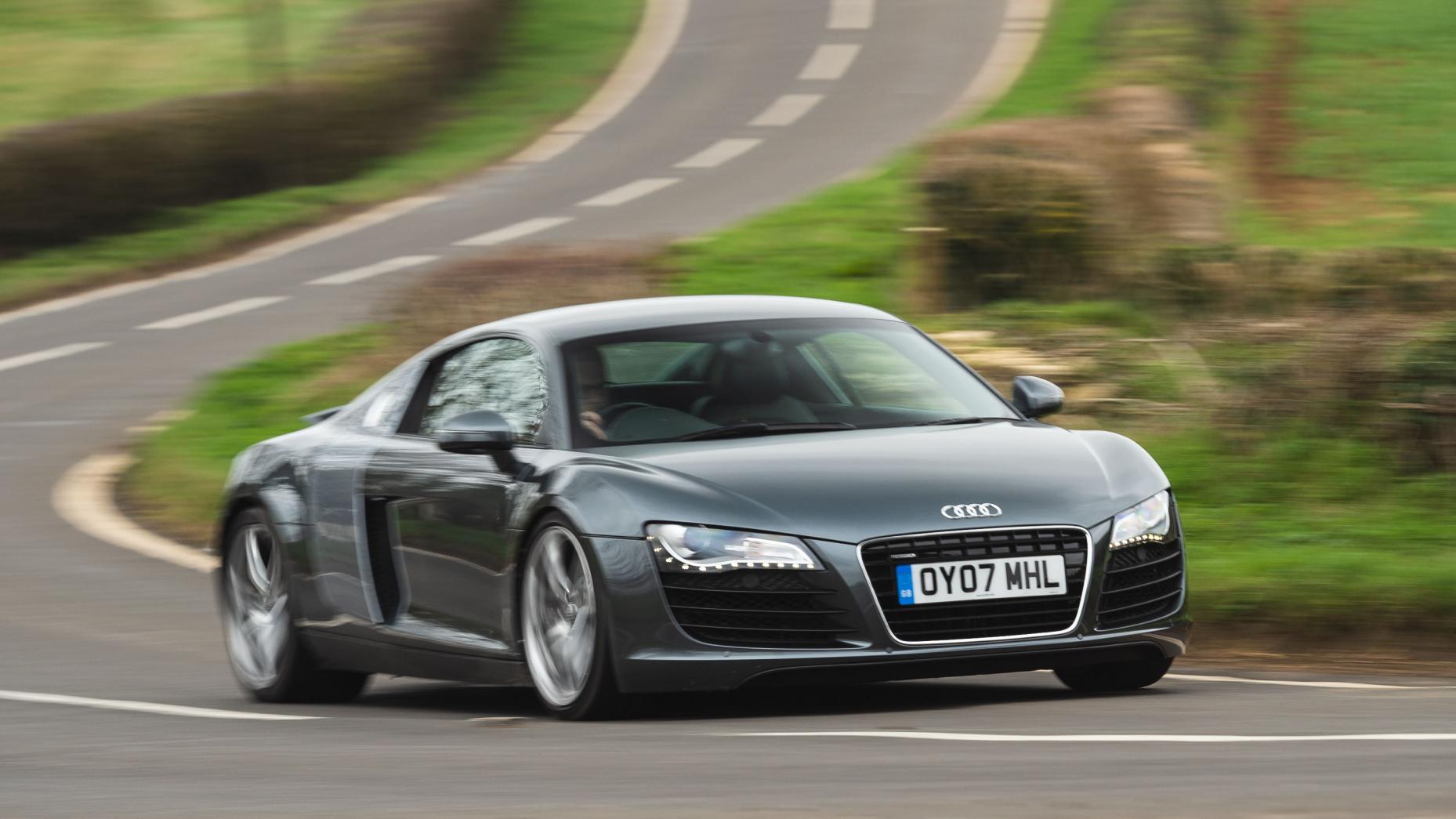
The Audi R8 V10 is often praised for combining exotic looks with everyday usability, and at around $100,000 for certain models, it positions itself in the realm of premium sports cars. Its design is aggressive and modern, with sharp angles, wide stance, and unmistakable Audi styling cues that make it instantly recognizable.
The car exudes confidence, and the V10 engine promises thrills and performance on demand. Yet, while visually striking, some argue that the R8 does not fully justify its price.
The exclusivity factor is present, but performance benchmarks suggest competitors offer similar or superior driving dynamics at similar or slightly lower prices. The R8 sells a combination of badge, design, and comfort rather than purely exceptional performance, which contributes to the perception of it being overpriced.
Performance is one of the R8’s strongest aspects. The naturally aspirated V10 delivers exhilarating acceleration, a satisfying soundtrack, and top-end speed that many sports cars aspire to match. Quattro all-wheel drive provides excellent traction, and the handling is precise and balanced, making the car approachable for drivers of varying skill levels.
Despite these qualities, some enthusiasts feel the car lacks a certain raw edge compared to similarly priced rivals like the McLaren 540C or Porsche 911 Turbo S.
While the R8 is fast and capable, the connection between the driver and car can feel more refined and controlled rather than thrilling and visceral, which may leave hardcore sports car enthusiasts craving more for the price paid.
Inside, the Audi R8 offers a blend of luxury and sportiness. The cabin features high-quality materials, supportive seats, and a layout designed to prioritize the driver’s experience. Technology is well-integrated, with Audi’s Virtual Cockpit offering a modern interface that enhances usability.
Comfort and ergonomics are strong points, allowing the car to function as a daily driver in addition to its supercar capabilities. Yet, some buyers note that despite the high-quality interior, it does not feel as exclusive or hand-crafted as other vehicles in the $100,000 range, especially when compared to offerings from Aston Martin or McLaren.
This sense of “mass-market luxury” in a supercar context can make the R8 feel slightly overpriced for those seeking a unique driving and ownership experience.
Ownership considerations further impact the value proposition of the R8. Maintenance, insurance, and potential repairs are expensive, and the car’s depreciation can be substantial within the first few years. While reliability is generally strong for a high-performance exotic, the cost of keeping it in peak condition adds to the total ownership expense.
Enthusiasts who prioritize speed, handling, and a dramatic presence will enjoy the R8, but for the money, some may prefer a competitor offering a more engaging or prestigious experience.
Its combination of aesthetics, performance, and brand recognition is compelling, yet the price tag of around $100,000 often feels elevated relative to what buyers receive in terms of excitement and exclusivity.
9. Nissan GT-R
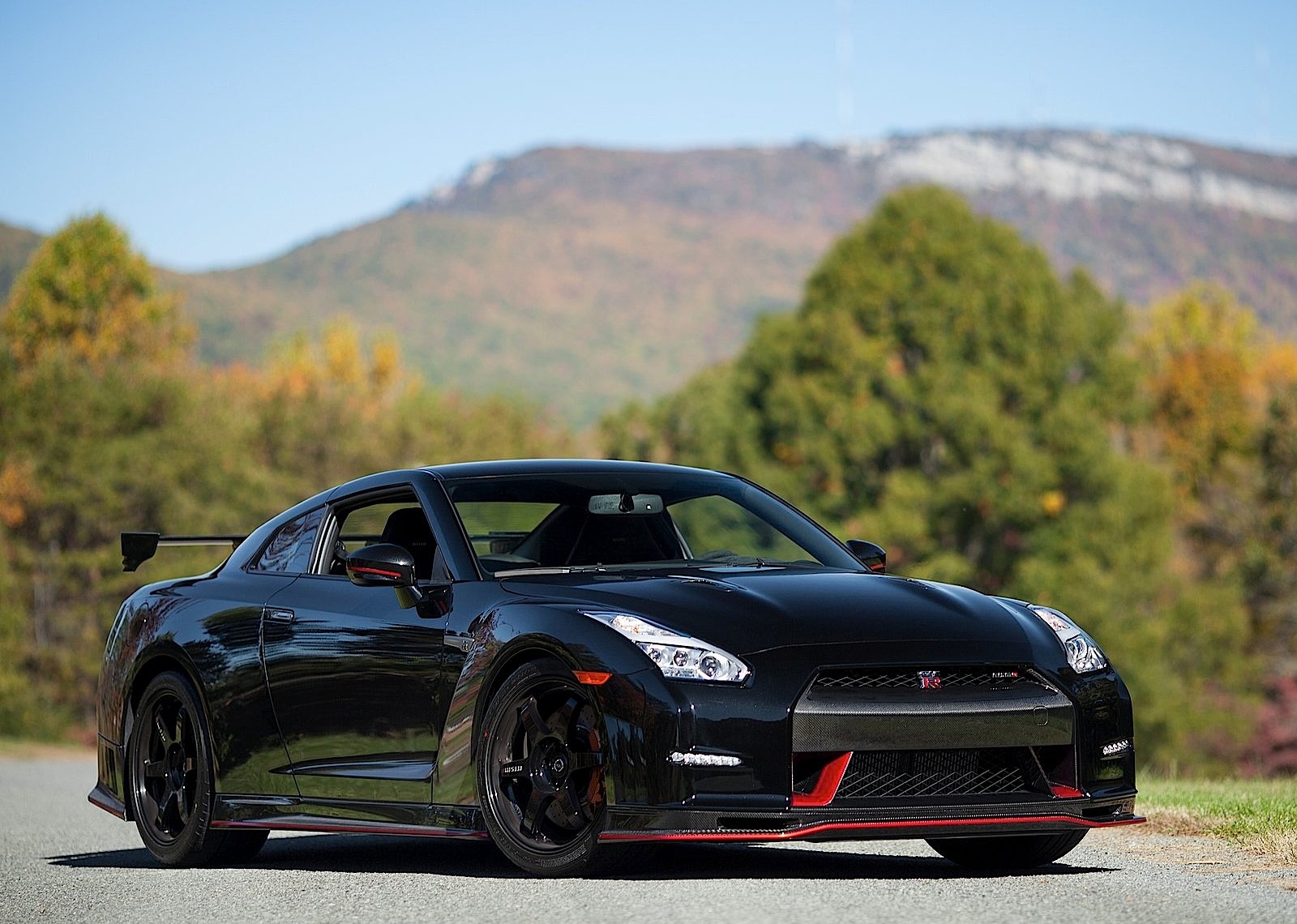
The Nissan GT-R has earned a legendary status over the years, known for its performance, technological innovation, and unmistakable presence. Often priced around $100,000 depending on the trim, it promises supercar levels of acceleration and handling while remaining more practical than many European competitors.
Underneath its bold exterior lies a complex all-wheel-drive system, a twin-turbo V6 engine, and engineering aimed at maximizing straight-line speed and stability through corners. Despite its capabilities, the GT-R is often criticized for being overpriced given its interior quality, refinement, and overall driving experience.
The car is incredibly fast, but some argue that the badge does not carry the same prestige as European marques, and certain aspects of its design and execution feel utilitarian rather than luxurious, which affects its perceived value.
On the road, the GT-R delivers astonishing acceleration, with a launch that rivals cars costing far more. The chassis and AWD system provide impressive traction, making it one of the most capable high-speed performers.
Yet, the car’s handling characteristics are sometimes described as mechanical or clinical, lacking the organic feel and feedback that true driving enthusiasts seek.
For some, the GT-R feels like a technological marvel rather than a pure sports car, where the connection between driver and machine is filtered through electronics and engineering. While undeniably fast and competent, these characteristics contribute to the perception of it being overpriced relative to more emotionally engaging vehicles in the $100,000 range.
Ownership of the Nissan GT-R comes with additional considerations. While relatively reliable for a high-performance vehicle, servicing can be expensive, and depreciation, though moderate compared to some exotics, can still impact long-term value.
The car’s electronics-heavy driving experience may also divide enthusiasts, as some prefer a more analog connection. The GT-R is a remarkable machine in terms of acceleration and technology, but when considering price, luxury, and engagement, it is often regarded as overpriced for what buyers receive in a holistic sports car experience.
10. Lexus LC 500
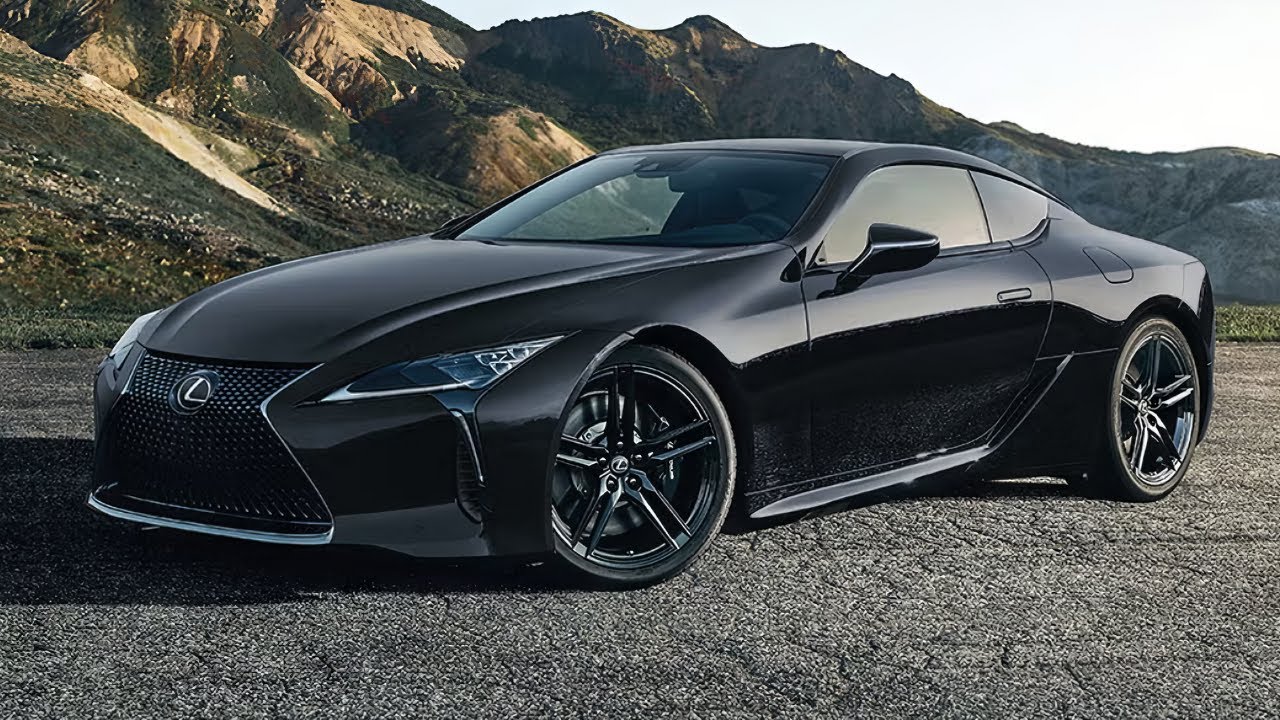
The Lexus LC 500 is a grand touring coupe that emphasizes style, luxury, and a smooth driving experience over raw track performance. With a naturally aspirated V8 engine and a striking exterior, the LC 500 is immediately eye-catching, offering an elegant silhouette with aggressive details.
Priced around $100,000 for higher trims, the car enters the territory of established European and American sports cars, yet it is often viewed as overpriced due to its balance of performance and value.
While the LC 500 provides a refined driving experience, it does not match the engagement or agility of competitors that are similarly priced. Instead, it excels in comfort, craftsmanship, and quiet sophistication, catering to buyers who value luxury over extreme performance.
Performance is competent, with the V8 delivering smooth acceleration and a satisfying exhaust note. Handling is predictable and comfortable, designed for long drives and enjoyable cruising rather than aggressive cornering or track dominance.
While the engine produces significant power, the car’s weight and suspension setup limit the sense of immediacy and responsiveness expected from a sports car in this price range.
For enthusiasts looking for a thrilling ride, the LC 500 may feel less compelling when compared to rivals like the Porsche 911 or Corvette Z06. The car prioritizes balance and refinement over raw excitement, which contributes to the perception of being overpriced relative to the driving experience.
Ownership considerations further influence the LC 500’s perceived value. Lexus vehicles are renowned for reliability and low maintenance costs, which is a strong point for buyers seeking peace of mind.
However, this practicality, combined with a focus on comfort rather than extreme performance, positions the LC 500 as less of a pure sports car and more of a luxury grand tourer.
While the car offers excellent quality, comfort, and style, many buyers seeking a visceral, high-adrenaline driving experience may question whether the $100,000 price tag is justified. It is a beautifully crafted and refined vehicle, but in terms of pure excitement and performance, it may not fully meet the expectations associated with its cost.
