
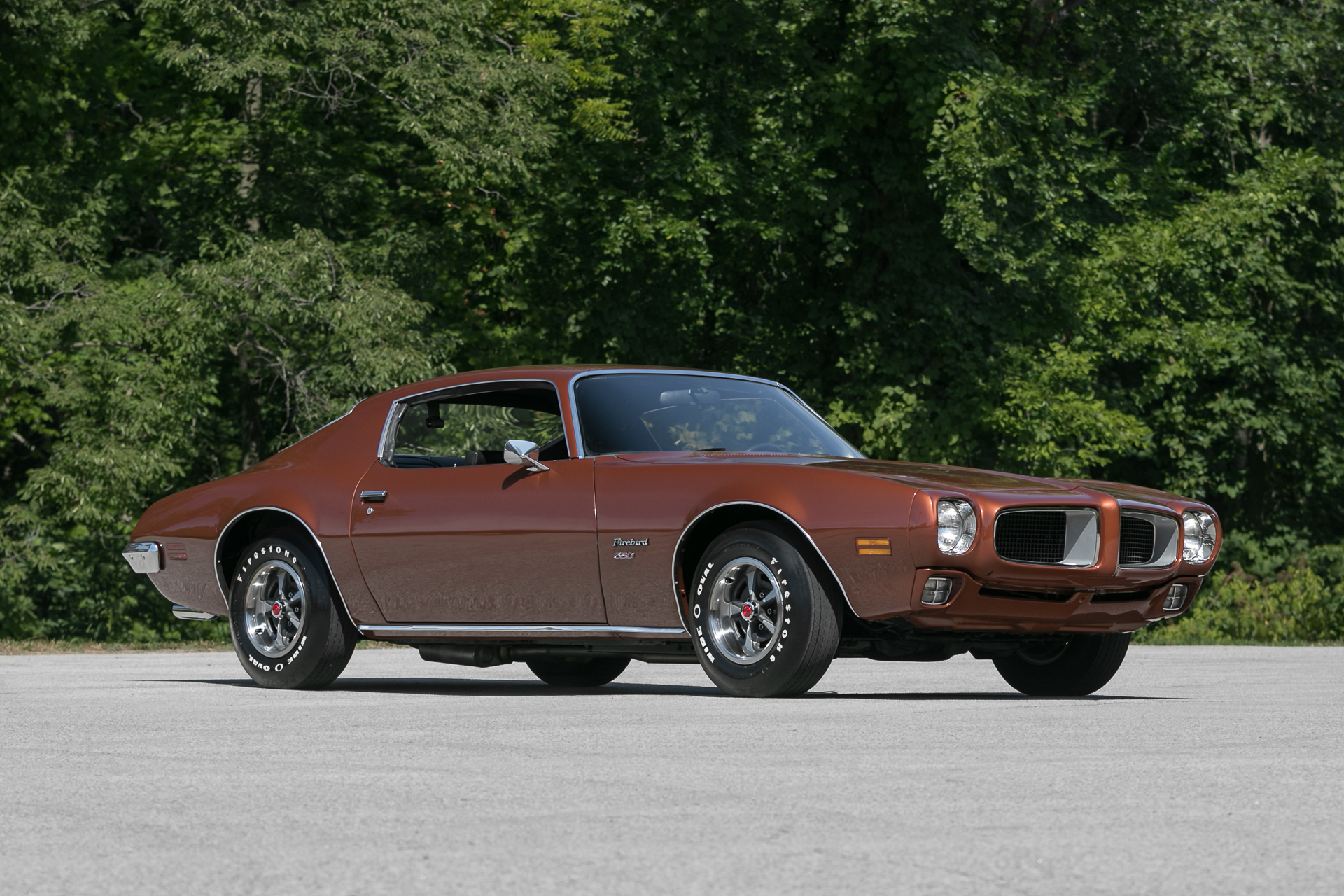
Muscle cars have always been more than engines and straight line speed. They represented a specific attitude toward driving, one where mechanical character mattered just as much as performance numbers. Decades ago, manufacturers experimented freely with features that made cars feel alive in the driver’s hands.
Some of these ideas were bold, some quirky, and others simply ahead of their time. As regulations tightened and technology shifted toward efficiency and digital interfaces, many of these features quietly disappeared. Their absence is felt not because modern cars are inferior, but because something tactile and human has been lost along the way.
Today’s performance cars are astonishingly capable, yet many of them feel similar behind the wheel. Screens replace switches, computers override instinct, and character is filtered through algorithms. Older muscle cars, by contrast, often demanded more attention from the driver.
They rewarded involvement and punished mistakes, creating a bond between human and machine. The forgotten features of that era were not gimmicks. They were tools that shaped the driving experience and reinforced the sense that the car was an extension of the driver’s intent.
Looking back at these features is not about rejecting progress. It is about recognizing that innovation once focused on feel, feedback, and individuality as much as raw speed. Many of these ideas could coexist beautifully with modern safety and efficiency standards.
Reintroducing them would not require abandoning current technology, but rather rethinking how technology supports rather than replaces driver engagement.
This article examines ten muscle car features that have faded from mainstream production but still deserve attention. Each one contributed something meaningful to the driving experience, whether through mechanical ingenuity, driver feedback, or simple joy. Their return would not just satisfy nostalgia. It would reconnect modern performance cars with the spirit that made muscle cars unforgettable.
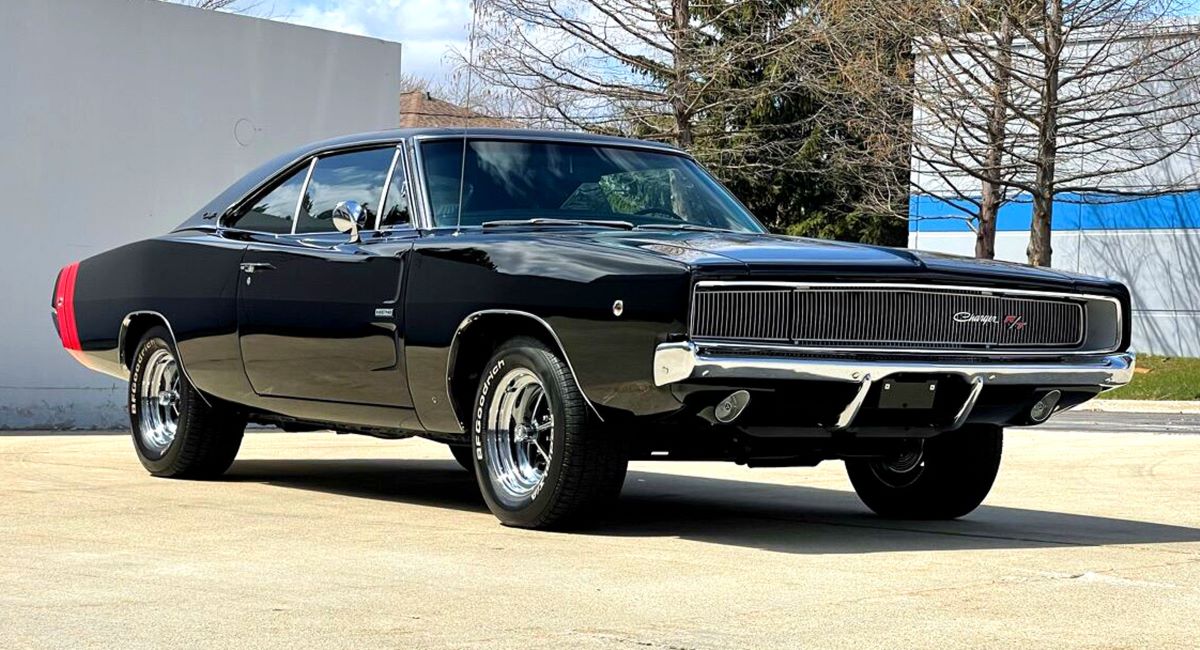
1. Shaker Hoods
Shaker hoods were one of the most visually striking and mechanically honest features ever fitted to a muscle car. Unlike decorative hood scoops that were bolted to the body, shaker hoods were mounted directly to the engine itself. This meant that every vibration, pulse, and idle fluctuation of the motor was visible from the driver’s seat.
When the engine roared to life, the scoop physically shook, creating a powerful visual reminder that the engine was not isolated or muted. Cars like the 1970 Plymouth Barracuda with the 426 Hemi and the Pontiac Trans Am equipped with the Ram Air system turned the shaker hood into an icon of American performance culture.
The functional value of shaker hoods went beyond appearance. By drawing cooler outside air directly into the intake, these systems improved throttle response and combustion efficiency.
Cooler air contains more oxygen, which allowed engines to breathe better under load. In an era before advanced engine management systems, this was a practical way to gain usable performance. The 1971 Dodge Challenger R T with a shaker hood benefited not only in power delivery but also in consistency during hard driving, particularly in warm conditions.
From the driver’s perspective, the shaker hood created a unique sensory experience. Watching the hood scoop move with engine rhythm reinforced a sense of mechanical connection. Drivers could often tell when the engine was running rough or perfectly tuned just by observing the movement at idle. This feedback built familiarity and trust between the driver and the machine, something modern sealed engine compartments rarely offer.
A modern comeback could blend tradition with refinement. Lightweight composites, improved sealing, and vibration damping could maintain the visual drama while reducing unwanted noise or wear. Bringing back shaker hoods would restore a sense of honesty to performance cars, reminding drivers that engines are physical machines with character, not silent units hidden behind plastic covers.
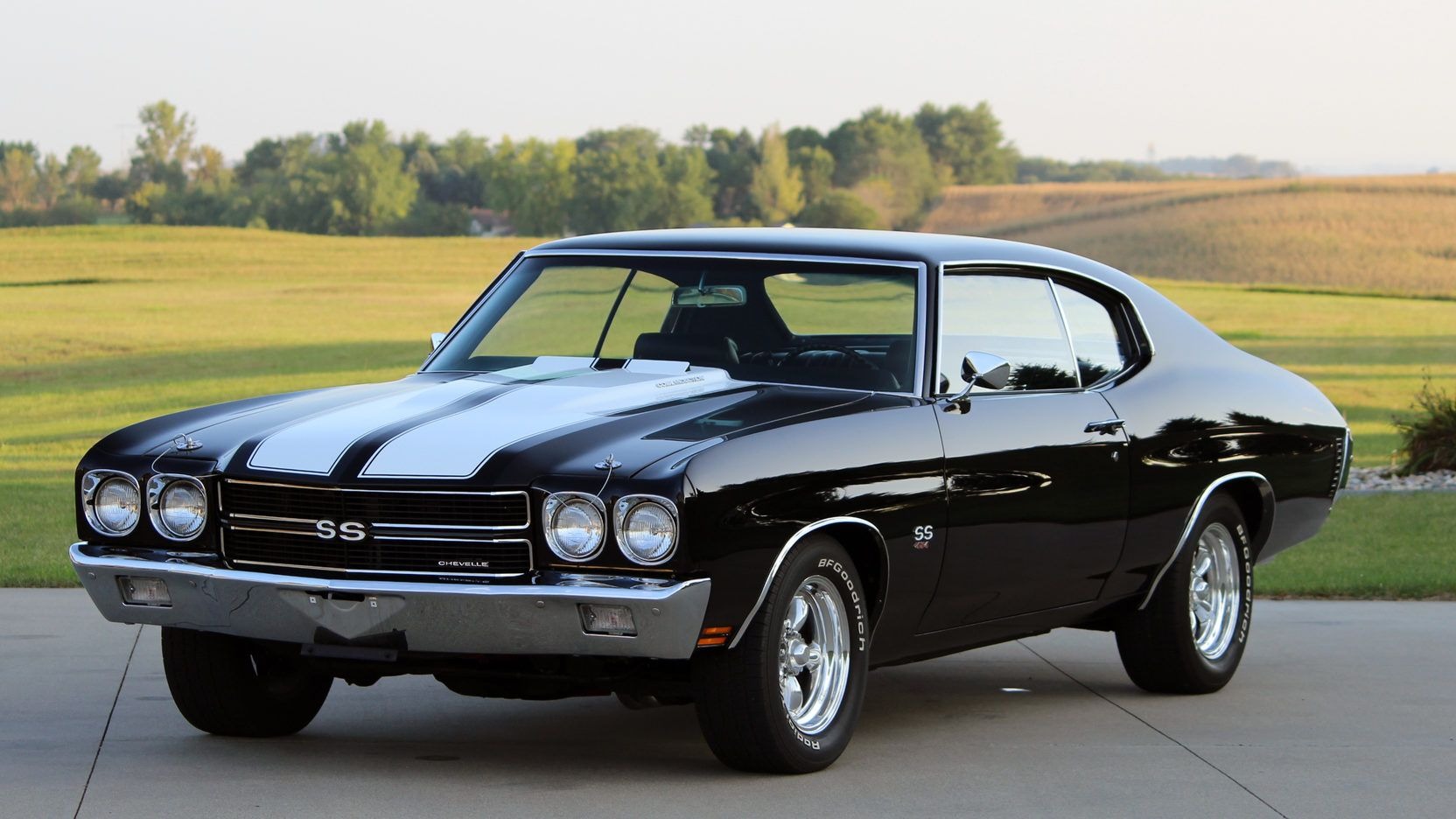
2. Manual Choke Controls
Manual choke controls required drivers to actively participate in the engine starting process, especially during cold mornings. By adjusting airflow manually, drivers enriched the fuel mixture until the engine reached operating temperature.
This was common in cars like the Chevrolet Chevelle SS, early Ford Mustangs, and Dodge Dart Swinger models. Starting the car was not automatic or thoughtless. It demanded attention, patience, and understanding of how the engine responded to environmental conditions.
This interaction created a daily ritual that strengthened the bond between driver and car. Drivers learned the personality of their engines over time. They knew how much choke was needed on a cold winter morning versus a warm afternoon. This knowledge came from listening to engine tone, feeling vibration through the steering wheel, and watching idle behavior. The car communicated, and the driver responded.
Manual choke systems also encouraged mechanical awareness. Incorrect adjustment led to stalling, rough idle, or excessive fuel consumption. These consequences taught drivers responsibility and understanding rather than shielding them from mistakes. In cars like the Pontiac GTO or AMC Javelin, mastering the choke was part of becoming a competent owner, not an inconvenience.
While modern engines no longer need manual chokes, a driver adjustable startup mode could bring back this engagement in a simplified form. Allowing drivers to influence cold start behavior would add involvement without compromising reliability, preserving an important learning experience that once defined muscle car ownership.
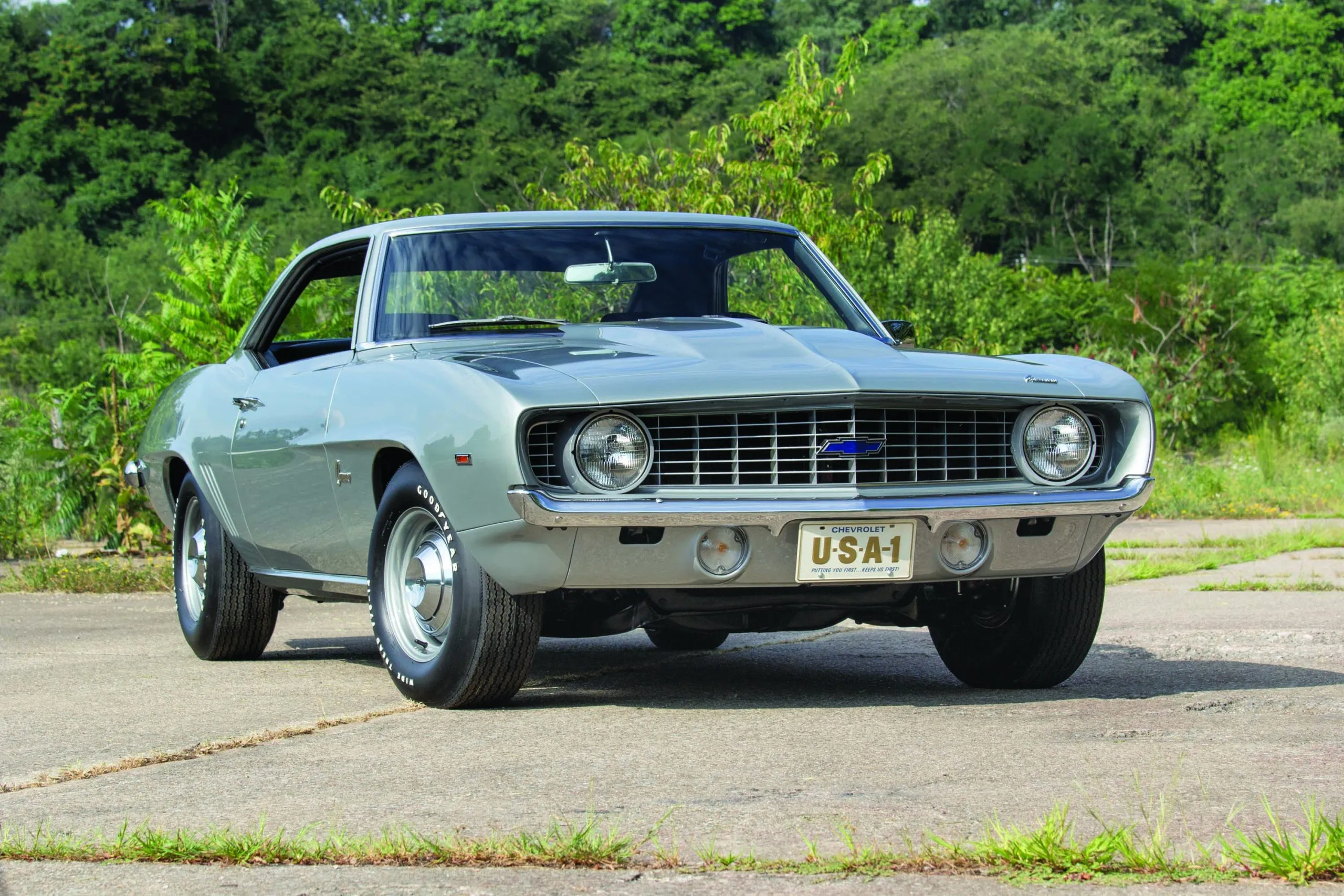
3. Column Mounted Tachometers
Column mounted tachometers placed engine speed information directly in the driver’s natural line of sight. Rather than glancing down at the dashboard, drivers could monitor RPMs without shifting focus from the road. This setup was especially popular in performance oriented models like the 1969 Chevrolet Camaro Z28 and certain Pontiac Firebird variants. The tachometer became a central performance instrument rather than a secondary gauge.
This placement reinforced the importance of engine speed in spirited driving. Drivers learned optimal shift points by watching the needle sweep across the dial. The visual rhythm of rising RPMs created anticipation and urgency, especially during hard acceleration. Unlike digital readouts, analog tachometers conveyed motion and intensity in a way that numbers alone cannot.
Column mounted tachometers also improved reaction time. During aggressive driving, especially on twisty roads or drag strips, quick glances mattered. Having the tachometer closer to eye level reduced distraction and increased confidence. Drivers could focus on timing rather than searching for information.
A return of this feature would add character to modern interiors that often feel flat and screen dominated. An analog tachometer mounted near the steering column would celebrate the importance of engine behavior, reminding drivers that performance driving is about timing, coordination, and awareness.
4. Functional Hood Pins
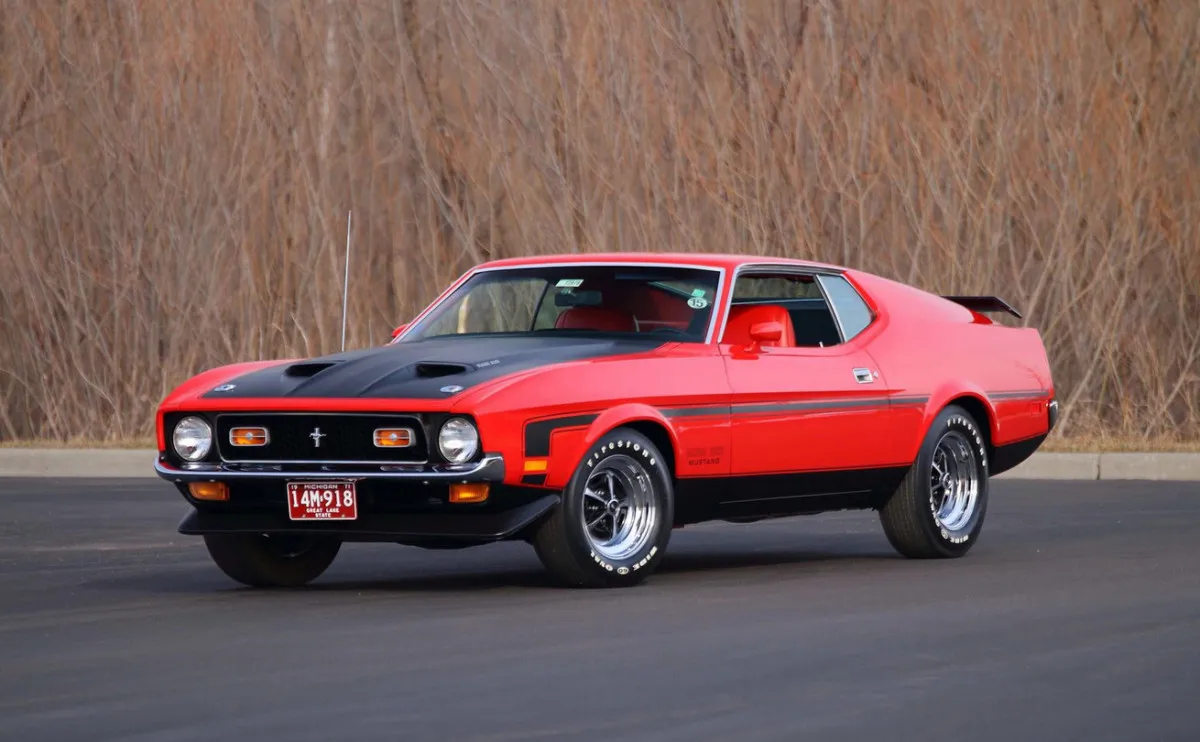
Functional hood pins originated as a safety solution. As muscle cars gained power and reached higher speeds, traditional hood latches sometimes failed under aerodynamic pressure. Hood pins ensured that the hood stayed firmly in place, particularly during racing or sustained high speed driving. Cars like the Ford Mustang Boss 302 and Plymouth Road Runner frequently featured factory installed or dealer added hood pins.
Over time, hood pins became a visual signal of serious intent. They communicated that the car was built to handle stress and speed, not just look aggressive. Unlike decorative add ons, functional hood pins had a clear purpose. Their exposed hardware reminded drivers and onlookers alike that performance often requires reinforcement.
For owners, hood pins added a sense of ritual. Opening the hood was no longer casual. It required deliberate action, reinforcing respect for what lay beneath. This small inconvenience encouraged owners to treat the engine bay as a place of importance rather than a sealed compartment.
Modern performance cars could easily reintroduce functional hood pins using advanced materials and secure locking mechanisms. Doing so would restore a visible connection between form and function, reinforcing the idea that strength should be seen, not hidden.
5. Mechanical Limited Slip Differentials With Driver Feedback
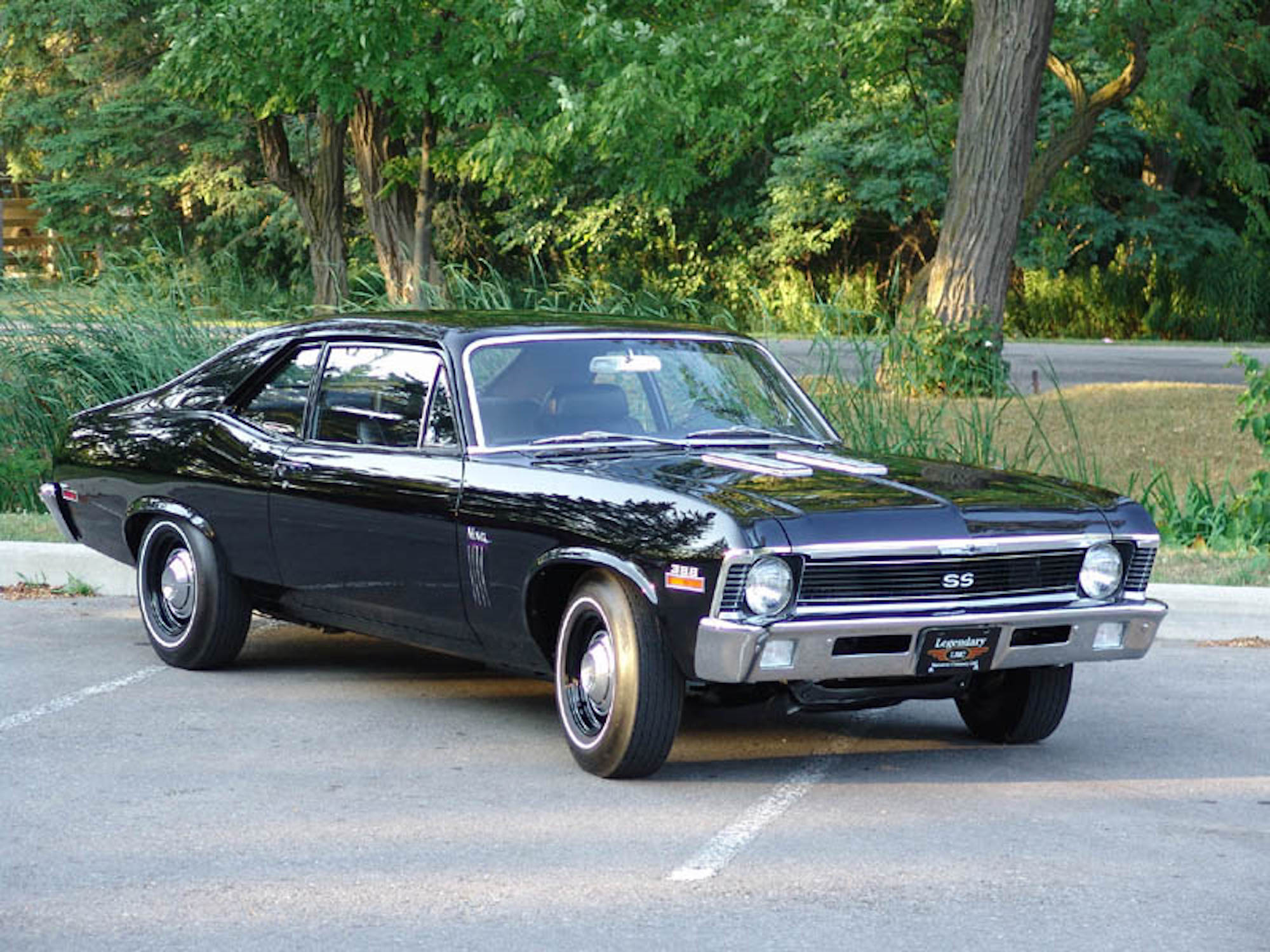
Early mechanical limited slip differentials relied on clutches, springs, and gears rather than electronics. These systems actively distributed torque between rear wheels based on traction, and they did so with clear feedback. Cars like the Chevrolet Nova SS, Pontiac GTO, and Dodge Charger R T used these differentials to put power down effectively without masking behavior.
The key advantage of these systems was communication. Drivers could feel when traction was nearing its limit through vibration, sound, and subtle changes in handling. This feedback encouraged throttle modulation and steering input adjustments. The car taught the driver how to work with it rather than correcting mistakes invisibly.
Mechanical limited slip units also promoted skill development. Because they did not intervene smoothly or silently, drivers learned respect for power delivery. Launching hard or exiting corners aggressively required finesse. This created a learning curve that rewarded practice and understanding.
A modern return to mechanically expressive differentials would not mean abandoning electronic assistance. Instead, it would balance technology with feedback. Giving drivers more information through sensation would restore confidence and engagement, making performance driving feel earned rather than automated.
6. Physical Toggle Switches for Performance Functions
Physical toggle switches were once a defining trait of serious muscle cars, especially those designed with performance and racing in mind. These switches controlled critical systems such as electric fuel pumps, ignition cutoffs, cooling fans, or auxiliary lighting.
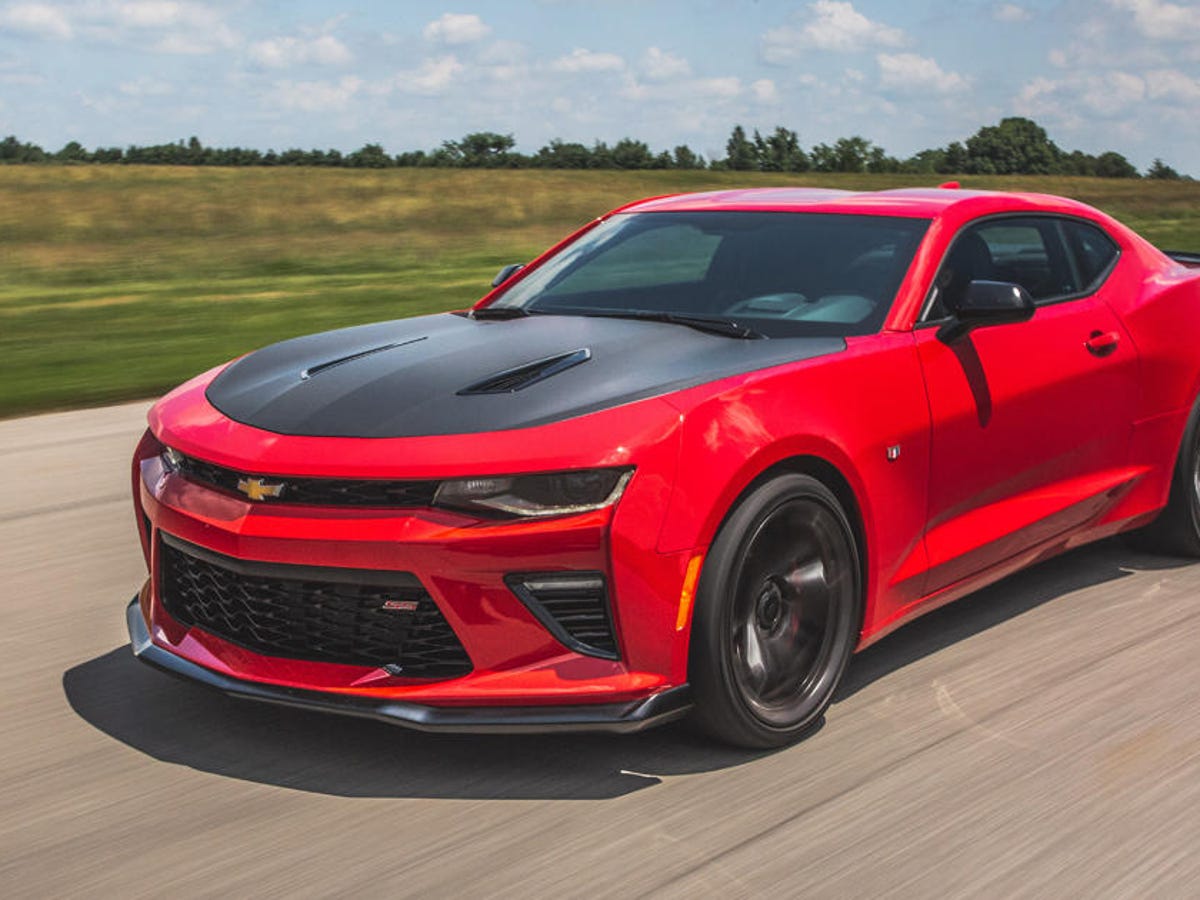
Cars like the Dodge Challenger T A, Chevrolet Camaro COPO models, and certain Shelby Mustangs used toggle switches to give drivers direct control over vital functions. Each switch had a clear purpose and immediate response, leaving no doubt about what was active.
The tactile nature of toggle switches added a sense of authority to the driving experience. Flipping a switch required intention and awareness, reinforcing the idea that the driver was in command of the machine.
Unlike modern touchscreens or hidden menus, toggles provided instant feedback through resistance and position. Drivers could operate them by feel alone, keeping their eyes on the road during high stress driving situations.
These switches also reflected mechanical honesty. If a fuel pump was on, the driver knew it. If cooling fans were engaged, the result was audible and physical. This transparency encouraged responsibility and understanding rather than abstraction. In cars like the Plymouth GTX or AMC AMX, toggle switches made performance systems feel real and consequential.
A modern revival of physical toggles for select performance functions would greatly enhance driver engagement. They would not replace digital systems but complement them, offering a more intuitive and satisfying interface. In an era dominated by screens, toggles would restore a sense of control that many enthusiasts still value deeply.
7. Carburetors Visible Through Hood Openings
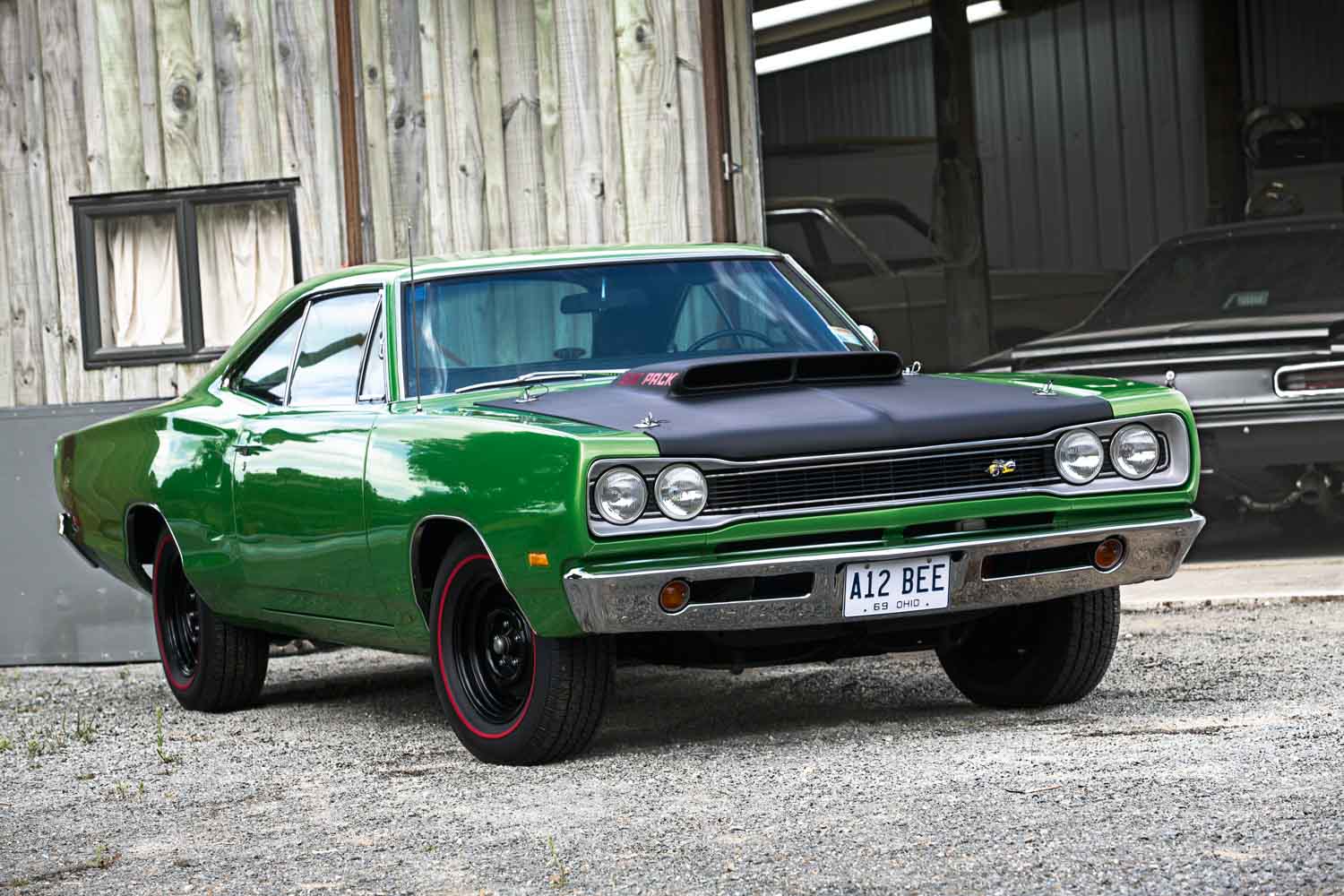
Visible carburetors were once a proud display of mechanical confidence. Some muscle cars featured hood cutouts, scoops, or open air cleaners that allowed the carburetor to be seen from outside the vehicle. This was common on cars like the Chevrolet Chevelle SS 454, Dodge Super Bee, and Pontiac GTO Judge. These openings were not merely stylistic choices but functional designs that improved airflow and accessibility.
Seeing the carburetor in action reinforced the mechanical nature of fuel delivery. Drivers could observe throttle linkages moving, hear the intake roar, and understand how air and fuel combined to produce power. This visibility made performance tangible. The engine was not hidden or sanitized. It was displayed proudly, inviting curiosity and understanding.
The exposed setup also encouraged tuning and experimentation. Adjustments could be made quickly, whether changing jets, tweaking idle mixtures, or checking throttle response. Owners learned how small changes affected performance, deepening their mechanical knowledge. In drag racing or weekend tuning sessions, this accessibility was invaluable.
While modern fuel injection systems are sealed and complex, the concept of visible performance components still has value. Transparent or partially exposed intake elements could restore a sense of openness and education. Celebrating how power is made would reconnect drivers with the engineering that defines performance cars.
8. Adjustable Suspension Settings Without Electronics
Before electronic suspension systems became widespread, muscle cars relied on manually adjustable components to tailor ride and handling. Shock absorbers and springs could be adjusted using tools, allowing drivers to set up their cars for street driving, drag racing, or track use. Cars like the Chevrolet Camaro Z28, Ford Mustang Mach 1, and Pontiac Trans Am offered suspension packages that rewarded hands on tuning.
This manual process encouraged understanding of vehicle dynamics. Drivers learned how stiffness affected body roll, traction, and ride quality. Each adjustment had a noticeable effect, reinforcing cause and effect. There were no presets or modes to hide complexity. The driver made choices and lived with the results.
Manual suspension tuning also required commitment. Adjustments were not made casually or instantly. This encouraged thoughtful experimentation and planning. Drivers developed a deeper respect for setup decisions and learned to adapt their driving style accordingly. In muscle cars that were driven hard, this knowledge was essential.
A modern return to manual adjustment points would appeal to enthusiasts who value involvement. Even alongside electronic systems, offering accessible mechanical tuning would restore a sense of craftsmanship and control. It would remind drivers that handling is shaped by physical components, not just software.
9. Engine Bay Simplicity
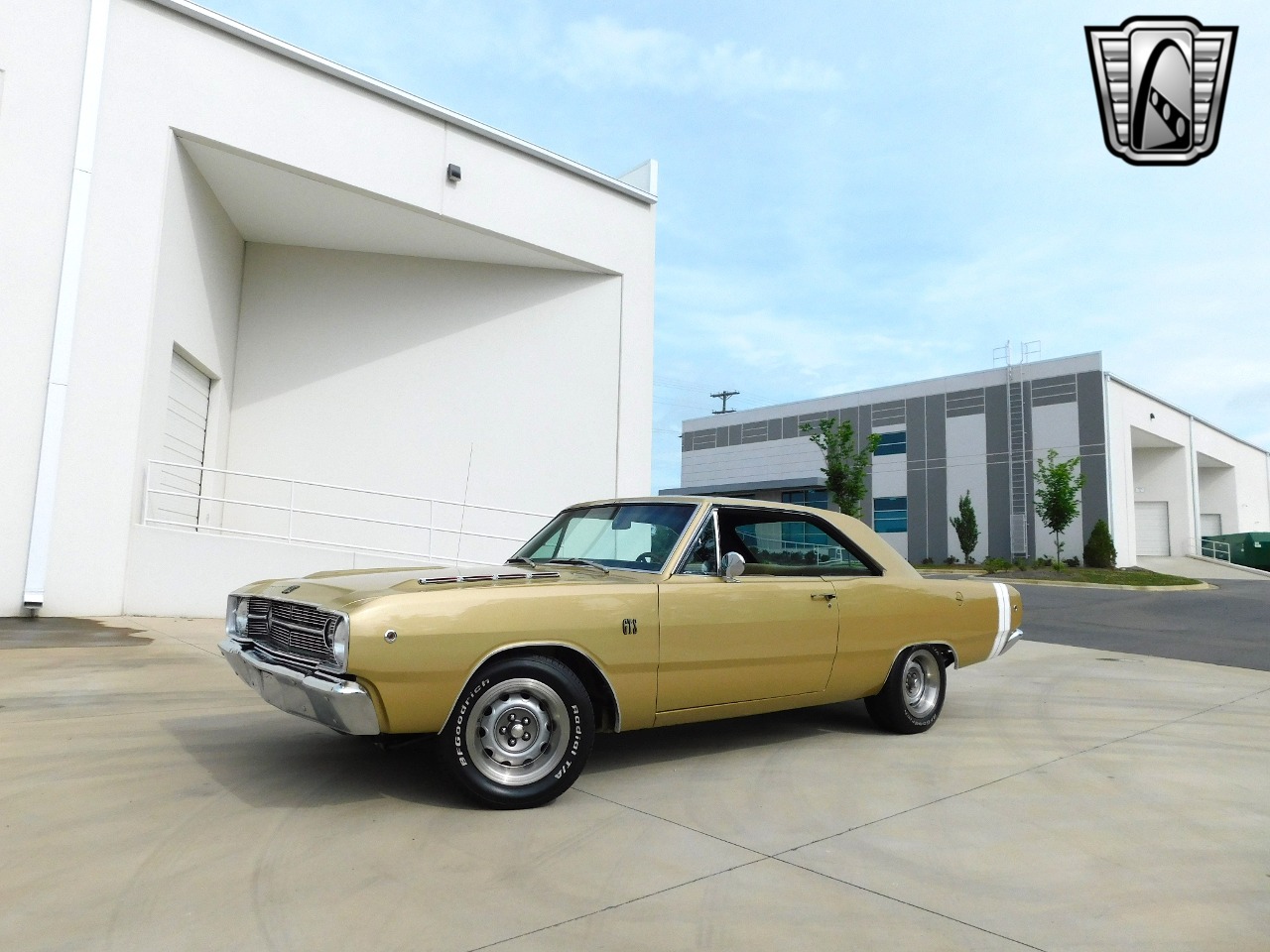
Classic muscle car engine bays were defined by clarity and accessibility. Components were arranged logically, wiring was minimal, and critical parts were easy to reach. Cars like the Chevrolet Nova SS, Dodge Dart GTS, and early Ford Mustangs allowed owners to see and understand every major system at a glance. This simplicity invited hands on involvement rather than discouraging it.
Working on these engines was part of ownership. Routine maintenance such as spark plug changes, carburetor tuning, or belt replacement could be done with basic tools. This accessibility built confidence and independence. Owners did not need specialized equipment or diagnostic computers to understand what was happening under the hood.
The visual appeal of simple engine bays also mattered. Clean layouts highlighted the engine itself as the centerpiece. There was a sense of pride in opening the hood and seeing a well organized, powerful machine rather than layers of plastic covers. The engine was not hidden. It was celebrated.
Modern engine bays could benefit from improved accessibility and visual clarity. While complexity is unavoidable, thoughtful design could restore some openness. Allowing owners to see and reach key components would strengthen the connection between driver and machine.
10. Driver Centered Interior Layouts
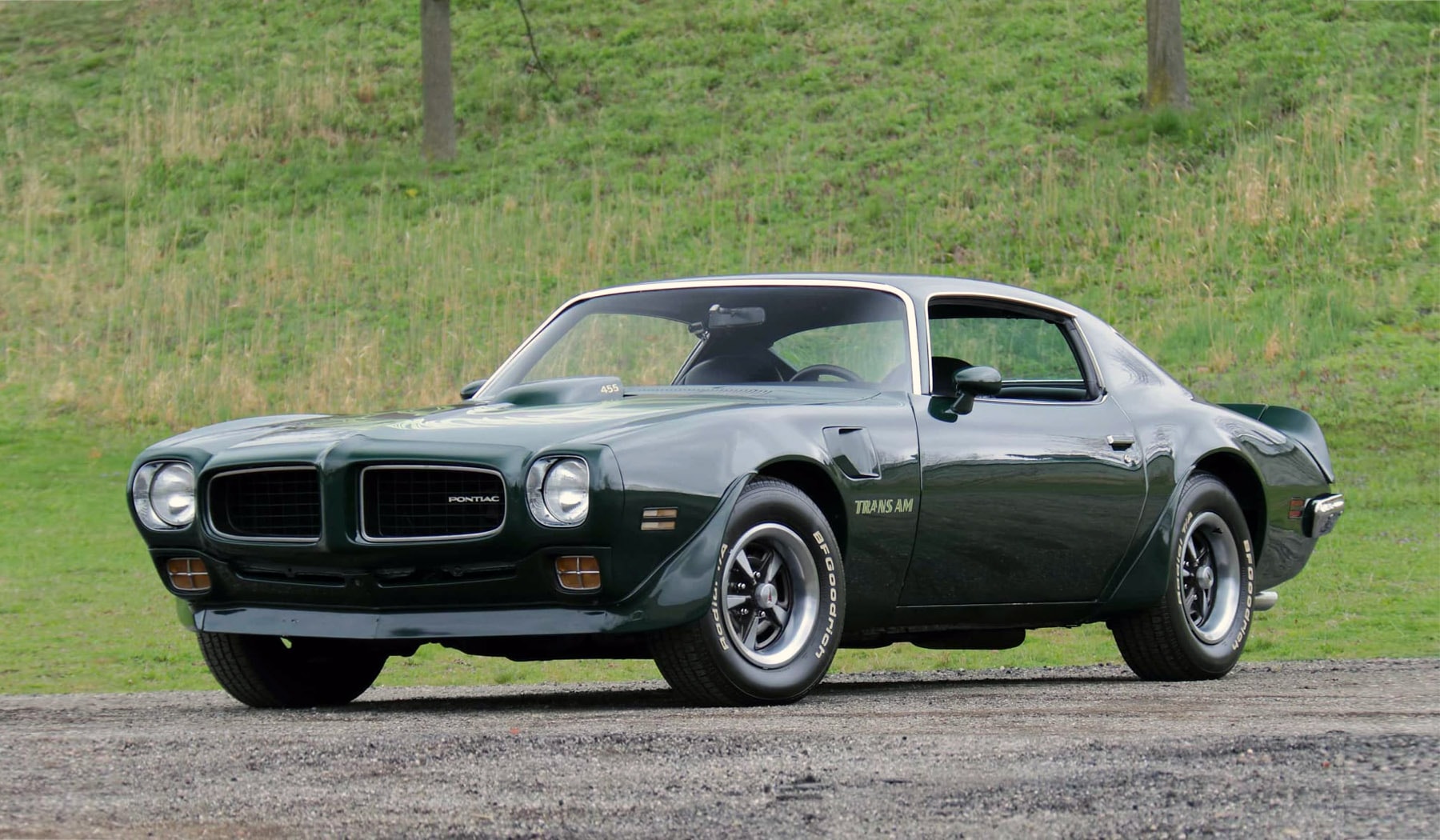
Muscle car interiors were often designed with a singular focus on the driver. Gauges were angled toward the seat, controls were clustered within easy reach, and unnecessary distractions were minimized. Cars like the Pontiac Firebird, Dodge Challenger, and Chevrolet Camaro placed the driver at the center of the experience. The cockpit felt purposeful and intentional.
This layout supported performance driving by reducing distraction. Information was presented clearly and logically. Drivers could monitor speed, RPM, oil pressure, and temperature without searching. The car communicated what mattered most, reinforcing confidence and situational awareness.
Driver centered interiors also created emotional connection. Sitting behind the wheel felt personal, as though the car was designed for one individual rather than a broad audience. This intimacy strengthened attachment and pride of ownership. The car felt like a partner rather than a product.
Reintroducing truly driver focused interior design would restore clarity and purpose to modern performance cars. Technology and comfort can coexist with simplicity. Prioritizing the driver would honor the philosophy that made muscle cars unforgettable.
