
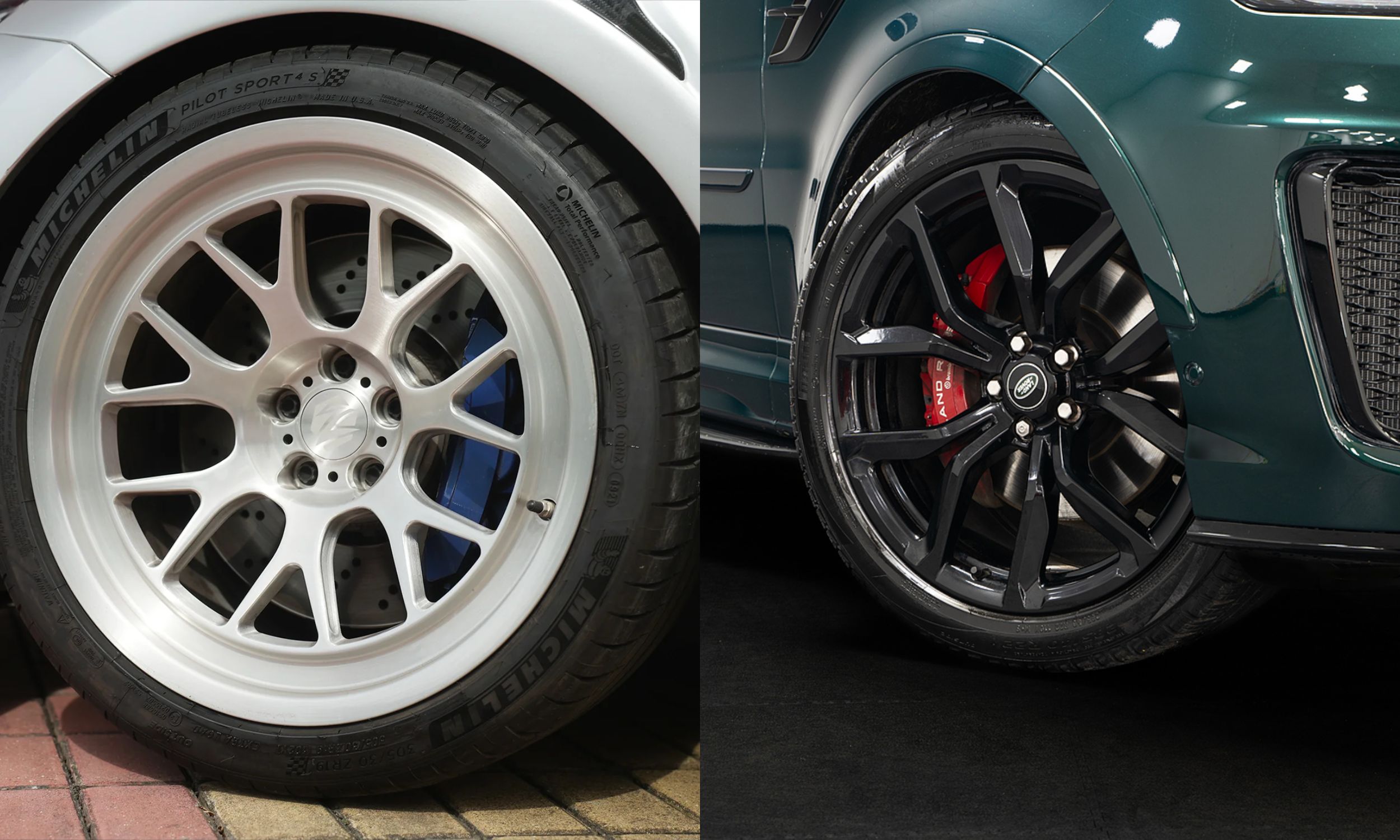
Rolling into a parking space and feeling the attention move toward your car is a rush that’s hard to ignore. Those oversized wheels play a big part in that reaction, giving even an ordinary sedan a more aggressive, performance-inspired look. It is easy to see why dealerships highlight them, why advertisers push them, and why so many buyers choose them without much hesitation.
That visual upgrade, though, comes with trade-offs that often stay out of the conversation during the buying process. The moment the car leaves the lot, the difference starts to show in how it rides, how it handles rough roads, and how much it costs to maintain. What looks like a simple style upgrade can quietly change the ownership experience in ways that are not obvious at first glance.
Ride comfort tends to take the first hit, with thinner tire sidewalls passing more road impact into the cabin. Then comes the financial side, where replacement tires and wheels cost more than most people expect. Even everyday driving can feel a bit more demanding when potholes and curbs suddenly become bigger concerns.
There is nothing wrong with wanting a sharper look for your vehicle, but the full picture matters. Style is only one part of the equation, and oversized wheels bring a set of compromises that deserve attention before making the final choice.
The Ride Quality Takes A Serious Hit – And You’ll Feel It Immediately
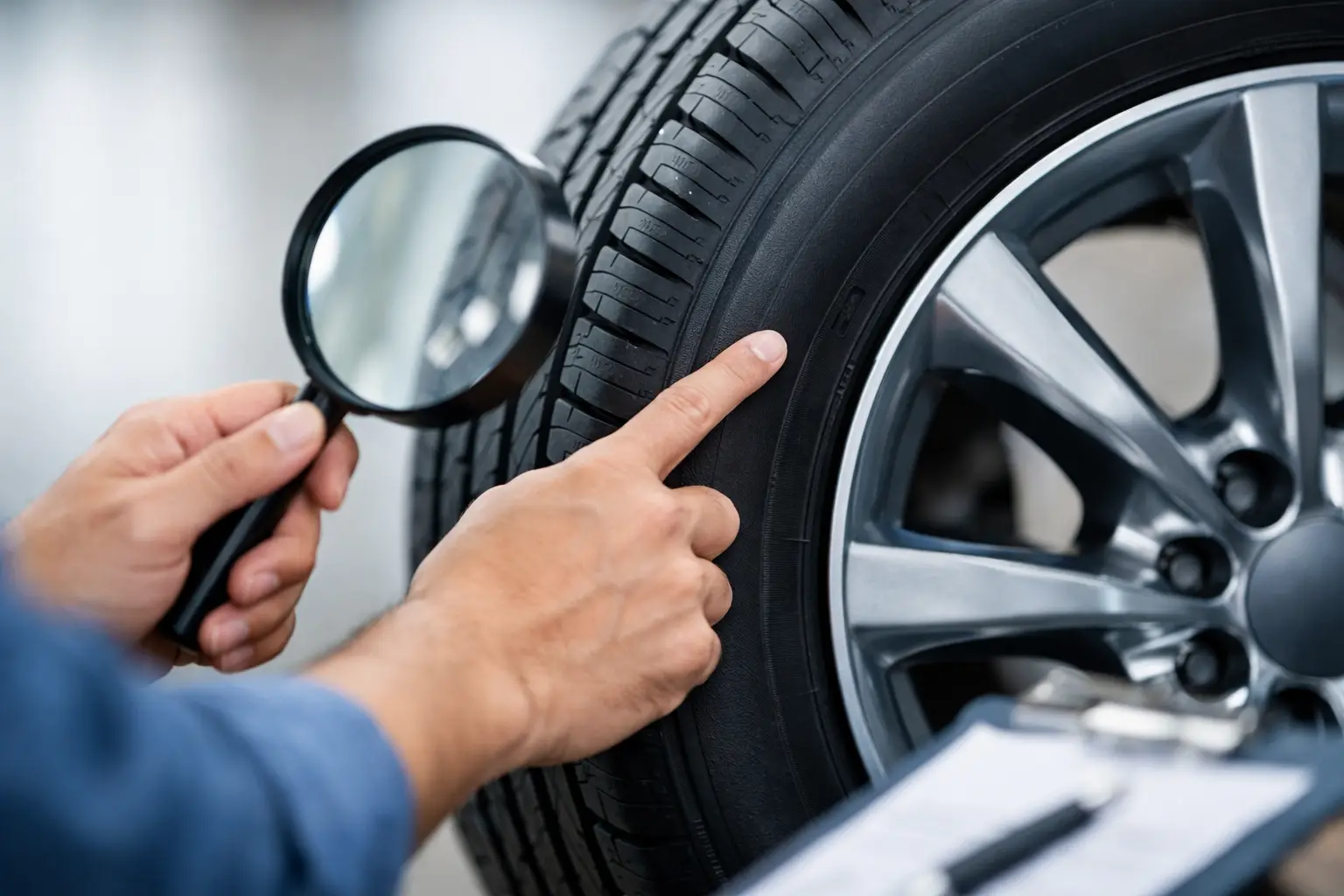
A larger wheel setup changes daily driving comfort right away when the vehicle moves onto uneven pavement. With reduced tire sidewall height, there is less rubber available to absorb cracks, dips, and road joints. This reduced cushioning allows more road texture to pass into the cabin, making small imperfections easier to sense.
City driving brings this effect out more since patched roads and bumps occur frequently in short trips. Drivers switching from smaller wheels often sense this difference within a short drive. Each bump can produce a firm thud when a pothole or raised surface is encountered at normal speed.
Suspension tuning from manufacturers helps soften some harshness, though it cannot fully replace lost rubber absorption. Even well-tuned systems still allow more vibration through when tire cushioning is reduced. For daily commuters using regular streets, comfort tends to decline compared with smaller wheel setups.
Luxury models with very large wheels, such as some versions of the Cadillac Escalade, still show this trade pattern despite premium pricing. Higher cost does not always translate to smoother travel as wheel diameter increases. Road feel becomes more direct, leaving drivers with less isolation from surface imperfections during ordinary commuting conditions across many routes.
Also Read: Opinion: Car Subscriptions Are the Worst Trend the Automotive Industry Has Ever Tried
The Financial Damage Starts at Purchase and Never Really Stops
Cost increases begin as soon as larger wheels are selected during vehicle purchase. Manufacturers often present wheel upgrades as paid options or bundle them into higher trims. This means the initial price already rises before any driving takes place. A practical example can be seen with Cadillac CT5 wheel options across trims.
Standard eighteen-inch wheels are less expensive, while twenty-inch upgrades can add thousands of dollars. That price gap appears before fuel use or maintenance expenses are considered. Tire replacement also becomes more costly due to larger diameter sizes. A standard seventeen-inch tire can cost far less than a nineteen-inch version.
Drivers may pay several hundred dollars more each time a full set of tires is replaced. Lower availability of tire brands for low-profile designs can also drive up prices. Faster tread wear in performance-oriented rubber means replacements happen more frequently. Over several years added tire spending can reach a large amount compared with smaller wheel setups as components wear down gradually.
Rim Damage Becomes A Regular Threat On Everyday Roads
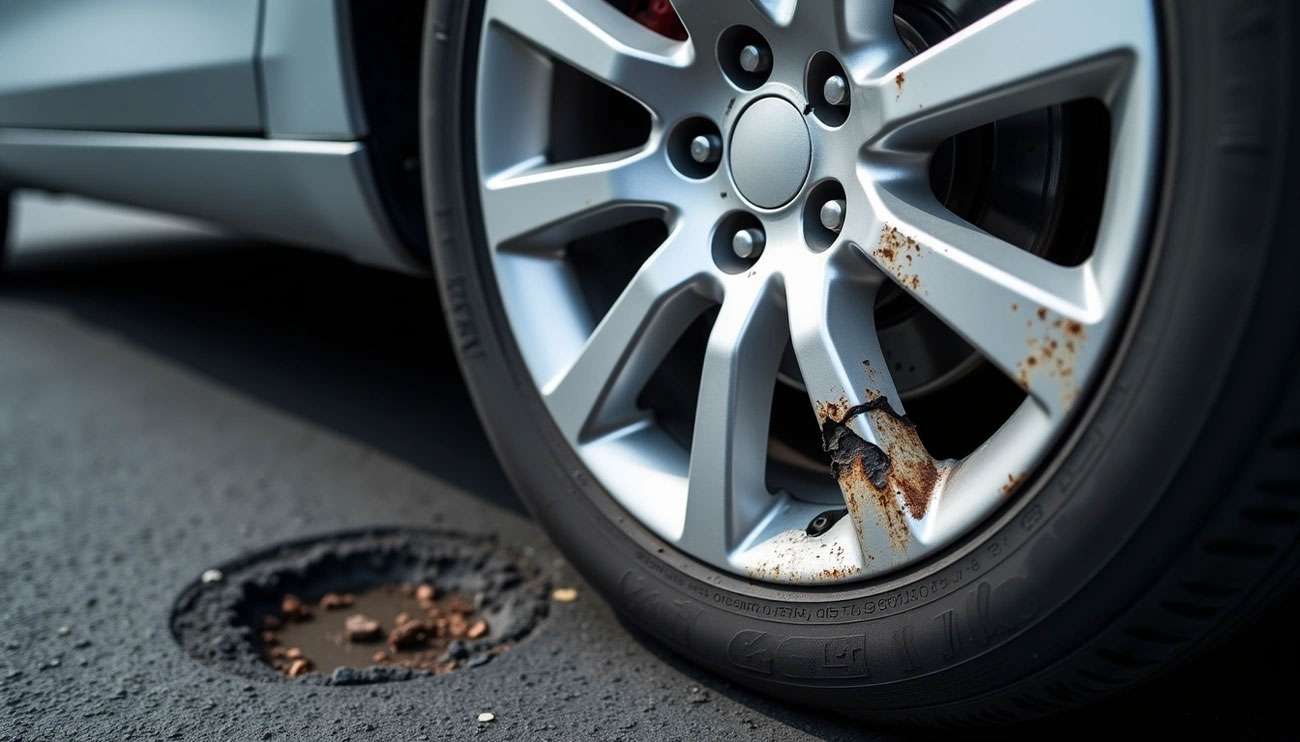
Wheel damage from large diameter rims shows up often when vehicles meet uneven roads, potholes, and rough construction areas. Lower sidewall height gives less cushioning, so impacts travel straight into the alloy, raising the chances of bends, cracks, or bubbles in tires.
City routes with broken pavement and winter wear expose wheels to repeated stress that standard wheels would handle with less damage. A single deep pothole can bend a rim or split an alloy, leading to repair bills that often reach high amounts.
Replacement wheels from manufacturers may cost far more than expected, sometimes equal to a large monthly payment. Insurance may cover part of the damage, but deductibles still leave owners paying out of pocket each time. Drivers in colder regions often buy separate wheel sets for winter use, adding extra expense not mentioned during purchase.
Vehicles like the 2024 Rivian R1T show how larger wheels can reduce range and raise repair risk at the same time. Moving from 21-inch to 22-inch options lowers the driving range while also making the wheels more exposed to damage from rough roads.
Extra costs build up quickly when repairs, replacements, and seasonal wheel changes are added to regular ownership expenses for many drivers today.
Fuel Economy and EV Range Both Pay The Price For Style
Wheel size choices influence fuel use in gasoline cars and driving distance in electric models more than many buyers expect. Larger wheels add weight and create higher rolling resistance, which requires more energy to keep a vehicle moving.
Fuel ratings from testing agencies show clear drops when trim levels move from smaller rims to larger options. The Toyota Camry demonstrates this difference, where the LE version with smaller wheels returns higher mpg than the SE with bigger wheels.
Even small changes in mpg add up to higher fuel spending during long periods of daily commuting. Electric vehicles also show range loss when wheel diameter increases, which matters during long trips or limited charging access. The Polestar 2 and Rivian R1T both demonstrate reduced range when moving to larger wheel sizes.
Marketing often promotes larger rims for appearance, encouraging buyers to choose trims that include them even when efficiency drops. Price tiers use wheel upgrades as a visible change that helps justify higher trim pricing across many vehicles.
Buyers should consider long-term running costs, since wheel selection affects both efficiency and repair expenses during regular ownership of a vehicle for everyday driving situations across many conditions each year in use.
Also Read: Opinion: Modern Headlights Got So Bright They Became a Safety Problem
So What Should Drivers Actually Do With This Information?
Picking bigger rims is not a bad choice by default. Style matters to many buyers, and a vehicle with larger wheels can feel more appealing and give a stronger sense of ownership. There is nothing wrong with choosing looks if that is what you want.
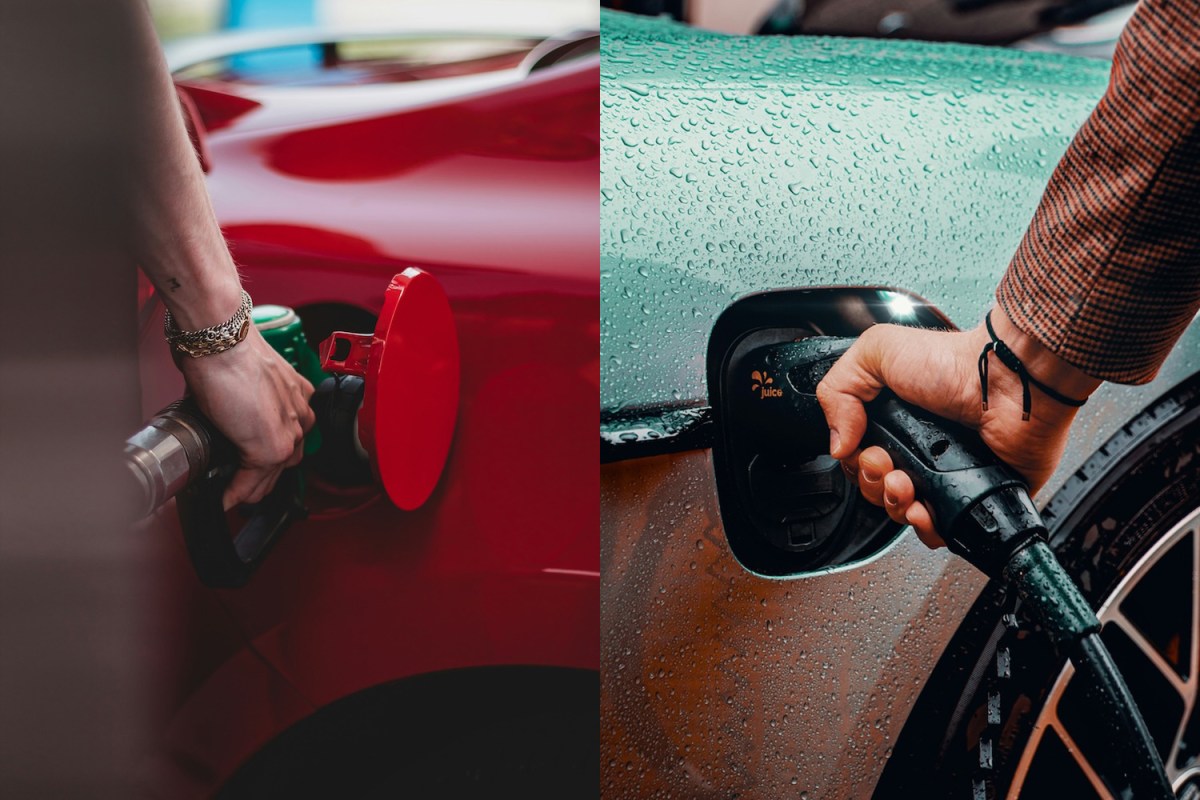
The tradeoffs appear in daily use, such as firmer ride quality, higher tire prices, more fragile rims, and reduced efficiency. Electric vehicles may also lose some driving range when wheel size increases. Drivers in colder areas often need extra winter wheel sets, which adds more expense.
Driving conditions matter a lot. Smooth highways hide the downsides, but rough streets make them easy to feel. It helps to think about your regular routes before choosing wheel upgrades. Checking tire prices and rim replacement costs for the exact model can prevent surprises. If the styling still feels worth it, then go ahead. If not, smaller wheels can save money and improve comfort.
Your daily driving experience and long-term costs should guide the final choice. Smaller setups usually deliver smoother rides, lower replacement costs, and fewer worries about road damage, making them practical for many drivers every day across varied road conditions and usage patterns each year.
