
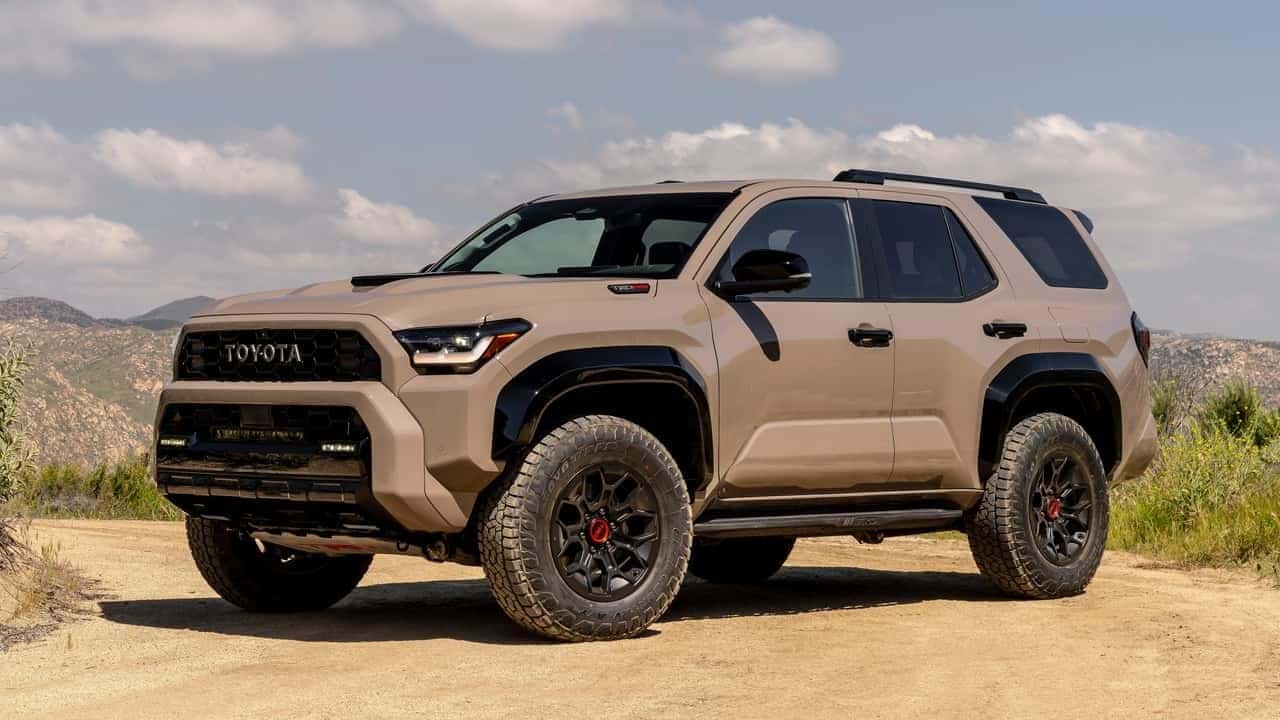
The Toyota 4Runner occupies a unique position in today’s SUV market. While many modern sport utility vehicles have shifted toward car-based platforms designed primarily for comfort and efficiency, the 4Runner has remained committed to traditional body-on-frame construction.
This approach has helped it earn a loyal following among off-road enthusiasts, outdoor adventurers, and drivers who value durability above all else. Its reputation for longevity is one of the strongest in the automotive world, with many examples exceeding 300,000 miles when properly maintained.
However, even a vehicle known for reliability has experienced stronger and weaker production years.
Across more than four decades of production, some 4Runner model years have proven exceptionally dependable, benefiting from mature engineering, proven powertrains, and fewer owner complaints.
These versions have become highly sought-after in the used market because they offer the rugged capability Toyota is famous for while minimizing the likelihood of costly repairs.
Other years have been less successful. Certain model years suffered from issues ranging from frame rust and head gasket failures to electrical problems and excessive owner complaints. While they still carried the Toyota badge, these versions fell short of the high standards many buyers expect from the brand.
For shoppers considering a used 4Runner, understanding these differences is essential. A carefully chosen model year can provide decades of dependable service, while selecting a problematic version can lead to unexpected expenses and frustration. The gap between the best and worst years is significant enough to influence purchasing decisions.
This guide examines four of the best Toyota 4Runner years and four of the worst. The rankings consider reliability data, owner experiences, common mechanical issues, recall histories, and long-term durability records.
Whether you’re searching for a daily driver, a family adventure vehicle, or a serious off-road machine, these are the Toyota 4Runner years that deserve the most attention, both for positive and negative reasons.
Also Read: 10 EVs Ranked By Frunk Space
4 Best Years For The Toyota 4Runner
1. 2021 Toyota 4Runner
When discussing the best Toyota 4Runner years, the 2021 model deserves immediate attention. Rather than relying on frequent redesigns, the 4Runner benefited from Toyota’s approach of continuous, gradual refinement.
By 2021, the fifth-generation platform had already been on the market for more than a decade, allowing engineers ample time to address early concerns and perfect the formula.
One reason this model stands out is its exceptional reliability record. The proven 4.0-liter V6 engine had already established itself as one of the most dependable powerplants in the SUV segment.
Owners routinely reported trouble-free operation even after accumulating significant mileage. The five-speed automatic transmission was similarly proven, avoiding the complexity that often creates problems in newer designs.
Technology improvements also enhanced the truck’s appeal. Toyota finally added modern features such as Apple CarPlay, Android Auto, and advanced driver-assistance systems, helping the vehicle feel more current without sacrificing its rugged personality. Buyers no longer had to choose between durability and convenience.
Off-road capability remained one of the SUV’s strongest assets. Models equipped with TRD Off-Road or TRD Pro packages offered locking differentials, crawl control, and terrain management features that enabled drivers to tackle challenging trails with confidence.
What truly separates the 2021 model from many competitors is consistency. It did not rely on groundbreaking innovation or radical engineering changes. Instead, it delivered a thoroughly tested package that excelled in real-world ownership.
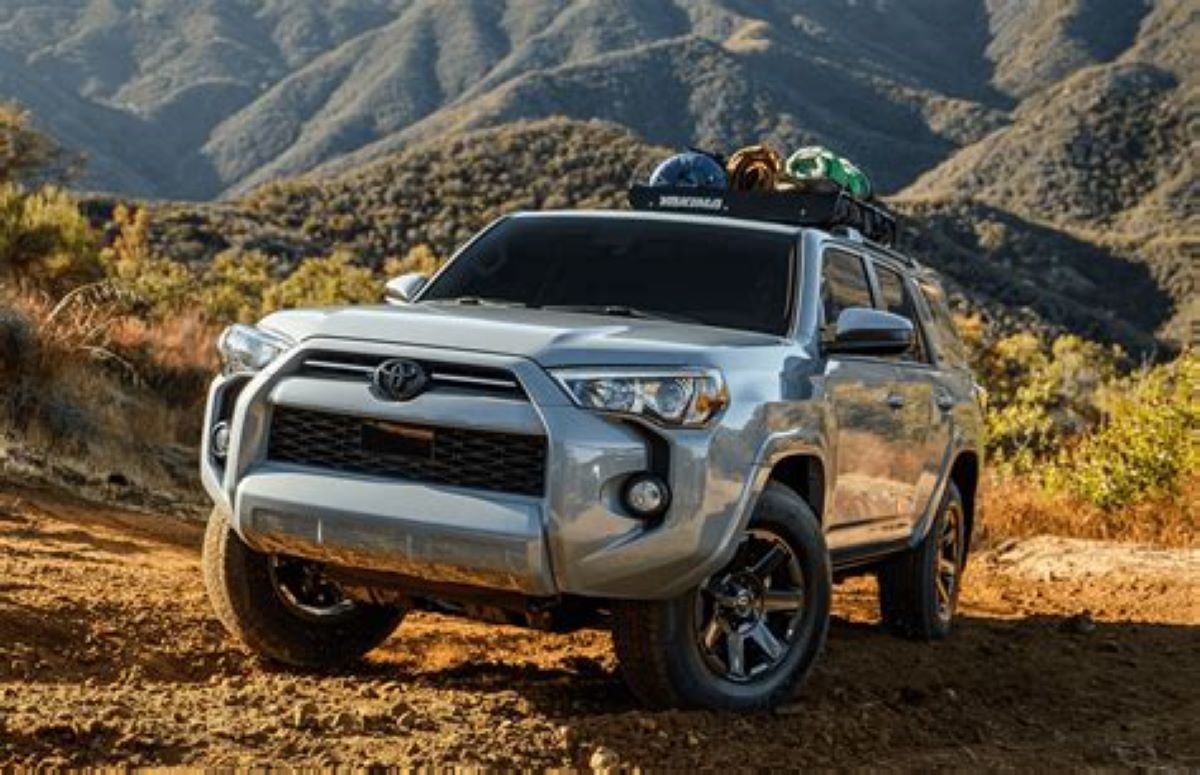
For buyers seeking a used SUV with a strong chance of lasting well beyond 200,000 miles, the 2021 Toyota 4Runner represents one of the safest and most dependable choices available.
Specifications
- Engine: 4.0-liter V6
- Torque: 278 lb-ft
- Horsepower: 270 hp
- Length/Width: 190.7 in / 75.8 in
2. 2019 Toyota 4Runner
The 2019 Toyota 4Runner illustrates how maturity can become a major advantage in vehicle development. By this stage, Toyota had spent years refining the fifth-generation SUV, creating a model that balanced rugged capability with proven reliability.
Simplicity was one of this model’s greatest strengths, as it relied on a proven mechanical package instead of the turbocharged engines and sophisticated transmissions commonly found in newer vehicles.
The naturally aspirated V6 engine had already earned a reputation for longevity, while the automatic transmission remained durable and predictable. For many buyers, this simplicity became one of the vehicle’s biggest strengths.
The 2019 model also appealed to outdoor enthusiasts because it stayed true to the traditional SUV formula. Body-on-frame construction provided excellent durability, while available four-wheel-drive systems delivered confidence on rough terrain. Whether crossing rocky trails or driving through severe weather, the vehicle maintained a reputation for dependable performance.
Another reason this year ranks among the best involves owner satisfaction. Reports of serious engine or transmission failures remained relatively uncommon compared with many competing SUVs. Maintenance costs were generally reasonable, and routine servicing often kept the vehicle running reliably for years.
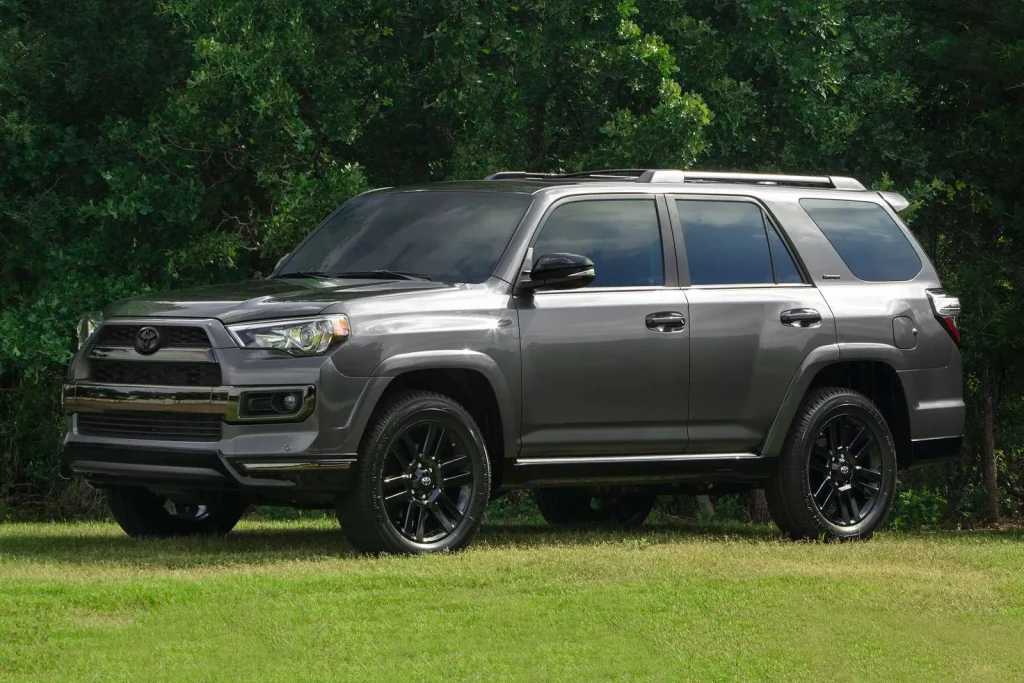
Interior quality was not luxurious by modern standards, but it was practical and durable. Controls were easy to use, seating was comfortable, and the cabin proved capable of handling the wear and tear associated with active lifestyles.
Many used-SUV shoppers actively seek out the 2019 model because it offers nearly all the strengths of newer versions while avoiding the higher purchase prices associated with recent production years.
It combines Toyota’s legendary durability with genuine off-road capability and remains one of the smartest choices in the 4Runner lineup.
Specifications
- Engine: 4.0-liter V6
- Torque: 278 lb-ft
- Horsepower: 270 hp
- Length/Width: 190.2 in / 75.8 in
3. 2017 Toyota 4Runner
Some vehicles earn praise because they introduce revolutionary technology or groundbreaking performance. The 2017 Toyota 4Runner became one of the best years for a different reason. It embraced proven engineering and focused on delivering the kind of durability that made the nameplate famous in the first place.
By 2017, Toyota had already spent several years refining the fifth-generation platform. Most early production concerns had been addressed, and the SUV had developed a strong reputation among both everyday drivers and off-road enthusiasts.
Buyers knew exactly what they were getting, which is often a major advantage when shopping for a used vehicle.
The 4.0-liter V6 remained one of the biggest reasons to choose this model. While it was not the most powerful engine in its class, it consistently demonstrated exceptional longevity.
Many owners accumulated hundreds of thousands of miles with only routine maintenance. The five-speed automatic transmission shared a similarly strong reputation, helping create a dependable powertrain combination.
Off-road capability remained a major selling point. The available TRD Off-Road package equipped the SUV with features such as crawl control, multi-terrain select, and enhanced suspension tuning. These systems allowed drivers to venture far beyond paved roads while maintaining confidence in the vehicle’s durability.
The cabin reflected Toyota’s practical approach. Instead of chasing luxury trends, the interior emphasized functionality and ease of use. Large controls, durable materials, and straightforward technology made daily operation simple and reliable.
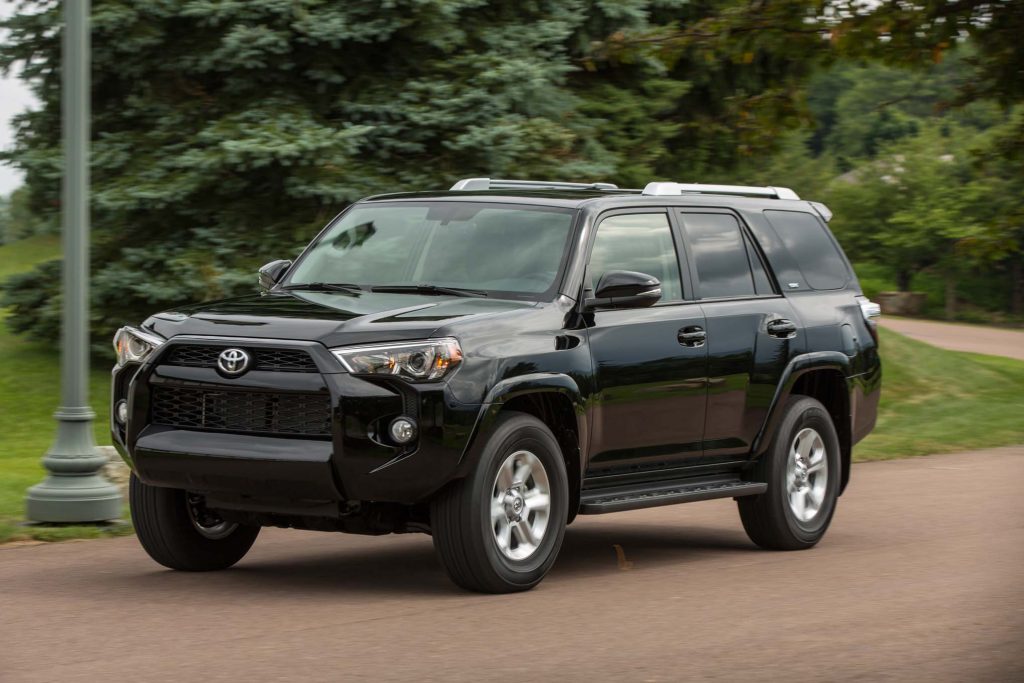
What makes the 2017 model particularly appealing is its balance. It offers modern enough features to satisfy most drivers while retaining the proven mechanical components that helped establish Toyota’s reputation for reliability.
For buyers searching for a used SUV capable of serving as both a daily driver and a weekend adventure vehicle, the 2017 Toyota 4Runner remains one of the strongest options available.
Specifications
- Engine: 4.0-liter V6
- Torque: 278 lb-ft
- Horsepower: 270 hp
- Length/Width: 190.2 in / 75.8 in
4. 2008 Toyota 4Runner
The fourth-generation Toyota 4Runner reached one of its highest points in 2008. By then, Toyota had refined the platform for several years, creating an SUV that combined impressive durability with a level of versatility that appealed to a wide range of buyers.
The 2008 model struck a balance between rugged capability and everyday practicality. Available with either a reliable V6 or a powerful V8 engine, it appealed to a wide range of buyers, from daily commuters to those who needed strong towing performance.
One of the strongest arguments in favor of the 2008 model is its long-term reliability record. Owners consistently reported high mileage with relatively few major mechanical failures. The available V8, in particular, earned praise for its smooth operation and exceptional durability when properly maintained.
Another factor contributing to the model’s strong reputation was its solid construction. The body-on-frame design provided durability for off-road use, while the suspension delivered a comfortable ride for highway travel. This flexibility helped the vehicle appeal to families as well as outdoor adventurers.
Interior quality also exceeded expectations for the era. Materials held up well over time, and the cabin layout emphasized practicality. Even today, many examples remain in excellent condition thanks to Toyota’s attention to durability.
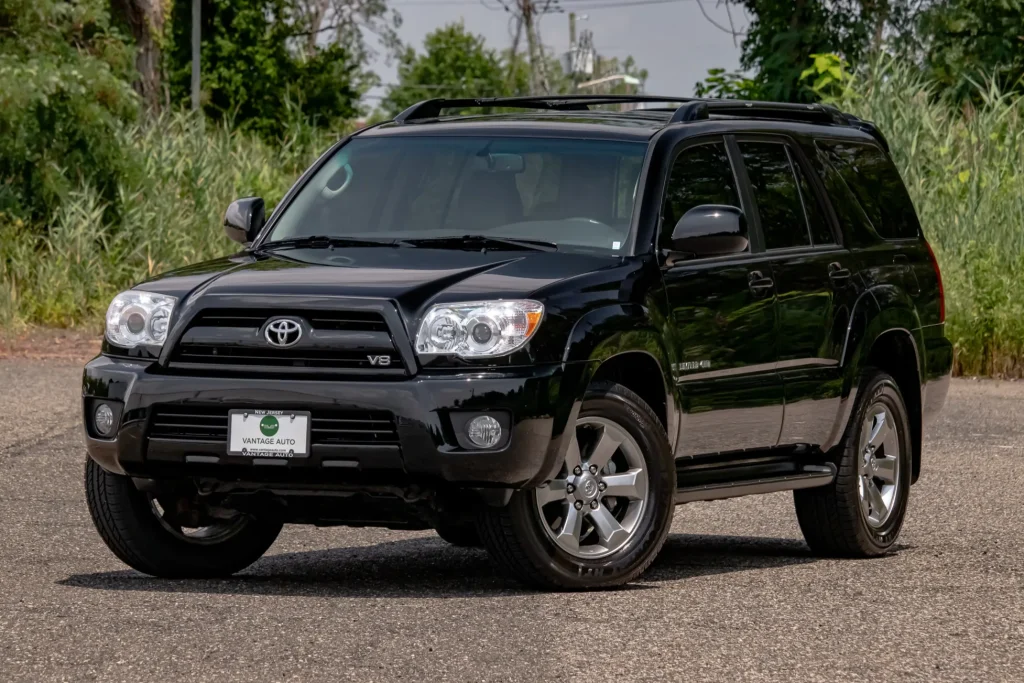
The 2008 model demonstrates why Toyota developed such a loyal following. It combined dependable engineering, strong capability, and proven longevity into a package that continues to attract buyers years after production ended.
For those willing to purchase an older SUV, a well-maintained 2008 Toyota 4Runner can still provide years of reliable service, making it one of the best years in the vehicle’s history.
Specifications
- Engine: 4.7-liter V8
- Torque: 330 lb-ft
- Horsepower: 260 hp
- Length/Width: 189.2 in / 75.2 in
4 Worst Years For The Toyota 4Runner
1. 2003 Toyota 4Runner
The 2003 Toyota 4Runner introduced the fourth generation and brought significant improvements in comfort, technology, and capability. Unfortunately, it also carried several issues that prevent it from being remembered as one of the model’s strongest years.
One of the most frequently reported concerns involved premature rust and corrosion, particularly in regions where road salt was commonly used. Frame rust became a serious issue for some owners and could eventually compromise structural integrity if left untreated.
The SUV also experienced a higher-than-desirable number of electrical complaints. Drivers reported problems involving dashboard electronics, sensors, and various convenience features. While not always severe, these issues affected owner satisfaction and increased maintenance costs.
As a first-year redesign, the 2003 model also faced the challenges commonly associated with introducing a completely new platform. Certain components simply lacked the refinement that later years would benefit from after additional development and real-world testing.
Suspension-related repairs appeared more frequently than many Toyota buyers expected. Some owners encountered premature wear in components that required attention earlier than anticipated.
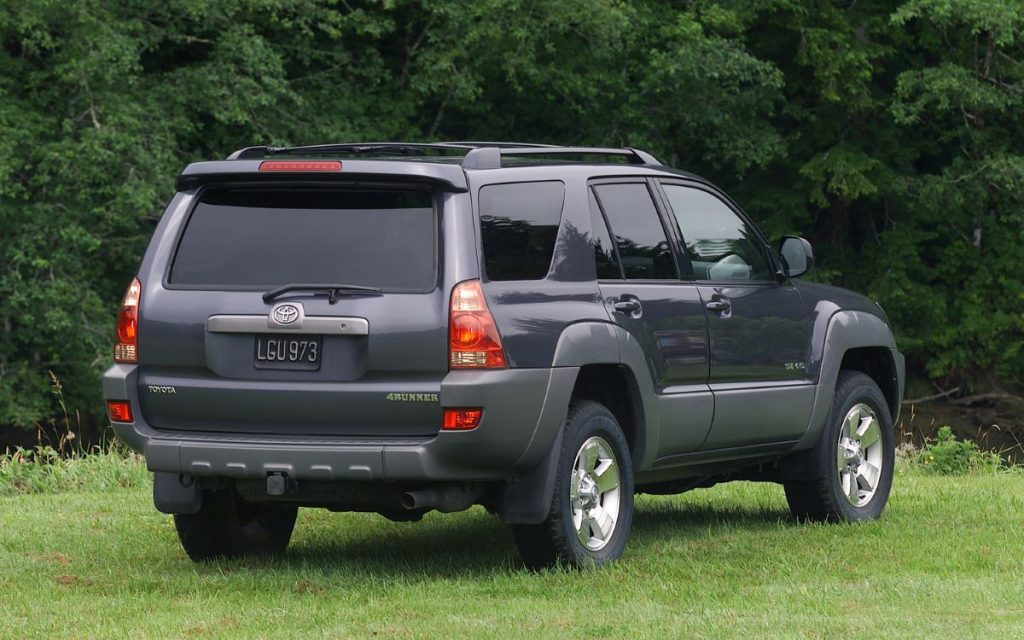
Although the vehicle still possessed many strengths, including capable engines and excellent off-road credentials, the combination of rust concerns and first-year reliability issues places it among the least desirable 4Runner model years.
Buyers interested in a fourth-generation 4Runner are generally better served by later examples that benefited from Toyota’s ongoing improvements.
Specifications
- Engine: 4.0-liter V6
- Torque: 283 lb-ft
- Horsepower: 245 hp
- Length/Width: 189.2 in / 75.2 in
2. 2001 Toyota 4Runner
Toyota’s reputation for reliability sometimes causes people to assume every model year is equally dependable. The 2001 4Runner serves as a reminder that even respected vehicles can experience notable weaknesses.
The most significant concern involved frame corrosion. Rust problems became widespread enough to affect the long-term viability of many vehicles, especially those operated in northern climates. Severe corrosion could eventually create safety concerns and expensive repair requirements.
Another issue centered on aging suspension components. As mileage increased, owners often faced repairs involving shocks, bushings, and steering-related parts. While some wear is expected in older vehicles, the frequency of these repairs contributed to the model’s less favorable reputation.
Engine reliability remained relatively strong compared with many competitors, but some owners reported oil leaks and cooling system concerns as vehicles accumulated mileage. Because most examples are now more than two decades old, these issues can become increasingly expensive to address.
The interior also showed its age more quickly than some later generations. Wear on seating surfaces, trim components, and dashboard materials appeared more frequently as years passed.
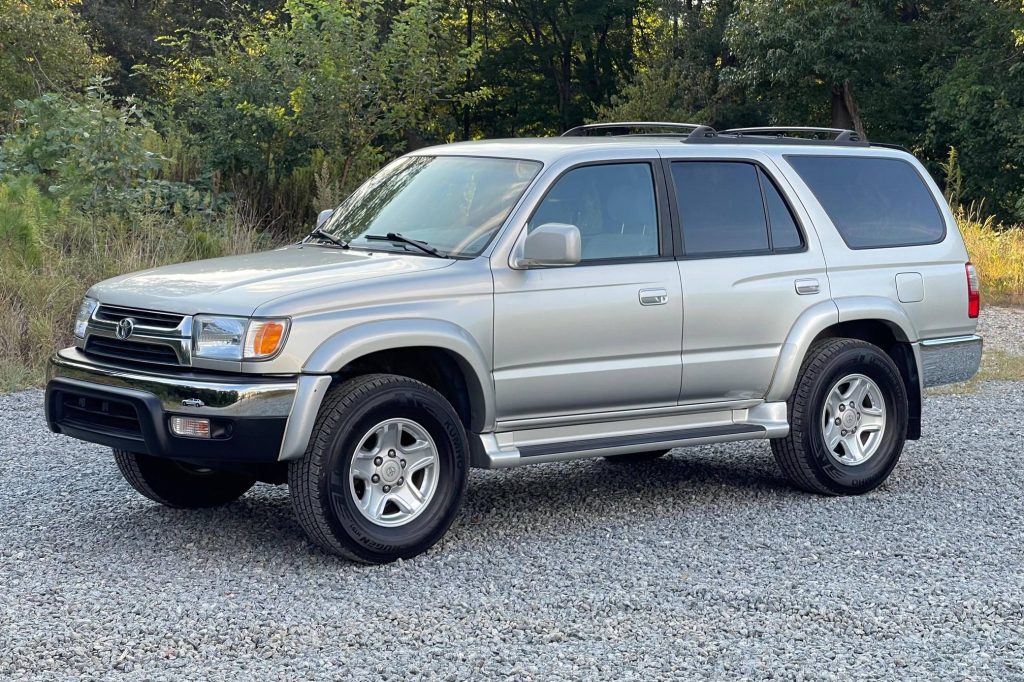
Despite these shortcomings, the 2001 model still reflects Toyota’s commitment to durability. Many examples remain operational today, which speaks to the strength of the underlying design. However, when comparing model years within the 4Runner lineup, the prevalence of rust-related concerns makes this one less desirable than many alternatives.
Prospective buyers should inspect any example carefully and pay particular attention to frame condition before making a purchase decision.
Specifications
- Engine: 3.4-liter V6
- Torque: 217 lb-ft
- Horsepower: 183 hp
- Length/Width: 183.3 in / 66.5 in
3. 2004 Toyota 4Runner
The 2004 Toyota 4Runner often finds itself in an unusual position when reliability discussions arise. It was not an outright disaster, and many owners enjoyed years of dependable service.
However, compared with the strongest years in the model’s history, it generated enough recurring complaints to earn a place among the less desirable 4Runner model years.
One reason for this ranking stems from its position early in the fourth-generation production cycle. Although Toyota had already introduced the redesigned platform in 2003, some issues remained unresolved. Early-generation vehicles frequently require additional refinement, and the 2004 model was no exception.
A common concern involved head gasket failures on certain V6-powered models. While not every vehicle experienced the problem, repairs could be expensive when it occurred. Head gasket issues are particularly frustrating because they can lead to overheating, coolant loss, and potentially serious engine damage if ignored.
Owners also reported occasional problems with braking components and electronic systems. These concerns did not necessarily affect every vehicle, but they appeared often enough to impact the model year’s reputation among used-SUV buyers.
Corrosion remained another factor worth considering. In areas where winter road salt was heavily used, frame rust could become a significant issue. Buyers who fail to inspect the underside carefully may discover costly structural problems later.
The SUV still offered many of the strengths that made the 4Runner popular. Its body-on-frame construction delivered genuine off-road capability, and the available V8 engine remained highly respected for durability and towing performance.
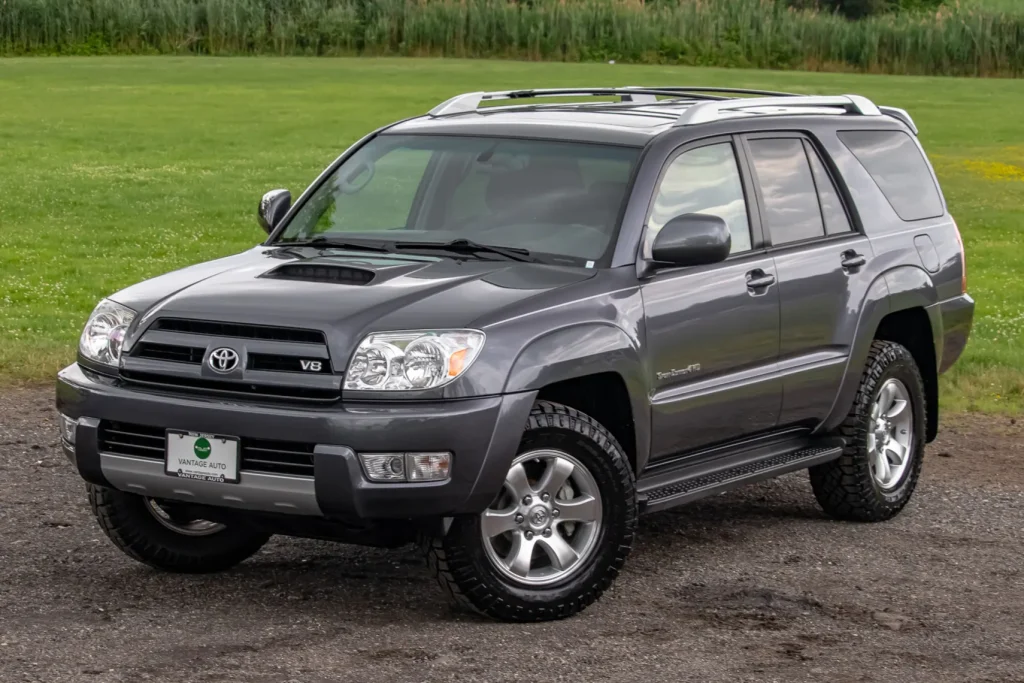
Yet the combination of early-generation concerns and recurring repair complaints makes it a less attractive choice than later fourth-generation examples.
For shoppers interested in this generation, spending a little more for a newer model year often results in a better ownership experience and reduced risk of major repairs.
Specifications
- Engine: 4.0-liter V6
- Torque: 283 lb-ft
- Horsepower: 245 hp
- Length/Width: 189.2 in / 75.2 in
4. 1990 Toyota 4Runner
The 1990 Toyota 4Runner deserves recognition for helping establish the vehicle’s rugged reputation, but it also carries one of the most well-known reliability concerns in the model’s history. While enthusiasts appreciate its classic styling and off-road capability, this is a year that modern buyers should approach with caution.
The biggest issue involved the 3.0-liter V6 engine. Commonly known among enthusiasts by its engine code, this powerplant became infamous for head gasket failures.
The problem was widespread enough that Toyota eventually implemented service campaigns to address owner concerns. Even today, the engine’s reputation continues to influence opinions about this model year.
Beyond engine troubles, age itself has become a major factor. Most surviving examples are now more than three decades old, meaning components such as suspension parts, cooling systems, fuel systems, and electrical wiring may require extensive refurbishment. Even a well-maintained vehicle can demand significant investment simply because of its age.
Rust is another concern, particularly for vehicles that have spent time in harsh climates. Frame corrosion and body deterioration can be difficult and expensive to repair. Prospective buyers should conduct detailed inspections before considering a purchase.
The SUV’s strengths are still easy to see. Its compact dimensions, traditional four-wheel-drive system, and durable construction make it highly capable off-road. Many enthusiasts value its simplicity compared with modern SUVs filled with electronic systems.
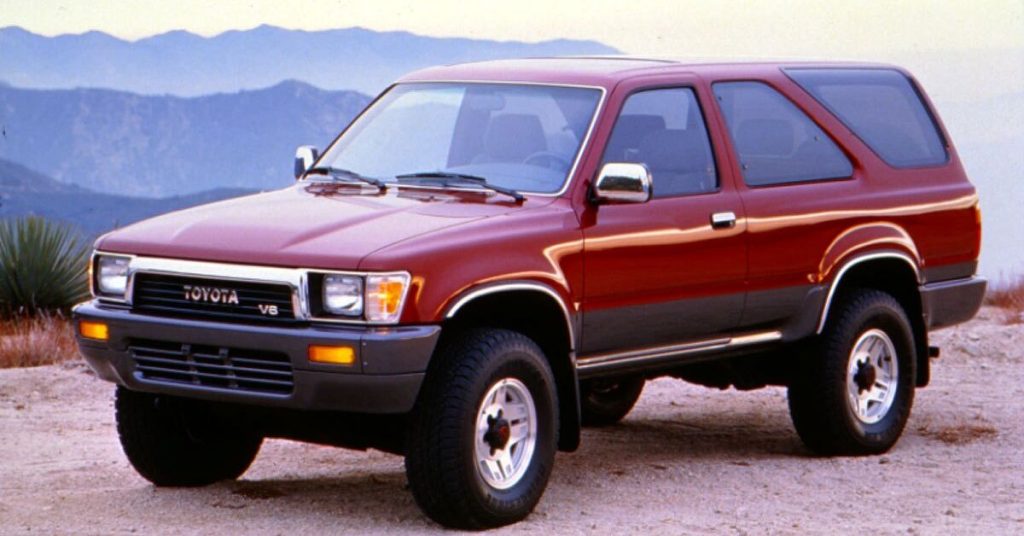
However, from a practical ownership perspective, the 1990 model presents more challenges than newer alternatives. The head gasket issue alone is enough to make many buyers look elsewhere.
While collectors and dedicated enthusiasts may appreciate its historical significance, the 1990 Toyota 4Runner remains one of the least desirable years for shoppers prioritizing reliability and low maintenance costs.
Specifications
- Engine: 3.0-liter V6
- Torque: 180 lb-ft
- Horsepower: 150 hp
- Length/Width: 176.0 in / 66.5 in
Also Read: 10 Hidden Features in the Mercedes GLE
