
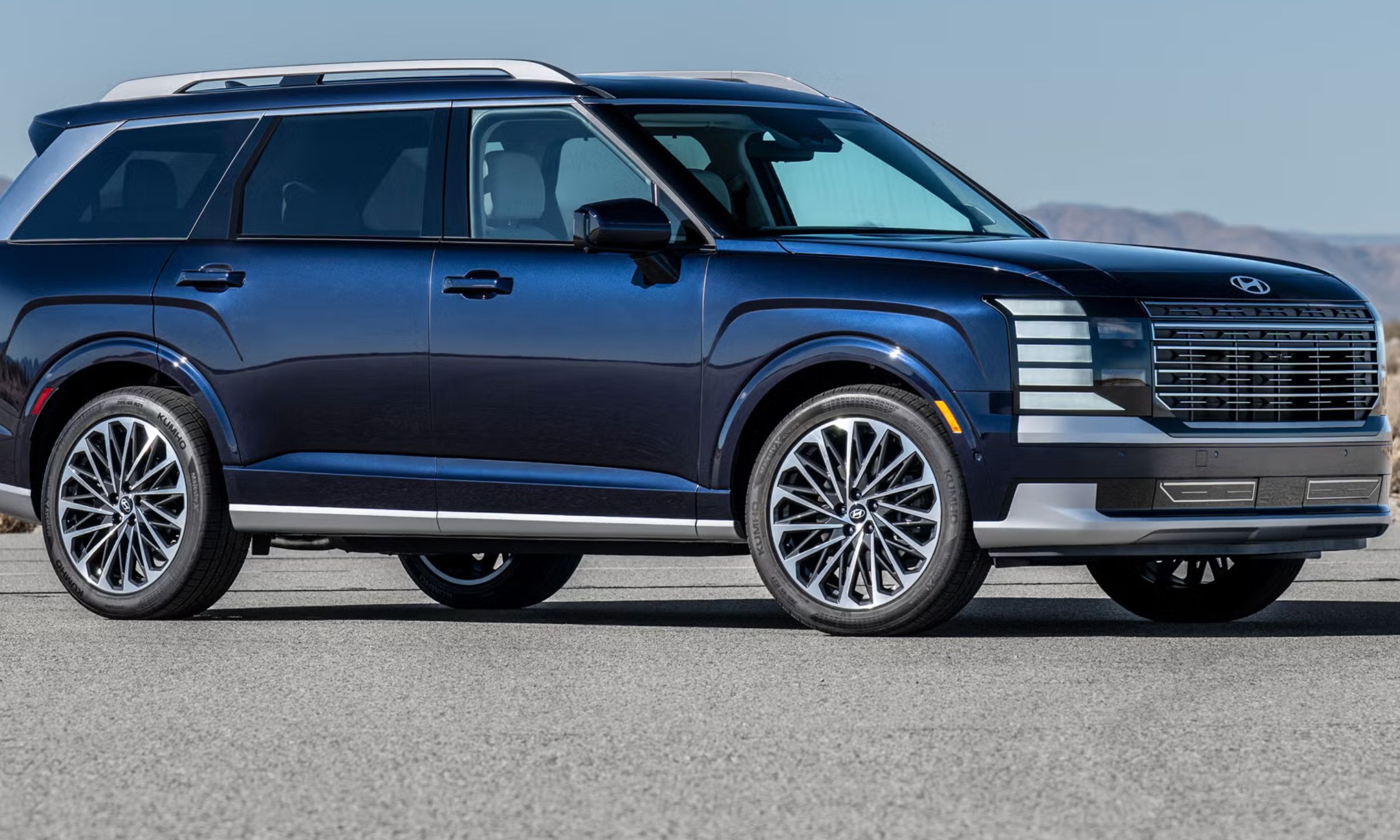
Picture two nearly identical SUVs sitting side by side on a used car lot. Same make, same body style, similar mileage. One is a 2015 model. The other is a 2017 model. The 2017 is priced thousands of dollars higher, and buyers are walking straight past the 2015 without a second glance.
What happened? Somewhere in that small two-year gap, a defect slipped into production, a transmission started failing, an engine started consuming oil at an alarming rate, and word got out. That single bad model year did not just hurt the people who bought it new. It created a financial scar that follows that specific year for a decade or longer.
This is one of the strangest and most underappreciated dynamics in the entire automotive resale market. A manufacturer can fix a problem completely, roll out a flawless redesign the very next year, and still watch one specific model year limp through the used market for ten years like a car nobody wants to touch.
Understanding why this happens, and how deep the damage actually runs, is genuinely useful information for anyone buying or selling a used vehicle today.

How Reliability Downgrades Trigger Immediate Depreciation and Buyer Skepticism Nationwide
Bad news travels fast in the automotive world, and it travels even faster when it comes from a source buyers actually trust. The moment a specific model year develops a pattern of catastrophic failures, whether it is an engine defect, a transmission that grinds itself apart prematurely, or an electrical system that behaves unpredictably, the major rating agencies notice almost immediately.
Edmunds and Kelley Blue Book do not wait years to update their reliability scores. Once enough owner complaints, repair shop reports, and warranty claim data accumulate, those official ratings drop, and that drop becomes public information that every future buyer can see with a simple search.
This is where the financial damage actually begins, and it begins faster than most people realize. A vehicle that suffers this kind of reputation hit does not experience a gradual decline. It experiences a sudden, measurable correction. Industry data consistently shows that vehicles caught in this situation face higher-than-average depreciation almost immediately, typically losing $2,000 to $4,000 more in value compared to their direct, otherwise reliable competitors in the same segment.
Consider a real-world example of how this plays out. A 2014 Jeep Grand Cherokee equipped with a problematic eight-speed automatic transmission developed a reputation for harsh shifting and premature failure that spread quickly through owner communities and into mainstream automotive coverage.
Buyers cross-shopping that model year against a 2014 Toyota 4Runner, which had no comparable transmission complaints, found themselves negotiating from a position of real leverage. Sellers of the affected Grand Cherokee had to drop their asking price just to generate interest, while the 4Runner held its value with far less friction.
What makes this initial shock so damaging is the speed at which it happens. Most car buyers research extensively before making a purchase, and a published reliability downgrade is exactly the kind of red flag that shows up in the first few minutes of that research.
A buyer does not need to personally experience a transmission failure to be scared away from a vehicle. They simply need to see one bad rating, one viral complaint thread, or one consumer report flagging a specific model year, and that alone is often enough to send them looking at a different option entirely. The reputation damage happens before a single affected vehicle even reaches a used lot.
Hidden Ownership Costs Quickly Outweigh Any Savings at Purchase
Used car shoppers who get the best deals usually do more than scan listing prices. They run an internal cost check, weighing what the vehicle will demand in repairs, insurance, and financing terms across several years. When a model carries a known mechanical issue, that calculation changes quickly, often before the buyer even completes a test drive.
Repair expenses are where things start to snowball. Once a vehicle becomes associated with a recurring failure, the cost of fixing that issue rarely stays low. Parts tied to known problems often stay expensive because demand remains steady, and mechanics familiar with the repair charge more for the specialized labor involved.
Models like the Ford Focus and Ford Fiesta equipped with the PowerShift transmission illustrate this clearly. Clutch shudder and early transmission wear led to costly repairs, and owners quickly learned that fixing or replacing the system could run into thousands of dollars, reshaping what the car was actually worth on the market.
Financing and insurance bring another layer into the equation. Lenders and insurers track reliability history closely, and vehicles linked to frequent mechanical problems can face stricter terms. From their perspective, a higher chance of unexpected repair bills increases the risk of missed payments.
A buyer looking at a used Nissan Pathfinder from years when its CVT issues were widely reported may notice slightly higher interest rates or less favorable loan terms compared with similar-priced SUVs with stronger reliability records. What begins as a mechanical weakness can expand into a broader financial burden. A repair that costs a few thousand dollars is only part of the story.
Insurance adjustments, higher borrowing costs, and inflated parts pricing follow that model for years. Each factor stacks on top of the other, steadily increasing the true cost of ownership long after the original problem first appeared.
Also Read: 8 Things To Check Before Buying A Used Motorcycle
Why Resale Values Remain Depressed Long After Defects Are Fixed
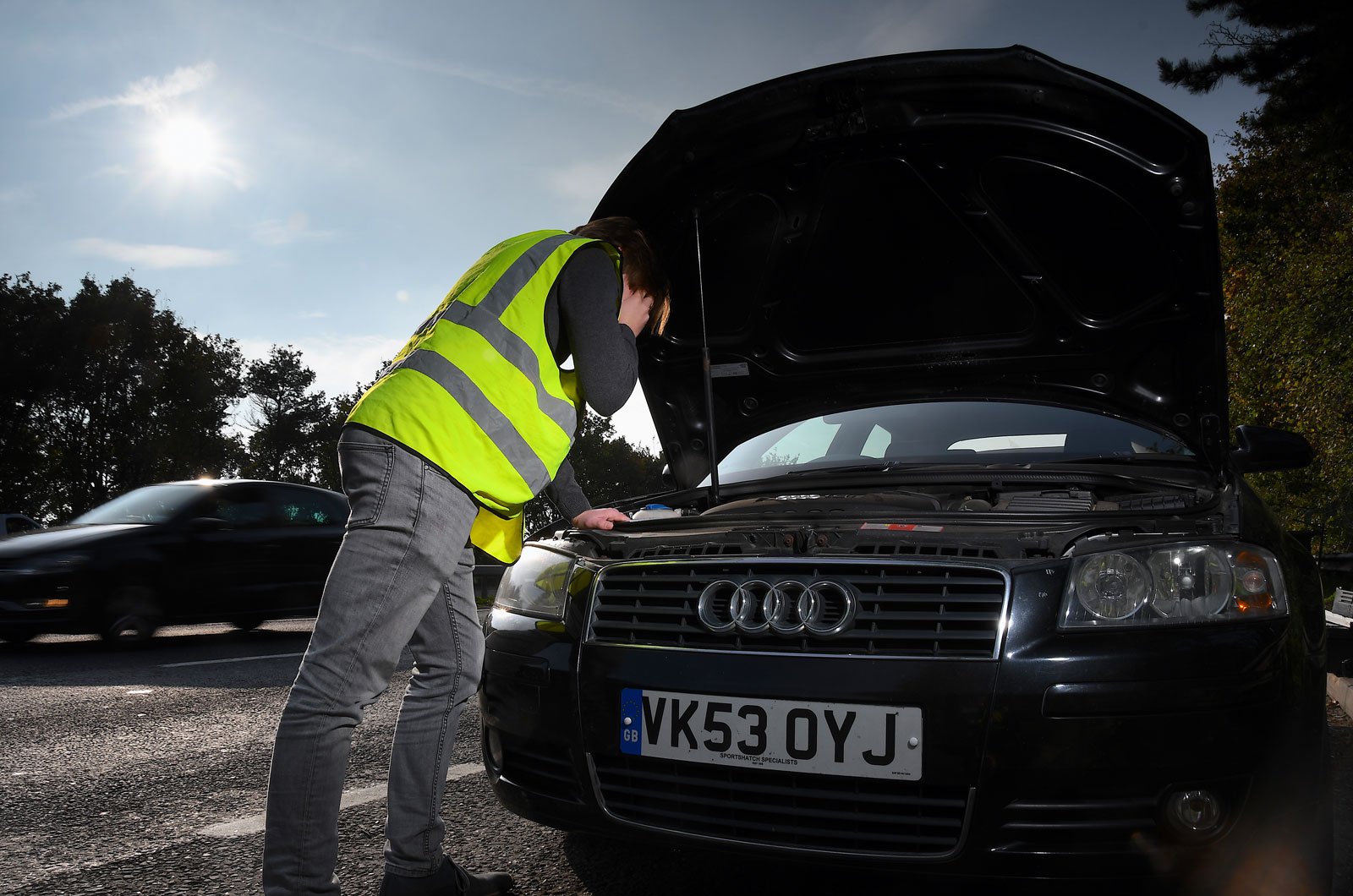
Manufacturers do not usually leave known defects unresolved. Engineering teams diagnose the issue, redesign the failing part, and release improvements in later model years or mid-cycle updates. From a mechanical standpoint, the problem gets fixed fairly quickly.
The resale market, however, reacts much more slowly, and the impact can linger for years long after the repair is no longer an issue. Heavy supply from frustrated owners plays a major role in that long tail effect. When a specific model year develops a reputation for trouble, many owners rush to sell at the same time.
That creates a surge of listings for the same vehicle, all entering the used market together. With more sellers than buyers, prices drop beyond what reliability reports alone would predict. The Chevrolet Aveo from the late 2000s is a clear example, where widespread complaints about structural rust and electrical issues led to an oversupply of used units and steep price drops in regional markets.
Public perception keeps the pressure on long after the technical fix exists. Online discussions and owner forums preserve those early complaints in a permanent, searchable form. A person researching a used car years later can still find detailed warnings about specific model years, often written in strong terms that discourage buying.
Unlike traditional reviews that fade from attention, these posts remain accessible and continue influencing decisions long after the original issues have been addressed. Buyer hesitation builds from that constant visibility. Many private shoppers avoid otherwise well-maintained vehicles simply because the model year carries a known reputation.
Dealers react the same way when valuing trade-ins, offering lower numbers due to slower expected resale times. That combination of cautious buyers and conservative dealer pricing keeps values suppressed, even after the original defect has been fully corrected in later production runs.
