

You picked the color, agreed on the price, and shook hands with the salesperson. That handshake feels like the finish line, but for the dealership, it is just the starting gun for round two. The Finance and Insurance office, tucked behind a quiet door near the showroom, is where a car deal quietly turns into something far more profitable for the seller than the sticker price ever suggested.
Buyers often walk in exhausted and ready to sign anything, which is exactly the moment F&I managers are trained to work their magic. Here are eight ways a dealership keeps earning long after your signature hits the paperwork, and what each one actually costs you.
1. Interest Rate Markup (Dealer Reserve)
A lender looks at your credit and offers the dealership a rate, commonly called the buy rate, that reflects what you actually qualify for. Nothing in federal law requires the dealer to hand you that number. Instead, many finance managers quietly add one to three percentage points on top before presenting it to you as your approved rate.
You sign, thinking you got the best deal available, while the lender pays the dealership a cut of that markup called dealer reserve. On a typical thirty-thousand-dollar loan stretched across five years, a two-point bump can add well over fifteen hundred dollars in extra interest, all without changing a single line item you would notice on a monthly payment breakdown.
The trick works because the monthly difference looks small, sometimes only twenty or thirty dollars, even though it compounds into real money over the life of the loan. Getting pre-approved through your own bank or credit union before you ever step onto the lot removes this leverage entirely, since the dealer can only mark up a rate you have not already secured somewhere else.
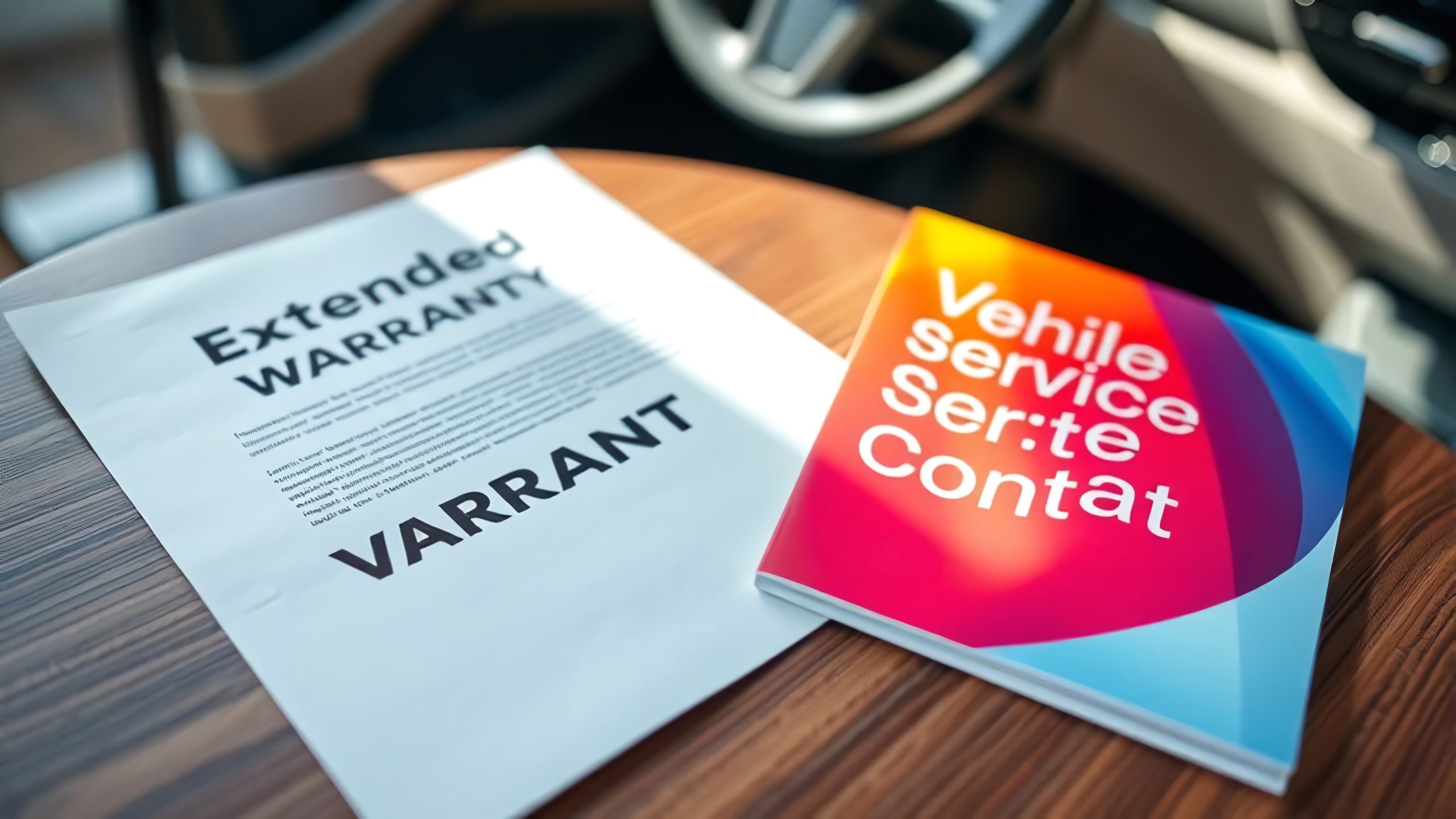
2. Extended Warranty (Vehicle Service Contract)
Ask any finance manager which product pays their bonus, and this is usually it. Vehicle service contracts, often marketed under the friendlier name extended warranty, carry some of the richest margins in the entire F&I lineup. A policy that costs the dealership a few hundred dollars to source can be sold to you for well over two thousand, and the gap between those two numbers is pure profit for the store.
Presented as a small addition to your monthly payment, the true cost rarely gets discussed in total dollar terms, which makes the pitch far more persuasive than it should be. Urgency tends to creep into the sales pitch too, with claims that today’s price disappears the moment you drive off the lot.
That claim is rarely true. Coverage can typically be purchased any time before your factory warranty runs out, and independent providers frequently offer similar protection for a noticeably smaller price than what the dealership quotes at the signing table, provided you take the time to shop around before committing to anything.
Also Read: Used Luxury Sedans, Ranked by Dealer-Avoided Repairs
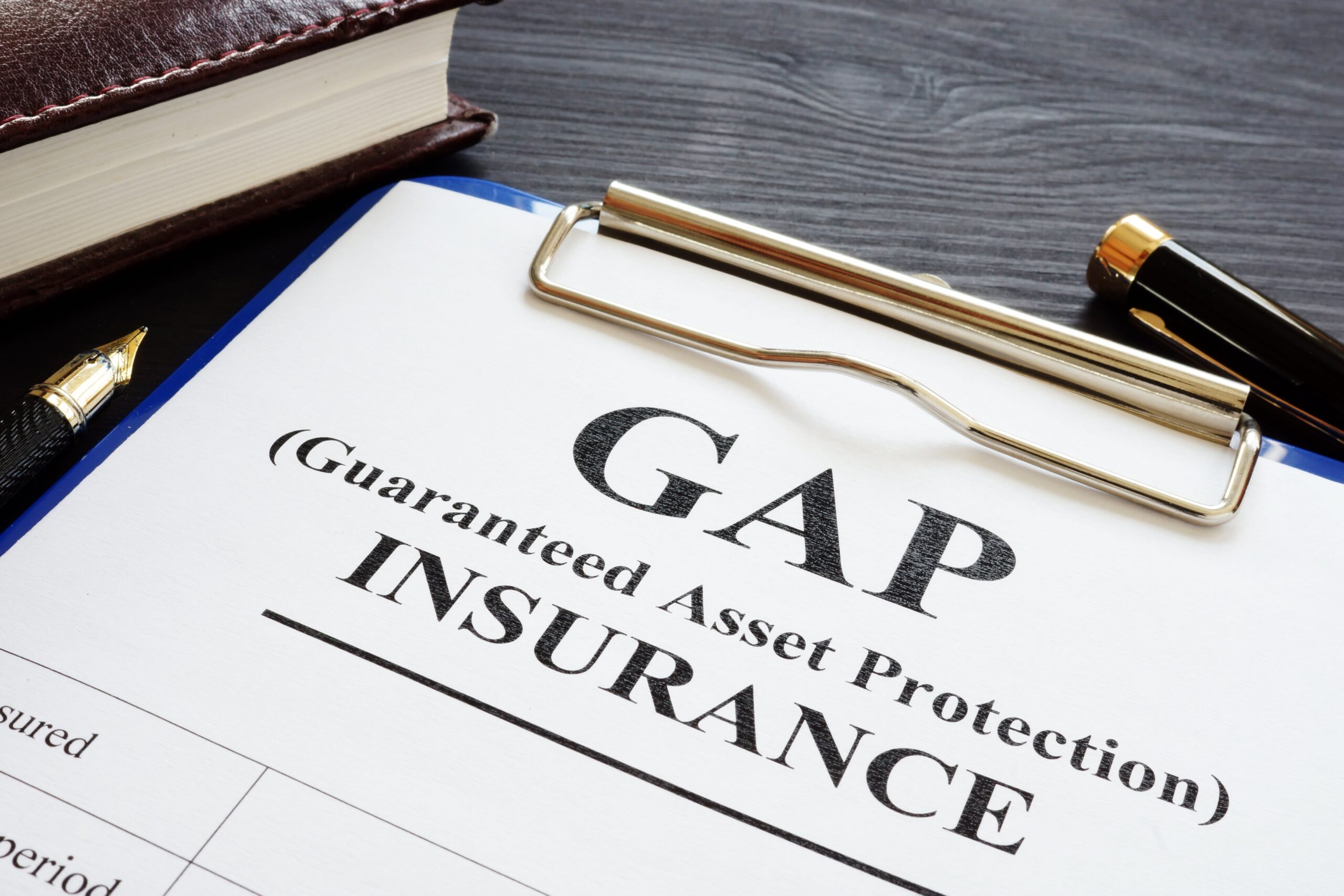
3. GAP Insurance
Guaranteed Asset Protection sounds like something you should not skip, and for buyers who put little money down or stretch a loan across many years, it genuinely can help. If your car gets totaled or stolen while you still owe more than it is worth, this coverage pays that difference so you are not stuck paying for a car you no longer have.
The trouble starts with pricing. Dealerships routinely charge several hundred dollars more for this coverage than what your own auto insurer or credit union would charge for the exact same protection. A policy that might cost you a modest add-on through your existing insurance provider can balloon into a much larger one-time fee when it is bundled into your financing at the dealership.
Since GAP coverage is not tied to a specific vehicle in the way a warranty might be, there is rarely a reason to buy it under pressure in the finance office. A quick phone call to your insurance company before you ever sit down to sign paperwork can settle the question and often save you a meaningful amount of money.
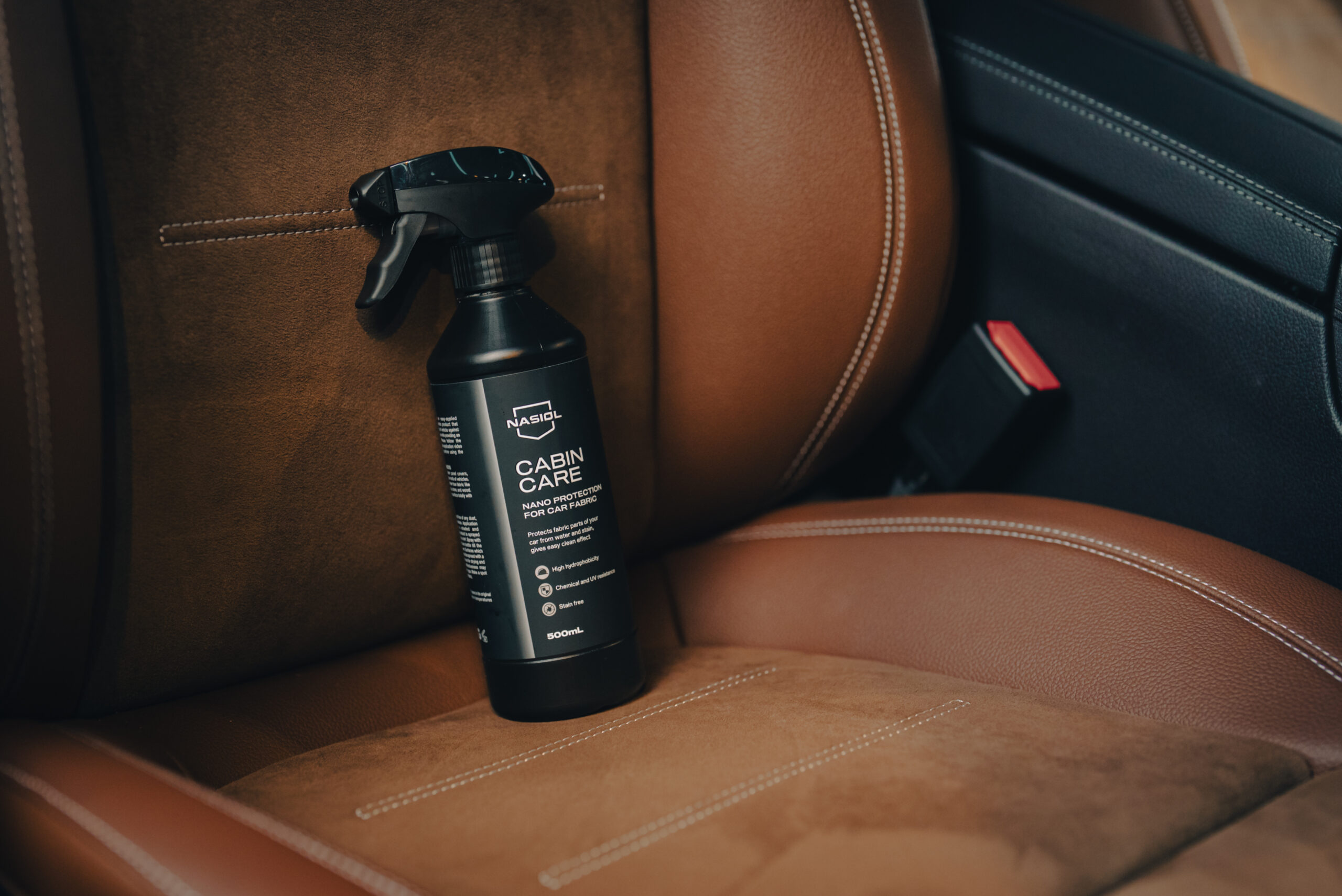
4. Paint, Fabric, and Interior Protection Packages
These packages promise to shield your seats and paint from the everyday wear of ordinary life, covering things like stains, fading, and small scratches. The pitch sounds reasonable, especially for anyone who just spent a lot of money and wants to protect that investment.
What rarely gets mentioned is how little the actual application costs the dealership compared with what gets charged at the register. A quick spray sealant or fabric treatment that costs the store a small amount to apply can be marked up dramatically before it appears on your bill.
Many of these treatments are also things a careful owner could apply themselves for a fraction of the price, using products available at any auto parts store. Deductibles, exclusions, and fine print often limit how much these plans actually pay out when damage does occur, which further narrows their real-world value.
Before agreeing to anything in this category, it helps to ask exactly what physical service is being performed and compare that against the retail price being charged, since the difference between the two numbers is where the dealership makes its money.
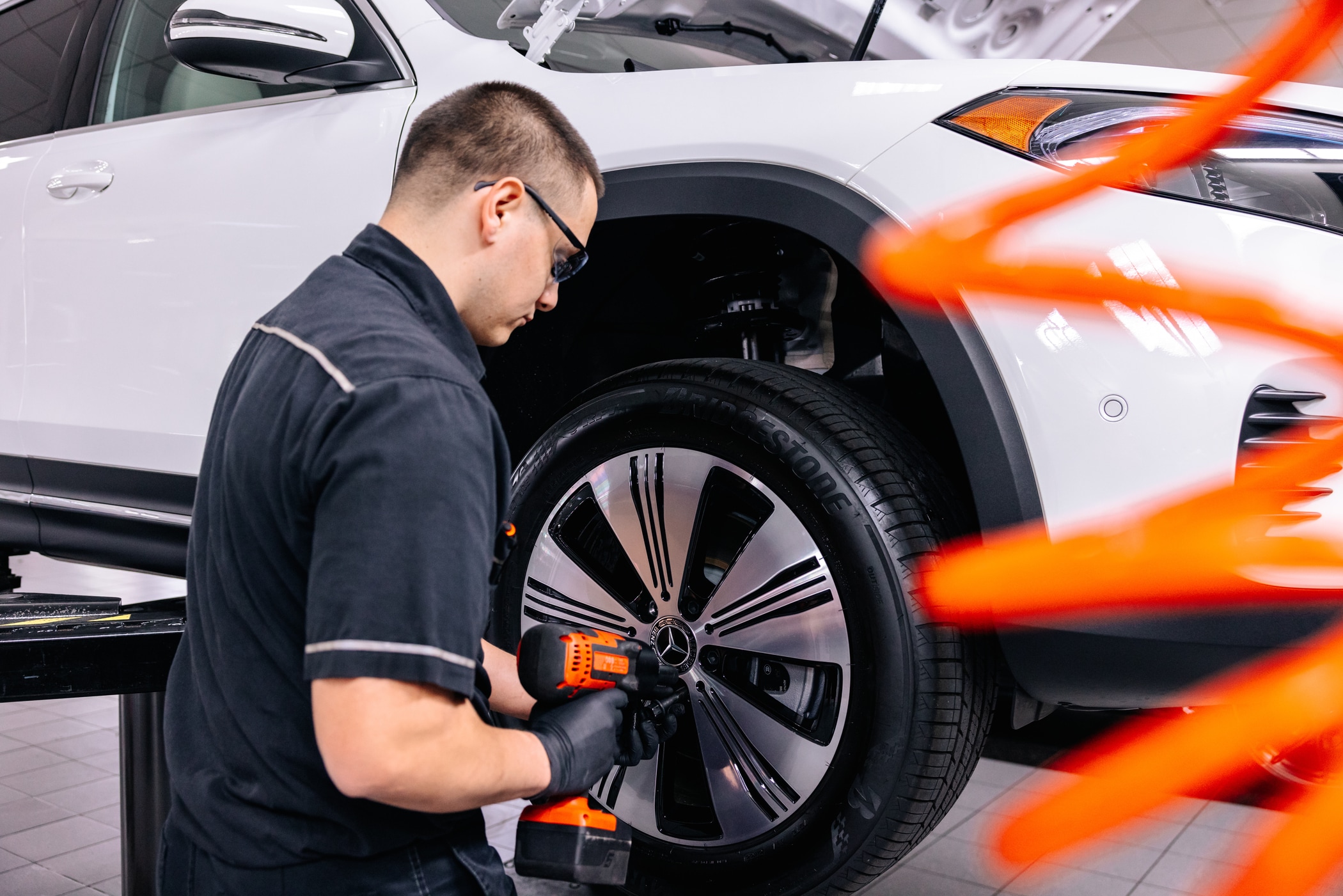
5. Tire and Wheel Protection Plans
Potholes, nails, and curbs are a fact of driving, and a plan that covers tire and wheel damage from road hazards sounds like cheap peace of mind. Dealers can source these plans for relatively little, yet they routinely price them at a considerable markup once they reach the customer.
What often goes unmentioned is that many standard auto insurance policies already include some form of road hazard coverage, making the dealership’s version redundant for a portion of buyers. Aftermarket tire warranties purchased independently, sometimes directly through a tire retailer, frequently offer comparable protection for meaningfully less money.
The pitch tends to lean on fear, painting a picture of an expensive pothole encounter on a dark highway, which makes the plan feel more urgent than it usually is. Reviewing your existing insurance coverage and checking with a tire shop about their own protection options before agreeing to anything at the dealership gives you a clearer sense of whether this particular add-on is worth paying for at all, or whether you are already covered somewhere else.
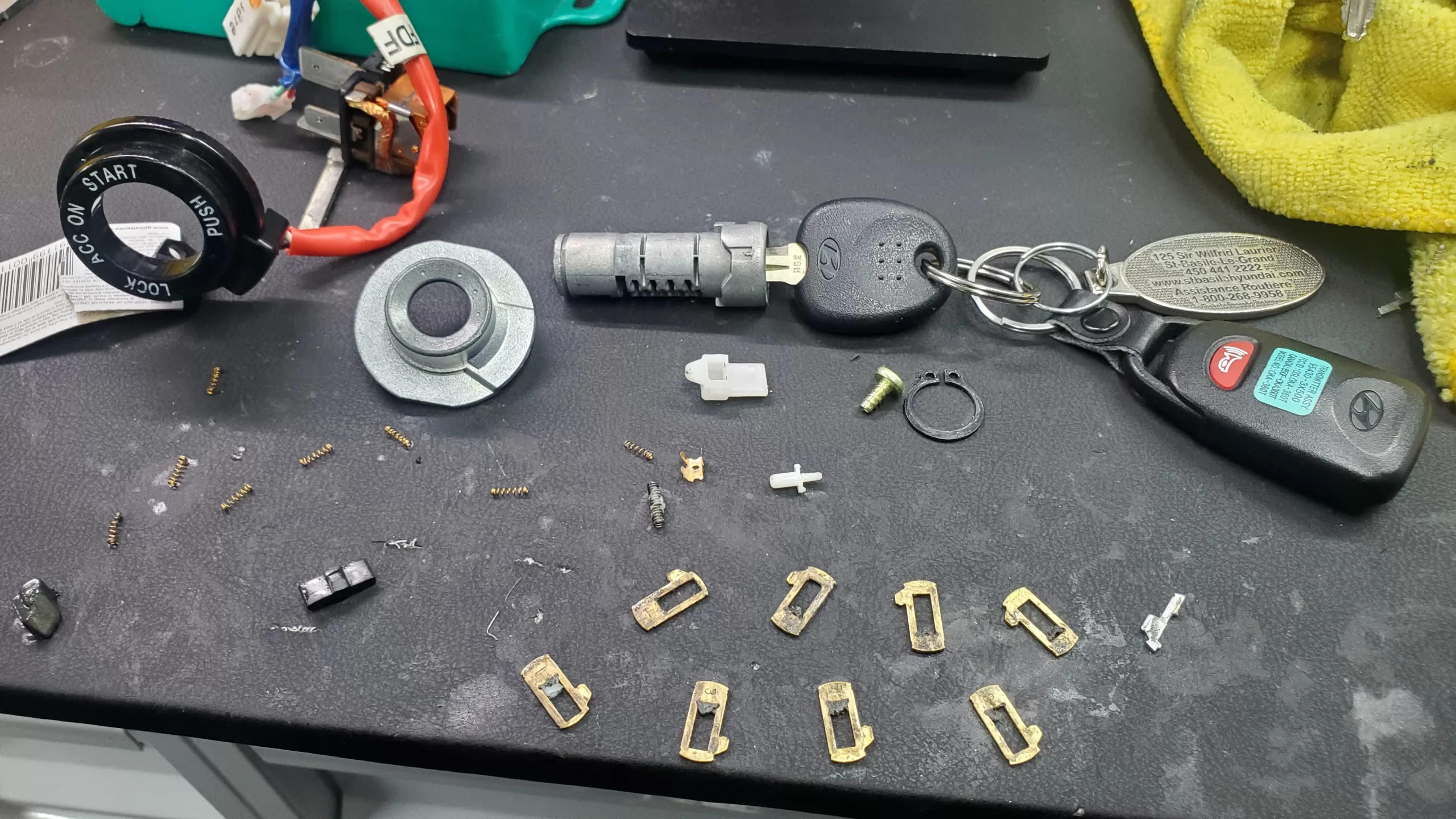
6. Key Replacement and Theft Protection
Losing a modern key fob is a genuine headache, since replacement costs at a dealership service department can run into the hundreds of dollars. That real cost is exactly what makes key replacement and theft protection plans an easy sell in the finance office.
The products in this category, ranging from VIN etching to tracking systems to simple key replacement coverage, tend to cost the dealership very little relative to what gets charged for them. VIN etching in particular can often be done at home for a small fraction of what a dealership charges for the same basic service.
GPS tracking devices marketed as theft recovery tools are sometimes available directly to consumers for a small amount, without needing to go through a dealership markup at all. None of this means the underlying protection is useless.
It simply means the price tag attached to it in the finance office rarely matches what the service or hardware actually costs to provide, and shopping the same protection independently after your purchase is usually the smarter path.

7. Credit Insurance
Credit life and credit disability insurance exist to cover your loan payments if you die or become unable to work during the loan term. It sounds responsible, even caring, which is part of why it can be an effective pitch during an emotionally charged purchase.
Dealerships earn a commission every time one of these policies gets sold, and that commission structure shapes how enthusiastically the product gets presented. The coverage itself is often narrower than buyers assume, sometimes excluding pre-existing conditions or capping payouts in ways that are not obvious from a quick verbal explanation.
Many people already carry life insurance or disability coverage through an employer that would accomplish something similar, making this an unnecessary duplicate expense layered onto an already large purchase. Because this product touches on genuinely sensitive topics like illness and death, it can be harder to push back on in the moment than a warranty or a paint package.
Taking the paperwork home to review, rather than deciding on the spot, gives you room to compare it against coverage you may already have.
Also Read: 5 Brands With the Most Expensive Dealership Labor Rates in the US
8. Documentation and Administrative Fees
Buried near the bottom of the paperwork stack, documentation fees rarely get much attention, yet they quietly pad the dealership’s bottom line on nearly every sale. These charges are meant to cover the cost of preparing and filing your paperwork, and many states allow dealerships to set that fee however they see fit.
In practice, the actual administrative work involved rarely matches the amount charged, and the fee functions less like a cost recovery and more like an additional profit line hidden in plain sight. Because these charges are often labeled as standard or non-negotiable, many buyers accept them without question, assuming every dealership charges the same amount.
That assumption is not accurate. Fees can vary considerably from one dealership to another, even within the same city, and asking to see this fee itemized before you agree to the out-the-door price gives you room to question or negotiate it.
A polite question about what specifically the fee covers is often enough to open a conversation, and in states without strict caps on these charges, that conversation can occasionally lead to a lower final number.
