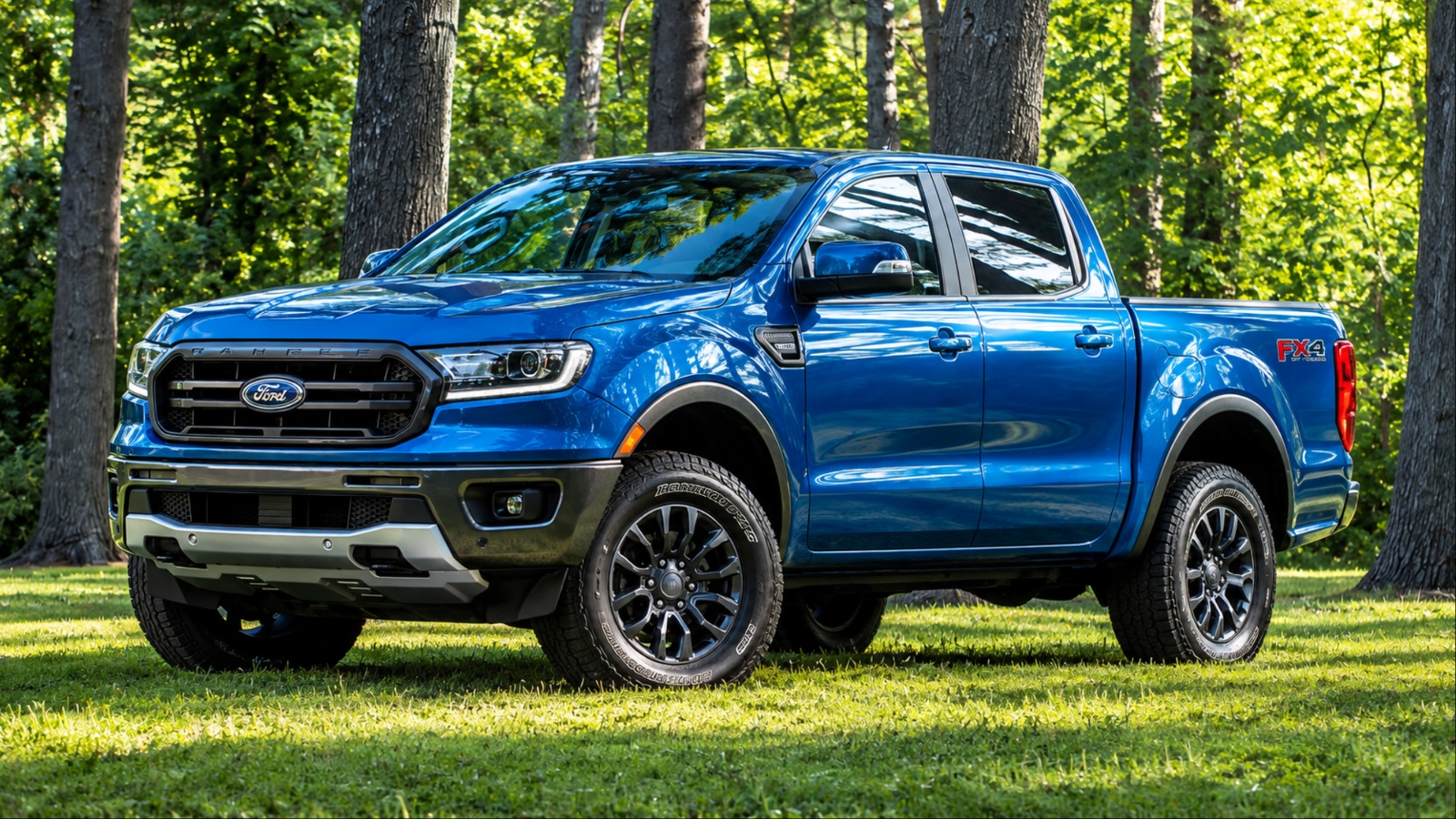
The Ford Ranger has carved out a loyal following among midsize truck buyers who want body-on-frame toughness without the bulk (or fuel bills) of a full-size hauler. But the current Ranger lineup spans a wide price range from just over $33,000 to nearly $60,000, and the gap between the cheapest and most expensive trim is enormous in both cost and capability. That makes the question “which trim should I actually buy” a genuinely tricky one.
The lineup breaks down into four trims which are the XL, XLT, Lariat, and the off-road-focused Raptor. Each one is built on the same core platform, but the differences in engine options, technology, comfort features, and off-road hardware are significant enough that picking the wrong trim can mean either overpaying for features you will never use, or under-buying and missing out on equipment you will wish you had.
This guide explores how the trims stack up and which one actually makes the most financial sense depending on how you plan to use the truck.
How Each Ranger Trim Changes Capability, Comfort, and Everyday Usability
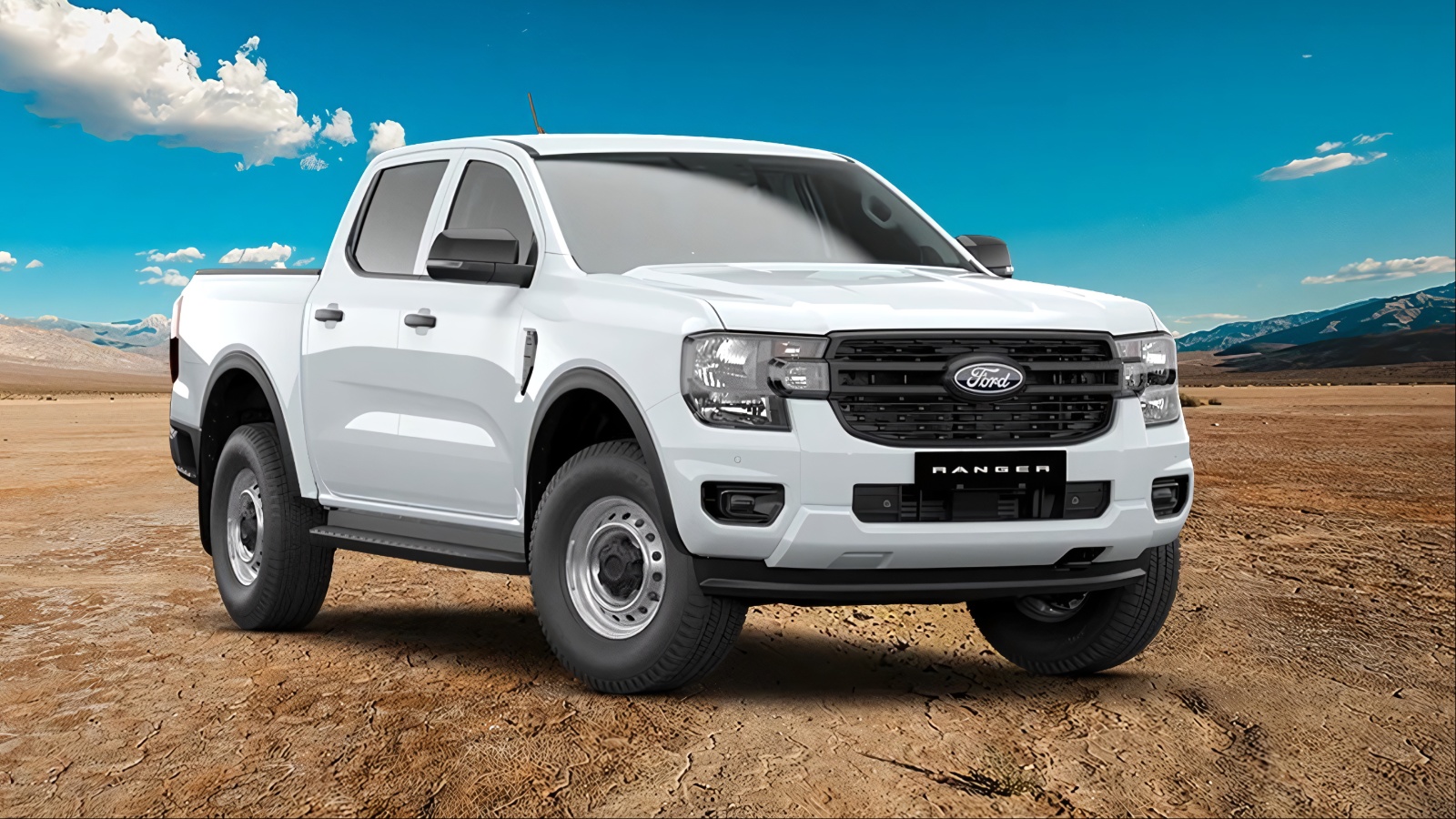
The Ranger XL is the base trim, and it exists almost entirely for buyers who see a truck as a tool rather than a lifestyle statement. It comes standard with the 2.3-liter EcoBoost turbocharged four-cylinder, producing 270 horsepower and 310 lb-ft of torque, paired with a 10-speed automatic transmission.
Rear-wheel drive comes standard, while four-wheel drive is available for buyers who need extra traction. The equipment list is straightforward, with a 10-inch touchscreen, basic driver-assistance features such as automatic emergency braking and lane-departure warning, and cloth seats.
It may not offer much in the way of luxury, but the important capabilities remain in place, including payload capacity, towing ability, and a durable drivetrain built for work.
The XLT is where the Ranger starts to feel like a truck most people would actually want to live with day to day. It keeps the same base engine but adds the option to step up to the more powerful 2.7-liter twin-turbo V6 (315 hp, 400 lb-ft of torque) when paired with 4×4.
XLT trims typically add alloy wheels, upgraded cloth or available leather-trimmed seating, additional USB ports, and an expanded suite of driver-assist features such as blind-spot monitoring with trailer coverage. This is also usually the point where buyers can start layering on option packages, off-road-oriented FX4 equipment, for example, without jumping to a fundamentally pricier trim.
The Lariat trim moves the Ranger into near-luxury territory. Leather seating, heated (and often ventilated) front seats, a larger and more configurable digital gauge cluster, ambient lighting, and additional sound-deadening and comfort touches all show up here.
The 2.7-liter V6 becomes standard or near-standard depending on configuration, and the tech suite gets more comprehensive, often including adaptive cruise control and a larger center touchscreen. This is the trim aimed at buyers who want their truck to double as a comfortable daily driver and family vehicle, not just a work rig.
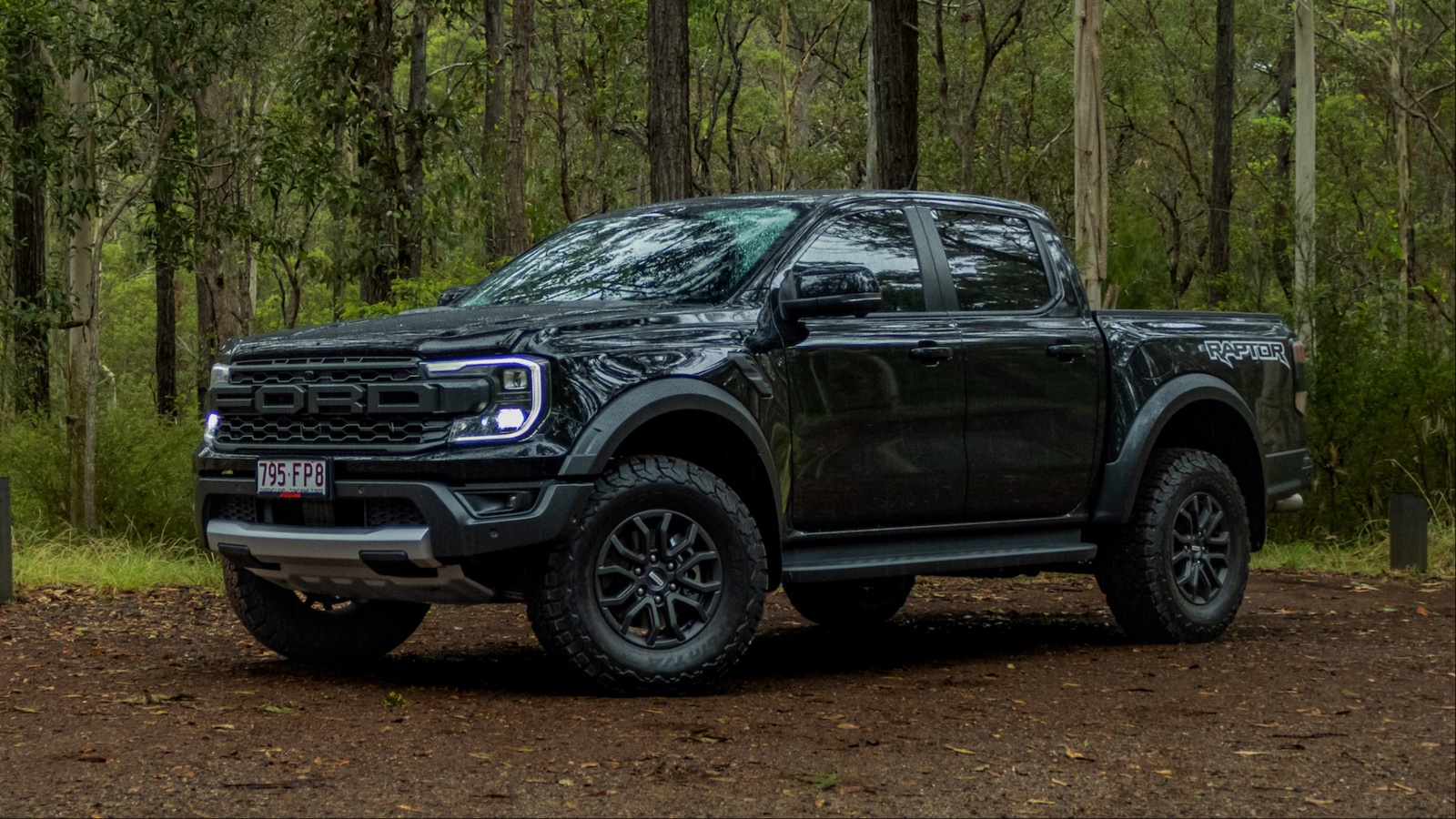
At the top of the lineup is the Raptor, which stands apart from the other Ranger trims. It comes exclusively with a 3.0-liter twin-turbo V6 producing 405 horsepower and 430 lb-ft of torque, along with standard four-wheel drive. Its long-travel front and rear suspension, all-terrain tires, and wider track and body give it capabilities far beyond a conventional Ranger.
Rather than simply being a higher trim level, the Raptor is essentially a dedicated off-road performance truck that carries the Ranger name. That distinction comes with a much higher price, placing it tens of thousands of dollars above the XL.
Where Spending More Delivers Real Value and Practical Benefits
When buyers ask which trim is worth the money, they are usually trying to figure out where spending more starts to deliver meaningful benefits. The key is knowing when an upgrade adds useful capability or convenience and when it simply pays for extra comfort, appearance, or a higher trim badge.
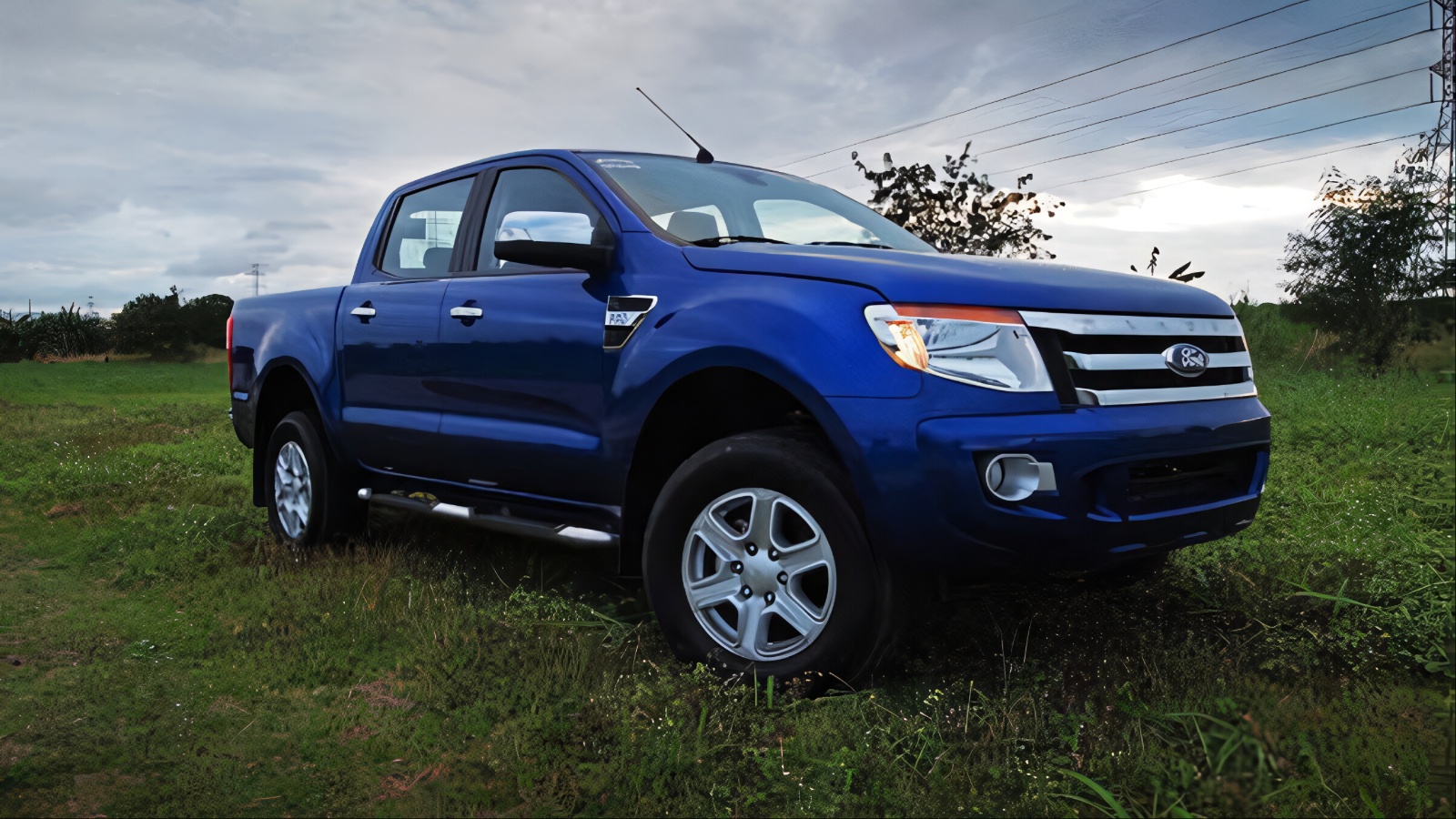
The jump from XL to XLT is almost always worth it for the average buyer. The added technology, the option to upgrade to the V6 engine, and the improved interior materials come at a relatively modest price increase, and they address real day-to-day annoyances with the base trim, most notably the lack of driver-assist tech and the more basic infotainment setup.
Buyers who plan to keep the truck for years, especially those financing over five or six years, tend to find that the extra monthly payment for an XLT is easily justified by the improved resale value and daily livability.
The jump from XLT to Lariat is where the math gets murkier. Lariat buyers are largely paying for comfort and prestige leather, heated seats, more chrome, and badge differentiation rather than functional upgrades. If towing capacity, payload, or off-road capability matter more to you than cabin ambiance, a well-optioned XLT with the V6 engine and a few key packages will often get you 90% of the practical truck for meaningfully less money.
Lariat makes the most sense for buyers who will spend significant time in the cabin, use the truck as a primary vehicle rather than an occasional work truck, or simply want the nicer materials and don’t mind paying for them.
The Raptor is in a category of its own. It is not really aimed at the same buyers as the other three trims, since it is built as a specialized off-road truck that happens to carry the same Ranger name.
Comparing an XL and a Raptor strictly by value per dollar misses the point. The Raptor comes with a wider stance, upgraded suspension, a more powerful engine, and specialized off-road equipment that most drivers will never fully take advantage of. For buyers who spend most of their time on pavement or use their truck for light-duty work, those capabilities may not justify the added cost.
Matching a Trim to How You’ll Actually Use the Truck
There is no single trim that works best for every buyer. The right choice depends on how you plan to use the truck, and failing to consider that can lead to spending too much on features you do not need or choosing a version that falls short of what you actually require.
Fleet buyers, contractors, and drivers who plan to use the Ranger mainly for work should consider the XL or a modestly equipped XLT. The base engine is capable of handling the towing and payload needs of most trades, making it difficult to justify spending more on features such as leather seats or ambient lighting.
For a truck that will regularly see muddy floor mats, tools, and bed scratches, those extras may go largely unused. That is where the XL makes a strong case for its value. It delivers the capability needed for the job without adding the cost of features that may never get much use.
For daily drivers who occasionally tow a boat, camper, or trailer, the XLT is often the most sensible choice, especially when paired with the V6 engine. It also works well for buyers who need a truck that can handle family duty during the week and heavier tasks when needed.
The XLT strikes a strong balance between capability, comfort, and technology without pushing the price into territory where you are mainly paying for upscale materials and extra features rather than useful function.
Buyers who want their truck to feel like their nicest vehicle, the one they take on road trips, use as their primary family hauler, and want to feel upscale inside are the ones who get the most satisfaction out of the Lariat. It’s not the most cost-efficient choice on paper, but “worth the money” is partly subjective, and for buyers who value comfort highly, the price premium buys real day-to-day enjoyment.
Off-road enthusiasts who genuinely intend to use the truck’s full capability desert running, rock crawling, high-speed off-road trails are really the only buyers who get full value from the Raptor. For anyone else, it’s an expensive way to buy a truck that spends 95% of its life doing the same things a much cheaper XLT could do.
The Best Ranger Trim for Most Buyers
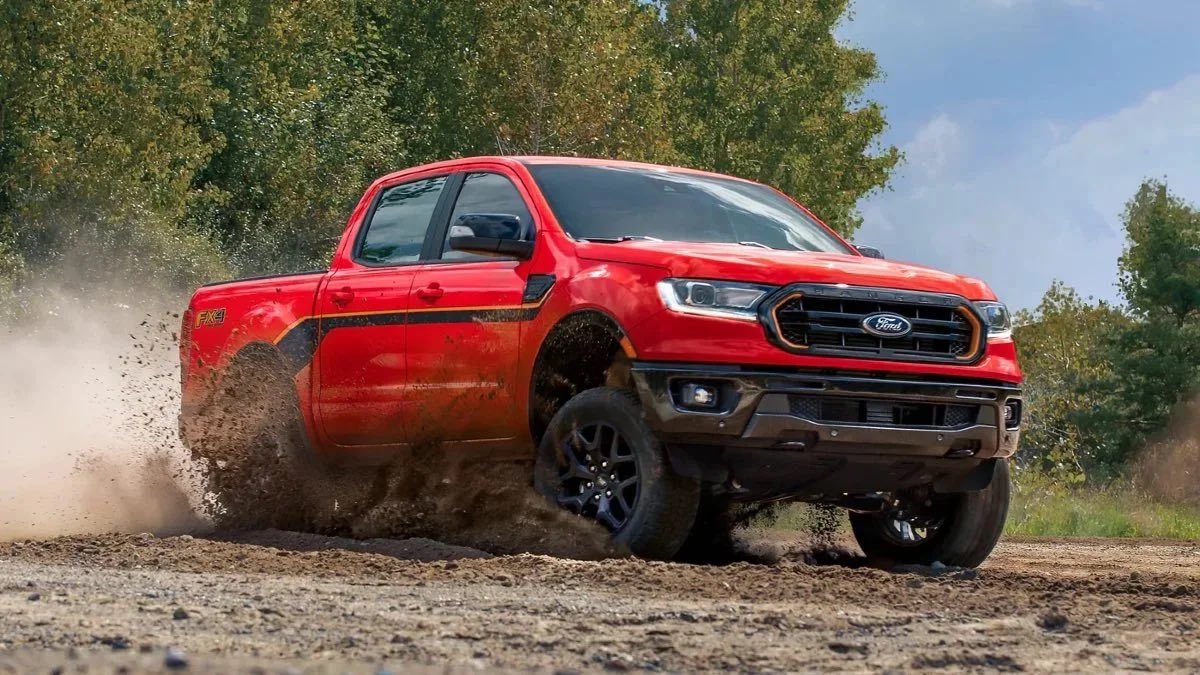
If there’s a single trim that best captures “worth the money” for the broadest range of buyers, it’s the XLT, particularly when optioned with the 2.7-liter V6. It sits at the point in the lineup where meaningful capability and technology upgrades over the base trim are still available at a reasonable price premium, before the curve bends toward diminishing returns on comfort and prestige features.
The XL remains the smartest choice for pure work-truck buyers who don’t want to pay for anything beyond core function, while the Lariat and Raptor serve narrower audiences comfort-focused buyers and hardcore off-roaders, respectively who have specific priorities that justify their higher price tags.
The “best value” trim is the one that matches your actual usage pattern rather than the one with the most impressive feature sheet. Buying more truck than you need is one of the easiest ways to overspend on a vehicle, and the Ranger lineup is a good example of how the sweet spot often sits closer to the middle than to either extreme.