A letter demanding payment for unpaid tolls can catch anyone off guard. You might wonder whether you missed a payment, forgot about a recent road trip, or accidentally drove through a toll booth without paying. While genuine toll notices do arrive by mail, scammers also send fake bills designed to frighten recipients into handing over money or personal information.
The tricky part is that some fraudulent letters look surprisingly official, complete with agency logos, payment instructions, and threatening language. Before reaching for your wallet or visiting a website printed on the notice, take a moment to examine the details. Recognizing a few warning signs can help you identify a fake toll bill, protect your finances, and avoid unnecessary stress.
1. Missing or Blurry License Plate Photo
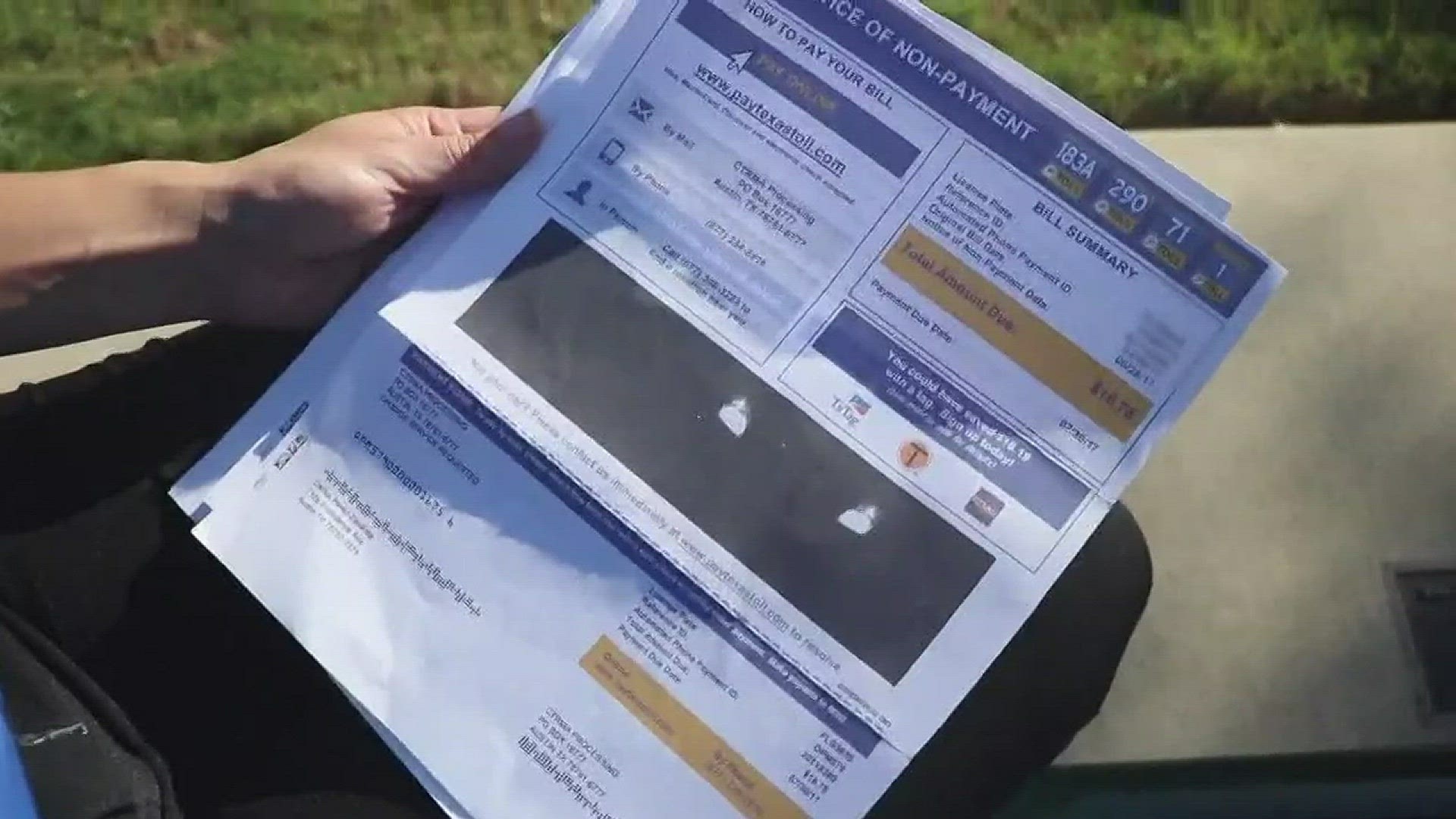
One of the first things to examine on a toll bill is the license plate photograph. Many electronic toll collection systems use cameras to capture vehicle images as cars pass beneath toll gantries.
When a vehicle’s toll payment cannot be processed automatically, the agency may use that image to identify the registered owner and issue an invoice.
A legitimate notice may include a photograph showing your vehicle, its license plate, and sometimes additional information about the toll transaction. This gives you a way to check whether the charge actually relates to your car.
Be cautious if the letter contains no photograph when one would normally be expected, particularly if the agency claims to have identified your vehicle through camera enforcement.
A heavily blurred image, an unreadable plate, or a photograph showing a completely different vehicle deserves attention. For example, imagine receiving a bill claiming that your sedan passed through a toll station, but the attached image clearly shows a pickup truck.
That discrepancy should prompt you to investigate before making any payment. Keep in mind that not every legitimate toll notice includes a photograph.
Requirements vary between agencies and collection systems. However, when an image is provided, check that it supports the information printed on the bill. Never assume a photograph proves authenticity without checking the other details.
2. Unfamiliar or Lookalike Web Addresses
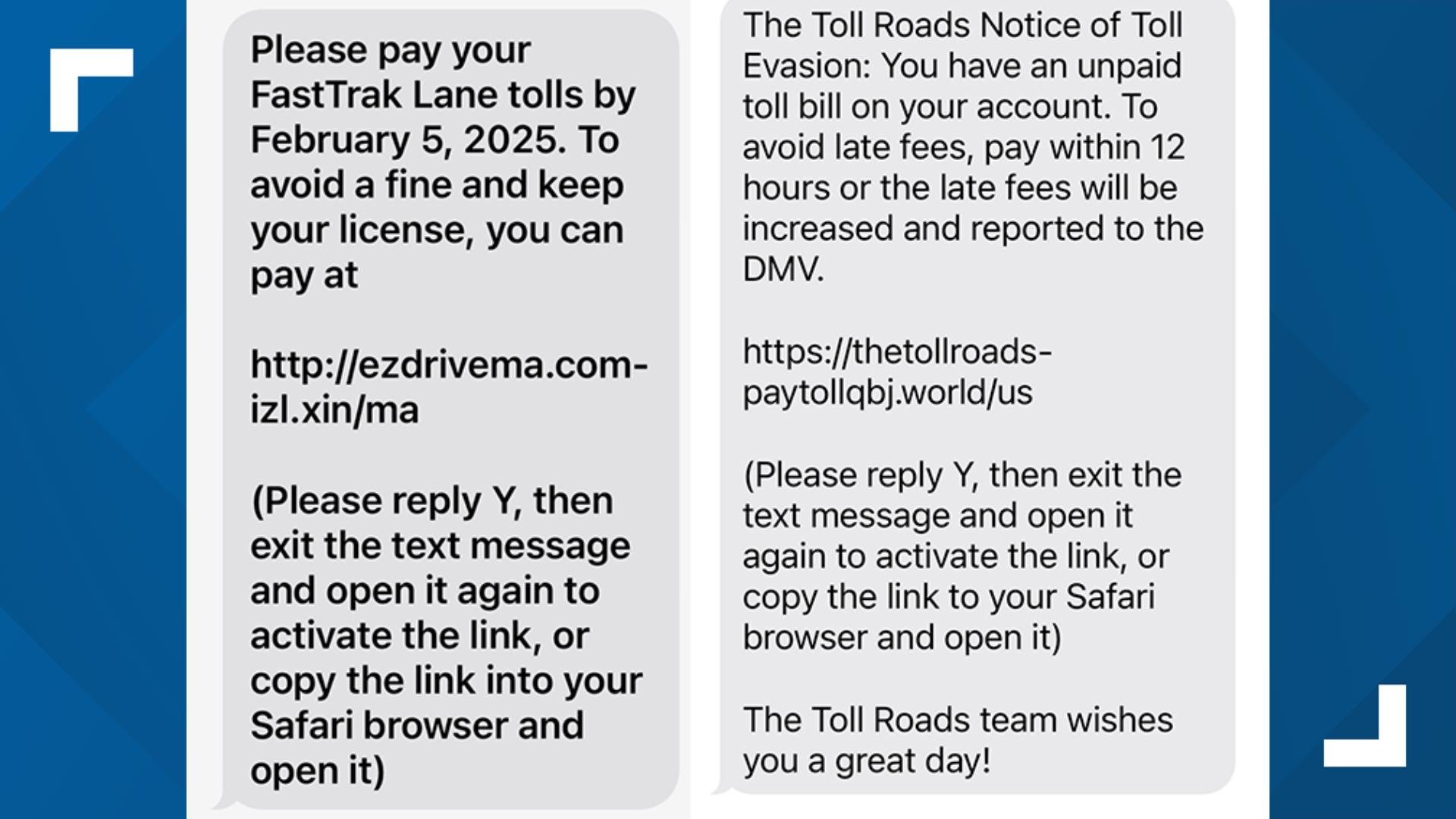
A website address can reveal more about a toll notice than its official-looking logo. Scammers frequently create websites that imitate genuine toll agencies, hoping recipients will overlook small differences and enter their payment information.
At first glance, a fraudulent address might look perfectly believable. It could contain the name of a familiar toll authority, use similar colors, and display graphics copied from an official website.
However, a closer inspection may reveal an extra hyphen, a misspelled word, an unfamiliar domain extension, or an entirely unrelated website address.
For instance, an address that changes one letter in an agency’s name could lead to a fake payment portal. Someone rushing to settle a bill might not notice the difference until their financial information has already been submitted.
Avoid clicking payment links or scanning QR codes immediately after receiving a toll notice. Instead, open a separate browser window and locate the toll agency’s official website through a trusted source. Compare the address with the one printed on your letter.
Remember that a .gov extension is used by eligible US government entities, but not every legitimate toll operator uses one. Some authorized agencies operate through other verified domains.
The safest approach is to confirm the correct website using independently obtained contact information.
3. Generic Greetings Instead of Your Name
Take a closer look at how the letter addresses you. A genuine toll invoice is generally connected to vehicle registration records, which allow the responsible agency to identify the registered owner associated with a license plate.
Because of this process, an official notice will commonly include the recipient’s name and mailing address. The document may also display a vehicle registration number, invoice reference, or other information that connects the charge to a particular vehicle.
A letter that begins with phrases such as “Dear Driver,” “Dear Vehicle Owner,” or “Dear Resident” deserves closer examination.
These greetings are often used in mass-produced scam messages sent to large groups of people without confirming whether the recipients actually owe toll charges.
Consider receiving a letter that demands $85 for an unpaid highway toll but does not mention your name anywhere. It simply addresses the person at your mailing address as a vehicle owner.
Why would an agency claiming to have identified your vehicle through registration records be unable to identify the registered owner?
There can be legitimate administrative reasons for an incomplete name, so this detail alone does not establish fraud.
Still, it is worth checking the invoice against your vehicle registration information and contacting the agency through its verified communication channels.
A personalized greeting is not proof that a bill is genuine either. Scammers can obtain names and mailing addresses from various sources, so always examine the entire notice.
4. Unusual Payment Methods
The payment instructions deserve special attention because this is where many toll scams expose themselves. A fraudulent notice may claim that you must settle an outstanding balance immediately, then direct you to an unusual payment service that makes it difficult to recover your money.
Legitimate toll agencies generally provide recognizable payment options, such as credit cards, debit cards, checks, or payments through authorized online portals.
Available methods depend on the agency, but they should be clearly identified through its verified payment channels. Be especially suspicious if a letter instructs you to purchase gift cards and send the codes to a representative.
Requests for cryptocurrency, wire transfers to personal accounts, or payments through peer-to-peer applications are also serious warning signs.
Think about the reasoning behind such instructions. Why would a public toll authority require you to purchase retail gift cards to clear a highway charge? Why would an ordinary toll invoice need cryptocurrency sent to an unidentified digital wallet?
These payment methods can make it difficult to trace or reverse a transaction, which is exactly why scammers favor them.
Do not follow payment instructions simply because the letter includes an official-looking seal or government-style language. Visit the agency’s independently verified website to check its accepted payment methods.
If you have already sent money through a suspicious channel, contact your bank or payment provider immediately to ask whether the transaction can be stopped or disputed.
5. Missing Trip Details
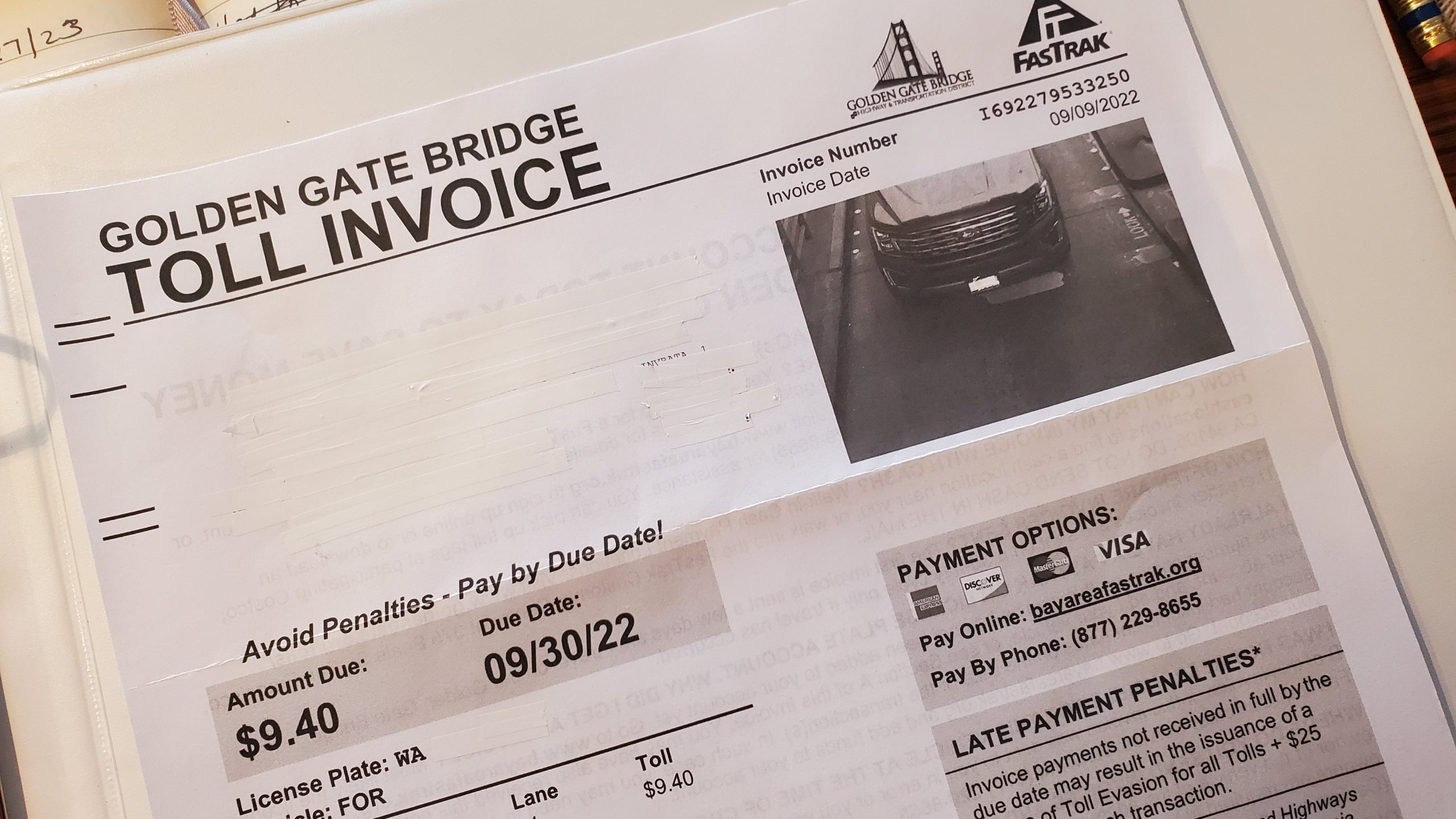
A proper toll invoice should give you enough information to understand what you are being charged for. After all, you deserve to know when and where the alleged unpaid toll occurred before being asked to pay a bill.
Most legitimate toll notices provide transaction details such as the date, time, toll plaza, road name, direction of travel, and amount charged.
Some also include the vehicle’s license plate number, transaction reference, and a breakdown of additional administrative fees.
A suspicious notice may provide very little information. It might simply state that you owe $65 for an unpaid toll without identifying the highway, location, or date of travel.
That lack of detail makes it difficult to verify the claim. You may not even remember whether you used the road mentioned in the notice, especially if the alleged trip happened several weeks earlier.
Check the listed information against your calendar, travel records, vehicle location history, or receipts where available. If the notice identifies a toll plaza in a state you have never visited, that is a good reason to question the charge.
Pay attention to inconsistencies, too. A bill might list a date when your vehicle was being serviced or a toll location far outside your travel route.
Not every agency provides identical invoice details, but a genuine charge should be traceable to an identifiable transaction.
If the information is too vague to verify, contact the toll authority directly before paying.
6. High-Pressure Threats and Short Deadlines
Scammers understand that fear can interfere with good judgment. That is why fake toll bills often use threatening language, urgent payment demands, and unrealistic deadlines to pressure recipients into acting without checking the facts.
You might receive a letter claiming that your driver’s license will be suspended immediately unless you pay within 24 hours.
Another may threaten arrest, legal action, vehicle confiscation, or enormous penalties if you fail to settle a small toll balance right away.
These messages are designed to make you panic. Instead of checking the invoice, you may feel compelled to follow the payment instructions simply to avoid trouble.
Legitimate toll agencies can impose late fees, refer unpaid balances for collection, or take other actions permitted by applicable laws. However, official enforcement procedures generally involve established processes rather than arbitrary threats demanding instant payment.
Be particularly cautious when a notice combines several threats with an extremely short deadline. A demand to pay within a few hours through an unfamiliar website is not something you should accept without verification.
Take a breath and check the agency’s official payment and enforcement policies. If the notice claims that your license is at risk, contact the relevant motor vehicle authority through its verified telephone number or website.
You do not have to obey a suspicious deadline simply because it appears in bold print. A legitimate financial obligation can be checked before it is paid, and a genuine agency should have a way to explain the charge.
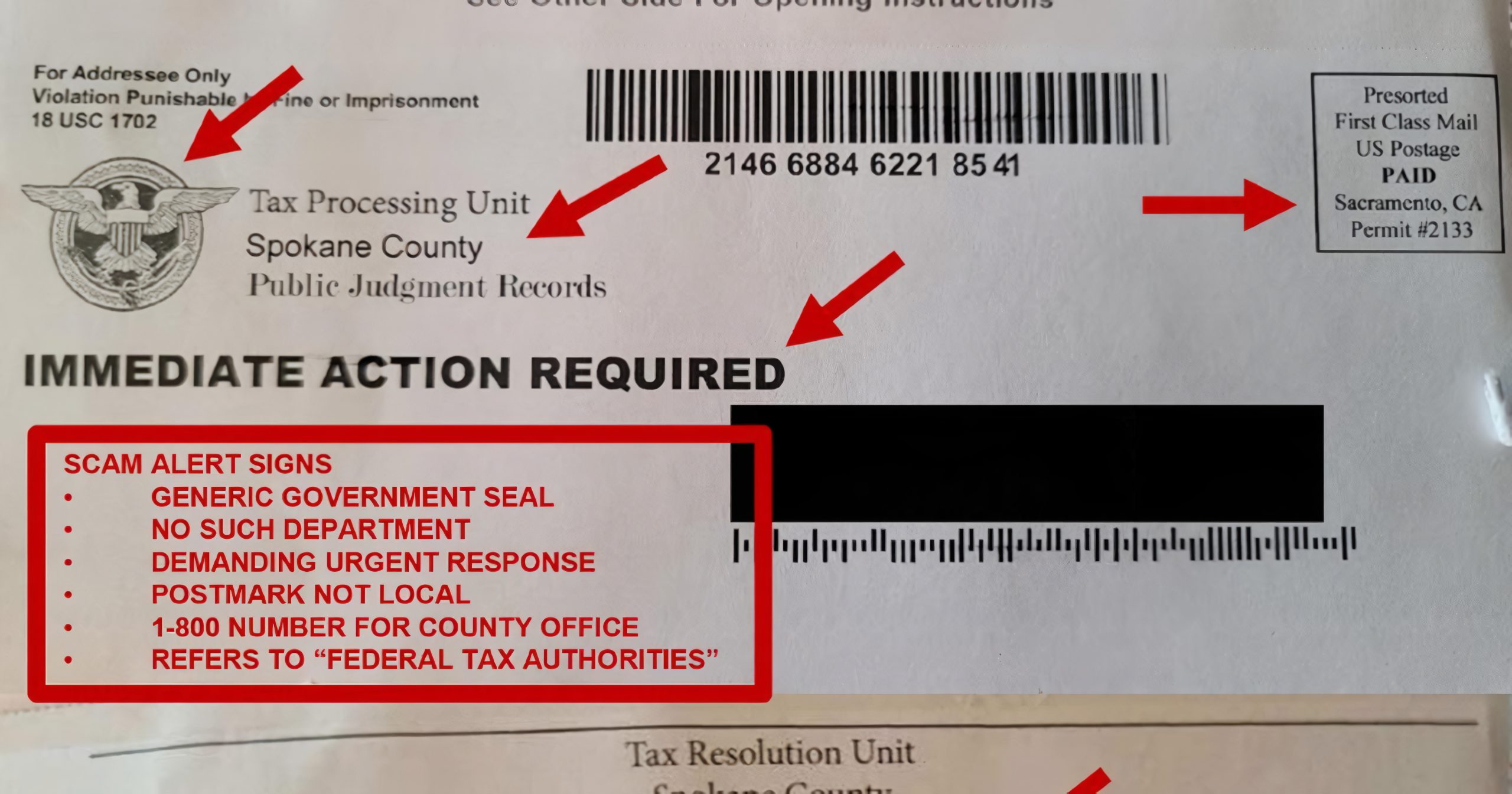
7. Suspicious Return Address or Postage
Before examining the payment amount, take a moment to inspect the envelope itself. Sometimes, the warning signs begin before you even open the letter.
Official toll notices are often mailed through established business mailing systems. Depending on the agency, the envelope may feature metered postage, bulk mailing information, a recognizable return address, or the name of an authorized toll operator.
A suspicious letter may arrive with an unusual return address, a random P.O. Box, or a mailing location that has no apparent connection to the toll authority named inside.
Poorly printed agency details, inconsistent formatting, and unusual postage markings may also deserve attention.
For example, suppose a letter claims to come from a toll agency operating in one state, but the return address points to an unrelated private mailbox in another location.
That does not automatically prove fraud, since agencies sometimes use third-party mailing contractors. However, it gives you a reason to verify the sender.
Look up the return address independently instead of relying on the telephone number printed inside the letter. Check whether the address is associated with the actual toll operator or an authorized billing service.
Also remember that ordinary postage stamps do not automatically make a letter fraudulent. Some legitimate notices are mailed using standard postage.
The important thing is whether the sender can be independently verified and whether the information matches the agency’s official records.
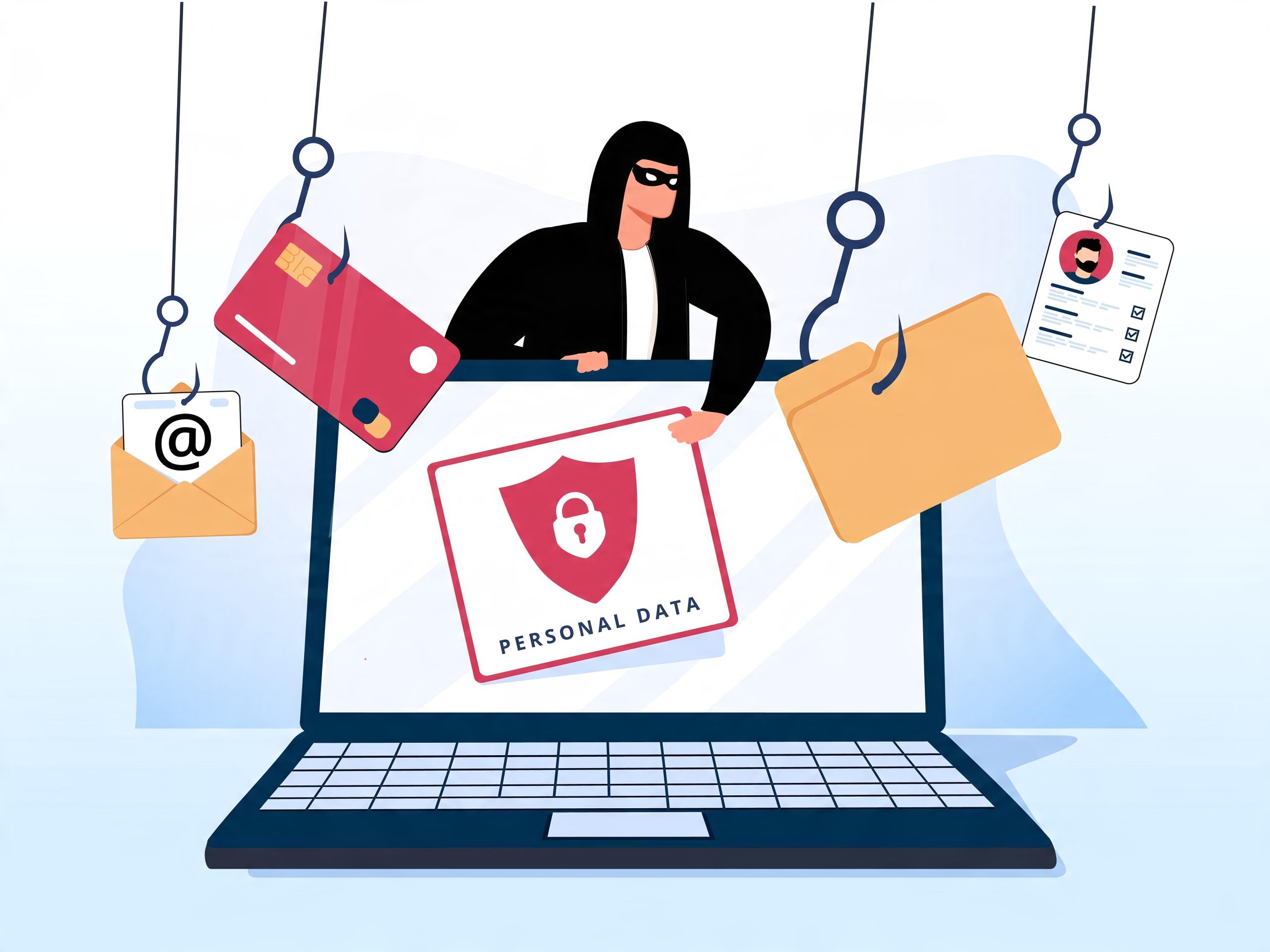
8. Requests for Sensitive Personal Information
A toll invoice should not require you to hand over your most sensitive personal information just to settle a road charge. This is one warning sign you should take especially seriously because the consequences can extend beyond the amount printed on the letter.
A normal toll payment generally requires basic transaction information, such as an invoice number, license plate number, and an accepted payment method.
Depending on the agency, you may also need to confirm your name, mailing address, or vehicle details.
However, a notice that requests your Social Security number, full driver’s license number, national identification number, or online banking credentials should immediately raise concerns.
Scammers may use these requests to steal identities, access financial accounts, or commit other forms of fraud. A fake payment website might even resemble a genuine toll portal while secretly collecting everything you enter.
Never provide your bank password, one-time security code, or account login credentials through a link supplied in an unsolicited letter. Even if the website displays a government seal or claims that your account will be suspended without verification, do not give in to the pressure.
If you are unsure whether the request is legitimate, close the website and contact the toll authority using independently verified contact details. Ask what information is actually required to resolve the invoice.
If you have already submitted sensitive information to a suspicious website, contact your bank, change any affected passwords, and consider placing a fraud alert or credit freeze with the appropriate credit reporting agencies. Acting quickly can help limit potential damage.
A toll bill should be about a road charge, not an opportunity for someone to collect your private financial and identity information.