

Every car owner knows that a reliable vehicle brings peace of mind, especially when long drives are involved. The Volkswagen Golf has built a reputation as a hatchback that combines comfort, practicality, and strong engineering.
For people who enjoy covering miles on highways or going through new routes with family and friends, the Golf has remained a trusted companion. Yet, for this car to serve well year after year, it needs consistent attention and timely care.
Many drivers think of road trips only in terms of fueling the tank and packing bags, but long journeys require more than that. What truly keeps a Golf dependable is routine care and preventive measures that extend its lifespan and sustain performance.
A well-cared-for Golf can clock hundreds of thousands of miles without losing efficiency or safety. The difference between a car that handles a road trip with ease and one that breaks down halfway lies in the small details drivers pay attention to.
Fixes like checking fluids, caring for the brakes, or ensuring the tires are balanced can prevent frustrating roadside issues. Ignoring these can shorten the car’s service life and make travel stressful.
Now, let us discuss ten important fixes that ensure a VW Golf stays ready for long trips for years.
1. Keep Engine Oil Fresh and Monitored
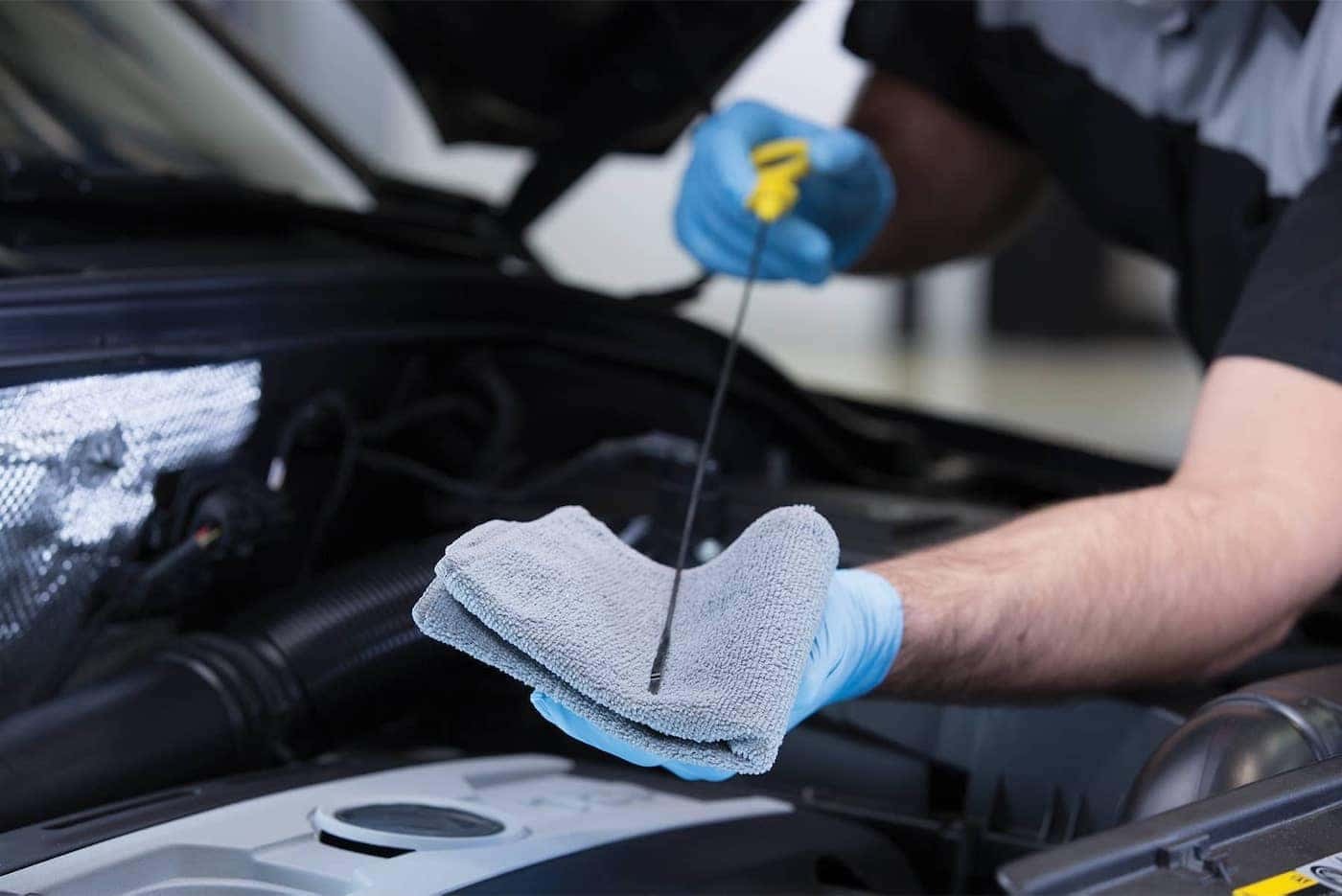
The first area that demands attention is the engine oil. It plays a direct role in the health of the engine, and without proper care, the car’s heart begins to weaken. For a Golf, fresh oil prevents friction between moving parts, regulates engine temperature, and keeps dirt particles away from the system. When oil is left unchanged for long periods, it loses its protective qualities. This can result in overheating, sluggish performance, or even costly engine damage.
Owners must develop the habit of checking oil levels regularly, not only depending on the service reminder. A simple dipstick test gives an idea of both oil level and quality. If the oil looks dark or has a burnt smell, it is time to replace it.
Volkswagen recommends certain oil grades, and sticking to those specifications is important because the Golf engine is designed to work with them. Using cheaper or mismatched oil may save money in the short run but can lead to problems later.
It is equally important to replace the oil filter during every oil change. A clogged filter will not allow proper circulation, leaving the engine starved of lubrication. Drivers who take long road trips especially need to be strict with oil schedules, because highway driving places consistent demand on the engine.
Carrying an extra quart of oil in the trunk is also a smart idea for long journeys. While modern Golfs have warning indicators for low oil, topping up at the right moment can prevent major trouble.
Regular oil checks not only keep the Golf road-trip ready but also extend the entire life of the car. With clean oil in the system, the engine runs smoother, quieter, and more efficiently, giving the driver confidence to cover any distance.
2. Watch Over the Cooling System
A road trip can push a Golf’s cooling system to its limits, especially during hot weather or long climbs. The cooling system includes the radiator, coolant fluid, thermostat, and hoses. These components regulate engine temperature, preventing overheating that can cause breakdowns. If the coolant is old or the radiator is clogged, the car can quickly overheat, leaving the driver stranded.
Owners should make it a routine to inspect coolant levels before heading out for any long drive. The coolant reservoir usually has minimum and maximum marks that guide the driver. If levels are low, topping up with the correct coolant type is essential. Mixing water and coolant without considering the right ratio can affect efficiency, so following manufacturer’s guidelines matters.
Radiator hoses should also be inspected for cracks, bulges, or leaks. Any weakness in the hose can cause coolant loss, which is dangerous for long journeys. The radiator itself needs occasional flushing to remove dirt and rust deposits that may block the flow. Ignoring this can lead to reduced cooling efficiency.
The thermostat, though small, is also important. If it gets stuck, the engine may either run too hot or too cold. Both conditions affect fuel economy and performance. Regular servicing helps catch such issues early.
Drivers planning trips across hot regions should also keep an eye on the cooling fan. This fan kicks in when the car slows down or stops in traffic, ensuring air keeps flowing through the radiator. A faulty fan can trigger overheating within minutes. Carrying extra coolant on a trip is just as important as carrying oil, because both protect the engine.
A strong cooling system means the Golf can handle highway speeds, uphill climbs, and hot weather without worry. Preventive checks reduce the chances of roadside troubles, making every journey smoother.
Also Read: 2025 VW Golf GTI Clubsport: Enhanced Power & Track-Ready Features
3. Take Brake Health Seriously
When preparing a Golf for road trips, brakes should never be overlooked. They guarantee safety on highways and city roads alike. Brakes that respond late or make grinding noises signal immediate attention. The Golf is designed with reliable braking systems, but like every car, it needs proper care.
Brake pads and rotors should be inspected regularly. Pads wear out as time goes on, and once they become thin, they lose efficiency and may damage the rotors. Replacing worn-out pads before a trip is far better than risking brake failure on a busy highway. Rotors should also be checked for uneven wear or cracks. Smooth rotors provide better grip and stopping power.
Brake fluid is another part that many drivers ignore. As time goes on, this fluid absorbs moisture, reducing its effectiveness. Old fluid can cause a spongy brake pedal feel, which is dangerous during emergencies. Flushing brake fluid every two years keeps the system reliable.
Handbrakes should not be forgotten either. For those who travel through hilly routes, a strong handbrake is vital for safe parking. Testing it before leaving on a trip is a wise move.
Any unusual vibration or squealing sound while braking should be investigated immediately. Ignoring these signs can escalate into expensive repairs. For long-distance journeys, carrying a small emergency kit with brake cleaner spray can also help in case of dust build-up.
A road trip-ready Golf must have brakes that respond instantly and smoothly. With fresh pads, clean rotors, and proper brake fluid, the driver gains confidence to handle sharp corners, heavy traffic, or sudden stops. Safety comes first, and a healthy braking system guarantees that every journey remains secure.
4. Maintain Tire Condition and Alignment
Tires carry the weight of the car and endure the longest contact with the road. Their condition directly affects fuel efficiency, ride comfort, and safety. For a VW Golf to be ready for road trips, regular inspection of tire health is necessary.
Air pressure should always be kept within the recommended range. Underinflated tires create extra drag, reducing fuel economy and making the steering feel heavy. Overinflated tires reduce grip and may cause uneven wear. A simple pressure check before each trip ensures balance.
Tread depth is another vital factor. Worn-out tires with shallow tread lose grip, especially on wet roads. Drivers should use the tread wear indicator built into the tire to know when replacement is due. Smooth tires are dangerous on highways where sudden braking may be required.
Alignment and balancing are equally important. Misaligned wheels cause uneven tire wear and pull the car to one side. This not only affects comfort but also fuel use. Balancing, however, prevents vibrations at higher speeds. Both should be checked regularly, especially before a long journey.
Spare tires should not be neglected. A flat spare is as useless as no spare at all. Inspecting the spare tire for pressure and tread is part of responsible trip planning.
Investing in quality tires designed for long-distance driving improves both handling and safety. For drivers who often cover highways, all-season or performance tires may be better options. A Golf equipped with healthy tires, proper alignment, and balanced wheels will handle miles with ease, giving both driver and passengers comfort throughout the trip.
5. Keep the Transmission in Good Shape
The transmission is the part that connects the power from the engine to the wheels. Without a healthy transmission, even the strongest engine cannot move the car properly. For a VW Golf, whether it comes with a manual or automatic transmission, proper care ensures smooth gear changes and long service life.
Many car owners only remember the transmission when a problem arises, but by then, repairs may already be expensive. One of the most important steps is to check and replace transmission fluid when necessary. This fluid keeps gears lubricated, reduces heat, and allows easy shifting.
When it becomes old, dirty, or low in level, gear changes may feel rough, delayed, or noisy. For automatic Golf models, this fluid is particularly important because it handles pressure inside the system as well. Manual models also benefit from fresh transmission oil that keeps gear teeth protected.
Drivers should also pay attention to signs like jerking, slipping gears, or unusual whining sounds. These may indicate early transmission trouble. Ignoring them can cause bigger damage. During routine servicing, mechanics can inspect seals and gaskets that prevent fluid leaks. A small leak today can grow into a larger issue tomorrow if left unattended.
Another practice that helps is allowing the transmission to warm up during cold weather. Driving off aggressively immediately after starting the car can place strain on the system. Gentle driving for the first few minutes gives time for oil to circulate properly.
Long road trips often involve continuous driving at high speeds, which generates heat. Ensuring the transmission cooler is functioning well helps reduce this stress. For automatic Golfs, adding an auxiliary cooler can improve durability if long journeys are frequent.
Owners should also avoid habits that stress the transmission. Resting a hand constantly on the gear lever in manual cars or shifting from drive to reverse without stopping fully in automatics can wear parts faster.
With a well-maintained transmission, the Golf delivers power smoothly, keeps fuel use efficient, and provides comfort on highways. This fix guarantees that the car can handle long-distance trips without fear of breakdowns related to shifting or power delivery.
6. Give Attention to the Battery and Electrical System
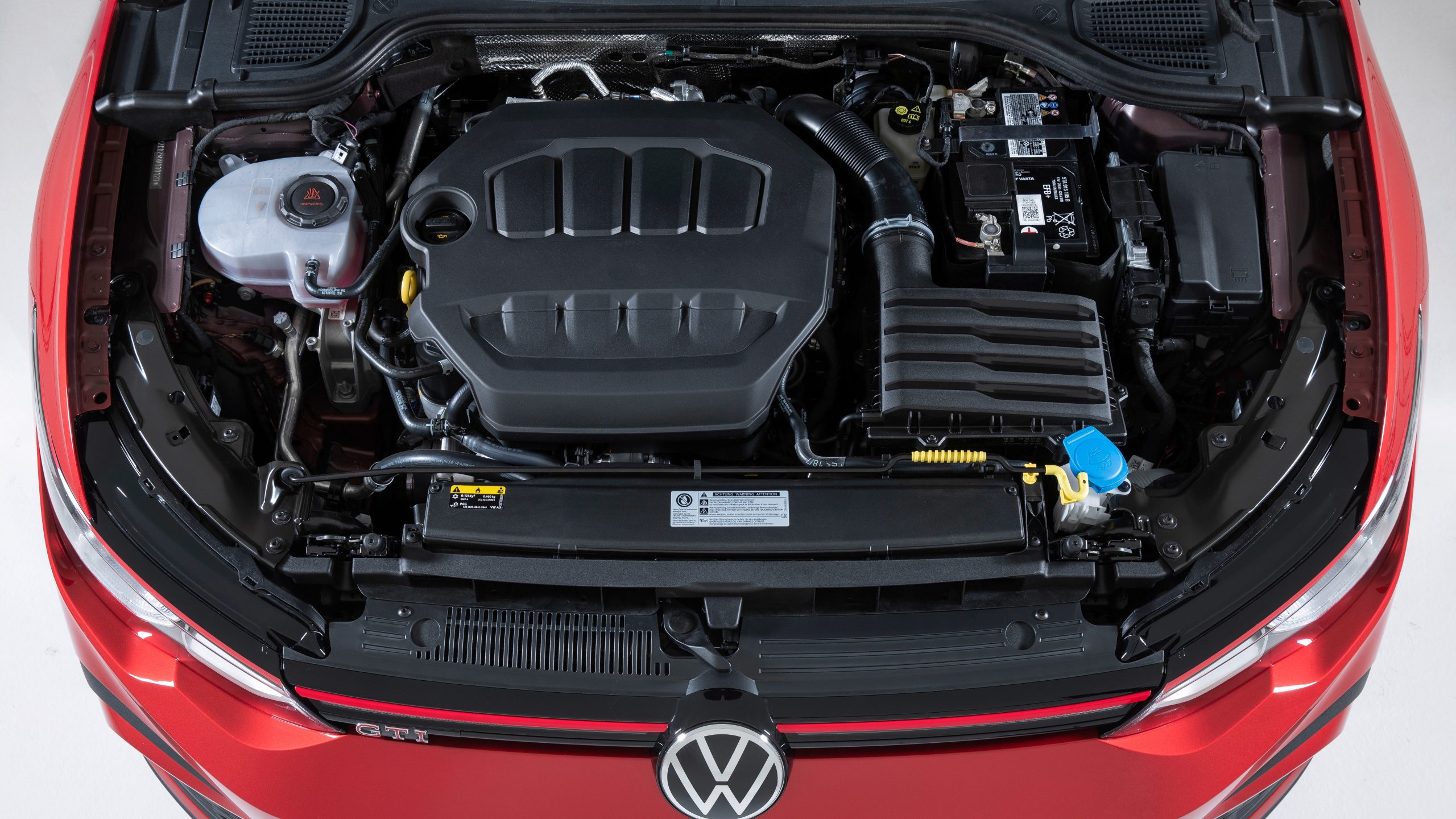
The battery is often taken for granted until the day it fails to start the car. For a VW Golf, the electrical system powers everything from ignition to lights, wipers, infotainment, and air conditioning. A weak battery or faulty alternator can quickly ruin a road trip. Keeping the system strong is therefore an essential fix for long-term reliability.
Batteries usually last between three to five years, but their lifespan can be shortened depending on weather, driving style, and usage. Drivers should check the battery terminals regularly for corrosion. White or greenish deposits on the terminals reduce conductivity and can prevent the car from starting. Cleaning these with a simple brush and baking soda solution helps maintain proper connection.
It is also important to ensure that the battery is held firmly in place. A loose battery can vibrate during driving, leading to internal damage. Voltage checks should be carried out from time to time. A healthy battery usually shows about 12.6 volts when the car is off and around 14 volts when the engine is running. Anything far below these readings suggests weakness or charging problems.
The alternator, which charges the battery while driving, should not be ignored. A failing alternator gives warning signs such as dim headlights, dashboard warning lights, or a burning smell from the engine bay. Having it inspected during servicing prevents surprises on the road.
Drivers who take long trips should consider carrying a portable jump starter. This device can start the car even when the battery fails in a remote location. Another helpful practice is switching off electrical accessories like lights, radio, or air conditioning before turning off the car. This reduces strain during the next ignition.
Keeping the electrical system healthy ensures smooth starts, bright lighting during night drives, and uninterrupted comfort inside the car. A Golf with a strong battery and charging system remains dependable for years of road adventures.
7. Inspect Suspension and Steering Components
Comfort on long trips is tied directly to the condition of the suspension and steering. For a VW Golf, suspension parts like struts, shocks, bushings, and springs work together to absorb road irregularities. If they are worn, the ride becomes bumpy and unsafe. Steering components such as tie rods and rack-and-pinion ensure the driver maintains control at all speeds.
A healthy suspension keeps the tires in proper contact with the road. Once shocks or struts wear out, the car may bounce excessively, making it harder to control during cornering. Worn suspension also increases stopping distance because tires lose grip when bouncing. Drivers should listen for clunking or knocking sounds when passing over bumps, as these often point to worn bushings or joints.
Another sign of weak suspension is uneven tire wear. If tires wear faster on one side, the suspension may not be distributing weight evenly. Regular alignment checks help keep everything balanced. Steering play, where the wheel feels loose or unresponsive, is another warning that parts may be due for replacement.
Greasing joints and inspecting rubber boots around steering components prevents premature wear. Dust and moisture can easily damage these parts if protective covers are torn. A simple inspection during servicing can save bigger repairs later.
For road trips, suspension health is especially important because long drives put extra load on the system. Carrying passengers and luggage increases the weight the suspension must handle. Replacing weak shocks or bushings before a journey not only improves comfort but also boosts safety.
Many drivers only notice suspension issues after they become severe, but by then, repairs may be costly. Proactive maintenance ensures the Golf continues to glide smoothly over highways and rural roads. A responsive steering system, combined with stable suspension, gives the driver confidence to take long trips without stress.
8. Protect the Exhaust System and Emissions Parts
The exhaust system may not always be on top of a driver’s mind, but it is vital for both performance and comfort. In a VW Golf, this system controls harmful gases, reduces noise, and helps the engine breathe properly. A faulty exhaust can affect fuel economy, power output, and even passenger safety if gases leak into the cabin.
Checking the exhaust pipes for rust or holes is important. Small leaks can turn into bigger issues, allowing harmful fumes to escape. A rattling sound from under the car may indicate a loose exhaust component. Heat shields, which protect other parts of the car from exhaust heat, should also be inspected to ensure they are not loose or broken.
The catalytic converter is another crucial part. It reduces harmful emissions and ensures the car meets environmental standards. If it gets clogged or fails, the Golf may lose power, consume more fuel, and trigger the check engine light. Replacing a faulty converter can be expensive, but early diagnosis saves money.
Oxygen sensors in the exhaust system also play a big role. They monitor gases and send signals to the engine computer to adjust fuel mixture. When sensors fail, fuel use increases and emissions worsen. Replacing bad sensors restores performance and efficiency.
For long trips, ensuring the exhaust system is free of leaks and damage guarantees smoother running and lower noise. It also protects passengers from harmful gases. Regular inspection of mufflers, pipes, and sensors should be part of every maintenance schedule.
A Golf with a clean, well-functioning exhaust system delivers stronger performance, better fuel economy, and safer rides. This fix is essential for keeping the car road-trip ready year after year.
9. Care for the Air Conditioning and Cabin Comfort
A long journey is more enjoyable when the cabin remains comfortable. The air conditioning system in a VW Golf ensures passengers stay cool in summer and warm during colder months. If neglected, this system may fail at the worst time, leaving travelers uncomfortable throughout the trip.
Drivers should start by checking the refrigerant level. Low refrigerant reduces cooling efficiency and may point to a leak. Servicing the AC system and recharging it when needed restores proper function. The compressor, which powers the system, should also be inspected. Any unusual noise from the compressor signals wear that requires attention.
The cabin air filter is another part that directly affects comfort. This filter blocks dust, pollen, and debris from entering the cabin. If it gets clogged, airflow weakens, and the system works harder. Replacing it at least once a year ensures fresh air circulation.
Vents should also be checked to confirm they are blowing air evenly. Weak airflow from one side may mean blockages or failing fans. Cleaning the vents from time to time prevents the buildup of dirt and bacteria.
For heating during cold seasons, the heater core must be kept in good condition. Leaks or blockages in this part reduce efficiency. Drivers should also test the defrost function before trips, as clear windows are critical for safety.
Comfort goes beyond cooling and heating. Ensuring that seat adjustments work properly, window regulators function well, and door seals are tight all add to a pleasant journey. Road trips are often long, and small discomforts can quickly turn into major frustrations.
A Golf with a reliable air conditioning system keeps everyone relaxed, no matter the weather outside. By caring for this system, the car remains a trusted travel companion year after year.
Also Read: VW Golf GTI vs. BMW 3 Series: Performance and Pricing Comparison
10. Do Regular Inspections and Preventive Servicing
The last but equally important fix is the practice of regular inspection and preventive servicing. A VW Golf, like any vehicle, benefits greatly when small issues are addressed before they become big problems. Many drivers wait until something fails before visiting a mechanic, but this habit shortens the life of the car.
Preventive servicing includes checking all fluids, belts, and filters at recommended intervals. It means inspecting wipers, lights, and small items that are often forgotten. For long trips, such details matter because a small failure can spoil the entire journey.
Scheduling maintenance at trusted service centers helps ensure original parts are used. Mechanics trained on Volkswagen cars understand common trouble areas and can handle them properly. This includes software updates for modern Golfs that rely on electronics for many functions.
Drivers should also keep a log of all services. This record makes it easier to know when the next oil change, brake service, or coolant flush is due. A well-maintained service history also improves resale value, as buyers trust cars that have been cared for.
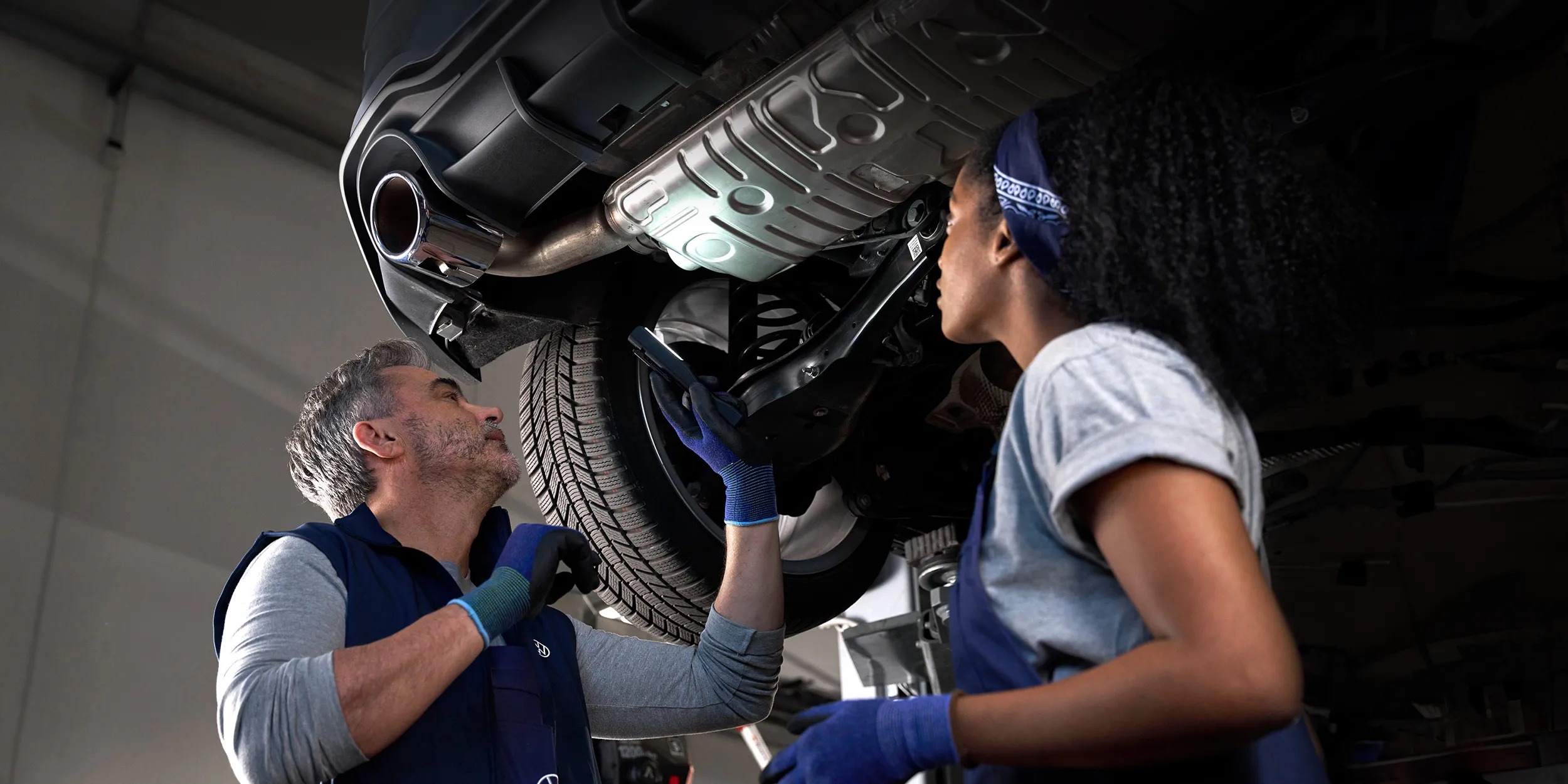
Regular inspections should include underbody checks for rust or damage, especially in areas with salted winter roads. Small rust patches can spread quickly if ignored. Tire rotations during service also help extend tire life.
By treating maintenance as a routine instead of an emergency response, Golf owners ensure their cars remain dependable for years. Preventive care reduces the stress of breakdowns and provides peace of mind for every road trip.
