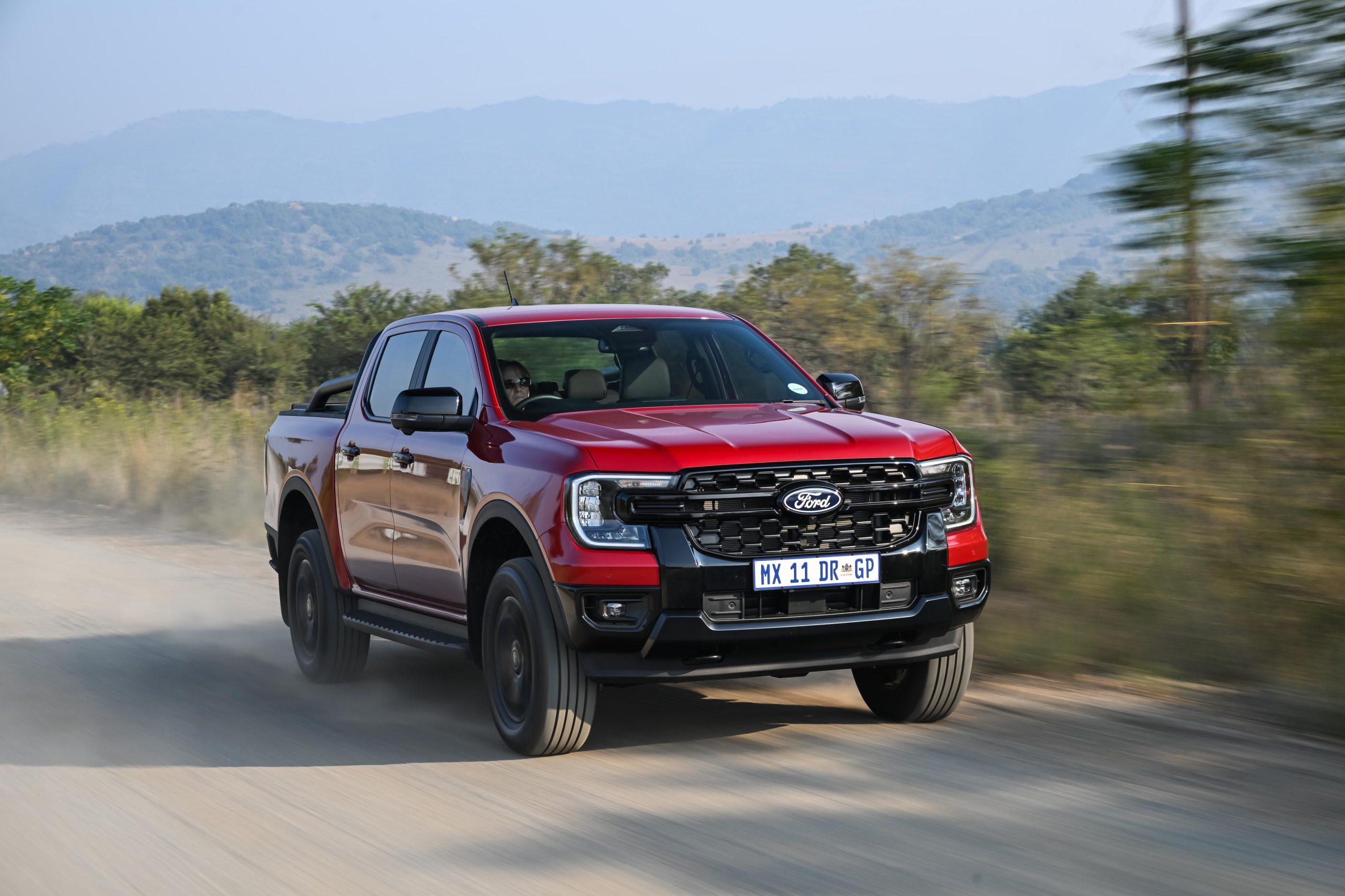
A Ford pickup reaching 150,000 miles does not automatically mean it is nearing the end of its useful life. Some trucks have engines and drivetrains capable of continuing for many more years when maintained properly, while others can become expensive because of known mechanical weaknesses.
The challenge is identifying which models deserve consideration and which require extra caution. Engine design, transmission condition, maintenance records, towing history, and rust exposure all influence a truck’s remaining life.
This guide examines five Ford pickups with encouraging high-mileage prospects and five different models that deserve closer inspection before buyers commit their money.
5 Ford Pickups Safe to Buy at 150,000 Miles
1. Ford F-150 5.0L V8 (2011-2014)
The 2011-2014 Ford F-150 equipped with the 5.0-liter Coyote V8 is a strong candidate for buyers searching for a full-size pickup around 150,000 miles. This generation introduced Ford’s modern 5.0-liter V8 into the F-150 lineup, giving buyers a naturally aspirated alternative to the turbocharged EcoBoost engines.
Its combination of V8 power, widespread availability, and familiar mechanical architecture makes it attractive in the used market.
One reason to consider this configuration is that it avoids some of the additional hardware associated with turbocharged engines. That does not make it maintenance-free, but it gives buyers a relatively straightforward gasoline powertrain to evaluate.
The 5.0-liter engine is also widely supported by independent repair shops, and replacement parts are generally easier to source than those for more specialized truck configurations.
The six-speed automatic transmission still needs careful attention. During a test drive, look for delayed engagement, harsh shifts, slipping, or unusual vibration. Buyers should also inspect for oil leaks, cooling-system problems, ignition faults, and signs of neglected servicing.
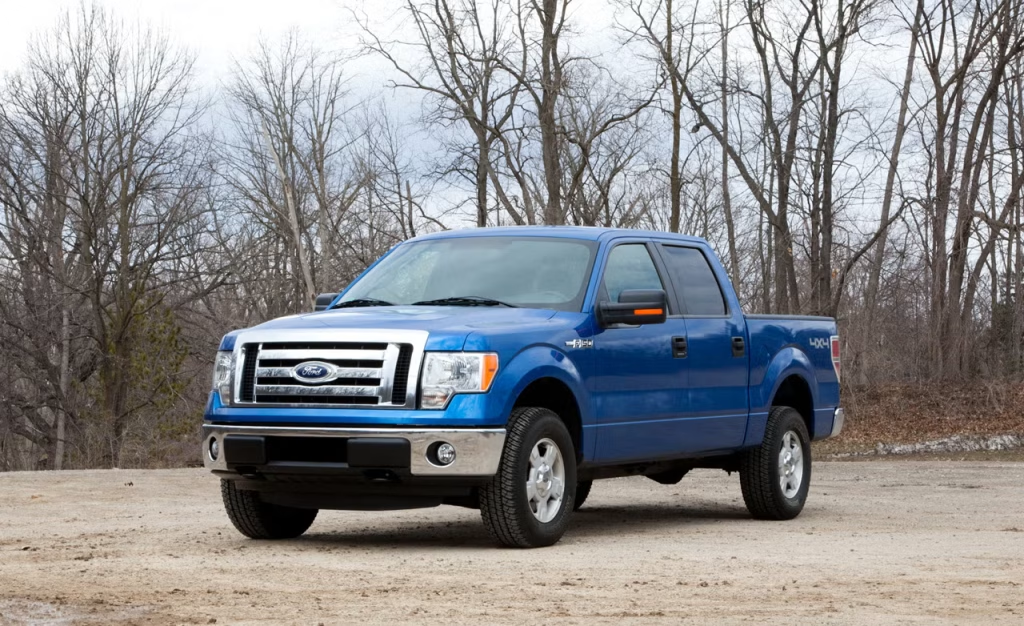
A recall history check is essential. Certain F-150s from this period were involved in an issue concerning unexpected transmission downshifts, so verify whether applicable recall work has been completed.
Why include it? Because a well-maintained naturally aspirated V8 pickup offers a practical combination of everyday usability, towing capability, and established repair support. At 150,000 miles, however, the service history must justify the price.
A well-maintained truck with a clean service history is worth considering, while one showing unexplained oil consumption or transmission issues should be approached with caution.
2. Ford Ranger 2.3L EcoBoost (2019-2023)
The 2019-2023 Ford Ranger is a useful option for buyers who want a genuine pickup but do not need the size of a full-size truck. Its 2.3-liter EcoBoost four-cylinder engine provides strong torque for a midsize vehicle, while the smaller exterior dimensions make parking and maneuvering easier.
For drivers who commute during the week and use the bed for occasional hauling or recreational equipment, this can be a sensible format.
The turbocharged engine needs proper care, particularly as mileage increases. Oil changes should follow the correct specification and schedule, and the cooling system should be inspected for leaks or signs of overheating.
Turbocharger operation also deserves attention. Whining noises, excessive smoke, loss of power, or oil leaks should be investigated before purchase.
The 10-speed automatic transmission is another important inspection point. Some owners have reported inconsistent shifting, harsh engagement, and gear hunting. A road test should include cold operation, stop-and-go traffic, highway acceleration, and gentle deceleration. A truck that behaves smoothly only after warming up should receive additional scrutiny.
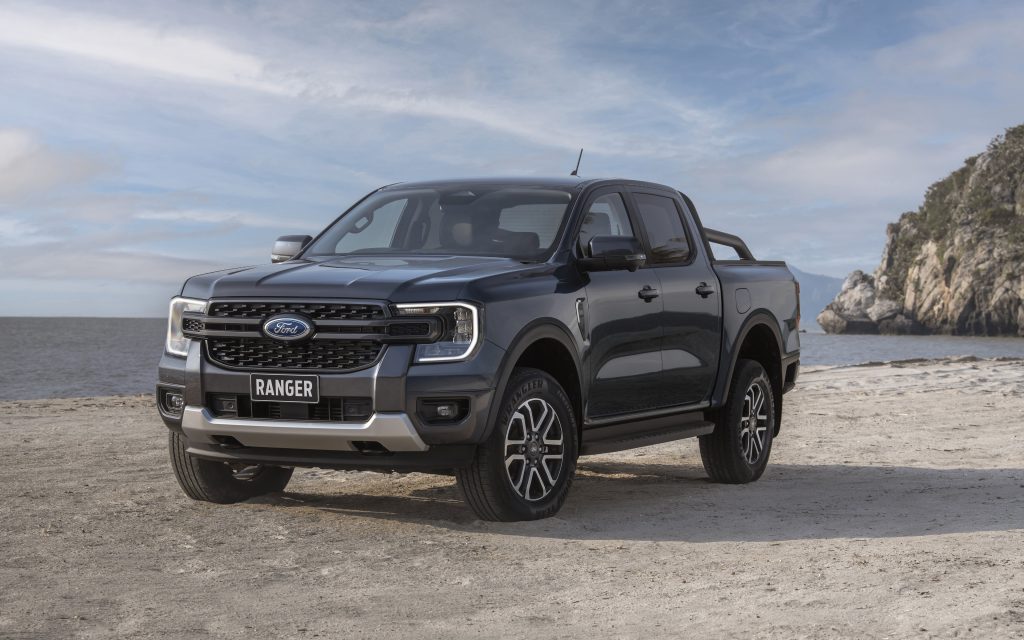
Why is this model included? Its smaller size makes it more practical for people who do not require the payload and towing capacity of a heavy-duty pickup. It also has a comparatively modern cabin and useful equipment.
Buyers should favor examples with documented servicing and completed recalls. A 2019 truck deserves particular attention because it was the first model year of the Ranger’s return to the U.S. market. A later, well-maintained example may be more attractive, but condition matters more than the year alone.
3. Ford F-250 Super Duty 6.2L Gas V8 (2011-2016)
The 6.2-liter gasoline V8 in the 2011-2016 Ford F-250 Super Duty deserves consideration from buyers who need a heavy-duty pickup but do not necessarily require a diesel.
It was developed for demanding truck applications and provides the displacement and power expected from a large gasoline engine. For people who occasionally tow trailers, transport equipment, or carry substantial loads, it offers a useful alternative to an older diesel powertrain.
One advantage of this engine is its simpler fuel and emissions arrangement compared with a diesel. There is no diesel particulate filter or diesel exhaust fluid system to maintain. That does not mean the gasoline engine is inexpensive to operate.
Fuel consumption can be substantial, particularly when towing, but some owners may prefer that trade-off over the possibility of costly diesel-specific repairs.
At 150,000 miles, buyers should examine the cooling system, ignition components, oil leaks, and transmission. Check for abnormal engine noises and verify that the truck does not overheat under load. The suspension and brakes deserve attention because heavy-duty vehicles often spend their lives carrying equipment or towing trailers.
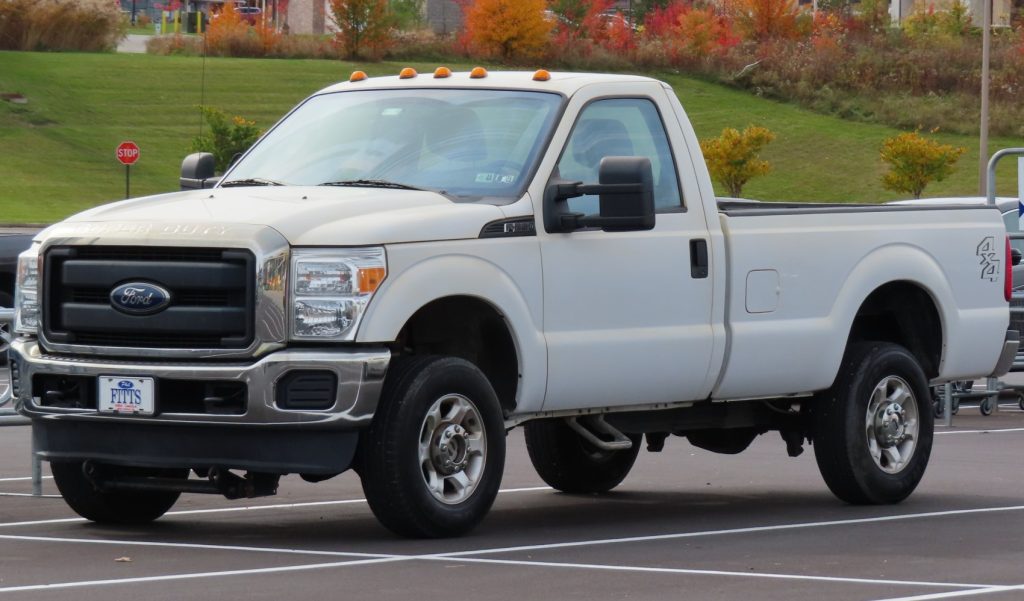
Why write about this configuration? It offers a way to enter the heavy-duty pickup market without taking on every complication associated with an older diesel. Someone who needs a work truck but does not tow at maximum capacity every week may find it more appropriate.
Check the door-jamb payload information and the exact towing specifications. Not every configuration has identical ratings. A clean example with maintenance records can be a practical high-mileage purchase, particularly when its price reflects its age and condition.
4. Ford F-350 Super Duty 6.2L Gas V8 (2011-2016)
The F-350 equipped with the 6.2-liter gasoline V8 is worth considering when the buyer needs a heavier-duty chassis than a conventional half-ton pickup can provide. Its purpose is different from that of a daily commuter truck. It is designed for work involving substantial loads, trailers, and equipment, making its condition and previous use particularly important.
The gasoline V8 gives buyers an alternative to diesel ownership. It avoids diesel-specific emissions equipment and high-pressure diesel fuel system components, although it still requires proper maintenance and can be expensive to fuel. For owners who use a heavy-duty pickup occasionally rather than towing constantly, that trade-off can make sense.
The important question at 150,000 miles is how the truck has been used. A vehicle that regularly carried heavy payloads or pulled large trailers may have experienced significant stress on its transmission, rear axle, brakes, and suspension. Inspect the rear springs for sagging, examine the hitch for heavy use, and check the frame for corrosion or damage.
Why does it deserve a place in the safer category? The 6.2-liter gasoline powertrain gives buyers a relatively uncomplicated route into a one-ton truck. Its work-oriented design can be useful when the owner genuinely needs the extra capability.
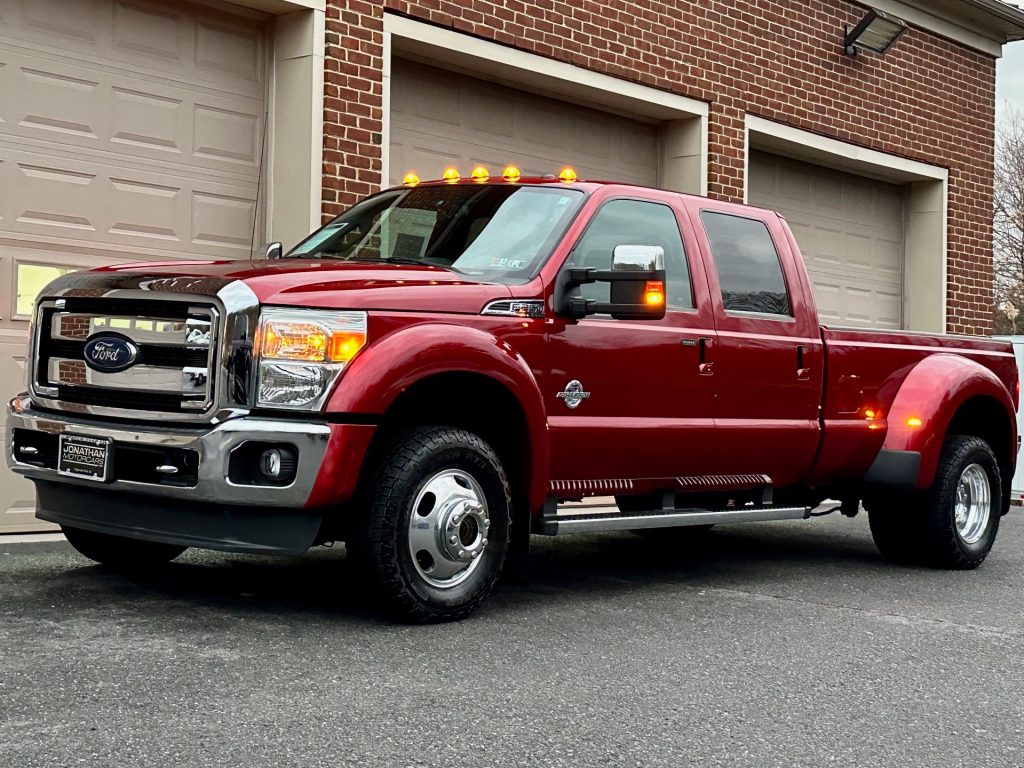
That does not mean every example should be purchased. Ask for oil-change records, transmission service documentation, and evidence of cooling-system maintenance.
Confirm the truck’s actual payload and towing ratings rather than relying on general F-350 figures. A properly maintained example can remain useful at high mileage, but a heavily abused truck should be avoided even if its engine sounds healthy.
5. Ford F-450 Super Duty 6.7L Power Stroke (2015-2019)
The 2015-2019 Ford F-450 Super Duty is designed for buyers who need serious towing capability. Its 6.7-liter Power Stroke diesel delivers the torque expected from a commercial-oriented pickup, while the chassis and axle configuration are intended for demanding trailer applications.
For someone who regularly operates a large fifth-wheel trailer or other heavy equipment, a properly maintained example can be a valuable tool.
The later production years in this range benefit from development changes made after the engine’s introduction.
However, the 6.7-liter Power Stroke remains a sophisticated diesel, and its fuel system, turbocharger, and emissions equipment require careful inspection. Diesel repairs can be expensive, so buyers should not rely on the engine’s reputation alone.
A specialist inspection should include diagnostic scans, fuel-system checks, emissions equipment, turbocharger operation, and cooling-system condition.
Ask about fuel-filter replacement intervals, engine hours, and the truck’s towing history. A vehicle with relatively low mileage but extensive idling may have experienced more wear than its odometer suggests.
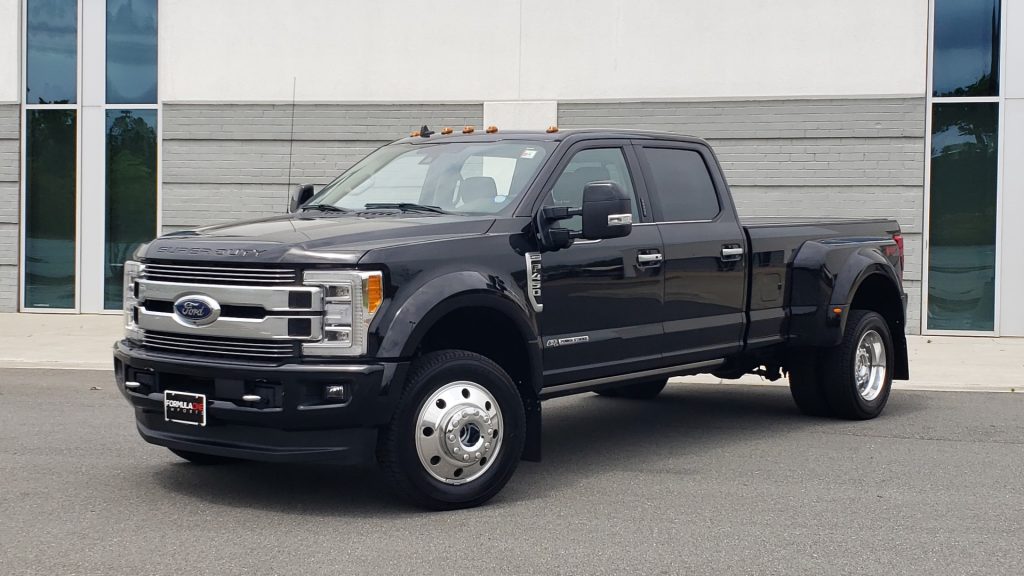
Why include it? The F-450 provides capability that ordinary pickups cannot replace for some owners. If the buyer needs that capacity, a clean truck with complete maintenance records can be worth considering even at 150,000 miles.
This is not a sensible choice for someone who only needs a vehicle for commuting and occasional shopping trips. Its operating costs, tires, and maintenance requirements are substantial. But for an experienced towing or commercial owner, a properly inspected example can still have considerable working life ahead.
5 Ford Pickups to Be Careful With
1. Ford F-100 (1953-1983)
The classic Ford F-100 is a very different purchase from a modern pickup. Produced across several generations, it became one of the most recognizable American trucks of its era. Its simple design, traditional styling, and strong enthusiast following make it attractive to collectors and restoration buyers.
However, a vehicle that has accumulated 150,000 miles is now several decades old, and age-related deterioration can be a bigger concern than the odometer.
Rust is the first issue to investigate. Examine the frame, cab corners, floorboards, door seams, bed floor, inner fenders and suspension mounting areas. Repairs to structural sections can become expensive, especially when corrosion has spread beyond visible panels. Fresh paint or undercoating should not be accepted as proof that the body and frame are healthy.
Mechanical condition also varies widely because these trucks have often been modified. Some have original engines and transmissions, while others have received replacement powertrains, modern fuel systems, or suspension conversions. Ask for documentation of every major change and confirm that the modifications were completed properly.
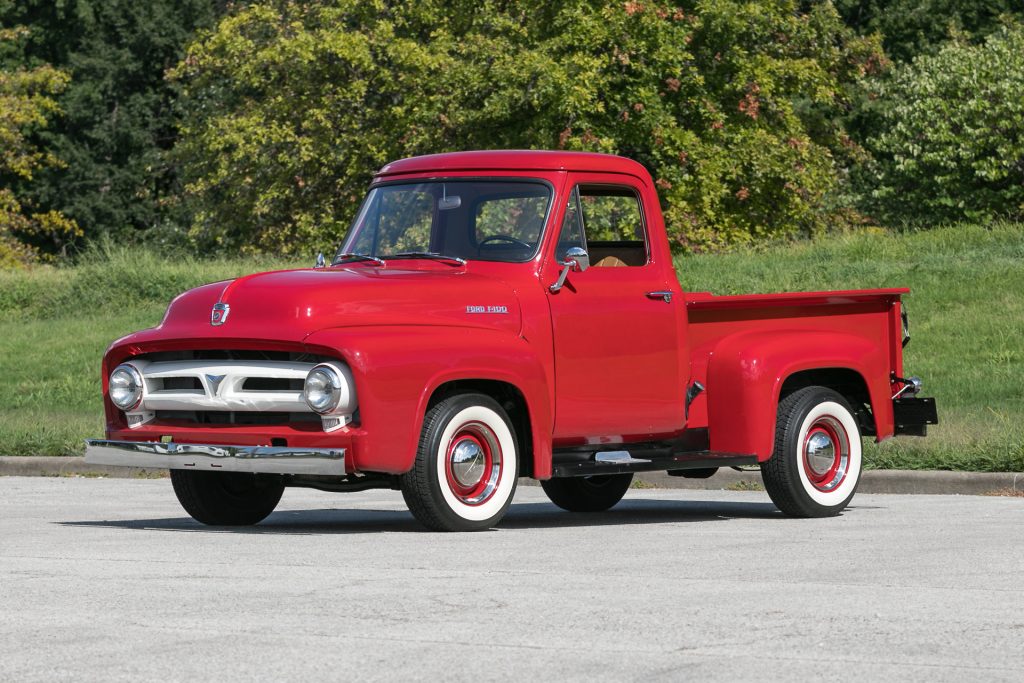
Why be careful? Because 150,000 miles on a classic pickup cannot be evaluated in the same way as 150,000 miles on a modern work truck. Rubber components, wiring, brakes, fuel lines and cooling systems may be decades old, regardless of how recently the engine was rebuilt.
The F-100 can be a rewarding classic purchase, but buyers should approach it as an older restoration or preservation project. A rust-free truck with documented mechanical work may be worth paying for. An inexpensive example with hidden corrosion can quickly become a costly undertaking.
2. Ford Explorer Sport Trac (2007-2010)
The Explorer Sport Trac combines an SUV-style cabin with an open pickup bed, making it an unusual alternative to a conventional truck. It appeals to buyers who want passenger space and a separate cargo area without purchasing a full-size pickup.
The problem at 150,000 miles is that certain engine configurations have known timing-system concerns that deserve careful investigation.
The 4.0-liter SOHC V6 is particularly important. Its timing-chain guides and tensioners can wear, producing rattling noises and potentially requiring extensive repair.
Ford technical service documentation for related applications describes timing-chain rattle and revised tensioner and guide components. RepairPal also identifies worn timing-chain cassettes as a reported Sport Trac problem.
The 4.6-liter three-valve V8 version has its own concerns, including cam phaser and valvetrain noises. A buyer should not assume that choosing the V8 automatically removes every engine-related risk.
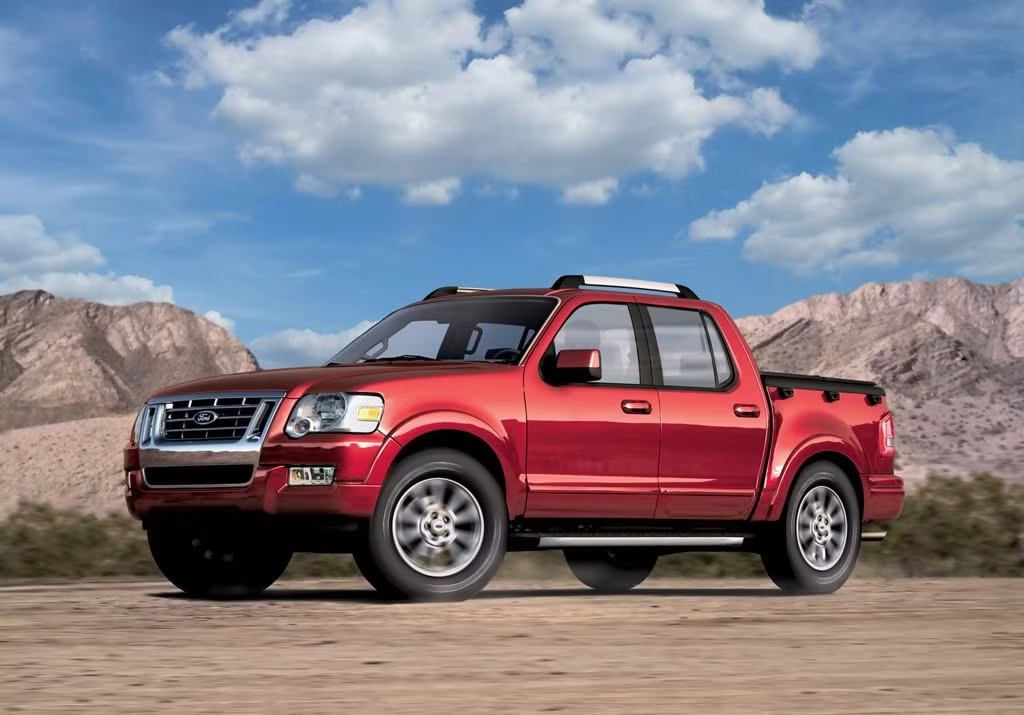
Why include this vehicle? It demonstrates why buyers must investigate the exact engine rather than judging a model by its exterior condition. A clean cabin and attractive paintwork cannot compensate for an engine with unresolved timing-system problems.
Listen carefully during a cold start and inspect the engine for leaks. Check the transmission, rear differential, suspension and frame for wear or corrosion. A vehicle with invoices showing completed timing-system repairs may still be worth considering, but an example with unexplained rattling and no maintenance history is a risky purchase.
3. Ford Maverick (2022-2024)
The Ford Maverick is an appealing compact pickup because it offers a smaller footprint, a practical cargo bed and a more accessible entry point than many full-size trucks. Its hybrid powertrain also makes it attractive to buyers who want pickup utility without the fuel consumption associated with larger gasoline models.
However, because the model was introduced relatively recently, there is still limited long-term reliability data available. This makes it harder to assess its durability for buyers looking for a vehicle that can reliably handle 150,000 miles or more.
The first-generation U.S. Maverick arrived for the 2022 model year. That means early examples are only beginning to accumulate the kind of mileage that would allow buyers to assess long-term durability across a large number of vehicles.
It would be misleading to label the model a proven 150,000-mile truck simply because it has an appealing powertrain or positive early ownership feedback.
The hybrid and EcoBoost versions also have different mechanical layouts. Buyers should identify which powertrain they are considering and research its specific service requirements. Check for software updates, recall completion, transmission behaviour, and any signs of unusual operation.
For hybrid examples, have the high-voltage system and battery-related components assessed by a qualified technician.
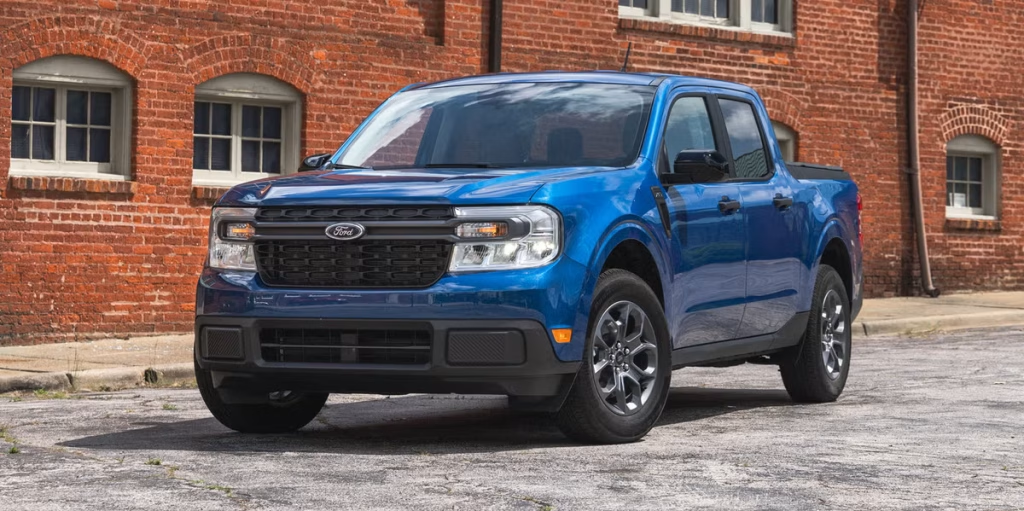
Why be careful? Not because the Maverick is automatically unreliable, but because its long-term record at this mileage is not as established as older pickup designs. A buyer should not pay a premium based on assumptions about future longevity.
A well-maintained example with complete records may still be a sensible purchase. However, anyone prioritizing proven performance beyond 150,000 miles should compare it with models that have a longer record of high-mileage use.
4. Ford F-550 Super Duty Chassis Cab (2011-2016)
The F-550 is built for demanding commercial applications rather than ordinary personal pickup use. Ford sells this configuration as a chassis cab, meaning it is supplied with the cab, frame and drivetrain but without a conventional factory pickup bed.
Owners and commercial upfitters can install service bodies, flatbeds, dump bodies and other specialized equipment.
That makes the F-550 a different proposition from a standard pickup. Many examples have spent their lives in construction, utility, towing or delivery operations. A truck reaching 150,000 miles may have accumulated substantial engine hours and carried heavy equipment every working day.
The 6.7-liter Power Stroke diesel can provide strong performance, but diesel fuel-system, turbocharger and emissions-system repairs can be expensive. The transmission, differential, brakes and suspension also need attention because the vehicle may have operated near its rated capacity for long periods.
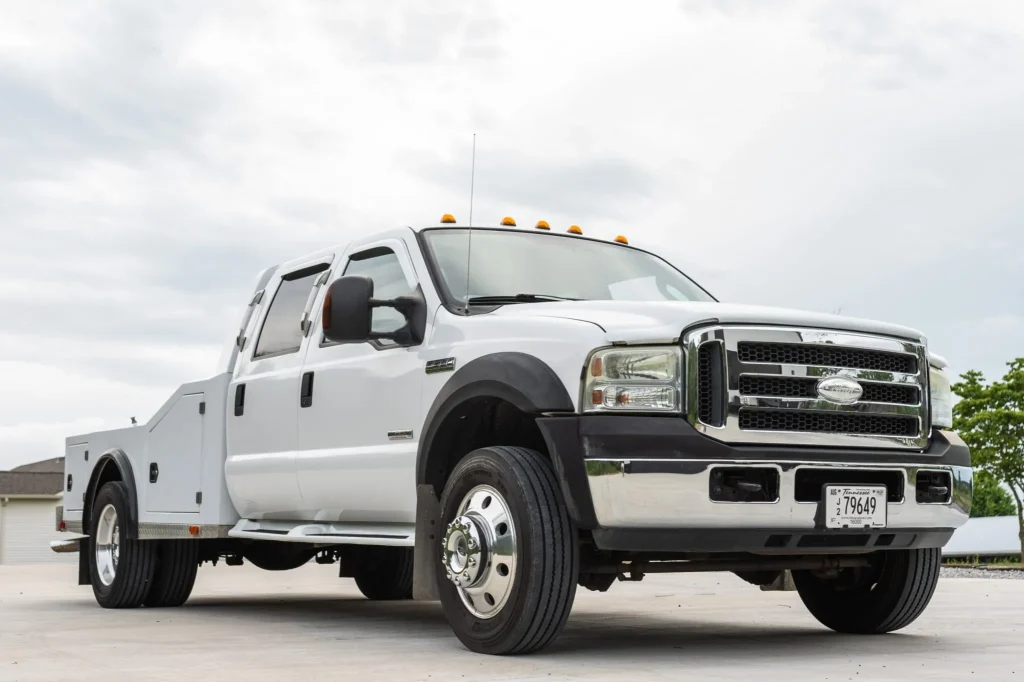
Why be cautious? The commercial history can be difficult to judge from the odometer alone. A vehicle that appears clean may have spent years idling at job sites or operating with a heavy body and equipment. Buyers should examine the upfit, electrical modifications, frame condition and evidence of overloading.
This is not necessarily a poor purchase for a business that needs a specialized chassis cab. It is simply a vehicle that should not be treated like an ordinary personal-use pickup. Get a commercial-truck inspection and confirm that the installed body and equipment suit the intended work.
5. Ford F-650 (2012-2016)
The F-650 belongs to Ford’s medium-duty truck range rather than the ordinary consumer pickup category.
It is included here as a distinct Ford work-truck option because some used buyers consider these vehicles when they need more capacity than a conventional Super Duty can provide. Its applications include commercial hauling, service bodies and specialized work equipment.
At 150,000 miles, the concern is not simply whether the engine can continue running. Medium-duty trucks often experience demanding service conditions, and their operating history can be more important than the odometer.
A vehicle used for local commercial work may have accumulated extensive engine hours, frequent stop-start cycles and heavy loads.
The exact powertrain and equipment must be confirmed by model year and configuration. Buyers should examine the engine, transmission, cooling system, brakes, steering components and rear axle. If the vehicle has been fitted with a specialized body, inspect the mounting points, wiring and hydraulic equipment as well.
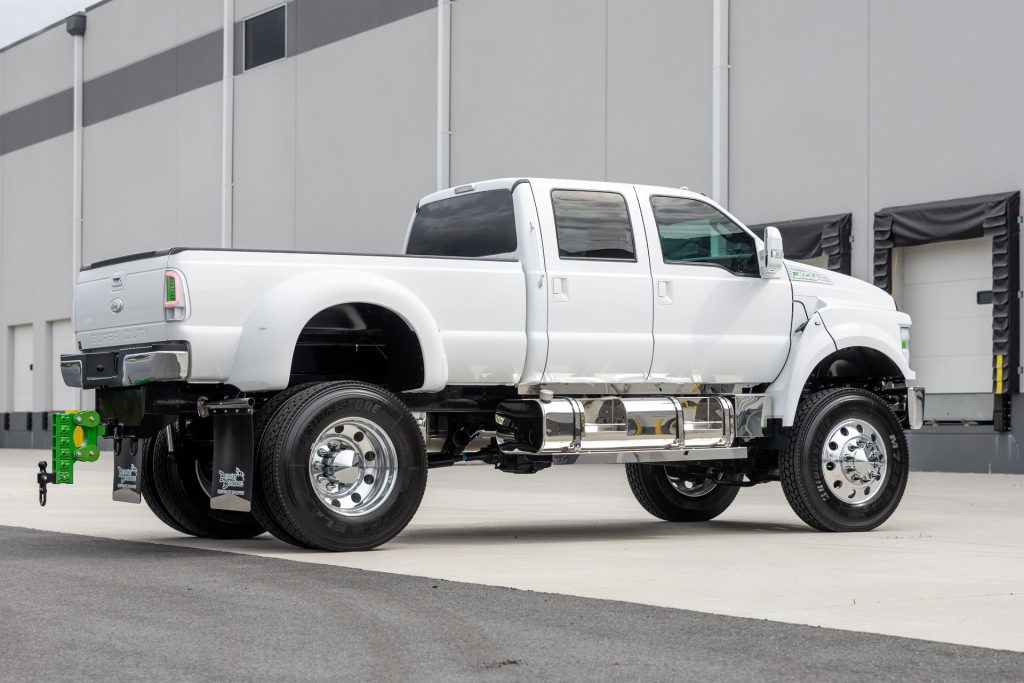
Why be careful? Because the ownership costs and repair requirements are not comparable with those of a normal personal pickup. Tires, brakes, commercial components and specialized labor can make maintenance expensive. Parking, registration and operating requirements may also be different.
The F-650 can make sense for a business with a genuine medium-duty requirement. It is a poor choice for someone who simply wants a large personal truck. A specialist commercial-vehicle inspection is essential, and buyers should confirm parts availability and service support before committing.