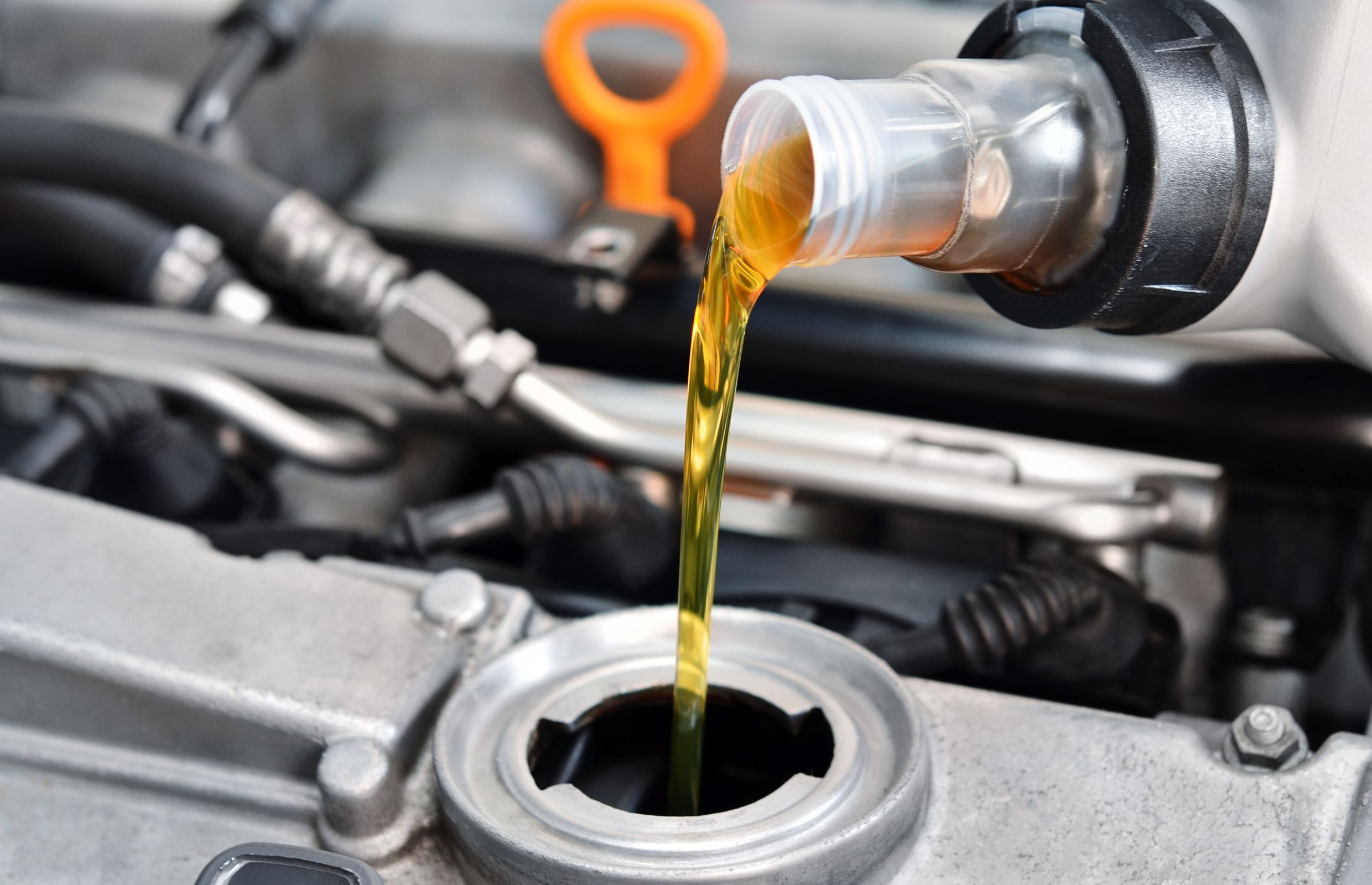
Your car depends on several fluids to keep its engine running, its brakes working, and its major components protected. Yet not every fluid needs immediate attention when you are trying to stay ahead of maintenance. Some deserve early replacement because they protect expensive parts or affect your safety, while others can wait until the recommended service interval or a specific condition calls for attention.
Knowing where to spend your maintenance budget can help you avoid costly repairs without paying for unnecessary services. Engine oil, transmission fluid, and brake fluid deserve special attention, while windshield washer fluid and certain other fluids need a less aggressive approach. Here are five fluids worth changing early and five you can usually leave alone until the appropriate time.
5 Fluids to Change Early
1. Engine Oil
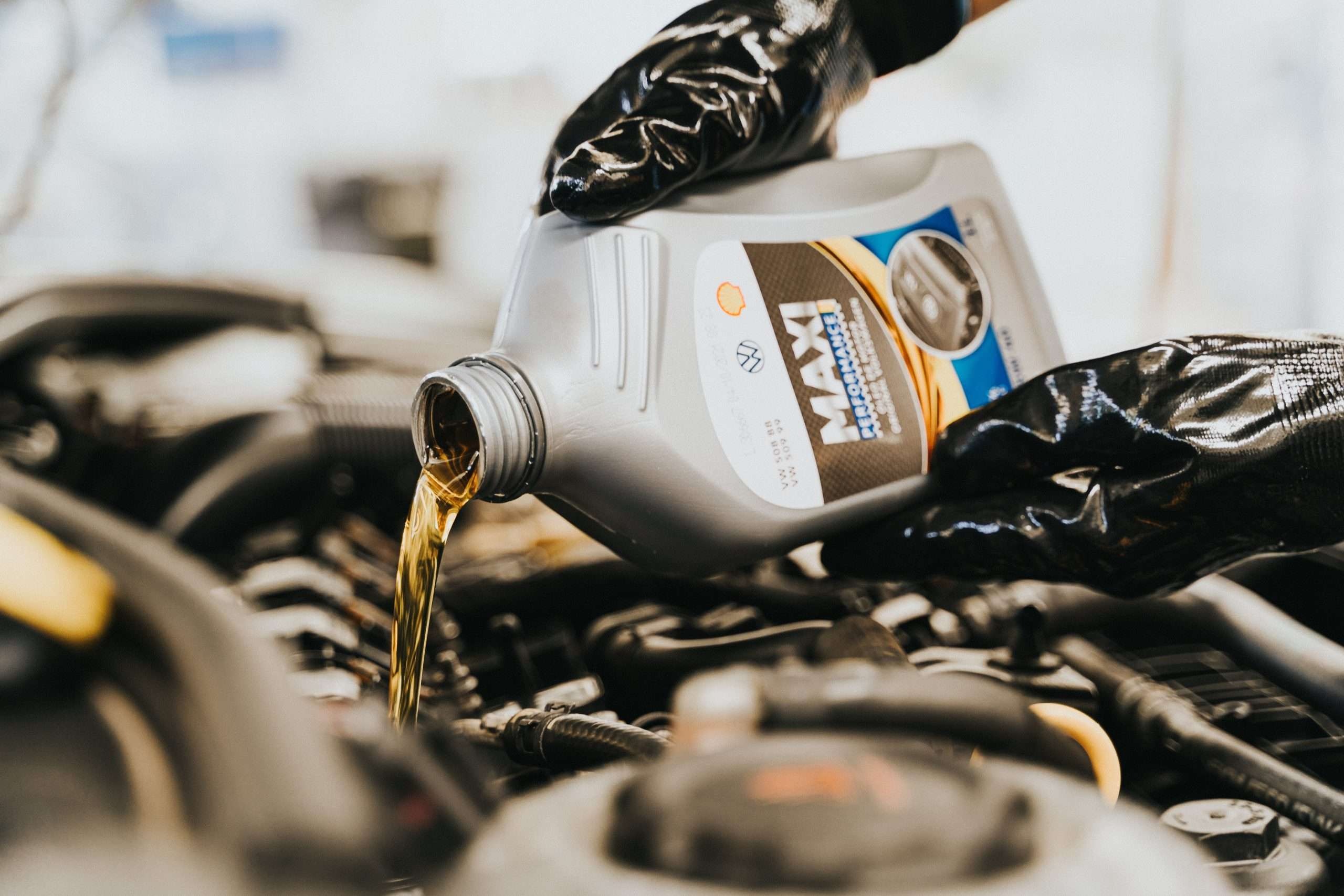
If there is one vehicle fluid you should never neglect, it is engine oil. It lubricates moving parts, reduces friction, helps carry heat away, and suspends contaminants that would otherwise collect inside the engine.
As the oil ages, heat, moisture, fuel dilution, and combustion byproducts can reduce its ability to protect vital components.
Changing engine oil slightly ahead of the recommended interval can be sensible if you frequently make short trips, drive in heavy traffic, tow a trailer, or operate your vehicle in dusty conditions. These situations can place additional demands on the engine and its lubricant.
Dirty or degraded oil can contribute to sludge formation, restricted oil passages, and accelerated wear on internal components. Repairs involving damaged bearings or other engine parts can cost far more than routine oil changes.
Follow the oil specification and service interval listed in your owner’s manual. Some vehicles use conventional oil, while others require full synthetic formulations with specific manufacturer approvals. Choosing the right product matters just as much as changing it at the right time.
Check the oil level routinely, particularly before setting out on a long drive. If the oil appears unusually dirty, a warning light comes on, or the level keeps dropping, have the engine inspected to identify the underlying problem instead of just topping it up with fresh oil.
2. Transmission Fluid
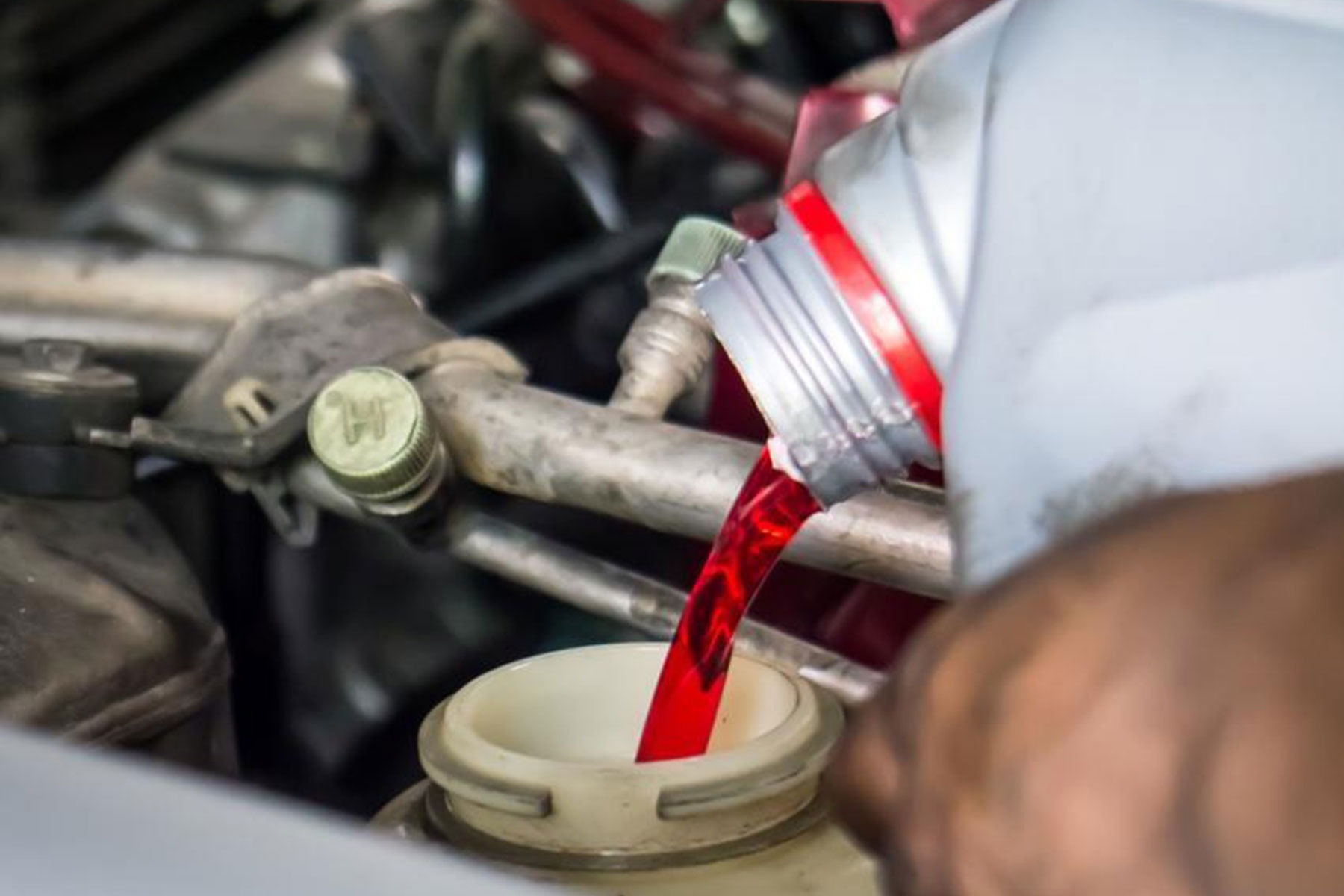
Transmission fluid does much more than lubricate gears. Depending on the transmission design, it also helps transfer hydraulic pressure, control clutch engagement, cool internal components, and maintain smooth gear changes.
That is why delaying transmission service can become an expensive gamble. As fluid ages, it may accumulate microscopic wear particles and lose some of its original protective properties.
Excessive heat can speed up this deterioration, especially in vehicles used for towing, frequent stop-and-go driving, or demanding hill climbs.
Continuously variable transmissions (CVTs) deserve particular care because they rely on fluid formulated for their specific operating requirements. Using the wrong product can interfere with proper operation and cause damage.
Some manufacturers describe certain transmission fluids as suitable for the vehicle’s lifetime. However, that wording does not always mean the fluid will remain in perfect condition under every driving situation.
The correct service schedule depends on the model, transmission type, and manufacturer guidance.
A fluid change at the appropriate interval can help preserve smooth operation and reduce avoidable wear.
Yet a transmission that already slips, shudders, or produces warning messages needs proper diagnosis before any service is approved.
Check your owner’s manual before selecting a replacement interval. A qualified technician can also inspect the fluid and explain whether a drain-and-fill service is suitable for your transmission.
3. Brake Fluid
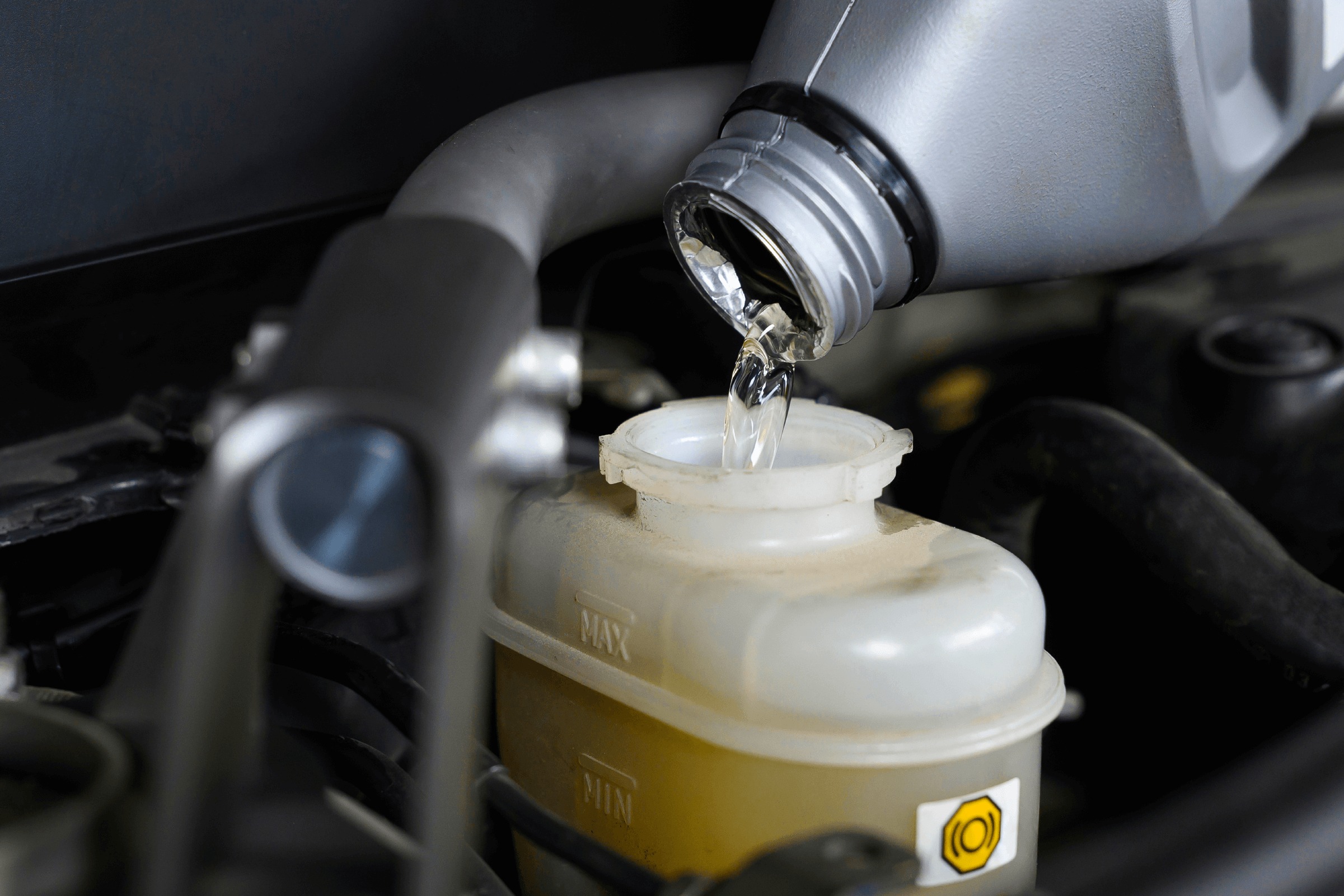
Brake fluid deserves early attention because it directly affects your ability to stop safely. When you press the brake pedal, hydraulic pressure travels through the braking system to operate the brakes at the wheels.
Most conventional brake fluids absorb moisture from the surrounding air. This property, called hygroscopic behavior, means water can gradually enter the fluid through seals, hoses, and other parts of the system. As moisture content rises, the fluid’s boiling point falls.
Under heavy braking, overheated fluid containing excess moisture can form vapor, reducing the system’s ability to transmit pressure effectively.
Drivers may notice a soft or spongy pedal, although that symptom can also point to other brake problems. Moisture can also contribute to corrosion inside hydraulic components, including parts of the anti-lock braking system.
Many manufacturers recommend replacing brake fluid every two to three years, regardless of how many miles the vehicle covers. However, the correct interval varies by model, so consult the owner’s manual.
This is not a fluid to postpone simply because the brakes appear to work normally. Contamination can develop without an obvious change in pedal feel.
If the brake warning light comes on, the pedal feels unusually soft, or braking performance deteriorates, have the vehicle inspected promptly. A routine fluid replacement is not a substitute for diagnosing a possible hydraulic leak or failing component.
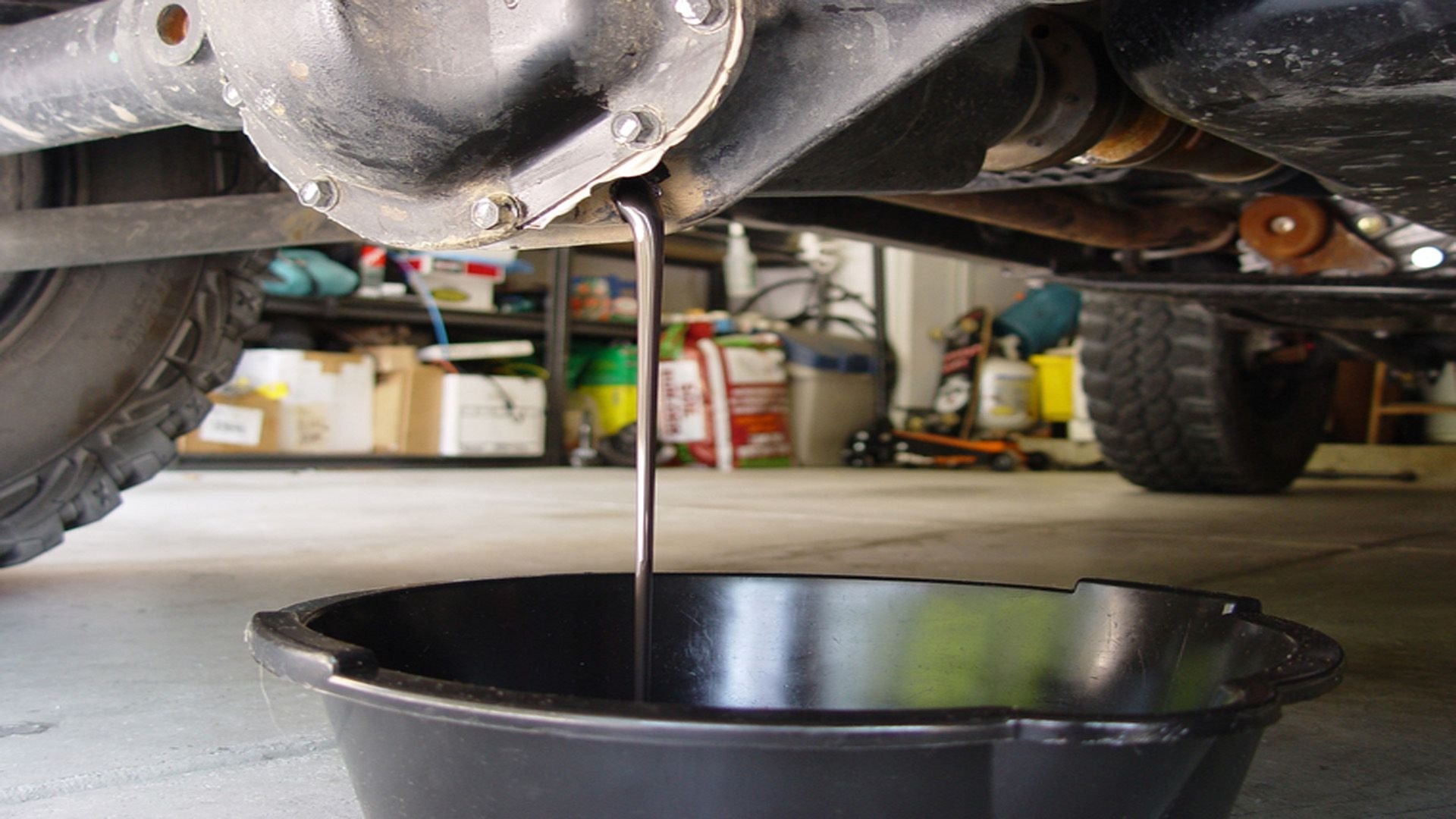
4. Differential / Transfer Case Fluid
Drivers of rear-wheel-drive, four-wheel-drive, and all-wheel-drive vehicles should pay attention to differential and transfer case fluids. These lubricants protect gears and bearings that distribute engine power to the wheels.
Inside a differential, gears operate under substantial pressure. The transfer case in an applicable four-wheel-drive or all-wheel-drive vehicle also contains moving components that need suitable lubrication.
Heat, mechanical loading, and wear particles can gradually affect the condition of these fluids. Early service may be worthwhile after demanding towing, repeated off-road use, or other heavy-duty driving.
Some vehicles also have a specified initial service interval that owners should follow rather than waiting for symptoms to appear.
A fluid change can remove suspended debris and replenish the lubricant’s protective additives. However, it cannot repair worn gears, damaged bearings, or other existing mechanical faults.
Service requirements vary considerably. Some vehicles have separate front and rear differentials, while others have a transfer case with its own fluid specification. Using the wrong lubricant or confusing one reservoir with another can create problems.
What should you do? Review the maintenance schedule for each applicable drivetrain component. If you bought a used SUV without reliable service records, ask a qualified mechanic to inspect the system and determine whether fluid replacement is due.
Owners who tow regularly or use four-wheel drive in demanding conditions should pay particular attention to the severe-service recommendations in their manuals.
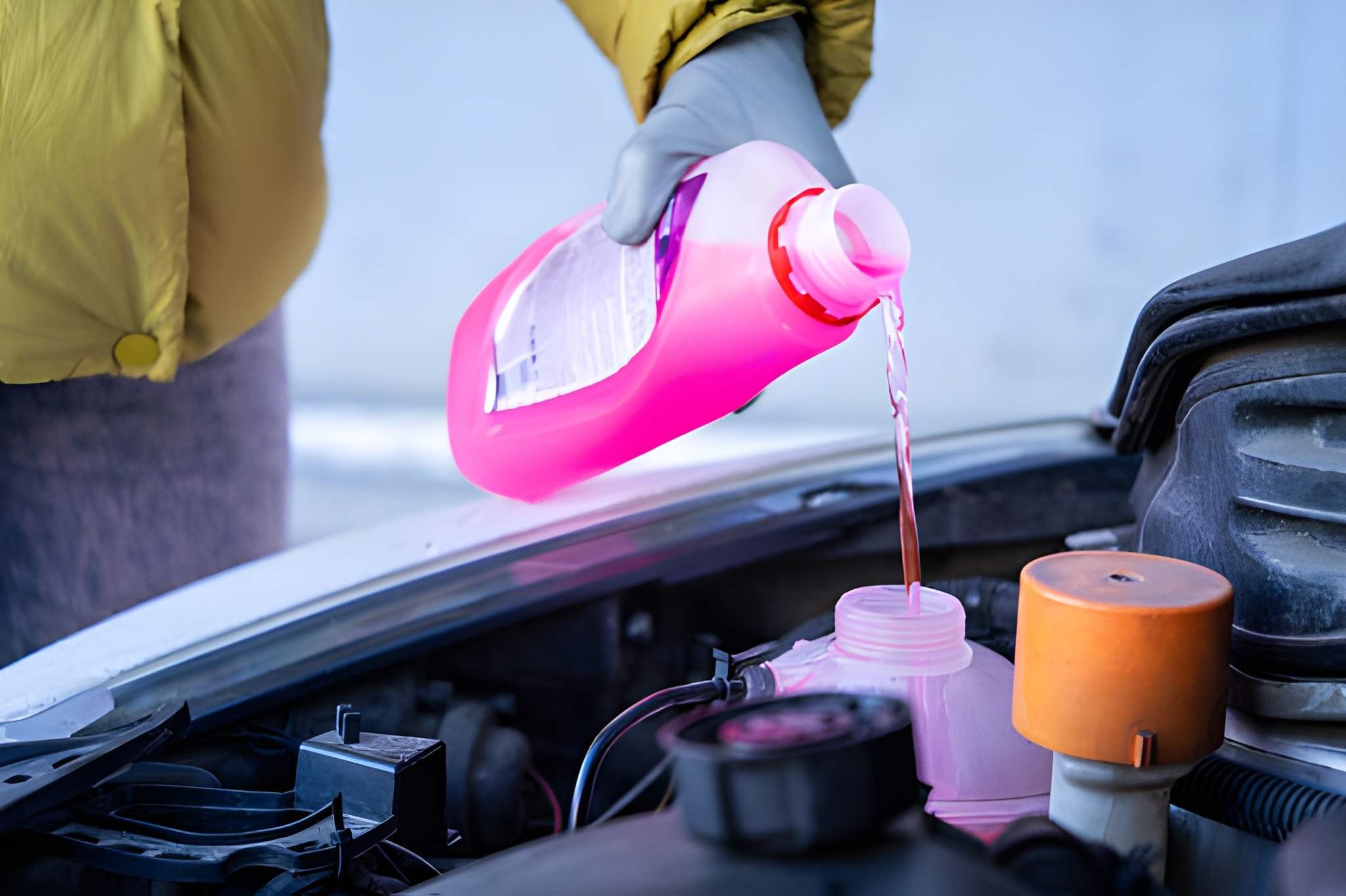
5. Engine Coolant (Antifreeze)
Coolant works in two directions. It keeps the engine from overheating in summer, and it keeps the liquid from freezing in winter. But it also protects metal.
The supplied notes say that as coolant ages, its rust inhibitors degrade, allowing electrolysis to corrode aluminum cylinder heads and radiator cores. Early flushes keep the pH level balanced.
Electrolysis in a cooling system means a small electric current moves through the coolant and attacks metal parts. Healthy coolant contains additives that prevent this. Once the additives wear out, the fluid becomes more acidic and corrosion speeds up.
What are the warning signs? A temperature gauge that climbs, a heater that blows cold, a sweet smell, rusty or cloudy coolant, or leaks under the car. Any of these deserves a prompt check.
Follow your manual’s schedule, which varies widely by coolant type and manufacturer. Some long-life coolants last many years, while others need more frequent changes. Use the specified type, and don’t mix different colors or formulas unless the manual says it’s fine.
For safety, never remove the radiator cap while the engine is hot, as pressurized steam and coolant can cause serious burns. Clean up any spills immediately, since coolant is toxic and its sweet taste can attract pets.
A timely flush is much cheaper than replacing a head or a radiator.
5 Fluids That Can Wait
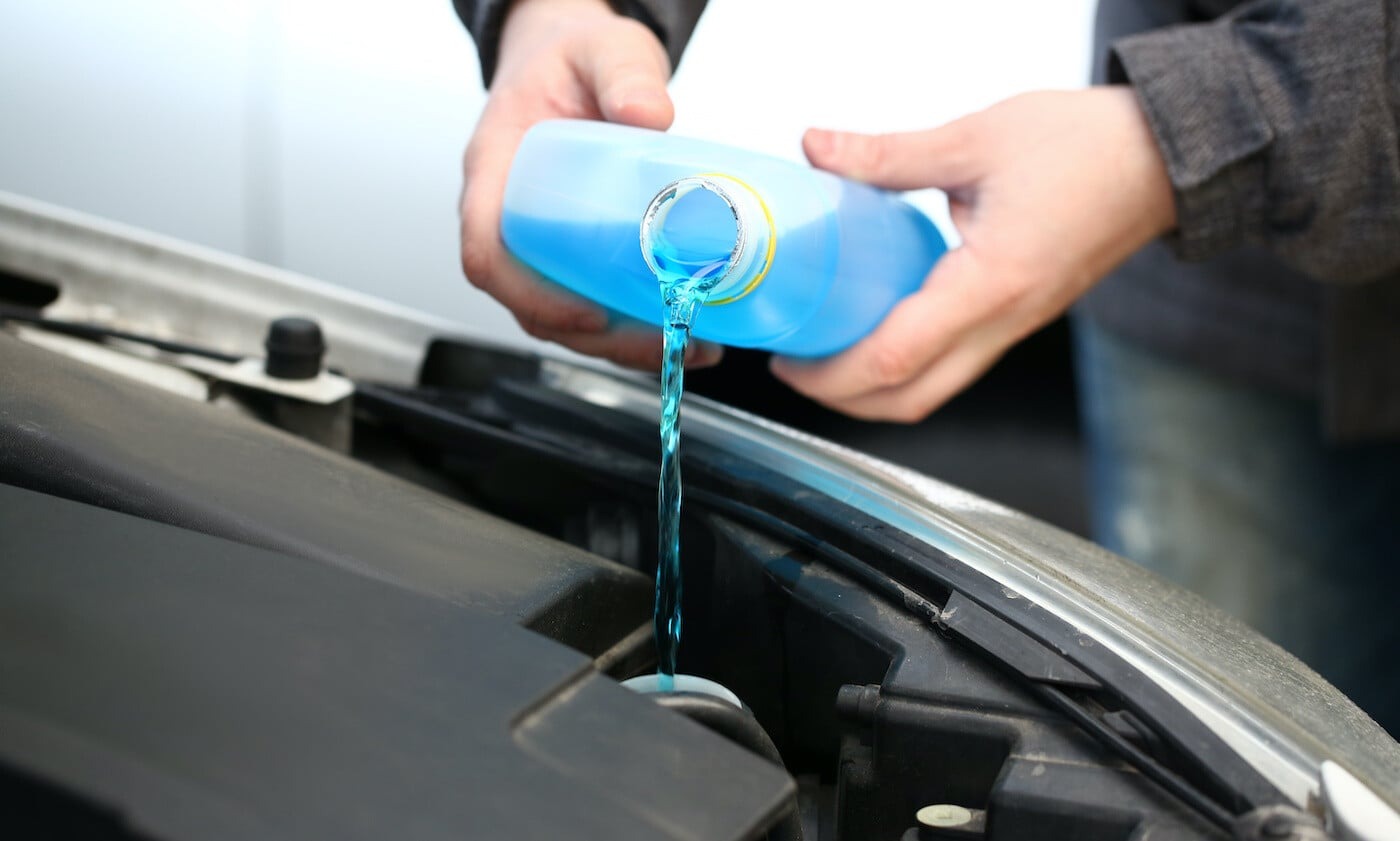
1. Windshield Washer Fluid
Windshield washer fluid is one of the easiest vehicle fluids to manage because it does not lubricate the engine, cool the transmission, or operate the brakes.
Its purpose is to clear dirt, road grime, insects, and other debris from the windshield, helping maintain a clear view of the road.
That means you generally do not need to schedule a full replacement at a particular mileage. When the reservoir runs low, refill it with a suitable washer fluid and make sure the spray nozzles work properly.
The important exception involves cold weather. Water or an unsuitable summer mixture can freeze inside the reservoir, hoses, or nozzles.
A winter-rated formula designed for your expected temperatures can help prevent freezing and keep the system usable when visibility matters most.
Avoid assuming that plain water is an adequate year-round substitute. It may provide limited cleaning performance, and in freezing conditions it can cause damage.
Washer fluid is also different from engine coolant, so never pour antifreeze intended for the cooling system into the washer reservoir.
A weak spray may indicate a blocked nozzle, a damaged hose, or a failing pump rather than a fluid problem.
Check the reservoir when refueling or preparing for a road trip. Keep an appropriate refill container in the garage, and make sure the windshield remains clean enough for safe driving.
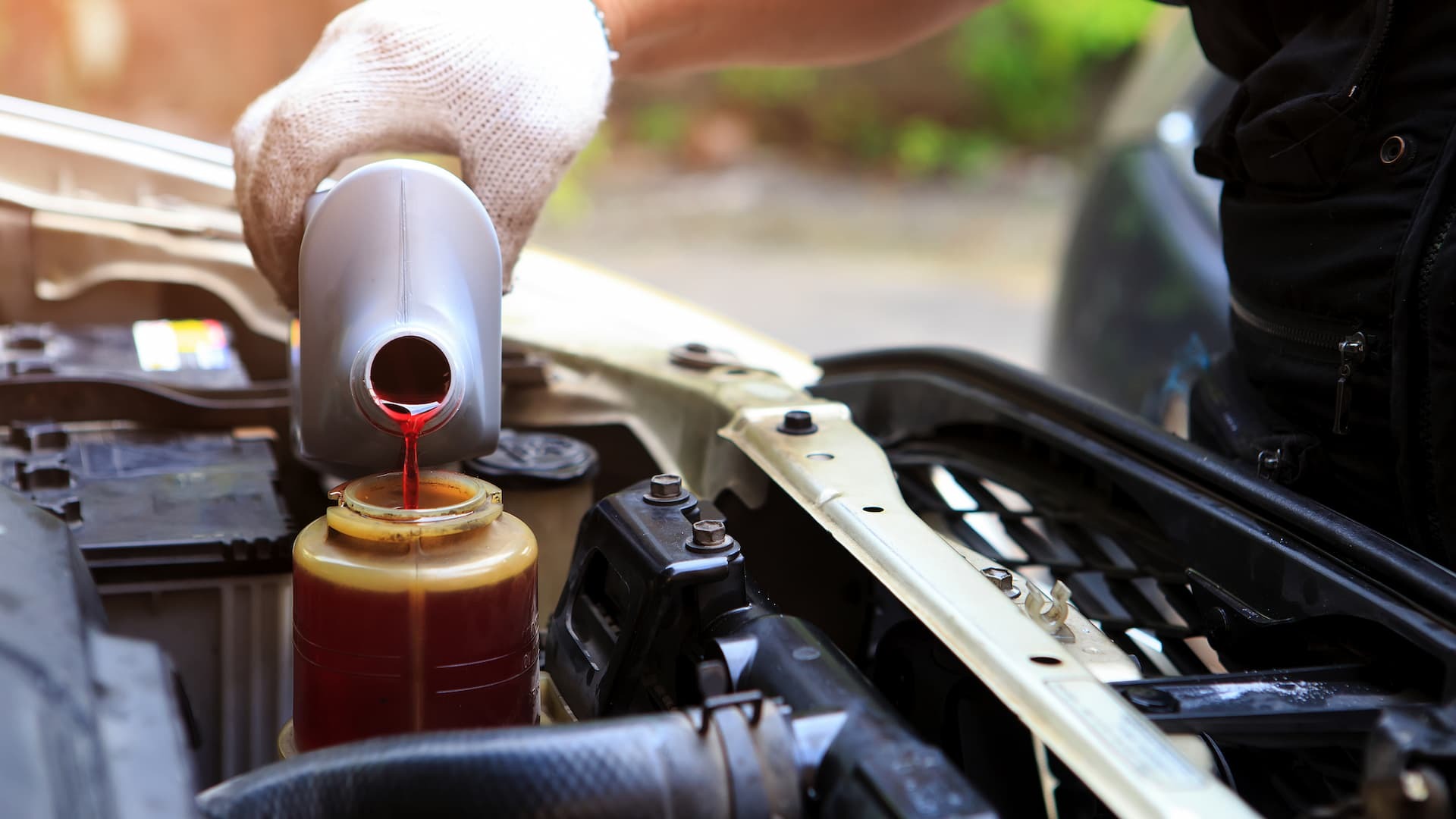
2. Power Steering Fluid
Many modern cars do not use power steering fluid at all. Electric power steering (EPS) relies on an electric motor to help turn the wheels instead of using hydraulic pressure.
If your vehicle has EPS, there is no power steering fluid to check, refill, or replace. Vehicles with hydraulic power steering are different. These systems use fluid to transmit pressure and make steering easier.
Because the fluid circulates through a relatively enclosed system, it may not need early replacement unless it becomes contaminated, breaks down, or the manufacturer recommends servicing it. That makes power steering fluid a lower priority than engine oil or brake fluid.
How can you tell which system your vehicle has? Start by checking the owner’s manual. You can also look under the hood for a reservoir labeled for power steering fluid. If you are unsure, ask a qualified mechanic to identify the system.
Pay attention to warning signs, too. A whining noise when turning the steering wheel, stiff or jerky steering, unusually dark or foamy fluid, and fluid leaks near the front of the vehicle can indicate a problem. These symptoms deserve an inspection rather than simply adding more fluid.
Check the fluid level periodically if your vehicle has a hydraulic system, and use only the fluid specified by the manufacturer. The wrong product can damage seals and interfere with proper operation.
Although an early flush is rarely necessary without a specific reason, some manufacturers prescribe regular replacement. Follow that schedule when applicable.
Avoid paying for a flush your vehicle does not need, but do not overlook fluid leaks, steering issues, or recommended service intervals. Regular maintenance helps protect the steering system and ensures the vehicle continues to handle properly.
3. A/C Refrigerant
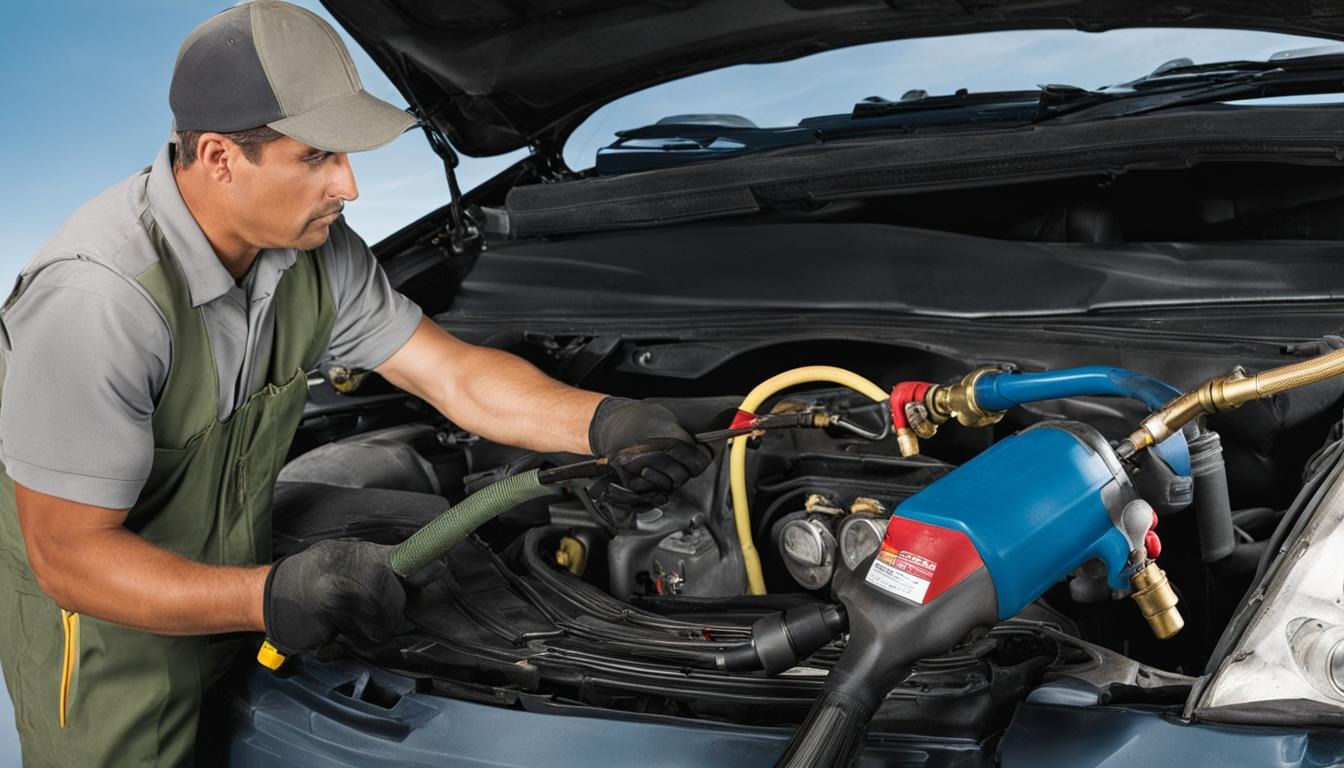
Your car’s air conditioning system uses refrigerant to cool the cabin, but unlike engine oil, this fluid does not need routine replacement. It circulates through a sealed, pressurized system and should not run low under normal conditions. If refrigerant levels drop, a leak may be responsible.
Notice warm air coming from the vents on a hot day? Low refrigerant is one possible cause, but it is not the only one. A failing compressor, electrical fault, blocked condenser, or damaged component can also affect cooling performance.
Simply adding refrigerant without identifying the problem may offer temporary relief without fixing the underlying issue. Adding too much can also interfere with system performance or cause damage.
What should you do instead? Have a qualified technician inspect the system, check its operating pressures, and use suitable leak detection methods when necessary.
In the United States, technicians servicing motor vehicle air conditioning systems for payment must meet the applicable EPA Section 609 certification requirements for refrigerant handling.
You can also help maintain the system by running the air conditioning periodically throughout the year, including during colder months when conditions permit. Follow your vehicle manufacturer’s guidance, particularly when temperatures are very low.
The good news is that A/C refrigerant has no standard replacement interval. You generally need to address it only when testing identifies a problem or service is required.
Think of refrigerant as part of a sealed system, not a consumable that needs regular topping off. Proper diagnosis and timely leak repairs can help keep your air conditioning working efficiently.
4. Clutch Fluid (Manual Transmissions)
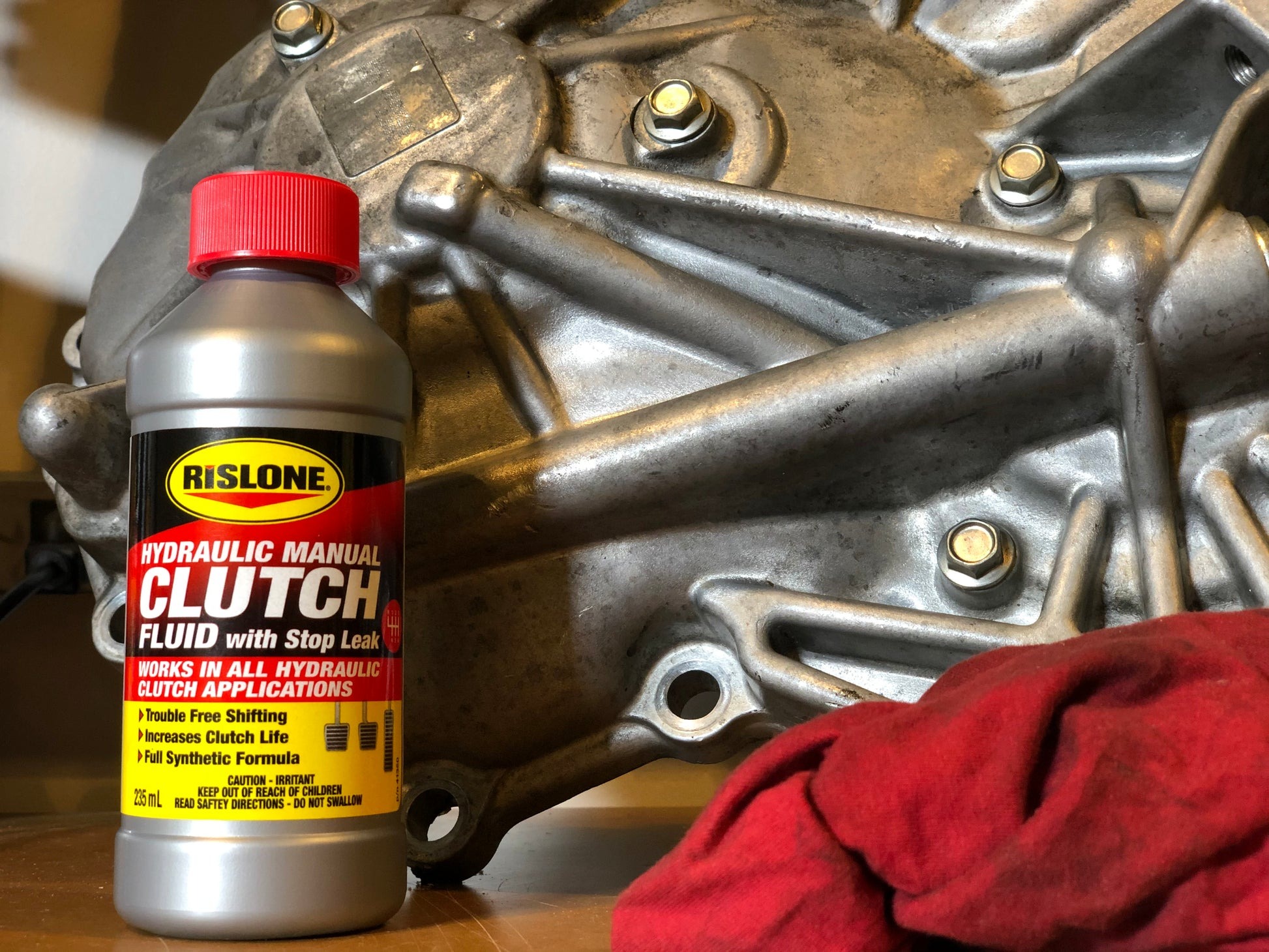
In many vehicles with manual transmissions, clutch operation relies on hydraulic fluid to transfer pressure from the clutch pedal to the release mechanism. Some systems share a reservoir with the brakes, while others use a separate reservoir.
Although clutch fluid may be exposed to less intense heat than brake fluid, it can still absorb moisture and become contaminated. Rubber seals can wear, and internal corrosion may develop if maintenance is neglected for too long.
That is why clutch fluid should not be ignored indefinitely. The more accurate distinction is that it may not require an extra, early change beyond the manufacturer’s prescribed schedule, rather than that it never needs replacement.
A clutch pedal that feels unusually soft, sticks, or fails to return properly deserves inspection. Difficulty selecting gears can also indicate a hydraulic problem, although worn clutch parts or transmission issues may cause similar symptoms.
Where the clutch and brake systems share a reservoir, maintaining the specified fluid condition is especially important. Do not assume that servicing one system automatically means every other hydraulic component has been checked.
Consult the owner’s manual for the correct fluid and replacement interval. If your vehicle has a separate clutch reservoir, check its level according to the manufacturer’s instructions.
A leak or sudden change in pedal behavior calls for diagnosis rather than simply adding fluid and continuing to drive.
5. Battery Electrolyte (Distilled Water)
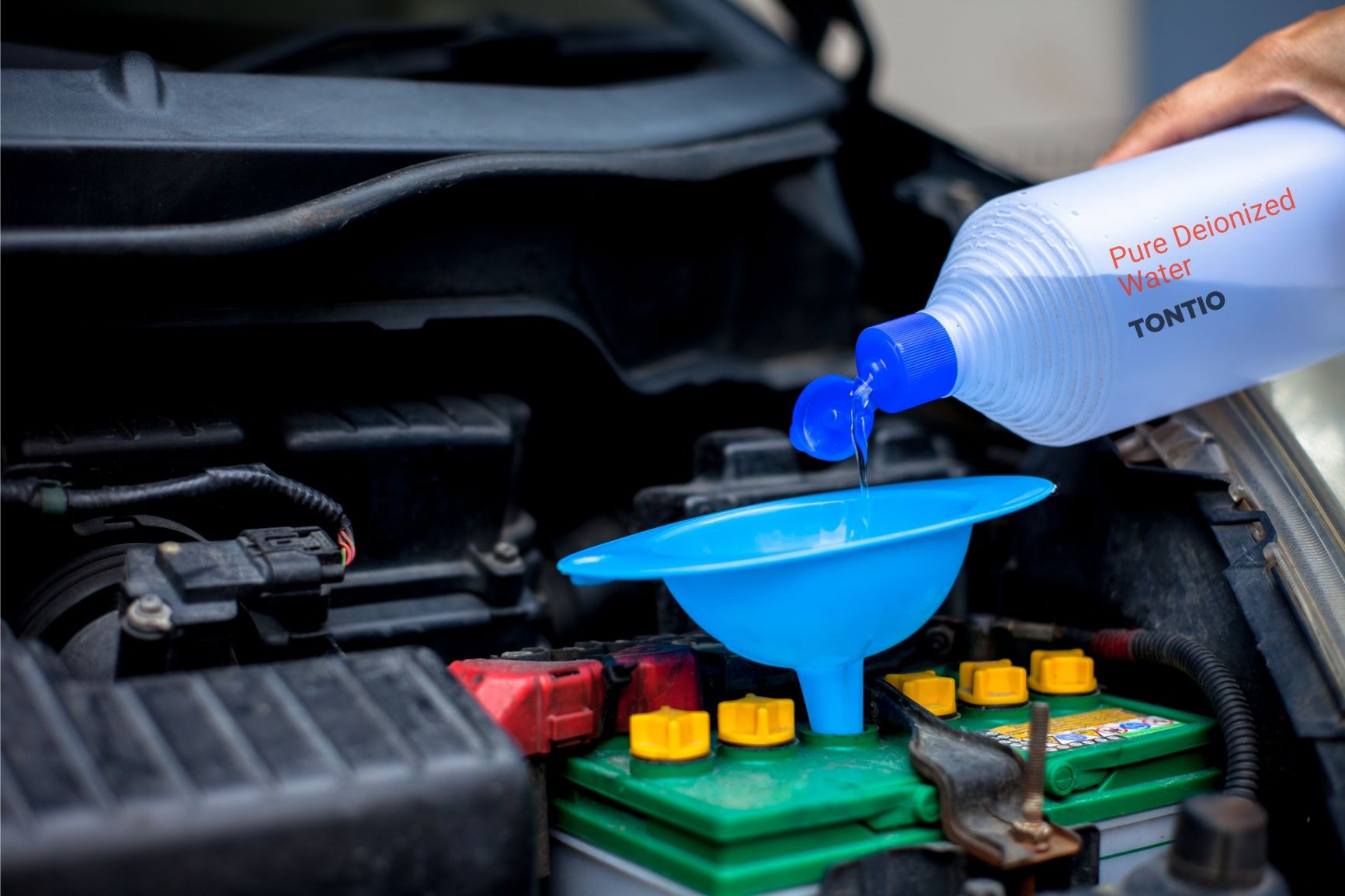
Battery electrolyte maintenance applies mainly to older, serviceable lead-acid batteries with removable vent caps. Many newer vehicles use sealed batteries or AGM designs that are not intended for routine water top-ups.
In a serviceable battery, water can be lost during charging and normal operation. When the manufacturer permits maintenance, checking electrolyte levels periodically and adding distilled water when required can help keep the battery functioning correctly.
This does not mean the battery needs a scheduled fluid flush. The electrolyte is part of the battery’s chemical system, and draining or replacing it without an appropriate repair procedure can create hazards and damage the battery.
Never open a sealed battery to add water. Doing so can expose you to corrosive electrolyte and may compromise the battery’s design. Battery charging can also produce flammable hydrogen gas, so sparks, flames, and careless handling must be avoided.
If a battery repeatedly loses charge, has a cracked case, leaks, or shows signs of damage, topping it up is not an adequate fix. The battery and its charging system may need professional testing.
Before doing anything, confirm that your battery is designed for user maintenance and read its instructions. If distilled water is permitted, use only the specified amount and take suitable protective precautions.
For sealed or maintenance-free batteries, focus on terminal condition, secure mounting, and testing when performance declines.