

Shopping for a used car can feel like searching for treasure in a minefield. Every buyer dreams of finding that perfect low-mileage gem sitting on a dealer’s lot. The odometer reads beautifully low numbers, and the price seems reasonable. It looks like the deal of a lifetime.
But here is the hard truth that most buyers never hear. Low mileage does not automatically mean low risk. A car with 20,000 miles on the clock can hide more problems than one with 120,000 miles driven by a careful owner. Numbers on a dashboard tell only one small part of a much bigger story.
Age, storage conditions, maintenance history, and previous ownership all play enormous roles in a vehicle’s true condition. A car that sat in a garage for eight years barely driven is not the same as one used daily and serviced regularly. Rubber degrades. Seals dry out. Fluids break down over time regardless of how far the car has traveled.
This guide breaks down ten critical reasons why a low-mileage used car could still burn a hole in your wallet. Read every point carefully before you sign anything. Your bank account will thank you for it.
1. The Car May Have Been Sitting Idle for Years
Low mileage often tells a surprising story. It usually means the car was not driven much, which sounds ideal at first glance. But a vehicle that sits unused for long periods suffers in ways most buyers never consider. Inactivity is quietly one of the worst enemies of any automobile.
When a car sits still, moisture begins to build up in places it should never reach. Fuel lines, brake lines, and cooling system hoses all absorb humidity over time. This internal moisture creates rust and corrosion deep inside components that are expensive and difficult to replace. You cannot see this damage during a casual inspection at the dealership.
Rubber components are especially vulnerable to long periods of inactivity. Tires develop flat spots from sitting in one position for months or years. Brake hoses crack and become brittle without regular flexing from normal driving. Seals around the engine and transmission dry out and begin leaking long before they should. These are not minor cosmetic issues.
The battery suffers tremendously when a vehicle sits unused. A car battery that repeatedly drains and sits dead loses its ability to hold a proper charge permanently. Even if a seller charges it before showing you the car, it may fail completely within weeks of purchase. Replacing a battery is cheap, but it signals deeper electrical neglect.
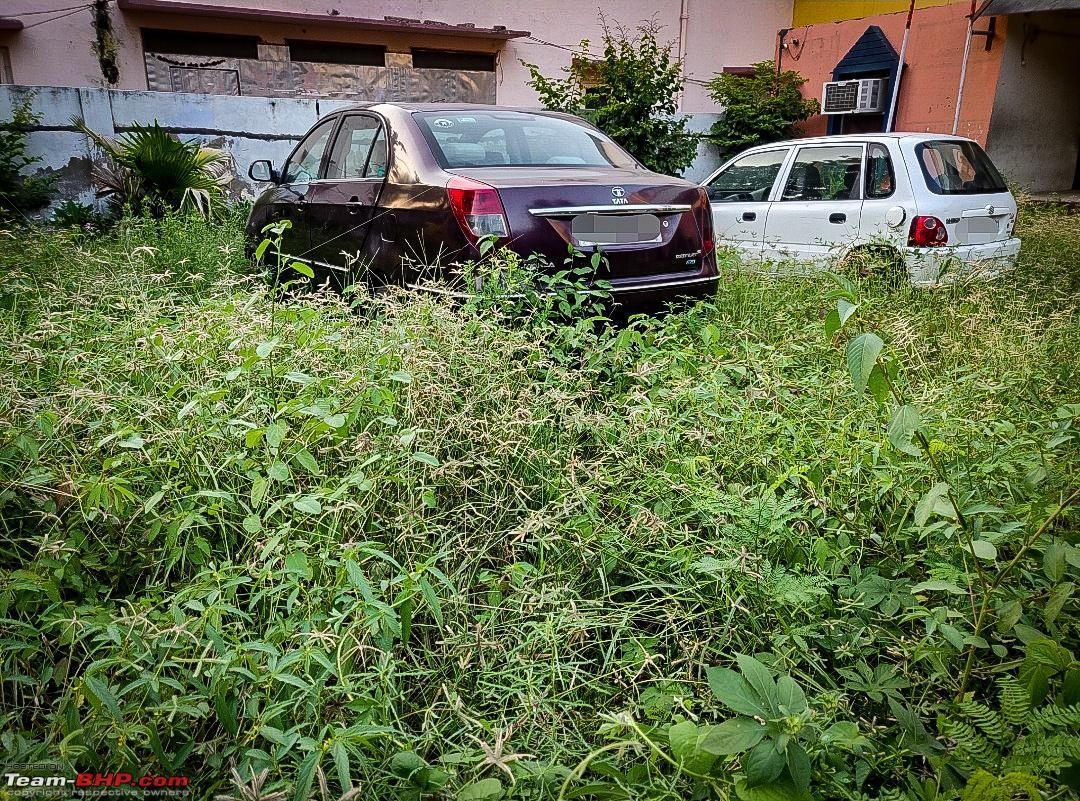
Engine internals also pay a heavy price for long-term storage. Oil settles and separates when it sits motionless for extended periods. The thin protective film that coats engine components evaporates over time without regular circulation. When the engine finally starts after months of dormancy, those unprotected metal surfaces grind against each other, causing microscopic but cumulative damage.
Fuel systems in modern cars are particularly sensitive to inactivity. Gasoline breaks down chemically after sitting for more than a few months. It forms a thick varnish-like residue that clogs fuel injectors, fuel filters, and even the fuel pump itself. This invisible contamination can cause rough running, poor fuel economy, and costly repairs almost immediately after purchase.
The cooling system also deteriorates without use. Antifreeze breaks down over time regardless of mileage. Old coolant becomes acidic and begins eating away at metal components inside the radiator, water pump, and heater core. A low-mileage car that has never had its coolant changed is a ticking time bomb for overheating problems.
Brake systems are another serious concern in long-dormant vehicles. Brake rotors develop surface rust quickly when a car sits outside or even in a damp garage. More dangerously, brake calipers can seize in place when unused for extended periods. A seized caliper creates uneven braking, excessive heat, and potentially catastrophic brake failure in an emergency. Always inspect brakes thoroughly before buying any low-use vehicle.
2. Odometer Fraud Is More Common Than You Think
Odometer fraud remains one of the oldest tricks in the used car trade. Millions of vehicles worldwide have had their mileage illegally rolled back to inflate perceived value. Digital odometers made many buyers feel safer, but modern tools have made tampering with electronic displays surprisingly easy for dishonest sellers. Never assume the number you see is the number that is true.
The financial motivation behind odometer fraud is enormous. Reducing the displayed mileage by just 20,000 miles can increase a vehicle’s sale price by thousands of dollars. Sellers know that buyers instinctively trust low numbers and ask fewer questions. This simple deception generates massive profits for unscrupulous dealers and private sellers operating without oversight.
Professional odometer rollback equipment is widely available online. Devices that plug directly into a car’s diagnostic port can reprogram the mileage displayed on the cluster within minutes. The process leaves no physical evidence visible to the naked eye. Unless you specifically know what digital traces to look for, this fraud is almost impossible to detect without professional help.
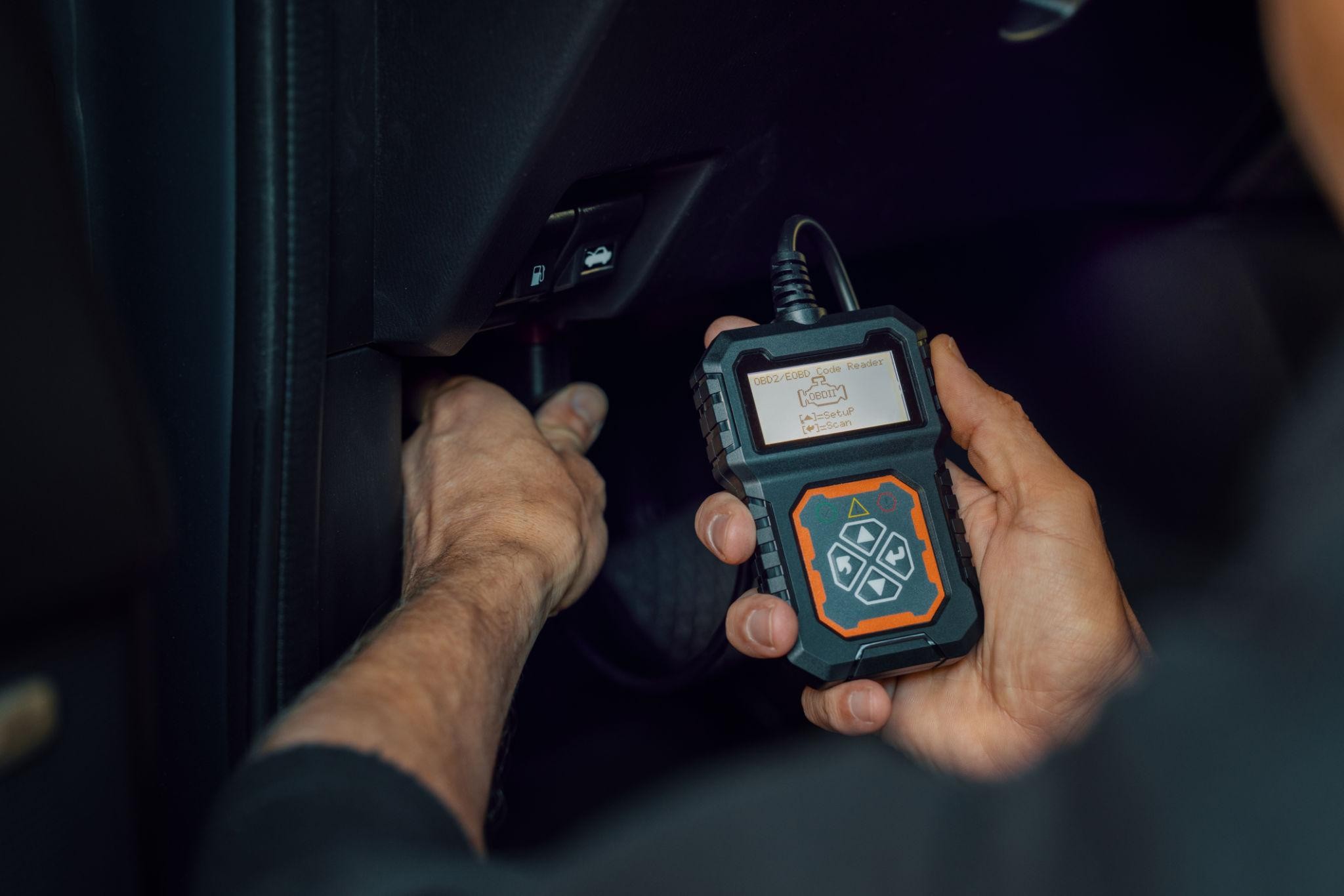
There are warning signs you should always check carefully. Excessive wear on the steering wheel, driver’s seat, and floor pedals that does not match the stated mileage is a major red flag. A steering wheel rubbed smooth with cracked leather does not belong on a car supposedly driven only 25,000 miles. Your eyes and hands can sometimes catch what the odometer is hiding.
Service records are one of the most powerful tools against odometer fraud. Every time a car visits a mechanic, the mileage is typically recorded on the work order. Comparing multiple service records over time reveals whether the numbers are consistent or suspiciously inconsistent. Missing or incomplete service documentation should always raise immediate concern.
Vehicle history reports through trusted providers give another layer of protection. These reports collect mileage data from insurance companies, service centers, registration records, and inspection stations. A dramatic drop in recorded mileage between two report entries is a clear indication of tampering. Always pay for a full history report before purchasing any used vehicle.
Law enforcement agencies take odometer fraud seriously as a criminal offense. But by the time fraud is discovered, the buyer is often already stuck with a car worth far less than what they paid. Prevention through thorough research is far better than pursuing legal action after the fact. Trust your instincts and verify every number independently.
3. The Vehicle May Have a Flood or Water Damage History
Water damage is among the most deceptive and destructive problems a used car can carry. Flood-damaged vehicles are cleaned, dried, and often repainted to look completely normal.
Insurance companies total out these vehicles after floods, but many re-enter the used car market through less regulated channels. The cosmetic restoration can be so convincing that even experienced buyers are fooled.
The electrical system in a modern vehicle is extraordinarily complex. Hundreds of sensors, modules, wiring harnesses, and control units run throughout every inch of the car.
When floodwater saturates these components, corrosion begins immediately and never truly stops. Electrical gremlins from water damage can cause random warning lights, malfunctioning safety systems, and complete component failures months or years after the initial event.
Airbag systems are particularly vulnerable to water contamination. Moisture inside airbag control modules can cause false deployments or complete failures during an actual crash. A malfunctioning airbag system is not an inconvenience. It is a direct threat to the life of the driver and every passenger in the car during an accident.
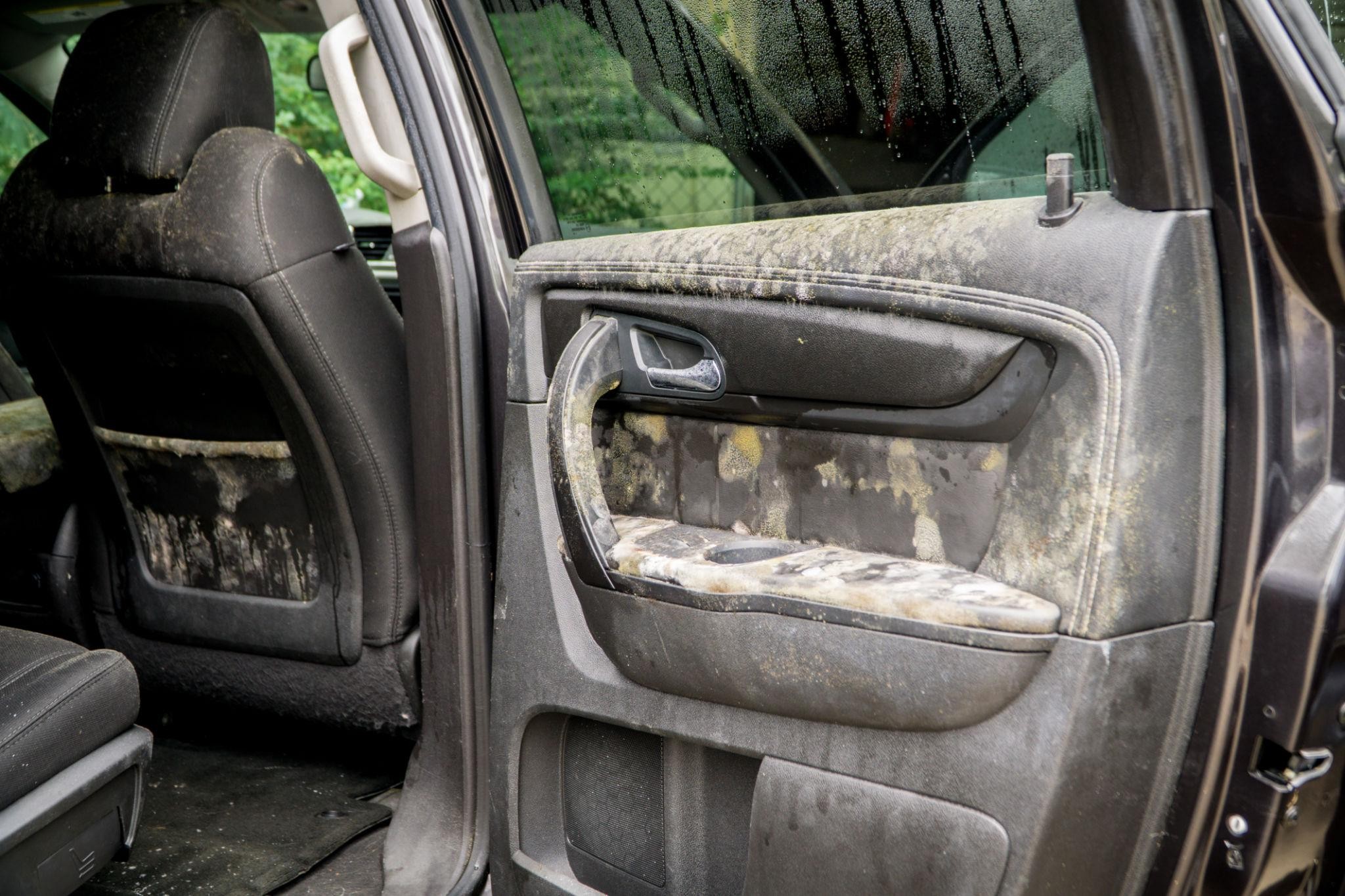
The smell is often the first clue buyers miss. A musty, moldy, or unusually strong air freshener scent inside the cabin suggests water intrusion. Sellers often drown the interior in synthetic fragrances to mask the unmistakable odor of mold and mildew. Trust your nose during any used car inspection. If something smells wrong, walk away without hesitation.
Physical evidence of water damage hides in specific locations. Check under floor mats for soggy or stained carpeting. Inspect the trunk for watermarks or rust that does not match the car’s age.
Look at the seat rails and door sill plates for mud residue or unusual rust patterns. Water always leaves physical traces for those who know exactly where to look.
Rust inside the engine bay tells a revealing story. Look at the undersides of electrical connectors, battery terminals, and mounting brackets for unusual corrosion.
Flood water carries sediment and chemicals that accelerate rust in places that never see moisture in a properly maintained vehicle. A quick look under the hood with a flashlight can reveal months of hidden damage in seconds.
The air conditioning system is another casualty of flood damage. Water that enters the blower motor and evaporator core creates mold colonies that circulate throughout the cabin every time the AC runs.
This is a serious health hazard beyond just being unpleasant. Replacing a contaminated HVAC system is extremely expensive and labor-intensive on most modern vehicles.
4. Poor Maintenance History Can Wreck Any Engine
A car driven 20,000 miles with no oil changes is in far worse condition than a car driven 100,000 miles with perfect service records. Maintenance frequency matters infinitely more than mileage numbers alone.
Neglected service intervals cause damage that accumulates invisibly and expensively over time. A pretty odometer reading means nothing if the engine has been abused since day one.
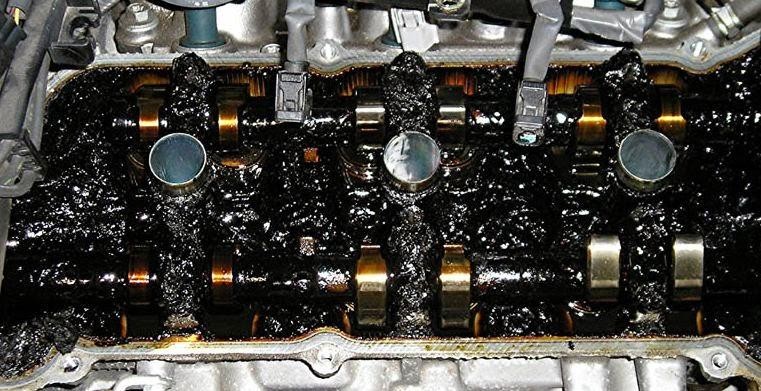
Engine oil is the lifeblood of every internal combustion engine. Oil lubricates thousands of moving metal parts and carries heat away from critical components.
When oil is changed infrequently, it breaks down into a thick sludge that coats internal passages and restricts flow. This sludge buildup accelerates wear on bearings, pistons, and cylinder walls in ways that cannot be reversed without a complete engine rebuild.
Timing belt and chain services are among the most important and most ignored maintenance items. Many engines use a timing belt that must be replaced at specific mileage or time intervals, regardless of how the car looks or sounds.
A timing belt failure is catastrophic on most engines, bending valves and destroying the engine instantly. Low mileage does not extend the life of this rubber component if years have passed since installation.
Transmission fluid is another commonly neglected item that causes massive problems. Automatic transmissions in particular require fresh fluid to maintain proper shifting and internal hydraulic pressure.
Old, burned transmission fluid turns dark and loses its lubricating properties rapidly. Transmission rebuilds or replacements routinely cost between two and four thousand dollars, making this one of the most expensive consequences of maintenance neglect.
Coolant flushes are often skipped by owners who rarely drive their cars. Old coolant becomes acidic and begins corroding aluminum engine components, radiators, and heater cores from the inside.
This corrosion is invisible until a component fails catastrophically. A cracked heater core floods the cabin with coolant. A corroded radiator leaves the driver stranded on the side of a highway.
Spark plugs and air filters seem minor, but they have a surprisingly large impact on engine health. Worn spark plugs cause misfires that put raw fuel into the exhaust system, eventually damaging the catalytic converter.
A clogged air filter starves the engine of oxygen and increases fuel consumption. Both issues compound over time and lead to expensive downstream repairs that far exceed the cost of the original service.
Brake fluid absorbs moisture from the atmosphere continuously over time. Old, moisture-saturated brake fluid boils at a much lower temperature than fresh fluid.
This causes brake fade during heavy braking, which is a genuinely dangerous condition on steep hills or in emergency stopping situations. Checking and replacing brake fluid is cheap and simple, but many low-mileage car owners never bother because the car rarely gets driven hard.
Also Read: 8 Trucks With Spare Tire Locations That Take 30 Minutes to Reach
5. Hidden Accident Damage Can Compromise Structural Safety
Modern vehicles are engineered with sophisticated crumple zones and safety cages designed to protect occupants in a collision. These structural elements work perfectly once.
After a significant impact, the metal is permanently deformed even after professional repair. A car that has been in a serious accident carries a compromised safety structure that no body shop can fully restore to factory specification.
Frame damage is the most serious structural concern. Unibody vehicles, which make up the majority of modern cars, do not have a separate frame that can be simply replaced.
The entire floor pan, firewall, and pillar structure form one integrated safety system. Straightening a bent unibody with frame pulling equipment changes the metal’s crystalline structure permanently. The repaired section is weaker than it was originally designed to be.
Airbag deployment is a critical detail that many buyers overlook entirely. When airbags deploy in an accident, the entire supplemental restraint system must be replaced, not just the bags themselves.
This includes sensors, modules, seat belt pretensioners, and clockspring components throughout the vehicle. Sellers sometimes replace only the visible airbag covers while leaving old or non-functional components behind to save money.
Vehicle history reports catch declared accidents but miss unreported ones. Many minor and moderate accidents are never reported to insurance companies. Private repairs paid out of pocket leave no digital record anywhere.
A car that was rear-ended in a parking lot and quietly fixed at a cousin’s body shop appears spotlessly clean on every online history report. Physical inspection is the only way to catch these invisible accidents.
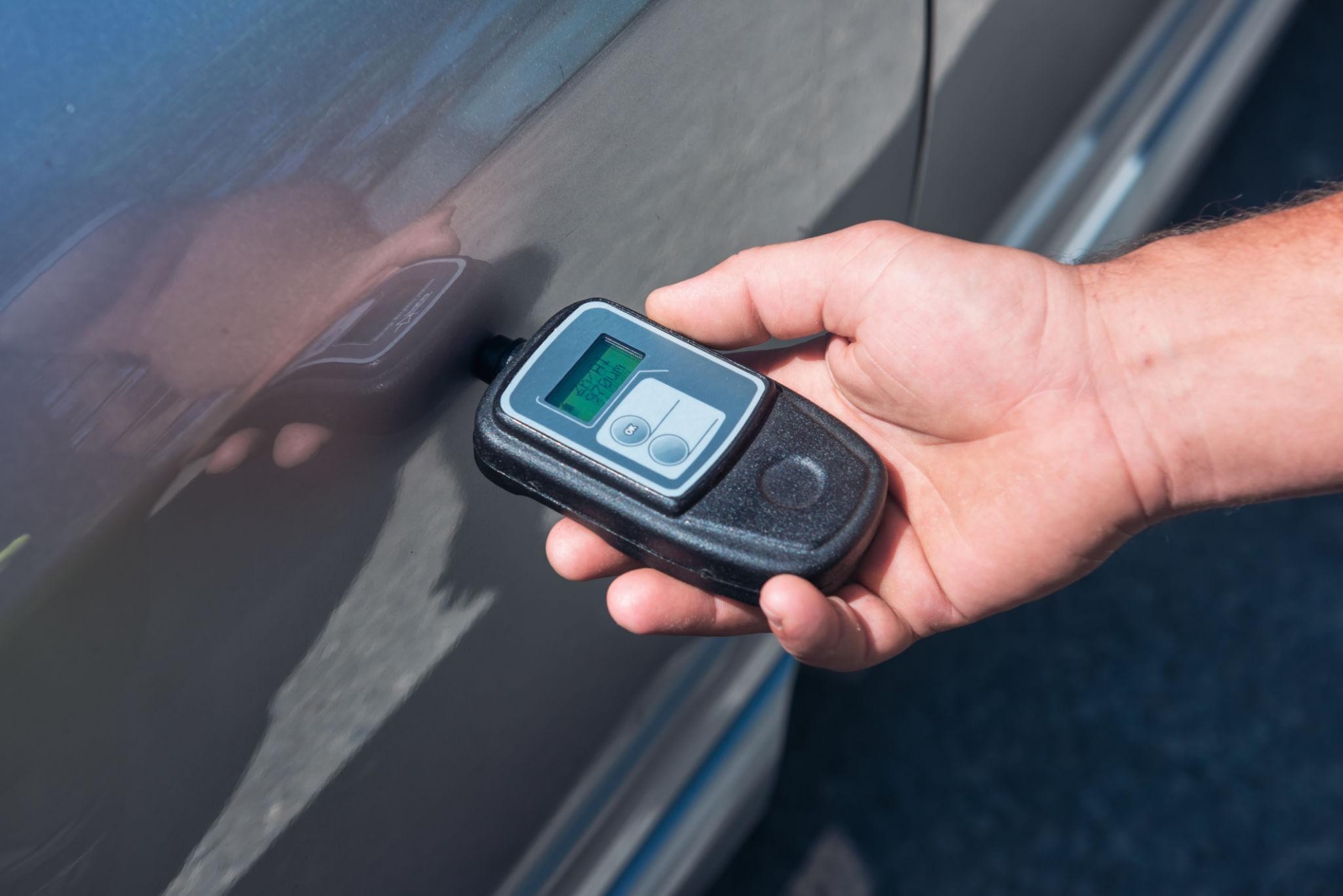
Paint thickness gauges are one of the most powerful inspection tools available. Professional inspectors use these inexpensive devices to measure paint depth on every panel.
Factory paint applies at a consistent thickness across all original body panels. Repainted panels show significantly higher readings because body filler and primer layers add measurable depth. A few minutes with a paint gauge can reveal every panel that has been repainted after a collision.
Wheel alignment and suspension geometry suffer permanently from even moderate impacts. A car that pulls to one side, wears tires unevenly, or vibrates at highway speed may have sustained suspension damage that was never properly addressed.
These issues accelerate tire wear, reduce handling precision, and put unnecessary stress on steering components. A professional wheel alignment check before purchase can reveal hidden collision damage quickly.
6. The Price Might Still Be Too High for What You Are Getting
Low mileage does not automatically justify a premium price on a used vehicle. Sellers know that buyers associate low mileage with high value, and they price their vehicles accordingly. But depreciation follows time as much as it follows miles. A ten-year-old car with 20,000 miles has still aged ten years regardless of how little it was driven.
Age-related depreciation affects every vehicle regardless of odometer readings. Plastics fade, crack, and become brittle over time. Paint oxidizes under ultraviolet light from years of sun exposure. Electronic components develop intermittent faults simply because semiconductor materials degrade over decades. These problems exist in low-mileage cars the same as high-mileage ones, but sellers rarely price them accordingly.
Market research is the most powerful weapon a buyer has. Checking multiple listing platforms for comparable vehicles in similar condition gives a clear picture of fair market value. A low-mileage vehicle priced significantly above similar examples deserves serious scrutiny. No single vehicle feature, including low mileage, justifies paying thousands above what the broader market reflects.

Negotiation is both a right and an expectation in the used car market. Sellers list cars at prices with room to negotiate built in. Coming to a negotiation armed with comparable market data puts the buyer in a position of strength. Pointing to similar vehicles at lower prices forces sellers to justify their premium or reduce it. Never accept the first price without a counteroffer.
Certified pre-owned programs occasionally offer genuine value for premium prices. But many dealer-branded certification programs are largely marketing exercises with minimal actual inspection depth.
Reading the fine print of any certification warranty reveals exactly how comprehensive the coverage truly is. Some programs cover virtually nothing beyond the basic powertrain and leave buyers paying a premium for very limited protection.
Hidden fees can push the total transaction cost far beyond the listed price. Documentation fees, dealer preparation fees, advertising recovery fees, and various add-on protection products quickly add hundreds or thousands to the final bill.
A car priced attractively on the lot sometimes ends up costing significantly more by the time all fees appear in the finance office. Always ask for a full-out-the-door price before serious negotiation begins.
7. The Car Might Be a Lemon With a Manufacturer Defect
Some vehicles leave the factory with defects that no amount of careful ownership can prevent or repair. These are not maintenance issues or accident-related problems.
They are fundamental engineering or manufacturing flaws that affect specific models, years, or production batches. Low mileage does not protect a buyer from inheriting a vehicle with a known problematic history built into its DNA.
Manufacturer recalls are issued when safety defects are confirmed across large numbers of vehicles. Some recalls are minor and easily remedied at any dealership for free.
Others involve serious safety systems like steering, brakes, or fuel delivery that can cause accidents or fires. Checking the National Highway Traffic Safety Administration database with a vehicle’s VIN number reveals every open recall that has not yet been completed. Buying a car with open safety recalls is an avoidable and serious mistake.
Consumer reports and automotive reliability databases compile years of ownership data from millions of drivers. Certain model years of otherwise reputable brands consistently appear at the bottom of reliability rankings due to specific component failures.
An engine that burns oil excessively, a transmission that shudders at low speeds, or a differential that fails prematurely are all known issues on specific vehicles. Research always reveals these patterns before a purchase, not after.

Technical service bulletins differ from recalls in an important way. They address known issues acknowledged by the manufacturer but not classified as safety-critical enough for a mandatory recall.
These bulletins instruct dealers on how to remedy specific problems that owners experience. A car with dozens of open technical service bulletins related to its engine or transmission is telling a story that every buyer should hear before signing a purchase agreement.
Some vehicles have inherently expensive maintenance requirements that catch owners completely off guard. Certain European luxury vehicles require specialized tools and proprietary parts that only dealerships can supply.
A low-mileage BMW or Mercedes may look affordable on the sticker but come with service costs that exceed the purchase price over the following few years. Understanding the total cost of ownership before buying prevents extremely unpleasant financial surprises.
Class action lawsuits and widespread owner complaints on dedicated forums reveal patterns that official channels sometimes do not. Searching for a specific model and year alongside terms like complaints or problems on automotive forums often surfaces recurring issues that thousands of owners have reported.
This crowd-sourced knowledge is invaluable and completely free. Taking thirty minutes to research a specific model before purchase can save years of frustration and expense.
8. Insurance and Registration Costs May Surprise You
The purchase price of a used car is only the beginning of its true financial burden. Insurance premiums, registration fees, and ongoing costs vary dramatically between vehicles.
A low-mileage luxury or sports car may carry insurance premiums that make the monthly cost of ownership completely unaffordable, even if the purchase price seemed reasonable. Calculating total ownership cost before buying prevents extremely painful budget surprises.
Insurance companies calculate premiums based on multiple factors beyond just the driver’s record. The vehicle’s make, model, year, engine size, and repair cost profile all influence the monthly premium significantly.
Luxury vehicles with expensive parts and specialized repair requirements cost far more to insure than economy vehicles. A car that seems affordable to purchase may generate insurance bills that dwarf what a newer, safer economy vehicle would cost.
Sports cars and performance vehicles carry dramatically higher insurance rates than standard passenger cars. Young drivers or those with any prior incidents on their record will find insuring a high-performance vehicle nearly impossible to afford.
Getting an insurance quote for the specific vehicle before finalizing any purchase is not optional. It is an absolutely essential step that should happen before signing any paperwork.

Registration fees in many regions are calculated based on vehicle value or weight. A low-mileage car with high market value generates higher annual registration costs than a comparable high-mileage vehicle of lower assessed value.
In some states and countries, these fees are substantial enough to meaningfully impact monthly ownership costs. Research your local registration fee structure and apply it to any vehicle you are seriously considering.
Import vehicles or vehicles originally sold in other markets sometimes face unique regulatory challenges. Emissions compliance, safety standard differences, and parts availability can create costs and complications that buyers never anticipate.
A low-mileage imported vehicle may require expensive modifications to pass local inspections. What looks like a bargain on the surface can transform into an endless money pit with unusual regulatory requirements.
Gap insurance becomes particularly relevant for used car purchases financed through a loan. If a low-mileage car is financed at a value above its actual worth and is then totaled in an accident, regular insurance pays only actual market value.
The remaining loan balance becomes the buyer’s personal financial obligation regardless of the accident. Gap insurance covers this difference and costs relatively little compared to the financial exposure it eliminates.
9. The Seller Might Be Hiding the Real Reason It Was Sold
Understanding why a vehicle is being sold often reveals more than any inspection ever could. People sell cars for all kinds of reasons, but honest sellers are always willing to explain their motivation openly.
Vague answers, changing stories, or obvious discomfort with questions about the sale reason are significant warning signs. A trustworthy seller has nothing to hide and everything to gain from transparency.
Private sellers frequently omit critical information about known problems with the vehicle. Consumer protection laws vary widely, and many private sales occur under an as-is principle that gives buyers very limited legal recourse after the transaction closes.
A seller who knows the transmission is about to fail has financial motivation to sell quickly before the problem becomes undeniable. Their urgency to close the deal quickly is often the clearest warning sign available.
Dealers selling low-mileage vehicles on behalf of estates or auctions sometimes have genuinely limited knowledge about the car’s history. But dealers who acquired the vehicle through a trade-in have full access to whatever information the previous owner disclosed. Questions about the trade-in history, the reason for trade-in, and any complaints noted during the dealer’s inspection deserve direct and complete answers.
Recently serviced vehicles deserve both appreciation and suspicion in appropriate measure. A seller who just replaced all four tires, installed a new battery, and performed a full service right before listing the car may be acting responsibly.
Alternatively, they may be masking obvious problems that would deter buyers during a test drive. Asking for all receipts from recent repairs and verifying the work was done professionally costs nothing and reveals important information.
Seasonal sellers have specific patterns that experienced buyers recognize. A convertible listed in autumn suggests the seller knows the top is developing problems that winter would make undeniable.
A four-wheel-drive vehicle listed in spring might be hiding a transfer case issue that only becomes obvious in snow conditions. Paying attention to the timing of a sale relative to the vehicle type can suggest whether the seller has strategic motivation for listing at that particular moment.
Online listings with minimal photos or photos taken only in dim lighting are a consistent red flag. Sellers are proud of their vehicle’s condition; photograph it thoroughly in bright natural light from every angle.
Dark, blurry, or suspiciously selective photos suggest the seller is deliberately concealing panel damage, rust, interior stains, or mechanical components in poor condition. Always insist on additional photos or an in-person inspection before traveling any significant distance to see a vehicle.
10. A Pre-Purchase Inspection Skipped Is Money Wasted
The single most important step any used car buyer can take costs a modest amount and saves enormous sums. A professional pre-purchase inspection by an independent mechanic provides an objective, expert evaluation of the vehicle’s true condition.
It is entirely separate from any inspection offered by the selling dealer, whose financial interest clearly lies in completing the sale. Independent inspection is non-negotiable for any serious buyer.
Choosing the right mechanic for a pre-purchase inspection matters significantly. A general repair shop can identify obvious problems but may miss brand-specific issues that a specialist would catch immediately.
For European luxury vehicles, finding an independent mechanic who specializes in that brand provides far more thorough coverage. The modest additional cost of a specialist inspection can reveal expensive brand-specific problems that a generalist would completely overlook.
Sellers who refuse to allow a pre-purchase inspection are communicating something critical. A confident seller with nothing to hide welcomes independent inspection as an opportunity to validate their asking price.
Resistance, excuses about time constraints, or outright refusal to allow inspection should immediately end any buyer’s interest in that vehicle. Legitimate sellers understand that inspection protects both parties in a private sale transaction.

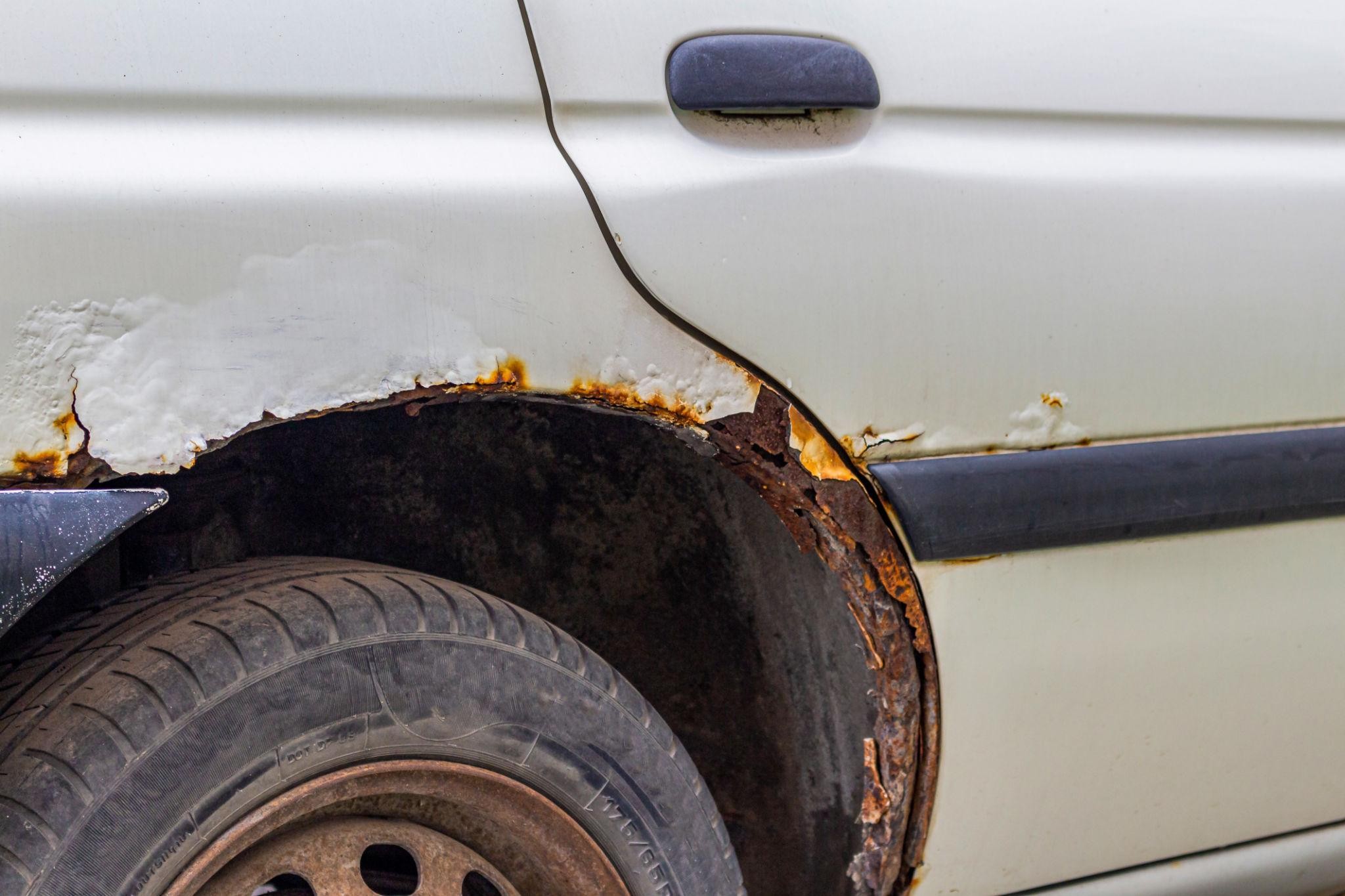
The inspection should include a full lift to examine the vehicle’s underside thoroughly. Rust on the frame, subframe, and suspension components tells a detailed story about the car’s storage history and climate exposure. Evidence of impact damage to the underbody, oil pan, or exhaust system reveals off-road use or low-speed impacts that may never have appeared on any history report. What lives beneath a car is often more informative than anything visible from the outside.
Diagnostic scanning is a mandatory part of any modern pre-purchase inspection. Modern vehicles store fault codes for dozens of systems even when no warning lights are illuminated on the dashboard.
A mechanic with a professional scan tool can read historical codes that the seller may have cleared before listing the vehicle. These ghost codes reveal past problems with the engine, transmission, and safety systems that provide essential context for the purchase decision.
The inspection report becomes a negotiation tool regardless of what it finds. Minor issues justify requesting a price reduction or asking the seller to remedy specific problems before closing.
Significant findings give the buyer clear grounds to walk away without hesitation or financial loss. Even a clean inspection report provides valuable peace of mind that the purchase price reflects genuine vehicle quality. In every possible scenario, the inspection pays for itself many times over.
Also Read: 10 Vehicles With Brake Pads You Can Buy at Any Walmart
