
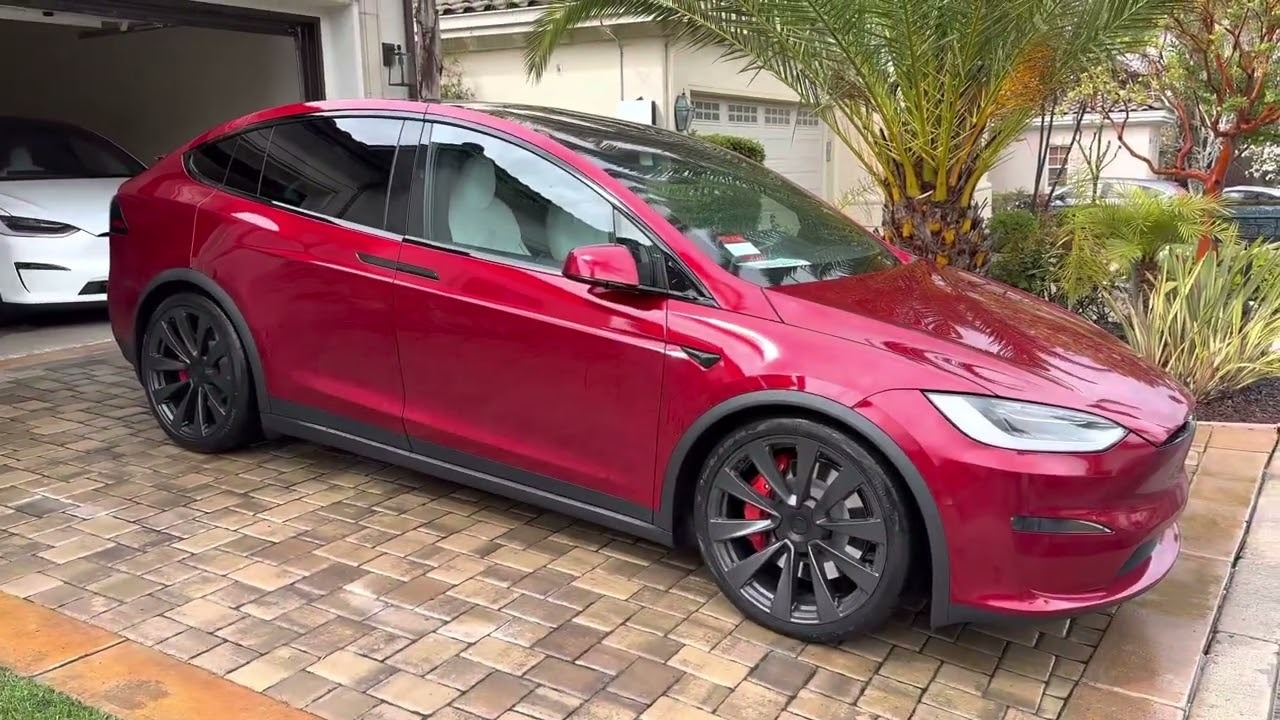
Resale value has always been one of the most important factors in car ownership, but it has taken on even greater significance in the era of electric vehicles. Among all EV brands, Tesla has often been seen as a benchmark for strong resale performance.
Early models held their value surprisingly well, driven by limited competition, strong demand, and a reputation for innovation. Buyers began to assume that owning a Tesla meant lower depreciation compared to traditional vehicles.
By 2026, that assumption is no longer as dependable as it once was. The resale market for Tesla vehicles has shifted in noticeable ways, influenced by pricing strategies, rapid technological updates, and a changing competitive environment. While Tesla still holds certain advantages, the gap between expectation and reality has become more apparent.
One of the biggest changes comes from Tesla’s approach to pricing. Unlike traditional automakers, Tesla frequently adjusts new car prices, sometimes multiple times within a year.
These adjustments can have a direct impact on used values, creating fluctuations that are difficult for owners to predict. A sudden price drop in new models can quickly reduce the resale value of existing ones, regardless of their condition.
Technology also plays a role in shaping resale outcomes. Tesla vehicles are heavily defined by software, battery performance, and hardware updates.
As newer versions introduce improvements in range, efficiency, and features, older models can feel outdated more quickly than expected. This accelerates depreciation in ways that differ from conventional vehicles.
At the same time, the EV market has become far more competitive. New entrants offer alternatives with comparable range, features, and pricing, giving buyers more options than ever before. This increased competition affects demand for used Teslas, influencing how they are valued in the secondary market.
Understanding Tesla resale values in 2026 requires looking beyond brand perception. It involves examining how pricing strategies, technological change, and market dynamics interact. The following sections break down these factors, revealing the realities that are often overlooked when discussing Tesla’s long-term value.
Also Read: 8 Trucks Where the Frame Doesn’t Rust in New England Winters
1. Frequent Price Changes Disrupt Resale Stability
Tesla’s pricing strategy is one of the most significant factors affecting resale values. Unlike traditional automakers that maintain relatively stable pricing structures, Tesla adjusts its prices based on demand, production costs, and market conditions. These changes can happen quickly and without much warning, creating uncertainty in the used car market.
When new vehicle prices are reduced, the effect on resale value is immediate. A used Tesla that was priced competitively one month ago can suddenly appear expensive compared to a brand-new model.
This forces sellers to lower their asking prices, even if their vehicle is in excellent condition. The depreciation is not driven by wear or mileage, but by external pricing decisions.
This dynamic makes it difficult for owners to predict long-term value. Traditional depreciation follows a more gradual pattern, allowing buyers to estimate future worth with some confidence. In contrast, Tesla’s approach introduces sudden shifts that can significantly alter resale expectations.
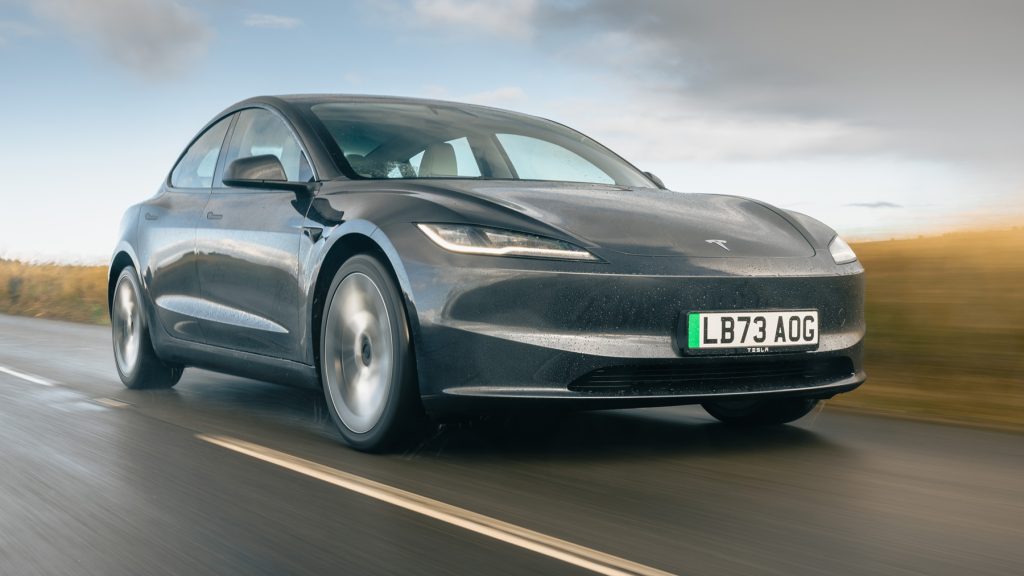
Buyers in the used market are also more informed than before. They monitor new car pricing closely and adjust their expectations accordingly. If a new model becomes more affordable, the perceived value of older versions declines, regardless of their features or condition.
The result is a less stable resale environment. While Tesla vehicles may still hold value better than some competitors in certain cases, the unpredictability of pricing changes adds a layer of risk. Owners who plan to sell their vehicles need to consider timing carefully, as market conditions can change rapidly.
2. Rapid Technology Evolution Accelerates Depreciation
Tesla vehicles are defined by their technology, and this is both a strength and a challenge when it comes to resale value. Advances in battery efficiency, software capabilities, and hardware design occur at a rapid pace. Each new update can make previous models feel less advanced, even if they remain fully functional.
Battery improvements are particularly important. Newer models often offer longer range and better efficiency, which are key factors for EV buyers. When a new version significantly outperforms an older one, the older vehicle becomes less desirable in the used market. This reduces its resale value more quickly than expected.
Software updates also influence perception. Tesla frequently introduces new features and improvements, but not all updates are available to older models. Hardware limitations can prevent certain features from being supported, creating a gap between different generations of vehicles.
Interior and design changes contribute as well. Even subtle updates can make older models appear dated, especially in a market where innovation is highly valued. Buyers comparing options may prefer newer versions, even at a higher price, simply because they feel more current.

This cycle of continuous improvement is a defining characteristic of Tesla, but it has consequences for resale. The pace of change means that vehicles can lose their competitive edge faster than traditional cars, where major updates occur less frequently.
3. Growing EV Competition Is Reshaping Demand
The electric vehicle market in 2026 is far more competitive than it was just a few years ago. Tesla is no longer the only major player offering long-range, high-performance EVs. Other manufacturers have introduced models that match or exceed Tesla in certain areas, giving buyers more choices.
This increased competition affects resale values by expanding the pool of alternatives. Buyers looking for a used EV are not limited to Tesla, and they may find comparable options with different features, pricing, or brand appeal. This reduces the dominance Tesla once had in the used market.
Pricing strategies from competitors also play a role. Some manufacturers offer aggressive pricing or incentives on new vehicles, which can make them more attractive than used Teslas. When buyers can access new technology at a similar cost, the appeal of older models decreases.
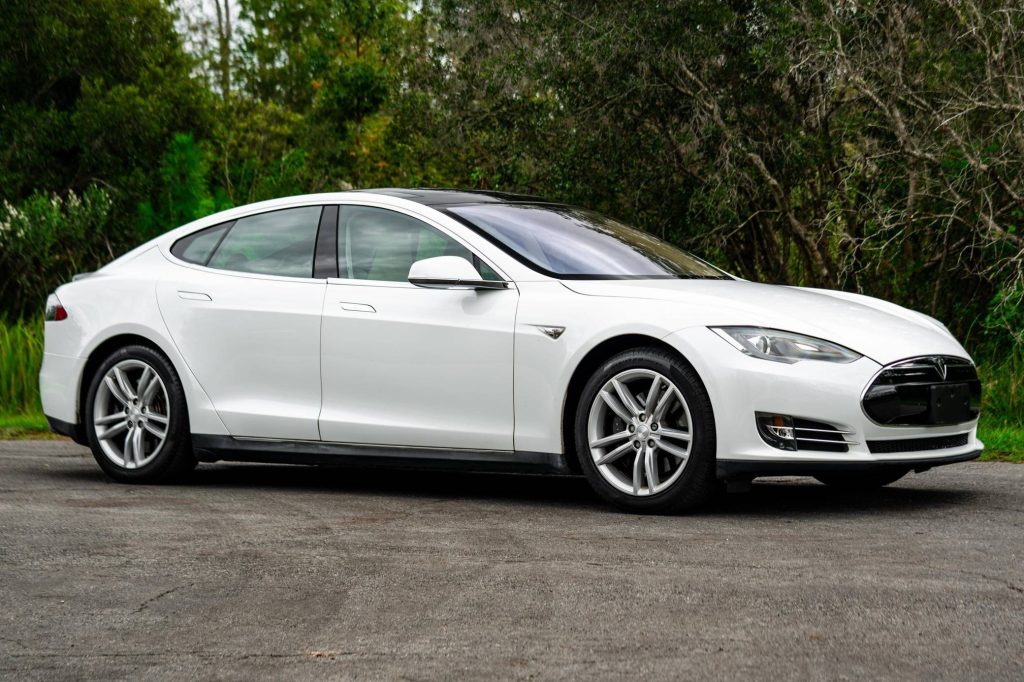
Brand perception is evolving as well. While Tesla remains a strong name in the EV space, other brands have built credibility and trust. This diversification of the market means that demand is spread across multiple options rather than concentrated on a single brand.
The shift does not eliminate Tesla’s strengths, but it changes the context in which resale values are determined. A more competitive market leads to more balanced pricing, which can result in lower resale values compared to earlier years.
4. Battery Health and Replacement Concerns Affect Buyer Confidence
One of the most important factors influencing Tesla resale values is battery health. Unlike traditional vehicles, where engine wear is a primary concern, electric vehicles depend heavily on battery performance. Buyers in the used market pay close attention to range and degradation, as these directly affect usability.
Battery degradation is a natural process, but its impact varies depending on usage, charging habits, and environmental conditions. Even with good maintenance, some loss of capacity is expected over time. This creates uncertainty for buyers who are considering a used Tesla.
The cost of battery replacement adds to this concern. While batteries are designed to last many years, replacing one can be expensive. Potential buyers factor this risk into their purchasing decisions, which can lower the price they are willing to pay.
Warranty coverage provides some reassurance, but it does not eliminate all concerns. Buyers may still worry about long-term performance beyond the warranty period. This uncertainty can influence how vehicles are valued in the resale market.
Transparency is another issue. While Tesla provides information about battery health, it may not always be as detailed as buyers would like. Without a clear understanding of the battery’s condition, some buyers may hesitate or negotiate lower prices.
Battery-related concerns highlight a key difference between electric and traditional vehicles. They introduce a unique set of considerations that directly affect resale value, shaping how buyers evaluate used Teslas in 2026.
5. Software Features and Paywalled Upgrades Complicate Value
Tesla vehicles are deeply connected to software, and many of their features are controlled digitally rather than mechanically. This creates a unique situation in the resale market where the value of a car is not just tied to its physical condition, but also to the software features that are active on the vehicle.
Some Tesla features are locked behind paywalls or subscriptions. Options such as advanced driver assistance or performance upgrades may or may not transfer to the next owner, depending on how they were purchased. This uncertainty creates confusion for buyers trying to understand what they are actually getting.
A used Tesla with additional features enabled can command a higher price, but only if those features remain accessible after the sale. If they are removed or require repurchase, the perceived value drops. This inconsistency makes pricing less straightforward compared to traditional vehicles.
Software updates also influence value in less obvious ways. New features introduced through updates can enhance a vehicle’s appeal, but older hardware may not support all improvements. This creates variation even within the same model year, depending on when the car was produced.
Buyers are becoming more aware of these differences. They look beyond the exterior and focus on the software configuration, which can significantly affect their decision. Sellers, on the other hand, may struggle to communicate these details clearly.
The result is a more complex resale environment where software plays a central role. Understanding what features are included and how they transfer is essential for both buyers and sellers.
6. Supply Growth Is Reducing Scarcity Advantage
In the early years of Tesla’s growth, limited supply played a key role in supporting strong resale values. High demand combined with lower production numbers created a sense of scarcity, which kept used prices relatively high. By 2026, this dynamic has changed significantly.
Tesla has expanded production capacity and increased the availability of its vehicles. As more units enter the market, the supply of used Teslas also grows. This increase in supply naturally puts downward pressure on resale values, as buyers have more options to choose from.
The market is now more saturated than before. Buyers can compare multiple listings for similar vehicles, which leads to more competitive pricing. Sellers must adjust their expectations to match market conditions, often accepting lower prices than they might have anticipated.
Fleet sales and lease returns contribute to this trend. As more vehicles come off lease, they enter the used market in large numbers, further increasing supply. This creates periods where availability is particularly high, affecting pricing dynamics.

The shift from scarcity to abundance changes how Tesla vehicles are valued. While demand remains strong, it is no longer enough to maintain the high resale values seen in earlier years. The balance between supply and demand has become more even, leading to more realistic pricing.
7. Ownership Experience Influences Long-Term Value Perception
Resale value is not determined solely by market factors. It is also shaped by how owners perceive their experience with the vehicle. Tesla ownership comes with unique advantages, but also certain challenges that can influence how vehicles are valued in the secondary market.
Positive aspects such as performance, charging convenience, and brand appeal contribute to demand. Many owners appreciate the driving experience and are willing to recommend Tesla to others, which supports resale interest.
At the same time, concerns about service availability, repair costs, and build consistency can affect perception. Buyers who are aware of these issues may approach used Teslas with caution, which can influence pricing.
The ownership experience also affects how vehicles are maintained. Proper care can preserve value, while neglect can accelerate depreciation. As the Tesla fleet grows, variations in maintenance and usage become more visible in the used market.
Public perception plays a role as well. Reviews, discussions, and shared experiences shape how buyers view the brand. These factors can change over time, influencing demand and resale values.
The connection between ownership experience and resale value highlights the importance of reputation. As Tesla continues to evolve, how owners feel about their vehicles will remain a key factor in determining their long-term value.
Tesla resale values in 2026 are influenced by price changes, rapid tech upgrades, rising competition, and battery concerns. Software features and increasing supply also affect demand. While Tesla remains desirable, resale is less predictable than before, requiring buyers and owners to consider timing, features, and long-term market trends carefully.
Also Read: 9 Vehicles From the 2010s That Will Be Collector Items Within a Decade
