
Heavy-duty trucks have become symbols of capability, toughness, and status in modern automotive culture. Massive towing numbers, towering ride heights, diesel engines, and aggressive styling create the impression that bigger automatically means better.
Manufacturers advertise enormous payload capacities and extreme towing capabilities that make these trucks appear essential for anyone wanting strength and versatility. Yet the reality is very different for most drivers. A large percentage of heavy-duty truck owners never use even a fraction of the capability they paid for.
Many people purchase heavy-duty pickups, imagining future scenarios rather than actual daily needs. They think about towing large campers someday, hauling construction equipment occasionally, or preparing for situations that may never happen.
In practice, many of these trucks spend their lives commuting through traffic, sitting in parking lots, and carrying little more than groceries or backpacks. The extra capability often remains completely unused while owners continue paying for the downsides every single day.
Modern half-ton trucks already provide far more capability than most drivers required a decade ago. Improved engines, stronger frames, advanced transmissions, and better suspension systems allow many standard pickups to tow boats, utility trailers, small campers, and work equipment comfortably.
For the average driver, the jump to a heavy-duty truck frequently adds more cost and inconvenience than practical benefit.
Fuel economy becomes one of the biggest trade-offs. Heavy-duty trucks consume more fuel because of their size, weight, larger tires, and powerful drivetrains. Maintenance expenses also rise significantly.
Diesel engines require additional servicing, larger tires cost more to replace, insurance premiums increase, and repairs can become extremely expensive once warranties expire. These costs continue whether the truck is towing regularly or simply driving to work.
Driving comfort changes as well. Heavy-duty suspensions are designed for carrying massive loads, not daily commuting on empty roads.
Many drivers discover their trucks ride harshly during normal use because the suspension performs best under significant weight. Parking, maneuvering, and fitting into urban spaces also become more frustrating compared to smaller trucks or SUVs.
There is also a psychological aspect behind heavy-duty truck ownership. Marketing, social influence, and personal identity often shape buying decisions as much as actual utility. Some drivers associate larger trucks with preparedness or rugged independence, even if their lifestyles rarely demand that level of capability. Heavy-duty trucks absolutely serve important purposes for contractors, ranchers, heavy equipment operators, and serious towing applications.
But for the majority of owners, modern half-ton trucks or midsize pickups already provide more than enough strength. Understanding the difference between genuine need and perceived need explains why so many drivers end up owning far more trucks than they realistically require.
Also Read: 5 Trucks With Mirrors That Stay Adjusted vs 5 That Vibrate Loose
1. Most Owners Rarely Use Heavy-Duty Towing Capacity
Heavy-duty trucks are built for extreme workloads. Manufacturers proudly advertise towing numbers capable of pulling massive fifth-wheel campers, large equipment trailers, horse haulers, and commercial machinery. These figures sound impressive, but most owners never come close to using that capability in real life.
A large number of truck owners tow only a few times each year. Many pull lightweight utility trailers, small fishing boats, compact campers, or landscaping equipment that modern half-ton trucks can already handle comfortably.
Yet buyers often choose heavy-duty models because they fear running out of capability someday. The truck becomes a purchase based on hypothetical situations rather than actual daily requirements.
Modern half-ton pickups improved dramatically during the last decade. Stronger turbocharged engines, advanced transmissions, reinforced frames, and better cooling systems allow many standard trucks to tow loads that once required heavy-duty models. For average recreational towing, today’s half-ton trucks already provide more than enough performance.
The extra towing capacity of heavy-duty trucks comes with major compromises during normal driving. Larger suspensions, stronger axles, and stiffer frames create harsher ride quality when the truck is unloaded.
Drivers often discover their expensive heavy-duty truck feels uncomfortable during everyday commuting because it was engineered to carry enormous weight rather than cruise smoothly through city traffic.
Stopping distances also increase because heavy-duty trucks weigh significantly more than lighter pickups. Manoeuvring through parking lots, narrow streets, and crowded urban areas becomes more stressful. Some owners eventually realize they sacrificed convenience every day for a capability they rarely use.
Diesel engines deserve special attention here. Many buyers assume diesel power automatically represents the smartest truck choice.
In reality, diesel ownership makes the most sense for people towing heavy loads consistently over long distances. Drivers who rarely tow often end up paying higher fuel, maintenance, and repair costs without fully benefiting from diesel advantages.
There is also a financial misconception involved. Some buyers justify heavy-duty trucks as future-proof investments.
However, paying thousands extra for unused towing capacity rarely saves money in the long term. Higher insurance premiums, fuel expenses, tire costs, and maintenance bills continue throughout ownership regardless of how often the truck actually works hard.
Heavy-duty trucks perform brilliantly when used for their intended purpose. Contractors towing machinery daily or families hauling large fifth-wheel campers genuinely benefit from that capability.
The problem is that many buyers purchase industrial-level towing strength for lifestyles that rarely demand more than what a properly equipped half-ton truck already delivers comfortably.
2. Daily Driving Becomes More Expensive and Less Practical
Owning a heavy-duty truck affects daily life far beyond the occasional towing trip. Many drivers focus entirely on capability during the buying process and underestimate how much these trucks change routine commuting, parking, fuel spending, and maintenance costs. The disadvantages become noticeable very quickly once the excitement of ownership fades.
Fuel economy is usually the first reality check. Heavy-duty trucks consume more fuel because they carry extra weight, stronger driveline components, larger tires, and heavy-duty suspensions designed for commercial workloads.
Even modern diesel models can become expensive to operate in city traffic, where stop-and-go driving reduces efficiency significantly.
Parking creates another frustration that many owners do not anticipate fully. Modern heavy-duty pickups are enormous. Tight parking garages, crowded shopping centers, apartment complexes, and urban streets suddenly feel restrictive.
Drivers often need extra time just to position the truck properly in standard parking spaces. In some cities, certain garages barely accommodate these vehicles at all.
Ride comfort changes dramatically compared to lighter trucks or SUVs. Heavy-duty suspensions are intentionally stiff because they must support extreme payloads safely.
When the bed is empty, the truck may bounce harshly over rough roads or expansion joints. This setup works perfectly for hauling heavy cargo, but many daily commuters quickly realize it feels excessive during normal driving conditions.
Maintenance expenses rise steadily, too. Larger engines cost more to replace, oil changes require greater fluid capacity, brake components are more expensive, and diesel emissions systems add additional servicing requirements.
Repairs outside warranty coverage can become extremely costly because heavy-duty trucks contain specialized components built for commercial strength.
Insurance premiums frequently surprise new owners as well. Heavier vehicles with higher replacement values usually cost more to insure. In some regions, theft rates for trucks also increase premiums further. These monthly expenses continue regardless of whether the truck’s capability is being used regularly.
Another overlooked issue involves maneuverability. Turning radius, visibility in tight spaces, and narrow lane navigation all become more difficult with oversized trucks. Drivers accustomed to midsize SUVs or standard pickups often need weeks to adjust fully. Even then, daily driving may continue feeling cumbersome compared to smaller vehicles.
There is also the issue of wasted capability. Carrying around heavy-duty hardware every day without using it resembles wearing industrial work boots to walk through an office. The equipment works exactly as intended, but the situation rarely demands that level of strength.
For people genuinely towing heavy trailers or carrying major payloads weekly, these compromises make sense. For everyone else, the trade-offs often outweigh the benefits. Many owners eventually realize they purchased a truck optimized for extreme workloads while spending nearly all their time using it for ordinary transportation duties.
3. Modern Half-Ton Trucks Already Handle Most Real-World Jobs
The gap between half-ton trucks and heavy-duty pickups has narrowed significantly during the last decade. Many drivers still think of half-ton trucks as light-duty machines suitable only for small tasks, but modern engineering has changed that reality completely. Today’s standard pickups can perform far more work than many owners realize.
Manufacturers improved towing capability dramatically through stronger frames, advanced turbocharged engines, better cooling systems, and sophisticated transmissions with multiple gear ratios.
A properly equipped half-ton truck can now tow campers, boats, enclosed trailers, small construction equipment, and recreational vehicles without struggling for the majority of private owners, which covers nearly every realistic hauling situation they will encounter.
Payload capacity improved as well. Landscaping supplies, motorcycles, furniture, appliances, home improvement materials, and weekend project equipment fit comfortably within the limits of many modern half-ton trucks.
Most drivers never approach the payload ceiling during ordinary use, yet they continue assuming heavy-duty trucks are necessary for simple hauling tasks.
Technology also helped standard trucks become more capable and easier to use. Trailer sway control, integrated brake controllers, towing cameras, blind spot monitoring, and advanced suspension tuning make towing safer and less stressful than before. Many half-ton pickups now feel remarkably stable even when pulling moderate trailers.
Another major advantage is versatility. Half-ton trucks balance work capability with everyday comfort much better than heavy-duty models.
They ride smoother, fit more easily into garages, consume less fuel, and feel less intimidating in urban traffic. Drivers who spend most of their time commuting or traveling appreciate these differences quickly.
Engine options changed perceptions, too. Modern turbocharged gasoline engines produce impressive torque figures once associated only with large diesel trucks. Acceleration, highway merging, and hill climbing performance improved enough that many drivers no longer need oversized diesel powertrains for occasional towing duties.
There is also a financial side to this comparison. Half-ton trucks generally cost less to purchase, insure, fuel, and maintain. Buyers who avoid stepping into heavy-duty territory often save thousands over the course of ownership while still retaining more than enough capability for real-world needs.
Many owners simply overestimate future requirements. They imagine pulling massive trailers or carrying industrial equipment regularly when their actual lifestyle involves occasional recreational towing and normal household hauling.
Marketing campaigns encourage this mindset because extreme capability sells emotionally, even if it remains unused.
None of this means heavy-duty trucks lack purpose. They remain essential tools for commercial towing, agricultural work, and large trailer applications. The truth is simply that most private owners operate far below those thresholds.
Modern half-ton pickups already satisfy the practical demands of daily life for a huge percentage of truck buyers without forcing them into the extra cost and inconvenience attached to heavy-duty ownership.
4. Truck Marketing Encourages Capability Most Buyers Never Use
Truck advertising has become one of the most aggressive forms of automotive marketing. Commercials constantly show massive trailers climbing steep mountains, trucks crossing muddy job sites, and drivers conquering extreme conditions with ease.
These images create the impression that serious capability equals smart ownership, even for buyers whose daily routines rarely involve demanding work.
Manufacturers understand that capability sells emotionally. Bigger towing numbers, larger diesel engines, and stronger payload ratings generate excitement because they symbolize strength and preparedness.
Buyers often imagine future scenarios where they might need that extra power someday. The possibility alone becomes enough to justify purchasing far more trucks than they realistically require.
Social influence plays a major role, too. In many communities, heavy-duty trucks represent status, independence, or rugged identity. Some buyers choose oversized pickups because they admire the image attached to them rather than the actual utility.
Owning a large truck can feel like owning a machine built for anything, even if it spends most of its life commuting through suburbs or sitting in office parking lots.
Dealership sales strategies reinforce this mindset constantly. Buyers entering showrooms for a half-ton truck may hear phrases like “you might as well upgrade now” or “better to have too much capability than not enough.”
Small monthly payment differences between trims or models can make heavy-duty trucks seem financially reasonable in the short term, even when long-term operating costs rise significantly.
The towing wars between manufacturers intensified the situation further. Every year brings new announcements about higher tow ratings and greater payload capacities. These numbers dominate headlines and advertisements even though most private owners never approach them.
Marketing turned maximum capability into a competition, and buyers absorbed the message that bigger numbers automatically mean better value.
There is also a psychological comfort attached to excess capability. Some drivers simply like knowing their truck could handle extreme situations if necessary. The issue is that unused capabilities still carry daily consequences through fuel consumption, maintenance expenses, parking difficulty, and higher insurance costs.
Interestingly, many truck owners admit later that they overestimated their needs dramatically. After years of ownership, some realize they never towed anything heavy enough to justify the truck they purchased. Others eventually switch back to smaller pickups or SUVs after growing tired of the compromises attached to oversized vehicles.
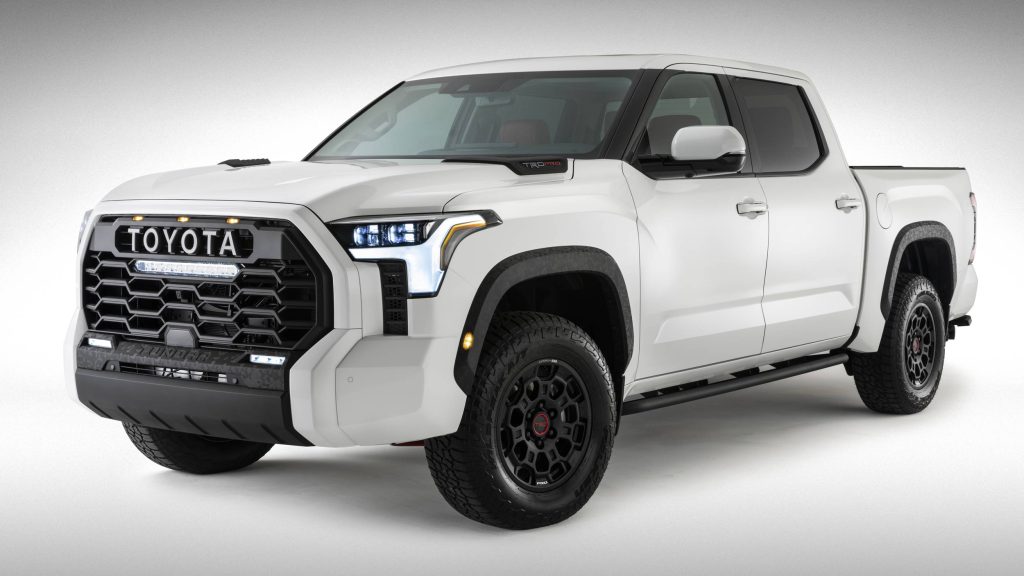
Modern heavy-duty trucks are incredible machines engineered for serious labor. The problem is not the trucks themselves. The problem is how effectively marketing convinces ordinary drivers they need industrial-level capability for lifestyles that rarely demand it. For many buyers, the decision becomes emotional long before it becomes practical.
5. Heavy-Duty Trucks Often Create Unnecessary Long-Term Costs
The long-term financial impact of owning a heavy-duty truck is something many buyers underestimate during the excitement of purchase day.
Monthly payments may appear manageable at first, especially when dealerships stretch financing across long loan terms, but ownership costs continue building year after year in ways many drivers do not fully anticipate.
Fuel expenses remain one of the biggest ongoing burdens. Heavy-duty trucks are designed around strength and durability rather than efficiency.
Large diesel engines, reinforced drivetrains, heavy frames, and oversized tires all increase operating costs. Drivers who mainly commute short distances often spend far more on fuel than they would with a half-ton pickup or midsize truck.
Maintenance costs rise steadily, too. Oil changes require larger quantities of fluids, heavy-duty tires are expensive to replace, and brake components typically cost more than those found on lighter vehicles.
Diesel trucks add another layer of expense through emissions systems, fuel filters, and specialized servicing requirements that can become extremely costly outside warranty coverage.
Depreciation affects some heavy-duty models surprisingly hard as well. While certain trucks hold value strongly, expensive luxury trims packed with advanced features may lose significant value once high mileage arrives. Buyers shopping for used heavy-duty trucks often worry about future repair costs, which can reduce resale demand later.
Insurance premiums also tend to remain higher throughout ownership. Replacement parts, theft risk, repair complexity, and accident severity all influence pricing. Even drivers with clean records may pay substantially more simply because insurers classify heavy-duty trucks as more expensive vehicles to repair and replace.
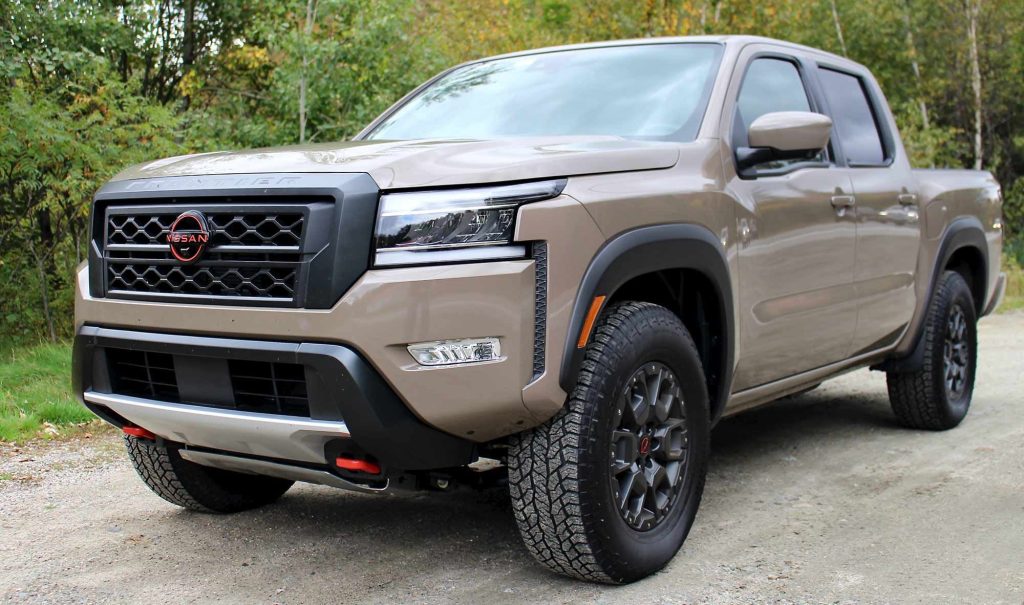
Another overlooked issue involves unnecessary wear. Large diesel engines and commercial-grade drivetrains perform best under heavy loads and extended highway driving. Trucks used mainly for short commutes and light errands may actually experience more emissions-related issues because they are not operating under conditions for which the powertrain was optimized.
For drivers genuinely hauling heavy equipment every week, these expenses are justified by capability. The truck earns its keep through real work. For everyone else, the financial sacrifices often continue long after the excitement of owning a massive truck disappears.
Many buyers eventually realize they spent years paying commercial vehicle-level costs for needs that ordinary modern pickups could have handled comfortably from the beginning.
Also Read: 5 Cars That Are Worth the Repair vs 5 You Should Walk Away From
