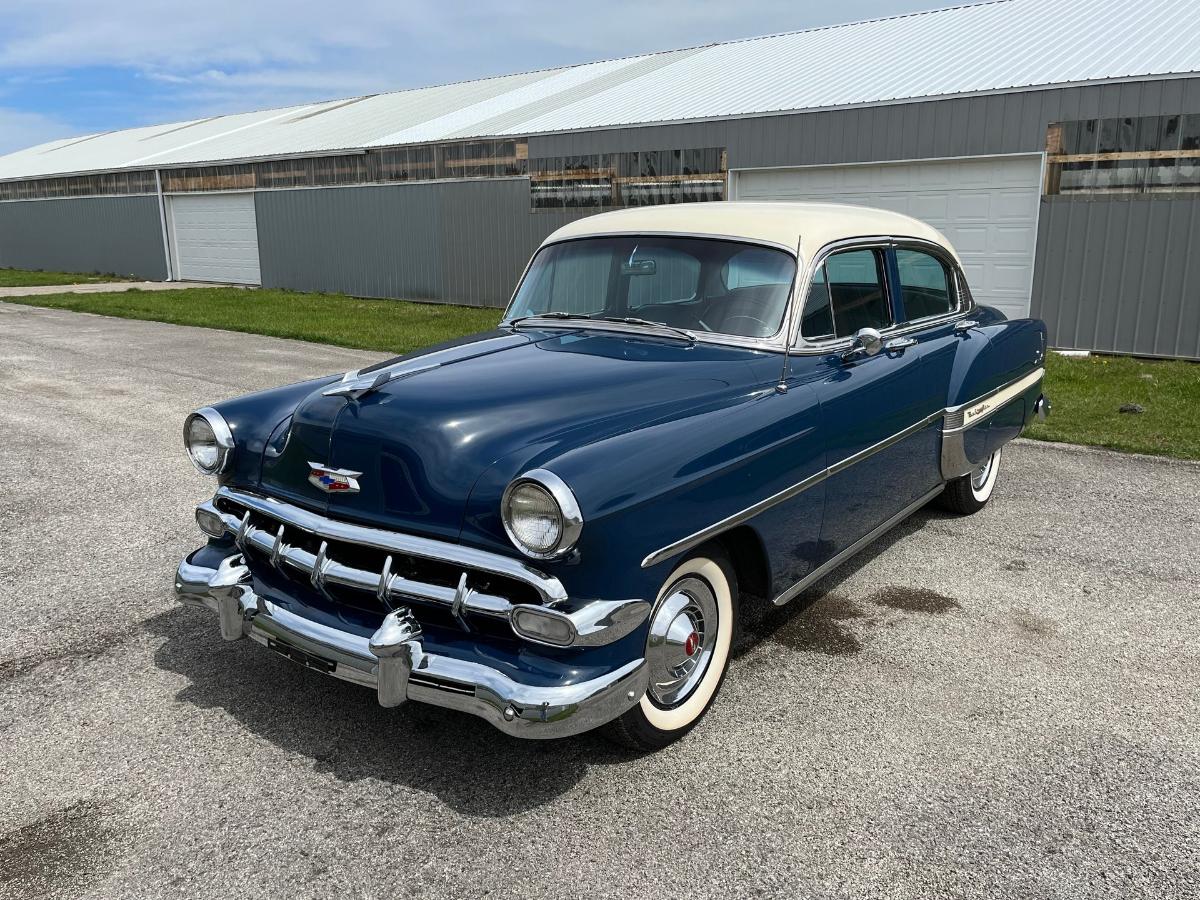
Paint condition plays a massive role in the value, authenticity, and desirability of a classic car. For collectors, original paint often represents history preserved in its purest form. Small imperfections, faded spots, thin areas, and minor scratches can actually increase a car’s appeal because they prove age and originality.
On the other hand, a repaint may hide accident repairs, rust damage, body filler, or poor restoration work. That is why experienced buyers inspect paint carefully before purchasing any classic vehicle.
A repaint is not automatically a bad thing. Many classic cars genuinely needed fresh paint after decades of weather exposure, rust repair, or restoration work. A professionally completed repaint using correct factory colors can protect the body and improve appearance significantly.
Problems arise when sellers hide repaint history or present restored surfaces as original factory finishes. The difference between original paint and refinished panels can change a vehicle’s value by thousands or even tens of thousands of dollars.
Classic cars also create unique challenges because production methods from earlier decades were very different from modern automotive manufacturing. Older factory paint often contained imperfections straight from the assembly line.
Orange peel texture, slight inconsistencies, dust particles, and uneven gaps were common on many classic vehicles. Modern repaint jobs sometimes look too perfect compared to authentic factory finishes, which becomes one clue experienced collectors notice immediately.
Lighting conditions matter heavily during inspections. A car that appears flawless indoors may reveal sanding marks, color mismatches, or overspray under sunlight. Sellers often photograph vehicles carefully to avoid showing questionable areas clearly. Serious buyers read and inspect classic cars in natural light whenever possible.
Body repairs complicate matters further. Many classics lived hard lives before becoming collectible. Accidents, rust repair, panel replacement, and old restorations often left hidden evidence beneath paint surfaces.
Some repairs were completed decades ago using techniques far different from modern standards. Layers of filler, uneven sanding, or mismatched paint formulas can remain concealed until careful inspection exposes them.
Technology now helps buyers detect refinished surfaces more easily. Paint thickness gauges, magnetic tools, and inspection lights allow collectors to identify suspicious areas quickly. Yet experienced observation still matters more than expensive equipment alone.
Details such as trim edges, bolt heads, weather stripping, and hidden body seams often reveal repaint history clearly to trained eyes.
Finding out whether a classic car was repainted requires patience, attention to detail, and understanding how original factory finishes aged over time. Buyers who know where to look can often identify hidden repairs and repaint work long before problems become expensive surprises after purchase.
Also Read: 8 Pickups With the Most Torque Per Dollar
1. Look for Overspray Around Trim and Hidden Areas
One of the easiest ways to identify a repaint on a classic car is by searching for overspray. Factory paint processes were completed before many trim pieces, badges, seals, and hardware were installed.
During later repaint work, painters sometimes mask around these components instead of removing them completely. That shortcut often leaves behind small traces, revealing the vehicle was refinished at some point.
Window seals provide excellent inspection points. Carefully examine the edges where the rubber weather stripping meets the body. Original factory finishes usually show clean, consistent transitions. Repainted cars may display tiny paint lines, rough masking edges, or color residue on the rubber itself. These signs become especially noticeable under bright sunlight.
Door jambs can reveal important clues, too. Many lower-quality repaint jobs focus mainly on visible exterior panels while leaving jambs partially untouched or painted differently. A slight color or variation between exterior surfaces and interior jamb areas often indicates partial repaint work rather than original factory paint.
Inspect the underside of the hood and trunk carefully as well. Painters rushing through restoration projects sometimes leave dry spray patterns or uneven texture in hidden areas. Overspray on wiring, hinges, bolts, or weather seals strongly suggests repaint history because factory assembly methods typically avoided those mistakes.
Chrome trim deserves close attention. Removing classic chrome pieces safely requires time and effort, so some repaint jobs simply tape around them. Look closely for uneven paint edges near moldings, emblems, or body lines. Small ridges around taped areas often expose previous refinishing work immediately.
Wheel wells and lower body panels can also tell stories. Original paint usually fades consistently with age, while repainted areas sometimes appear fresher or smoother underneath. Inconsistent texture between panels often signals repair work completed years apart.
Another important detail involves bolts and fasteners. Factory-painted cars generally show untouched hardware with natural aging patterns.
Repaint work frequently requires removing fenders, doors, or trim pieces, leaving tool marks or paint disturbed around bolt heads. Fresh paint covering hardware completely may also indicate bodywork occurred after assembly.
Lighting angle matters tremendously during inspection. Certain overspray traces become visible only when light reflects across surfaces sideways. Walking around the car slowly while changing viewing angles helps reveal imperfections hidden from direct sight.
Experienced collectors rarely trust glossy paint alone. Hidden areas usually expose the truth more honestly than polished exterior panels. A beautiful finish can still conceal extensive repaint history underneath.
Careful inspection around trim, seals, hardware, and concealed corners often reveals whether a classic car still carries its original paint or received restoration work somewhere during its lifetime.
2. Uneven Paint Thickness Often Reveals Previous Bodywork
Paint thickness tells an important story about a classic car’s history. Factory finishes from earlier decades were usually applied with fairly consistent thickness across the body. When readings vary dramatically between panels, there is a strong chance the vehicle received repaint work, filler repairs, or restoration attention at some point in its life.
Modern paint thickness gauges make this process much easier. These handheld tools measure the depth of paint layers above the metal surface.
Collectors and professional inspectors often move slowly around the car, checking multiple areas panel by panel. Consistent readings usually suggest original finishes, while sudden changes may indicate repairs underneath.
Extremely thick readings often point toward body filler use. Older classics commonly developed rust around lower fenders, rocker panels, wheel arches, and quarter panels.
Repair shops sometimes used filler heavily to smooth damaged surfaces before repainting the vehicle. Even if the exterior appears straight and glossy today, paint thickness measurements can reveal hidden repair history immediately.
Panel transitions matter as well. A hood measuring one thickness while adjacent fenders show dramatically different numbers usually indicates at least partial repaint work. Factory production methods typically created more uniform finishes than many later restoration jobs.
Certain areas deserve extra scrutiny. Lower body sections frequently hide rust repairs because moisture has collected there for years. Door bottoms, trunk edges, and wheel arches are especially vulnerable on classic vehicles. If paint thickness suddenly increases in these spots, previous bodywork likely occurred beneath the surface.
Texture differences can support these findings visually. Thick repaint areas sometimes display slightly different reflections, waviness, or sanding marks under strong lighting. Running a hand gently across the body may reveal unevenness invisible at first glance.

Even without a paint gauge, magnets can provide clues. Weak magnetic attraction may suggest filler beneath the paint because thick filler reduces direct contact with the metal body. Experienced buyers often carry small wrapped magnets specifically for this reason during inspections.
A repaint itself is not necessarily harmful. The concern comes when sellers present repaired cars as untouched originals. Paint thickness inconsistencies help expose hidden restoration history that glossy exterior surfaces may disguise successfully from casual observers.
3. Colour Mismatches and Paint Texture Expose Refinished Panels
Matching paint perfectly on a classic car is far harder than many people realize. Original factory colors faded differently over decades, depending on sunlight exposure, climate, storage conditions, and maintenance habits. Even high-quality repaint work can leave subtle differences that careful inspection eventually reveals.
One common clue appears when adjacent panels reflect light differently. A door may look slightly darker than the fender beside it, or the hood might carry a different shade under sunlight compared to the rest of the body. These inconsistencies often indicate individual panels were repainted separately after accident repairs or rust restoration.
Metallic paints make this problem even easier to detect. Tiny metallic flakes inside the paint settle differently depending on spray technique, gun pressure, and application angle.
Factory finishes follow specific production processes, while later repaint jobs may distribute metallic particles unevenly. Under direct sunlight, mismatched metallic orientation becomes surprisingly noticeable.
Texture tells another important story. Older factory paint rarely looked perfectly smooth. Many classics originally left assembly lines with a slight orange peel texture, dust imperfections, or mild inconsistencies. Modern repaint jobs sometimes appear too glossy or excessively polished compared to authentic finishes from the era.
Conversely, poor repaint work may display sanding scratches, dry spray texture, paint runs, or uneven clear coat application. Looking across the body from different angles often reveals these flaws more clearly than staring directly at the surface.
Edges around repaired panels deserve close attention, too. Blending fresh paint into older finishes is difficult, especially on large body panels. Slight transition lines or fading differences near door seams and body edges often expose localized repaint work.
Sunlight inspection remains critical. Indoor lighting can hide many color variations completely. Natural daylight reveals depth, reflection changes, and panel inconsistencies far more effectively than showroom conditions or garage lighting.
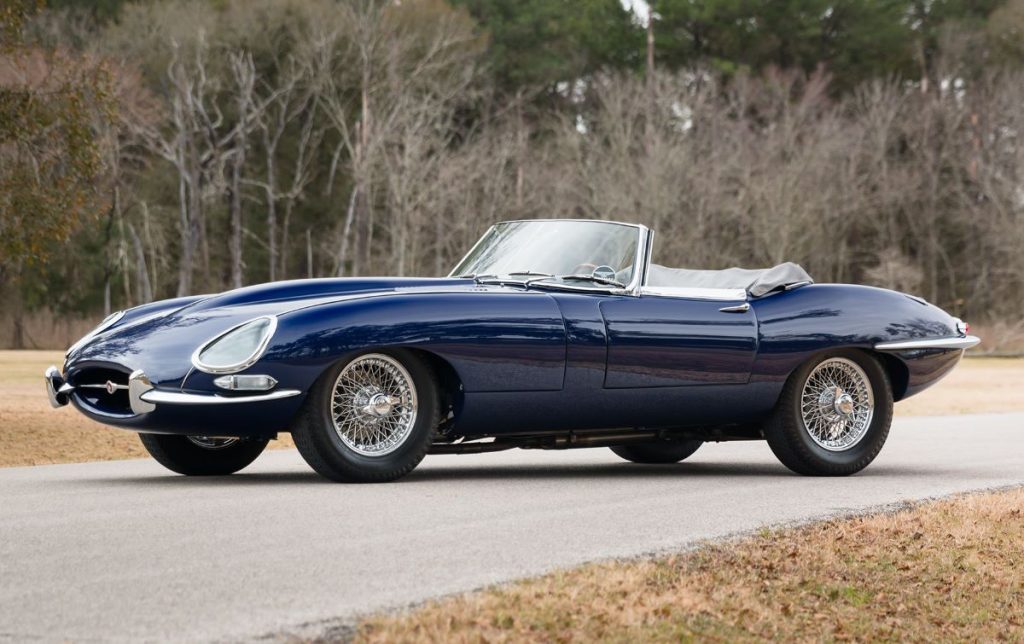
Experienced collectors frequently inspect reflections rather than the paint itself. Straight reflections usually indicate smooth bodywork, while distorted reflections may expose hidden filler or uneven preparation beneath the paint surface.
Paint texture and color consistency rarely lie for long. Even excellent repaint jobs often reveal small clues once buyers examine the vehicle carefully under proper lighting conditions. These subtle differences help determine whether a classic car still carries its authentic factory finish or has experienced cosmetic restoration somewhere along its history.
4. Hidden Factory Details Usually Disappear During Repaints
Factory paintwork on classic cars contained countless small details that many restoration shops struggle to duplicate perfectly. These tiny characteristics often become the strongest evidence when determining whether a vehicle still carries its original finish or has received repaint work later in life.
One important clue involves factory paint markings and inspection stamps. Many classic cars left assembly plants with colored grease pencil marks, quality control stamps, or handwritten codes in hidden areas such as trunk compartments, firewall sections, or under the hood. Repaint jobs frequently cover, blur, or remove these markings completely during sanding and refinishing.
Original seam sealer patterns also reveal valuable information. Factories applied seam sealers quickly by hand or machine, creating rough but consistent textures around trunk floors, wheel wells, and body joints.
Restoration shops often smooth these areas too perfectly or apply modern materials differently. Enthusiasts familiar with factory appearance can spot these inconsistencies immediately.
Another overlooked detail involves paint inside concealed spaces. Factory workers rarely sprayed every hidden corner evenly because speed mattered during production.
Slightly thin coverage inside fender edges, beneath dashboards, or deep inside engine compartments can actually indicate originality. Repainted vehicles sometimes show unnaturally complete paint coverage because restorers sprayed areas more thoroughly than the factory originally did.
Fasteners and hardware expose repaint history frequently as well. Original bolts usually show natural wear, aging, and factory finishes untouched by paint. During repaint work, some shops accidentally spray over bolt heads, hinges, brackets, or clamps. Fresh paint covering these components strongly suggests the car was refinished after assembly.
Weather stripping tells similar stories. Removing every rubber seal properly requires significant labor, so some repaint jobs simply tape around them. Small paint edges or overspray traces near seals become obvious once inspected carefully.

Even factory imperfections matter. Older production methods were far less precise than modern manufacturing standards. Slight paint inconsistencies, dust particles, and uneven texture occasionally exist in brand-new classic cars. Modern repaint jobs often look too flawless compared to authentic factory finishes from the same era.
Collectors value originality because these details connect the vehicle directly to its production history. Once the repaint work occurs, many original manufacturing clues disappear permanently.
Careful buyers, therefore, spend significant time examining hidden areas where restoration shortcuts and lost factory details usually reveal the truth more clearly than polished exterior panels ever can.
5. Professional Inspection Tools Can Reveal What Eyes Miss
Visual inspection remains extremely important when evaluating a classic car, but professional tools often uncover hidden repaint work that even experienced collectors might overlook initially. Modern inspection equipment helps buyers detect body filler, panel repairs, uneven paint layers, and concealed restoration work with much greater accuracy.
Paint thickness gauges became one of the most valuable tools in the collector car world. These devices measure coating depth across steel and aluminum surfaces, allowing inspectors to identify suspicious variations panel by panel.
Original factory paint usually stays within a relatively narrow thickness range, while repaired sections often measure significantly thicker because of primer, filler, and multiple paint layers.
Skilled inspectors never rely on one measurement alone. They compare readings across doors, fenders, roof sections, quarter panels, and trunk surfaces, searching for inconsistencies. Sudden changes in thickness often reveal accident repairs or partial rework, or work even when the finish looks visually flawless.
Specialized lighting equipment also plays a huge role. LED inspection lights expose sanding marks, texture inconsistencies, and blending lines hidden under normal lighting conditions. Bright, focused light directed across the body sideways can reveal ripples, filler work, and paint transitions invisible during casual observation.
Magnets remain surprisingly effective despite modern technology. Wrapped lightly to avoid scratching paint, they help identify areas containing heavy filler beneath the surface. Weak magnetic attraction often suggests extensive body repair work hidden under otherwise smooth paint.
Borescopes and small inspection cameras add another layer of analysis. These tools allow buyers to examine hidden spaces inside quarter panels, rocker sections, and body cavities where rust repairs or weld marks may exist out of normal sight. Fresh welds or replacement metal frequently confirm repaint history connected to structural restoration.
Ultraviolet lighting can sometimes expose repair areas, too. Different paint materials and clear coats may react differently under UV illumination, revealing inconsistencies between factory paint and later refinishing work.
Professional appraisers combine these tools with historical knowledge. Understanding factory paint techniques, original color codes, assembly methods, and production imperfections helps them separate authentic aging from restoration evidence.
The most important lesson is that shiny paint alone proves very little. Some repainted classics look spectacular while hiding extensive repairs underneath. Others wear original paint proudly despite chips, fading, and imperfections.
Inspection tools help buyers distinguish genuine originality from cosmetic presentation more accurately before making expensive purchasing decisions.
A repaint does not automatically reduce a classic car’s value if the work was completed properly and disclosed honestly.
The real issue comes when restoration history remains hidden. Careful inspection using both trained observation and professional tools gives buyers a far clearer understanding of what truly lies beneath the paint surface.
Also Read: 5 Cars That’ll Cost You Under $400/Month