
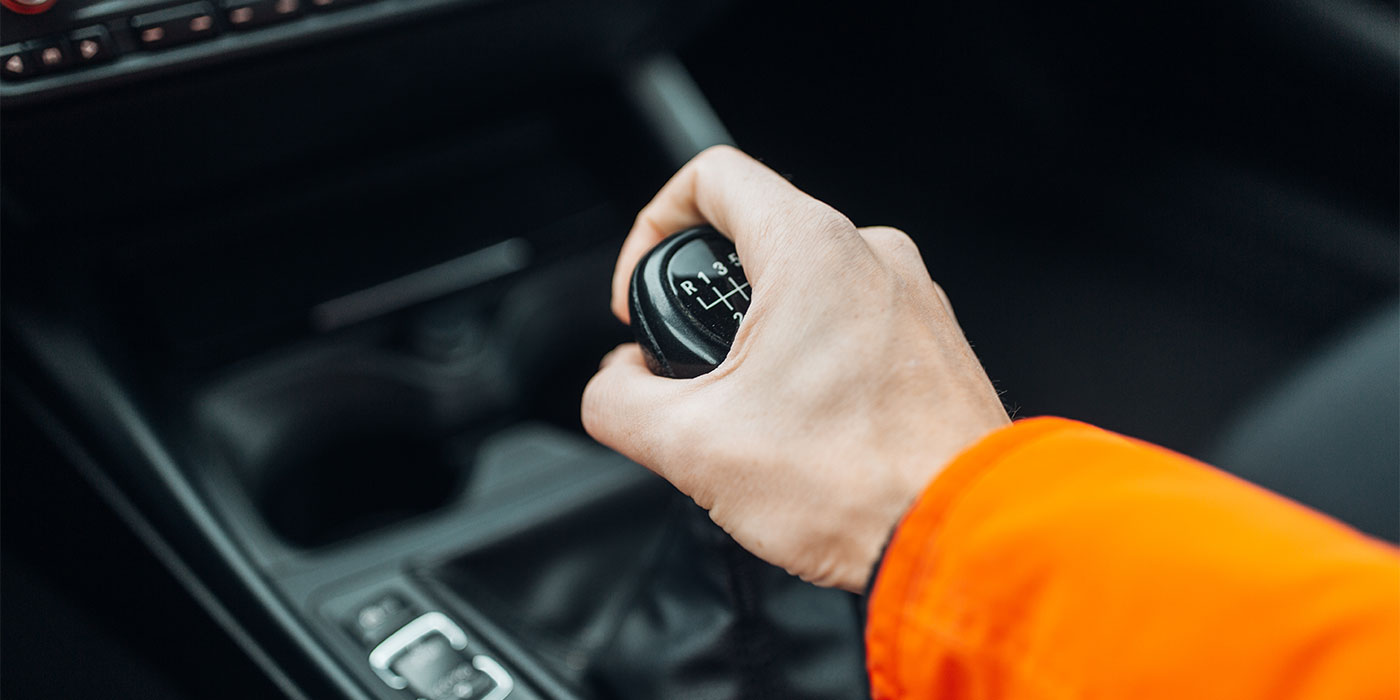
Few automotive topics spark as much debate as the future of the manual transmission. For decades, it stood as the default choice for drivers who valued control, engagement, and a deeper connection with their cars. Today, that position has changed. Automatic gearboxes have become quicker, more efficient, and easier to live with in everyday traffic. As a result, manual transmissions are steadily disappearing from new vehicle lineups.
Still, the question refuses to fade. Is the manual transmission worth preserving, or is the attachment mostly emotional? Some drivers insist that nothing compares to the feeling of shifting gears yourself. Others see it as an outdated system that no longer fits modern driving needs.
Car manufacturers have already made their stance clear in many cases. Models that once offered manual options now come exclusively with automatic or dual-clutch systems. Yet a small group of vehicles continues to keep the manual alive, often appealing to drivers who want a more involved experience behind the wheel.
This discussion goes beyond preference. It touches on performance, cost, convenience, and even the future direction of driving itself. By examining real vehicles and how they perform with manual gearboxes, it becomes easier to understand whether this transmission type still has a place in today’s automotive environment.
The Emotional Connection Between Driver and Machine
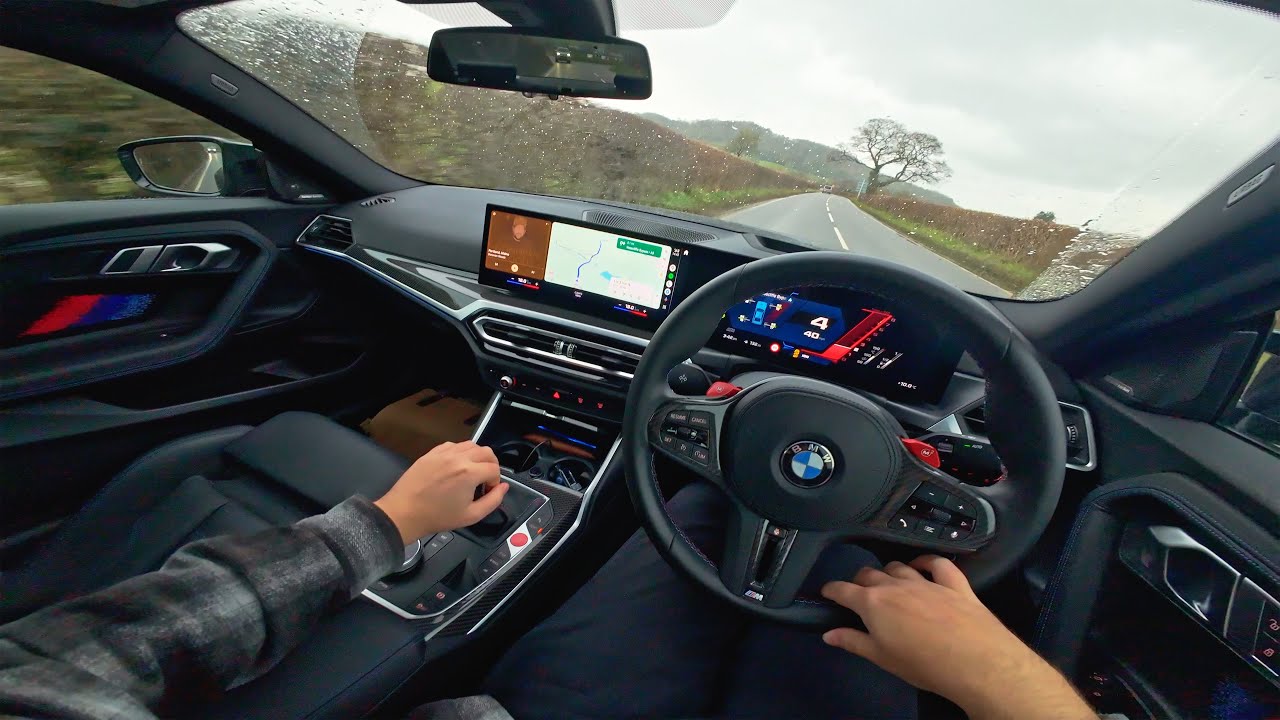
Driving a manual car creates a sense of involvement that goes far beyond simply getting from one place to another. Consider the Ford Mustang GT with a six-speed manual transmission. Every movement of the clutch and gear lever requires attention, coordination, and timing. That process turns driving into an active experience rather than a passive one.
Unlike automatic systems that handle gear changes without input, a manual transmission places responsibility directly in the driver’s hands. Selecting the right gear at the right moment becomes part of the rhythm of driving. That rhythm can feel rewarding, especially on open roads where traffic is minimal and the driver can fully engage with the car.
Many enthusiasts describe this connection as the main reason they prefer manuals. It is not about being faster or more efficient. It is about feeling involved. Even small actions, such as rev-matching during downshifts, can bring a sense of satisfaction that automated systems do not replicate in the same way.
At the same time, this emotional appeal does not resonate with everyone. For drivers who view a car purely as transportation, the extra effort required to operate a manual gearbox may seem unnecessary. Stop-and-go traffic can quickly turn that engaging experience into something tiring. Constant clutch use becomes repetitive, especially during long commutes.
There is also a learning curve. New drivers must develop coordination between both feet and one hand while maintaining awareness of traffic conditions. That challenge can discourage some people from choosing manual cars, particularly when automatic options are widely available and easier to operate.
Still, the emotional connection remains a powerful factor. Even as technology continues to advance, many drivers continue to seek out manual cars for the experience they provide. That connection helps explain why manual transmissions continue to exist, even as their presence in the market declines.
Cost Considerations and Financial Reality
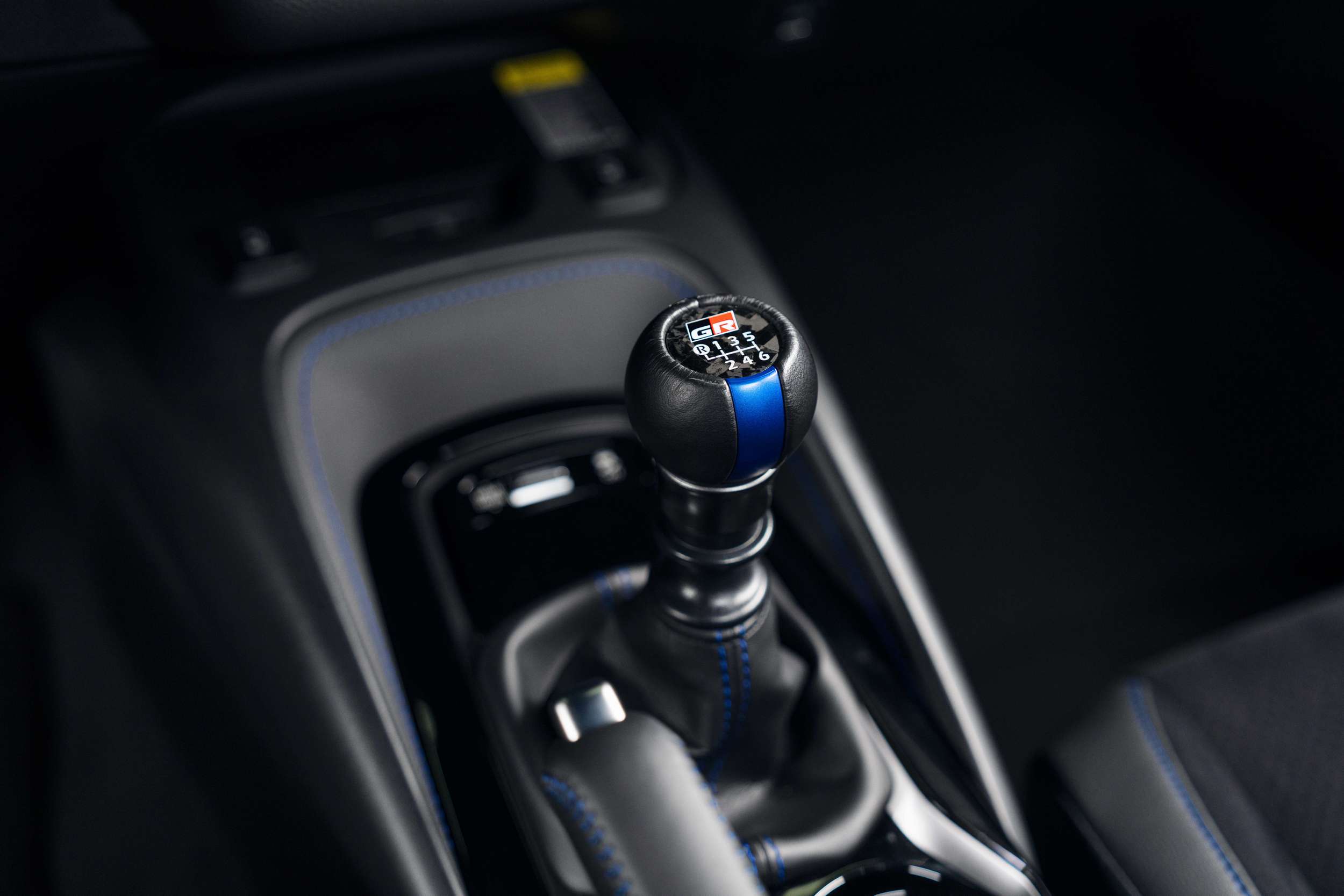
Financial considerations often play a major role when people decide which car to buy, and manual transmissions have long been linked with lower upfront pricing. A model such as the Honda Civic LX with a manual gearbox can, in some cases, cost less than the automatic version.
That price difference can matter to buyers who are working within a strict budget and want a reliable vehicle without stretching their finances too far. Looking back at earlier decades, manual transmissions were built with fewer moving parts and a simpler mechanical layout.
That simpler design reduced production cost for manufacturers, and those savings were often passed down to buyers through a lower sticker price. Repair costs were also generally easier to manage because the system involved fewer components than automatic transmissions, which rely on more intricate hydraulic and electronic parts.
Fuel usage used to be another area where manual transmissions held an advantage. Drivers who understood proper shifting techniques could keep engine speed in an efficient range, reducing unnecessary fuel burn. As time goes on, however, that advantage has reduced.
Modern automatic transmissions now use advanced software, multiple gear ratios, and adaptive systems that adjust shifting patterns based on driving conditions. In many cases, they now deliver fuel economy that matches or even exceeds what a manual transmission can achieve.
When it comes to long-term upkeep, the picture is more balanced. Manual transmissions can still require clutch replacement after extended use, especially in situations involving heavy traffic where frequent gear changes place more stress on components.
That type of repair can become costly depending on driving conditions and how the vehicle is used. At the same time, automatic transmissions, while more mechanically and electronically advanced, have improved in durability and reliability due to better engineering and stronger internal materials.
Resale value adds another layer to the discussion. Manual vehicles often appeal to a smaller group of buyers in the used car market, which can affect how quickly they sell and sometimes influence pricing. Enthusiast-oriented models tend to maintain a stronger interest, but everyday commuter cars with manual gearboxes may not attract the same level of demand.
From a financial point of view, the difference between manual and automatic transmissions has become less clear than it once was. Manuals can still provide savings in certain situations, but those benefits are no longer guaranteed. Buyers now need to consider purchase price, maintenance expectations, fuel efficiency, and daily driving conditions before making a final decision.
Also Read: 10 Best Manual Transmission Cars You Can Still Buy New in 2026
Performance and Technology Have Changed the Equation
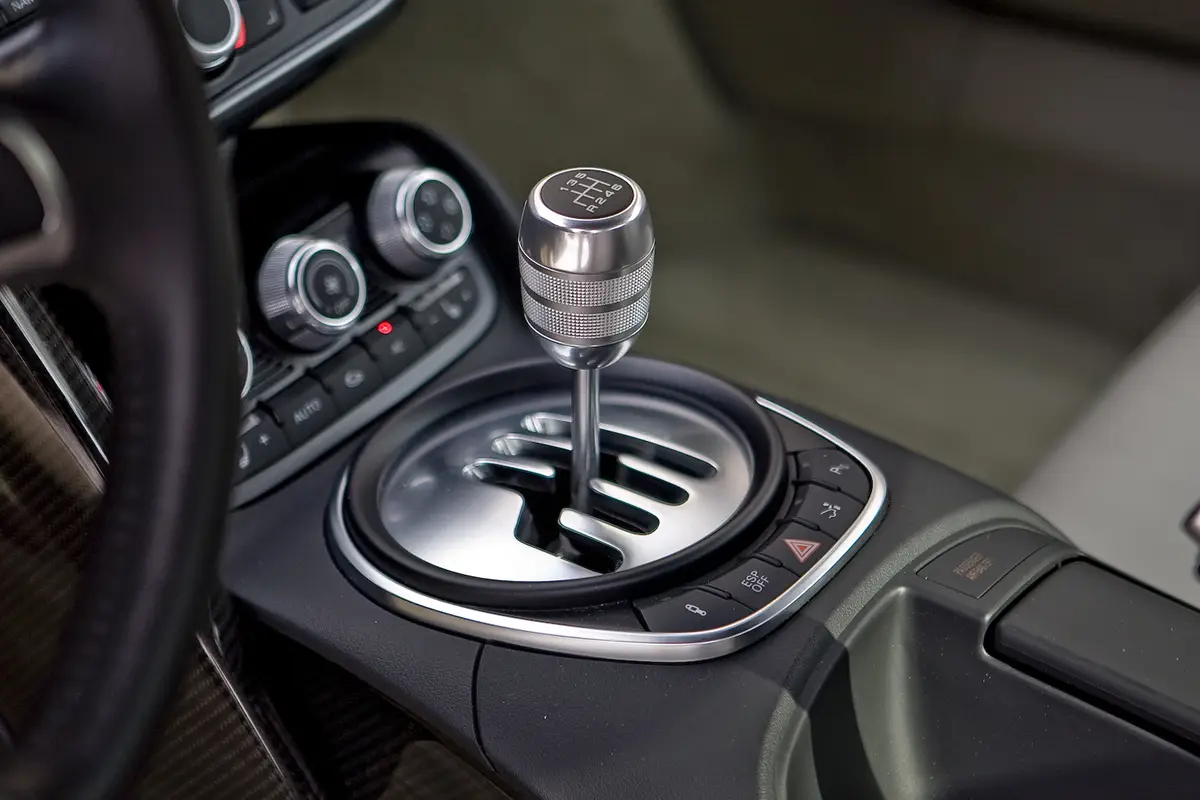
Performance used to be closely tied to manual transmissions, but modern technology has reshaped that relationship. The Porsche 911 Turbo demonstrates how advanced automatic systems now dominate in performance-focused vehicles.
Dual-clutch transmissions and advanced automatics can move gears far more quickly than a human driver. These systems optimize power delivery, allowing vehicles to accelerate more efficiently. Launch control features further enhance performance by managing traction and engine output during acceleration.
Manual transmissions, while engaging, cannot match the speed and precision of these automated systems. In high-performance scenarios, even small delays in gear changes can affect acceleration times. For drivers focused on achieving the best possible performance numbers, automatic systems offer a clear advantage.
Despite this, manual gearboxes still hold value in certain types of driving. Some drivers prefer the control they provide, particularly in situations where managing engine speed and gear selection manually can enhance the driving experience. Track enthusiasts may appreciate the challenge of mastering gear changes, even if it does not produce the fastest lap times.
Technology has also improved driver-assistance features, many of which are designed with automatic transmissions in mind. Adaptive cruise control, advanced traction systems, and semi-autonomous driving features integrate more seamlessly with automatic gearboxes.
As a result, the role of manual transmissions in performance vehicles has diminished. While they continue to exist, they are no longer the default choice for achieving speed and efficiency. Instead, they serve a different purpose, focused more on driver engagement than measurable performance.
Everyday Practicality and Changing Driving Habits
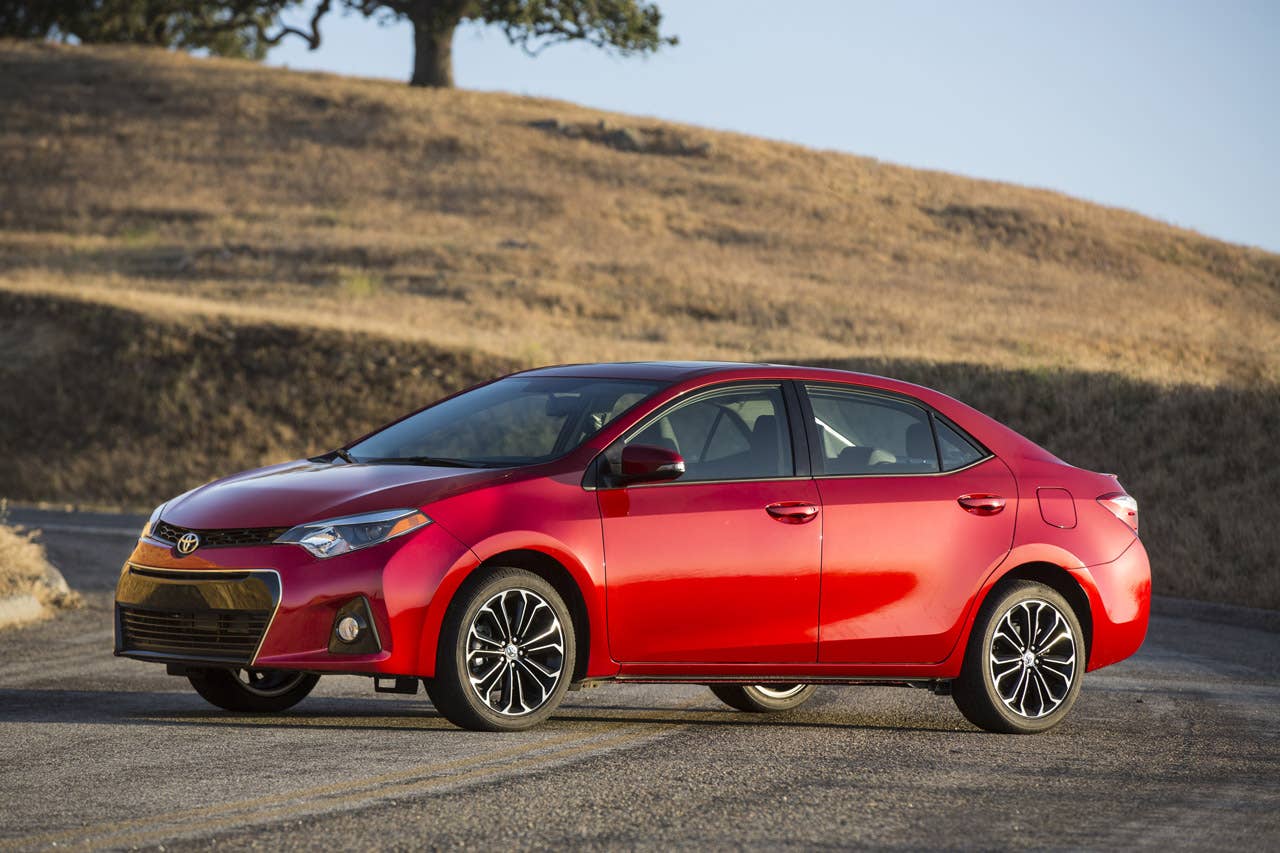
Daily driving conditions have changed in many places, and comfort has become a major factor when people choose a vehicle. The Toyota Corolla shows clearly how automatic transmissions align with modern driving habits practically. What used to be a simple choice between manual and automatic has now turned into a decision shaped by traffic patterns, time demands, and ease of use.
In many cities, roads are filled with heavy traffic, frequent stops, and long periods of slow movement. During such driving conditions, operating a manual transmission can feel draining. The constant need to press the clutch, change gears, and coordinate foot and hand movement becomes repetitive during long commutes.
Automatic transmissions remove that burden completely, allowing the driver to focus more on steering, braking, and surrounding traffic instead of gear control. Ease of operation also matters a lot in today’s driving environment. Automatic cars are generally easier to learn and operate, which makes them attractive to a wide range of drivers.
New drivers often find manual transmissions challenging at first because they require coordination and timing. Even experienced drivers sometimes prefer automatics simply because they reduce effort during daily use and make driving feel less demanding.
Safety also plays a role in this preference. When a driver has fewer physical tasks to manage, attention can stay more on the road and the surrounding conditions. In busy traffic situations, that extra focus can help with quicker reactions and smoother decision-making. It also reduces distractions caused by constant gear changes, especially in stop-and-go movement.
Car manufacturers have responded to these changes in demand. Many brands now offer fewer manual transmission options, and in some cases, manual versions have been removed completely from popular models. This change reflects how consumer behavior has shifted toward convenience and ease rather than mechanical involvement.
Even with this trend, manual transmissions are not completely without value. In less crowded areas or open road environments, driving conditions are more relaxed. In those situations, some drivers still enjoy the direct control and involvement that a manual gearbox provides. It can feel more engaging when traffic is light, and driving becomes less stressful.
Practical use depends strongly on lifestyle and location. Automatic transmissions fit better with modern daily routines, especially in busy urban settings, while manual gearboxes still suit certain drivers who prefer more control and live in areas with lighter traffic conditions.
Also Read: 10 Manual Transmission Vehicles You Can Still Buy Brand New
Manual Transmissions in a Changing Industry In The Future
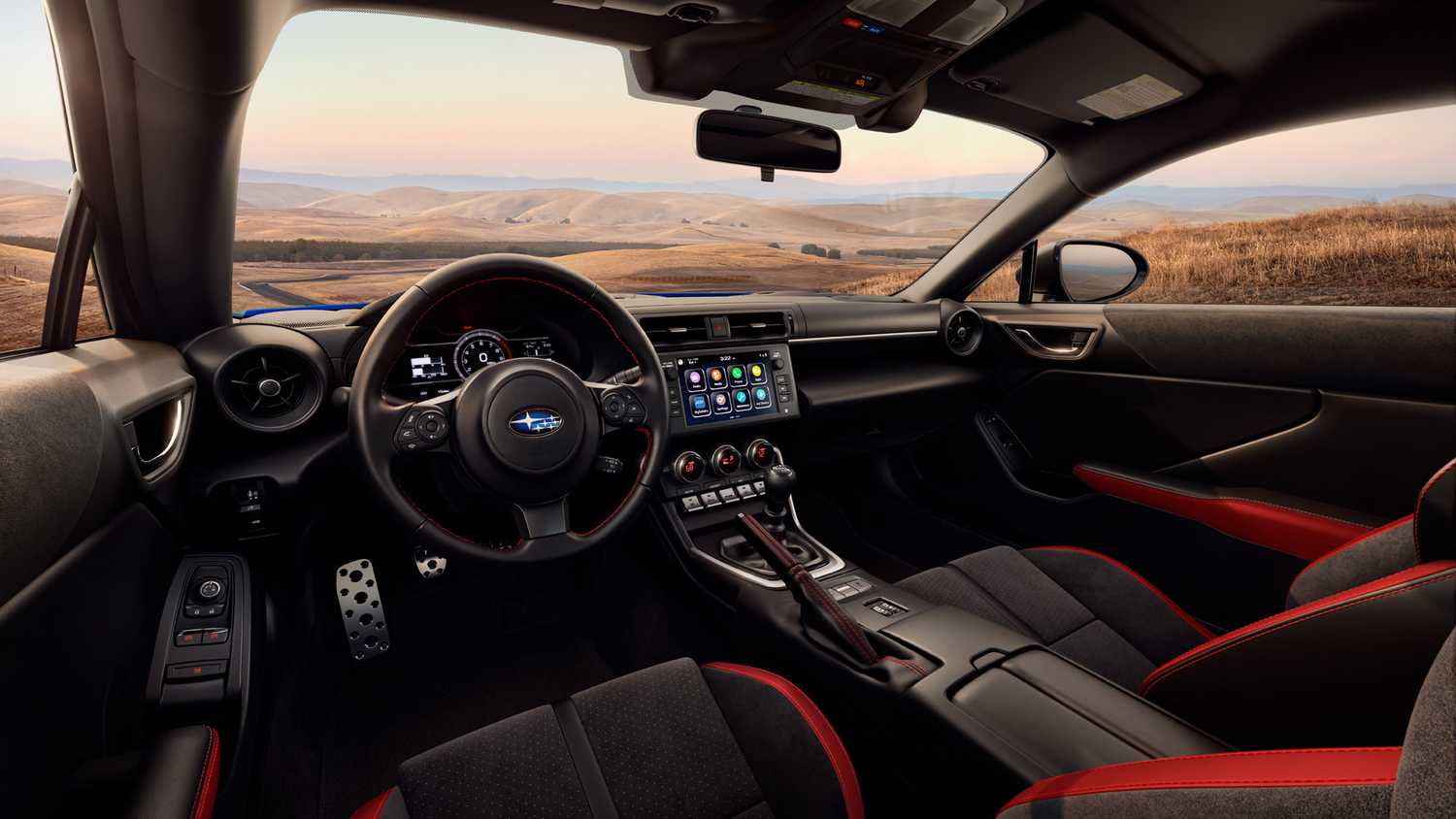
Looking ahead, the future of manual transmissions appears uncertain. The Subaru BRZ represents one of the remaining models that continues to offer a manual option, appealing to drivers who value simplicity and engagement. The rise of electric vehicles is a major factor shaping this future.
Electric powertrains do not require traditional gearboxes, as they deliver power differently from internal combustion engines. This eliminates the need for manual transmissions in many new vehicles. Regulatory requirements also influence design decisions.
Emissions standards and efficiency targets encourage the use of advanced automated systems to optimize engine performance. Manual transmissions introduce variability, which can make it more challenging to meet these requirements.
Despite these trends, a dedicated group of drivers continues to support manual cars. Manufacturers recognize this demand and maintain manual options in select models, particularly those aimed at enthusiasts. These vehicles often emphasize driving experience rather than pure efficiency or convenience.
Cultural factors play a role as well. Manual transmissions are often associated with skill and tradition. Learning to drive a manual car remains an important experience for many people, reinforcing its place in automotive culture. The future of manual transmissions may not involve widespread use, but they are unlikely to disappear entirely in the near term.
Instead, they are expected to remain in niche segments where driver engagement is valued. The question of whether manual transmissions are worth saving depends on perspective. For some, they represent a meaningful part of driving that deserves preservation.
For others, they are no longer necessary in a world shaped by efficiency and convenience. What remains clear is that manual transmissions continue to hold a place, even as their role continues to change.
