
Cars today are dominated by expansive touchscreens, sophisticated driver-assistance features, and highly complex software systems. Yet alongside this technological progress, a number of small, familiar features that drivers once expected as standard have slowly vanished over time.
Most buyers barely notice these changes immediately because manufacturers often replace deleted features with flashy technology or redesigned interiors that distract from what was removed. Behind the scenes, however, cost-cutting plays a major role in many of these decisions.
Automakers constantly search for ways to reduce production expenses, especially as vehicles become more expensive to engineer due to safety regulations, emissions requirements, and digital technology integration.
Even saving a few dollars per vehicle can translate into millions in annual profit when multiplied across global production volumes. As a result, manufacturers sometimes eliminate practical features that were once standard equipment across large portions of the industry.
Some deleted features disappeared because consumer habits changed naturally. Others vanished because modern design trends favored cleaner interiors or lighter vehicle weight.
Yet many longtime drivers still miss these conveniences because they offered genuine usability without adding complexity. In several cases, manufacturers even removed physical components only to replace them with less practical touchscreen alternatives.
Another interesting aspect involves how quietly many deletions happen. Carmakers rarely advertise the removal of a feature.
Instead, the change simply appears during a redesign or mid-cycle update while marketing campaigns focus attention elsewhere. Buyers may not realize what disappeared until they begin living with the vehicle daily.
The automotive industry has always evolved, and not every old feature deserves to survive forever. Still, certain deletions clearly prioritized manufacturing savings over driver convenience or practicality.
Features that once existed across economy cars, trucks, luxury sedans, and family SUVs gradually faded away despite remaining useful.
This article examines seven once-common automotive features that manufacturers quietly removed over time to reduce costs, simplify production, or follow modern industry trends.
Some of these features disappeared recently, while others slowly faded over decades. Together, they reveal how subtle cost-cutting decisions continue shaping the everyday ownership experience of modern vehicles.
Also Read: 10 Forgotten Safety Features That No Longer Exist
1. Full-Size Spare Tires
For decades, full-size spare tires represented a completely normal part of vehicle ownership. Drivers expected to find a properly sized replacement wheel in the trunk capable of handling normal highway driving without restrictions.
Over time, however, manufacturers quietly replaced these practical spares with smaller, temporary doughnuts or tire repair kits, mainly to reduce production costs and improve fuel economy figures.
The Honda Accord serves as one of the clearest examples of this industry-wide shift. Earlier Accord generations often included full-size spares, especially on higher trims. Modern versions increasingly rely on compact spare tires or inflator kits, depending on trim level and market.
From a manufacturing perspective, the change makes financial sense. Full-size spare wheels require additional rubber, steel, or alloy materials, larger storage space, and more vehicle weight. Reducing that weight slightly improves fuel economy ratings, which became increasingly important as efficiency regulations tightened globally.
Consumers, however, lost significant practicality in the process. Temporary donut spares usually limit speed and driving distance severely, making long highway trips stressful after a puncture.
Tire repair kits create even more frustration because they often fail during severe sidewall damage or large punctures, where sealant becomes useless.
Another hidden consequence involves cargo space. Manufacturers frequently advertise larger trunk capacity after removing full-size spares because the smaller replacements require less storage room. Buyers may view this as progress initially without realizing the practical trade-off underneath.
The shift also created problems for owners driving in rural areas or regions with poor road conditions. A compact temporary spare may help drivers reach a nearby repair shop in cities, but long-distance travelers often prefer the security of a full-size replacement wheel capable of normal driving.
Many enthusiasts and experienced drivers now purchase aftermarket full-size spare kits separately because they no longer trust factory solutions. Ironically, buyers sometimes spend additional money restoring a feature that used to come standard from the manufacturer itself.
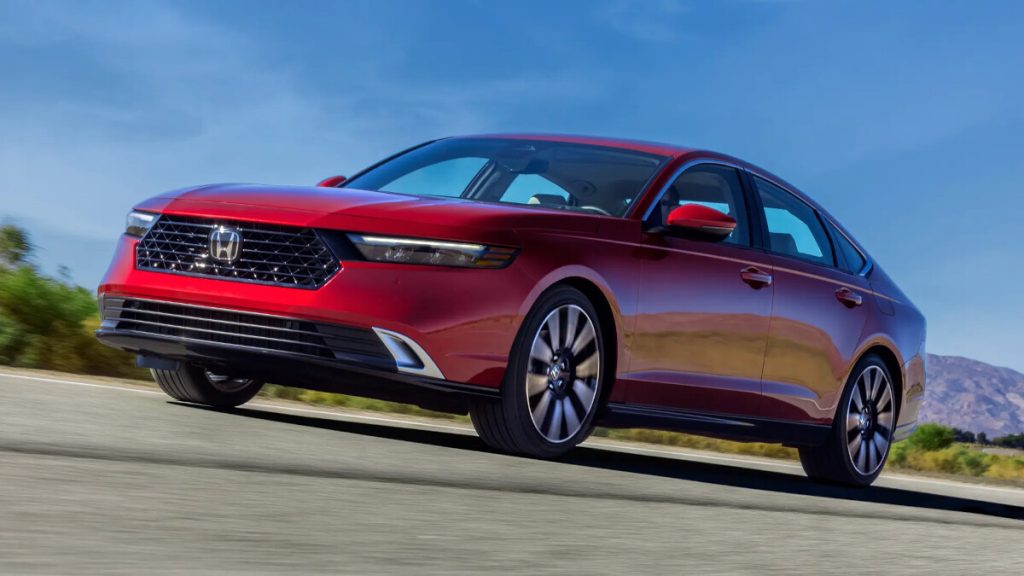
The Honda Accord remains one of the best midsize sedans on the market, but its gradual transition away from full-size spares reflects a broader industry trend where practical long-term convenience quietly disappeared in favor of lower costs and slightly improved efficiency numbers.
2. Hood Struts
Opening the hood of older vehicles often revealed a simple but surprisingly premium feature: hydraulic hood struts. These gas-filled supports lifted the hood smoothly and held it securely in place without requiring a manual prop rod.
Over time, many automakers quietly abandoned hood struts in favor of cheaper metal support rods, even on relatively expensive vehicles.
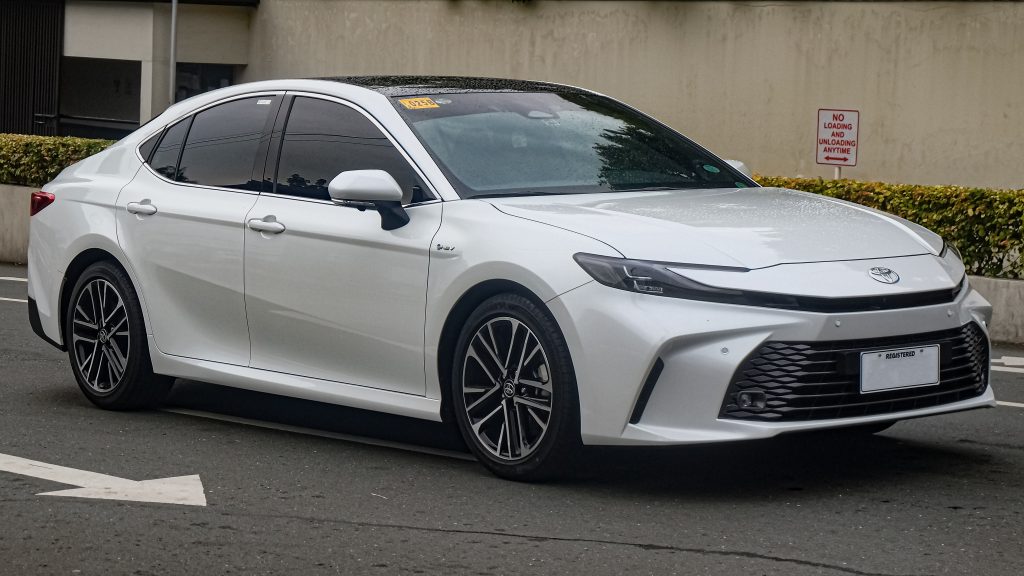
The Toyota Camry demonstrates this change clearly. Earlier generations and higher-end trims frequently used hydraulic struts for a cleaner and more convenient engine-bay experience. Newer mainstream versions increasingly rely on basic prop rods despite rising vehicle prices and more upscale marketing.
The difference may sound minor at first, but hood struts significantly improve daily usability. Drivers can open the hood quickly with one hand instead of fumbling with a thin metal rod that must be manually positioned. The engine bay also appears cleaner and more refined without a support arm crossing part of the compartment.
From the manufacturer’s perspective, deleting hood struts saves money across massive production volumes. Gas struts cost more to manufacture than simple metal rods and may eventually require replacement after years of use. Prop rods remain cheaper, lighter, and mechanically simpler.
Another reason for the deletion involves changing consumer behavior. Many modern car owners rarely open the hood themselves because maintenance intervals have become longer and dealership servicing has grown more common. Manufacturers realized most buyers would not prioritize hood struts during purchasing decisions.
Enthusiasts and longtime drivers still notice the downgrade immediately. Vehicles marketed as near-luxury products sometimes use basic prop rods despite costing far more than older cars equipped with hydraulic supports decades earlier. The change symbolizes a broader shift toward hidden cost-cutting measures many consumers never actively requested.
Luxury brands generally retain hood struts longer because they contribute to perceived quality and refinement. Mainstream manufacturers, however, increasingly viewed them as unnecessary expenses that could disappear quietly without affecting showroom sales significantly.
The Toyota Camry continues to excel in reliability, comfort, and efficiency, yet the disappearance of hood struts highlights how even small convenience features gradually vanish when manufacturers search for ways to trim production costs. It is one of those details that rivers often stop appreciating only after it disappears completely.
3. Physical Climate Control Buttons
For many years, physical climate control buttons represented one of the most practical and intuitive parts of a vehicle’s interior.
Drivers could adjust temperature, fan speed, or airflow direction instantly through dedicated knobs and switches without taking their eyes off the road. Modern cost-cutting and minimalist design trends have gradually pushed many manufacturers toward touchscreen-based controls instead.
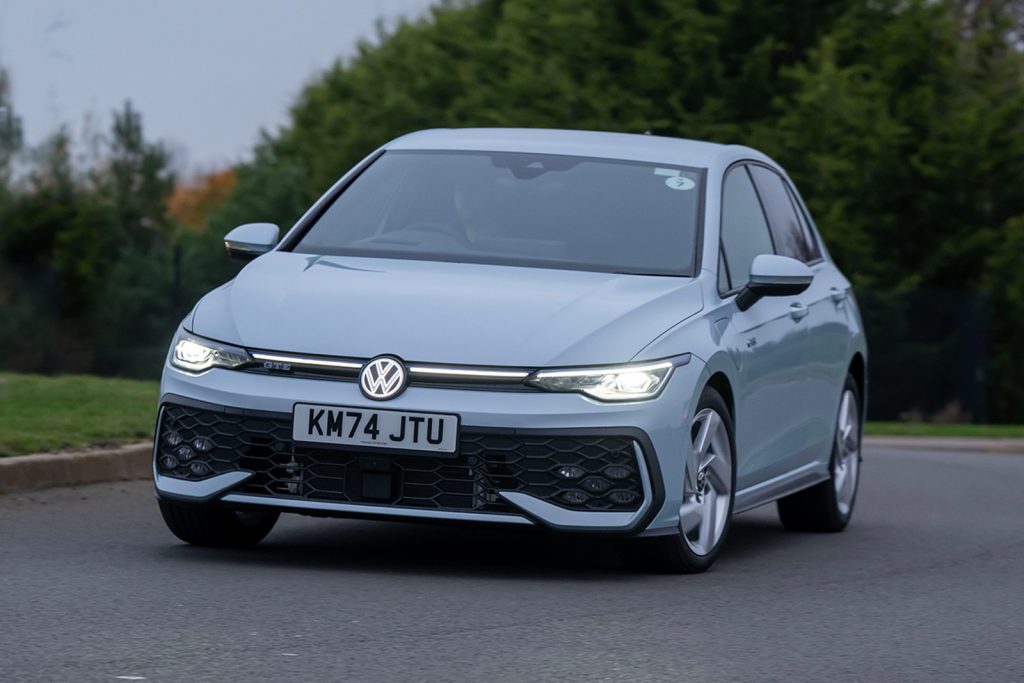
The Volkswagen Golf became one of the most discussed examples of this transition when newer generations integrated major climate functions directly into infotainment systems. Traditional rotary knobs and tactile buttons disappeared in favor of touch-sensitive panels and digital menus designed to create a cleaner, more futuristic cabin appearance.
At first glance, touchscreen controls seem technologically advanced. Manufacturers also benefit financially because large integrated displays reduce the number of separate physical components required inside the dashboard.
Instead of engineering dozens of individual buttons and switches, companies can centralize functions into software interfaces operating through one screen.
The problem emerges during real-world driving. Physical controls allow muscle memory operation, meaning drivers can adjust settings quickly without looking away from traffic. Touchscreen systems often require multiple taps, menu navigation, and visual attention just to change cabin temperature or fan speed.
Owners and automotive reviewers criticized many early touchscreen climate systems heavily because they complicated simple tasks unnecessarily. Some touch-sensitive sliders lacked backlighting at night, while others became difficult to use with gloves or during rough road conditions.
Another hidden issue involves durability and repair cost. Replacing a failed touchscreen system can become dramatically more expensive than repairing a traditional button panel. As vehicles rely increasingly on centralized software interfaces, even minor problems may affect multiple functions simultaneously.
Volkswagen eventually responded to criticism by reconsidering certain touch-control decisions in later designs, showing how strongly drivers still value tactile usability despite modern digital trends.
The shift away from physical controls also reflects a broader industry strategy focused on manufacturing simplification.
Large touchscreens create modern showroom appeal while potentially lowering production complexity over time. Carmakers realized many consumers associate screens with technological advancement, even when usability suffers.
The Volkswagen Golf remains one of the world’s most respected hatchbacks, but its transition away from traditional climate controls demonstrated how practical everyday convenience sometimes disappears quietly beneath fashionable technology trends and subtle cost-reduction strategies.
4. Passenger Side Keyholes
Older vehicles almost always included physical keyholes on both front doors. Drivers could unlock either side manually if remote entry systems failed or batteries died. In recent years, however, many manufacturers quietly eliminated passenger-side keyholes, leaving only the driver’s door with a visible mechanical lock cylinder.
The Nissan Altima illustrates this trend perfectly. Modern generations increasingly hide or remove passenger-side key access altogether as manufacturers rely more heavily on electronic key fobs and proximity entry systems.
From a cost-cutting standpoint, deleting one lock cylinder may seem insignificant. Across millions of vehicles, however, eliminating extra hardware, internal linkage components, and assembly complexity saves substantial money. Carmakers constantly analyze tiny expenses like these because even small reductions accumulate rapidly during mass production.
The change also supports modern styling trends. Designers prefer cleaner body panels with fewer visible interruptions, and removing passenger-side keyholes helps create a sleeker appearance. Many buyers never notice the deletion during showroom visits because electronic entry systems function normally most of the time.
Problems arise when technology fails. Dead batteries inside key fobs, frozen locks, electronic malfunctions, or drained vehicle batteries can suddenly make passenger-side manual access impossible. Drivers who once had redundant entry options now depend far more heavily on electronic systems functioning correctly.
The disappearance of passenger-side keyholes symbolizes how manufacturers increasingly prioritize appearance and production efficiency over backup practicality.
Mechanical redundancy used to matter greatly in automotive design because older systems failed more frequently. Modern companies assume electronics are reliable enough that secondary manual solutions no longer justify additional cost.
Some owners only realize the feature has disappeared after experiencing a lockout situation unexpectedly. In harsh weather conditions or emergency scenarios, having only one mechanical access point becomes surprisingly inconvenient.

Luxury vehicles occasionally hide keyholes beneath removable trim covers rather than deleting them entirely, maintaining cleaner styling while preserving emergency functionality. Mainstream vehicles often remove the extra hardware altogether.
The Nissan Altima continues to offer comfortable transportation, strong efficiency, and competitive technology features.
Yet the quiet disappearance of passenger-side keyholes reflects how manufacturers steadily remove small practical details many drivers once took completely for granted in everyday vehicle ownership.
5. Engine Covers With Sound Insulation
Opening the hood of many older luxury vehicles revealed carefully designed engine covers lined with insulation materials meant to reduce noise and create a refined driving experience.
These covers helped suppress mechanical sounds while also giving the engine bay a cleaner and more premium appearance. In recent years, however, many manufacturers quietly reduced or eliminated heavy insulation components to save money and weight.
The BMW 3 Series demonstrates this transition clearly. Earlier generations emphasized refinement heavily, often using thick under-hood insulation and substantial engine covers to isolate cabin occupants from vibration and harsh engine noise.
Modern versions still use decorative covers, but many cost-saving reductions have happened underneath the visible surfaces.
Manufacturers justify these changes partly through efficiency goals. Removing insulation materials reduces vehicle weight slightly, helping improve fuel economy and emissions numbers.
Yet cost reduction remains another major motivation because insulation materials, mounting hardware, and additional engineering all increase production expense.
The difference becomes noticeable during real-world driving. Some newer vehicles transmit more engine noise into the cabin than older models, despite major advances in automotive technology.
Carmakers sometimes compensate artificially using electronic sound enhancement systems played through cabin speakers rather than relying purely on physical insulation.
This shift reflects a broader industry trend where software increasingly replaces mechanical refinement solutions. Instead of investing heavily in sound-deadening materials, manufacturers often tune artificial engine sounds digitally to create a more controlled cabin experience.
The engine bay presentation also changed. Earlier luxury vehicles frequently emphasized visual polish beneath the hood because manufacturers expected owners to notice craftsmanship during maintenance or servicing. Modern vehicles prioritize manufacturing efficiency and simplified assembly instead.
Another hidden reason for reduced insulation involves maintenance accessibility. Removing thick soundproofing components can simplify repairs and improve cooling airflow around tightly packed turbocharged engines.

Even so, enthusiasts often notice that some modern luxury cars feel less mechanically isolated than older generations, costing significantly less when adjusted for inflation.
The BMW 3 Series still delivers impressive performance and technology, but the gradual reduction of heavy sound insulation illustrates how subtly refinement-focused features quietly disappear when manufacturers balance cost, efficiency, and production priorities.
Drivers may not immediately identify exactly what changed, yet many notice modern cabins sometimes feel noisier or less substantial than expected. That perception often traces back to small behind-the-scenes deletions like reduced insulation materials hidden beneath engine covers and body panels.
6. Rear Seat Map Pockets on Both Seats
Rear-seat map pockets once appeared in almost every family-oriented sedan, SUV, and crossover. Passengers used them to store magazines, tablets, documents, toys, snacks, and travel items during long trips.
Traditionally, automakers installed storage pockets behind both front seats, giving rear occupants convenient organization space regardless of seating position.
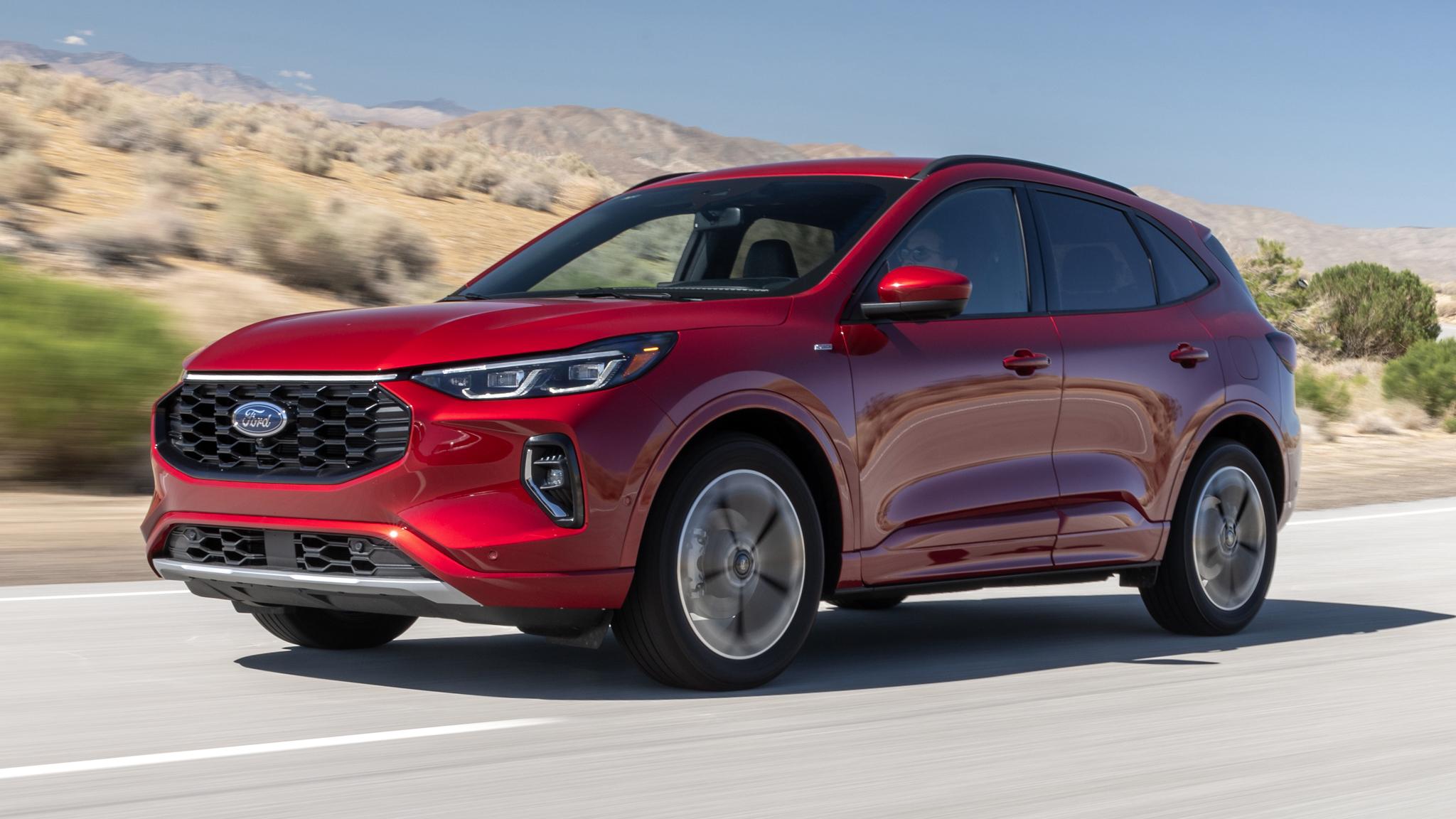
The Ford Escape highlights how this once-standard feature quietly began disappearing. Many newer trims and competitors now include only a single rear-seat pocket behind the passenger seat instead of equipping both front seats equally.
From a manufacturing perspective, deleting one storage pocket saves more money than many consumers realize. Each pocket requires extra fabric, stitching, mounting materials, assembly labor, and interior trim design work. Across massive production volumes, removing one pocket per vehicle creates measurable savings.
Most buyers never notice during initial showroom visits because the missing pocket seems minor compared to larger features like touchscreen size or safety technology. Yet families often discover the inconvenience later during everyday use.
The reduction also reflects changing assumptions about passenger behavior. Automakers increasingly believe rear passengers rely more on smartphones and digital devices than physical storage compartments. Some companies redirected focus toward USB ports and charging systems while quietly reducing traditional storage features.
Interior minimalism trends contributed as well. Designers often prefer cleaner-looking seatbacks with fewer visible seams or fabric sections. Removing map pockets creates a smoother appearance while simplifying upholstery manufacturing.
Families and frequent travelers still value the practicality, however. Children riding in the back seat often use storage pockets heavily during road trips. Losing one pocket reduces organization space noticeably, especially in compact crossovers where cabin storage already remains limited.
The deletion symbolizes a larger industry pattern involving small convenience features. Individually, each removal seems insignificant. Collectively, these changes gradually reduce the practical functionality that buyers once expected automatically.
Some premium manufacturers still provide dual seatback pockets because they contribute to perceived quality and passenger comfort. Mainstream brands more aggressively trim such details when controlling production costs becomes a priority.

The Ford Escape remains a practical and competitive crossover, but the disappearance of dual rear-seat map pockets demonstrates how everyday usability details slowly fade away when manufacturers search for subtle ways to reduce expenses without generating major consumer backlash.
7. Soft-Close Gloveboxes
There was a time when even relatively ordinary vehicles paid close attention to small tactile details inside the cabin. One feature many drivers barely noticed consciously was the soft-close glovebox.
Instead of slamming shut with a hollow plastic sound, the compartment door lowered gently and latched smoothly through dampened hinges designed to create a more refined experience.
The Mercedes-Benz C-Class became well known for these subtle luxury touches during earlier generations. Soft-opening and soft-closing compartments helped give the cabin a solid, expensive feel even during simple everyday interactions.
Modern versions of many vehicles, however, quietly abandoned these damped mechanisms in favor of cheaper and simpler glovebox designs.
From a cost-cutting perspective, the decision is understandable. Soft-close systems require additional dampers, hinges, and engineering compared to basic plastic latch mechanisms. Removing them saves manufacturing expense while also simplifying assembly lines and reducing long-term warranty concerns.
Most buyers rarely test glovebox operation carefully during dealership visits. Manufacturers know touchscreen size, ambient lighting, and digital displays attract far more showroom attention than compartment damping quality. As a result, subtle tactile refinements became easier targets for quiet cost reductions.
The difference still affects perceived quality significantly. Older luxury vehicles often feel more carefully engineered because small interactions, such as opening storage compartments, adjusting switches, or closing lids, were designed with deliberate smoothness and resistance. Many modern interiors prioritize visual technology instead of mechanical tactility.
Another reason glovebox damping disappeared involves changing interior packaging. Modern dashboards contain increasingly complex electronics, airbags, infotainment hardware, and climate systems competing for limited space. Simpler glovebox mechanisms reduce design complexity within crowded dashboard structures.
Enthusiasts and longtime luxury-car owners frequently notice these missing details immediately. A glovebox that drops open abruptly or rattles over bumps subtly changes how premium the cabin feels, even if drivers cannot immediately identify why the interior seems less substantial.

The trend reflects a broader transformation in automotive priorities. Earlier, luxury focused heavily on physical craftsmanship and tactile refinement. Modern vehicles increasingly emphasize software, digital interfaces, and visual minimalism while quietly reducing invisible mechanical details that once contributed heavily to cabin quality perception.
The Mercedes-Benz C-Class still delivers advanced technology, strong performance, and impressive safety features.
Yet the disappearance of soft-close gloveboxes illustrates how many traditional refinement touches gradually vanished across the industry as automakers searched for ways to reduce cost and manufacturing complexity without drawing obvious consumer attention.
Also Read: 10 Sedans That Drive Better Than They Look
