
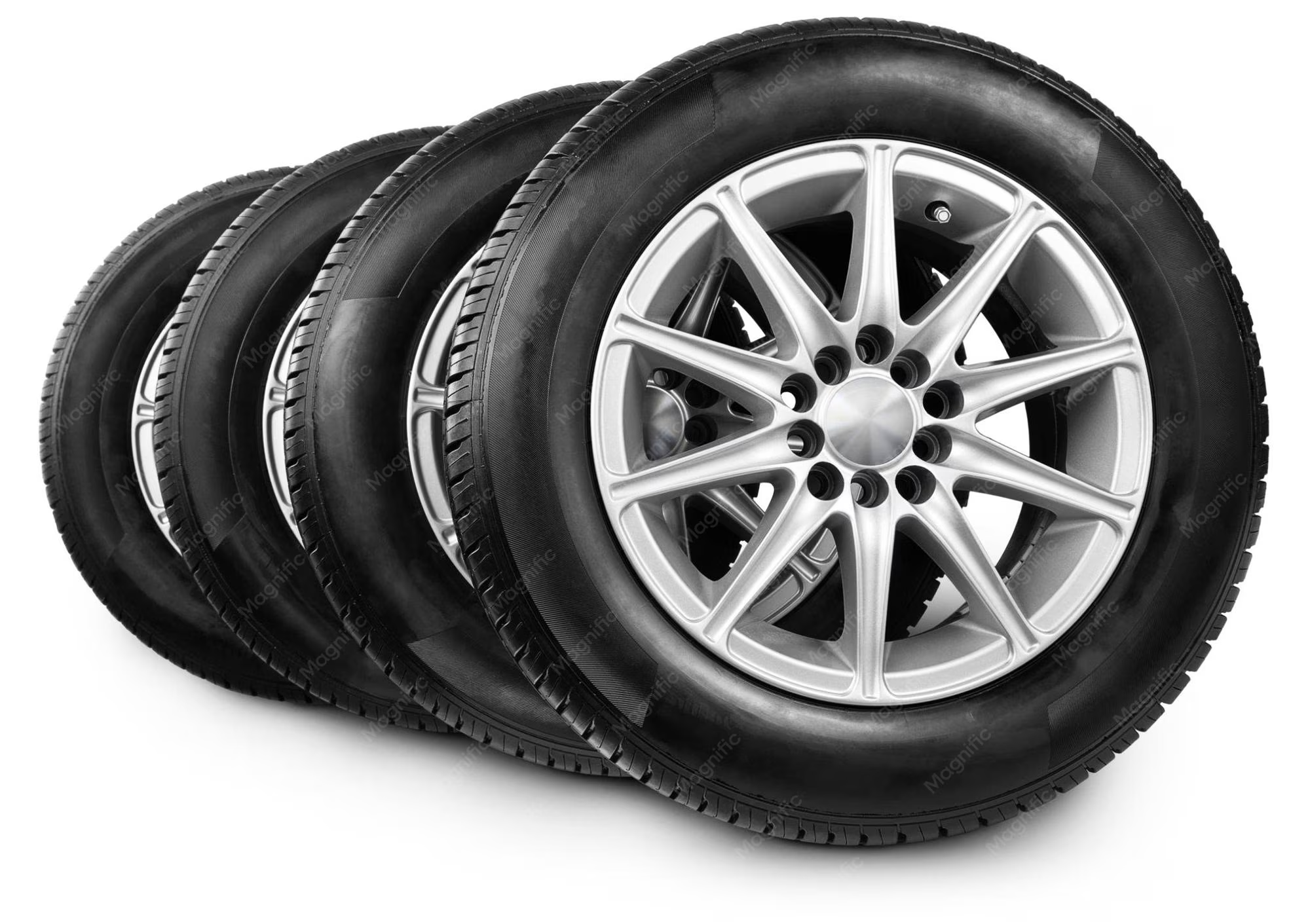
Tires are among the most expensive wear items on any vehicle, yet many drivers unintentionally shorten their lifespan through everyday habits. A quality set of tires can often last tens of thousands of miles, but neglecting basic maintenance can cut that lifespan dramatically.
Uneven wear, poor alignment, incorrect inflation, and aggressive driving all place extra stress on the rubber, forcing owners to replace tires much sooner than necessary.
The good news is that extending tire life does not require specialized mechanical knowledge or expensive equipment. In many cases, a few simple maintenance routines and small changes in driving behavior can significantly reduce wear and keep tread depth healthy for years.
Properly cared-for tires also improve fuel economy, ride comfort, wet-weather performance, and full safety.
Modern tires are engineered with advanced rubber compounds and tread designs intended to maximize durability. However, even the best tire cannot overcome chronic neglect.
Drivers who pay attention to tire pressure, suspension condition, and rotation schedules often get substantially more mileage from the same set than those who simply drive until replacement becomes necessary.
The following ten practices represent some of the most effective ways to maximize tire longevity. While no tire truly lasts forever, following these recommendations can help drivers get the maximum value from every mile and potentially double the usable life of a tire set under the right conditions.
Also Read: 10 Hidden Features In The Toyota RAV4
1. Check Tire Pressure Regularly
One of the simplest and most effective ways to extend tire life is maintaining the correct air pressure. Tires naturally lose pressure over time, and temperature fluctuations can accelerate the process. Even a few PSI below the manufacturer’s recommendation can have a significant impact on wear patterns and full durability.
Underinflated tires flex more as they roll down the road. That extra flex generates heat within the tire structure, causing the outer edges of the tread to wear faster than intended. Heat is one of the biggest enemies of tire longevity because it accelerates rubber degradation and weakens internal components over time.
Overinflation creates a different problem. When a tire contains too much air, the center of the tread carries most of the load. This concentrates wear in the middle portion of the tire and reduces the contact patch available for traction. The result is premature tread loss despite having plenty of rubber remaining on the shoulders.
Experts generally recommend checking tire pressure at least once a month and before long trips. Measurements should be taken when tires are cold, since driving increases internal pressure and can produce inaccurate readings. Using a quality pressure gauge provides much more reliable results than relying solely on visual inspection.
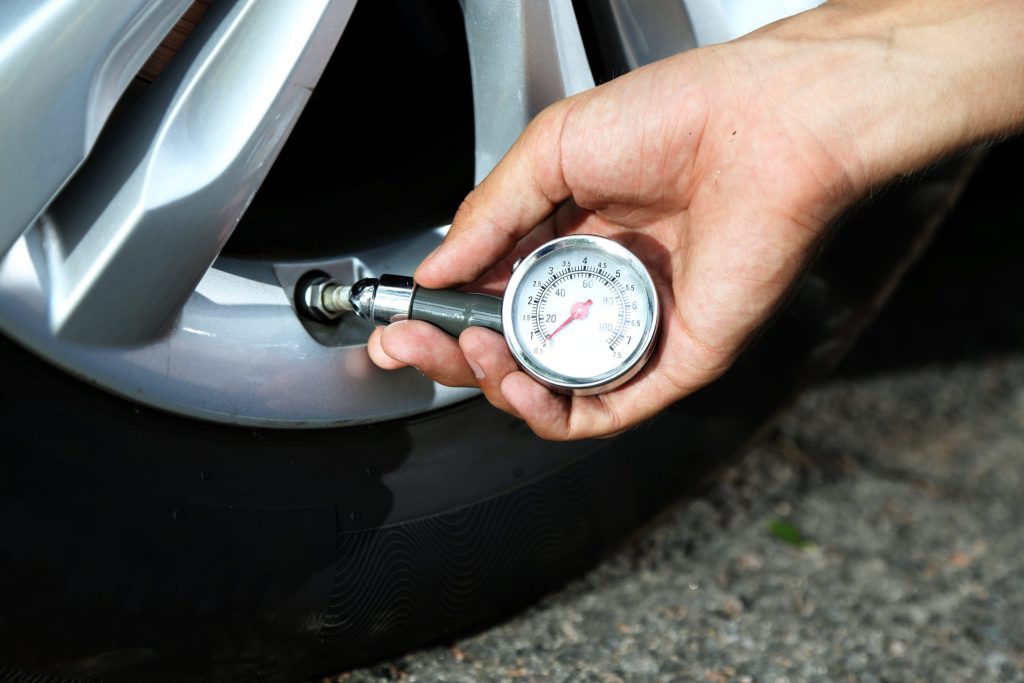
Consistent pressure maintenance improves fuel efficiency, handling, braking performance, and ride quality while ensuring the tread wears evenly across the tire’s surface. Few maintenance tasks offer as much value for so little effort.
2. Rotate Tires On Schedule
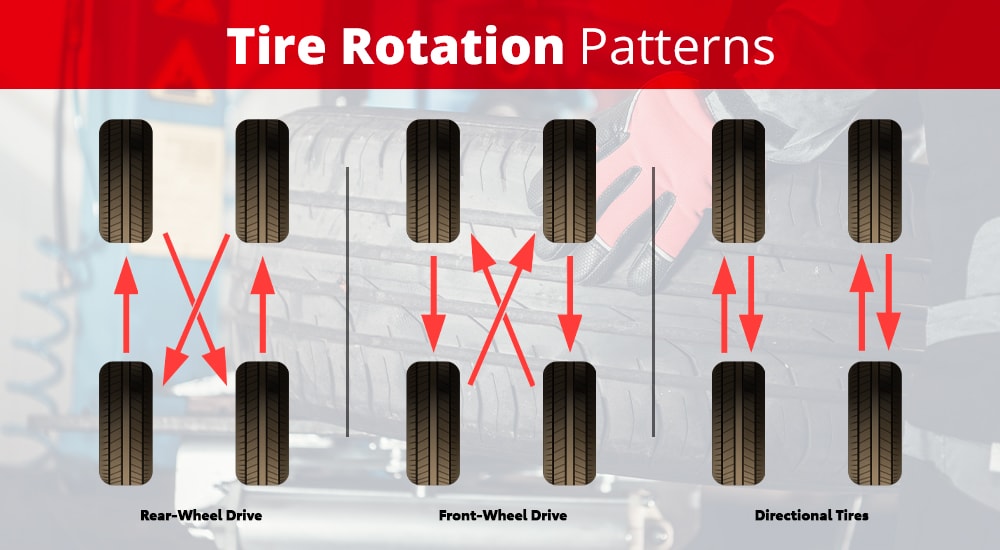
Many drivers overlook tire rotation, yet it is among the most important maintenance procedures for maximizing tread life. Tires do not wear evenly because different positions on the vehicle experience different loads and forces during acceleration, braking, and cornering.
Front tires typically wear faster on front-wheel-drive vehicles because they handle steering duties while also transferring engine power to the road. Rear tires often experience different wear characteristics depending on suspension design and driving habits. Without rotation, one pair of tires may wear out long before the others.
Following the rotation intervals recommended by the vehicle manufacturer helps distribute wear more evenly across all four tires. This allows the entire set to age at a similar rate instead of forcing replacement due to one prematurely worn pair. Most vehicles benefit from rotation every 5,000 to 8,000 miles, though specific recommendations vary.
The process also allows technicians to inspect tires for unusual wear patterns, embedded objects, sidewall damage, or alignment issues. Catching these problems early can prevent costly replacements later.
Drivers who skip tire rotations often discover significant tread differences between positions. Once severe uneven wear develops, the damage usually cannot be reversed. Rotating on a consistent schedule helps maintain balanced performance and extracts maximum mileage from every tire.
Because the cost of rotation is relatively low compared with tire replacement, this maintenance step offers one of the highest returns on investment in vehicle ownership. Regular rotation can add thousands of miles of useful life to a set of tires.
3. Keep Wheel Alignment Within Specifications
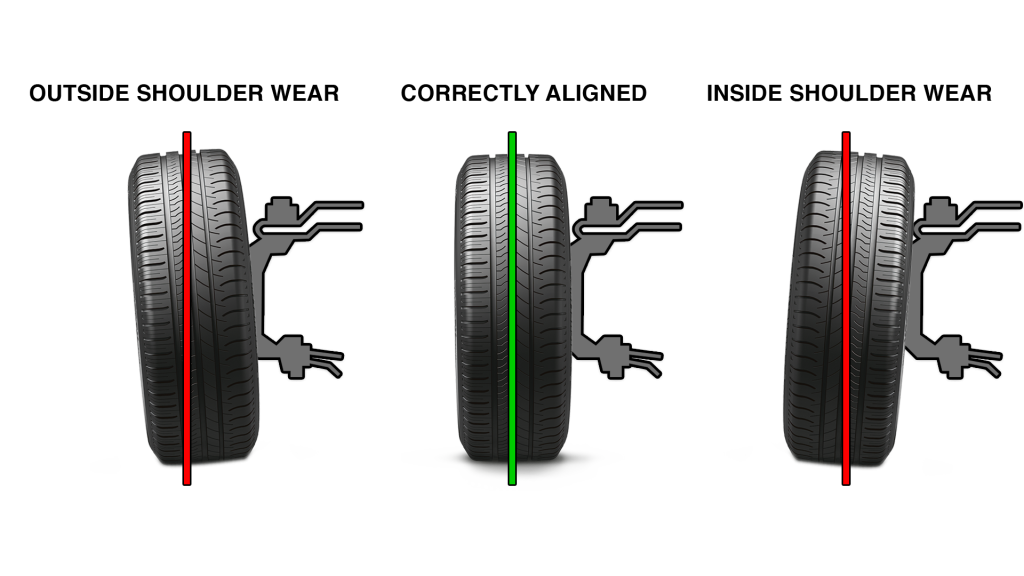
A vehicle can have perfectly inflated tires and still destroy them prematurely if the wheels are not properly aligned. Alignment refers to the angles at which the wheels meet the road, and even minor deviations can cause significant tread wear over time.
Many drivers do not realize an alignment problem exists until they notice uneven wear patterns or the vehicle begins pulling to one side.
Misalignment commonly develops after hitting potholes, curbs, speed bumps, or rough road surfaces. Suspension components naturally wear with age as well, gradually allowing alignment settings to drift outside factory specifications.
When this happens, the tire is no longer rolling straight. Instead, portions of the tread are dragged across the pavement, removing rubber much faster than normal.
One of the most recognizable signs of alignment trouble is feathering along the tread blocks. Drivers may also notice that the steering wheel sits off-center while traveling straight or that the vehicle constantly requires steering corrections. Ignoring these symptoms can dramatically shorten tire life.
Professional alignment service ensures that camber, caster, and toe settings remain within the manufacturer’s recommended range. Proper alignment allows the tread surface to contact the road evenly, distributing forces across the entire tire instead of concentrating them in specific areas.
The benefits extend beyond tire longevity. Correct alignment improves steering precision, reduces rolling resistance, and can enhance fuel economy. It also contributes to safer handling during emergency maneuvers and wet-weather driving.
Checking alignment annually or whenever unusual tire wear appears is a relatively small expense compared with replacing a prematurely worn set of tires. Maintaining proper wheel geometry remains one of the most effective long-term strategies for maximizing tire lifespan.
4. Avoid Aggressive Acceleration And Hard Braking
Driving style plays a larger role in tire longevity than many people realize. Every rapid launch from a stoplight and every hard braking event removes small amounts of rubber from the tread surface. While occasional spirited driving may not cause major damage, making it a daily habit can substantially reduce tire life.
Aggressive acceleration forces the driven tires to transfer large amounts of torque to the pavement. Even when wheelspin is not obvious, the tread experiences increased friction and heat buildup. Over thousands of miles, this extra stress accelerates wear and shortens the useful lifespan of the tire.
Braking habits have a similar impact. Hard stops place tremendous loads on the tread blocks as they fight to maintain grip. Repeated emergency-style braking can wear tires unevenly and increase the likelihood of flat spots developing. These flat areas not only reduce tire life but can also create vibration and ride-quality issues.
Smooth drivers typically achieve much greater tire longevity because they minimize unnecessary friction. Gradual acceleration, maintaining safe following distances, and anticipating traffic conditions reduce the need for abrupt inputs. This allows the tires to operate within their intended design parameters.
The difference can be surprisingly dramatic. Fleet operators and long-distance drivers often report significantly longer tire life simply by encouraging smoother driving techniques among drivers. Tire manufacturers frequently note that driving behavior is one of the biggest variables affecting tread wear rates.
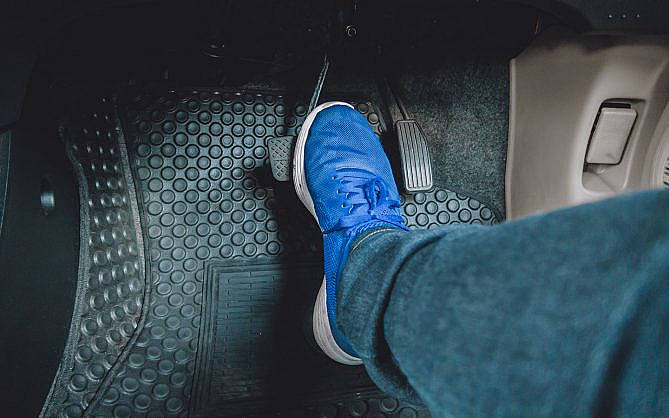
A calmer driving approach benefits more than just tires. It can improve fuel economy, reduce brake wear, lessen stress on suspension components, and create a more comfortable driving experience for everyone inside the vehicle.
5. Balance Your Tires Whenever Needed
Tire balancing is often overshadowed by more frequently discussed maintenance procedures, yet it plays a major role in preserving tread life.
Even a brand-new tire can have slight weight variations around its circumference. Small balancing weights are installed to compensate for these differences and allow the wheel and tire assembly to rotate smoothly at all speeds.
As tires wear, pick up debris, or experience impacts from potholes, their balance can change. When a tire becomes unbalanced, it no longer rolls smoothly.
Instead, it develops a slight bouncing or wobbling motion that may not always be obvious to the driver at lower speeds. Over time, this vibration creates uneven tread wear and places additional strain on suspension and steering components.
Many drivers first notice a balancing issue as a vibration through the steering wheel or seat while traveling on the highway. However, by the time these symptoms become noticeable, the tires may already be wearing unevenly. Catching the problem early helps prevent permanent tread damage.
Proper balancing ensures that the tire maintains consistent contact with the road surface. This allows the tread to wear evenly across its entire width rather than developing cupped or scalloped patterns. Tires that wear uniformly generally last much longer and provide better ride quality throughout their lifespan.
Balancing should be performed whenever new tires are installed, and it is also wise to have the balance checked if vibrations appear after striking a pothole or curb. Some shops recommend combining balancing with routine tire rotations for maximum effectiveness.
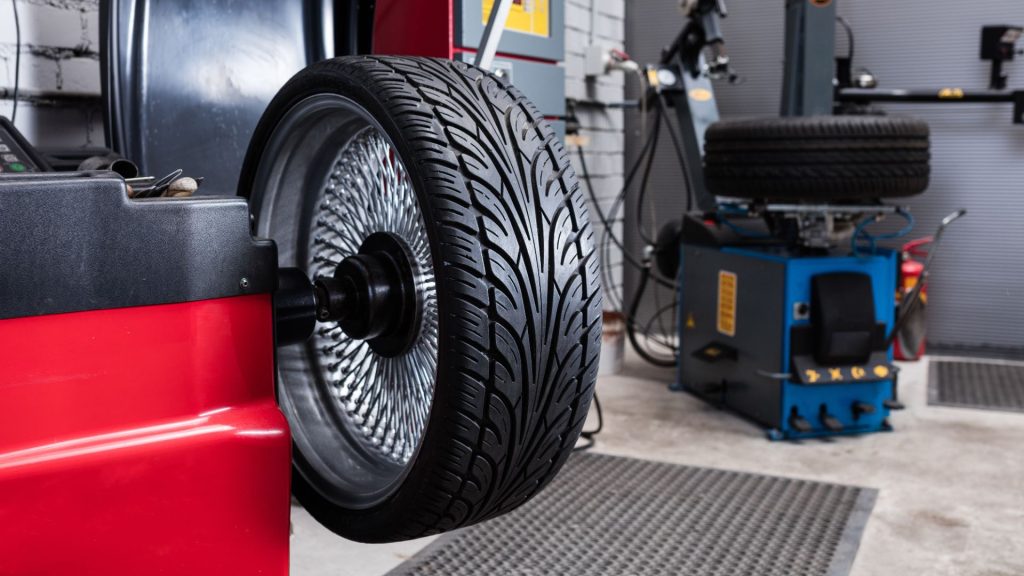
While balancing may seem like a minor maintenance item, it can significantly improve tire longevity, ride comfort, and full vehicle refinement. Spending a little on periodic balancing can save hundreds of dollars in premature tire replacement costs.
6. Inspect And Maintain Suspension Components
A tire can only perform as well as the suspension supporting it. Worn shocks, struts, bushings, ball joints, and other suspension components can dramatically reduce tire life, even when pressure, alignment, and rotation schedules are properly maintained. Many tire wear problems actually originate elsewhere in the vehicle.
The suspension’s primary job is to keep the tires firmly planted on the road. When shocks or struts become worn, the tires may bounce excessively after hitting bumps.
Instead of maintaining steady contact with the pavement, the tread repeatedly slams into the road surface. This creates irregular wear patterns that can quickly ruin an otherwise healthy set of tires.
Drivers may notice symptoms such as excessive body movement, nose-diving during braking, uneven tire wear, or reduced stability at highway speeds. These signs often indicate suspension components that need inspection. Ignoring them allows tire damage to worsen with every mile driven.
Worn bushings and ball joints can also affect wheel alignment angles. Even if an alignment is performed, deteriorated suspension parts may prevent those settings from remaining stable. The result is ongoing tread wear despite repeated alignment adjustments.
Routine inspections help identify problems before they become expensive. Mechanics can often spot leaking shocks, damaged bushings, or excessive component play long before drivers notice obvious symptoms behind the wheel. Replacing worn parts early protects the tires and helps maintain predictable vehicle handling.
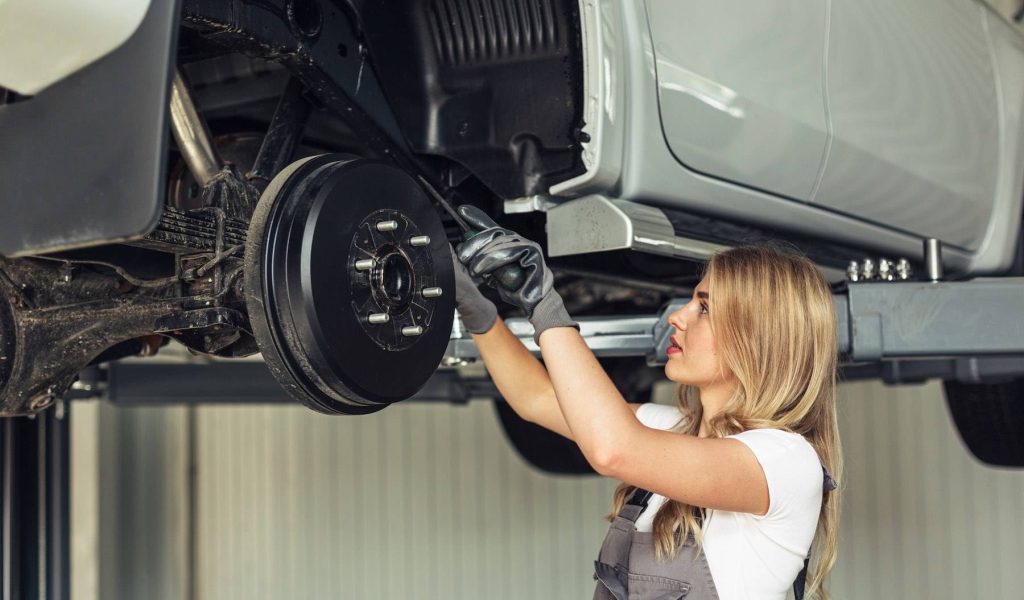
A healthy suspension system distributes road forces properly, allowing tires to wear evenly and deliver their full service life. Drivers focused on maximizing tire longevity should consider suspension maintenance an essential part of the equation rather than a separate concern.
7. Avoid Overloading Your Vehicle
Every vehicle has a maximum weight rating, and exceeding that limit can significantly shorten tire life. While occasional heavy loads may not immediately damage a tire, consistently carrying more weight than the vehicle was designed to handle places enormous stress on the tread, sidewalls, and internal structure.
Tires support the entire weight of the vehicle along with passengers, cargo, and anything being towed. When that weight increases beyond recommended levels, the contact patch grows and the tire flexes more during operation.
This additional flex generates heat, which is one of the primary causes of accelerated tire wear. Excessive heat can also weaken the tire’s internal construction over time.
The effects of overloading are not always obvious at first. A vehicle may still appear to drive normally, but the tires are working much harder with every rotation. Drivers often notice faster shoulder wear, reduced fuel economy, and less responsive handling. In severe cases, overloading can increase the risk of tire failure.
Checking the vehicle’s payload capacity is a simple but often overlooked habit. The information is typically listed on a sticker inside the driver’s door jamb. Staying within these limits helps ensure the tires operate as intended and wear at a predictable rate.
Distributing cargo evenly is equally important. Concentrating heavy items in one area places an uneven burden on specific tires, causing irregular wear patterns. Proper loading allows each tire to share the workload more effectively.

By respecting weight limits and loading cargo carefully, drivers can reduce stress on their tires, improve handling, and gain thousands of additional miles from a tire set that might otherwise wear out much sooner than expected.
8. Drive Around Potholes And Road Hazards Whenever Possible
Not all tire damage comes from mileage. Sometimes, a single encounter with a pothole, broken pavement edge, or road debris can remove months of potential tire life. Modern tires are durable, but repeated impacts can gradually create problems that accelerate wear and lead to premature replacement.
When a tire strikes a pothole at speed, the impact force travels through the tire, wheel, and suspension. Even if there is no visible damage, the tire’s internal structure may experience stress. Repeated impacts can cause sidewall weaknesses, tread separation issues, or alignment changes that result in uneven wear.
Road hazards are not limited to potholes. Construction zones, sharp debris, broken pavement, and raised manhole covers can all affect tire health. Drivers who frequently travel on poorly maintained roads often experience shorter tire life than those who spend most of their time on smoother surfaces.
Developing a habit of scanning the road ahead can make a noticeable difference. Spotting hazards early provides time to slow down safely or steer around them. Sudden swerving should be avoided, but controlled avoidance of road damage can help preserve both tires and suspension components.
Wheel alignment problems frequently begin after a hard impact. A driver may not connect a pothole strike to tire wear that appears months later, yet the two events are often related. Preventing those impacts reduces the likelihood of costly alignment corrections and premature tread loss.
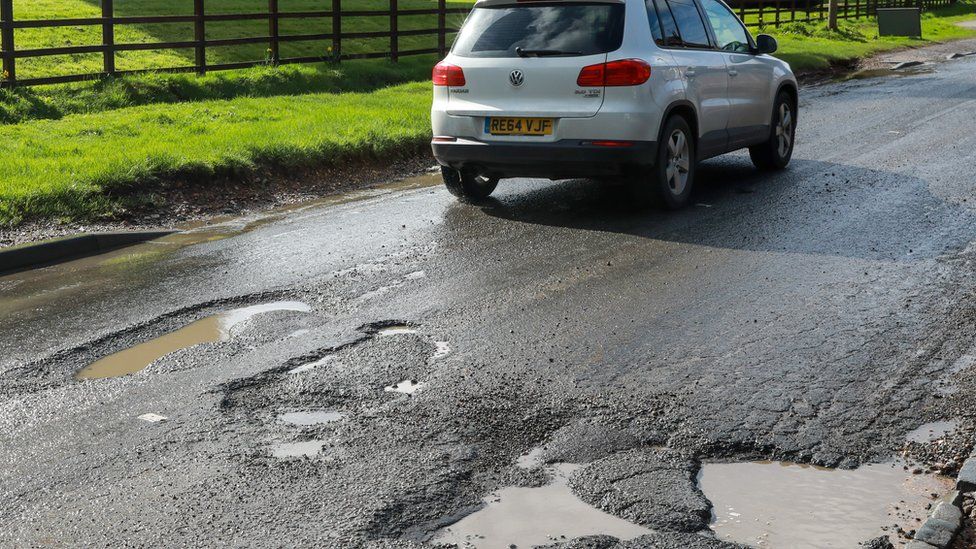
While some road hazards are unavoidable, minimizing exposure whenever possible helps maintain tire integrity. Protecting tires from unnecessary impacts is an easy way to extend their lifespan and avoid expensive repairs down the road.
9. Keep Tires Properly Clean And Protected
Most drivers think of tires only in terms of tread depth and air pressure, but the condition of the rubber itself also affects longevity. Tires spend their lives exposed to sunlight, rain, road salt, oil residue, brake dust, and countless other contaminants.
Over time, these elements can contribute to rubber deterioration and reduce the tire’s useful lifespan.
Ultraviolet rays are particularly harmful because they gradually break down the compounds that keep rubber flexible. This is why older tires often develop small cracks along the sidewalls even when plenty of tread remains.
Extreme heat can accelerate this aging process, especially in regions where vehicles spend long hours parked outdoors.
Regular cleaning helps remove substances that can damage rubber over time. Brake dust, road grime, and chemical contaminants may not seem harmful at first glance, but prolonged exposure can contribute to surface degradation. Washing tires during routine vehicle cleaning helps keep them in better condition.
Tire protectants designed specifically for automotive rubber can provide an additional layer of defense against environmental exposure.
However, it is important to use products intended for tires rather than harsh chemicals that may strip protective compounds from the rubber. Quality tire care products help maintain flexibility and reduce the risk of premature cracking.
Storage also matters. If a vehicle will sit unused for an extended period, parking in a garage or shaded area can help protect the tires from excessive sunlight and temperature extremes. Long-term exposure to harsh environmental conditions accelerates aging regardless of how much tread remains.
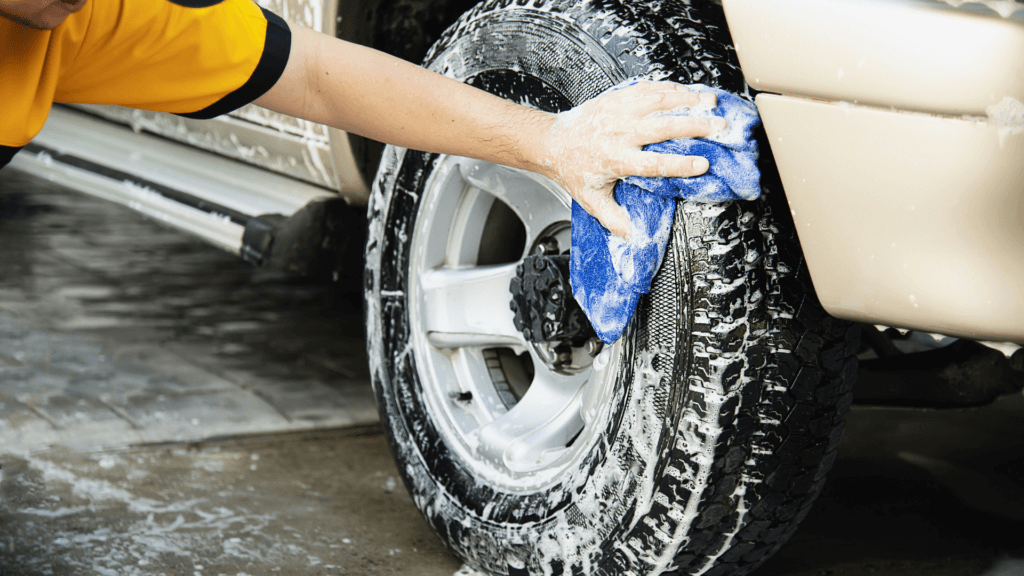
While cleaning alone will not double tire life, preserving the rubber’s condition helps ensure that tires remain safe and usable for as long as possible. Combined with proper maintenance, tire care can add valuable years of service.
10. Replace Worn Tires Before They Damage The Others
Many people assume that using every last bit of tread is the best way to maximize value from a tire purchase. In reality, waiting too long to replace severely worn tires can negatively affect the performance and longevity of the remaining tires on the vehicle.
As tread depth decreases, a tire’s ability to maintain traction changes. Worn tires often react differently during acceleration, braking, and cornering compared with healthier tires. This imbalance can place unusual loads on the other tires, encouraging uneven wear patterns across the entire set.
Vehicles equipped with all-wheel-drive systems are especially sensitive to differences in tire diameter. Excessively worn tires can create rotational differences that place additional strain on driveline components and contribute to accelerated wear among the remaining tires. Maintaining similar tread depths helps ensure balanced operation.
Regular inspections make it easier to identify when replacement is approaching. Drivers should monitor tread depth, inspect sidewalls for cracking, and watch for signs of uneven wear. Replacing tires at the appropriate time allows the vehicle to maintain consistent handling characteristics and protects other components from unnecessary stress.
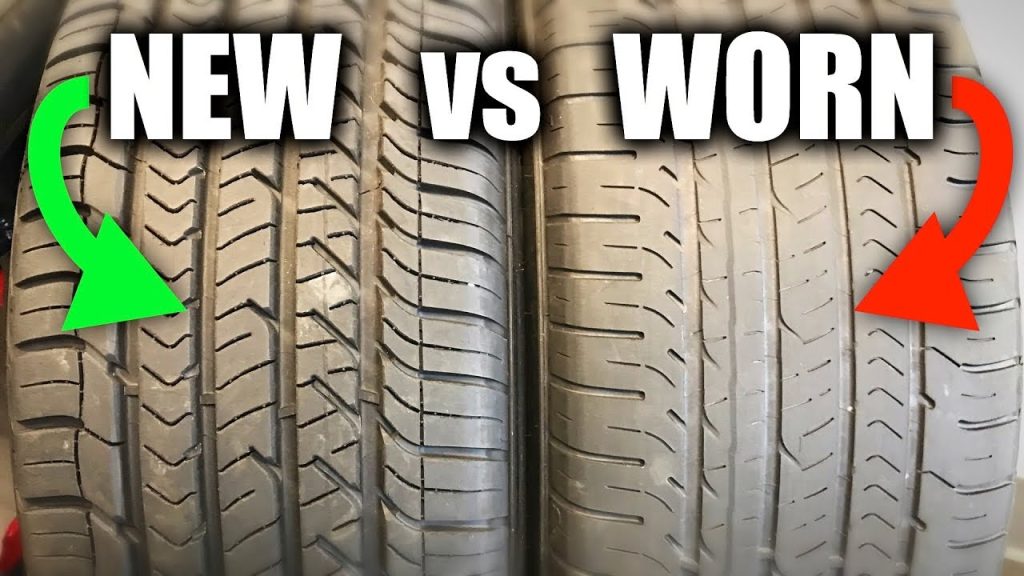
Another advantage of timely replacement is safety. Tires with healthy tread evacuate water more effectively and maintain better grip on wet roads. Waiting until tires are completely worn out increases the risk of hydroplaning and reduces full vehicle control.
Getting maximum life from a tire does not mean driving on it indefinitely. The goal is to use the tire efficiently while replacing it before excessive wear begins affecting performance, safety, and the condition of the remaining tires. Smart replacement timing is an important part of long-term tire management.
Also Read: 10 Luxury Cars With Factory Sound Systems Worth Every Penny
