
High-performance SUVs are no longer unusual and have become a common part of the modern automotive market, with buyers now able to choose from models like the Lamborghini Urus, Porsche Cayenne Turbo GT, BMW XM, and Aston Martin DBX707, among many others that deliver acceleration and capability once associated mainly with supercars.
Modern technology has made it possible for large, heavy vehicles to achieve performance figures that once seemed impossible. In the early 1990s, however, the concept was almost laughable.
SUVs were generally slow, boxy, and designed primarily for utility. Most buyers choose them for cargo space, towing capability, or off-road performance rather than speed. Sports cars dominated acceleration contests, and few enthusiasts expected an SUV to pose any sort of threat.
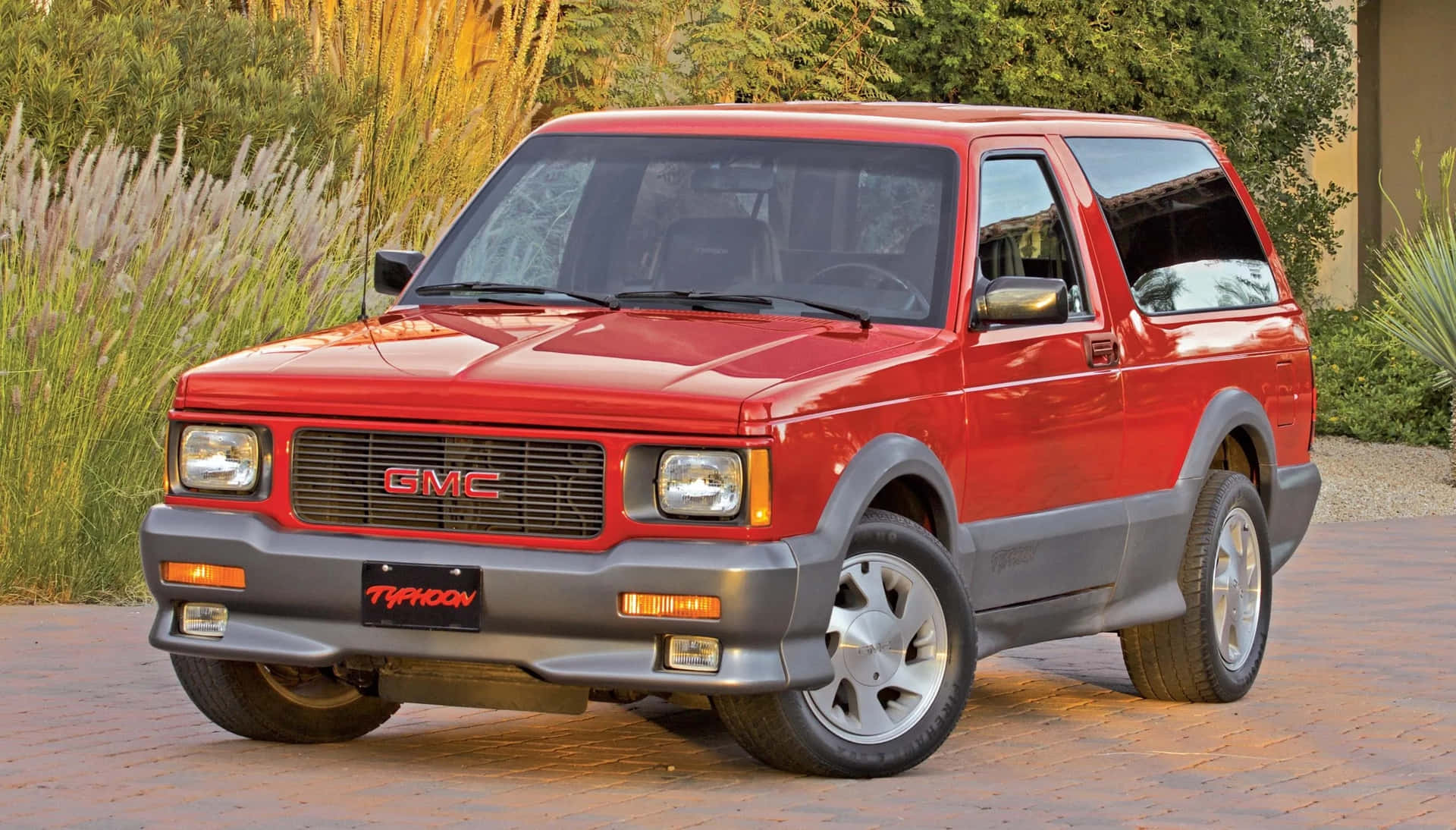
Then GMC introduced the Typhoon. Built for the 1992 and 1993 model years, the Typhoon was unlike anything else on the market. It took the mechanical formula that had already made the GMC Syclone pickup famous and applied it to a compact SUV.
The result was a vehicle that could outrun many of the era’s most respected performance cars while carrying groceries, luggage, or a family.
At a time when Ferrari, Porsche, and Chevrolet Corvettes represented the performance benchmark, the Typhoon shocked the automotive world with acceleration figures that few SUVs could approach for decades.
It arrived years before manufacturers embraced the idea of performance-oriented utility vehicles and effectively created a category that would not become mainstream until much later.
More than thirty years after its debut, the GMC Typhoon remains one of the most remarkable SUVs ever built and a reminder that the high-performance SUV trend began long before most people realized it.
Also Read: 10 Cars Ranked By How Cheap They Are To Insure
GMC Built It Using The Syclone Formula
The Typhoon would never have existed without the success of the GMC Syclone. The turbocharged pickup had proven that buyers were interested in unconventional performance vehicles.
More importantly, it demonstrated that a truck-based platform could deliver sports-car acceleration when equipped with the right combination of power and traction. GMC decided to push the concept further.
Instead of using the Sonoma pickup platform, engineers turned their attention to the compact Jimmy SUV. Like the Syclone, the Typhoon would receive a turbocharged engine, all-wheel drive, upgraded suspension components, and extensive performance tuning.
The idea was bold. SUVs were not associated with speed in the early 1990s. Most were relatively heavy and designed for utility rather than outright performance. GMC believed it could challenge those assumptions by creating an SUV capable of competing with some of the fastest vehicles on the road.
The company partnered once again with Production Automotive Services, which handled much of the specialty assembly work.
When development concluded, the Typhoon looked like a practical utility vehicle. Underneath, however, it was something entirely different. It had become one of the quickest production vehicles available in America.
A Turbocharged V6 Delivered Serious Power
Like the Syclone, the Typhoon relied on a turbocharged 4.3-liter V6 engine. At first glance, the choice seemed unusual. Many performance vehicles of the era used V8 engines or high-revving six-cylinder powerplants. GMC instead built upon an engine originally developed for truck applications.
The modifications transformed it completely. A Mitsubishi turbocharger forced additional air into the engine, while an intercooler helped maintain lower intake temperatures. Revised fuel and ignition systems ensured reliable performance under boost, and strengthened internal components improved durability.
Officially, output was rated at 280 horsepower and 350 lb-ft of torque. While those figures appear modest today, they were impressive for the early 1990s. More importantly, the turbocharged engine produced strong torque at low engine speeds, giving the Typhoon explosive acceleration from a standstill.
Many enthusiasts believed GMC understated the true power output. Performance testing consistently suggested the SUV was delivering more power than the published specifications indicated. Whether intentional or not, the discrepancy only enhanced the Typhoon’s reputation.
What mattered most was the way the vehicle performed. The numbers on paper failed to capture how aggressively it accelerated.
All-Wheel Drive Turned Power Into Speed
The secret to the Typhoon’s remarkable performance was not horsepower alone. Its advanced all-wheel-drive system played an equally important role.
Most performance vehicles of the era relied on rear-wheel drive. While effective under ideal conditions, rear-wheel-drive cars often struggled to maximize traction during hard launches.
The typhoon approached the problem differently. Its all-wheel-drive system distributed power between the front and rear axles, allowing all four tires to contribute during acceleration. The setup dramatically reduced wheelspin and helped the vehicle launch with incredible efficiency.
The result was startling. Automotive magazines routinely recorded 0-to-60 mph times in the low-five-second range, with some tests producing even quicker results under ideal conditions.
Those numbers placed the Typhoon in direct competition with sports cars that were far more expensive and significantly less practical.
The SUV’s traction advantage often allowed it to outperform vehicles with greater horsepower.
Drivers accustomed to traditional performance cars were frequently shocked by how hard the Typhoon accelerated from a stop. It simply hooked up and launched.
It Humiliated Several Sports Cars
The Typhoon earned its reputation because it consistently delivered astonishing real-world performance.
Contemporary testing from publications such as Car and Driver and Motor Trend revealed acceleration figures that placed the SUV among the quickest production vehicles available at the time.
In some comparisons, the Typhoon matched or surpassed sports cars that carried far more prestigious badges.
A 0-to-60 mph sprint in approximately 5.3 seconds made it quicker than many versions of the Chevrolet Corvette available during that period. It also challenged vehicles from Porsche and Ferrari in certain acceleration metrics, particularly during standing-start contests where all-wheel-drive traction provided a significant advantage.
These results generated tremendous publicity. Consumers expected sports cars to dominate acceleration tests. They did not expect a compact SUV with cargo space and all-weather capability to produce similar numbers.
The typhoon changed perceptions. Suddenly, an SUV could be more than a utility vehicle. It could be genuinely fast. That idea may seem obvious today, but in the early 1990s, it was revolutionary.
GMC Didn’t Forget About Style
Performance alone was not enough. GMC wanted the Typhoon to look special, and the styling reflected that goal.
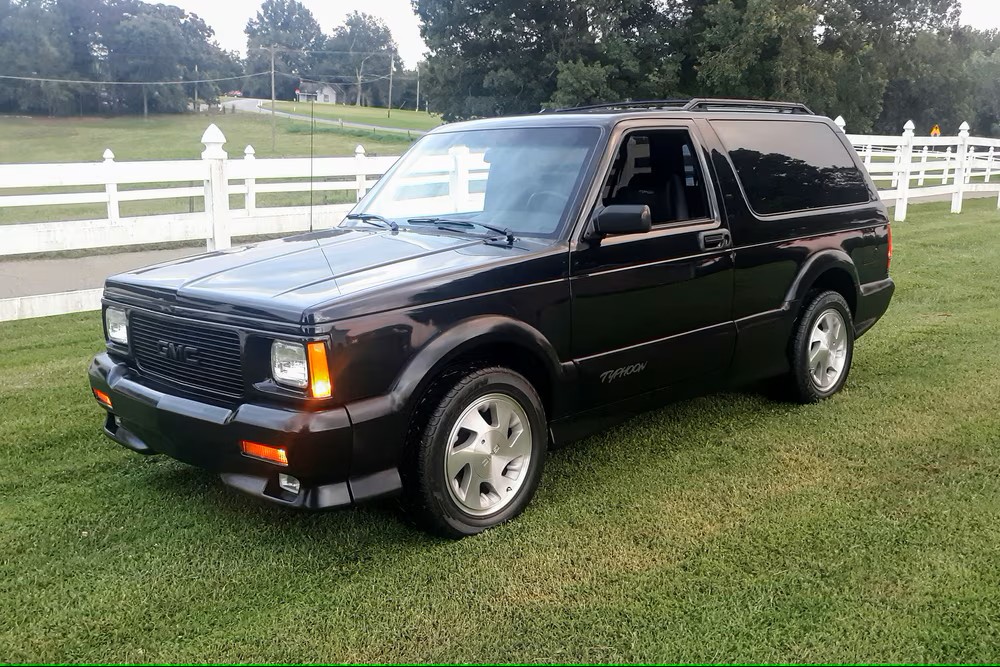
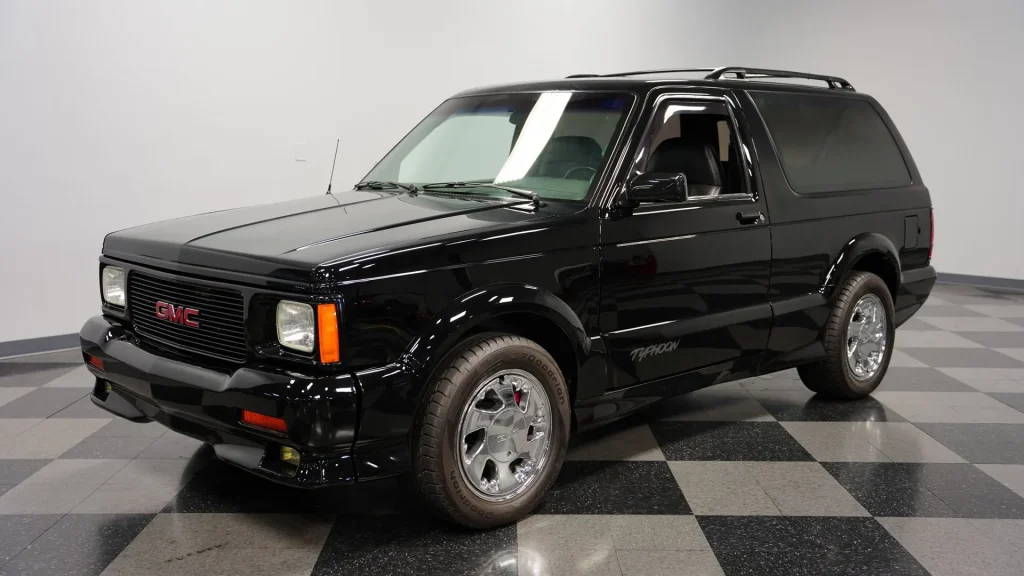
Compared with a standard Jimmy, the Typhoon featured unique body cladding, revised bumpers, aggressive ground effects, and distinctive wheels. The lowered ride height immediately signaled that this was not a typical SUV.
Most examples were painted black, although other colors became available during production.
Inside, the cabin received upgrades designed to create a more premium feel. Leather seating surfaces, special trim elements, and additional equipment helped distinguish the Typhoon from mainstream utility vehicles. The full presentation struck a careful balance.
It looked aggressive without appearing cartoonish. Unlike many modern performance SUVs that rely on oversized grilles and dramatic aerodynamic elements, the Typhoon maintained a relatively understated appearance.
That subtlety contributed to its appeal. Many sports-car owners had no idea what they were lining up against at a stoplight.
Production Numbers Stayed Low
Despite the excitement surrounding the vehicle, GMC never intended the Typhoon to become a mass-market model. Production remained limited throughout its short lifespan.
Approximately 4,697 Typhoons were built between the 1992 and 1993 model years. Compared with mainstream SUVs, those numbers were tiny. The limited production run helped establish the Typhoon’s collectible status.
Owners recognized early that they possessed something unusual. The SUV occupied a unique place in automotive history, combining practicality and performance in a way that few manufacturers had attempted.
As years passed, interest continued growing. Collectors increasingly viewed the Typhoon as one of the most important performance vehicles of the 1990s. Well-preserved examples became highly sought after, and values climbed steadily. The SUV’s rarity only strengthened its legend.
It Predicted The Future Of Performance SUVs
Looking back, the typhoon appears remarkably ahead of its time. Modern performance SUVs generate enormous profits for manufacturers. Nearly every luxury brand now offers at least one high-performance utility vehicle, and some companies have built entire business strategies around the segment.
The typhoon anticipated this trend decades earlier. It demonstrated that consumers would embrace an SUV capable of delivering sports-car performance. It proved that practicality and speed did not have to be mutually exclusive.
Many of the ideas that define modern performance SUVs were present in the Typhoon. Turbocharging, all-wheel drive, aggressive styling, premium interiors, and exceptional acceleration are now common features within the segment. In the early 1990s, they were groundbreaking.
The Typhoon showed what was possible long before the rest of the industry caught up.
The SUV That Changed Expectations
The GMC Typhoon occupies a special place in automotive history because it challenged assumptions.
At a time when SUVs were expected to prioritize utility over performance, GMC built a vehicle capable of embarrassing sports cars in acceleration contests. It combined turbocharged power, all-wheel-drive traction, and everyday practicality into a package that seemed almost impossible for its era.
Its success was not measured solely by sales figures or production numbers. The Typhoon’s real achievement was proving that an SUV could be a legitimate performance vehicle. It introduced an idea that would eventually reshape the automotive market and influence countless vehicles that followed.
Today, fast SUVs are everywhere. Consumers have become accustomed to seeing utility vehicles with supercar-like acceleration figures. Three decades ago, that concept seemed ridiculous.
The GMC Typhoon changed that perception. Long before performance SUVs became fashionable, it showed the automotive world exactly what a fast SUV could be. In doing so, it became one of the most influential and underrated performance vehicles of its generation.
Also Read: 10 Hidden Features In The Toyota RAV4
