
Vehicle theft remains one of the most persistent property crimes across the United States, and 2026 has shown that the problem continues to shift from one region to another. Organized theft rings, increasing demand for stolen vehicle parts, keyless entry hacking, and cross-border trafficking have all contributed to rising theft numbers in several states.
While advanced security systems have made stealing many modern vehicles more difficult, criminals have adapted by using sophisticated electronic tools, relay attacks, and VIN fraud. At the same time, older vehicles without modern immobilizers continue to be easy targets because of their simplicity and high demand for replacement parts.
The states with the highest car theft rates are not necessarily those with the largest populations. Instead, theft rates are influenced by factors such as urban density, proximity to international borders, economic conditions, law enforcement resources, and the popularity of specific vehicle models.
Understanding where theft is most common can help drivers make informed decisions about parking habits, insurance coverage, and vehicle security upgrades.
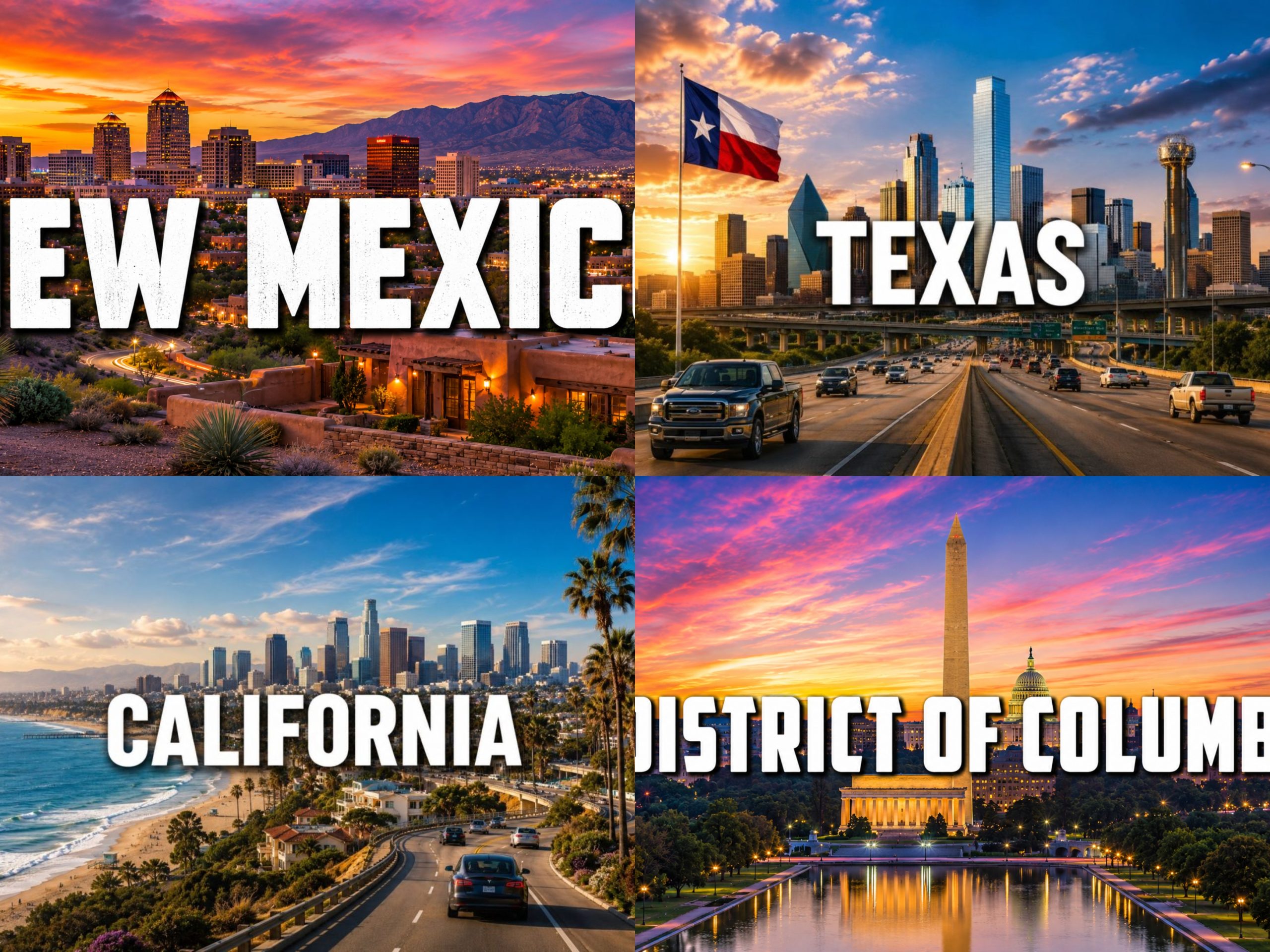
This ranking looks at eight states that will continue to experience the highest rates of vehicle theft in 2026. Rather than focusing solely on raw theft totals, the discussion considers why each state remains vulnerable, the methods thieves commonly use, and which vehicles are frequently targeted.
Knowing these patterns is becoming just as important as choosing the right insurance policy because prevention is often the best defense against losing a vehicle.
Also Read: 12 States With the Fastest-Growing EV Adoption
8. Colorado
Colorado has remained a major hotspot for vehicle theft despite years of aggressive enforcement initiatives. Although statewide theft numbers have eased slightly compared with the record highs seen a few years ago, the state still ranks among the nation’s highest when measured by thefts per capita.
Large metropolitan areas such as Denver, Aurora, and Colorado Springs continue to account for a substantial share of reported incidents, while interstate highways provide convenient escape routes for organized theft groups.
One reason Colorado consistently appears near the top of theft rankings is its location. Major transportation corridors connect the state with neighboring regions, allowing stolen vehicles to move quickly before authorities can recover them.
Pickup trucks, compact SUVs, and older sedans remain common targets because many are easier to steal and can be dismantled for valuable components.
Law enforcement agencies have invested heavily in automatic license plate readers, coordinated task forces, and public awareness campaigns. These efforts have improved recovery rates, but criminals have increasingly shifted toward electronic theft techniques that bypass traditional security systems.
Key fob relay attacks and programming devices capable of creating new digital keys have become more common in urban neighborhoods.

Vehicle owners are responding by installing steering wheel locks, aftermarket GPS tracking devices, and secure parking solutions. Insurance companies have also encouraged anti-theft technology through premium discounts.
Despite stronger preventive measures, Colorado continues to experience one of the country’s highest vehicle theft rates because organized crime groups remain highly active and constantly adapt their methods.
7. Washington
Washington experiences a different pattern of vehicle theft than many other states with high theft rates. Rather than being concentrated in one major metropolitan area, thefts are spread across several cities, including Seattle, Tacoma, Spokane, and Everett.
High population density, busy port facilities, and extensive highway networks have created favorable conditions for both opportunistic thieves and organized criminal operations.
Modern theft techniques have changed the way vehicles disappear across the state. Rather than relying solely on forced entry, criminals frequently use electronic devices that communicate with keyless ignition systems.
Luxury SUVs, hybrid crossovers, and full-size pickup trucks have become attractive because of their resale value and the growing market for expensive replacement components.
Washington authorities have expanded regional cooperation to combat organized theft rings. Investigators increasingly share intelligence with neighboring states, helping identify vehicles that move rapidly across jurisdictional boundaries.
Public awareness campaigns have also educated owners about simple preventive measures, including storing smart keys away from doors and using physical steering locks.
Another challenge involves stolen vehicles being used to commit additional crimes before being abandoned. This pattern complicates investigations and increases financial losses for insurers and vehicle owners alike.

As technology continues to evolve, both manufacturers and law enforcement agencies are adapting their security strategies, yet Washington remains among the states recording the highest vehicle theft rates in 2026 because sophisticated criminal networks continue finding new opportunities.
6. Oregon
Vehicle theft continues to challenge law enforcement agencies across Oregon, placing the state among the highest in the country for theft rates in 2026. While Portland accounts for a significant share of reported incidents, surrounding communities have also experienced noticeable increases.
Criminal groups often operate across city boundaries, making investigations more complex and allowing stolen vehicles to move quickly before recovery efforts begin.
A combination of urban congestion, interstate access, and demand for replacement parts has helped sustain Oregon’s theft problem. Older vehicles remain attractive because they typically lack modern immobilizer systems, while newer models equipped with keyless entry have become vulnerable to electronic attacks.
Thieves are no longer relying solely on broken windows or forced ignition methods. Instead, many use signal amplifiers, diagnostic tools, and key programming devices that allow them to drive away within minutes.
Authorities have strengthened cooperation between local police departments and statewide task forces to identify repeat offenders and dismantle organized theft operations. Surveillance technology, automatic license plate readers, and expanded public reporting systems have improved recovery rates, yet criminals continue adjusting their tactics.
Vehicles stolen in Portland are frequently transported to neighboring counties or dismantled before investigators can locate them.
Vehicle owners have become increasingly proactive by installing GPS tracking devices, steering wheel locks, and motion-sensitive alarms. Parking inside locked garages or well-lit areas has also proven effective in reducing theft opportunities.

Despite these preventive efforts, Oregon remains one of the nation’s leading states for vehicle theft because criminal organizations continue targeting both older and newer vehicles with equal determination.
5. New Mexico
Unlike many states where theft is concentrated around one metropolitan area, New Mexico experiences vehicle theft across several cities and rural communities. Albuquerque continues to generate a large percentage of reported cases, but smaller communities have also seen persistent theft activity.
Interstate highways connecting neighboring states provide efficient routes for organized groups transporting stolen vehicles or valuable components.
Economic conditions, high demand for used parts, and the presence of established trafficking networks all contribute to the state’s upgraded theft rate. Pickup trucks are particularly attractive because they are widely owned, durable, and highly desirable in both domestic and international black markets.
Construction equipment, work trucks, and commercial vehicles have also become regular targets due to their high replacement costs.
Law enforcement agencies have invested in specialized vehicle theft units that focus on identifying organized criminal enterprises rather than isolated offenders.
Investigators frequently recover dismantled vehicles at illegal chop shops where valuable engines, transmissions, wheels, and electronic modules are removed for resale. These operations generate significant profits while making recovery nearly impossible for owners.
Insurance companies continue encouraging drivers to adopt layered security measures instead of relying solely on factory-installed anti-theft systems. Visible deterrents such as steering wheel locks often persuade thieves to move toward easier targets, while hidden GPS trackers increase the chances of recovery.

Public education campaigns have also emphasized securing keys, locking vehicles consistently, and avoiding overnight parking in isolated locations.
Even with increased enforcement and public awareness, New Mexico remains one of America’s highest-risk states for vehicle theft because organized crime groups continue adapting to changing technology and consumer demand.
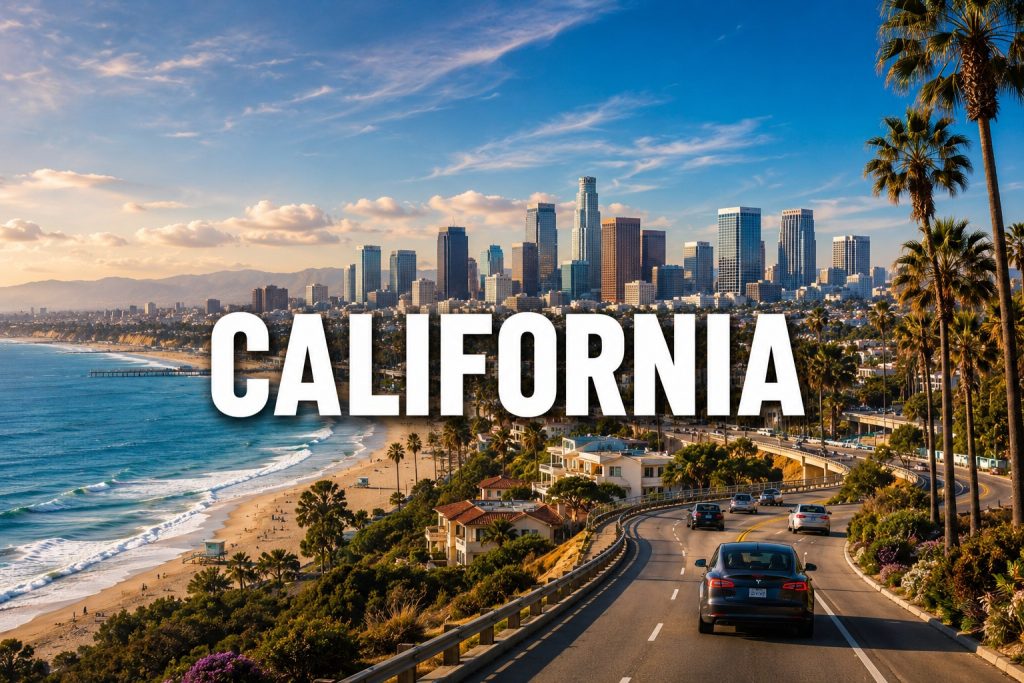
4. California
California consistently records the highest number of vehicle thefts in the United States, and although its large population contributes to those totals, the state’s theft rate per capita also remains among the nation’s highest in 2026.
Major metropolitan areas, including Los Angeles, Oakland, San Francisco, Sacramento, and San Diego, continue to experience thousands of reported thefts each year.
Dense traffic, busy commercial districts, and extensive freeway systems provide criminals with numerous opportunities to steal vehicles and disappear before authorities can respond.
The variety of vehicles stolen in California is wider than in many other states. Everything from older commuter sedans to luxury SUVs, electric vehicles, high-performance sports cars, and heavy-duty pickup trucks appears on theft reports.
Criminal organizations often target specific models based on demand for parts, while others focus on exporting stolen vehicles through shipping ports or moving them across state and international borders.
Technology has significantly changed theft methods. Relay attacks against keyless entry systems, unauthorized key programming, and digital hacking tools are becoming increasingly common. In response, manufacturers have introduced stronger encryption and software updates, but many criminals adapt quickly to these security improvements.
State and local law enforcement agencies continue expanding specialized auto theft task forces, using drones, automated license plate readers, and regional intelligence sharing to recover stolen vehicles. Public awareness campaigns also encourage drivers to use steering wheel locks, GPS trackers, and secure parking whenever possible.
California’s combination of population size, a thriving black market for vehicle components, international shipping access, and sophisticated organized crime networks keeps it firmly among the states with the highest vehicle theft rates in 2026.
3. Nevada
Nevada has developed a reputation as one of America’s most challenging states for vehicle theft, with Las Vegas accounting for the majority of reported cases.
The city’s enormous tourism industry creates a unique environment where thousands of rental cars, privately owned vehicles, and commercial fleets are parked in hotels, casinos, shopping centers, and entertainment districts every day. This constant flow of vehicles gives thieves an unusually large selection of potential targets.
Organized criminal groups frequently take advantage of Nevada’s highway connections to neighboring states. A stolen vehicle can leave the Las Vegas metropolitan area within a short period, making rapid recovery increasingly difficult.
Pickup trucks, muscle cars, luxury SUVs, and performance vehicles remain especially desirable because of their resale value and the demand for expensive mechanical and electronic components.
Many thefts now involve sophisticated electronic equipment rather than traditional forced entry. Criminals have learned to exploit vulnerabilities in keyless ignition systems, allowing them to unlock and start certain vehicles without possessing the original key.
Authorities continue educating owners about storing key fobs in signal-blocking pouches and avoiding leaving spare keys inside vehicles.
Nevada has expanded cooperation between local police departments, state investigators, insurance companies, and neighboring jurisdictions to disrupt organized theft operations. Surveillance technology and automated license plate readers have contributed to better recovery rates, but criminals continue evolving their tactics.

The combination of heavy tourism, valuable vehicle inventory, extensive highway access, and experienced organized theft networks ensures Nevada remains one of the highest-ranking states for vehicle theft in 2026.
2. Texas
Texas has experienced a steady increase in vehicle theft activity, making it one of the highest-ranking states for car theft in 2026. Its enormous size, rapidly growing population, and extensive interstate highway system create ideal conditions for organized theft rings.
Major metropolitan areas such as Houston, Dallas, Fort Worth, San Antonio, and Austin account for a significant portion of reported thefts, but rural communities have also seen an increase as criminals target work trucks and SUVs.
The state’s proximity to the international border plays a major role in vehicle theft patterns. Investigators regularly uncover organized groups that steal vehicles to transport them across the border, while others dismantle them inside Texas to supply the profitable market for used engines, transmissions, body panels, and electronic control modules.
Heavy-duty pickup trucks remain particularly attractive because they command high prices and are widely used for commercial work.
Technology has transformed both vehicle security and theft techniques. Criminals increasingly rely on key cloning devices, relay attacks, and diagnostic tools capable of programming replacement keys within minutes.
Luxury SUVs and newer trucks equipped with push-button ignition systems have become frequent targets for these sophisticated methods. In response, many owners are adding steering wheel locks, hidden kill switches, GPS trackers, and secure storage for smart keys to reduce their risk.

Texas law enforcement agencies have expanded multi-agency auto theft task forces that coordinate investigations across county lines. Improved intelligence sharing has resulted in more recovered vehicles and arrests, but the sheer volume of theft cases continues to challenge investigators.
Strong demand for trucks, access to major transportation routes, and highly organized criminal networks keep Texas among the most affected states for vehicle theft in 2026.
1. District of Columbia
Although it is not a state, the District of Columbia records the highest vehicle theft rate per capita in the United States, placing it at the top of the 2026 rankings. Its compact geography, dense urban environment, and large daily influx of commuters create conditions that allow vehicle thieves to operate efficiently.
Thousands of vehicles enter and leave the city every day, making it difficult for authorities to identify stolen vehicles before they cross into neighboring Maryland or Virginia.
Modern theft trends in Washington, D.C., differ from those in many other parts of the country. Criminals frequently target vehicles equipped with keyless entry systems using relay devices and electronic programming tools.
At the same time, several older models lacking advanced immobilizers remain popular because they can often be stolen with minimal equipment. Parking garages, residential neighborhoods, and busy commercial districts all present opportunities for theft when vehicles are left unattended for extended periods.
Local law enforcement has responded by increasing patrols in high-risk neighborhoods, expanding the use of automated license plate readers, and partnering with federal agencies to investigate organized theft rings operating across state lines.

Public campaigns have also encouraged residents to install steering wheel locks, keep software updated on connected vehicles, and avoid leaving valuables in plain sight.
Insurance providers continue emphasizing preventive measures because recovery does not always eliminate financial losses associated with theft. Drivers who combine physical security devices with electronic tracking systems generally have better recovery outcomes.
The District of Columbia remains the nation’s leader in vehicle theft rate in 2026 because of its dense population, regional accessibility, and the continued evolution of organized vehicle theft operations.
Also Read: 10 States With the Worst Traffic in America, Ranked
