
Fuel grades feel like one of those low-stakes decisions you make every time you pull up to a gas pump, and plenty of drivers pick whatever costs the least without giving it a second thought. That habit is harmless for many vehicles, yet for others it quietly initiates a chain of mechanical events inside the engine that ranges from reduced performance to, in extreme cases, genuine long-term damage.
Octane rating is not just a marketing number designed to make premium fuel sound special. It represents a precise measurement of how resistant a fuel is to igniting before the spark plug tells it to, and that resistance matters enormously depending on how hard your specific engine compresses its air-fuel mixture during normal operation.
Most drivers have never had this properly explained in plain terms, which is why so many make fueling decisions based on price alone without understanding what that choice actually triggers inside their engine. This article walks through the real mechanical sequence that plays out when the wrong octane hits your combustion chamber, from the first moment fuel sprays through an injector all the way to what your engine’s computer does to protect itself.

What Octane Actually Means and Why It Matters
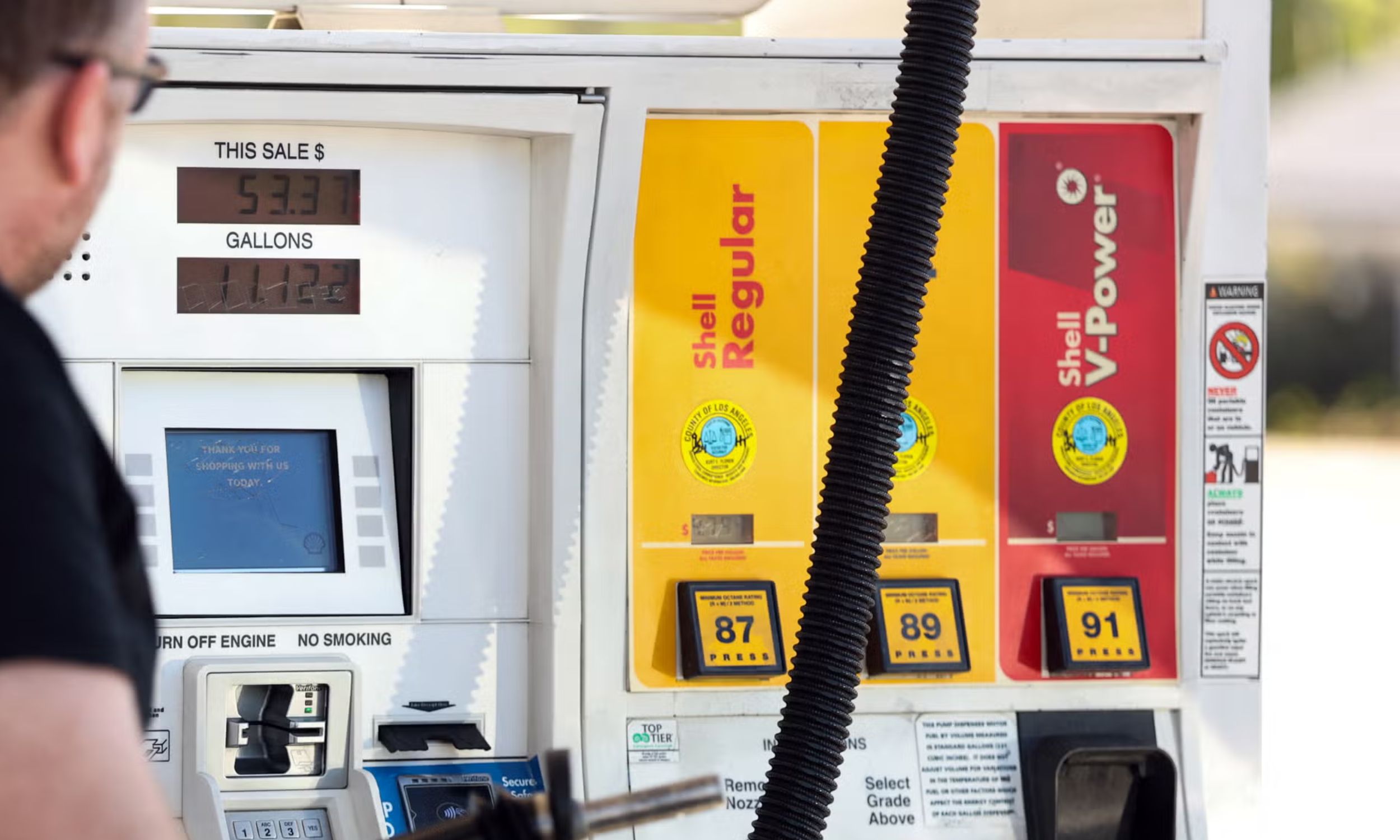
Octane gets misunderstood regularly because its name sounds like a performance claim rather than a chemical property description. The octane number printed on a pump does not describe how much energy a fuel contains or how powerfully it burns. It describes how resistant the fuel is to spontaneous combustion under heat and pressure before a spark plug fires. Regular gasoline rates are at 87 octane in most American markets. Mid-grade sits at 89, and premium lands at 91 or 93 depending on the region.
Think of each tiny fuel droplet inside a combustion chamber as a compressed balloon under enormous pressure. A spark plug fires at a precisely timed moment to pop those balloons in a controlled chain reaction that produces smooth, predictable power.
Higher octane fuel makes those balloons structurally tougher, meaning they resist popping on their own until the spark plug intentionally triggers them. Lower-octane fuel creates weaker balloons that can burst prematurely when squeezed hard enough by the piston, igniting the fuel before the spark plug has fired at all.
Whether this premature ignition matters to your engine depends entirely on how hard that engine compresses its air-fuel mixture. Economy engines with modest compression ratios do not squeeze the balloons hard enough to pop them prematurely, making 87 octane perfectly appropriate.
High-performance engines with aggressive compression ratios, turbochargers generating substantial boost pressure, or both, squeeze the mixture so intensely that weaker fuel cannot hold together until the spark plug fires. Running 87 octane through a premium-required engine creates the exact conditions for premature ignition, and that is where the real mechanical trouble begins.
Engine Knock: What It Is and Why It Is So Damaging
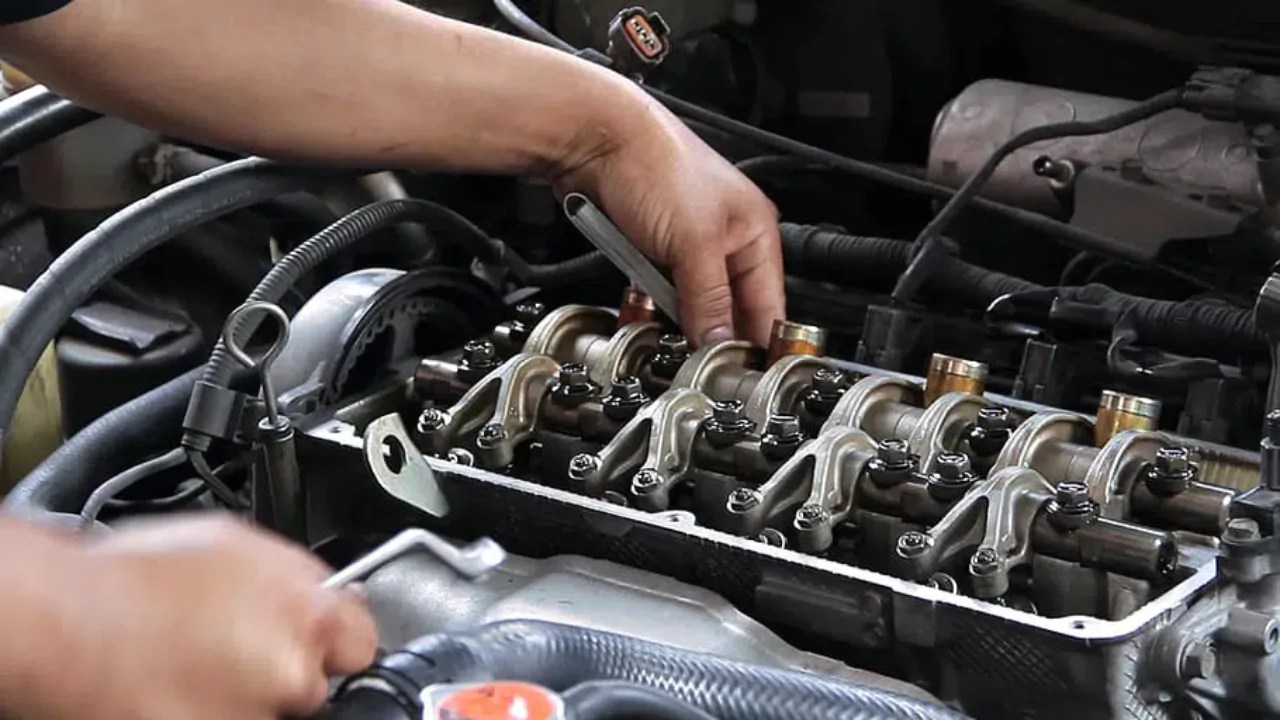
Engine knock is the technical name for what happens when fuel ignites in the combustion chamber before the spark plug fires, and the name comes from the audible rattling or knocking sound that this premature detonation creates inside the engine block. Drivers who have experienced a knock often describe it as a metallic tapping, pinging, or rattling sound that appears under hard acceleration or when the engine is working against a load.
The damage the knock creates is not about the noise itself but about the pressure waves the premature combustion generates. When fuel ignites at the wrong moment, the piston is still moving upward through its compression stroke rather than already descending through its power stroke, where the explosion is supposed to help push it down. Two opposing forces collide inside the cylinder: the piston still pushing upward and the premature combustion pushing down with explosive force simultaneously.
Those opposing shock waves slam into the piston crown, piston rings, cylinder walls, connecting rods, and bearings with forces they were never designed to absorb at that timing position. A single knock event causes minimal damage. Repeated knock events over thousands of miles cause micro-fractures in the piston crown, wear connecting rod bearings prematurely, and can eventually crack pistons or score cylinder walls.
Engines that experience sustained knock without intervention develop accelerated wear that shortens engine life measurably compared to engines running appropriate octane fuel consistently. Modern engine management systems protect against knock most of the time, yet that protection comes with its own mechanical and performance cost that drivers using the wrong fuel grade pay every single day they drive.
Also Read: 8 Performance Engines That Are Famous for Running on 87 Octane Fuel
The Knock Sensor’s Role and What It Costs You
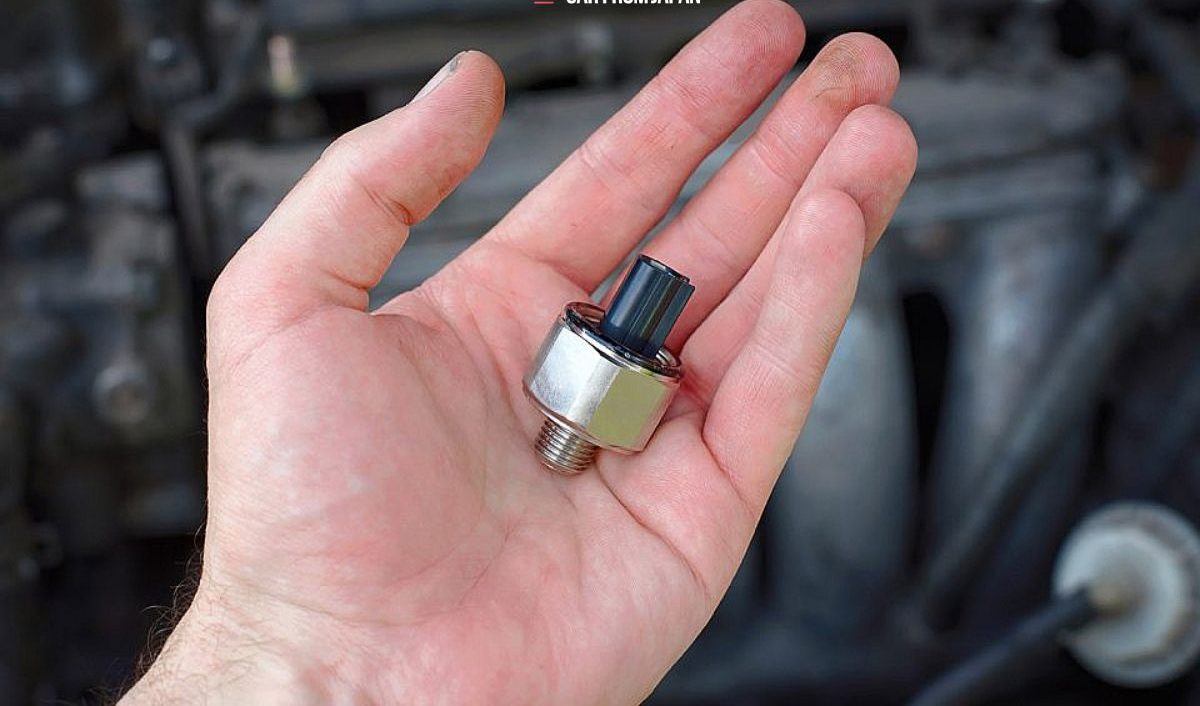
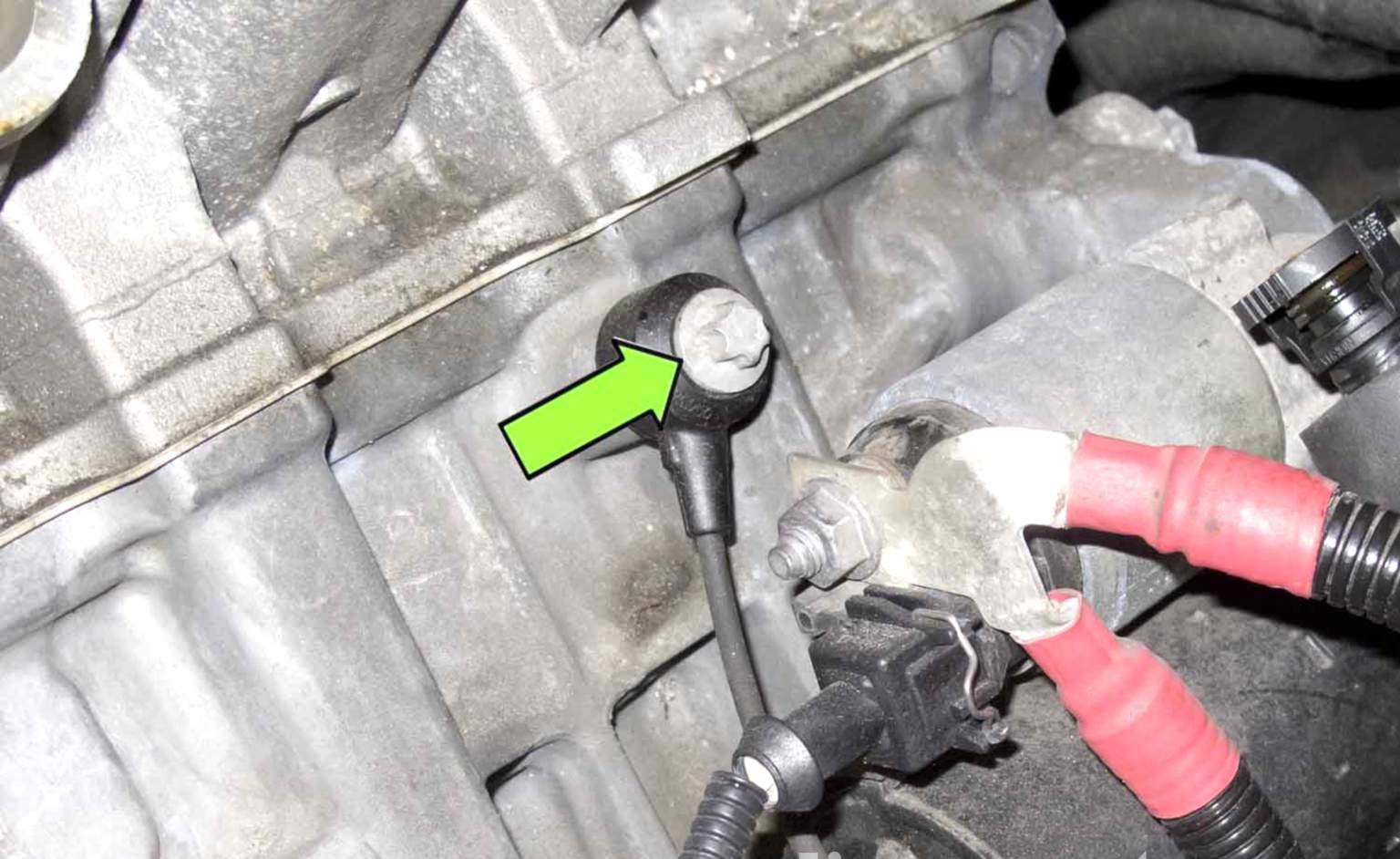
Modern engines contain a component called a knock sensor, which functions essentially as a highly sensitive microphone bolted directly into the engine block. This sensor listens to every sound the running engine produces with extraordinary precision, specifically monitoring for the acoustic signature that premature combustion creates when fuel ignites outside the spark plug’s intended timing window.
When the knock sensor detects this signature, it sends an immediate signal to the engine’s electronic control unit, which responds by retarding ignition timing. Retarding timing means the spark plug fires slightly later than optimal, giving the piston more time to complete its upward compression stroke before combustion begins and reducing the combustion pressure that was causing premature ignition.
This adjustment happens dynamically and continuously, updating many times per second as the engine operates, and is largely invisible to the driver through any dashboard indication. This automatic protection explains why running regular fuel in a premium-required engine rarely causes immediate catastrophic failure in most modern vehicles.
The engine management system catches the problem and compensates before knock damages internal components. The cost of this compensation is real and ongoing, though. Retarded ignition timing reduces power output and thermal efficiency simultaneously. An engine running retarded timing because it is compensating for lower octane fuel produces less horsepower and less torque than its specifications describe, while also burning fuel less efficiently than it would on the appropriate grade.
Running regular gas in a Porsche Cayenne or similar premium-required vehicle might save a few hundred dollars annually at the pump, yet that same engine is producing less power than the buyer paid for and consuming more fuel than it would otherwise need, eating into or eliminating the cost savings while delivering a reduced driving experience throughout.
When the Knock Sensor Is Not Enough
The knock sensor’s compensation system provides genuine protection during normal driving, but certain engines and operating conditions exceed what electronic timing adjustments can fully protect against, and understanding these limits is where the conversation moves from inconvenience into genuine risk of expensive damage.
Older engines without sophisticated knock detection or those equipped with outdated engine management calibrations cannot compensate as effectively as modern systems, leaving them more vulnerable to sustained knock damage when lower-octane fuel is used regularly.
High-performance engines with extremely aggressive compression ratios push combustion conditions so far toward the edge that even the most sophisticated knock sensor response cannot fully prevent combustion abnormalities when low-octane fuel reduces ignition resistance.
Turbocharged engines operating under heavy boost pressure during spirited driving or towing present a scenario where knock sensor protection may be insufficient even in otherwise modern vehicles. Under maximum boost, cylinder pressures spike dramatically, creating conditions where 87-octane fuel’s resistance threshold can be exceeded faster than the control unit can fully compensate.
Sustained operation under these conditions while running on wrong-grade fuel can cause damage that the knock sensor was never designed to prevent entirely. Supercharged engines, which maintain boost pressure continuously rather than building it on demand, face similar exposure.
Vehicles with factory-supercharged engines, such as certain Dodge and Jaguar models, almost universally carry mandatory premium fuel requirements specifically because their consistent boost levels keep cylinder pressures elevated throughout normal operation, not just during hard acceleration, leaving essentially no operating window where lower octane performs adequately without compensation.
In extreme applications, sports cars and high-performance luxury vehicles warn in their owner’s manuals that using regular fuel is not simply discouraged but can void warranty coverage and cause engine damage. For these vehicles, the knock sensor protection margin does not extend to regular fuel use.
Also Read: 5 Engines That Thrive on E85 vs 5 that Fail on Higher-Octane Fuels
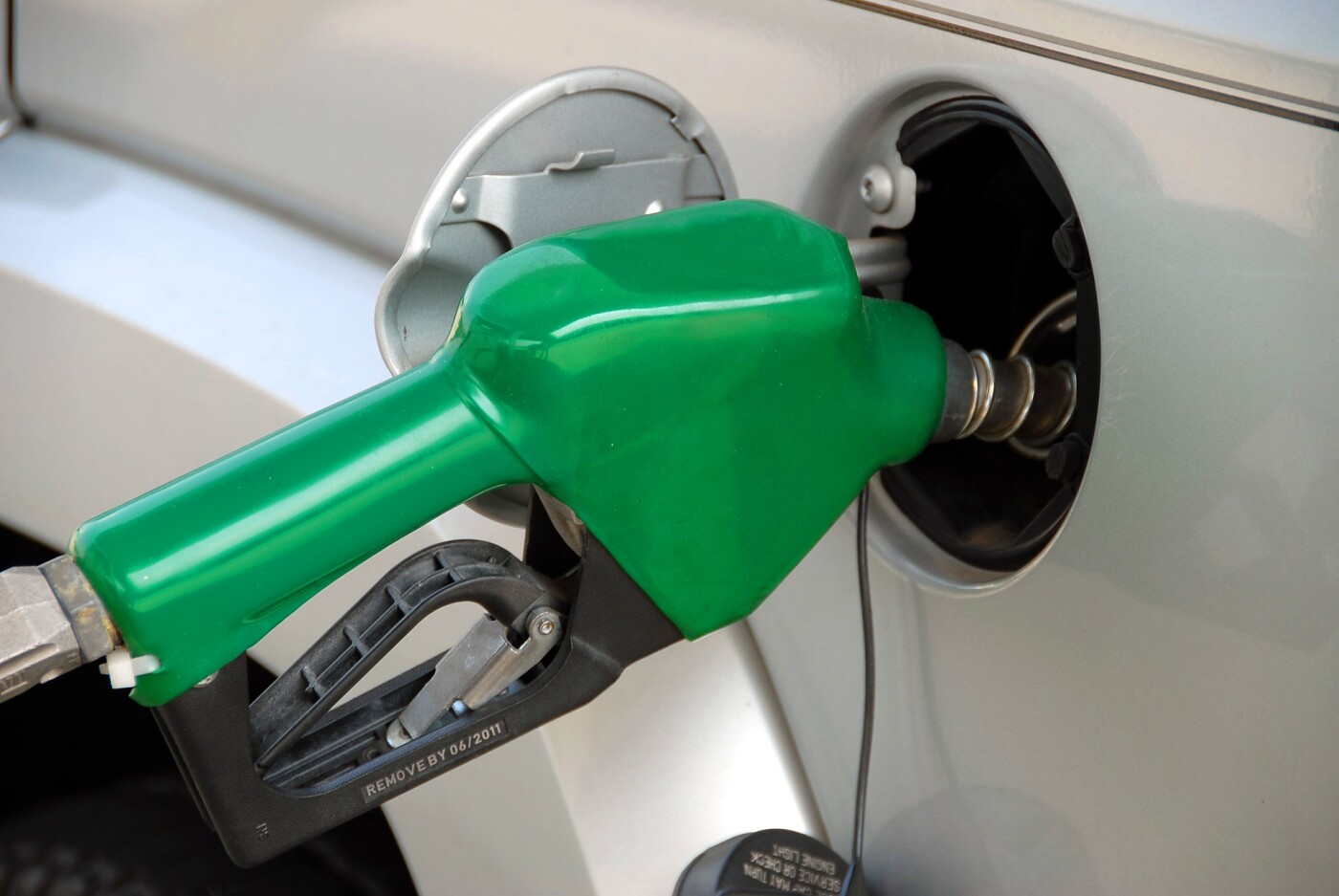
What Happens When You Put Premium in a Regular Engine
Running too high an octane in a vehicle designed for regular fuel attracts considerably less concern from mechanics and automotive engineers, and understanding why reinforces the fundamental principle driving the entire octane discussion. If regular fuel creates prematurely weak balloons that pop before the spark plug fires, premium fuel creates unnecessarily strong balloons that require more squeeze to ignite properly than a regular engine’s modest compression ratio actually provides.
The balloons in a regular engine never get squeezed hard enough to threaten premature popping, making the extra strength premium octane provides completely irrelevant to that engine’s operation. The spark plug fires on schedule, the fuel ignites exactly as intended, and the engine performs identically to how it would on regular fuel. The extra money spent on premium octane purchased a chemical property the engine had no use for and could not take advantage of, even if it wanted to.
Running premium in a regular engine does not harm the engine, does not improve performance, does not extend engine life, and does not burn cleaner. It simply costs more. The energy content per gallon is essentially identical between octane grades, confirming that the premium price purchases combustion stability rather than additional energy.
Some drivers believe high-octane fuel provides a maintenance benefit or cleaning effect that justifies occasional premium fills in regular-grade vehicles, yet this belief has no mechanical basis, since the detergent additives that clean fuel injectors and combustion chambers are present in both grades and are governed by federal additive requirements rather than octane level.
Knowing your vehicle’s actual requirement, found in the owner’s manual or on the fuel filler door label, and purchasing exactly that grade consistently, represents the most mechanically sound and financially sensible fueling strategy regardless of what prices look like on the pump sign on any given day.
