
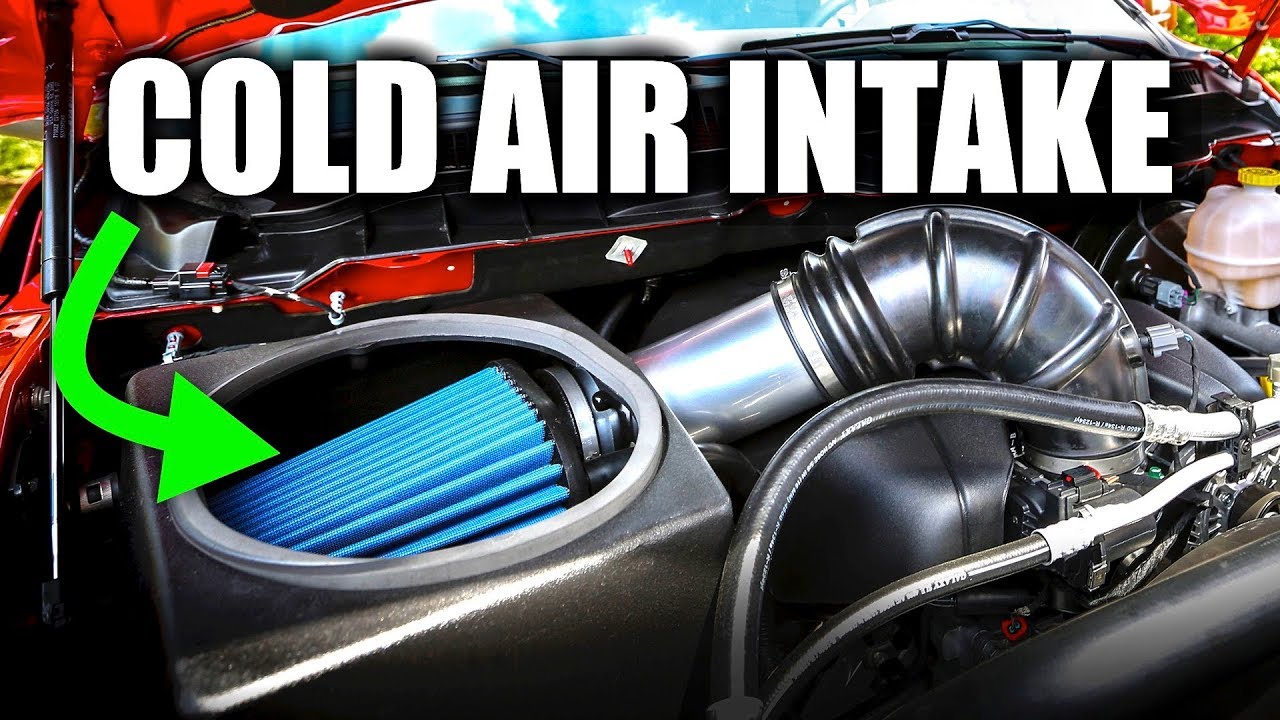
Few aftermarket modifications are marketed as heavily as cold air intake systems. Manufacturers often advertise gains in horsepower, sharper throttle response, and improved engine sound, making them one of the first upgrades many enthusiasts consider.
Compared with more extensive performance upgrades such as engine tuning or forced induction, a cold air intake is a relatively inexpensive modification that most owners can install using basic hand tools. The key question is whether it delivers a genuine increase in horsepower or if its reputation is driven more by marketing than by measurable performance gains.
The answer depends largely on the vehicle. A cold air intake can produce measurable horsepower gains under certain conditions, but the improvements are usually modest on modern production vehicles.
Many newer cars already leave the factory with highly engineered intake systems designed to balance airflow, filtration, noise reduction, emissions compliance, and fuel economy. Replacing that system with an aftermarket intake does not automatically unlock significant hidden power.
The principle behind a cold air intake is straightforward. Cooler air is denser than warmer air, meaning it contains more oxygen for a given volume. More oxygen allows the engine to burn more fuel, potentially increasing power if the engine’s electronic control unit (ECU) can adjust fuel delivery accordingly.
According to the U.S. Department of Energy, cooler and denser intake air improves combustion efficiency because it provides more oxygen molecules to support the combustion process. However, whether that translates into additional horsepower depends on whether the original intake system was actually restricting airflow.
Independent testing performed by organizations such as MotorTrend, Car and Driver, and engineering studies published by the Society of Automotive Engineers (SAE) consistently show that most naturally aspirated production vehicles gain only a small amount of horsepower from an intake alone, while turbocharged engines may see somewhat larger improvements under the right conditions.
Understanding why requires looking at how modern intake systems work and where airflow actually becomes restricted.
Also Read: 10 Longest-Running Automotive Engine Families Ever Built
What Is a Cold Air Intake?
A cold air intake replaces part or all of the factory air intake system with components designed to deliver cooler, less restrictive air to the engine.
Most aftermarket systems include:
- A larger intake tube
- A high-flow air filter
- Revised ducting
- Heat shielding or an enclosed air box
- Mounting hardware
Unlike short-ram intakes, which often draw air from inside the engine compartment, a true cold air intake attempts to pull air from outside the engine bay, where temperatures are generally lower.
The theory is simple. Cooler air is denser, and denser air contains more oxygen. If the engine can take advantage of that additional oxygen, combustion becomes more efficient and power can increase.
Why Cooler Air Can Increase Power
Internal combustion engines rely on the correct mixture of fuel and oxygen. When the intake air temperature drops, air density increases. More oxygen enters the cylinders during each intake stroke, allowing the engine management system to inject slightly more fuel while maintaining the proper air-fuel ratio.
According to SAE technical research on intake system performance, reducing intake restriction and lowering inlet air temperature can improve volumetric efficiency, particularly at higher engine speeds where airflow demand increases.
However, this benefit only exists if the engine’s original intake system limits airflow or if the replacement intake actually delivers cooler air than the factory design.
Modern Factory Intakes Are Already Highly Efficient
One of the biggest misconceptions is that automakers intentionally install restrictive intake systems that dramatically limit engine performance.
In reality, manufacturers spend thousands of engineering hours optimizing factory intake systems.
They must balance:
- Airflow
- Filtration efficiency
- Intake noise
- Fuel economy
- Emissions compliance
- Water resistance
- Long-term durability
Many factory systems already draw outside air from behind the grille or front fascia, minimizing heat from the engine compartment. As a result, replacing the intake often produces much smaller gains than enthusiasts expect.
Testing by Car and Driver has found that many modern naturally aspirated vehicles show little measurable difference during normal driving after installing an aftermarket intake unless additional engine tuning is performed.
How Much Horsepower Can You Actually Gain?
For most naturally aspirated passenger vehicles, horsepower gains are relatively modest. Independent chassis dynamometer testing commonly shows increases of approximately:
- 2 to 5 horsepower on many economy cars
- 5 to 10 horsepower on some larger naturally aspirated engines
- 10 to 20 horsepower on certain turbocharged applications when combined with favorable engine calibration
The exact improvement depends on several variables, including:
- Engine size
- Factory intake design
- Intake air temperature
- Engine calibration
- Fuel quality
- Ambient weather conditions
Many aftermarket companies advertise larger gains, but those figures are often measured under ideal laboratory conditions or alongside other supporting modifications.
For everyday driving, most drivers are unlikely to notice a dramatic increase in acceleration from the intake alone.
Turbocharged Engines Often Benefit More
Turbocharged engines generally respond better to intake upgrades than naturally aspirated engines. A turbocharger forces air into the engine under pressure, increasing airflow demands.
If the factory intake creates measurable restriction at higher boost levels, a less restrictive intake can reduce pressure losses ahead of the turbocharger.
Some benefits may include:
- Faster turbo spool
- Improved airflow at higher engine speeds
- Reduced intake restriction
- Slight increases in peak horsepower
Even then, the largest gains usually occur only when the intake is paired with ECU tuning that allows the engine to take full advantage of the additional airflow.
Without recalibration, many modern engine control systems limit potential gains to protect emissions compliance and engine reliability.
Sound Changes More Than Performance
For many owners, the most noticeable effect of a cold air intake is not additional horsepower but increased induction noise.
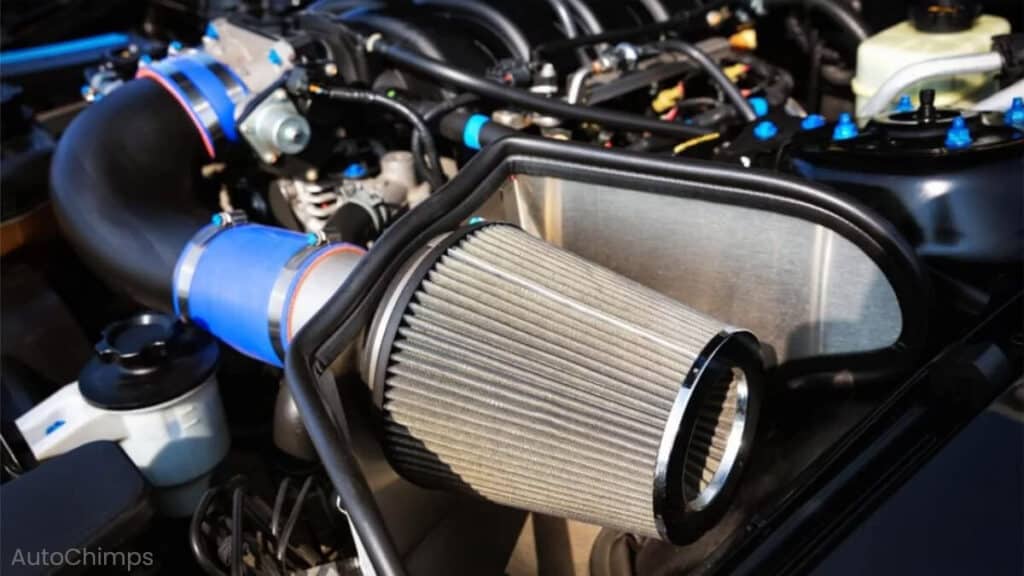
Aftermarket systems often make the engine sound more aggressive by allowing more intake resonance to reach the cabin.
Drivers may hear:
- Louder intake roar during acceleration
- More pronounced turbocharger sounds
- Stronger blow-off or diverter valve noise on turbocharged engines
- Sharper throttle response due to increased engine sound
This enhanced sound can create the impression that the vehicle has become significantly faster, even when measured performance changes are relatively small.
Instrumented acceleration testing frequently shows that any reduction in acceleration times is minor unless additional modifications are installed.
Fuel Economy Improvements Are Usually Small
Some intake manufacturers also advertise improved fuel economy. In practice, any fuel savings are generally modest.
If the intake reduces pumping losses slightly, the engine may operate a bit more efficiently under light loads.
However, many drivers enjoy the louder induction sound and accelerate more aggressively after installation, offsetting any theoretical efficiency gains.
The U.S. Environmental Protection Agency notes that driving behavior has a much greater effect on fuel economy than minor hardware modifications such as aftermarket intake systems.
Potential Drawbacks
Not every cold air intake improves vehicle performance. Possible disadvantages include:
- Increased intake noise
- Reduced filtration efficiency with some reusable filters
- Higher intake temperatures if the filter draws engine-bay air
- Potential warranty disputes if installation causes damage
- Risk of water ingestion on systems mounted very low in the vehicle
Some reusable oiled filters also require careful maintenance. Applying excessive filter oil can contaminate the mass airflow sensor on vehicles equipped with one, potentially causing drivability issues or triggering the check engine light.
Choosing a well-designed intake that retains proper filtration and shields the filter from engine heat is generally more important than selecting the largest intake tube.
Do You Need an ECU Tune?
Many enthusiasts combine a cold air intake with an ECU calibration. A tune can optimize:
- Fuel delivery
- Ignition timing
- Throttle response
- Turbocharger boost on applicable vehicles
When combined with an intake, the engine may realize greater performance gains than with the intake alone.
However, tuning also changes emissions calibration and, in some cases, may affect warranty coverage or emissions compliance depending on state regulations.
For stock vehicles, installing only an intake typically results in relatively modest gains because the factory ECU already compensates for airflow changes within a limited operating range.
A cold air intake can add real horsepower, but the gains are usually much smaller than advertising claims suggest. On most modern naturally aspirated vehicles, independent testing shows improvements of only a few horsepower, often in the 2 to 10 horsepower range under ideal conditions.
Turbocharged engines may benefit more because their higher airflow demands allow them to take better advantage of reduced intake restriction, particularly when paired with ECU tuning.
The largest change most drivers notice is a louder, more aggressive intake sound rather than a dramatic increase in acceleration. Modern factory intake systems are already highly optimized for airflow, filtration, emissions compliance, and durability, leaving relatively little untapped performance available through an intake alone.
For enthusiasts seeking modest performance improvements, a quality cold air intake can be a worthwhile upgrade, especially when combined with other supporting modifications.
For drivers expecting a dramatic increase in horsepower from the intake by itself, however, the real-world results are likely to be far more modest than the marketing claims.
Choosing a reputable system, maintaining proper filtration, and understanding realistic performance expectations are the keys to deciding whether a cold air intake is a worthwhile investment.
Also Read: 10 Ultra-Compact Cars Ranked From Shortest to Longest
