
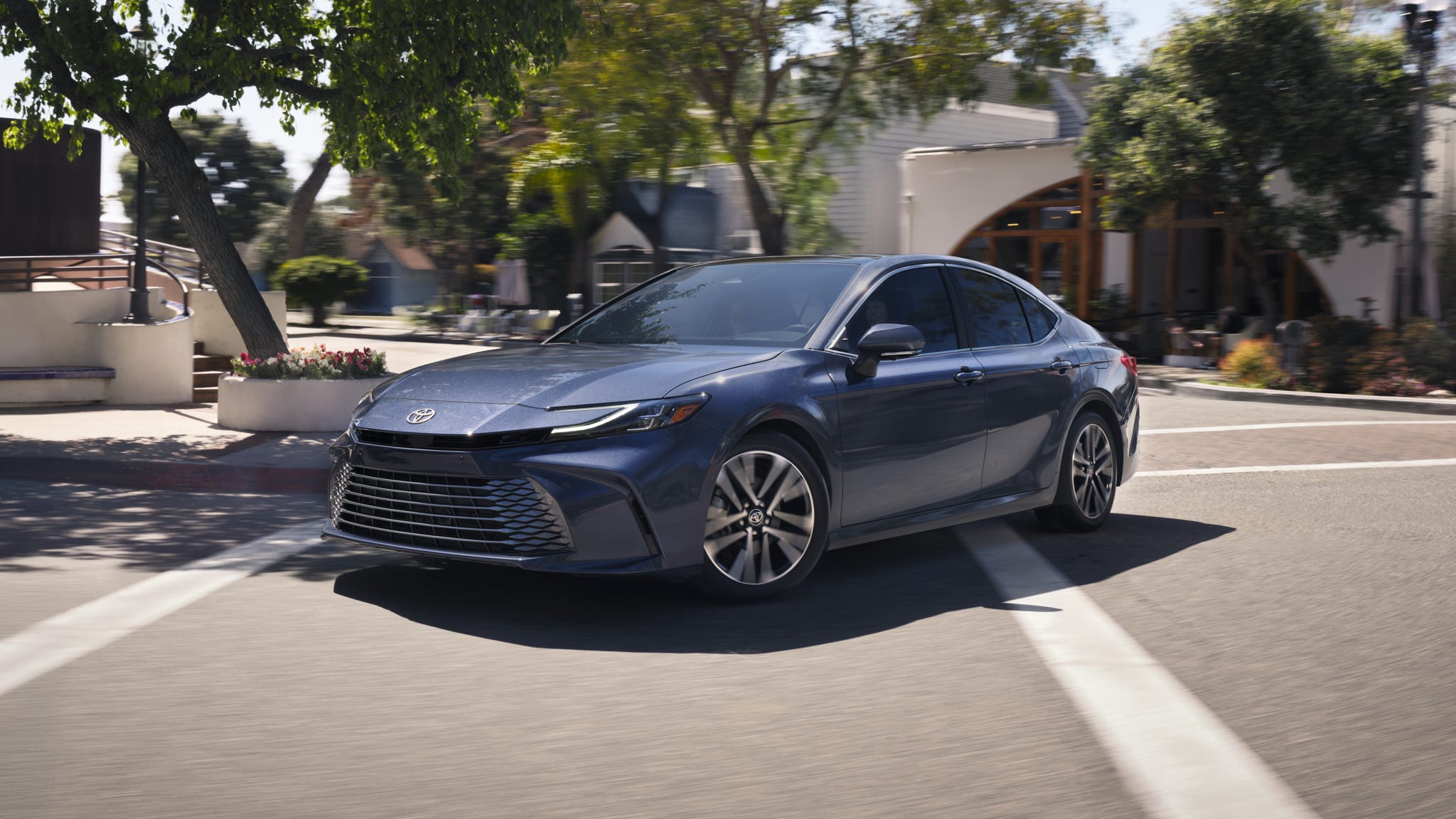
Hybrid vehicles have moved far beyond their original role as niche fuel-saving alternatives. Once seen primarily as cars for environmentally conscious commuters, today’s hybrids have become mainstream choices for families, rideshare drivers, business travelers, and long-distance commuters.
Their appeal extends well beyond fuel economy, combining the convenience of gasoline refueling with improved efficiency and proven long-term reliability.
A recent analysis highlighted by CarPro, based on vehicle registration and usage data, found that hybrid owners drive an average of 10.3% more miles annually than owners of conventional gasoline-powered vehicles, while battery-electric vehicle owners drive about 10.8% fewer miles than gasoline vehicle owners.
The findings suggest that hybrid owners are not only purchasing these vehicles to save fuel but are also using them more extensively in everyday life.
The data reflects a growing shift in consumer behavior. Rising fuel prices, improving hybrid technology, and increased confidence in electrified powertrains have encouraged many drivers to choose hybrids for both daily commuting and long-distance travel.
Unlike fully electric vehicles, hybrids eliminate concerns about charging infrastructure while still delivering substantial reductions in fuel consumption.
Industry analysts point out that annual mileage provides valuable insight into how owners actually use different types of vehicles. A car driven significantly more than average must offer comfort, dependability, and low operating costs. The latest figures indicate that hybrids are increasingly meeting those expectations.
Also Read: 8 Hidden Features in the Volvo XC90
The Numbers Behind the Study
According to the analysis referenced by CarPro, hybrid vehicles accumulate approximately 10.3% more annual mileage than comparable gasoline-powered vehicles. In contrast, battery-electric vehicles average 10.8% fewer miles than gasoline models.
While individual driving habits vary widely, the full trend suggests that hybrid owners are comfortable relying on their vehicles for longer commutes, road trips, and year-round transportation.
Automotive analysts say several factors explain this difference. Hybrid drivers benefit from lower fuel costs without changing their driving habits. Since they can refuel at any gas station in minutes, they face none of the route planning or charging considerations associated with long-distance electric vehicle travel.
For many households, that combination makes hybrids the primary vehicle for family vacations, business trips, and everyday commuting.
Why Hybrid Drivers Cover More Miles
Lower operating costs are one of the biggest reasons hybrids accumulate more mileage. Fuel remains one of the largest recurring ownership expenses. By reducing gasoline consumption, hybrid vehicles make longer trips less expensive.
Drivers who know each tank will stretch significantly farther often become less hesitant about using their vehicle for additional errands or extended travel.
Many modern hybrids routinely deliver fuel economy exceeding 45 miles per gallon, while some compact models approach or surpass 50 mpg under favorable conditions.
According to the U.S. Environmental Protection Agency (EPA), improved hybrid systems have dramatically reduced fuel consumption without sacrificing everyday performance. Because drivers spend less on fuel over time, many naturally increase vehicle usage.
No Charging Stops Means Greater Flexibility
One of the hybrid’s greatest advantages is convenience. Unlike battery-electric vehicles, hybrids do not depend on public charging networks or home charging equipment. Owners simply fill the fuel tank as they would with any conventional vehicle, while the electric motor and battery recharge automatically through regenerative braking and the gasoline engine.
This simplicity makes hybrids particularly attractive for drivers with unpredictable schedules or those who regularly travel long distances.
Automotive experts frequently note that many buyers appreciate electrification without having to adjust established driving routines. Whether crossing several states or commuting through heavy urban traffic, hybrids deliver efficiency without requiring charging stops.
That flexibility likely contributes to the higher annual mileage observed in the CarPro analysis.
Reliability Encourages Long-Term Driving
Another reason hybrid owners log more miles is confidence in the technology. When hybrid vehicles first entered the market more than two decades ago, many consumers questioned the longevity of battery packs and electric motors. Those concerns have largely faded.
Toyota’s Hybrid Synergy Drive, introduced with the Prius, has become one of the most extensively proven hybrid systems in the industry. Honda, Ford, Hyundai, Kia, and Lexus have similarly refined their hybrid technologies over multiple generations.
Consumer Reports has consistently ranked several hybrid models among the most reliable vehicles available, while J.D. Power’s Vehicle Dependability Study has shown that many electrified vehicles now perform as well as, or better than, conventional gasoline models in long-term ownership.
Improved reliability gives owners greater confidence to drive their vehicles extensively rather than limiting their use.
EV Drivers Often Have Different Usage Patterns
The finding that battery-electric vehicles average 10.8% fewer miles than gasoline vehicles should not be interpreted as a weakness of electric vehicles. Instead, industry analysts point to differences in ownership behavior.
Many EV owners have access to multiple vehicles within the household. In these cases, the electric vehicle may handle daily commuting while a gasoline-powered SUV or pickup is reserved for long-distance vacations or towing.
Charging availability also influences driving patterns. While public charging infrastructure has expanded rapidly, many owners still plan longer trips around charging locations. According to the U.S. Department of Energy, the number of public charging stations continues to grow each year, but charging availability varies considerably depending on the region.
As infrastructure improves and charging speeds continue increasing, annual EV mileage may rise accordingly.
Fuel Savings Add Up Quickly
Higher annual mileage also means hybrid owners realize greater financial benefits. A driver covering 18,000 miles annually instead of 15,000 miles can save hundreds of dollars each year if the hybrid delivers substantially better fuel economy than a comparable gasoline vehicle.
For example, replacing a midsize SUV averaging 26 mpg with a hybrid achieving 38 mpg significantly reduces annual fuel consumption. Over several years of ownership, those savings can offset much of the hybrid system’s additional purchase cost.
According to the EPA’s fuel economy data, hybrids consistently rank among the most cost-effective vehicles for drivers covering high annual mileage.
For commuters traveling 50 to 100 miles each day, these savings become even more substantial.
Modern Hybrids Are More Capable Than Ever
Today’s hybrids bear little resemblance to the early models introduced in the late 1990s and early 2000s.
Manufacturers now offer hybrid versions of compact cars, midsize sedans, crossovers, pickup trucks, and full-size SUVs. Performance has dramatically improved thanks to more powerful electric motors, higher-capacity batteries, and sophisticated power management systems.
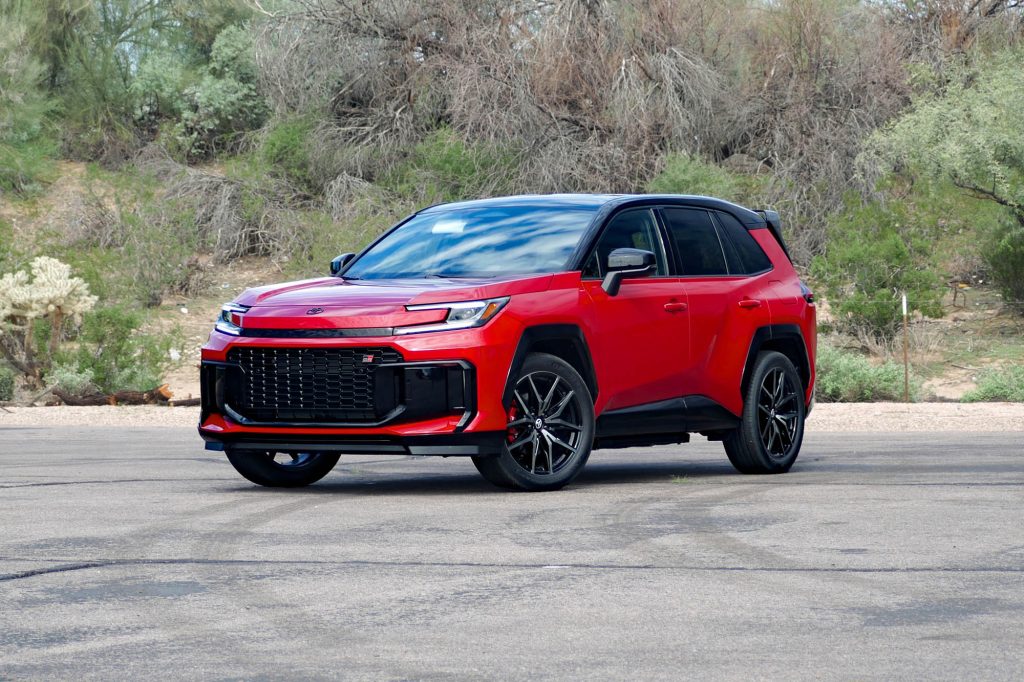
Vehicles such as the Toyota Camry Hybrid, Toyota RAV4 Hybrid, Honda CR-V Hybrid, Hyundai Tucson Hybrid, Kia Sportage Hybrid, Ford Maverick Hybrid, and Toyota Prius combine strong acceleration with impressive fuel efficiency.
Many also include advanced driver assistance technologies, improved ride comfort, and modern infotainment systems that make long-distance travel more enjoyable.
These improvements encourage owners to rely on hybrids for virtually every driving situation.
Hybrid Adoption Continues to Grow
Market trends indicate that consumers increasingly view hybrids as a practical middle ground between traditional gasoline vehicles and fully electric models.
According to Cox Automotive, hybrid sales have continued to grow as buyers seek better fuel economy without changing established refueling habits. Several manufacturers have responded by expanding hybrid offerings across multiple vehicle segments.
Toyota remains the industry’s hybrid leader, but nearly every major automaker now includes electrified models in its lineup. Ford has expanded hybrid availability in pickups and SUVs, while Hyundai and Kia have rapidly increased hybrid production to meet growing demand.
The broader selection allows consumers to choose vehicles that fit their needs without sacrificing efficiency.
Higher Mileage Reflects Consumer Confidence
Annual mileage often reveals more than sales figures. A vehicle that spends more time on the road demonstrates that owners trust it for commuting, family transportation, vacations, and business travel.
The CarPro analysis showing hybrids averaging 10.3% more miles than gasoline vehicles suggests that owners are confident in their ability to handle diverse driving conditions while reducing operating costs.
Automotive analysts note that hybrids have reached an important stage of market maturity. Early concerns surrounding battery durability, maintenance costs, and resale value have largely been replaced by evidence gathered from millions of vehicles operating worldwide.
Many hybrid owners now routinely exceed 200,000 miles with proper maintenance, reinforcing confidence in the technology’s long-term durability.
What the Findings Mean for Buyers
The latest data underscores how hybrids have evolved from specialized efficiency cars into versatile everyday vehicles.
According to the analysis highlighted by CarPro, hybrid owners drive significantly more miles than owners of conventional gasoline vehicles while continuing to benefit from lower fuel costs and the convenience of traditional refueling.
At the same time, the finding that EV owners currently drive fewer annual miles reflects differences in usage patterns rather than shortcomings in electric vehicle technology. As charging infrastructure expands and battery technology advances, those trends may continue to evolve.
For buyers deciding between gasoline, hybrid, and electric vehicles, the study offers valuable insight into real-world ownership. Hybrids deliver a compelling balance of efficiency, convenience, and long-distance capability, making them particularly attractive for drivers who spend a great deal of time behind the wheel.
With improving technology, expanding model choices, and proven reliability, hybrids are no longer simply a bridge to electrification. For many Americans, they have become the preferred way to travel farther while spending less on fuel.
Also Read: 8 Hidden Features in the Acura MDX
