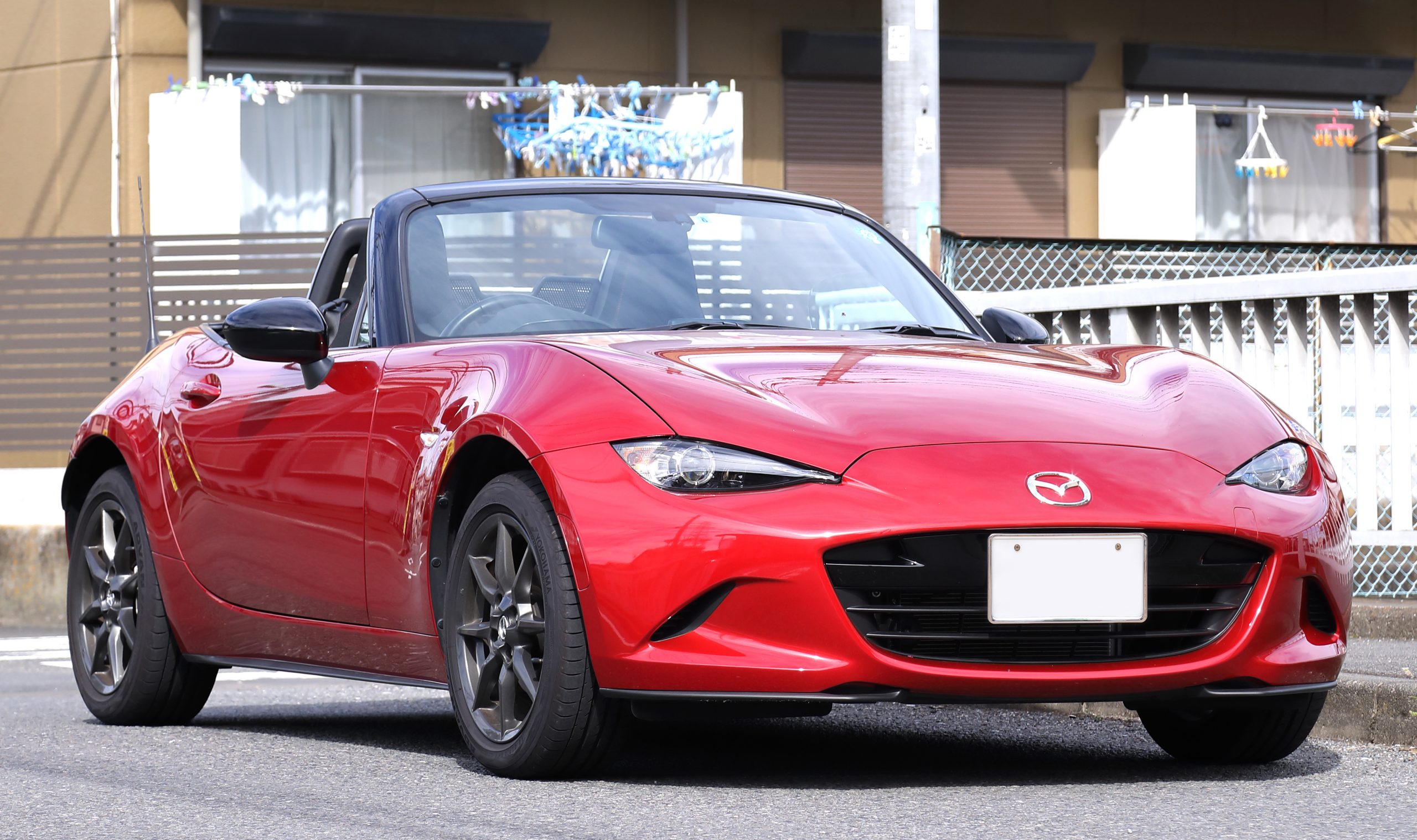
Convertibles have always occupied a unique place in the automotive world. Unlike family SUVs, pickup trucks, or commuter sedans, they are rarely purchased out of necessity.
Instead, buyers choose them for the experience they provide, whether that’s driving along a coastal highway with the top down, enjoying a sunny weekend, or simply owning a vehicle that feels more special than an everyday commuter.
That emotional connection is reflected in how Americans use and keep these vehicles. According to an ownership and vehicle usage analysis highlighted by iSeeCars, convertibles accumulate about 60% fewer miles than the average vehicle in the United States.
Because they are driven far less frequently, they also tend to remain in owners’ garages for much longer than conventional passenger vehicles.
The trend highlights an important distinction between ownership duration and vehicle durability. While many vehicles stay on the road because they are mechanically reliable, convertibles often remain in service because they are driven selectively.
Many owners preserve them for leisure driving, resulting in lower annual mileage, reduced wear on major mechanical components, and longer ownership periods.
As Americans continue holding onto vehicles longer amid rising new-car prices, convertibles represent an interesting exception to typical ownership patterns. Their limited use allows them to age more slowly than daily-driven vehicles, helping explain why so many remain in excellent condition years after they leave the showroom.
Low Mileage Is the Biggest Reason Convertibles Last So Long
Vehicle lifespan depends on more than age alone. Mileage plays an equally important role. According to the analysis referenced by iSeeCars, convertibles accumulate roughly 60% less mileage than the average vehicle.
That means a convertible driven primarily on weekends or during warm weather may travel only a fraction of the distance covered by a family SUV or commuter sedan over the same period.
For example, if the average American vehicle covers around 14,000 miles annually, a convertible may see fewer than 6,000 miles in a typical year. Although individual ownership patterns vary, the difference dramatically reduces wear on the engine, transmission, suspension, brakes, and other mechanical components.
Because mileage accumulates more slowly, many convertibles remain mechanically healthy even after ten or fifteen years of ownership.
Unlike crossovers or pickup trucks, convertibles are often second or even third vehicles within a household.
Owners frequently rely on SUVs, minivans, or sedans for commuting, grocery shopping, school runs, and winter driving while reserving their convertible for recreational use. This seasonal ownership pattern naturally limits annual mileage.
In many parts of the United States, convertibles spend several months each year stored in garages during colder weather. Even in warmer states, many owners avoid driving during heavy rain or extreme heat, choosing ideal weather conditions instead.
Automotive analysts note that this selective use is one of the primary reasons convertibles accumulate significantly fewer miles than other passenger vehicles.
Every mile driven contributes to gradual mechanical wear. Engines experience combustion cycles, transmissions shift thousands of times, suspension components absorb road impacts, and brake systems gradually wear down. By driving fewer miles each year, convertible owners reduce the stress placed on nearly every major component.
Oil changes occur less frequently because maintenance schedules are often mileage-based. Tires may age before they wear out, and brake pads can last considerably longer than those on heavily used commuter vehicles.
According to automotive maintenance experts, lower annual mileage can significantly extend the service life of many drivetrain components when vehicles receive routine preventive maintenance.
While rubber seals, hoses, and fluids still age over time, reduced mileage often delays expensive mechanical repairs.
Owners Develop Strong Emotional Attachments
Another factor contributing to long ownership is the emotional appeal of convertibles. Unlike vehicles purchased strictly for transportation, convertibles often represent a lifestyle choice. Owners frequently describe them as weekend escapes rather than simple modes of transportation.
Sports cars such as the Mazda MX-5 Miata, Ford Mustang Convertible, Chevrolet Corvette Convertible, Porsche 911 Cabriolet, and BMW Z4 are commonly associated with memorable driving experiences rather than daily commuting.
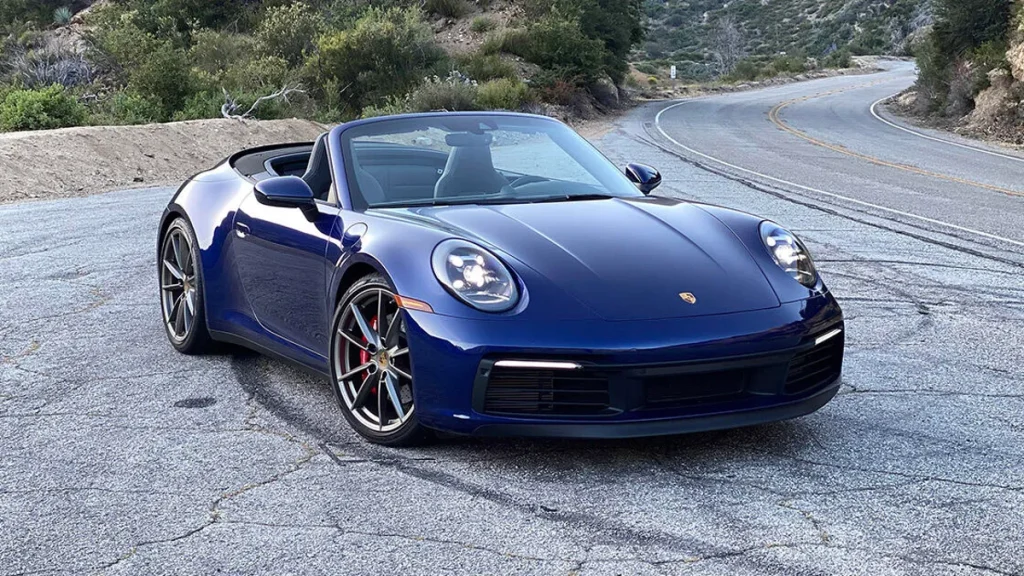
Because of that emotional connection, owners may be less inclined to trade them in when newer models arrive.
Many keep their convertibles for years simply because they continue enjoying the driving experience.
Seasonal Driving Preserves Vehicle Condition
Climate also plays a major role in convertible longevity. In northern states where snow, road salt, and freezing temperatures are common, many owners store their convertibles throughout winter. This practice limits exposure to corrosion, one of the leading causes of long-term vehicle deterioration.
According to the Federal Highway Administration, road salt remains one of the biggest contributors to corrosion on vehicles operating in colder climates. By avoiding winter driving altogether, many convertible owners significantly reduce rust-related damage to the underbody, suspension, and body panels.
Garage storage also protects paint, convertible tops, and interior materials from prolonged exposure to sunlight and severe weather.
These preservation habits help many convertibles maintain excellent cosmetic condition long after purchase.
Modern convertibles are more durable than ever.
Earlier generations of convertibles often developed reputations for leaks, noisy cabins, and fragile soft tops. Modern engineering has largely addressed those concerns.
Today’s convertibles feature advanced weather sealing, stronger body structures, improved roof materials, and sophisticated folding mechanisms designed to withstand years of repeated operation.
Manufacturers have also significantly increased structural rigidity to compensate for the absence of a fixed roof. High-strength steel, aluminum, and advanced chassis reinforcement improve both safety and durability.
As a result, modern convertibles provide reliability comparable to that of many conventional passenger vehicles while maintaining the open-air experience buyers expect.
Although convertibles accumulate fewer miles, they still require consistent maintenance. Experts recommend following time-based maintenance schedules even if mileage remains low. Engine oil, brake fluid, coolant, and transmission fluid continue to age regardless of how often the vehicle is driven.
Convertible tops also require periodic cleaning and conditioning to maintain weather resistance. Drain channels should remain free of debris to prevent water intrusion, and weather seals benefit from regular inspection.
Battery maintenance becomes particularly important for vehicles that spend extended periods in storage. Many owners use battery maintainers during winter months to prevent discharge.
Proper storage and routine maintenance allow low-mileage convertibles to remain dependable for decades.
Some convertibles eventually become collectible vehicles. Limited-production sports cars, high-performance models, and iconic designs often appreciate in value over time. Owners aware of this potential may deliberately preserve their vehicles by limiting mileage and maintaining original condition.
According to Hagerty, which specializes in collector vehicle insurance and market analysis, low-mileage convertibles frequently command premium prices because buyers value originality and careful ownership.
Even mainstream convertibles benefit from limited use. Lower mileage often translates into higher resale values, giving owners another reason to keep them in excellent condition.
Changing Consumer Preferences Make Convertibles Rarer
Convertibles represent only a small portion of today’s new-vehicle market. The popularity of SUVs and crossovers has led many manufacturers to discontinue open-top passenger cars altogether.
Models such as the Volkswagen Beetle Convertible, Buick Cascada, and several luxury convertibles have disappeared from American showrooms over the past decade.
As choices become more limited, existing convertible owners may become even less willing to part with their vehicles.
The rarity of new convertibles adds to their appeal and strengthens long-term ownership trends.
The latest ownership analysis demonstrates that convertibles follow a very different ownership pattern from most passenger vehicles.
According to the iSeeCars research highlighted by CarPro, convertibles accumulate approximately 60% fewer miles than the average vehicle, allowing them to remain in service for much longer than cars used for daily commuting.
Their longevity is driven less by mechanical necessity than by the way owners choose to use them. Weekend driving, seasonal storage, lower annual mileage, and strong emotional attachment all contribute to extended ownership.
For prospective buyers, the findings offer encouraging news. A well-maintained used convertible with relatively low mileage may have experienced far less wear than a similarly aged sedan or SUV.
Combined with proper maintenance and garage storage, that reduced usage can translate into many additional years of enjoyable ownership.
While convertibles may never match SUVs or pickups in sales volume, they continue to occupy a special place in the automotive market.
Their ability to deliver memorable driving experiences while accumulating remarkably low mileage helps explain why owners are often reluctant to let them go, making convertibles some of the longest-kept vehicles on American roads.