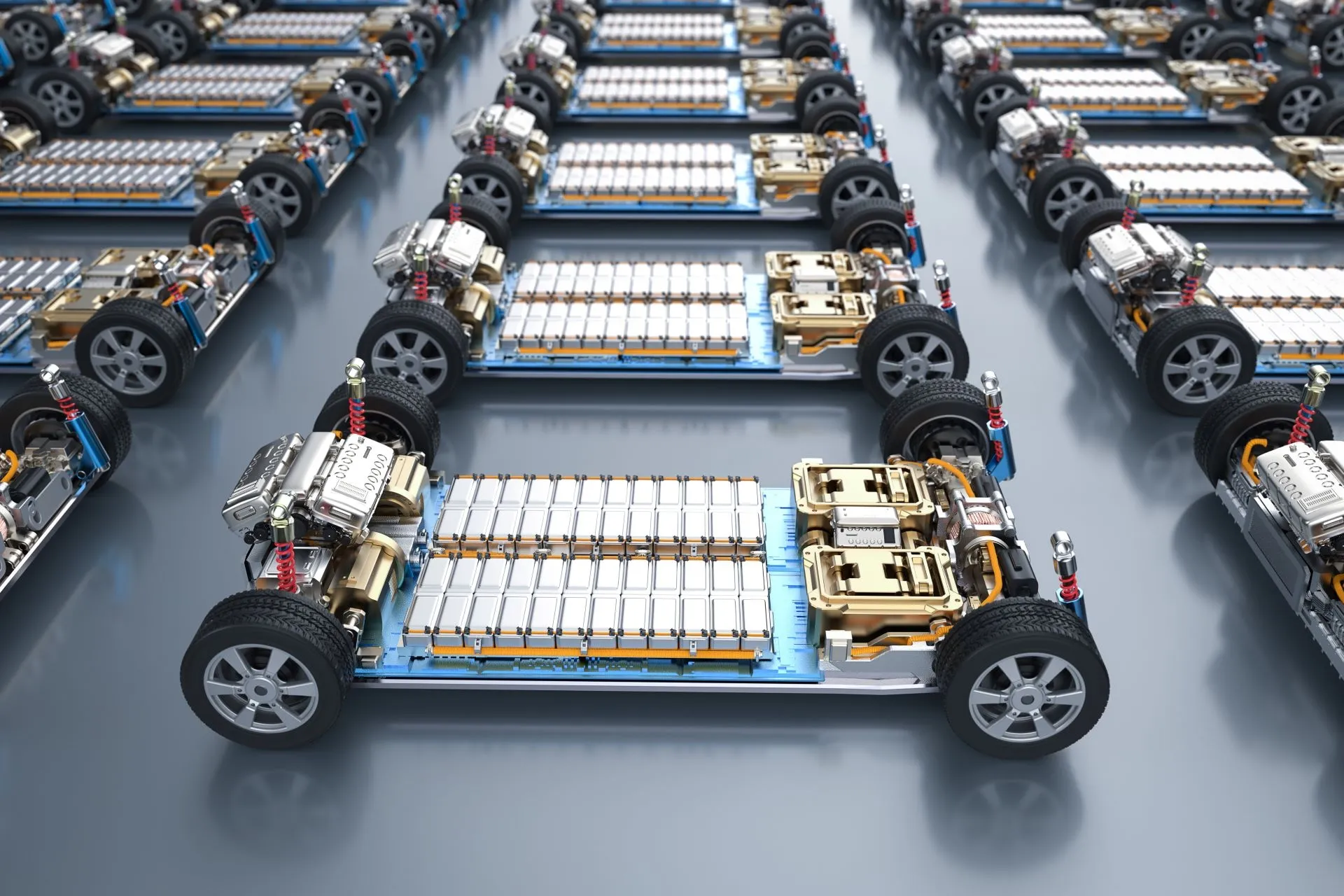
The possibility of an electric vehicle needing a complete battery replacement remains one of the biggest concerns surrounding EV ownership.
A traction battery is the most expensive single component in an electric car, creating fears that owners could eventually face a massive repair bill. Real-world data, however, show that complete battery replacements are exceptionally uncommon among the newest EVs.
Battery analytics company Recurrent found that EVs from model year 2022 onward had a battery replacement rate of just 0.3%. Put another way, approximately three vehicles out of every 1,000 in Recurrent’s modern-EV group had their batteries replaced.
The company’s analysis excludes major battery recalls, an important distinction because recall campaigns can involve manufacturing or safety defects rather than normal age-related battery failure.
The difference between modern EVs and the first generation of mass-market electric cars is substantial. Recurrent’s battery longevity analysis placed the replacement rate for first-generation EVs at approximately 8.5%
Second-generation vehicles, including early Chevrolet Bolt EV and Tesla Model 3 examples, were around 2%. Among 2022-and-newer EVs, the figure fell to 0.3%.
Those figures do not mean 99.7% of every modern EV battery is guaranteed to last forever. Vehicles built since 2022 are still relatively young, and replacement rates could rise as they accumulate more mileage and years of service.
Yet the data clearly shows that premature complete battery replacement has so far become extremely rare in the newest generation of electric vehicles.
Also Read: 10 Numbers on Your Window Sticker and What Each One Really Means
Modern EV Batteries Have Moved Far Beyond Early Designs
Some early electric vehicles gave battery anxiety a legitimate foundation. Battery chemistry, pack design, charging software, and temperature control were less mature than they are today. Manufacturers were still learning how batteries would respond to years of real-world use across different climates and charging conditions.
Early EVs also frequently used smaller battery packs. A vehicle offering 70 or 80 miles of range required its owner to cycle through a greater portion of available battery capacity during normal driving than a modern EV capable of traveling 300 miles between charges. Greater cycling could place different demands on the pack over time.
Battery technology has since advanced significantly. Modern EVs use sophisticated battery management systems that continuously monitor cell voltage, temperature, and charging conditions. Software controls how energy enters and leaves the battery and can reserve part of the pack’s theoretical capacity to protect the cells from excessive stress.
Thermal management has improved as well. Many current electric vehicles use active liquid heating and cooling systems to keep battery temperatures within a suitable operating range. This is particularly important during high-power charging and in extreme weather.
Manufacturers have also accumulated years of field data. Every generation of electric vehicles provides information about how battery cells respond to repeated charging, high mileage, and environmental conditions.
Automakers and battery suppliers can use those findings to change cell chemistry, cooling systems, pack architecture, and software.
Recurrent’s broader replacement data demonstrates the generational difference. Across all model years and models in its analysis, excluding major recalls, fewer than 4% of EVs had experienced a battery replacement.
That population includes electric vehicles more than a decade old. The earliest generation’s roughly 8.5% replacement rate raises the fleet-wide figure, while the 0.3% rate for modern EVs sits at the opposite end.
Battery replacement must also be separated from normal battery degradation. Every lithium-ion battery gradually loses some usable capacity. An EV that travels slightly fewer miles than it did when new has not necessarily suffered a battery failure and does not automatically require a replacement pack.
Recurrent’s separate range data found that the average EV retains 97% of its driving range after three years and 95% after five years.
A 300-mile electric vehicle following that average would still provide approximately 285 miles after five years under comparable conditions. That represents measurable degradation, but it is dramatically different from complete battery failure.
Geotab’s 2026 battery-health research provides another large real-world dataset. The company analyzed more than 22,700 electric vehicles across 21 makes and models and found an average battery degradation of 2.3% per year.
Geotab measures battery state of health rather than Recurrent’s real-world range retention, so the percentages should not be directly compared as identical measurements.
Both datasets point toward the same broader reality: gradual battery aging is far more common than sudden complete pack failure.
Charging and Heat Can Affect Battery Health Without Causing Immediate Failure
The 0.3% replacement rate does not mean battery care is irrelevant. EV batteries remain electrochemical systems, and their long-term condition can be influenced by charging power, temperature, and usage.
Geotab’s updated 2026 analysis identified charging behavior as an important factor in degradation. Vehicles frequently relying on high-power DC charging above 100 kW experienced degradation rates of up to 3% per year. Vehicles primarily using lower-power charging degraded at roughly half that rate.
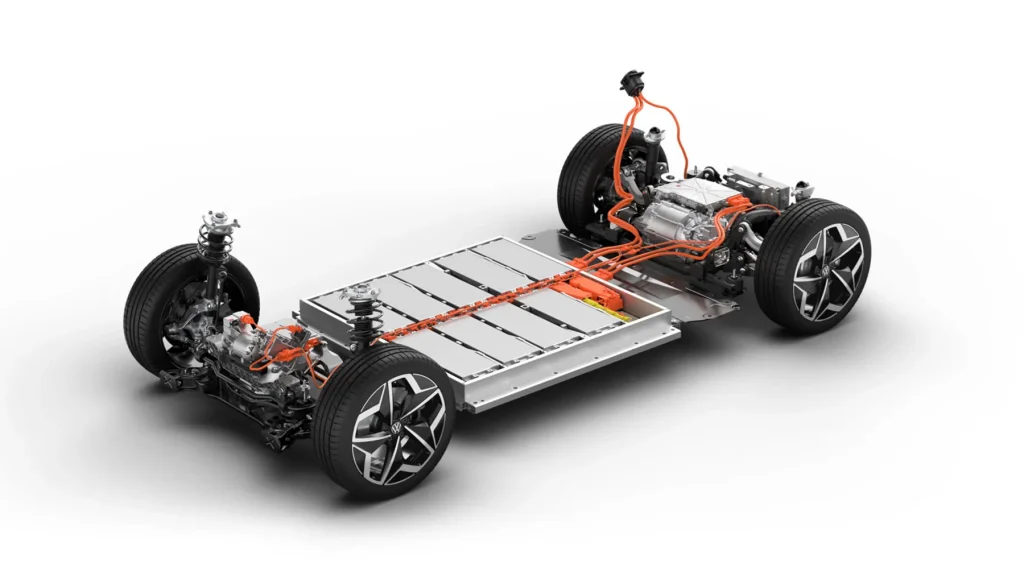
This does not mean occasional fast charging will destroy an EV battery. DC fast charging remains essential for road trips and situations where drivers need energy quickly. Geotab’s findings instead suggest that repeatedly using high-power charging as the primary charging method can increase battery wear.
Climate also plays a role. Geotab found that EVs operating in hot climates degraded approximately 0.4% faster annually than vehicles in mild climates. Heat can accelerate chemical processes associated with battery aging, although modern thermal management systems are designed to control battery temperatures.
These factors explain why two identical electric vehicles can reach the same age with different battery conditions. An EV primarily charged at home and operated in a moderate climate may age differently from one exposed to persistent heat and frequent high-power charging.
Yet degradation and replacement are not the same event. A battery can lose capacity while continuing to perform its essential function for many years. A small decline in maximum driving range does not indicate that the battery is about to fail.
The U.S. Department of Energy’s Alternative Fuels Data Center states that advanced EV batteries are designed for extended life, although they eventually wear out. It also notes that many manufacturers offer eight-year or 100,000-mile battery warranties.
Exact warranty terms and battery-capacity requirements vary between manufacturers, making model-specific coverage important for buyers to check.
The age of Recurrent’s modern-EV group remains the biggest limitation when interpreting the 0.3% figure. A 2022-model vehicle is only a few years old in 2026. It would be incorrect to claim that the same group will maintain a 0.3% replacement rate after 10 or 15 years.
What the data can show is that premature battery replacement has become exceptionally rare so far. If modern EV packs were routinely failing after two, three, or four years, the observed replacement rate would be considerably higher.
Battery Replacement Fear Is Increasingly Out of Step With Real-World Data
Battery replacement anxiety has consequences beyond engineering discussions. Fear of a costly pack failure can discourage consumers from considering an EV, particularly in the used-car market.
A complete traction battery can be expensive when an out-of-warranty replacement is necessary. That makes consumer concern understandable. However, evaluating EV ownership on the assumption that every vehicle will eventually require a complete replacement pack is becoming difficult to support with available data.
Recurrent’s generational comparison is particularly significant. The replacement rate dropped from approximately 8.5% among first-generation EVs to around 2% for second-generation models and just 0.3% for 2022-and-newer vehicles.
The progression reflects years of advances in chemistry, battery management, thermal control, and manufacturer experience. It also demonstrates why problems associated with early electric vehicles should not automatically be applied to an EV sold today.
A first-generation electric car and a modern battery-powered crossover may both use lithium-ion technology, but their battery systems can differ substantially. Modern packs benefit from more advanced software, improved temperature control, and years of accumulated engineering knowledge.
Used-EV buyers still need better battery information. Mileage alone cannot fully describe a traction battery’s condition. Charging patterns, climate, and battery chemistry can influence long-term health. Clear battery-health assessments could help shoppers distinguish a well-preserved older EV from one experiencing unusual degradation.
Recurrent’s findings should also be interpreted for what they are: observational data rather than a government census of every electric vehicle on U.S. roads.
The company’s battery research covers real-world EVs and excludes major recalls from its replacement-rate calculation. The data is valuable, but the age of the vehicles and characteristics of the observed population remain relevant limitations.
Geotab’s independent battery-health research strengthens the broader picture. Its average annual degradation rate of 2.3% confirms that battery wear is real and can accelerate under demanding charging or climate conditions. The data do not indicate widespread sudden battery death.
For consumers, that distinction is crucial. Losing a few percent of usable capacity is not the same as paying for a completely new traction battery. Recurrent found that among 2022-and-newer EVs, battery replacement outside major recalls had occurred in only 0.3% of the modern vehicles in its analysis.
The figure will need to be watched as today’s electric vehicles grow older. No responsible analysis can promise that every battery will last the entire life of its car, and the replacement rate may increase as modern EVs move beyond their first decade.
Still, the evidence available today is far removed from the assumption that battery replacement is a routine ownership expense. Recurrent’s data translates to roughly three battery replacements for every 1,000 modern EVs observed.
Modern electric cars are still building their long-term reliability record, but their early battery performance is strong. A 0.3% replacement rate does not support the idea of a widespread EV battery crisis. Instead, it shows that one of the most feared and expensive electric-vehicle failures has, so far, become exceptionally rare among the newest generation of EVs.
Also Read: 10 Cars With A Driver’s Seat In The Center