
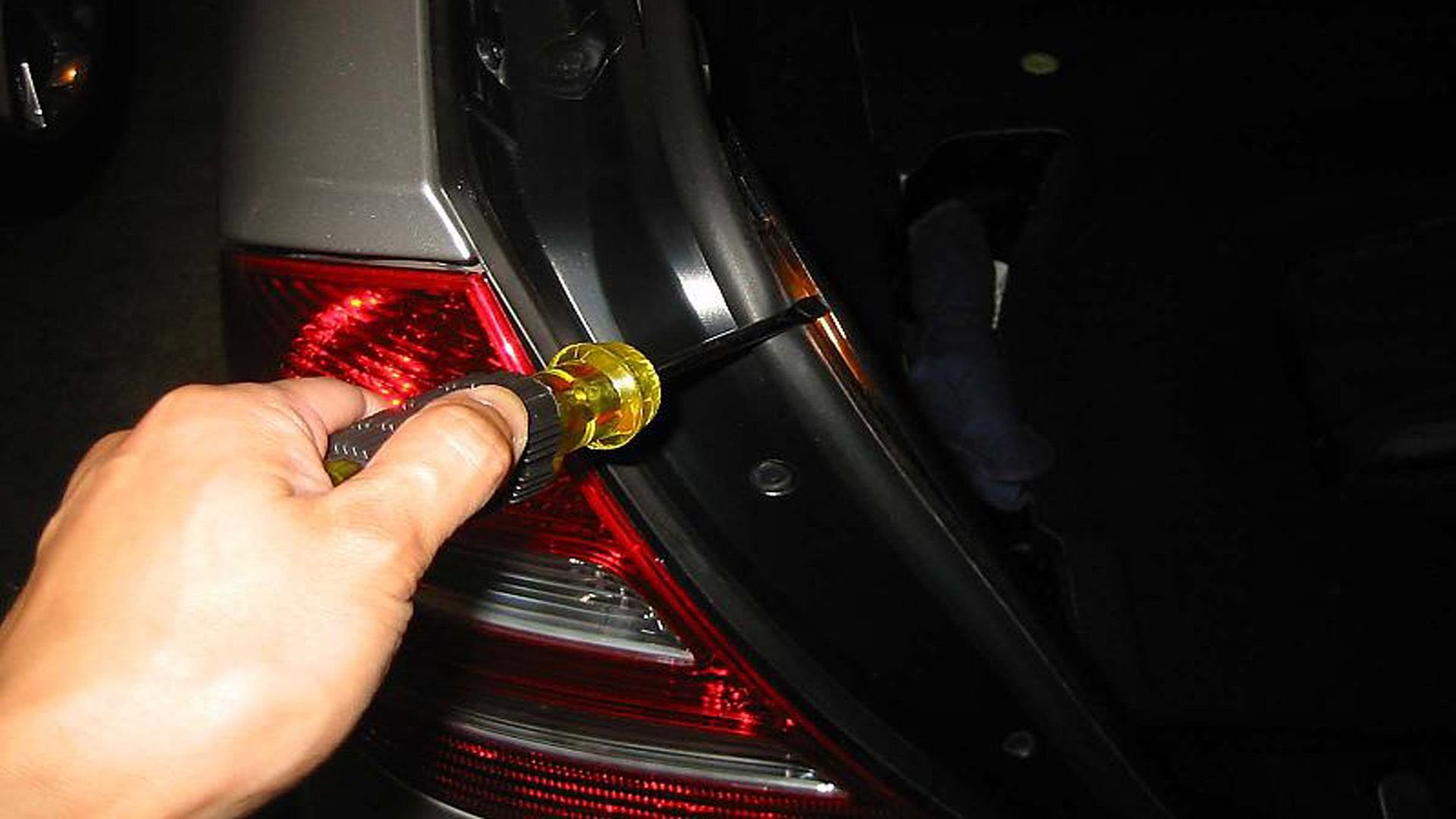
Not long ago, replacing a broken taillight was one of the simplest and least expensive vehicle repairs. If a bulb burned out, most drivers could purchase a replacement for less than $20 and install it in a matter of minutes.
Even if the entire housing cracked, replacement assemblies for many vehicles often cost less than $150. Today, that same repair can easily exceed $800, and in some luxury vehicles, it can surpass $2,000.
The dramatic increase has little to do with inflation alone. Modern taillights have evolved into sophisticated electronic assemblies that combine LED lighting, control modules, sequential turn signals, light bars, blind-spot monitoring components, and complex wiring into a single sealed unit.
When one part fails, the entire assembly often has to be replaced because individual LEDs or electronic components are not designed to be serviced separately.
According to the Insurance Institute for Highway Safety (IIHS), advanced lighting systems improve visibility and vehicle recognition, while automakers continue integrating additional technology into rear lighting assemblies. The result is improved safety but also significantly higher repair costs when damage occurs.
Also Read: 10 Cars That Are Cheaper In California Than Other States
Modern taillights are complex electronic systems.
Many drivers still think of taillights as simple plastic housings containing a few replaceable bulbs. That description no longer applies to most new vehicles.
Today’s taillights typically use permanently sealed LED modules rather than traditional incandescent bulbs. LEDs consume less power, illuminate more quickly, and generally last much longer than conventional bulbs.
According to the U.S. Department of Energy, LED lighting is substantially more energy efficient while offering significantly longer service life than incandescent technology. The challenge is that manufacturers usually integrate dozens of LEDs onto electronic circuit boards sealed inside the housing.
If one section of the lighting system fails because of electrical damage, water intrusion, or impact, replacing a single bulb is no longer possible. Instead, technicians often replace the complete assembly.
The housing itself has also become more sophisticated. Many manufacturers design full-width light bars stretching across the rear of the vehicle, requiring larger molded lenses, intricate optics, and complex internal reflectors.
Premium brands frequently incorporate animated welcome lighting, sequential turn signals, dynamic brake lights, and illuminated logos that require dedicated electronic controllers.
In many vehicles, the taillight also communicates with the vehicle’s body control module through high-speed electronic networks. This allows the lighting system to monitor faults, adjust brightness automatically, synchronize lighting animations, and interact with other safety systems.
Because of this integration, replacing the assembly may also require diagnostic scans, software initialization, or programming before the new unit functions correctly.
LEDs, Premium Materials, and Electronics Drive Up Replacement Costs
The biggest reason replacement costs have increased is that the entire lighting system has become a single integrated component.
Unlike traditional bulbs that cost only a few dollars, an LED tail light assembly includes multiple printed circuit boards, dozens of LEDs, heat sinks, electronic drivers, wiring connectors, weather-resistant seals, molded polycarbonate lenses, and precisely engineered optical elements.
Many automakers also equip rear lighting assemblies with additional technologies. Blind-spot monitoring warning indicators may be integrated into the housing, while rear cameras, parking sensors, and cross-traffic alert systems often share nearby wiring harnesses.
Although these systems are separate from the taillight itself, repairing collision damage frequently requires technicians to inspect, reconnect, or recalibrate surrounding electronics. Replacement parts are another major contributor to higher repair bills.
Many modern LED assemblies are available only as Original Equipment Manufacturer (OEM) parts because the electronics, light output, and fitment must meet strict factory specifications. Aftermarket alternatives remain limited for newer vehicles, particularly those with advanced lighting signatures or integrated electronic features.
Labor costs have increased as well. Replacing a taillight on some vehicles now involves removing interior trim panels, rear bumper sections, cargo-area liners, or liftgate components before the assembly can be accessed.
Once installed, technicians may perform diagnostic checks to verify communication with the vehicle’s electronic control systems.
Insurance industry data reflects this trend across the broader collision repair market. Mitchell, a leading provider of collision-repair data, reported that the average insurance repair claim reached approximately $4,721 in 2024, an increase of about $800 compared with three years earlier.
The company attributes much of that growth to increasingly sophisticated vehicle technology, higher parts prices, and greater repair complexity.
Luxury vehicles demonstrate just how expensive these systems have become. Full-width LED light bars found on many premium electric vehicles and luxury SUVs often consist of multiple interconnected modules. Damage to one section may require replacing an entire assembly rather than a single lens or lighting element.
Higher Repair Costs Are Likely Here to Stay
Tail lights are expected to become even more advanced over the coming years. Automakers continue introducing lighting systems capable of displaying welcome animations, customizable signatures, sequential indicators, and communication functions that signal braking or vehicle status more effectively to surrounding traffic.
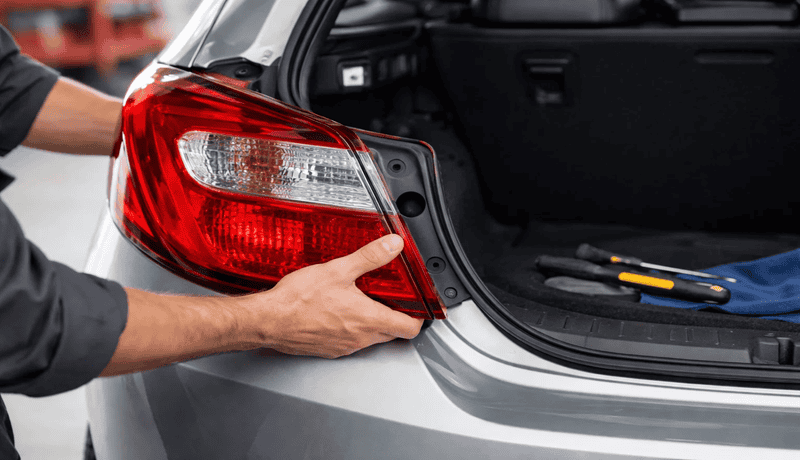
Digital lighting technologies are already appearing on high-end models and are gradually moving into more affordable vehicles.
According to the National Highway Traffic Safety Administration (NHTSA), improved vehicle lighting contributes to roadway safety by enhancing visibility and helping drivers recognize vehicles more quickly under different driving conditions.
Manufacturers are therefore investing heavily in advanced lighting technologies despite the added repair costs.
The shift toward electric vehicles is also accelerating this trend. EV manufacturers often use distinctive full-width LED light bars as part of their brand identity, making the rear lighting assembly a defining design feature rather than a simple safety component.
These larger assemblies require more LEDs, larger lenses, additional electronics, and more expensive manufacturing processes.
For vehicle owners, this means even minor rear-end collisions or parking-lot impacts can result in surprisingly high repair estimates. A cracked lens that once required only a replacement bulb and inexpensive housing may now involve replacing an entire sealed electronic module costing several hundred dollars before labor is added.
Insurance companies have taken notice as well. Rising parts costs, increasingly complex electronics, and manufacturer-specific repair procedures have contributed to higher claim values across the industry.
In many cases, the taillight itself represents only part of the final repair bill once paint work, labor, diagnostics, and surrounding components are included.
Despite these higher costs, LED technology continues to offer important advantages. LEDs provide faster illumination, consume less electrical power, require virtually no routine maintenance, and often last for the life of the vehicle under normal operating conditions.
Their improved brightness and durability have also enhanced vehicle safety, particularly during nighttime driving and poor weather conditions.
The days of replacing a burned-out taillight bulb for a few dollars are largely over. Modern taillights have transformed into sophisticated electronic assemblies that combine lighting, styling, and digital technology into a single sealed unit.
While these innovations improve visibility, efficiency, and vehicle design, they also mean that even relatively minor damage can result in repair bills approaching or exceeding $800.
As lighting technology continues to evolve and automakers integrate even more electronics into rear lighting systems, expensive taillight replacements are likely to become the new normal rather than the exception.
Why Buying OEM Parts Often Makes the Biggest Difference
Another reason taillight replacement costs have risen so sharply is the increasing reliance on Original Equipment Manufacturer (OEM) parts. Unlike older vehicles, where aftermarket replacement housings were widely available and relatively inexpensive, many newer vehicles use taillight assemblies that are unique to a specific model, trim level, or production year.
This limits the availability of lower-cost alternatives, especially during the first few years after a vehicle is introduced.
Automakers also recommend OEM replacement parts because modern LED assemblies are engineered to meet precise brightness, color, and durability standards set by the Federal Motor Vehicle Safety Standards (FMVSS).
According to the National Highway Traffic Safety Administration (NHTSA), vehicle lighting must meet strict performance requirements to ensure visibility and safety.
Using non-compliant or poorly manufactured replacement units can lead to uneven light output, water leaks, premature LED failure, or compatibility issues with the vehicle’s electronic systems.
In addition, many modern taillights are designed as sealed units that cannot be disassembled without damaging the housing. If condensation forms inside the lens or an internal circuit board fails, technicians typically replace the complete assembly instead of repairing individual components.
While this approach improves long-term reliability and weather resistance, it also means owners must purchase an entirely new unit even when only one small section of the light is damaged.
As vehicle lighting becomes increasingly sophisticated, replacement costs are expected to remain significantly higher than they were just a decade ago.
Also Read: 10 Toyota Models That Tell the Brand & #8217;s Story
