
Buying a used car can save thousands of dollars, but understanding how that vehicle was used is just as important as checking its mileage. Many former fleet vehicles enter the used market every year after serving rental companies, government agencies, corporate fleets, or commercial businesses.
While some receive excellent maintenance because fleets follow strict service schedules, others accumulate unusually high mileage and experience heavy daily use.
Learning to recognize the signs of a previous fleet vehicle helps buyers make informed decisions, negotiate a better price, and avoid surprises after purchase. Here are eight clues that may reveal a used car once belonged to a fleet.
Also Read: 10 Most Sold Cars In Los Angeles Ranked By Total Sale Volume
1. Exceptionally High Mileage for Its Age
Mileage is often the first clue that a vehicle may have spent its early years in fleet service. While the average privately owned passenger vehicle in the United States typically accumulates about 13,000 to 15,000 miles annually according to Federal Highway Administration travel data, fleet vehicles frequently exceed that figure by a wide margin.
Rental cars, corporate sales vehicles, and government fleet units may cover 25,000 to 40,000 miles each year, depending on their role.
A three-year-old sedan showing more than 90,000 miles should immediately prompt additional questions. High mileage alone does not mean the vehicle is a poor purchase.
In fact, highway miles accumulated by company representatives often produce less engine wear than repeated short trips around town. The key is determining whether maintenance kept pace with the vehicle’s demanding schedule.
Service records become especially valuable in these situations. Fleet operators generally follow manufacturer maintenance intervals because downtime directly affects operating costs.
Oil changes, transmission services, brake inspections, and tire rotations are often documented far better than on privately owned vehicles. A complete maintenance history can make a high-mileage fleet vehicle a safer purchase than a lower-mileage car with an unknown service history.
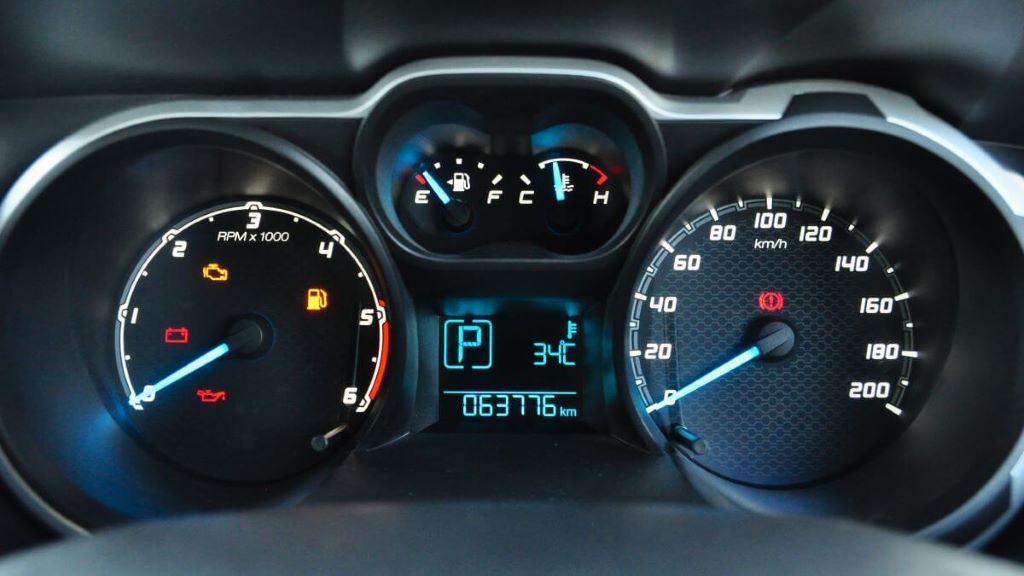
Mileage should also match the vehicle’s condition. If the odometer displays 120,000 miles but the steering wheel, driver’s seat, pedals, and door handles appear unusually new, buyers should investigate further to verify the vehicle history.
Comparing maintenance records, vehicle history reports, and inspection results provides a much clearer picture than mileage alone. Looking at the entire ownership story helps separate well-maintained fleet vehicles from examples that simply accumulated miles without receiving proper care.
2. Numerous Service Records From the Same Company
Most privately owned vehicles receive maintenance wherever the owner finds convenient. Oil changes may be performed at different dealerships, independent repair shops, or quick-service centers over the years. Fleet vehicles often tell a very different story.
Their maintenance history usually shows repeated visits to the same dealership, fleet maintenance provider, or commercial repair facility because large organizations centralize servicing to control costs and maintain consistent records.
Vehicle history reports frequently reveal this pattern. Instead of occasional maintenance entries every several months, fleet vehicles may show scheduled inspections every few thousand miles, tire replacements, brake servicing, fluid exchanges, battery checks, and warranty repairs performed with remarkable consistency.
Large rental companies, municipal fleets, utility providers, and corporate businesses rely on preventive maintenance programs because mechanical failures increase operating expenses and reduce vehicle availability.
A thick maintenance file should generally be viewed as a positive sign rather than a warning. Consistent servicing indicates the vehicle likely followed manufacturer recommendations throughout its working life. Fleet managers understand that preventive maintenance costs far less than major mechanical repairs or unexpected breakdowns.
However, buyers should still study the records carefully. Frequent tire replacements, repeated suspension repairs, accident-related body work, or multiple alignments within a short period may suggest unusually demanding use.
Delivery vehicles operating on rough urban streets, for example, often require more suspension work than highway-driven company cars.

During a pre-purchase inspection, compare the documented service history with the vehicle’s current condition. A clean maintenance record supported by healthy brakes, good suspension components, and even tire wear often indicates responsible fleet management.
Instead of focusing only on previous ownership, buyers should determine whether the vehicle was maintained consistently enough to support many additional years of reliable service.
3. Evidence of Removed Company Decals or Equipment
Not every former fleet vehicle leaves the market wearing company logos, but many leave behind subtle clues that experienced buyers recognize immediately.
Businesses, utility companies, municipalities, and commercial fleets commonly install vinyl graphics, identification numbers, GPS tracking equipment, dash cameras, two-way radios, or roof-mounted accessories during a vehicle’s service life. Before selling the vehicle, most of these items are removed, yet traces often remain.
A careful exterior inspection may reveal slight paint color differences on the doors, hood, or tailgate where decals once protected the finish from years of sun exposure.
These areas sometimes appear brighter or glossier than the surrounding paint because they were shielded from ultraviolet light. Buyers may also notice faint adhesive outlines, polishing marks, or tiny scratches left behind during decal removal.
The interior deserves equal attention. Small holes in the dashboard, center console, or A-pillars may indicate that communication equipment, mobile data terminals, or accessory switches were previously installed.
Under the hood or inside the trunk, disconnected wiring, unused mounting brackets, or capped electrical connectors can suggest that additional fleet equipment once occupied the vehicle. Utility and municipal fleets frequently add specialized electronics that require dedicated wiring harnesses and fuse connections.
None of these findings automatically make the vehicle a poor purchase. Many commercial fleets maintain vehicles extremely well because reliability directly affects business operations. The goal is simply to understand the vehicle’s history before committing to the purchase.
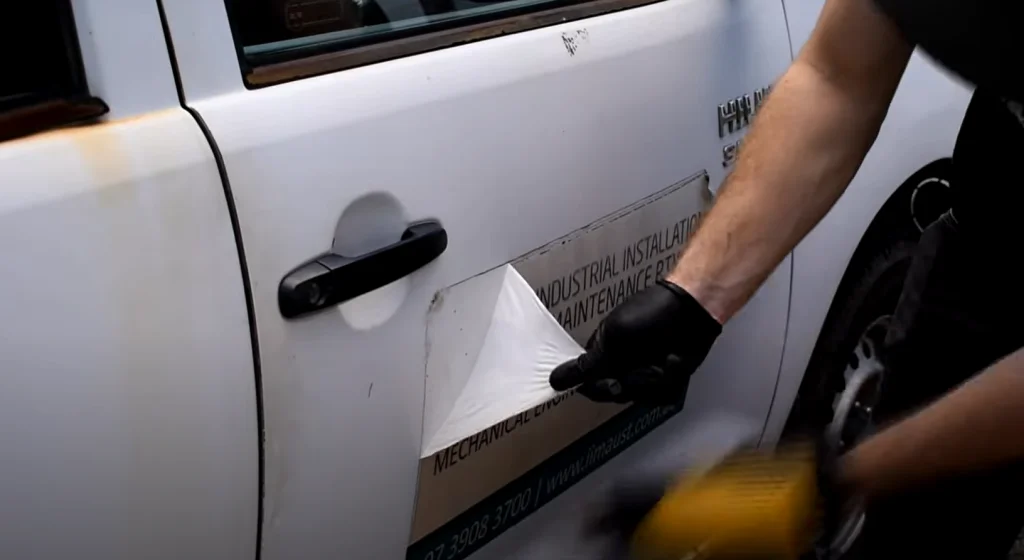
If evidence of removed equipment exists, buyers should inspect the surrounding areas carefully to confirm that any electrical modifications were professionally reversed and that no exposed wiring or damaged trim remains.
These small details often provide stronger evidence of fleet ownership than the title itself, especially when ownership records list only a leasing company rather than the business that originally operated the vehicle.
4. Unusual Wear Inside the Cabin
A vehicle’s interior often tells a more honest story than its exterior. Fresh paint can hide cosmetic imperfections, but daily use leaves patterns that are much harder to disguise.
Fleet vehicles frequently spend long hours on the road with multiple drivers entering and exiting throughout the day, creating wear that differs from what is normally seen in privately owned cars.
The driver’s seat is usually the first place to inspect. Flattened seat cushions, cracked upholstery along the outer bolster, and excessive creasing may appear surprisingly early when several employees use the same vehicle.
The steering wheel, gear selector, door pull handles, and window switches can also become polished from constant contact. Pedal pads deserve particular attention because heavy wear often confirms extensive real-world use regardless of what the odometer displays.
Fleet vehicles operated by delivery companies or municipal agencies sometimes show additional wear in the cargo area. Scratches on trunk trim, scuffed plastic panels, worn cargo liners, or damaged rear door sills can indicate years of loading tools, equipment, or supplies.
Even seemingly minor details, such as replacement floor mats or unusually clean carpeting in isolated areas, may suggest previous refurbishment before resale.
Buyers should compare cabin condition with the vehicle’s mileage and age. A four-year-old sedan showing moderate wear after 100,000 highway miles is not unusual. Conversely, severe interior deterioration on a relatively low-mileage vehicle may deserve closer investigation.
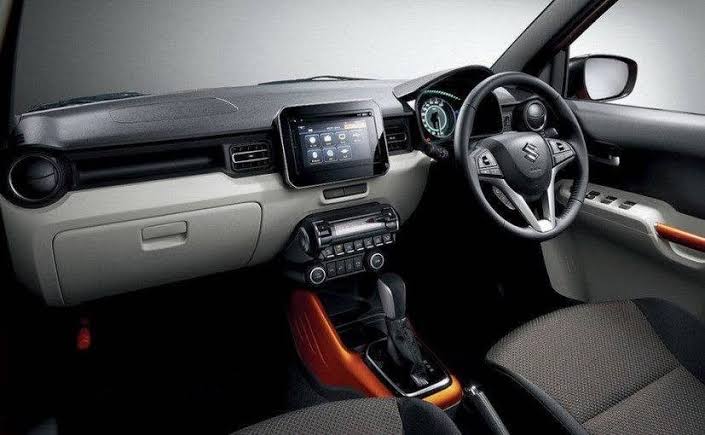
A professional pre-purchase inspection can help determine whether the wear simply reflects intensive daily use or points to neglect.
Interior wear should never be evaluated in isolation. When combined with extensive service records, high annual mileage, and signs of removed company equipment, it becomes another valuable piece of evidence indicating that the vehicle likely spent much of its life serving in a commercial fleet.
5. A Vehicle History Report Showing Commercial or Rental Ownership
One of the clearest ways to determine whether a used car previously served in a fleet is by reviewing its vehicle history report.
Services that compile registration, title, maintenance, and ownership records often identify whether a vehicle was registered to a rental company, commercial fleet, government agency, corporate leasing business, or other commercial operator.
While the report may not describe the vehicle’s daily duties, it usually provides valuable insight into how it was owned.
Many buyers immediately dismiss any vehicle identified as a former fleet unit, but that assumption is not always justified. Large fleet operators generally follow strict preventive maintenance schedules because keeping vehicles on the road is less expensive than repairing neglected ones.
Oil changes, brake inspections, transmission servicing, tire replacements, and factory recall work are commonly completed on time, resulting in maintenance records that are often more complete than those of privately owned vehicles.
The ownership timeline also provides useful clues. Rental companies frequently sell vehicles after one or two years, while corporate fleets may retain them for three to five years before replacement.
Government agencies often keep vehicles longer but continue servicing them according to scheduled maintenance programs throughout their operational life.
Vehicle history reports should still be interpreted carefully. A report showing multiple accidents, repeated body repairs, flood damage, or salvage branding deserves far more attention than commercial ownership alone.
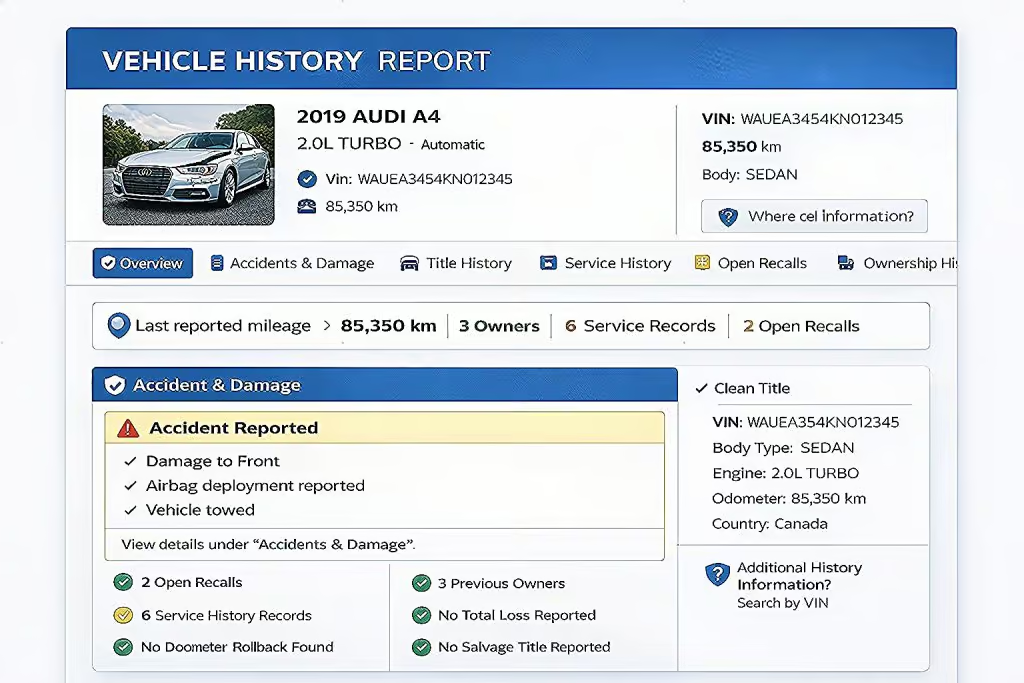
Likewise, a former fleet vehicle with one consistent owner, documented maintenance, and no accident history may represent better value than a privately owned vehicle with little or no service documentation.
Instead of focusing solely on the title history, buyers should compare ownership records with the vehicle’s physical condition and inspection results. When these pieces align, they create a much more accurate picture of the vehicle’s past and help eliminate unnecessary uncertainty during the buying process.
6. Basic Trim Level With Few Optional Features
Fleet managers rarely purchase vehicles loaded with expensive luxury packages because their priorities differ from those of private buyers.
Businesses focus on reliability, operating costs, resale value, and ease of maintenance rather than premium entertainment systems or upscale interior materials. As a result, many former fleet vehicles entered service in lower or mid-level trims equipped only with the features necessary for daily operations.
A sedan that includes cloth seats, manually adjustable seating, standard wheels, basic climate controls, and minimal convenience options may simply reflect an economical purchasing decision rather than neglect.
Rental companies also tend to order vehicles with configurations that appeal to the widest range of drivers while minimizing repair costs. Simpler equipment often means fewer electronic systems that require maintenance over time.
That does not mean every base-model vehicle is automatically a former fleet unit. Many private buyers intentionally choose lower trims because they cost less to purchase and maintain.
However, when a basic equipment list appears alongside high annual mileage, commercial ownership records, extensive maintenance documentation, and evidence of removed company accessories, the possibility of previous fleet service becomes much stronger.
Another characteristic worth noting is consistency. Large fleet purchases usually involve dozens or even hundreds of nearly identical vehicles.
If a used car has an unusually common configuration with few factory options, matching what rental companies or corporate fleets frequently ordered during that model year, it may further support the vehicle’s commercial background.

Buyers should remember that fewer luxury features can actually improve long-term reliability. Simpler interiors generally contain fewer electronic components that can fail as the vehicle ages.
A well-maintained fleet vehicle with a basic trim level may ultimately prove to be a dependable purchase, provided its maintenance history and mechanical inspection support its condition.
7. Tires, Brakes, and Suspension Show Signs of Heavy-Duty Use
Mechanical components underneath a vehicle often reveal more about its previous life than the paint or interior ever could.
Fleet vehicles are commonly driven for long hours every day, making consumable parts such as tires, brakes, and suspension components wear differently than those on privately owned cars. A careful inspection underneath can uncover clues that suggest years of commercial service.
Begin with the tires. Fleet operators typically replace tires only when they reach the manufacturer’s recommended replacement depth rather than upgrading to premium performance brands.
It is common to find matching replacement tires from commercial suppliers rather than the original factory set. Uneven wear across multiple tire sets may also indicate that the vehicle accumulated significant highway mileage or frequently carried passengers, equipment, or cargo.
The brake system deserves equal attention. Thick maintenance records often show multiple brake pad and rotor replacements during a relatively short ownership period.
That is not necessarily a negative sign because fleet managers prioritize keeping vehicles operational and compliant with safety standards. However, excessive brake wear combined with worn suspension bushings, tired shock absorbers, or replacement control arms can indicate that the vehicle experienced demanding daily use.
Independent mechanics frequently inspect wheel bearings, sway bar links, ball joints, and steering components during pre-purchase evaluations because these parts absorb constant stress over thousands of miles.
Delivery vehicles operating on rough city streets often wear suspension components faster than vehicles driven mainly on highways. Conversely, highway fleet vehicles may accumulate high mileage while showing surprisingly little suspension wear.
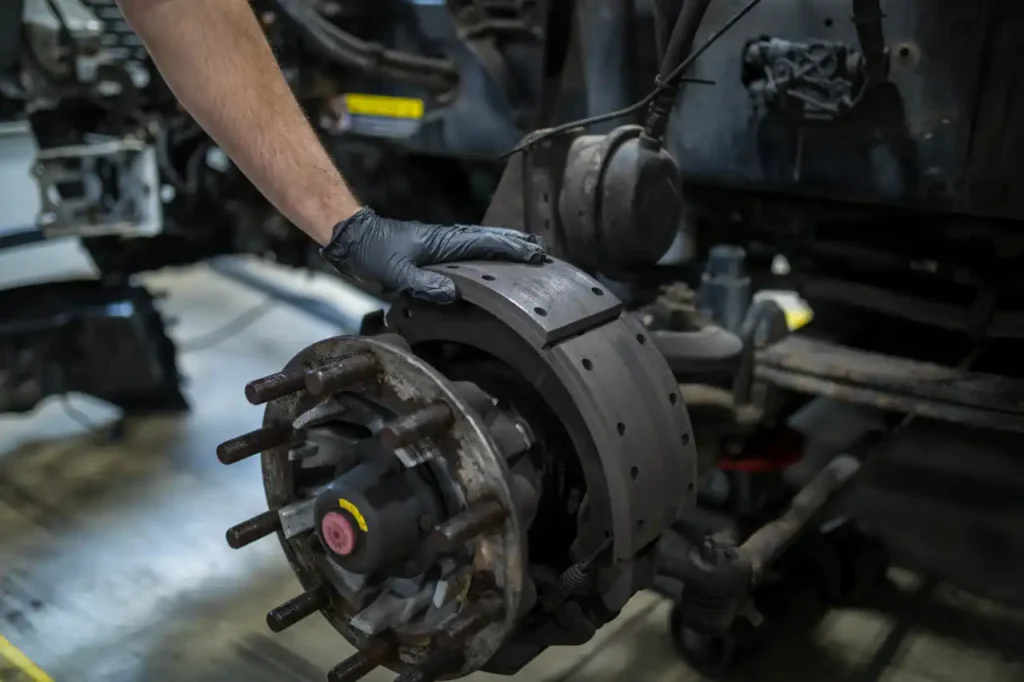
Rather than focusing on one individual part, buyers should evaluate how the entire undercarriage reflects the vehicle’s history. A car with documented maintenance and professionally installed replacement components is usually a safer investment than one with low mileage but original worn-out parts.
Mechanical wear should always be considered alongside service records and vehicle history before making a final buying decision.
8. Multiple Keys, Fleet Inventory Labels, or Asset Identification Remain
Sometimes the strongest evidence of a vehicle’s previous life is hidden in plain sight. Even after auction preparation and detailing, former fleet vehicles occasionally retain small identifiers that private owners would never have installed.
Experienced inspectors routinely look for these overlooked details because they can confirm commercial ownership within minutes.
One of the most common clues is an inventory sticker attached inside the driver’s door jamb, windshield, trunk lid, or engine compartment.
Fleet operators assign internal asset numbers to simplify maintenance scheduling and vehicle tracking. While dealership staff may remove large decals before resale, these smaller labels are often left behind because they are less noticeable.
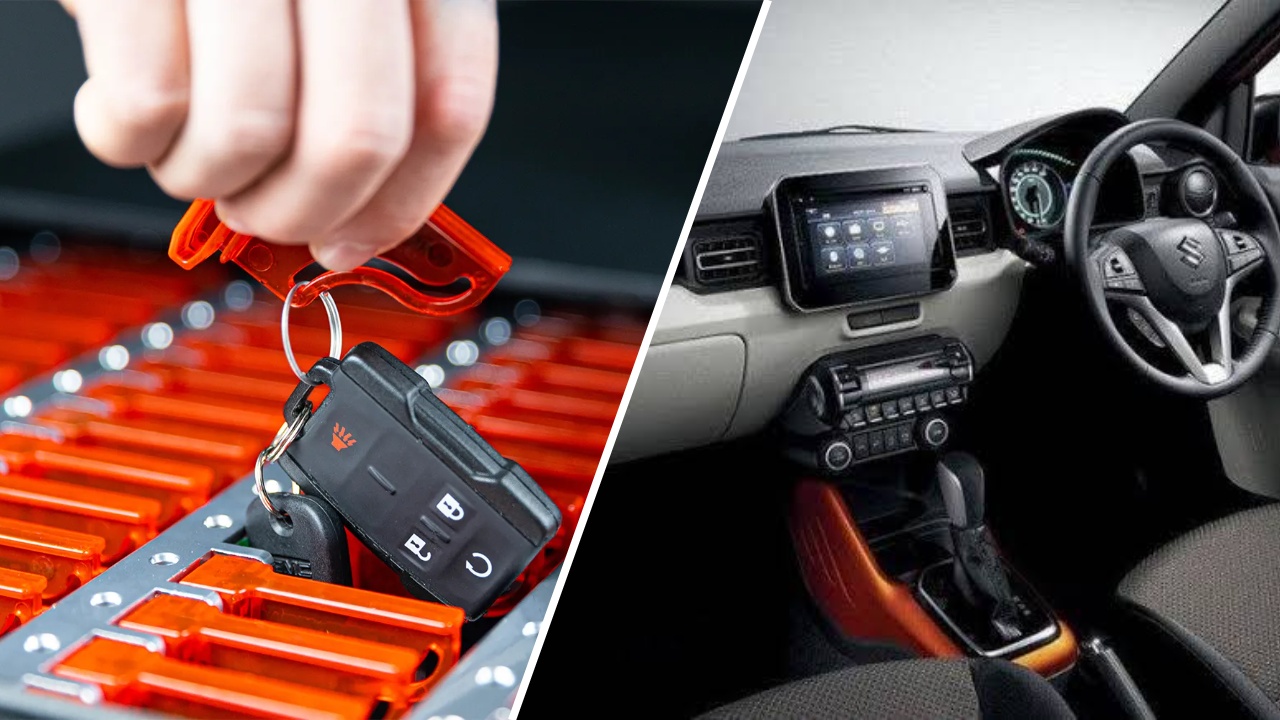
Key fobs also provide useful information. Many fleet vehicles are sold with multiple identical keys carrying numbered tags or barcodes that correspond to fleet inventory systems.
Rental companies, government agencies, and utility providers frequently label keys to improve accountability among employees. Finding these tags is another indication that the vehicle may have served in a commercial operation.
Other subtle signs include unused mounting holes where GPS tracking devices, telematics equipment, or electronic loggers were previously installed. Some vehicles still contain aftermarket wiring tucked neatly beneath the dashboard after communication equipment has been removed.
Professional removal generally leaves little evidence, but careful buyers often discover capped connectors, empty brackets, or small trim modifications that point toward former fleet use.
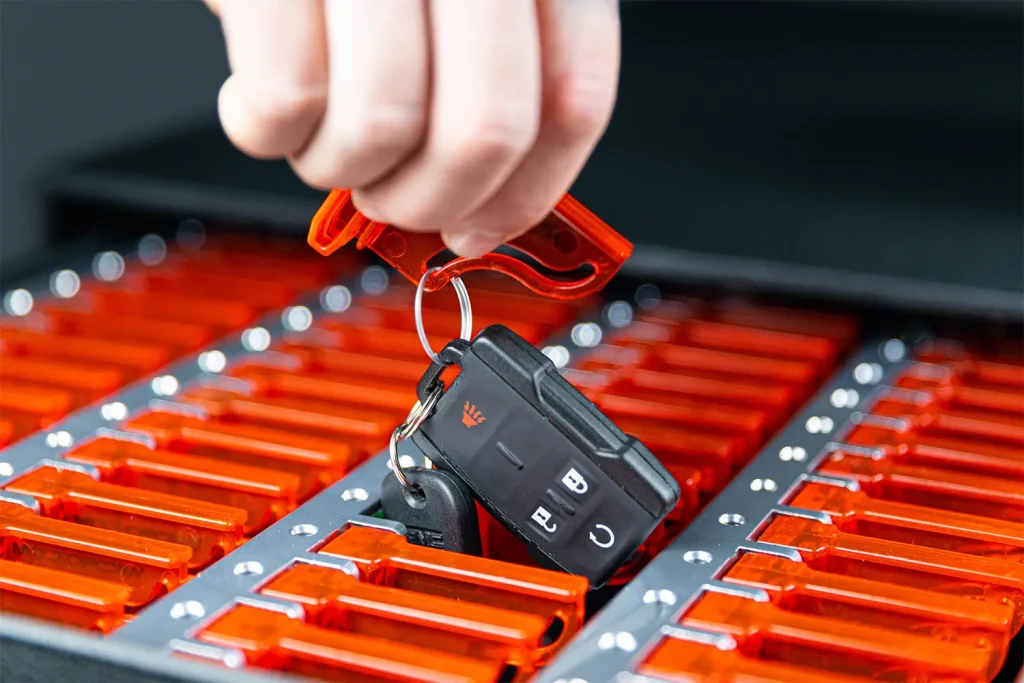
None of these details automatically reduce a vehicle’s value. In fact, many former fleet cars remain excellent purchases because they benefited from scheduled maintenance and prompt repairs throughout their service lives. The objective is simply to understand the vehicle’s background completely.
Combining physical evidence with maintenance records, title history, and a thorough mechanical inspection allows buyers to judge the vehicle on facts rather than assumptions, leading to a much more confident purchase decision.
Also Read: 10 Popular Cars With Surprisingly High Insurance Premiums
