
When summer temperatures climb into the 90s and even exceed 100 degrees Fahrenheit across many parts of the United States, a vehicle’s air conditioning system becomes more than a comfort feature. It becomes essential for safe and enjoyable driving.
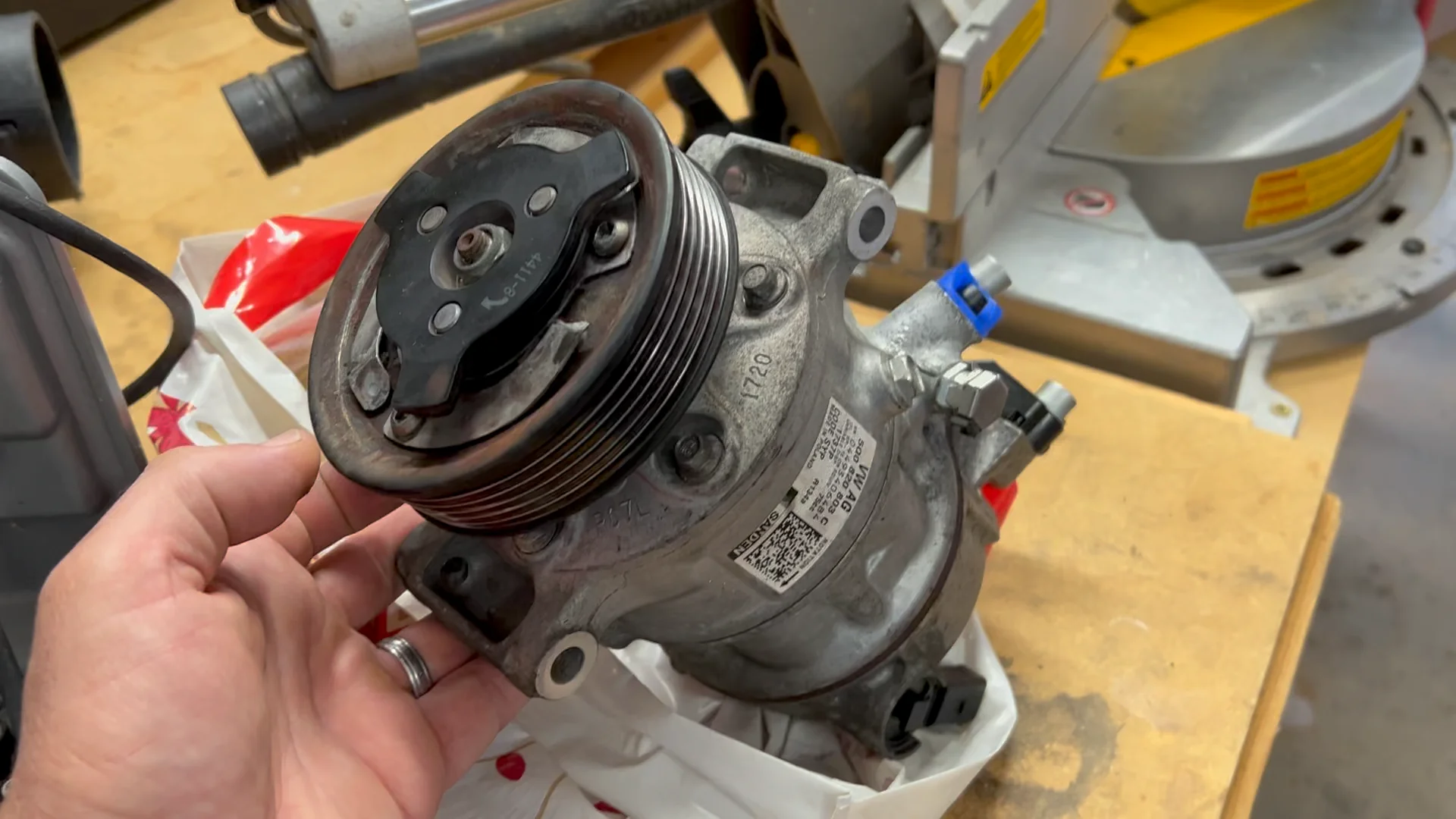
Most drivers expect cold air at the push of a button, but few realize that the heart of the entire system is the AC compressor, and when it fails, it often becomes the single most expensive air conditioning repair a vehicle owner can face.
A faulty air conditioning compressor is far more serious than issues involving components such as the blower motor, cabin air filter, or refrigerant pressure sensor. Because the compressor is the heart of the AC system, its failure can lead to a cascade of problems that affect multiple components, often resulting in more extensive and expensive repairs.
Metal debris from an internally damaged compressor can contaminate hoses, the condenser, expansion valve, evaporator, and receiver-drier, turning what might seem like a single component replacement into a repair costing anywhere from $1,200 to well over $3,500, depending on the vehicle.
Luxury vehicles, hybrids, and electric vehicles with electrically driven compressors can cost even more.
According to industry repair data from AAA, RepairPal, NAPA, and vehicle manufacturers, compressor replacement consistently ranks among the most expensive climate-control repairs because of the labor involved, the cost of the compressor itself, refrigerant recovery requirements, and the need to clean or replace multiple contaminated components.
Understanding why compressors fail and why repairs become so expensive can help owners recognize early warning signs before a minor issue turns into a major repair bill.
Also Read: 8 Car Seats That Get Painful After One Hour
The AC Compressor Is the Heart of the entire cooling system.
Every automotive air conditioning system relies on the compressor to circulate refrigerant through a closed-loop system. The compressor pressurizes refrigerant gas before sending it to the condenser, where heat is released.
The refrigerant then passes through the receiver-drier or accumulator, expansion valve or orifice tube, and finally the evaporator, where it absorbs heat from the cabin before returning to the compressor to repeat the cycle.
Without the compressor, refrigerant cannot circulate, meaning the entire air conditioning system stops producing cold air.
Modern compressors operate under extremely demanding conditions. Depending on engine speed and system pressure, they can spin thousands of revolutions per minute while maintaining precise internal tolerances.
Inside the housing are pistons, swash plates or scroll mechanisms, bearings, seals, and valves that depend on refrigerant oil for lubrication. Any interruption in lubrication, contamination, or excessive heat can quickly damage these components.
Air conditioning compressors are especially vulnerable to internal contamination, making system cleanliness essential for reliable operation. When moisture enters the refrigerant circuit through a leaking seal or improper servicing, it can react with the refrigerant and oil to form corrosive acids. These acids damage aluminum components, degrade internal surfaces, and reduce the compressor’s ability to maintain proper lubrication, accelerating wear and increasing the likelihood of failure.
Similarly, if refrigerant levels become too low due to leaks, the compressor may no longer receive enough circulating oil, causing excessive friction and overheating.
As internal parts begin wearing out, tiny metal particles are released into the refrigerant. These particles circulate through the entire air conditioning system, contaminating nearly every component they encounter. That contamination is the primary reason compressor repairs become so expensive.
Why One Failed Compressor Often Means Replacing Half the AC System
When an AC compressor experiences catastrophic internal failure, technicians rarely replace only the compressor.
Instead, manufacturers often recommend replacing several connected components to prevent the new compressor from failing almost immediately.
Metal shavings generated by worn bearings, damaged pistons, or broken scroll assemblies travel throughout the refrigerant circuit. These particles frequently become trapped inside the condenser’s extremely narrow passages.
Because many modern condensers use parallel-flow designs with tiny internal channels, they cannot always be cleaned effectively once contaminated. As a result, replacing the condenser becomes the safest option.
The receiver-drier or accumulator also requires replacement because its moisture-absorbing desiccant becomes saturated once the system has been opened or contaminated. Expansion valves and orifice tubes often trap metal debris as well, restricting refrigerant flow and reducing cooling performance.
Even the refrigerant lines may require flushing with specialized equipment to remove contamination completely. Labor costs further increase the total repair bill.
Technicians must first recover refrigerant using EPA-approved recovery equipment rather than venting it into the atmosphere.
After replacing damaged components, the system must be thoroughly flushed, evacuated with a vacuum pump to remove moisture and air, leak-tested, filled with the correct amount of compressor oil, and finally recharged with the precise refrigerant weight specified by the manufacturer.
Many modern vehicles also require electronic calibration after compressor replacement. Variable-displacement compressors, electronically controlled compressor clutches, and hybrid or electric vehicle compressors often need scan tool procedures to ensure proper operation. Hybrid and electric vehicles can be even more expensive.
Unlike conventional belt-driven compressors, many EVs and hybrids use high-voltage electric compressors that continue cooling the cabin even when the gasoline engine is off.
These compressors require specialized non-conductive oil, unique servicing procedures, and technicians trained to work safely around high-voltage systems. Replacement costs commonly exceed those of traditional compressors.
Common Causes of Compressor Failure
Although compressors are built to last many years, several conditions significantly shorten their lifespan.
One of the most common causes is refrigerant leakage. Refrigerant carries compressor oil throughout the system, so when refrigerant escapes, lubrication decreases as well. Running the AC system with low refrigerant forces the compressor to operate with inadequate lubrication, accelerating internal wear.
Lack of routine use can also contribute to failure. During colder months, many drivers never activate their air conditioning. Running the system periodically throughout the year helps circulate oil, keeping seals lubricated and preventing them from drying out and leaking.
Contaminated refrigerant is another major problem. Improper servicing, incorrect refrigerant types, moisture intrusion, or using sealants marketed as “stop leak” products can damage compressors and create expensive repairs.
Many professional repair shops refuse to service systems contaminated with stop-leak chemicals because they can damage recovery equipment.
Electrical failures also play a role. Faulty compressor clutches, pressure switches, wiring problems, failed control modules, or damaged compressor control valves may initially resemble compressor failure even though the internal mechanical components remain healthy. Accurate diagnosis is therefore essential before replacing expensive parts.
Excessive engine heat can indirectly affect compressor life as well. Overheating engines increase underhood temperatures, placing additional stress on compressor seals and bearings. Likewise, clogged condensers reduce the system’s ability to reject heat, forcing the compressor to operate under higher pressures.
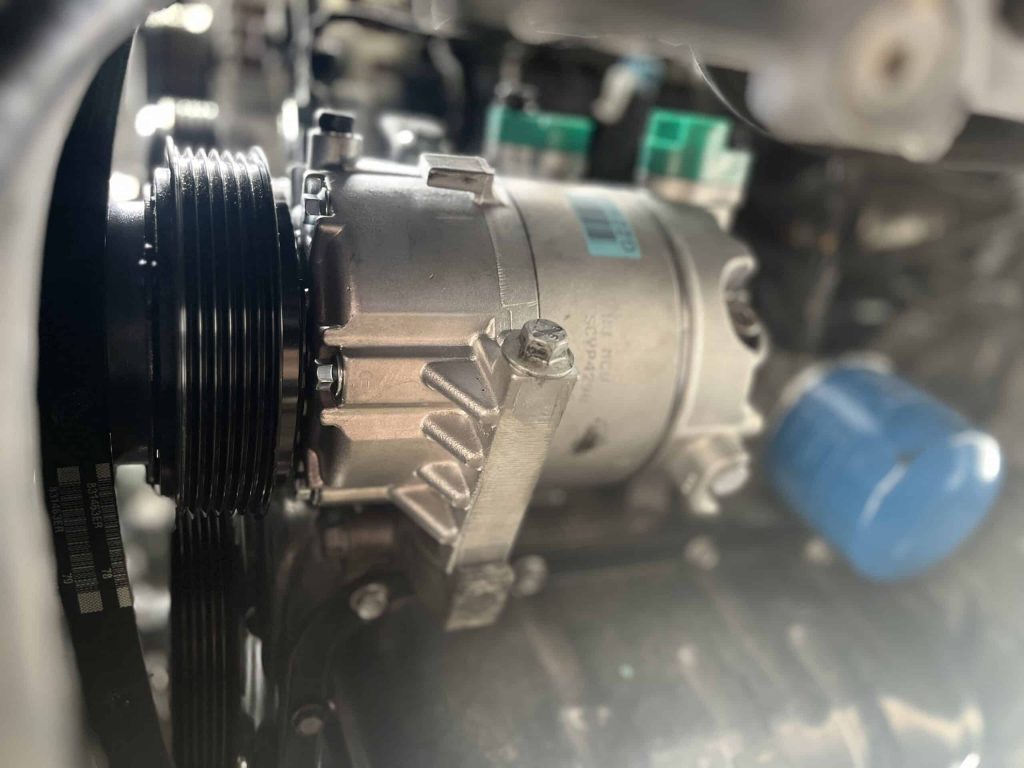
Poor-quality replacement compressors create another risk. Some inexpensive remanufactured units fail prematurely because not all internal wear components have been replaced during rebuilding. Many technicians recommend high-quality OEM or reputable aftermarket compressors to improve long-term reliability.
Warning Signs You Should Never Ignore
Most compressors provide warning signs before complete failure occurs. One of the earliest symptoms is warm air from the vents despite the AC system being switched on. While low refrigerant or electrical faults can also cause poor cooling, declining compressor efficiency should never be ruled out.
Strange noises are another important indicator. Grinding, rattling, squealing, or knocking sounds when the air conditioner engages often suggest worn bearings or internal damage. A seized compressor clutch may also produce belt squeal or burning odors.
Drivers may also notice the compressor clutch cycling on and off unusually quickly. Rapid cycling can indicate incorrect refrigerant pressures caused by leaks, internal compressor wear, or faulty pressure sensors.
Visible oil stains around compressor fittings, hoses, or the compressor body frequently point to refrigerant leaks. Because refrigerant oil escapes together with refrigerant gas, oily residue often identifies the location of a leak.
In severe cases, the compressor may seize completely, causing the serpentine belt to slip or even break. On many vehicles, that same belt also drives the alternator, power steering pump, and water pump, meaning a failed compressor can potentially create additional roadside problems beyond losing air conditioning.
Preventive Maintenance Costs Far Less Than Compressor Replacement
Routine maintenance is one of the most effective ways to extend the lifespan of an air conditioning compressor and reduce the risk of unexpected breakdowns. Scheduling a professional inspection each year gives technicians the opportunity to identify issues such as refrigerant leaks, worn drive belts, aging hoses, weakened compressor clutches, and irregular system pressures before they develop into costly repairs.
Replacing inexpensive O-rings or repairing small leaks early is dramatically less expensive than replacing a contaminated compressor and condenser.
Running the air conditioner for 10 to 15 minutes every few weeks, even during winter, helps circulate lubricating oil throughout the system and keeps internal seals from drying out. Keeping the condenser clean by removing leaves, bugs, and road debris also improves cooling efficiency and reduces compressor workload.
Ignoring early symptoms often leads to significantly higher repair costs because compressor damage rarely remains isolated. Once metal debris begins circulating through the refrigerant system, replacing a single component is no longer enough.
That is why AC compressor failure consistently ranks as the most expensive summer air conditioning repair. The compressor itself is costly, the labor is extensive, environmental regulations require specialized servicing equipment, and internal contamination frequently forces technicians to replace multiple interconnected components.
For vehicle owners, recognizing the warning signs early and performing routine maintenance remains the most effective way to avoid one of the largest climate-control repair bills they are ever likely to face.
Also Read: 10 Monster Motorcycles That Prioritize Comfort Over Weight
