
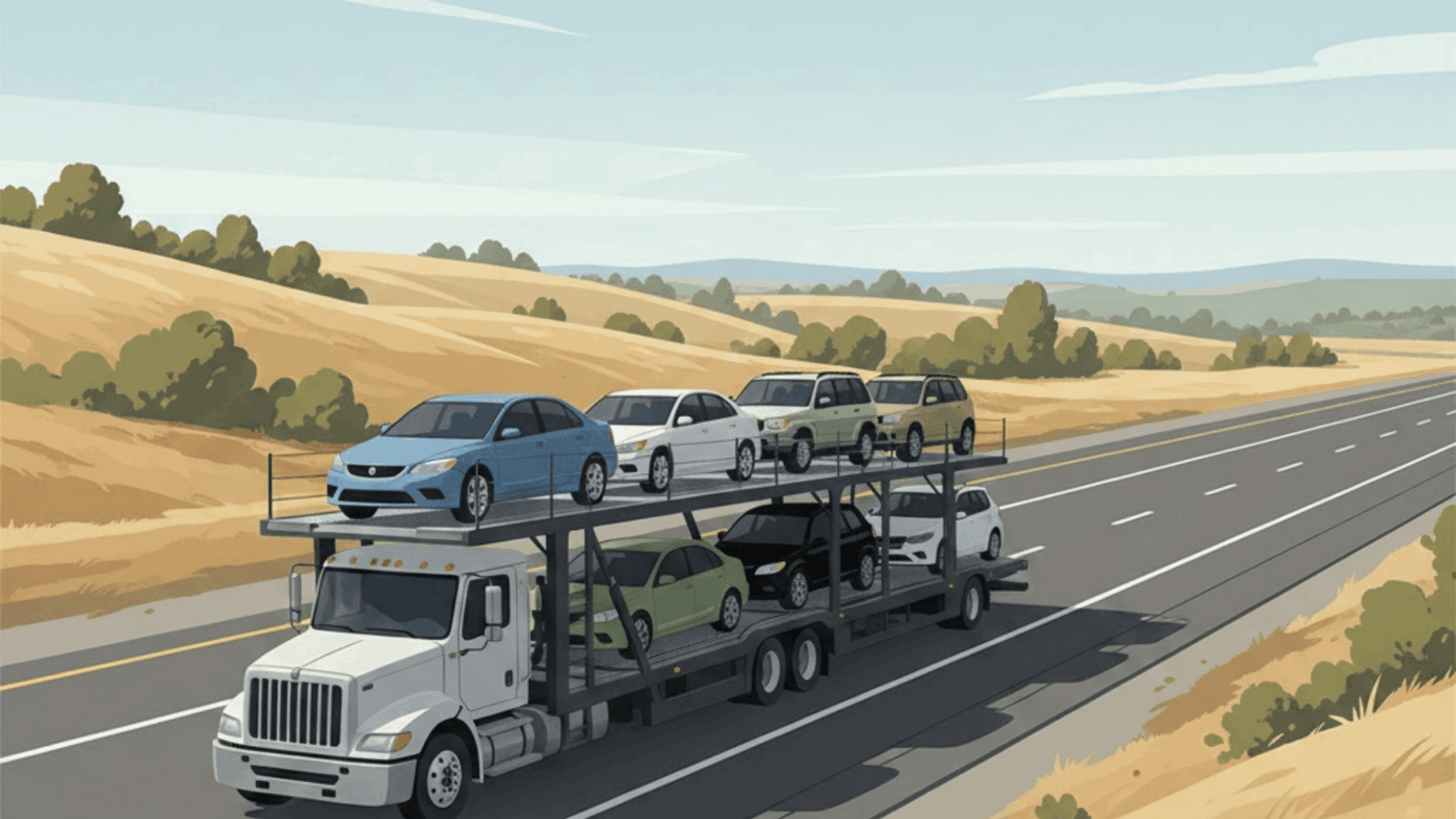
Moving a vehicle across the country is a major decision, whether you’re relocating for work, buying a car from another state, heading to college, or escaping winter for a seasonal home. One of the first questions most people ask is whether it’s cheaper to drive the vehicle yourself or hire an auto transport company.
The answer isn’t as straightforward as comparing a shipping quote with the cost of gasoline. A cross-country trip involves fuel, lodging, meals, tire wear, depreciation, maintenance, lost time, and the risk of unexpected repairs, while shipping introduces its own costs, insurance considerations, and delivery timelines.
According to ownership data from AAA, the U.S. Department of Energy, the Federal Highway Administration, and leading auto transport companies, the true cost of moving a vehicle often surprises buyers because many of the largest expenses are easy to overlook.
A road trip may appear cheaper at first glance, but once vehicle wear and personal travel expenses are included, the gap between driving and shipping can narrow considerably.
This guide compares both options using a typical 2,800-mile trip, roughly the distance between cities such as New York and Los Angeles or Seattle and Miami.
While your actual costs will vary depending on fuel prices, weather, vehicle type, and route, the following estimates provide a realistic picture of what most drivers can expect.
Also Read: 10 Discontinued Engines Still In Great Demand
Option 1: Driving the Vehicle Yourself
Driving your own vehicle offers flexibility that shipping cannot match. You control the route, departure date, rest stops, and arrival time. If you’re already planning a road trip, driving may even become part of the experience.
However, a cross-country drive involves much more than buying fuel. Let’s assume you’re driving a midsize SUV that averages 28 mpg over a 2,800-mile trip.
Fuel Costs
Using a national average gasoline price of approximately $3.60 per gallon, the vehicle would consume roughly the following:
- Distance: 2,800 miles
- Fuel economy: 28 mpg
- Fuel used: 100 gallons
- Fuel cost: About $360
A larger SUV or pickup averaging 20 mpg would require about 140 gallons, increasing fuel costs to approximately $500.
Lodging
Driving coast to coast usually requires four to five days behind the wheel unless you’re willing to drive extremely long hours.
Budget hotels generally cost:
$120 to $180 per night
Four nights typically total:
$480 to $720
Traveling with family can increase lodging expenses if larger rooms are needed.
Meals
Food is another expense that’s frequently underestimated.
Even modest restaurant spending often averages the following:
- Breakfast: $12
- Lunch: $18
- Dinner: $30
That equals approximately:
$60 per day
Five travel days:
Around $300
Choosing convenience stores or fast food can reduce costs, while sit-down restaurants can increase them significantly.
Vehicle Wear and Depreciation
The highest hidden cost of driving is the additional mileage placed on the vehicle.
Adding 2,800 miles accelerates wear on:
- Tires
- Brake components
- Engine oil
- Transmission fluid
- Suspension parts
- Wheel bearings
It also reduces the vehicle’s resale value. According to AAA’s Your Driving Costs studies, operating a vehicle, including depreciation, maintenance, tires, and operating expenses, can exceed 70 cents per mile for many new vehicles.
Not every one of those costs applies directly to a single road trip, but even using a conservative estimate of 25 to 35 cents per mile for wear and depreciation results in the following:
$700 to $980
This hidden expense is often larger than the fuel bill itself.
Unexpected Repairs
Long highway trips also increase the chance of mechanical issues. While modern vehicles are highly reliable, thousands of uninterrupted highway miles can expose problems such as the following:
- Tire punctures
- Windshield damage
- Battery failures
- Cooling system issues
- Brake wear
- Belt or hose failures
Most trips end without incident, but even a single unexpected repair can quickly add several hundred dollars to the full travel cost.
Option 2: Shipping Your Vehicle
Hiring an auto transport company eliminates the need to spend several days on the road and prevents thousands of miles from being added to your vehicle. While shipping may appear expensive initially, it often becomes surprisingly competitive once the full cost of driving is calculated.
Transport companies typically charge based on several factors:
- Total distance
- Vehicle size and weight
- Pickup and delivery locations
- Time of year
- Fuel prices
- Open or enclosed transport
- Current demand for shipping routes
For a 2,800-mile trip, most customers choosing open transport can expect to pay approximately $1,100 to $1,700. Larger SUVs, pickup trucks, and luxury vehicles generally fall toward the higher end of that range because they occupy more trailer space and weigh more.
Enclosed transport, designed for classic, luxury, exotic, or collector vehicles, usually costs $1,800 to $2,700 or more for the same distance. Although considerably more expensive, enclosed trailers protect vehicles from weather, road debris, and excessive dirt during transit.
Most transport companies include cargo insurance while the vehicle is in their possession. However, owners should carefully review the carrier’s insurance limits, deductible requirements, and inspection procedures before handing over the keys.
Taking detailed photographs of the vehicle before pickup is strongly recommended, as it provides documentation should a damage claim become necessary.
Open vs. Enclosed Transport
The majority of vehicles shipped across the United States travel on open carriers, the same multi-level trailers commonly seen delivering new cars to dealerships.
Open transport offers several advantages:
- Lower shipping cost
- More carrier availability
- Faster scheduling on popular routes
- Proven safety record for everyday vehicles
The primary drawback is exposure to rain, snow, dust, insects, and small road debris. While serious damage is uncommon, vehicles generally arrive needing a thorough wash.
Enclosed transport provides additional protection and is often recommended for:
- Classic cars
- Rare collector vehicles
- High-end luxury sedans
- Exotic sports cars
- Restored antique vehicles
For most family sedans, SUVs, and pickup trucks, open transport remains the most cost-effective choice.
Delivery Times and Convenience
Driving a vehicle across the country usually takes four to six days, depending on traffic, weather, and daily driving hours. Shipping requires less personal effort but often takes longer completely.
Typical delivery windows include the following:
- Pickup scheduling: 2 to 7 days
- Transit time: 5 to 10 days
- Total shipping timeline: 7 to 14 days
Weather events, mechanical issues, and heavy seasonal demand can occasionally extend delivery times.
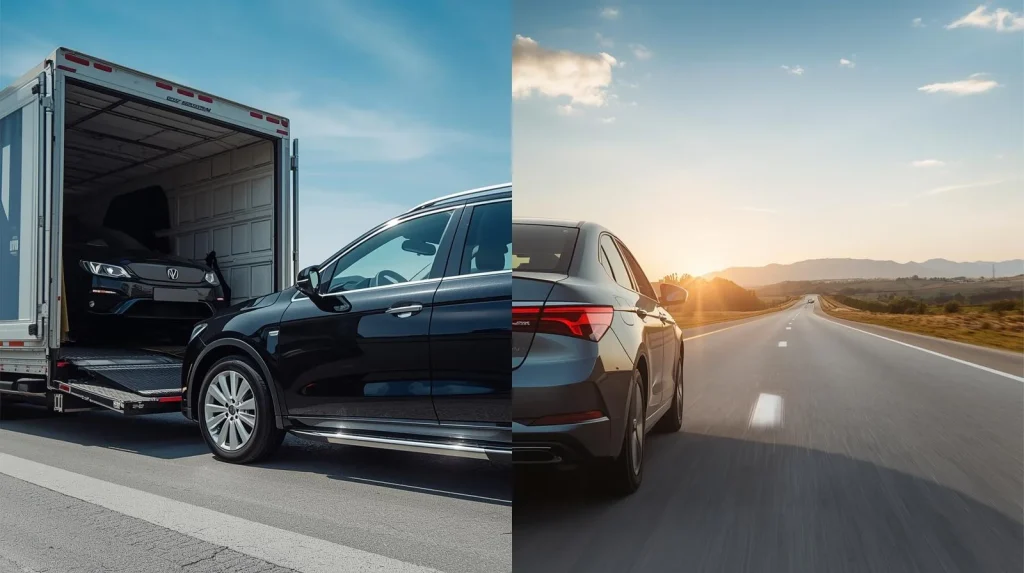
Although waiting for the vehicle requires some patience, owners avoid spending nearly a week driving across the country. Those who need to travel themselves can simply fly to their destination while the vehicle is transported separately.
Comparing the Real Costs
At first glance, driving appears to be the less expensive option. Using the estimates from Part 1:
- Fuel: About $360
- Hotels: $600
- Meals: $300
- Vehicle wear and depreciation: $800
- Miscellaneous expenses (tolls, parking, snacks, windshield washer fluid, etc.): $200
Estimated driving total: Approximately $2,260
Now compare that with shipping:
- Open transport: $1,100 to $1,700
- One-way airline ticket: $250 to $500
- Airport transportation: $50 to $100
Estimated shipping total: Approximately $1,400 to $2,300
Once all expenses are included, the financial difference between driving and shipping becomes much smaller than many people expect. In some situations, shipping may actually cost less than making the drive yourself.
When Driving Makes More Sense
Driving remains an excellent choice in several situations.
It is often the better option if:
- You want to turn the trip into a vacation.
- You’re moving household items inside the vehicle.
- You enjoy long-distance road trips.
- Your schedule is flexible.
- You’re relocating with pets.
- You’re traveling with family and would otherwise need airfare for multiple people.
For people who enjoy seeing national parks, scenic highways, or visiting friends along the way, the journey itself may provide value beyond simple transportation.
Driving also allows complete control over your schedule, route, and arrival time without coordinating with a shipping company.
When Shipping Is the Smarter Choice
Shipping becomes increasingly attractive when convenience and vehicle preservation matter more than the experience of driving.
Shipping is often the better choice if:
- Your vehicle is new or leased.
- You own a collector or luxury vehicle.
- You’re relocating quickly.
- You have limited vacation time.
- You want to avoid adding thousands of miles to the odometer.
- Winter weather or mountain routes make driving risky.
- You’re moving multiple vehicles.
Business professionals, military families, and retirees relocating between seasonal homes frequently choose shipping because it minimizes stress and reduces travel time.
Owners of electric vehicles may also find shipping attractive on extremely long routes where charging stops could significantly extend travel time compared with simply transporting the vehicle.
Hidden Factors Many People Forget
Cost is only one part of the decision. Several non-financial considerations deserve equal attention:
Time Value
Five days behind the wheel may require taking unpaid leave or using valuable vacation days. For many people, that lost time has real financial value.
Mechanical Risk
A cross-country drive places continuous stress on the engine, transmission, tires, brakes, and cooling system. While modern vehicles are built for long-distance travel, additional mileage inevitably contributes to long-term wear.
Accident Exposure
More time on the road naturally increases the possibility of being involved in an accident. Although the statistical risk remains relatively low, avoiding thousands of highway miles reduces exposure to traffic hazards.
Weather Conditions
Snowstorms, flooding, extreme heat, and heavy rain can delay road trips or increase operating costs. Professional carriers routinely adjust routes and schedules to manage changing weather conditions.
The best option depends less on the shipping quote and more on your full situation. If your vehicle is newer, has low mileage, is leased, or has collector value, shipping is usually the wiser investment because it preserves the vehicle’s condition and eliminates the wear associated with a long highway journey.
It can also be the more practical choice for people relocating on a tight schedule or moving multiple vehicles.
Driving becomes the stronger option when flexibility matters more than minimizing mileage. Travelers who want to visit multiple destinations, transport personal belongings, or simply enjoy a cross-country road trip may find the added costs worthwhile.
The ability to set your own schedule and make spontaneous stops is something no shipping service can offer.
Before making a decision, compare the total cost of ownership rather than focusing solely on the transport quote or the fuel bill. Once lodging, meals, tire wear, depreciation, maintenance, airfare, and time are factored into the equation, you’ll have a much clearer understanding of which option delivers the best value for your specific trip.
Also Read: 10 SUVs With Seat Heaters That Warm Up Under 90 Seconds
