
Buying a $50,000 SUV involves much more than monthly loan payments, insurance, and fuel. One of the biggest ownership costs is depreciation, the amount of value a vehicle loses over time.
According to U.S. market data from sources such as Kelley Blue Book, J.D. Power, iSeeCars, and industry residual value studies, depreciation varies significantly by brand. Some SUVs retain their value exceptionally well, while others lose thousands of dollars more during the first five years.
In this article, we estimate the average monthly depreciation cost for a hypothetical $50,000 SUV from ten leading brands using typical five-year depreciation trends in the U.S. market. These figures are estimates based on historical residual values rather than individual model pricing.
Also Read: 8 SUVs With Cargo Floors Too High to Load
1. Toyota
When discussing resale value, Toyota consistently ranks among the industry’s strongest performers. Models such as the 4Runner, Highlander, Land Cruiser, and Grand Highlander have helped establish the brand’s reputation for retaining value.
Industry studies from Kelley Blue Book and iSeeCars regularly place Toyota near the top for long-term resale, largely because of strong reliability, durable engineering, and sustained consumer demand in both the new and used vehicle markets.
For a hypothetical Toyota SUV purchased at $50,000, a realistic five-year depreciation rate averages around 33 percent under normal ownership conditions.
That means the SUV would lose approximately $16,500 over 60 months, leaving an estimated resale value near $33,500. Dividing that depreciation across five years results in an average depreciation cost of about $275 per month.
Toyota benefits from several market advantages that support these numbers. High demand for certified pre-owned models, dependable powertrains, widespread dealer support, and relatively low ownership costs help maintain stronger resale values than much of the industry.
Even during periods of fluctuating used-vehicle prices, Toyota SUVs typically outperform the full market. Depreciation still occurs regardless of maintenance, but Toyota owners usually experience a slower decline than buyers of many competing brands.
Buyers looking at ownership costs over five to seven years often discover that paying slightly more upfront for a Toyota can result in substantially lower depreciation losses when the vehicle is eventually sold or traded.
For shoppers comparing brands strictly on total ownership cost, Toyota remains one of the safest choices because depreciation represents one of the largest expenses after purchase.
Estimated Five-Year Depreciation
- Purchase Price: $50,000
- Estimated Depreciation: 33%
- Dollar Loss: Approximately $16,500
- Average Monthly Depreciation: Approximately $275
2. Lexus
Luxury vehicles often depreciate faster than mainstream models, but Lexus has consistently proven to be an exception.
Thanks to Toyota engineering, exceptional reliability, and excellent owner satisfaction, Lexus SUVs retain value significantly better than most luxury competitors. Models including the RX, GX, and LX regularly appear near the top of residual value rankings published by Kelley Blue Book and other automotive analysts.
Using a $50,000 purchase price as the benchmark, a typical Lexus SUV experiences an estimated 35 percent depreciation over five years. That represents a value loss of roughly $17,500, leaving the SUV worth approximately $32,500 after 60 months. Spread evenly across five years, depreciation averages about $292 per month.
Several factors support Lexus’ strong resale performance. Buyers shopping in the used luxury market often prioritize long-term reliability over cutting-edge technology, and Lexus has earned a reputation for delivering dependable vehicles with lower maintenance costs than many European rivals.
Certified pre-owned Lexus SUVs also attract strong demand because buyers gain luxury features without facing the steep initial depreciation common among premium brands.
Dealer support, strong warranty programs, and consistently high customer satisfaction further contribute to healthy resale values. While depreciation cannot be eliminated, Lexus demonstrates that premium vehicles do not necessarily have to suffer dramatic value losses.
Owners planning to keep their SUV for five years or longer frequently recover more of their original investment with Lexus than with many competing luxury brands. That makes depreciation one of the company’s strongest ownership advantages rather than one of its weaknesses.
Estimated Five-Year Depreciation
- Purchase Price: $50,000
- Estimated Depreciation: 35%
- Dollar Loss: Approximately $17,500
- Average Monthly Depreciation: Approximately $292
3. Honda
Honda has spent decades building SUVs that remain desirable long after their first owner trades them in. Models such as the CR-V, Passport, and Pilot consistently perform well in U.S. resale value studies because they combine reliability, efficient powertrains, and strong consumer demand.
This steady demand helps reduce depreciation compared with many mainstream competitors, making Honda one of the better choices for buyers concerned about long-term ownership costs.
For a hypothetical Honda SUV purchased for $50,000, a realistic five-year depreciation rate is approximately 36 percent, based on historical U.S. residual value trends.
That translates to a depreciation loss of about $18,000, leaving the vehicle with an estimated resale value of $32,000 after five years. Averaged across a 60-month ownership period, the depreciation cost works out to approximately $300 per month.
Honda’s advantage comes from more than reliability alone. The CR-V remains one of America’s best-selling SUVs, ensuring a healthy supply of buyers in the used market. Strong fuel economy, dependable engineering, and relatively low repair costs encourage second and third owners to seek out used Honda SUVs, which helps maintain pricing.
Another important factor is Honda’s consistent product strategy. Unlike manufacturers that redesign vehicles frequently or introduce complex powertrains with uncertain resale prospects, Honda tends to evolve its SUVs gradually.
That consistency keeps older models looking current and reduces dramatic drops in resale value after new generations arrive.
Depreciation remains unavoidable, but Honda owners generally lose less value each month than buyers choosing brands with weaker resale histories. For families planning to own an SUV for five years before trading it, Honda remains one of the strongest financial choices among mainstream manufacturers.
Estimated Five-Year Depreciation
- Purchase Price: $50,000
- Estimated Depreciation: 36%
- Dollar Loss: Approximately $18,000
- Average Monthly Depreciation: Approximately $300
4. Subaru
Subaru has developed an unusually loyal customer base, and that loyalty plays a significant role in resale values. SUVs such as the Forester, Outback, Crosstrek, and Ascent remain popular in both new and used markets, particularly in regions where standard all-wheel drive is highly valued.
Because demand remains steady, Subaru SUVs generally depreciate more slowly than the industry average.
For this comparison, a $50,000 Subaru SUV is estimated to lose roughly 38 percent of its value over five years. That equals approximately $19,000 in depreciation, resulting in a resale value near $31,000 after 60 months. Broken down monthly, depreciation averages about $317 per month.
Subaru benefits from a reputation for durability and practicality rather than luxury or high performance. Buyers searching for used vehicles often prioritize dependable transportation with all-weather capability, creating consistent demand across multiple regions of the United States.
The brand’s standard symmetrical all-wheel drive system further distinguishes it from many competitors whose entry-level SUVs remain front-wheel drive.

Another factor supporting resale values is Subaru’s relatively conservative production volumes. The company avoids excessive fleet sales, helping maintain stronger used vehicle prices. Certified pre-owned Subaru models also perform well because buyers recognize the brand’s long-term durability.
Although depreciation is slightly higher than Toyota’s, Subaru remains comfortably among the better-performing brands in long-term ownership cost studies. Buyers planning to sell or trade after several years typically recover a larger portion of their original investment than owners of many competing SUVs.
Estimated Five-Year Depreciation
- Purchase Price: $50,000
- Estimated Depreciation: 38%
- Dollar Loss: Approximately $19,000
- Average Monthly Depreciation: Approximately $317
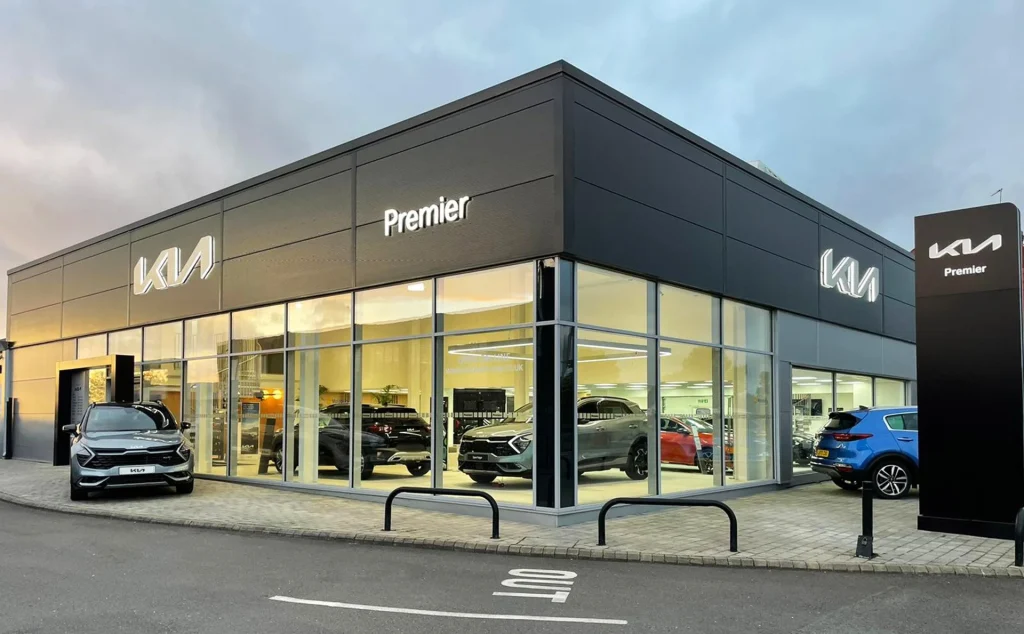
5. Kia
Kia has made remarkable progress in resale value over the past decade. Earlier generations of Kia SUVs depreciated quickly, but today’s lineup tells a different story.
Models such as the Telluride, Sportage, Sorento, and EV9 have earned strong reviews for quality, technology, and safety, helping the brand improve its standing in U.S. residual value studies. While Kia still trails Toyota and Lexus in long-term value retention, it now competes closely with many established mainstream brands.
For a hypothetical $50,000 Kia SUV, a reasonable estimate is 40 percent depreciation over five years. That equals approximately $20,000 in lost value, leaving an estimated resale value of $30,000 after 60 months. Averaged across the ownership period, depreciation works out to roughly $333 per month.
One reason Kia has improved is product quality. The Telluride became one of the most sought-after three-row SUVs in America, while redesigned Sportage and Sorento models attracted buyers looking for premium features without luxury-brand pricing.
High demand in the used market has supported stronger resale values than the brand achieved a decade ago.
Warranty coverage also plays an indirect role. Kia’s 10-year or 100,000-mile limited powertrain warranty improves buyer confidence, particularly for certified pre-owned vehicles that still carry transferable warranty coverage. This added reassurance helps maintain demand among second owners.
Although depreciation remains a significant ownership expense, Kia demonstrates that value retention can improve dramatically when product quality, reliability, and consumer perception move in the right direction.
Buyers choosing a modern Kia SUV are likely to experience much lower depreciation than owners who purchased Kia vehicles fifteen years ago.
Estimated Five-Year Depreciation
- Purchase Price: $50,000
- Estimated Depreciation: 40%
- Dollar Loss: Approximately $20,000
- Average Monthly Depreciation: Approximately $333
6. Ford
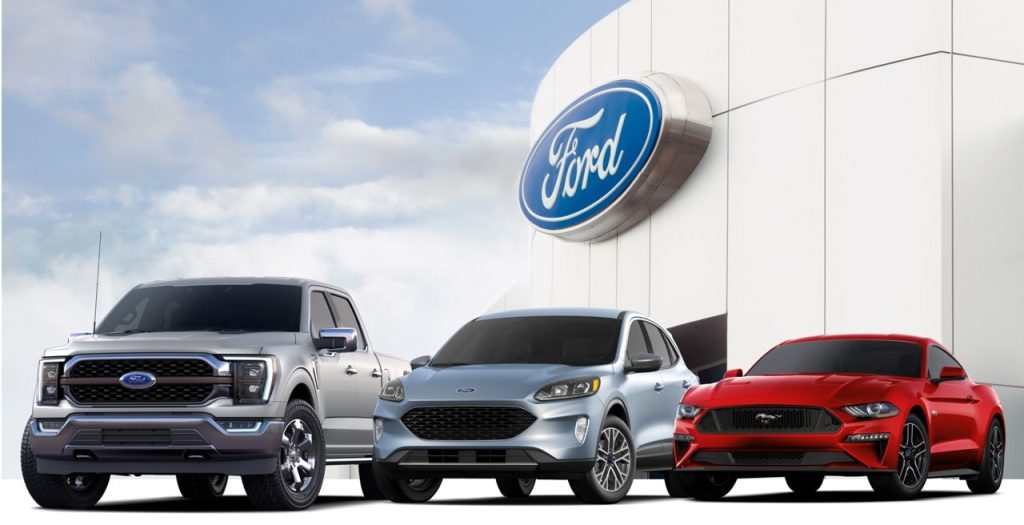
Ford occupies an interesting position in the SUV market because depreciation varies considerably depending on the model. Vehicles such as the Bronco tend to retain value exceptionally well, while higher-volume crossovers like the Explorer and Escape depreciate more rapidly.
Looking across Ford’s SUV lineup as a whole, a realistic five-year depreciation estimate for a $50,000 SUV is approximately 42 percent.
That percentage translates to about $21,000 in depreciation during five years of ownership. After 60 months, the SUV would retain an estimated value of $29,000, resulting in an average depreciation expense of approximately $350 per month.
Several market forces influence Ford’s resale values. Fleet sales, incentive programs, and high production volumes can increase the supply of used vehicles, placing downward pressure on resale prices.
At the same time, specialty products such as the Bronco demonstrate that limited availability and strong enthusiast demand can significantly improve residual values.
Technology upgrades also affect depreciation. Rapid improvements in driver assistance systems, infotainment, and hybrid powertrains can make older SUVs appear less competitive, accelerating value loss during the early ownership years.
Buyers who prioritize resale often focus on trims with the strongest long-term demand instead of highly optioned versions that recover less of their original purchase price.
Despite slightly higher depreciation than brands like Toyota or Honda, Ford remains competitive within the mainstream SUV market.
Buyers should remember that depreciation represents only one part of ownership cost alongside maintenance, insurance, fuel, and financing, but understanding this expense helps create a more accurate picture of what a new SUV truly costs over time.
Estimated Five-Year Depreciation
- Purchase Price: $50,000
- Estimated Depreciation: 42%
- Dollar Loss: Approximately $21,000
- Average Monthly Depreciation: Approximately $350
7. Hyundai
Hyundai has steadily improved its position in resale value rankings thanks to a complete redesign of its SUV lineup. Vehicles such as the Tucson, Santa Fe, Palisade, and Santa Cruz have attracted buyers with bold styling, modern technology, and competitive pricing.
Even so, depreciation remains somewhat higher than brands like Toyota and Honda because Hyundai still carries some historical perception challenges in the used market.
Using a $50,000 Hyundai SUV as the benchmark, a realistic estimate is 44 percent depreciation after five years. That represents approximately $22,000 in lost value, leaving an estimated resale value of $28,000. Spread across 60 months, the depreciation averages about $367 per month.
One factor helping Hyundai improve is product quality. Recent SUVs have earned strong safety ratings, attractive interiors, and competitive reliability scores. The Palisade, in particular, became one of the most successful three-row SUVs in America, increasing confidence in Hyundai’s long-term products.
Warranty coverage also supports resale. Hyundai’s 10-year or 100,000-mile limited powertrain warranty remains one of the strongest in the industry, making certified pre-owned vehicles appealing to used buyers. Strong warranty protection helps offset some depreciation by increasing buyer confidence.
Production volume, however, also influences used prices. Hyundai sells a large number of SUVs each year, creating a healthy supply of used inventory. Greater supply can reduce resale values compared with brands producing fewer vehicles.

While Hyundai does not match Toyota or Lexus in value retention, the gap has narrowed considerably over the past decade. Buyers receive a feature-rich SUV with competitive pricing, and although monthly depreciation is higher than several Japanese rivals, it remains reasonable for the level of equipment offered.
Estimated Five-Year Depreciation
- Purchase Price: $50,000
- Estimated Depreciation: 44%
- Dollar Loss: Approximately $22,000
- Average Monthly Depreciation: Approximately $367
8. Chevrolet
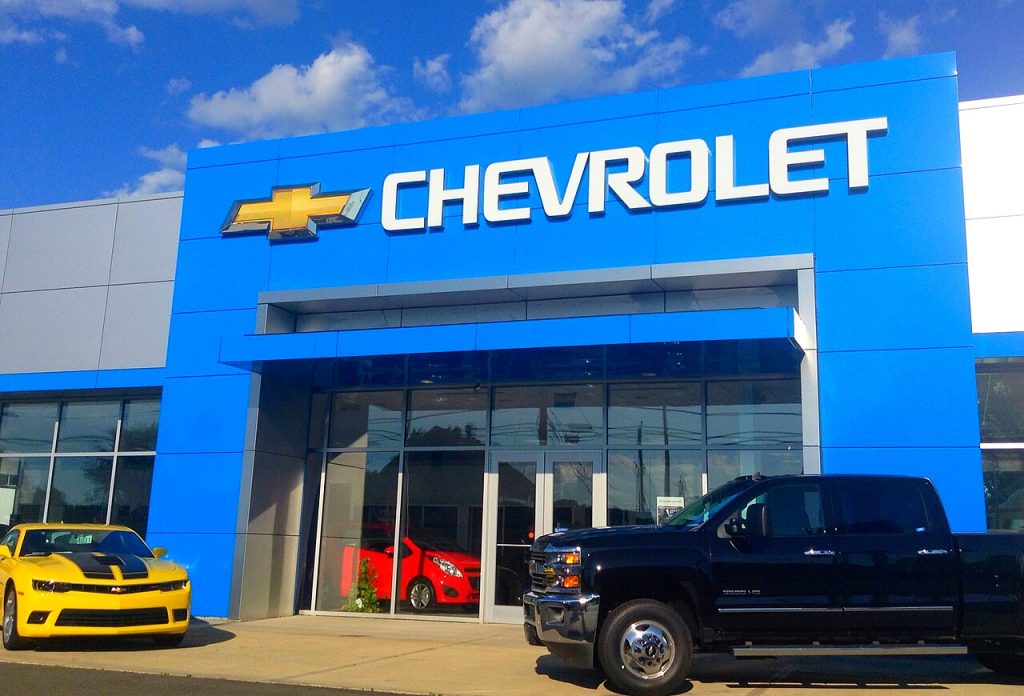
Chevrolet’s SUV lineup ranges from compact crossovers to full-size body-on-frame models, creating noticeable differences in resale performance.
The Tahoe and Suburban traditionally retain value much better than the Equinox or Traverse because demand for large SUVs remains consistently high. Looking at the brand as a whole, a $50,000 Chevrolet SUV typically experiences about 46 percent depreciation over five years.
That percentage equals roughly $23,000 in lost value during a 60-month ownership period, leaving an estimated resale value of $27,000. Every month, depreciation averages approximately $383 per month.
Several factors influence Chevrolet’s resale performance. High production numbers increase the supply of used vehicles, especially in popular crossover segments. Fleet sales also contribute additional inventory to the used market, which can place downward pressure on resale prices.
On the other hand, Chevrolet benefits from an extensive dealer network across the United States. Service availability, affordable replacement parts, and broad consumer familiarity continue attracting used buyers.
SUVs equipped with proven V8 engines or desirable towing packages generally perform better in the resale market than entry-level trims.
Technology and model updates also affect depreciation. Buyers increasingly seek advanced driver assistance systems, larger infotainment displays, and improved fuel efficiency. Older SUVs lacking these features often lose value more quickly as newer generations reach dealerships.
Although Chevrolet’s depreciation exceeds that of several Japanese competitors, it remains competitive within the broader mainstream SUV market. Buyers planning to keep their SUV well beyond five years may find depreciation less significant because value loss slows after the initial ownership period.
Estimated Five-Year Depreciation
- Purchase Price: $50,000
- Estimated Depreciation: 46%
- Dollar Loss: Approximately $23,000
- Average Monthly Depreciation: Approximately $383
9. Nissan
Nissan has experienced changing resale trends during the past decade. While SUVs such as the Pathfinder, Rogue, Murano, and Armada continue to attract buyers, the brand’s average depreciation has generally been higher than that of Toyota, Honda, and Subaru.
Incentive-heavy sales strategies and high production volumes have historically placed additional pressure on used values, although newer models are beginning to improve the brand’s long-term outlook.
For a $50,000 Nissan SUV, a realistic estimate is 48 percent depreciation over five years. That means the vehicle would lose approximately $24,000 in value, leaving an estimated resale price of $26,000 after 60 months. Broken into monthly ownership costs, depreciation averages about $400 per month.
Unlike some competitors that rely heavily on limited production or enthusiast demand, Nissan typically competes through pricing and generous equipment levels. Attractive discounts help sell new vehicles, but they also influence used prices because future buyers know similar incentives may be available on new models.
The redesigned Pathfinder demonstrates that product improvements can strengthen resale value. Better cabin materials, a conventional automatic transmission replacing the previous CVT, and improved towing capability have helped increase consumer confidence.
The Rogue also remains one of America’s highest-volume compact SUVs, ensuring a steady stream of buyers in both the new and used markets.

Owners planning to keep a Nissan SUV for several years should recognize that depreciation represents the largest ownership expense during the early years.
Fortunately, value loss tends to slow after the fifth year, making long-term ownership a more economical proposition than frequent trade-ins. Selecting popular trims with all-wheel drive and widely desired features can also help reduce depreciation when it comes time to sell.
Estimated Five-Year Depreciation
- Purchase Price: $50,000
- Estimated Depreciation: 48%
- Dollar Loss: Approximately $24,000
- Average Monthly Depreciation: Approximately $400
10. Jeep
Jeep has one of the widest depreciation ranges in the SUV industry. Models such as the Wrangler consistently rank among America’s strongest resale performers thanks to exceptional demand and a loyal enthusiast community.
At the same time, crossovers like the Cherokee and Compass have historically depreciated much faster. Taking Jeep’s SUV portfolio as a whole, a $50,000 SUV is estimated to depreciate by approximately 45 percent over five years.
That translates into a value loss of roughly $22,500, leaving an estimated resale value of $27,500 after 60 months. Spread evenly across the ownership period, depreciation averages around $375 per month.
What separates Jeep from many competitors is the influence of the Wrangler. Its body-on-frame construction, removable doors and roof, aftermarket support, and strong off-road reputation create demand that few SUVs can match.
Wrangler resale values routinely outperform much of the industry and significantly improve Jeep’s brand-wide average.
On the other hand, higher-volume crossover models compete in crowded market segments where resale values are affected by discounts, lease returns, and changing consumer preferences.
Buyers focused on minimizing depreciation should pay close attention to which Jeep model they choose rather than assuming every vehicle performs equally.

For drivers who genuinely use four-wheel-drive capability or participate in off-road recreation, Jeep ownership often delivers value beyond simple resale calculations.
Still, depreciation remains an important financial consideration, and choosing high-demand trims with desirable options typically produces stronger long-term returns.
Estimated Five-Year Depreciation
- Purchase Price: $50,000
- Estimated Depreciation: 45%
- Dollar Loss: Approximately $22,500
- Average Monthly Depreciation: Approximately $375
Also Read: 8 Used Cars With the Highest Buyer Complaint Rates
