

Returning a leased vehicle should be straightforward, but many drivers are surprised when the final bill includes charges they never expected. While monthly payments receive most of the attention during the lease term, the vehicle’s condition at turn-in can have a major impact on the total cost of leasing.
Finance companies inspect every returned vehicle and compare its condition against the wear-and-use standards outlined in the lease agreement. Some charges are unavoidable, while others can often be prevented with proper planning.
Understanding the most common lease return fees can help you avoid expensive surprises and save hundreds or even thousands of dollars when your lease ends.
Also Read: 10 Charges That Belong to the Dealer and Not the Buyer
1. Disposition Fee
One of the most common charges at the end of a vehicle lease is the disposition fee. Unlike damage-related costs, this fee applies even if the vehicle is returned in excellent condition.
It is intended to cover the leasing company’s administrative expenses associated with inspecting, transporting, preparing, and ultimately selling the returned vehicle through wholesale auctions or other resale channels.
Most major captive finance companies in the United States, including those affiliated with manufacturers such as Toyota, Honda, Ford, General Motors, BMW, Mercedes-Benz, and Nissan, include a disposition fee in their standard lease agreements.
The amount generally ranges from $300 to $500, although some luxury brands charge more. In many cases, the fee is waived if the customer leases or purchases another vehicle from the same manufacturer’s finance company.
Many consumers overlook the disposition fee because it is disclosed in the lease contract but not emphasized during the sales process. As a result, it often comes as a surprise several years later when the lease reaches maturity. Fortunately, this is one of the easiest fees to anticipate because it is fixed rather than based on vehicle condition.
Drivers planning to switch brands at the end of their lease should review their contract several months before turn-in. Some manufacturers occasionally offer loyalty incentives that eliminate the fee during promotional periods.
Even if no waiver is available, knowing about the charge in advance allows lessees to budget accordingly instead of being caught off guard when the final invoice arrives.
2. Excess Wear and Tear Charges
Excess wear and tear is responsible for more unexpected lease-end charges than almost any other item. Leasing companies expect a vehicle to show reasonable signs of normal use, but damage exceeding their published wear guidelines becomes the customer’s financial responsibility.
The definition of acceptable wear varies slightly between finance companies, yet the basic principles remain remarkably consistent throughout the industry.
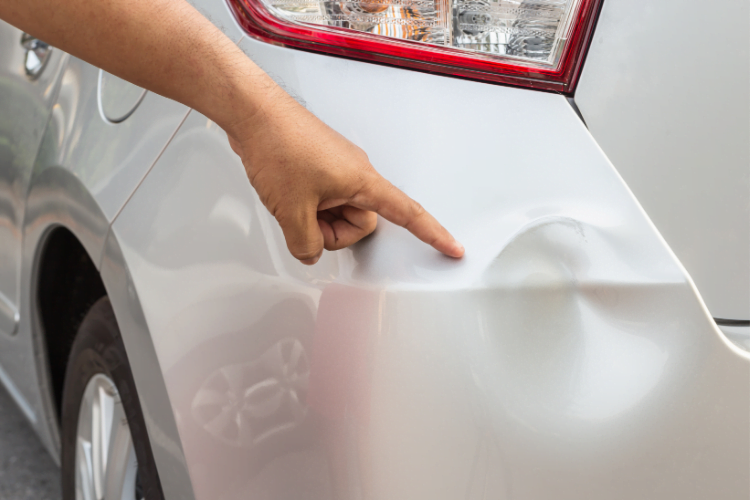
Minor paint chips, light surface scratches, and ordinary interior wear are generally considered normal. Larger dents, cracked bumpers, torn upholstery, damaged wheels, deep scratches requiring repainting, broken trim pieces, or heavily stained interiors usually result in repair charges.
The finance company estimates the cost of restoring the vehicle to acceptable resale condition and bills the lessee accordingly.
Repair costs can accumulate quickly because multiple small defects are often charged separately. A damaged alloy wheel, torn leather seat, cracked windshield, and dented rear bumper may each generate individual repair estimates. Collectively, these charges can easily exceed $1,000 if the vehicle has not been maintained carefully.
Most leasing companies encourage customers to schedule a complimentary pre-return inspection several weeks before lease maturity.
This inspection identifies potential chargeable damage while there is still time to obtain independent repair estimates. In many situations, having cosmetic damage repaired by a reputable body shop before turn-in costs substantially less than paying the finance company’s assessed repair charges after the vehicle is returned.
Proper maintenance throughout the lease remains the most effective strategy for minimizing excess wear charges and avoiding unpleasant financial surprises at the end of the contract.
3. Excess Mileage Charges
Mileage is one of the most carefully monitored aspects of every lease agreement. Unlike purchasing a vehicle, where additional miles primarily affect resale value, leasing companies establish a specific annual mileage allowance because they already know the vehicle will be returned.
Driving beyond that limit reduces the vehicle’s market value, and the lessee is responsible for compensating the finance company through excess mileage charges.
Most U.S. lease agreements include annual allowances of 10,000, 12,000, or 15,000 miles. At lease-end, the vehicle’s odometer is compared with the contracted limit. Any additional miles are billed at the rate specified in the lease agreement, which commonly ranges from 15 to 30 cents per mile, depending on the manufacturer and vehicle.
Those charges add up quickly. Exceeding the allowance by 5,000 miles at 25 cents per mile results in an additional $1,250 charge. Drivers who regularly exceed their expected mileage often discover that paying for a higher mileage lease upfront would have been significantly less expensive.
Many leasing companies allow customers to purchase additional miles at a discounted rate before the lease expires. This option is frequently more economical than paying the standard excess mileage rate after turn-in.
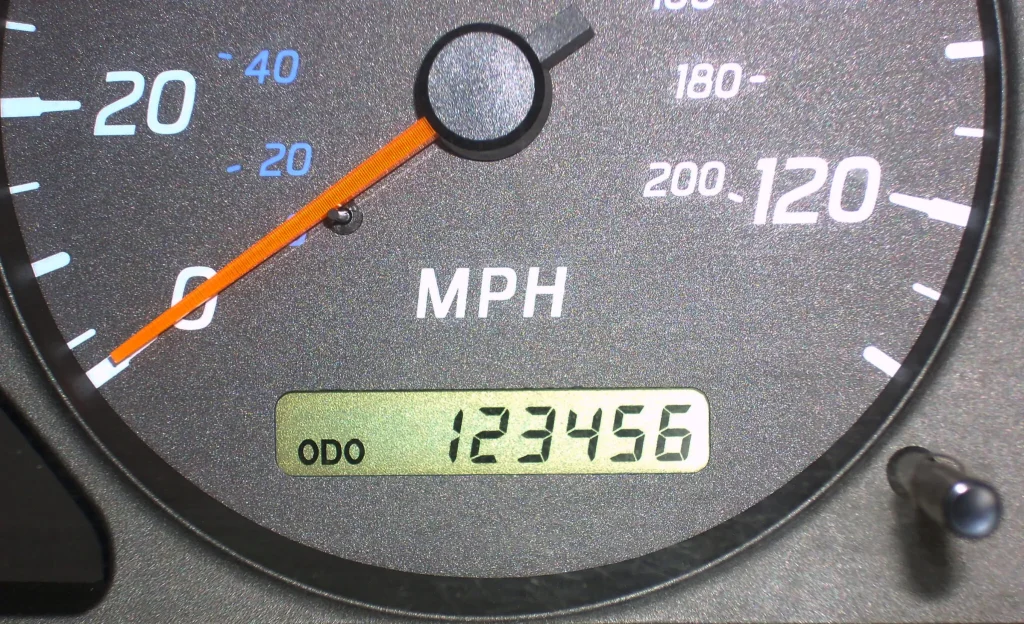
The best way to avoid unexpected mileage charges is to monitor the odometer throughout the lease instead of waiting until the final months.
Many manufacturers provide online customer portals where drivers can track lease progress and estimate remaining allowable mileage. Planning allows drivers to adjust their driving habits or discuss mileage options with the leasing company before expensive penalties become unavoidable.
4. Tire Replacement Charges
Tires receive more attention during lease inspections than many drivers realize. Leasing companies expect the vehicle to be returned with tires that meet minimum tread depth requirements and are appropriate for the original equipment specifications.
Tires worn beyond the acceptable limit or replaced with incorrect sizes or lower-quality alternatives often generate additional charges at turn-in.
Most finance companies require at least 4/32 inch of remaining tread depth, although exact standards vary. Tires approaching the legal minimum of 2/32 inch are almost always considered unacceptable during lease inspections because the vehicle must remain marketable for its next owner.
Damage also matters. Sidewall cuts, exposed cords, severe puncture repairs, uneven wear caused by poor alignment, or mismatched tire brands may all result in replacement charges.
If only one tire requires replacement but the vehicle uses an all-wheel-drive system, the leasing company may require multiple matching tires to preserve proper drivetrain operation.
Many drivers assume replacing worn tires through the leasing company will be less expensive. In reality, purchasing quality replacement tires from an independent tire retailer before the inspection often costs considerably less than paying lease-end replacement charges.
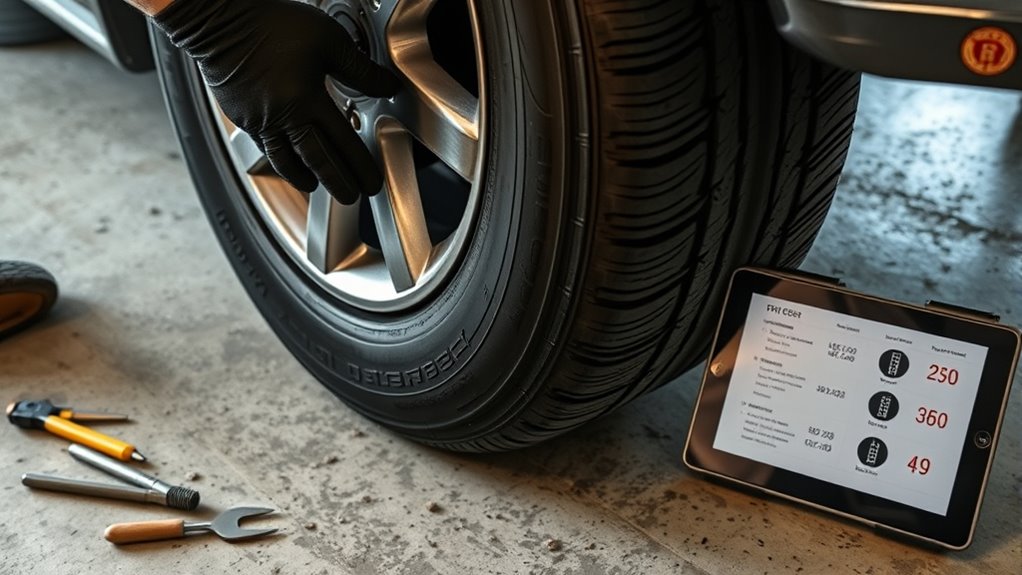
Routine tire rotations, proper inflation, and regular alignment checks extend tire life and help ensure even wear throughout the lease. Drivers approaching lease maturity should inspect tread depth several months in advance.
Replacing tires on their own schedule generally provides more options, lower costs, and eliminates one of the most common sources of unexpected lease-end expenses.
5. Windshield and Glass Damage Charges
A small rock chip may seem insignificant during everyday driving, but it can become an expensive surprise when returning a leased vehicle.
Leasing companies carefully inspect all glass surfaces, including the windshield, side windows, rear window, and even panoramic sunroofs where applicable. Any damage that exceeds normal wear standards is typically billed to the lessee before the vehicle is accepted for resale.
Windshield damage is especially common because highway driving exposes vehicles to flying debris. Small chips can often be repaired inexpensively if addressed immediately, but delaying repairs allows cracks to spread because of temperature changes and road vibrations.
Once a crack reaches a certain length or enters the driver’s primary field of vision, complete windshield replacement is usually required.
Modern windshields are considerably more expensive than many drivers realize. Vehicles equipped with rain sensors, heated glass, head-up displays, lane departure cameras, or forward-facing radar systems often require recalibration after windshield replacement.
Depending on the vehicle, replacement costs can range from several hundred dollars to well over $1,500.
Many comprehensive insurance policies cover windshield repairs with little or no deductible. Using insurance during the lease can often eliminate a much larger lease-end charge later.
Drivers should also ensure replacement glass meets original equipment standards because leasing companies may reject poor-quality aftermarket installations if they affect vehicle systems.

Scheduling a windshield inspection several months before lease maturity provides enough time to repair minor chips before they develop into more expensive problems. Addressing glass damage early remains one of the simplest ways to reduce unexpected lease return expenses.
6. Missing Keys, Manuals, and Accessories
One of the easiest lease-end charges to avoid is also one of the most frequently overlooked. Every leased vehicle is expected to be returned with the same equipment it included when delivered.
Missing smart keys, owner’s manuals, cargo covers, removable headrests, charging cables for electric vehicles, navigation memory cards, wheel lock keys, or factory accessories often generate replacement charges because they reduce the vehicle’s resale value.
Modern key fobs are particularly expensive. Unlike traditional mechanical keys, today’s smart keys contain electronic transponders, remote locking systems, and vehicle-specific programming.
Replacing a single lost key commonly costs $300 to $700, while luxury brands may charge considerably more after programming and synchronization.
Electric vehicles create additional concerns because portable charging equipment is considered part of the leased vehicle. Missing Level 1 charging cables or portable charging adapters frequently result in separate replacement fees that many lessees do not anticipate.
Finance companies generally compare returned equipment with the original vehicle delivery records. If any required items are missing, the customer is billed for replacement rather than simply receiving a warning.
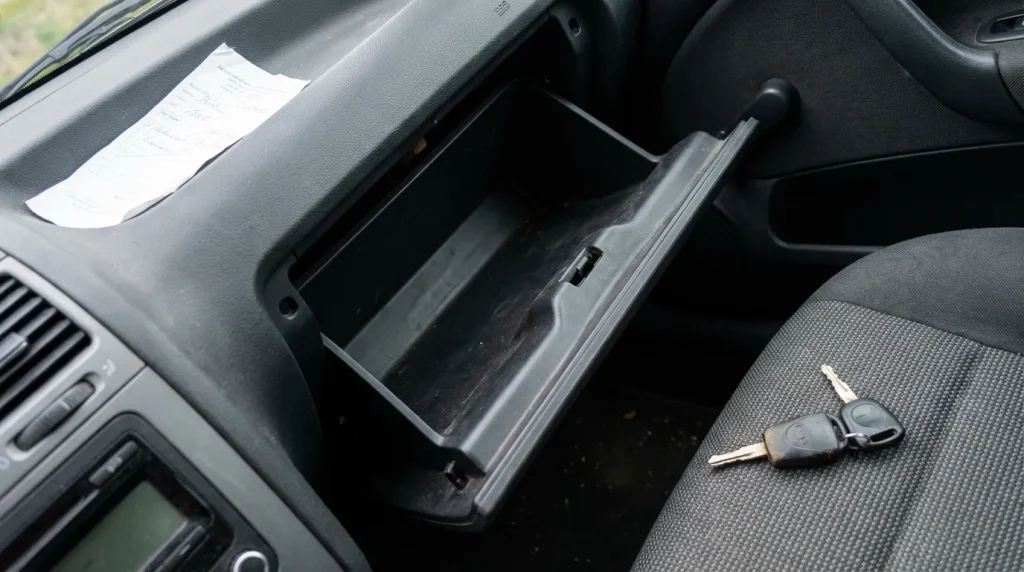
A practical approach is creating a storage location for all original accessories immediately after taking delivery of the vehicle.
Keeping spare keys, manuals, cargo covers, and other removable components together ensures they are readily available at lease-end. Spending a few minutes organizing these items can prevent hundreds of dollars in unnecessary replacement charges when the lease concludes.
7. Unrepaired Body Damage Charges
Body damage is one of the most expensive issues identified during a lease return inspection because it directly affects the vehicle’s resale value.
While normal wear such as minor paint chips or light surface scratches is usually acceptable, larger dents, cracked bumpers, damaged mirrors, bent panels, deep scratches exposing bare metal, and collision damage almost always result in repair charges.
Lease inspectors evaluate each damaged area individually rather than considering the vehicle as a whole. A cracked front bumper, dented rear quarter panel, damaged alloy wheel, and scraped door can each receive separate repair estimates.
Those individual charges quickly accumulate, often producing a final bill that surprises drivers who assumed the damage was merely cosmetic.
Another important factor is repair quality. Leasing companies expect repairs to meet professional standards. Poor paint matching, visible body filler, uneven panel gaps, or improperly installed replacement parts may be rejected during inspection, resulting in additional charges even if repairs were previously attempted.
Many body shops offer lease-end repair programs specifically designed for cosmetic damage. Because these businesses understand leasing company inspection standards, they can often complete repairs for significantly less than the finance company would charge after the vehicle is returned.
Obtaining several repair estimates before lease maturity frequently produces meaningful savings.
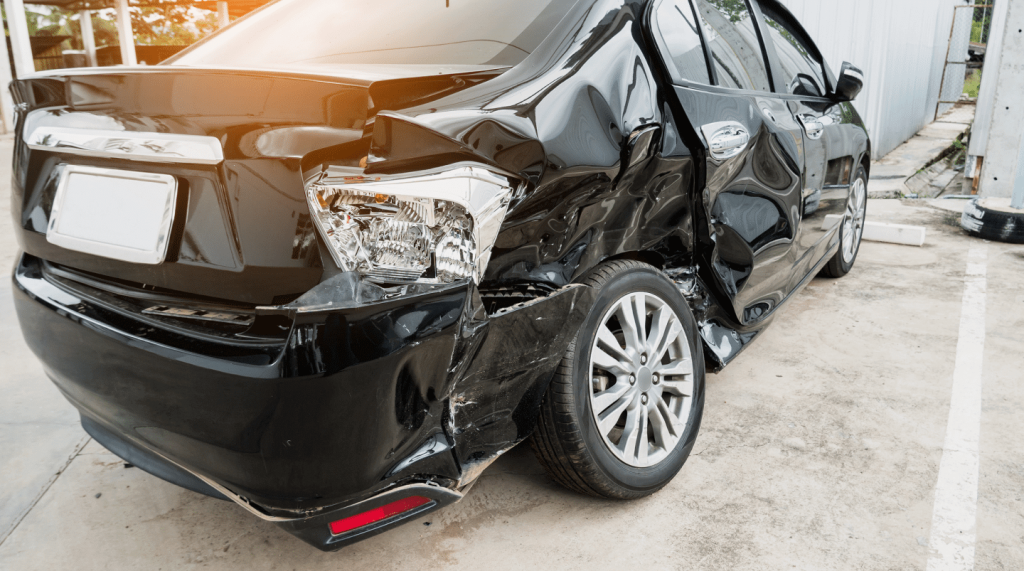
Scheduling a pre-return inspection several weeks before the lease expires gives owners time to decide whether repairing the damage independently is more economical than accepting the leasing company’s assessment.
Addressing body damage before turn-in almost always provides greater control over repair costs and helps eliminate one of the largest potential lease-end expenses.
8. Excess Cleaning and Interior Damage Fees
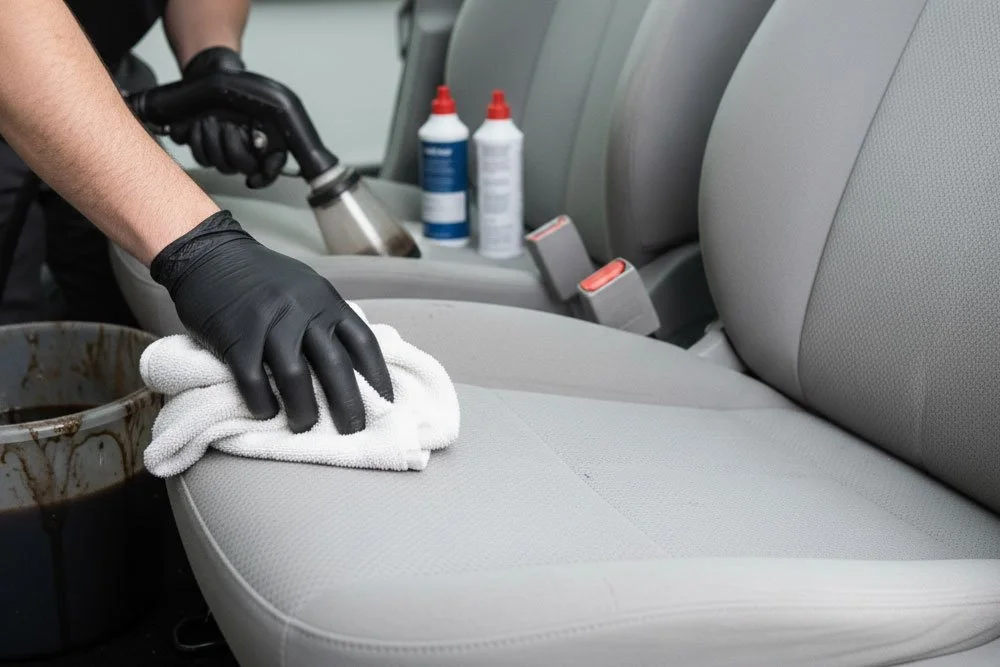
The final impression a leased vehicle makes is often determined by its interior condition. Leasing companies expect reasonable cleanliness and ordinary wear after several years of use, but vehicles returned with excessive dirt, permanent stains, strong odors, pet damage, cigarette burns, mold, or neglected interiors may incur professional cleaning or restoration charges.
Routine vacuuming and washing are not enough if the cabin has accumulated years of neglect. Deep carpet stains, damaged leather upholstery, ripped seats, broken trim panels, missing floor mats, or food-related odors frequently require specialized detailing or replacement work before the vehicle can be resold. Those costs are passed directly to the lessee.
Smoke odor is among the most expensive interior issues because it often requires extensive ozone treatment, replacement of cabin air filters, and deep cleaning of upholstery, headliners, and ventilation systems. Likewise, pet hair embedded throughout the interior or scratched door panels from animals can generate significant restoration charges.
Professional detailing before lease return is often an excellent investment. Comprehensive detailing services typically cost a fraction of what finance companies charge for interior restoration after inspection.
Detailers can also identify minor issues that owners may overlook, allowing inexpensive repairs before the vehicle is officially evaluated.
Returning a clean, well-maintained vehicle not only minimizes potential charges but also speeds the inspection process. A little preparation before turn-in can prevent hundreds of dollars in avoidable fees while leaving the leasing company with a vehicle that is immediately ready for resale.
The end of a vehicle lease is more than simply handing over the keys. Finance companies carefully inspect every returned vehicle to determine whether it meets the wear standards established in the lease agreement.
Disposition fees, excess wear, additional mileage, tire replacement, windshield damage, missing accessories, unrepaired body damage, and interior restoration charges are among the most common costs drivers encounter at turn-in.
Fortunately, many of these expenses are preventable through routine maintenance, careful driving, timely repairs, and a pre-return inspection.
Reviewing your lease agreement several months before expiration, correcting problems early, and returning the vehicle in excellent condition can save hundreds or even thousands of dollars.
Understanding these potential charges allows drivers to finish their lease with confidence and avoid the financial surprises that too often accompany vehicle turn-in.
Also Read: 10 Vehicles You Cannot Register for Road Use in New York
