

A failed vehicle inspection is often viewed as a minor inconvenience, but in some states, ignoring that failure can lead to much more serious consequences.
While a failed inspection alone does not automatically result in impoundment, continuing to drive without correcting the problem, renewing registration, or complying with state requirements can eventually place your vehicle at risk of being towed and impounded.
States with mandatory safety or emissions inspections typically enforce these laws through registration holds, traffic citations, and, in certain circumstances, vehicle impoundment. Here are eight states where a failed inspection can eventually lead to your vehicle being impounded if the violations remain unresolved.
Also Read: What Car Registration Costs in Every State, Ranked
1. Texas
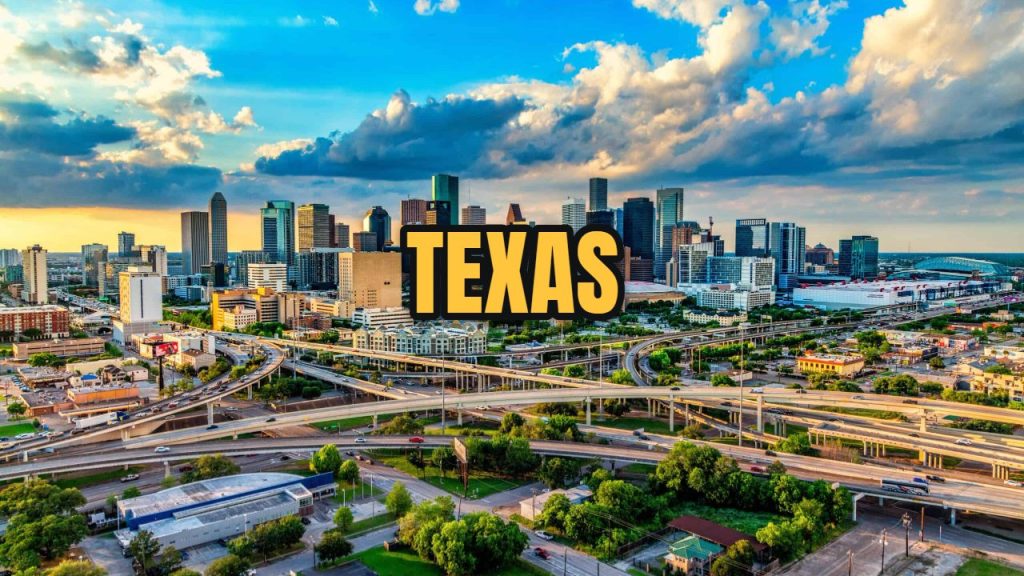
Texas has one of the nation’s largest vehicle populations, and although the state’s inspection requirements have changed in recent years, enforcement remains strict in counties that require emissions testing.
Beginning in 2025, most non-commercial vehicles no longer need annual safety inspections for registration renewal, but emissions inspections remain mandatory in several counties, primarily around major metropolitan areas.
If a vehicle fails the required emissions inspection, the owner generally cannot renew its registration until the defect is corrected or an applicable waiver is granted.
Many drivers mistakenly believe they can simply continue driving after the registration expires. That decision can become expensive.
Operating a vehicle with expired registration may result in traffic citations, and repeated violations can eventually lead to the vehicle being towed under certain circumstances, particularly if the vehicle is also illegally parked, abandoned, or involved in other enforcement actions.
A failed emissions inspection alone does not authorize immediate impoundment, but ignoring the registration requirements can create a chain of violations that increases the likelihood of impoundment.
Texas also operates one of the nation’s largest emissions testing programs, covering numerous counties with high population density. The goal is to reduce air pollution by ensuring vehicles continue meeting emissions standards throughout their service life.
Repairs involving oxygen sensors, catalytic converters, or evaporative emissions systems are among the most common reasons owners return for a second inspection.
The safest approach is scheduling repairs immediately after receiving a failed inspection report. Resolving the issue promptly prevents registration complications, avoids additional penalties, and significantly reduces the risk of enforcement actions that could ultimately result in vehicle impoundment.
2. Pennsylvania
Pennsylvania enforces one of the country’s most comprehensive annual inspection programs, requiring most passenger vehicles to undergo both a safety inspection and, in many counties, an emissions inspection.
Vehicles that fail either inspection cannot legally receive a valid inspection sticker until the necessary repairs are completed. Without a valid inspection, continued operation on public roads can eventually expose owners to escalating legal consequences.
Unlike some states that focus primarily on registration renewal, Pennsylvania places significant emphasis on visible inspection compliance. Law enforcement officers can readily identify expired inspection stickers during routine patrols or traffic stops.
A citation may be the first consequence, but repeatedly operating a vehicle that lacks a valid inspection while also accumulating registration or equipment violations can increase the likelihood of towing in situations where the vehicle cannot legally remain on the road.
The annual safety inspection covers critical systems, including brakes, tires, suspension, steering, lights, windshield components, and other equipment that directly affects vehicle safety.
Emissions inspections, where required, ensure the vehicle complies with applicable air quality standards. These programs are intended to reduce crashes caused by mechanical failures while improving environmental compliance.

Pennsylvania drivers often avoid costly enforcement simply by addressing inspection failures immediately. Waiting until the registration expires or continuing to drive despite repeated violations creates unnecessary legal risk.
While a failed inspection itself does not automatically result in impoundment, allowing multiple violations to accumulate can eventually place the vehicle in a position where towing and impoundment become realistic enforcement outcomes under state and local laws.
3. New York
New York requires nearly all registered passenger vehicles to undergo an annual safety inspection, and many vehicles must also pass an emissions inspection as part of the same process.
A failed inspection does not immediately place a vehicle at risk of impoundment, but ignoring the failure and continuing to drive after the inspection certificate expires can create increasingly serious legal consequences.
The state’s inspection program is designed to identify defects involving brakes, steering, suspension, tires, lighting, windshield components, and emissions equipment before they contribute to crashes or increased air pollution.
If a vehicle fails, the owner receives a report identifying the problems that must be corrected before the vehicle can pass a reinspection.
Driving with an expired inspection sticker is a traffic violation in New York. If law enforcement stops a vehicle with an expired inspection while other violations are also present, such as expired registration, suspended registration, lack of insurance, or serious mechanical defects that make the vehicle unsafe, officers may order the vehicle removed from the roadway.
In those situations, towing and impoundment become possible because the vehicle is no longer legally permitted to continue operating.
Inspection compliance is also closely linked to registration. Failing to maintain inspection requirements while allowing other legal obligations to lapse can create multiple enforcement issues during a single traffic stop.

The best way to avoid escalating penalties is to schedule repairs immediately after receiving a failed inspection report. Prompt repairs not only restore compliance but also help maintain the vehicle’s safety and reliability.
While New York does not authorize automatic impoundment solely because a vehicle failed inspection, continuing to ignore the violation can eventually lead to circumstances where towing becomes a lawful enforcement action.
4. Virginia
Virginia maintains one of the oldest mandatory annual safety inspection programs in the United States. Every year, most passenger vehicles must pass an inspection covering brakes, steering, suspension, tires, lighting, mirrors, windshield components, exhaust systems, and numerous other safety-related items before receiving a valid inspection sticker.
A failed inspection itself does not automatically prevent the owner from repairing the vehicle or require immediate towing. However, once the inspection sticker expires, continuing to operate the vehicle on public roads exposes the driver to traffic citations.
If the vehicle is also found to have dangerous mechanical defects or additional violations such as suspended registration or lack of insurance, law enforcement may determine that it cannot legally remain on the roadway.
Virginia officers have the authority to remove vehicles from service when they present a significant safety hazard. Bald tires, severely worn brakes, broken steering components, or other serious defects identified during enforcement can result in the vehicle being towed rather than allowed to continue operating.
In these situations, an unresolved failed inspection often becomes one part of a broader enforcement action.
The annual inspection requirement has helped maintain vehicle safety standards throughout the state by encouraging owners to repair defects before they become dangerous. Most inspection failures involve routine maintenance items that can be corrected without extensive repairs if addressed early.

Ignoring the inspection process, however, allows relatively minor problems to develop into larger legal and financial issues.
Completing repairs promptly and obtaining a valid inspection sticker remains the simplest way to avoid citations, registration complications, and the possibility of eventual vehicle impoundment when additional violations occur.
5. Massachusetts
Massachusetts operates one of the strictest vehicle inspection programs in the United States, requiring annual safety inspections for nearly all passenger vehicles and emissions testing for most gasoline-powered vehicles built from model year 2008 onward, along with many newer diesel vehicles.
A vehicle that fails inspection is not immediately impounded, but ignoring the failure can eventually create circumstances where towing becomes a possibility.
The inspection program evaluates critical safety systems, including brakes, steering, suspension, tires, lighting, windshield components, seat belts, and emissions equipment. Certain defects are considered serious enough that the vehicle receives a rejection sticker indicating it should not continue operating until repairs are completed.
Continuing to drive a vehicle with severe safety defects after receiving that designation exposes the owner to significantly greater enforcement risk.
Law enforcement officers may stop vehicles displaying expired or invalid inspection stickers. If officers determine the vehicle is unsafe for continued operation or identify additional violations such as expired registration or lack of insurance, the vehicle may be ordered off the road.
In those circumstances, towing and impoundment become legitimate enforcement options because the vehicle cannot legally continue its journey.

Massachusetts also links inspection compliance closely with vehicle registration records, making it more difficult for owners to ignore failed inspections over extended periods. Repairing identified defects promptly helps maintain legal compliance while improving safety for both occupants and other road users.
Rather than viewing inspection as an administrative requirement, Massachusetts treats it as an important public safety measure. Addressing failures immediately remains the most effective way to avoid escalating penalties that could eventually include vehicle removal from the roadway.
6. North Carolina
North Carolina requires annual safety inspections for most registered passenger vehicles, while emissions inspections remain mandatory in certain counties with larger populations.
The inspection program is closely tied to registration renewal, meaning a failed inspection can prevent owners from legally renewing their registration until required repairs have been completed.
This connection between inspection and registration creates the greatest enforcement risk. A failed inspection itself does not authorize impoundment, but driving with expired registration because the inspection was never completed can eventually expose the vehicle to towing if additional violations occur.
During a traffic stop, officers evaluate the vehicle’s legal status as a whole rather than focusing solely on the inspection result.
The annual safety inspection covers numerous systems, including brakes, tires, steering, lights, mirrors, windshield wipers, and other equipment required for safe highway operation.
In counties requiring emissions testing, technicians also verify compliance with state and federal air quality regulations. Most inspection failures involve repairable maintenance items that owners can address without replacing the vehicle.
North Carolina’s growing population and expanding metropolitan areas have increased the importance of maintaining safe vehicles on public roads. Regular inspections help identify worn components before they contribute to collisions or roadside breakdowns.

Drivers who postpone repairs after a failed inspection often create additional legal problems when registration renewal becomes impossible.
Remaining proactive by correcting defects quickly protects the owner’s registration status, reduces enforcement risk, and minimizes the chance that a routine traffic stop could eventually result in towing or impoundment because of multiple unresolved violations.
7. Missouri
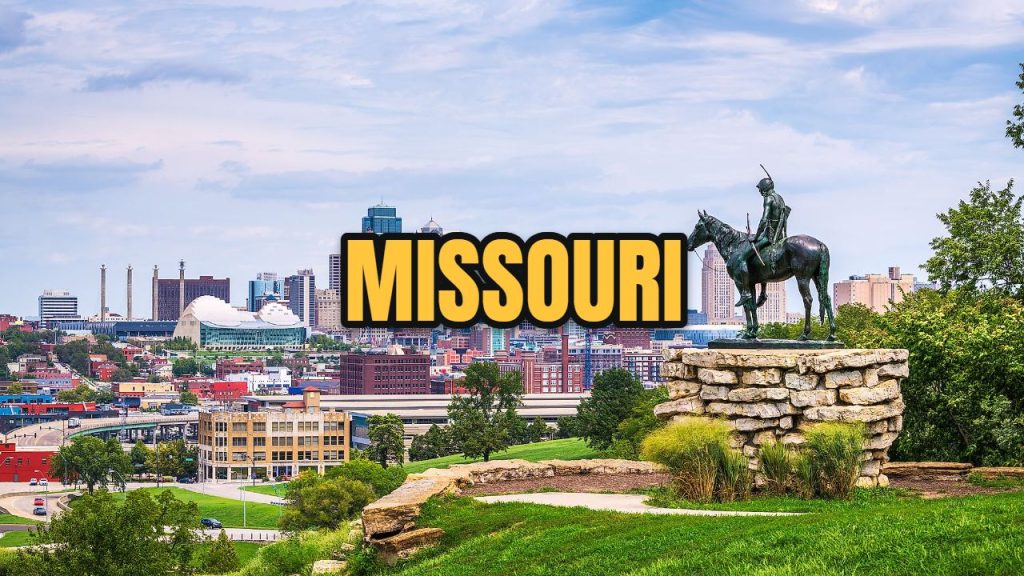
Missouri requires safety inspections for many vehicles during registration and under specific ownership or age-related circumstances. In several areas of the state, emissions inspections are also required before certain vehicles can be registered or have their registration renewed.
Although a failed inspection by itself does not automatically result in vehicle impoundment, repeatedly ignoring inspection requirements can eventually place the vehicle at risk of being towed when combined with other violations.
Missouri’s safety inspection program evaluates major components such as brakes, steering, suspension, tires, lighting, windshield systems, mirrors, and other equipment required for safe operation.
Vehicles that fail must be repaired before they can successfully pass a reinspection and, when applicable, complete the registration process.
The greatest legal risk develops when a failed inspection prevents registration renewal. Once registration expires, continuing to drive on public roads becomes a separate violation.
If law enforcement stops the vehicle and discovers additional problems such as no insurance, unsafe mechanical defects, or repeated registration violations, officers may determine the vehicle cannot legally remain on the roadway. In those circumstances, towing and eventual impoundment become possible.
Missouri’s inspection laws are intended to remove unsafe vehicles from public highways while encouraging owners to perform necessary maintenance. Most inspection failures involve worn components that can be repaired before they become serious safety hazards.
Drivers who respond promptly after receiving a failed inspection report generally avoid enforcement problems.
Waiting until registration expires or continuing to operate a vehicle with significant mechanical defects greatly increases the possibility that multiple violations will result in the vehicle being removed from service.
8. Utah
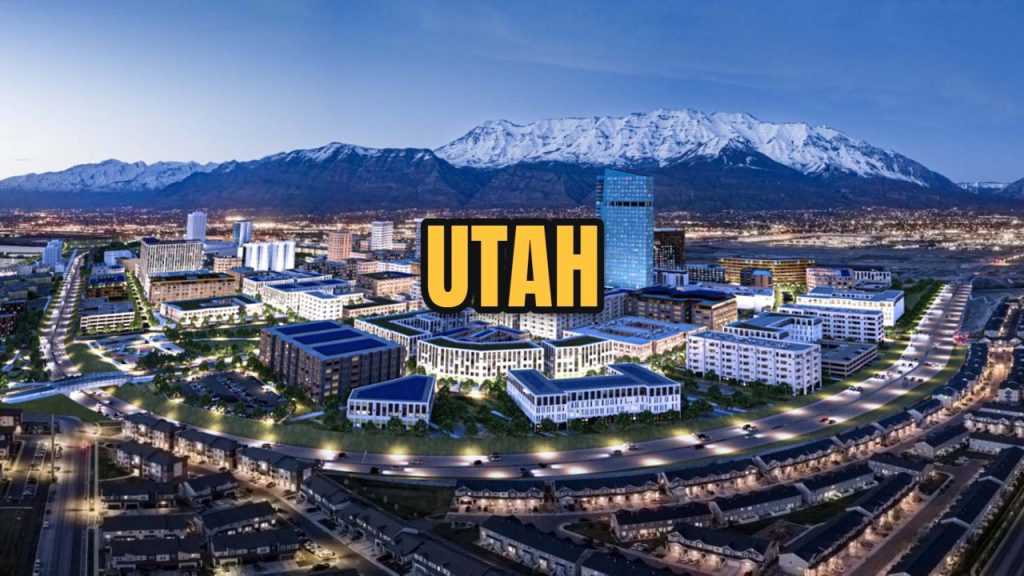
Utah completes this list because state law still requires safety inspections for certain vehicles in specific situations, even though routine annual safety inspections for most passenger vehicles ended several years ago.
Vehicles being titled after certain modifications, reconstructed vehicles, street-legal off-highway vehicles, and some commercial or specialty vehicles may still need inspections before they can be legally operated or registered.
Additionally, emissions inspections remain mandatory in counties such as Salt Lake, Davis, Utah, Weber, and Cache for many vehicles before registration renewal. If a vehicle repeatedly fails emissions testing and the owner allows registration to lapse, continued operation on public roads creates additional legal violations.
A failed inspection alone does not authorize immediate towing. However, if a vehicle is stopped while operating without valid registration, lacks insurance, or is determined to have serious mechanical defects making it unsafe to drive, officers may order the vehicle removed from the roadway.
Towing and impoundment become enforcement options because the vehicle no longer satisfies multiple legal requirements.
Utah’s approach focuses on ensuring that vehicles operated on public roads remain safe and environmentally compliant rather than punishing owners for isolated inspection failures. Most emissions-related failures involve repairable issues such as malfunctioning oxygen sensors, evaporative emissions leaks, or catalytic converter problems.
Vehicle owners who schedule repairs promptly after a failed inspection typically avoid registration complications altogether.
Keeping inspections current, maintaining valid registration, and addressing safety defects immediately remain the most effective ways to prevent citations and eliminate the circumstances that could eventually lead to vehicle impoundment.
Also Read: 10 Cars That Are Cheaper In California Than Other States
