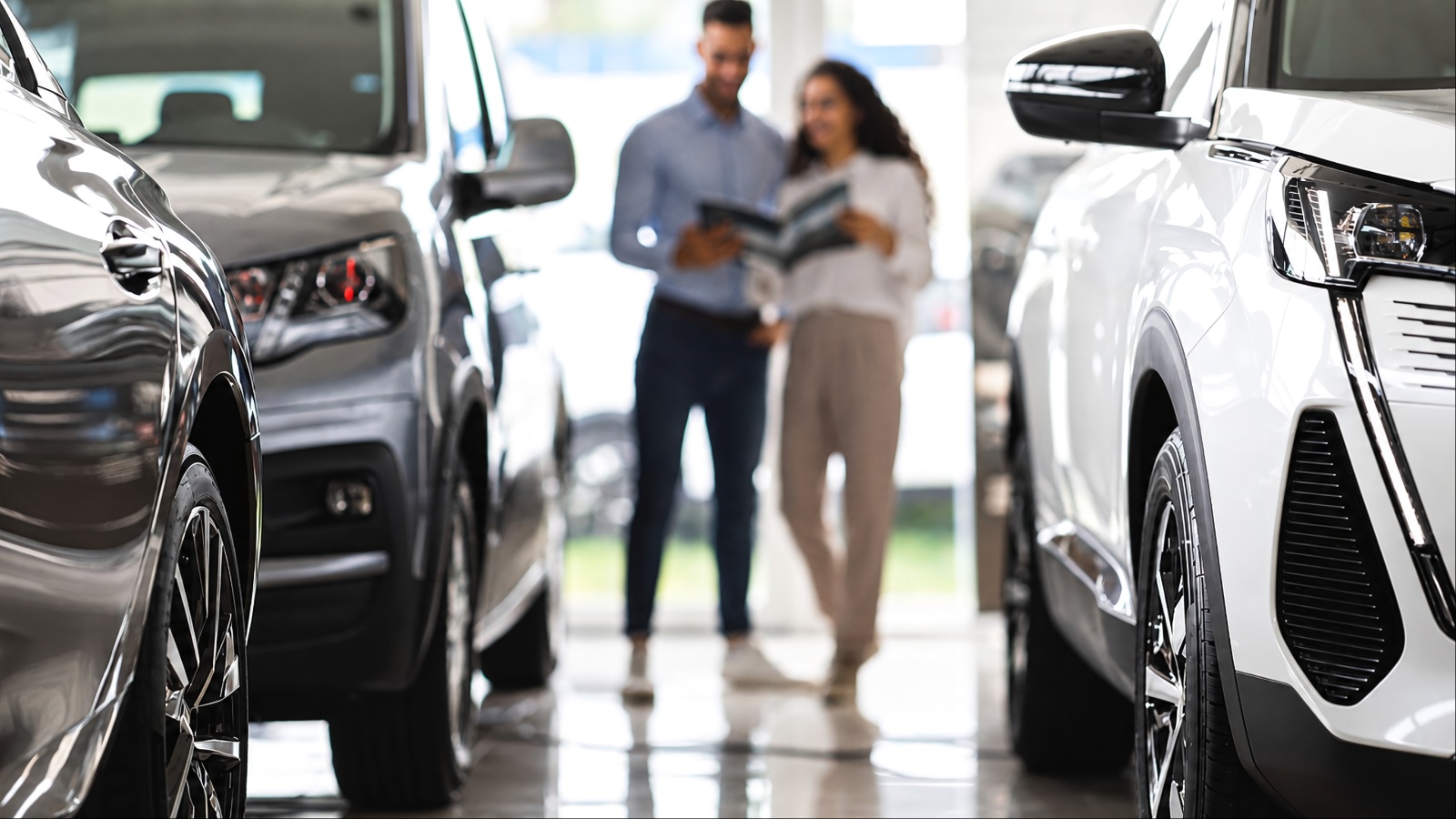
Most buyers assume a trade-in goes straight from the appraisal lane to the used-car lot, but that is rarely the case. Before a dealership advertises a pre-owned vehicle for sale, it typically goes through a detailed reconditioning process designed to improve safety, appearance, reliability, and market value.
According to the National Automobile Dealers Association (NADA), reconditioning is one of the largest investments dealers make in used inventory, with costs varying widely depending on the vehicle’s condition, mileage, and age.
From mechanical inspections to professional detailing, every step is intended to prepare the vehicle for its next owner while helping the dealership remain competitive in the U.S. used-car market.
1. A Complete Mechanical Inspection
The first stop for nearly every trade-in is the service department, not the sales lot. Before the vehicle can be advertised, dealership technicians perform a comprehensive mechanical inspection to determine its overall condition and identify repairs needed to meet the dealership’s retail standards.
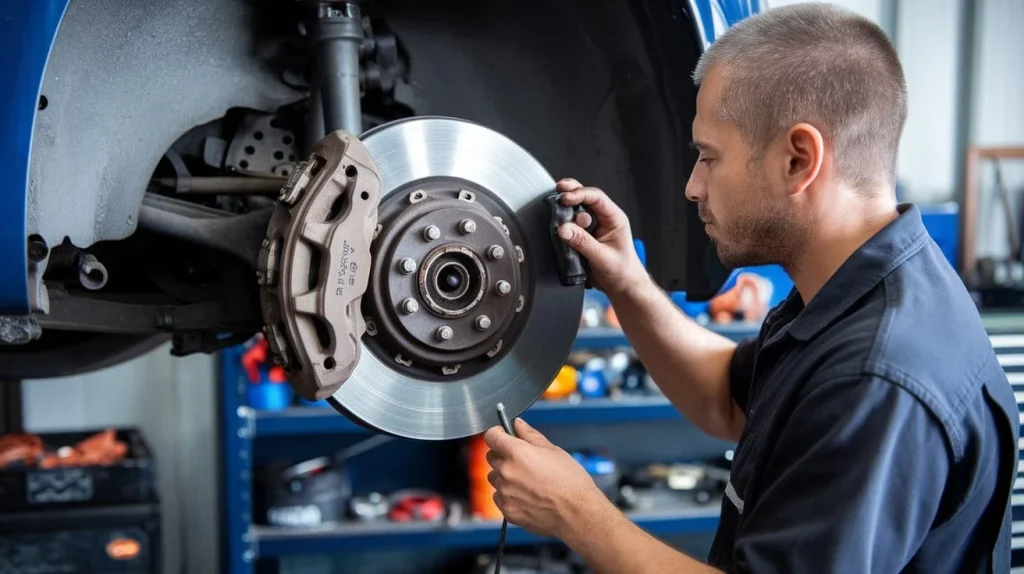
This inspection is far more thorough than a quick appraisal performed during the trade-in process. Technicians typically examine the engine, transmission, suspension, steering components, brakes, cooling system, electrical systems, battery, exhaust, and drivetrain.
Modern dealerships also connect factory-grade diagnostic equipment to the vehicle’s onboard computer to check for stored fault codes, software updates, or electronic system problems that may not trigger a warning light.
Safety receives the highest priority during this stage. Brake pad thickness, rotor condition, tire tread depth, steering response, lighting systems, windshield wipers, airbags, and seat belts are carefully evaluated.
If the dealership plans to sell the vehicle as retail inventory, these components usually must meet internal standards that often exceed minimum state inspection requirements.
The inspection also determines whether the vehicle is financially suitable for retail sale. If major engine damage, severe transmission problems, structural corrosion, or excessive repair costs are discovered, the dealership may decide to wholesale the vehicle instead of investing in expensive repairs.
This evaluation serves another important purpose by creating an accurate estimate of reconditioning costs. Those expenses influence the dealership’s final pricing strategy and expected profit margin.
While buyers rarely see this behind-the-scenes work, the mechanical inspection is one of the most important steps in transforming a recently traded vehicle into a dependable used car ready for its next owner.
2. They Calculate the Reconditioning Budget
Once the inspection is complete, the dealership decides how much money it is willing to invest before offering the vehicle for sale.
This stage is known as reconditioning budgeting, and it plays a major role in determining whether a trade-in becomes a retail vehicle, a certified pre-owned model, or is sent directly to a wholesale auction.
The dealership begins by calculating its total investment. This includes the trade-in allowance paid to the previous owner, transportation costs if applicable, inspection expenses, replacement parts, technician labor, detailing, state inspection fees, and any certification costs.
Managers then compare that total with current wholesale values, local market pricing, and expected retail selling prices using valuation tools such as the NADA Official Used Car Guide, J.D. Power vehicle valuations, Black Book, and current auction results.
According to NADA, reconditioning costs can vary dramatically depending on the vehicle’s condition. A relatively new trade-in with complete maintenance records may require only basic servicing and cosmetic cleanup, while an older vehicle with higher mileage can require several thousand dollars in repairs before it meets dealership retail standards.
Every repair is evaluated from a business standpoint. Replacing worn brake pads or installing new tires may increase buyer confidence and improve resale value. On the other hand, major engine or transmission repairs may exceed the dealership’s acceptable investment threshold, making wholesale disposal the more practical option.
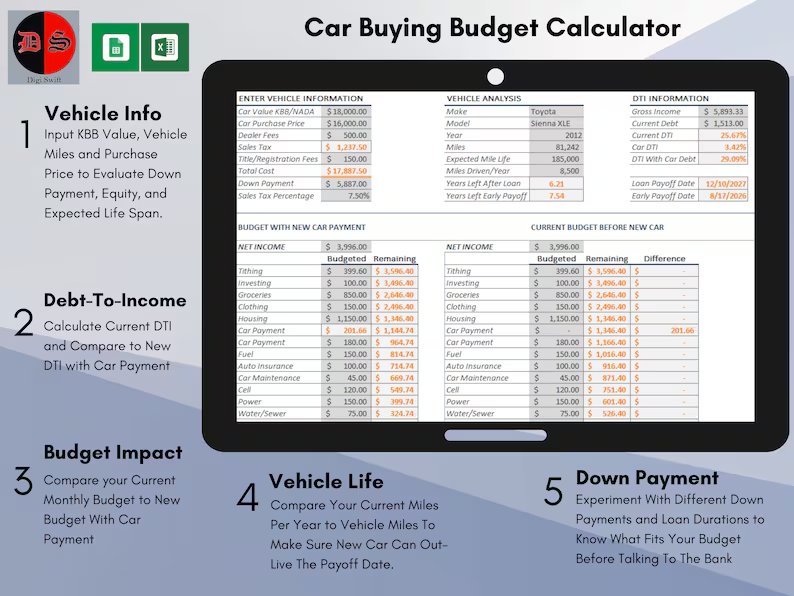
This budgeting process also determines the vehicle’s final asking price. Dealers must balance repair expenses with competitive market pricing because an overpriced used vehicle may remain unsold for months, increasing inventory carrying costs.
By carefully managing reconditioning expenses before the vehicle reaches the lot, dealerships protect their profit margins while offering buyers vehicles that meet higher mechanical and cosmetic standards than many privately sold used cars.
3. Fluids, Filters, and Wear Items Are Replaced
Not every trade-in requires major repairs, but nearly all receive routine maintenance before being offered for sale. Dealerships understand that buyers expect a used vehicle to be ready for immediate ownership, so replacing common wear items is one of the most cost-effective ways to improve reliability and customer confidence.
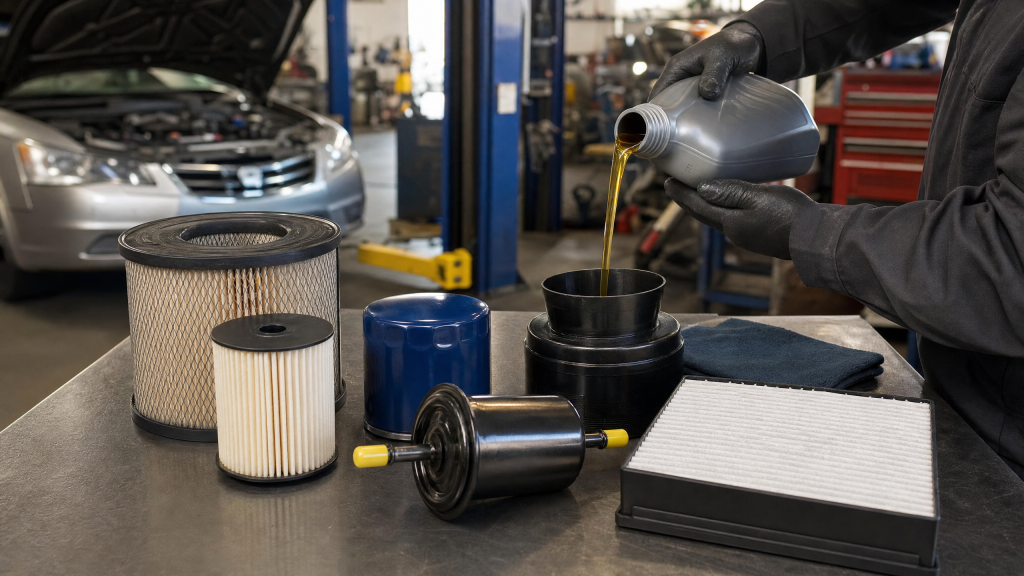
Technicians begin by checking every major fluid. Engine oil, oil filters, coolant, brake fluid, transmission fluid, differential fluid, and windshield washer fluid are inspected according to manufacturer recommendations.
If service records are unavailable or maintenance intervals cannot be verified, dealerships often perform the maintenance rather than risk future customer complaints.
Air filters and cabin air filters are also commonly replaced because they directly affect engine performance and interior air quality while costing relatively little compared with major repairs. Worn windshield wiper blades, burned-out light bulbs, weak batteries, and aging serpentine belts may also be replaced during this stage.
Tires receive particularly close attention. Dealers measure tread depth, inspect for uneven wear, and check manufacturing dates. If the tires no longer meet the dealership’s retail standards or compromise safety, they are replaced before the vehicle is listed for sale.
Brake pads and rotors are evaluated using similar criteria since stopping performance is one of the first things buyers notice during a test drive.
Routine maintenance may seem less dramatic than replacing an engine or transmission, but it significantly improves a vehicle’s marketability. Buyers appreciate knowing they can drive home without immediately scheduling an oil change or replacing worn consumable parts.
For dealerships, investing in preventive maintenance helps reduce post-sale complaints, improves customer satisfaction, and strengthens the reputation of the used inventory. Small maintenance expenses today can prevent costly warranty claims or unhappy customers after the sale.
4. Cosmetic Repairs and Professional Detailing
Mechanical reliability gets a vehicle onto the lot, but appearance often determines whether it sells quickly. Before a trade-in is photographed or displayed, dealerships invest significant effort in restoring its cosmetic condition. The goal is not to make an older vehicle look brand new but to present it in the best possible condition for its age and mileage.
The reconditioning process usually begins with a thorough exterior wash followed by paint decontamination, machine polishing where appropriate, and the removal of minor scratches or swirl marks.
Small paint chips, bumper scuffs, and door dings may be repaired using paintless dent repair or spot refinishing if the cost is justified by the vehicle’s value. Cracked windshields, damaged mirrors, or broken exterior trim pieces are also commonly replaced.
Inside the cabin, professional detailers shampoo carpets, clean leather or cloth upholstery, sanitize high-touch surfaces, remove stains, eliminate odors, and restore faded plastic trim. Pet hair, smoke residue, and food stains often require specialized cleaning equipment such as steam cleaners or ozone treatments.
A clean interior significantly improves first impressions and helps buyers feel more confident about the vehicle’s previous ownership.
Dealerships also pay attention to details that customers immediately notice during a test drive. Wheels are cleaned, tires receive a protective dressing, headlights may be restored if they have become cloudy, and engine compartments are carefully cleaned to improve presentation without concealing potential mechanical problems.
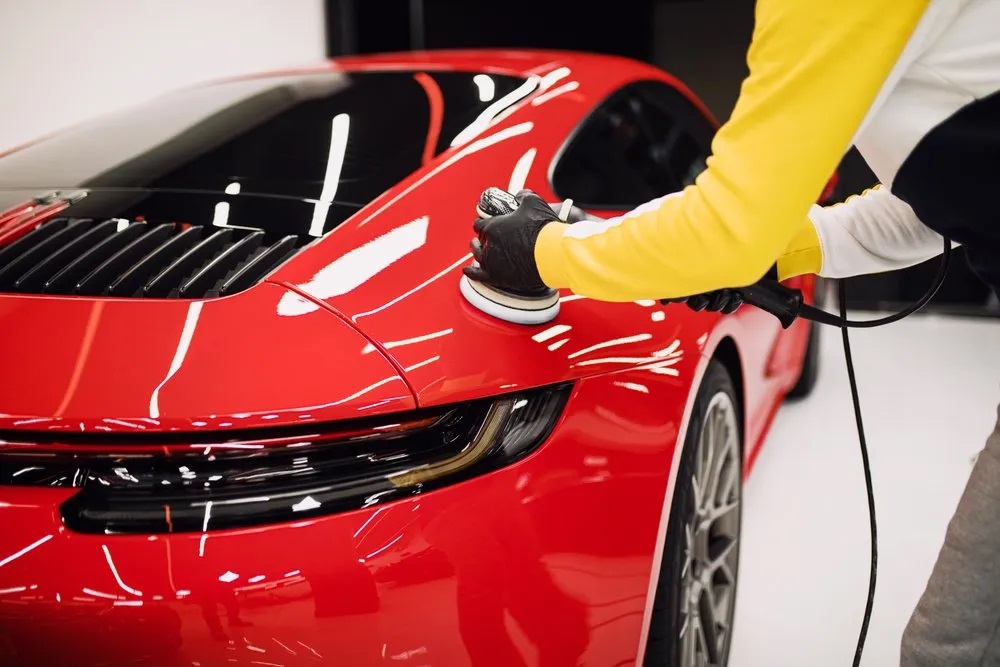
These cosmetic improvements are generally less expensive than major repairs but can have a noticeable effect on resale value. A vehicle that looks well maintained often attracts more buyer interest, spends less time in inventory, and commands a stronger selling price.
For dealerships, detailing is not simply about appearance. It is a marketing investment that increases customer confidence before the hood is even opened.
5. Open Recalls and Software Updates Are Completed
Modern vehicles contain dozens of electronic control modules, advanced driver-assistance systems, and sophisticated safety technology. Before placing a trade-in on the retail lot, dealerships carefully check whether the vehicle has any outstanding manufacturer recalls or software updates that need to be completed.
Federal law places restrictions on selling certain new vehicles with unresolved safety recalls, and while used-vehicle regulations differ, franchised dealerships generally complete open recalls whenever possible before offering the vehicle for sale.
Manufacturers provide dealership technicians with access to recall databases that identify campaigns affecting each vehicle through its Vehicle Identification Number (VIN).
Recall work may involve replacing defective components, updating software, installing redesigned parts, or performing safety inspections required by the manufacturer. Common recall repairs include airbag replacements, fuel system improvements, brake component updates, electrical repairs, and steering system modifications.
Since manufacturers reimburse franchised dealerships for approved recall repairs, the customer typically pays nothing for covered work.
Software updates have also become increasingly important. Many newer vehicles receive revised programming for engine management systems, transmission controls, infotainment systems, battery management, or advanced safety features.
Installing the latest factory software can improve drivability, fuel efficiency, system reliability, and user experience without replacing physical components.
Completing recalls before sale also reduces liability for the dealership while improving buyer confidence. Customers purchasing a used vehicle from a franchised dealer generally expect factory safety campaigns to have been addressed before delivery.
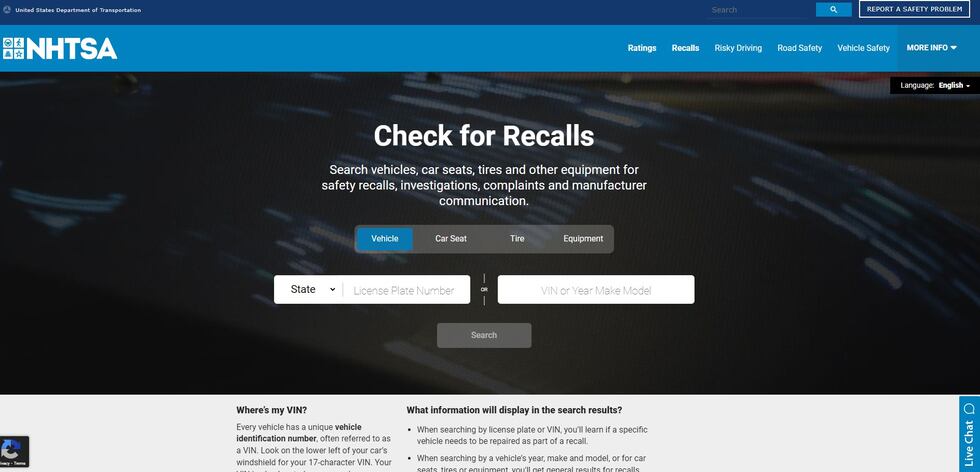
By ensuring both recalls and software updates are completed, dealerships help deliver a vehicle that meets current manufacturer standards. This step reflects the growing role of electronics in today’s automotive industry and highlights why modern reconditioning involves much more than mechanical repairs alone.
6. They Decide Whether It Qualifies as a Certified Pre-Owned Vehicle
Not every trade-in earns a place in a manufacturer’s Certified Pre-Owned (CPO) program. After mechanical repairs and cosmetic reconditioning are complete, dealership managers evaluate whether the vehicle meets the strict standards established by the automaker.
This decision can significantly influence the vehicle’s selling price, warranty coverage, and target customer.
Every manufacturer has its own eligibility requirements, but most programs begin with limits on age and mileage. A vehicle that exceeds those limits cannot be certified, regardless of how well it has been maintained.
Those that qualify undergo a detailed inspection that may include well over 100 individual checkpoints covering the engine, transmission, brakes, suspension, electronics, tires, body panels, interior condition, and safety systems.
Technicians also review the vehicle’s ownership and history reports. Cars with branded titles, severe flood damage, major structural repairs, or certain accident histories are typically excluded from certification.
The dealership wants assurance that the vehicle meets both factory standards and customer expectations before attaching the manufacturer’s CPO designation.
Certification is not free. The dealership pays certification fees, completes any additional repairs required by the manufacturer, and often includes extended warranty coverage, roadside assistance, and other benefits.
These added costs are reflected in the final retail price, but many buyers are willing to pay more for the extra protection and factory backing.
If the vehicle falls short of certification requirements but remains mechanically sound, the dealership may still sell it as a standard used vehicle after completing the necessary repairs. Vehicles requiring extensive work or carrying limited retail appeal are often sent to wholesale auctions instead.
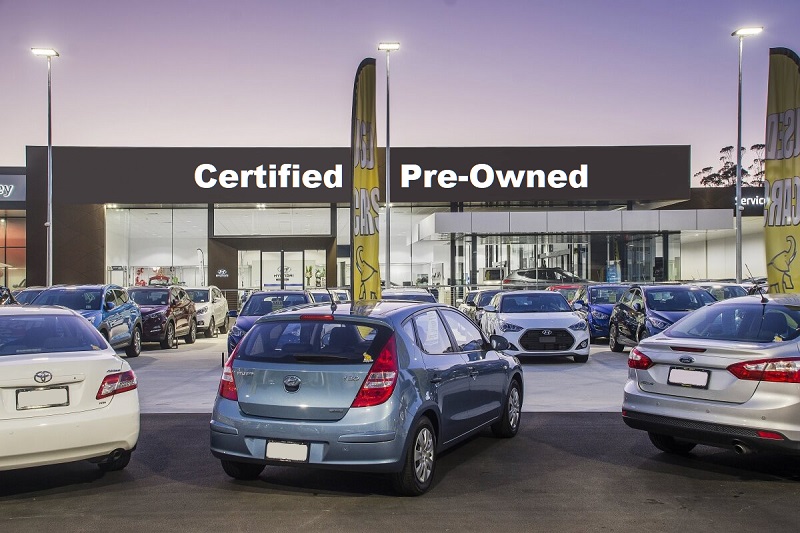
For dealerships, determining CPO eligibility is both a quality-control measure and a business decision that helps maximize the vehicle’s market value while maintaining the manufacturer’s reputation.
7. They Set the Selling Price Using Live Market Data
Pricing a used vehicle is far more sophisticated than simply adding a profit margin to the trade-in value. Before the vehicle reaches the lot, dealership managers analyze extensive market data to determine a price that is competitive while still covering acquisition and reconditioning costs.
The process starts with the dealership’s total investment. This includes the trade-in allowance, inspection expenses, replacement parts, technician labor, detailing, certification costs if applicable, transportation, and administrative fees.
Managers then compare that figure with current retail listings, recent auction sales, wholesale values, and industry pricing guides such as NADA Official Used Car Guide, J.D. Power, Black Book, and local market inventory.
Technology now plays a major role in pricing decisions. Many dealerships use inventory management software that monitors comparable vehicles within a specific radius, tracking mileage, trim level, equipment, condition, and the number of days similar vehicles have remained on the market.
If comparable inventory begins selling quickly, prices may increase. If supply grows or demand slows, the asking price may be adjusted downward to remain competitive.
Dealerships also consider seasonal buying patterns. Four-wheel-drive trucks and SUVs often experience stronger demand before winter, while convertibles may command higher prices during spring and summer. Fuel prices, interest rates, and manufacturer incentives on new vehicles can also influence used-car values.
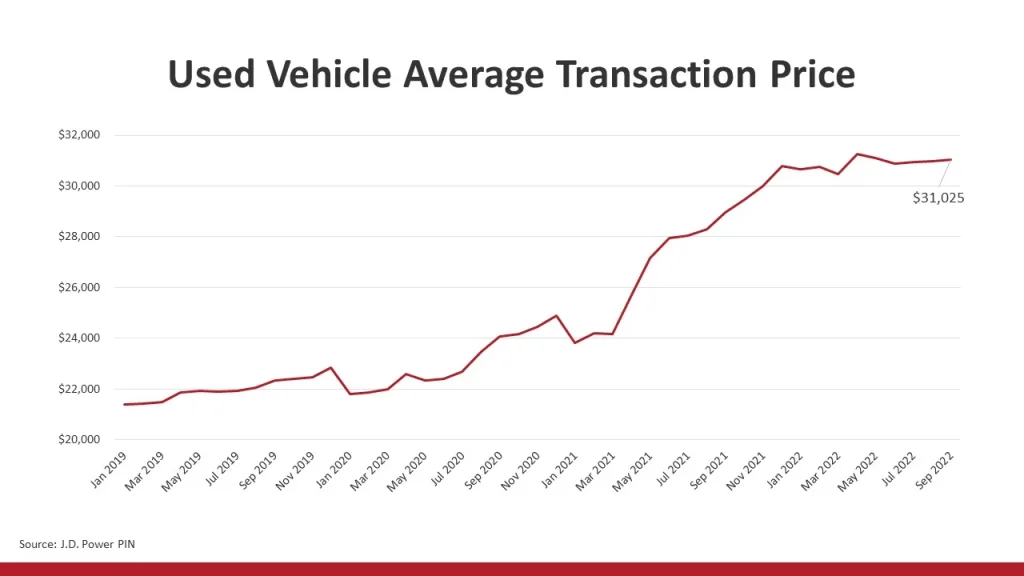
The objective is to price the vehicle correctly from the beginning. A competitively priced vehicle usually sells faster, reducing inventory carrying costs such as insurance, financing, and depreciation. A vehicle priced too high may sit on the lot for months, eventually requiring larger discounts.
By relying on real-time market information instead of guesswork, dealerships improve their chances of selling each trade-in efficiently while maintaining healthy profit margins.
8. Professional Photography, Online Listings, and Final Quality Checks
The final stage of the reconditioning process begins only after the mechanical work, cosmetic repairs, pricing, and certification decisions have been completed. Before the vehicle is parked on the dealership lot, it undergoes a final quality inspection and is prepared for online marketing, where the majority of today’s used-car shoppers begin their search.
A delivery technician or quality-control specialist performs one last review to ensure every repair has been completed correctly. They verify that warning lights remain off, fluid levels are correct, tire pressures match manufacturer recommendations, accessories function properly, and no new cosmetic damage occurred during reconditioning.
The vehicle is often road-tested again to confirm that steering, braking, acceleration, and ride quality meet dealership standards.
Once approved, the vehicle moves to the photography area. High-resolution images are taken from multiple exterior angles along with detailed interior photographs showing the dashboard, seating surfaces, cargo area, wheels, engine compartment, and important features.
Many dealerships also create 360-degree virtual tours and walkaround videos because online shoppers increasingly expect to inspect a vehicle digitally before visiting the showroom.
The marketing department then prepares the online listing. Vehicle descriptions typically include the VIN, mileage, trim level, factory options, service history when available, certification status, warranty coverage, fuel economy estimates, and safety equipment.
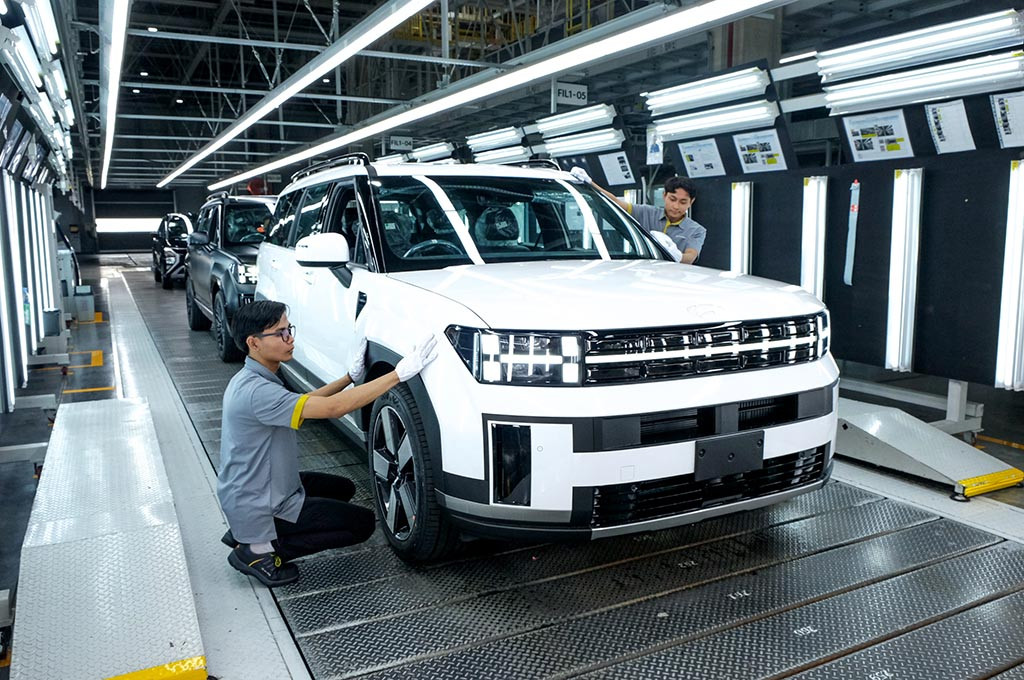
Accurate listings reduce customer questions and help buyers compare vehicles more efficiently.
The dealership also monitors market performance after the listing goes live. If customer interest is lower than expected, managers may update photographs, revise the description, adjust pricing, or reposition the vehicle on the lot to attract additional attention.
By the time a trade-in appears on the front line, it has usually gone through inspections, repairs, detailing, pricing analysis, documentation, and marketing preparation.
What many buyers see as a simple used vehicle on display is often the result of dozens of hours of work involving technicians, detailers, photographers, service advisors, inventory managers, and sales professionals.
This extensive preparation helps dealerships present vehicles that inspire confidence while remaining competitive in the highly active U.S. used-car market.
9. They Verify the Vehicle History and Title Records
Before a trade-in becomes retail inventory, dealerships need to establish what they are actually selling. A vehicle history review can reveal previous accidents, title branding, reported damage, ownership history, mileage records, and other information that may affect whether the vehicle is suitable for retail sale.
Dealers can obtain history information through commercial vehicle history services and state records, while the VIN provides the central identifier used to match records to the specific vehicle. This process is particularly important when a trade-in has been involved in an accident that is not immediately obvious from a visual inspection.
The history review can also influence how the dealership chooses to market the vehicle. A car with a documented accident may still be retail-worthy if the damage was properly repaired, but the dealership needs to understand what happened before deciding how to price and present it.
Title status receives particular attention. Vehicles with salvage, rebuilt, flood, or other branded titles can face restrictions under manufacturer CPO programs and may have substantially different resale considerations. The article’s existing CPO section already notes that branded titles and severe damage histories can prevent certification.
Mileage records are another useful checkpoint. Dealers can compare the odometer reading with available historical records to identify inconsistencies that require further investigation.
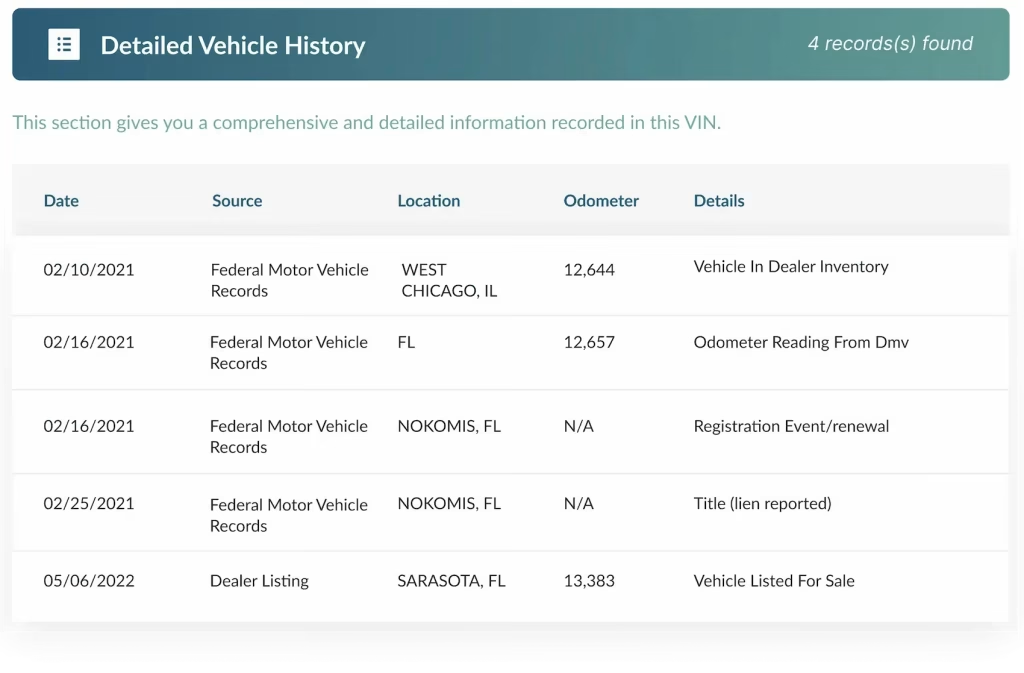
This step is different from the mechanical inspection because it examines the vehicle’s paper trail rather than its physical condition. A mechanically sound vehicle can still have a history that changes its retail value or certification eligibility.
By completing this verification before advertising the trade-in, the dealership has a clearer understanding of the vehicle’s background and can disclose relevant information to prospective buyers.
10. They Perform a Wheel Alignment and Road-Handling Check
A vehicle can pass a stationary mechanical inspection and still reveal problems once it is driven. That is why some dealerships include an alignment and road-handling evaluation during the preparation process, particularly when the trade-in shows uneven tire wear, steering concerns, or signs of previous suspension work.
Technicians can examine whether the steering wheel remains centered, whether the vehicle tracks straight, and whether braking produces unwanted pulling. Abnormal tire wear can provide another clue that the suspension or alignment requires attention.
If the vehicle needs an alignment, technicians can measure the suspension geometry and adjust the applicable angles according to manufacturer specifications. A proper alignment can improve tire wear and steering behavior while preventing a customer from immediately facing another repair after purchasing the vehicle.
A road test can reveal issues that are difficult to identify with the vehicle sitting in a service bay. Transmission shift quality, brake feel, steering response, suspension noises, wheel vibration, and unusual drivetrain behavior may become more obvious once the vehicle is moving.
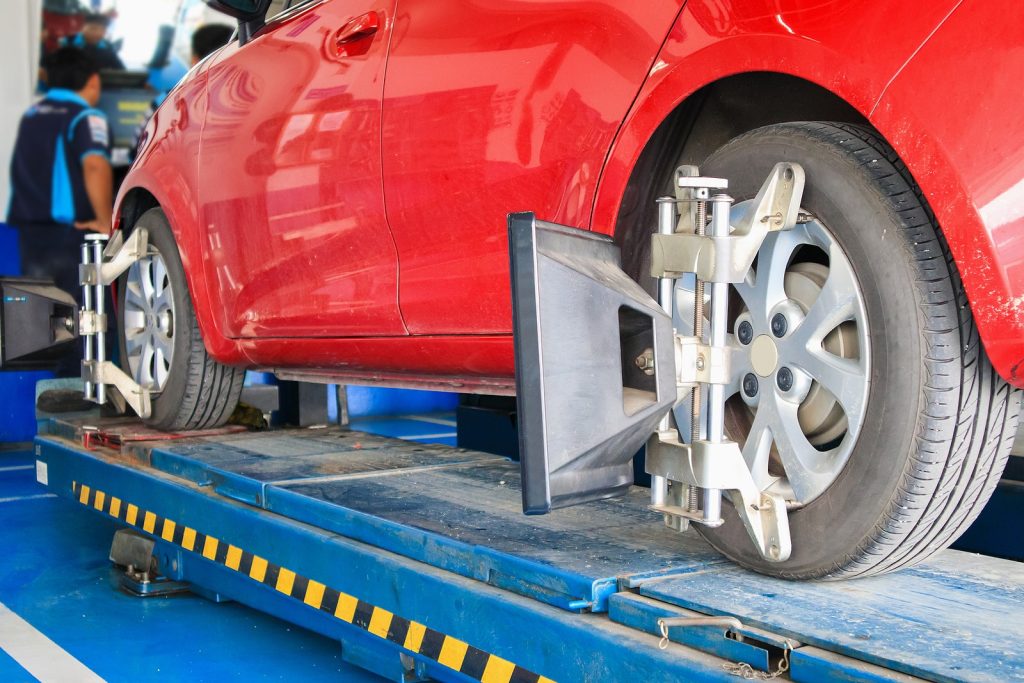
This step is distinct from the initial mechanical inspection because it focuses on how the vehicle behaves dynamically after the dealership has assessed its components. It can also serve as a confirmation that repairs performed during reconditioning actually solved the problems identified earlier.
The final quality-control road test mentioned in the existing article is performed after the preparation process is complete. This additional alignment and handling stage instead focuses specifically on correcting and validating steering, suspension, and tire-related behavior before the vehicle reaches that final check.
For a trade-in, that can make the difference between a truck or car that simply looks ready for sale and one that actually drives like a properly prepared retail vehicle.