

Buying a used car usually means checking the title, accident history, service records, tires, and mechanical condition. But some vehicles can carry another piece of history that is much harder to see: a lender-installed GPS tracker or starter-interrupt device.
In the U.S., some auto lenders and dealers have used electronic devices to help locate vehicles or remotely prevent them from starting after a borrower defaults. The FTC confirms that such devices can be installed as part of vehicle financing, while the CFPB has documented their use in auto finance.
A device left behind after a loan changes hands can create unexpected privacy, electrical, or ownership concerns, making these checks worthwhile before buying.
1. An Unusual Electronic Module Is Hidden Under the Dashboard
One of the clearest physical clues is an electronic module that does not appear to belong to the vehicle’s original equipment. Lender-installed GPS or starter-interrupt equipment is generally aftermarket, meaning it can leave behind a small box, additional wiring, or connectors that look different from the factory harness.
The FTC confirms that some dealers may install tracking devices on vehicles to help locate them if repossession becomes necessary. The agency also notes that some lenders use electronic devices that can prevent a vehicle from starting when payments are not made on time.
During a pre-purchase inspection, have a mechanic look underneath the dashboard, particularly around the steering column and accessible wiring areas. You are not looking for a specific shape because aftermarket equipment comes in different forms. Instead, look for something that clearly appears to have been added after the vehicle left the factory.
Extra wires, electrical connectors, zip ties, adhesive mounting pads, or a small module attached to factory wiring can justify further investigation. However, none of these clues proves that the device belongs to a lender.
Used vehicles can contain legitimate aftermarket equipment such as alarm systems, remote starters, fleet trackers, and insurance telematics devices.
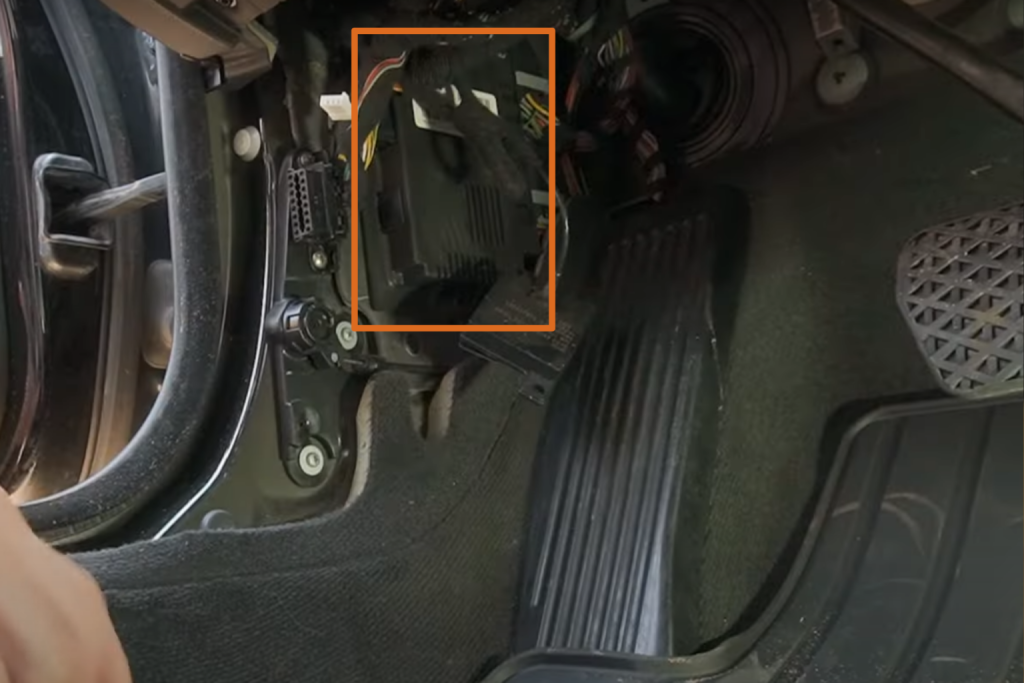
That is why identification matters more than simply finding something unusual. Ask the seller to explain what the component is and request documentation if possible. If the explanation is vague, have the technician trace the wiring and identify the device before you purchase the vehicle.
A mystery electronic module should not automatically kill a deal, but ignoring it could leave you with equipment whose purpose you do not understand.
2. The Car Produces Repeated Beeps That Do Not Match Normal Warnings
A strange repeated beep can be more than an annoying electronic quirk. Some starter-interrupt systems have been designed to provide payment-related warnings before the vehicle becomes subject to a disabling action.
The CFPB’s examination materials describe starter-interrupt devices that can remind consumers when payments are due or past due. The agency has also investigated auto-finance practices involving electronic devices that could disable vehicles.
That does not mean every unexplained beep is evidence of a lender device. Modern cars generate sounds for many legitimate reasons. Seat-belt reminders, open-door warnings, parking sensors, low-fuel alerts, and driver-assistance systems can all produce repeated tones.
The useful clue is an unusual pattern that the seller cannot explain. If the sound occurs at particular intervals, appears after starting the vehicle or seems unrelated to anything shown on the instrument panel, ask specifically about aftermarket equipment.
A buyer should also pay attention to the seller’s explanation. If the vehicle previously came from a financing arrangement where a payment reminder or starter-interrupt device was installed, documentation should ideally identify the equipment and explain whether it was removed.

Do not attempt to disable an unknown device simply because you suspect it is lender equipment. Cutting wires can damage factory electrical systems or disable equipment that has nothing to do with financing.
Instead, let a qualified technician identify the source. A professional can determine whether the sound originates from the factory system, an aftermarket security product, or a finance-related device.
One unexplained beep is not proof of a lender device. But when it appears alongside aftermarket wiring, unusual dashboard equipment, or a history of specialized financing, it deserves a closer look before the purchase is finalized.
3. There Is a Small Antenna or GPS Receiver That Does Not Look Factory-Fitted
Another clue can be an unfamiliar antenna or receiver mounted somewhere inside the vehicle. GPS-based lender equipment needs a way to communicate with satellites and, in many systems, cellular networks.
Depending on the device, an installer may position an antenna near the dashboard, windshield, A-pillar, or another location where it can receive a signal.
The important point is that a strange antenna does not automatically mean the vehicle has a lender tracker. Aftermarket navigation systems, remote starters, security systems, fleet equipment, and other accessories can use antennas as well.
The question is whether the component can be identified and whether its wiring leads to an aftermarket electronic module.
The CFPB has documented the use of GPS technology in automobile finance. Its examination procedures describe GPS devices as equipment that can help lenders locate a vehicle, including in circumstances involving repossession.
During an inspection, look for equipment that appears poorly integrated with the vehicle. A factory antenna normally has a purpose documented by the manufacturer, while an aftermarket component may have its own wiring, adhesive mounting, or a connector that does not match the surrounding factory harness.
Do not pull an antenna or disconnect its wiring simply to see what happens. If it belongs to a security or communications system, doing so could create an electrical fault or disable another feature.
Instead, photograph the component and have a technician trace it. The technician can usually determine whether it connects to the vehicle’s original electronics or to a separate aftermarket device.
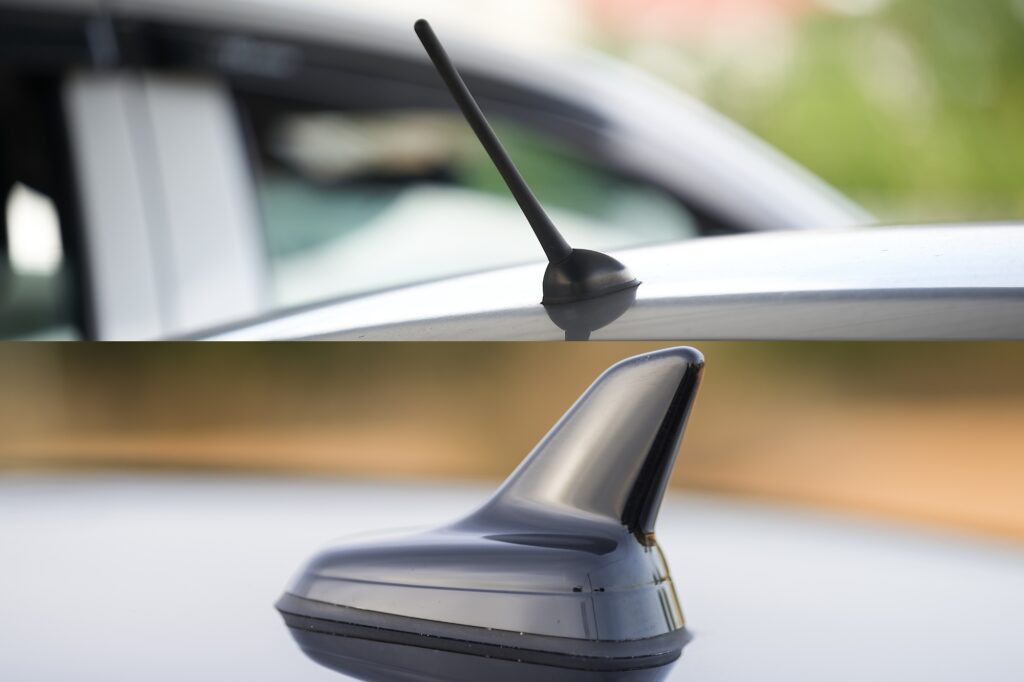
Ask the seller directly whether any GPS, payment-monitoring, or starter-interrupt equipment was installed when the vehicle was financed. A straightforward answer accompanied by documentation is far more reassuring than an unexplained device.
The antenna alone cannot establish that a lender device remains fitted. It becomes significant when it is combined with additional aftermarket hardware and an unexplained financing history.
4. The Seller Cannot Clearly Explain Why Aftermarket Wiring Is Present
A used car can legitimately have additional wiring, but unexplained electrical modifications deserve attention when you are specifically checking for lender equipment. Finance-related devices often need access to the vehicle’s electrical system, which means an installation can leave wiring that differs from the original factory harness.
Look underneath the dashboard and around accessible areas without removing panels unnecessarily. Factory wiring is normally routed and secured as part of the vehicle’s original assembly.
Aftermarket installations may instead feature added connectors, wire taps, electrical tape, crimp connectors, or wiring that appears to have been attached separately.
The CFPB has recognized that starter-interrupt devices can be installed in vehicles and used to prevent a vehicle from starting under certain circumstances. Some devices also incorporate GPS capabilities.
Still, unusual wiring does not prove that a lender installed the equipment. Remote-start systems, aftermarket alarms, dash cameras, audio upgrades, and insurance-related telematics can all result in additional wiring.
The seller’s explanation therefore matters. Ask what each aftermarket connection does and whether there is an invoice or installation document identifying the equipment. If the seller bought the vehicle from a dealer, they may be able to obtain records showing whether a finance-related device was installed.
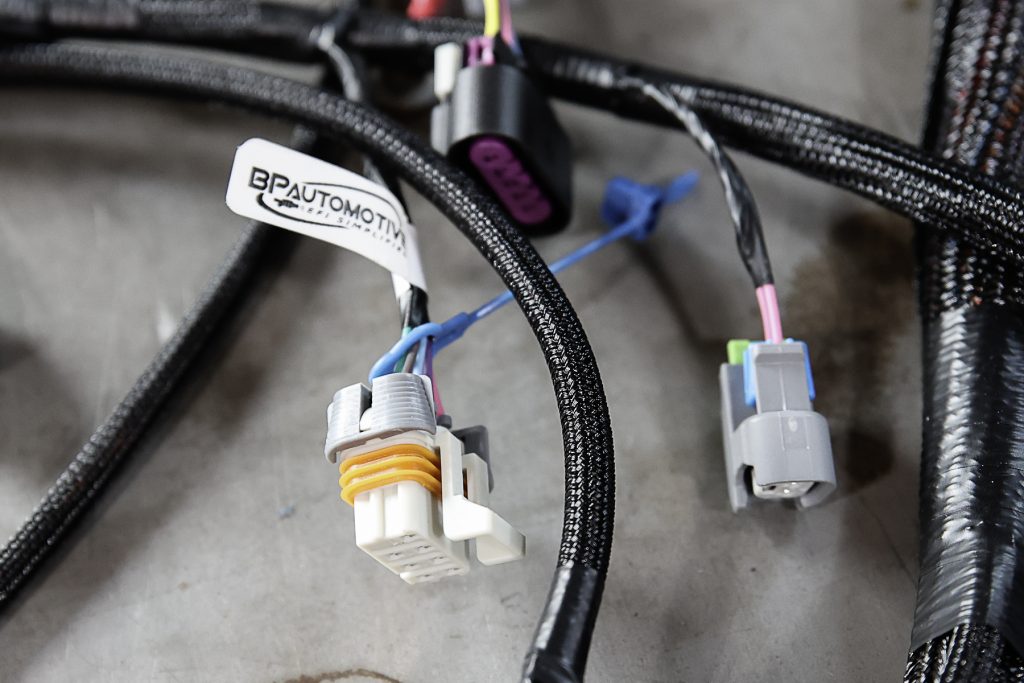
A technician can provide a much more reliable answer than visual inspection alone. They can trace the wires and determine whether they connect to a starter circuit, battery supply, communications module, or another aftermarket component.
Pay particular attention if the wiring leads toward a small electronic box hidden behind the dashboard. That combination is more significant than an isolated wire or connector.
Never cut, unplug, or bypass suspicious wiring yourself. Apart from potentially damaging the vehicle, you could interfere with a security system or another legitimate component.
An unexplained electrical modification is not necessarily a reason to walk away. It is a reason to identify exactly what was installed and why before you become the vehicle’s owner.
5. The Vehicle Has a History of Buy-Here-Pay-Here Financing
The financing history can sometimes provide an important clue before you even start looking underneath the dashboard. Buy-here-pay-here dealers and certain higher-risk auto-finance arrangements have used GPS tracking and starter-interrupt technology as part of their financing practices.
The FTC has specifically discussed electronic devices used by some auto dealers and lenders to locate vehicles or prevent them from starting after missed payments. The CFPB has likewise examined the use of GPS and starter-interrupt devices in the auto-finance industry.
That does not mean a vehicle previously financed through a buy-here-pay-here arrangement definitely has a tracker. Many financed vehicles do not use such equipment at all. Financing history simply tells you that an additional check may be worthwhile.
Ask the seller whether the vehicle was originally financed through a dealership that required a GPS or starter-interrupt device. If they say yes, ask whether it was removed after the loan was paid off or the vehicle was sold.
The paperwork can be especially useful. Look through the purchase agreement, financing documents, and previous service records for references to GPS equipment, payment-monitoring technology, starter interruption, or similar terms.
If the vehicle changed hands multiple times, do not assume that a previous lender automatically removed its equipment. A device may remain physically installed even after its original financing relationship has ended.

A mechanic can inspect the vehicle and determine whether any aftermarket equipment remains. If a device is still present, find out who controls it and whether it has been properly deactivated.
The key is not to judge the vehicle simply because of its financing history. Instead, use that history as a reason to conduct a more thorough inspection. Knowing how the car was financed can reveal potential aftermarket equipment that would otherwise be easy to overlook.
6. The Vehicle Has an Unexpected Starter Problem
A used car that occasionally refuses to start deserves careful attention, particularly when the problem does not resemble a normal mechanical failure. A lender-installed starter-interrupt device can be designed specifically to prevent the engine from starting after certain financing conditions are triggered.
The FTC confirms that some lenders install devices that can keep a vehicle from starting when loan payments are not made on time. The CFPB similarly describes starter-interrupt devices as equipment capable of interrupting the starter function.
That does not mean every intermittent no-start condition points to lender equipment. A weak battery, failing starter motor, damaged ignition switch, faulty key fob, or electrical problem can produce similar symptoms. The difference is what happens around the failure.
If the seller says the car occasionally needs a special code, requires a payment-related call or has previously produced unusual warning tones before refusing to start, ask for an explanation. Those details are much more significant than an ordinary battery problem.
The safest approach is to have the vehicle inspected before purchase. A technician can check the starting circuit and look for aftermarket equipment that has been connected to it. If an electronic module is interrupting the starter circuit, the technician should be able to identify that installation.
Do not attempt to bypass the system yourself. If the vehicle is still subject to a financing agreement, tampering with lender-installed equipment could create contractual or legal complications.

A legitimate mechanical problem should be diagnosed as a mechanical problem. An unexplained starting restriction combined with aftermarket electronics is different and deserves documentation before you agree to buy the car.
7. The Seller Says a Special Code Is Needed to Start the Car
A request for a special code can be another unusual clue. Some starter-interrupt systems have been designed so that the vehicle can receive a temporary or emergency restart code under particular circumstances.
Federal regulatory material has documented starter-interrupt technology that could prevent a vehicle from starting after a borrower falls behind, with some systems allowing a one-time restart after the borrower contacts the lender and obtains a code.
For a used-car buyer, the important question is why the vehicle would need such a code in the first place. A normal factory immobilizer uses a programmed key or electronic authentication system. It does not ordinarily require the driver to call a finance company for a payment-related authorization.
If the seller mentions that a code was previously required because of a missed payment, ask for documentation showing that the financing account was subsequently resolved. A paid-off loan, lender release, and clean title are important pieces of evidence, but they do not necessarily tell you whether aftermarket hardware remains physically installed.

A mechanic should inspect the vehicle for any remaining device rather than relying solely on the seller’s explanation. If the equipment is still present, determine who controls it and whether it has been properly deactivated.
This is especially important when buying a vehicle that came through specialized financing. The CFPB has noted that GPS-enabled starter-interrupt devices have historically been used with some used vehicles sold to subprime borrowers.
The presence of a restart code does not automatically mean the car is a bad purchase. It does mean the digital and electrical history of the vehicle needs to be understood before ownership changes hands.
A seller who can provide clear records should have little difficulty explaining the system. An unexplained code requirement is a reason to pause, investigate, and verify.
8. There Is a Separate Device Speaker Hidden Near the Dashboard
A small speaker that appears to have no obvious factory purpose can provide another clue. Some starter-interrupt systems use audible warnings to alert borrowers about upcoming or overdue payments.
The CFPB has documented starter-interrupt devices that can produce audible reminders when payments are due or past due. In a 2023 enforcement action, the agency alleged that one auto-loan servicer’s devices produced warning tones in vehicles thousands of times.
The physical speaker itself is not enough to establish that a lender device remains installed. Vehicles contain many small speakers and microphones for factory systems, including hands-free calling, voice recognition, parking assistance, and security functions.
The location and wiring provide better clues. An aftermarket speaker mounted underneath the dashboard, attached with adhesive or connected to non-factory wiring, deserves identification, particularly if it sits near an additional electronic module.
During an inspection, ask the technician to determine where the speaker’s wiring leads. If it connects to a standalone telematics unit, the technician can identify the manufacturer and purpose of that equipment.
A buyer should also ask the seller whether the vehicle ever produced repeated tones related to financing payments. The answer can help connect the physical hardware with the vehicle’s financing history.
Do not disconnect the speaker simply because you suspect it belongs to a lender. The device may be connected to another legitimate aftermarket system, and cutting the wiring can create unnecessary electrical problems.
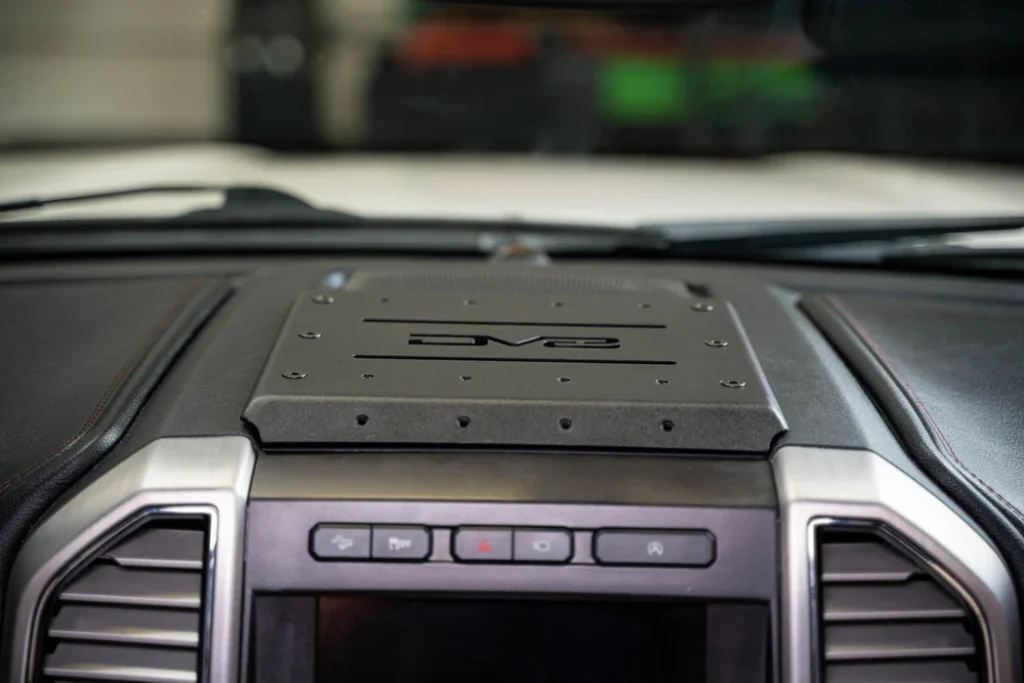
The strongest evidence comes from several clues appearing together: an unfamiliar speaker, aftermarket wiring, a hidden electronic module, and a history of financing that involved payment-monitoring equipment.
When those signs appear at the same time, getting the device identified before purchasing becomes much more important than simply negotiating a lower price.
9. The Vehicle Has an Unexplained GPS or Telematics History
A used car can have a surprisingly complicated electronic history if it previously served in a financing arrangement involving GPS tracking. The CFPB has explained that GPS devices can be used to locate vehicles eligible for repossession, while some systems combine GPS tracking with starter-interrupt functionality.
That means a buyer should pay attention when the seller mentions previous tracking equipment, telematics installation, or a device that was supposedly removed. Ask when it was installed, who installed it, and why.
Service records can sometimes provide useful evidence. An invoice from a dealership, finance company, or aftermarket installer may identify the equipment. Look for references to GPS, telematics, starter interruption, payment assurance, or similar terminology.
The vehicle’s electronic condition can provide additional clues. An aftermarket telematics device may have its own wiring, antenna, power connection, or communications hardware. A technician can inspect these areas and determine whether any equipment remains.
There is an important distinction between a lender device and ordinary connected-car technology. Factory telematics systems are integrated into the vehicle by the manufacturer and may support emergency assistance, remote functions, or navigation. A lender-installed device is generally an aftermarket system added for financing-related purposes.
Do not assume that every GPS tracker is connected to the lender. Fleet operators, previous owners, and insurance programs can also install tracking equipment.

If the seller claims that a lender device was removed, ask for proof rather than relying on a verbal statement. A technician can verify whether the hardware and wiring are actually gone.
This check is particularly valuable if the vehicle has passed through multiple owners or financing arrangements. The current seller may not know exactly what equipment a previous dealer installed.
A documented electronic history is reassuring. An unexplained tracker combined with an unclear financing history is something to investigate before completing the transaction.
10. The Seller Cannot Prove the Financing Account Was Fully Resolved
The final and perhaps most important sign is not hidden under the dashboard at all. It is missing paperwork.
If a seller says the vehicle once had a lender-installed device but cannot demonstrate that the underlying financing has been paid, released, or properly transferred, the buyer should stop and verify the situation before proceeding.
The FTC explains that lenders can have rights to repossess a vehicle when a borrower defaults, subject to the applicable loan contract and state law. The CFPB has also emphasized the importance of accurate records surrounding repossessions and loan status.
Ask to see the title and verify that the lien information is consistent with the seller’s story. If there was a recent payoff, request documentation showing that the lender’s security interest has been released. A vehicle being physically offered for sale does not by itself prove that every financing obligation has been resolved.
The device itself is secondary to the ownership question. Even if a tracker or starter-interrupt unit has been removed, an unresolved lien can create a much more serious problem for the buyer.

Check the vehicle identification number against the title and available vehicle-history records. If the seller says the loan was paid off but the paperwork does not support that statement, contact the relevant lender or state motor-vehicle authority through legitimate channels before completing the purchase.
Never rely solely on a promise that “the bank has been paid.” Get documentation. A lender device left inside a properly paid-off vehicle is primarily an equipment issue. A lender still holding a valid security interest is an ownership and financing issue.
That distinction is why the paperwork should be checked before negotiating around the device. A clean transaction should leave you with both physical possession of the car and clear evidence that no previous lender retains a claim against it.
