
10 Car Rodent Deterrents With No Field Evidence Behind Them
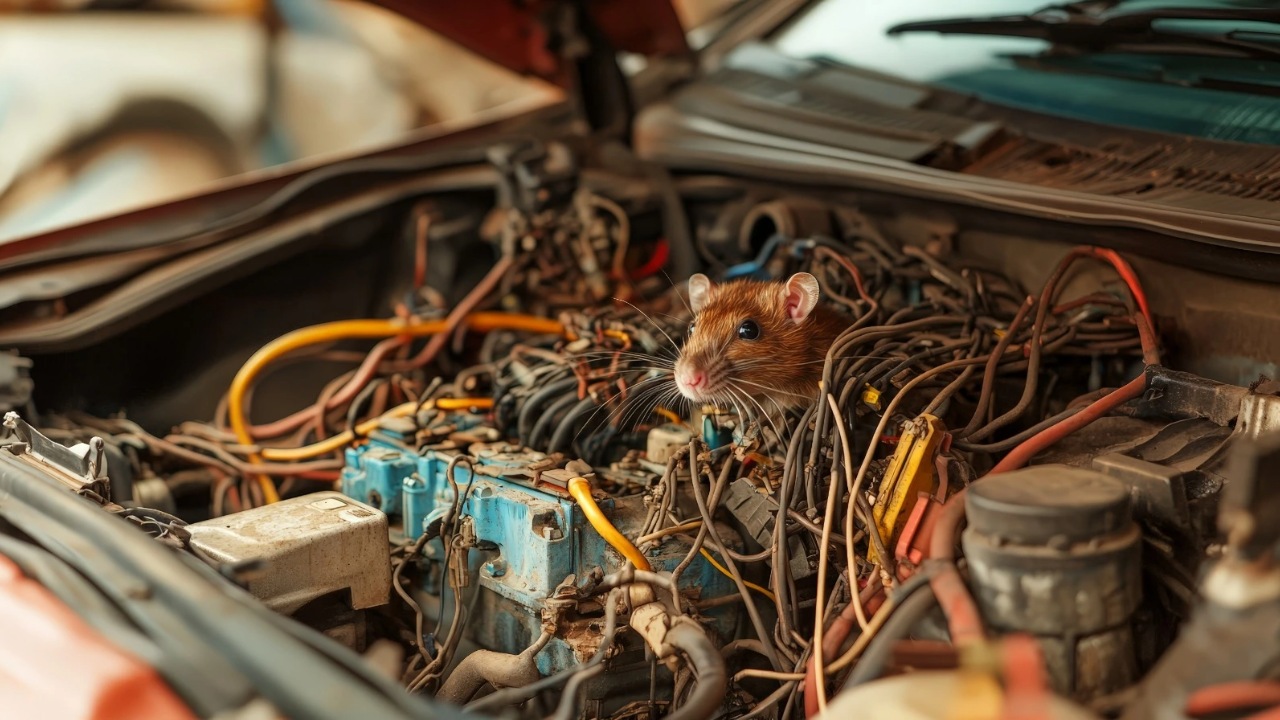
Rodents can cause expensive damage inside parked vehicles, especially when they find shelter, nesting material, or food nearby. That has created a market for homemade and commercial deterrents that promise to keep mice and rats away.
Some ideas sound convincing because rodents have sensitive noses or dislike certain sounds. The problem is that a plausible mechanism is not the same as demonstrated protection.
University extension programs have repeatedly found weak or nonexistent evidence for several popular rodent-repellent methods, particularly when they are expected to provide lasting control. The following eight approaches should therefore not be treated as proven vehicle protection without recognizing their evidence limitations.
1. Irish Spring Soap
Irish Spring soap is one of the most frequently recommended home remedies for keeping mice away from vehicles. The theory is straightforward: rodents supposedly dislike the soap’s strong fragrance, so placing bars inside the engine compartment or around a parked vehicle should make the area unattractive.
The problem is that there is no good field evidence showing that ordinary Irish Spring soap reliably prevents rodents from entering or nesting in cars.
The distinction between a strong smell and a dependable repellent is important. Rodents use smell to investigate their surroundings, but a scent that initially attracts their attention or makes them cautious does not necessarily keep them away permanently.
A hungry or established mouse may simply tolerate an odor when the vehicle provides shelter and warmth.
University of Minnesota Extension notes that Irish Spring soap is commonly promoted as a wildlife repellent but does not reliably repel deer or rabbits. That is not a vehicle-specific mouse study, but it illustrates the broader problem with treating the product as a proven animal repellent.
Meanwhile, rodent-control guidance from university extension programs emphasizes exclusion, sanitation, and trapping rather than household soap as dependable long-term control.
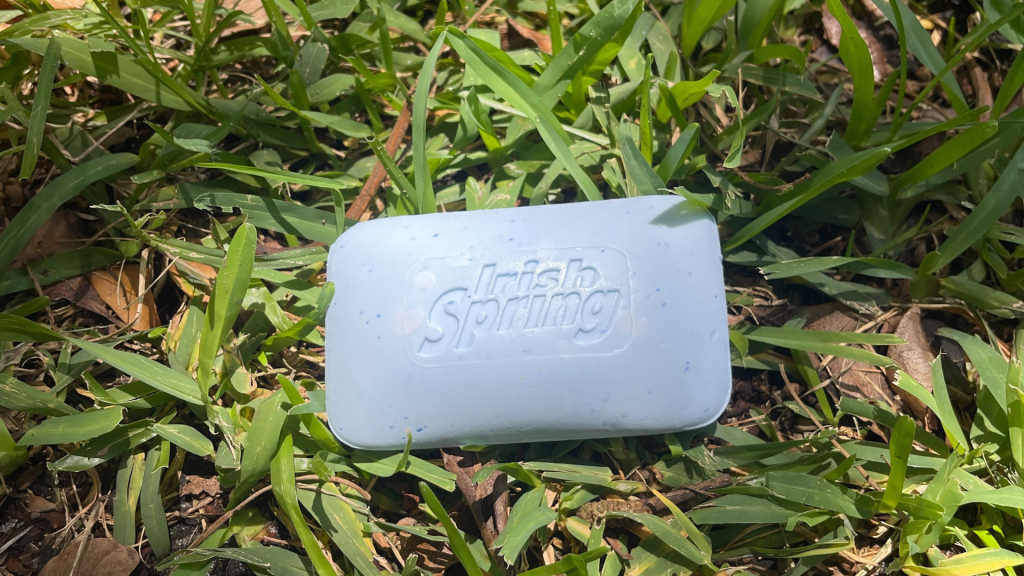
There is another practical issue under the hood. Soap placed in an engine compartment is exposed to temperature changes, moisture, and contamination. Its fragrance can diminish, while the physical presence of the bar does nothing to block an entry point.
That does not prove Irish Spring can never discourage an individual mouse. It means there is insufficient field evidence to claim that placing the soap around a parked vehicle provides reliable rodent protection.
2. Dryer Sheets
Dryer sheets have become another popular car-rodent remedy, largely because they are inexpensive, easy to place around a vehicle, and strongly scented.
Online recommendations often claim that the fragrance overwhelms a mouse’s senses and makes the engine compartment uncomfortable. Scientific support for that claim is much weaker.
Pennsylvania State University’s Integrated Pest Management guidance is unusually direct on this subject. Its rodent-control material states that dryer sheets have not been shown to affect mouse behavior and describes their use as a pest-control method as an urban myth.
The guidance also points out that dryer sheets contain chemical ingredients that can cause allergic reactions or expose people to substances such as phthalates.
That does not mean a mouse will never avoid a particular dryer sheet. Individual animals can react differently to unfamiliar smells, and rodents may temporarily investigate or avoid unusual objects.
What is missing is reliable field evidence demonstrating that dryer sheets consistently stop mice from entering vehicles or prevent nesting over an extended period.
This distinction matters for car owners because engine compartments provide multiple hiding places. A mouse that finds food, warmth, and a protected nesting location has a strong reason to remain nearby. Simply introducing a fragrance does not eliminate those conditions.
There is also no established placement schedule that turns household dryer sheets into a dependable vehicle-protection system. They can lose their scent, become wet and dirty, or be displaced by vibration.
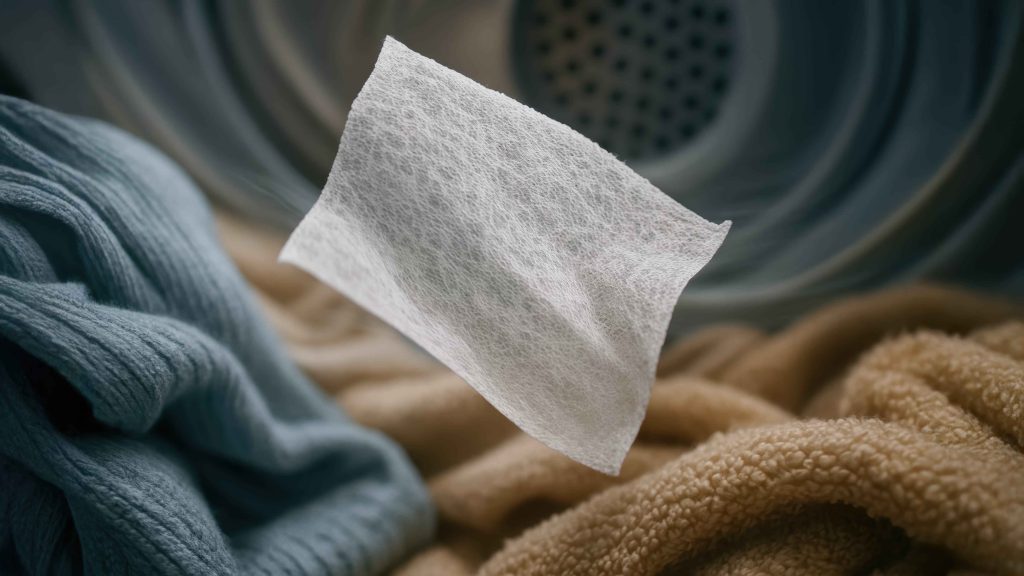
For those reasons, dryer sheets should not be presented as a scientifically established defense against rodent damage. They may be popular, but popularity is not the same as demonstrated effectiveness.
The stronger strategy is to identify why rodents are attracted to the parking area and remove food, nesting material, and accessible shelter wherever possible.
3. Peppermint Oil
Peppermint oil is one of the most persistent recommendations for keeping mice away from vehicles. The reasoning sounds sensible: mice have a strong sense of smell, peppermint has a powerful odor, and therefore the animal should supposedly avoid an engine compartment treated with the oil.
The evidence, however, does not justify treating peppermint oil as a dependable vehicle-protection method.
The problem is not that rodents cannot detect peppermint. They clearly can detect odors, and some research has examined essential oils as potential repellents.
The issue is whether placing peppermint oil around a vehicle produces consistent, long-lasting protection under real-world conditions. There is not sufficient field evidence to support that conclusion.
University extension guidance is cautious about essential-oil repellents. The University of Minnesota notes that essential oils, including peppermint oil, lack sufficient research data to support many pest-control claims.
Its guidance also emphasizes that repellents can lose effectiveness and that successful pest management depends on the specific situation.
A vehicle creates additional complications. Engine compartments are exposed to heat, airflow, moisture, and contaminants. An oil applied to a cotton ball or cloth can evaporate, become contaminated, or simply lose its odor.
Even if a mouse initially avoids the smell, that does not establish that it will continue avoiding the vehicle after the scent becomes weaker.
No established amount of peppermint oil guarantees protection. Using more does not automatically turn an unproven approach into a scientifically validated one.
For someone dealing with repeated rodent activity, peppermint oil may be tempting because it is inexpensive and easy to try. It should simply be viewed as an unproven deterrent rather than a reliable barrier.
The stronger evidence favors reducing access to food and shelter instead of depending on a scent alone.
4. Ultrasonic Rodent Repellers
Ultrasonic devices are marketed with an appealing idea: they emit a high-frequency sound that people cannot hear, but rodents supposedly find unbearable.
Plug-in and battery-powered versions are widely promoted for garages, homes, and vehicles. Yet university pest-management research has found little reason to depend on them for established rodent problems.
Colorado State University Extension explains that ultrasonic sound is highly directional, loses intensity quickly with distance, and does not travel effectively around obstacles. That is a particularly serious limitation inside an engine compartment, where components can create multiple sound shadows.
The same guidance says commercial ultrasonic devices have questionable effectiveness and cannot be recommended as a solution to rodent problems.
Research summarized by Colorado State indicates that rodents may sometimes be repelled from the immediate area for a few days, but they can return and resume normal activity. Other testing has found that results depend on frequency, intensity, and the existing infestation.
University of California guidance makes the limitation even clearer. It states that ultrasonic sounds have very limited usefulness because they are directional, do not penetrate behind objects, and rapidly lose intensity with distance. It also notes that mice can become accustomed to repeated sounds.
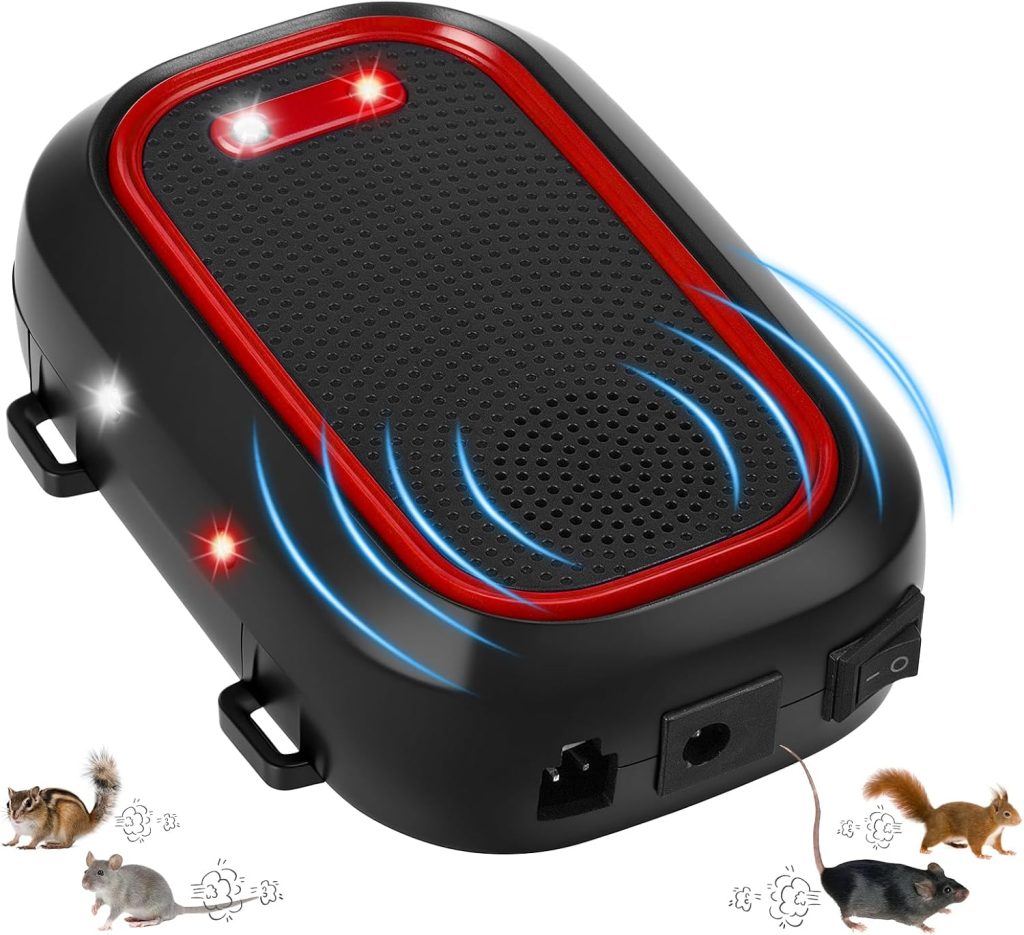
That does not mean every ultrasonic device has exactly zero effect on every rodent. It means there is insufficient evidence to treat consumer ultrasonic products as dependable protection for a parked vehicle.
A device may also be difficult to position effectively around a car. The engine bay contains metal components, insulation, and enclosed spaces that can interfere with sound distribution.
For owners facing genuine rodent damage, ultrasonic technology is therefore better regarded as an uncertain add-on than a primary defense. Physical exclusion, sanitation, and population control have stronger support.
5. Irish Spring Shavings or Soap Flakes
Turning a bar of Irish Spring into shavings or flakes does not solve the evidence problem. The idea is essentially the same as placing whole bars around a vehicle: create a concentrated fragrance that supposedly makes the engine compartment unpleasant for mice.
Because the pieces expose more surface area, some recommendations claim they should work even better.
There is no established field evidence showing that increasing the exposed surface area of scented soap reliably prevents rodents from entering or nesting in vehicles. The basic weakness remains unchanged.
A strong odor may be noticeable to a mouse, but that does not demonstrate a sustained behavioral response under real-world conditions.
Rodent-control guidance from university extension programs generally recommends removing food sources, reducing shelter, and physically excluding rodents rather than depending on household fragrances.
Those methods address the conditions that allow rodents to establish themselves instead of attempting to make the environment smell unpleasant.
There is also a practical concern with scattering soap pieces around an engine compartment. Small pieces can become wet, dirty, and difficult to remove. They can also mix with dust and debris, reducing the scent that supposedly provides the deterrent effect.
Most importantly, there is no scientifically established threshold showing how much soap is necessary, how long the effect should last, or how often the material needs to be replaced. Without those measurements, claims that soap flakes provide dependable protection are difficult to substantiate.
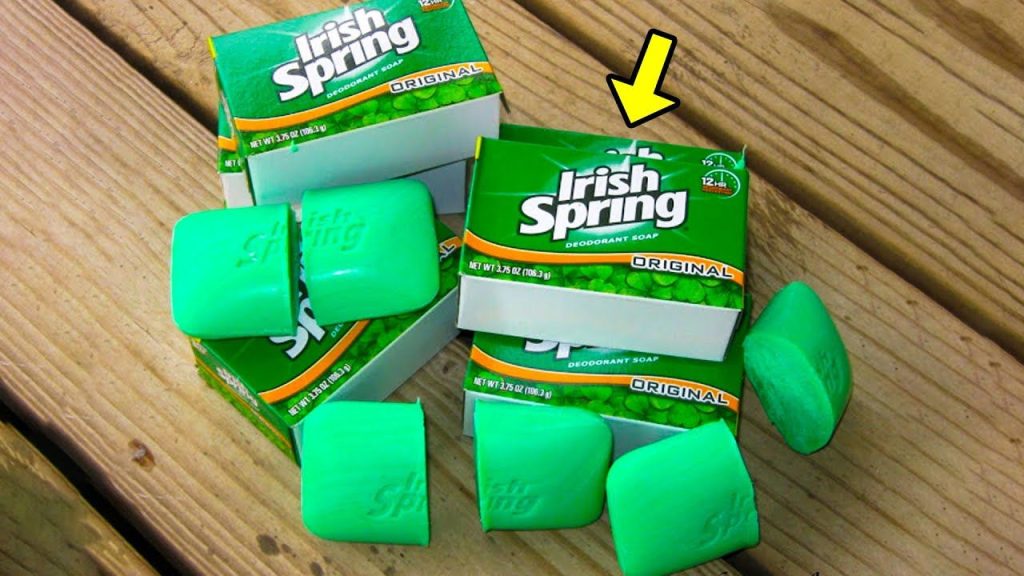
A vehicle owner may notice fewer rodents after using them, but that observation alone cannot establish that the soap caused the change. Rodent activity naturally fluctuates with weather, food availability, nearby construction, and population changes.
Therefore, soap shavings should be treated as a household experiment rather than a proven rodent-control method. If a vehicle is already experiencing nesting or wiring damage, relying on scented soap alone risks leaving the actual access route completely untouched.
6. Mothballs
Mothballs sometimes appear in recommendations for protecting parked cars because their strong chemical odor is associated with repelling insects and animals.
That reputation can make them sound like an obvious choice for a vehicle experiencing rodent activity. In reality, mothballs are not a properly supported or appropriate vehicle rodent deterrent.
The U.S. Environmental Protection Agency regulates mothballs as pesticides, and their labels specify how they may legally be used. Mothballs are intended primarily for controlling clothes moths in tightly sealed containers. They are not designed to be scattered around an engine compartment, garage, or driveway as a general wildlife repellent.
That distinction is important because mothballs contain pesticide chemicals that can release vapors. Using them outside their labeled conditions can expose people, pets, and wildlife unnecessarily.
The National Pesticide Information Center explains that mothballs should only be used according to their pesticide label and warns that using them improperly can expose people and animals to pesticide vapors.
There is also no reliable field evidence establishing that placing mothballs around a parked vehicle provides lasting protection against mice. A rodent may avoid a concentrated odor temporarily, but that is not the same thing as demonstrated population control or exclusion.
Putting mothballs beneath a hood therefore creates two problems at once: the effectiveness is uncertain, and improper use can create a pesticide exposure issue.
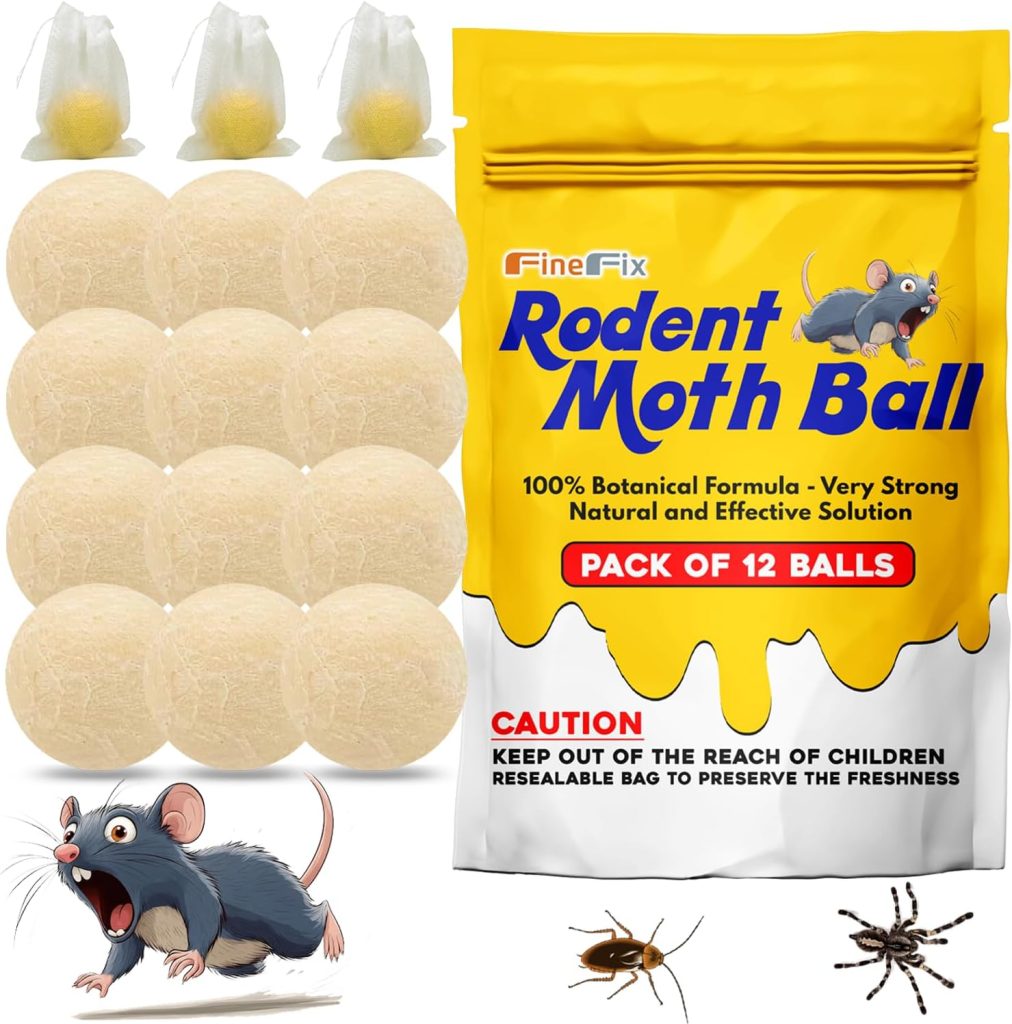
Car owners dealing with rodents should not substitute mothballs for physical exclusion, sanitation, or appropriate traps. If a vehicle has already become a nesting site, identifying and eliminating the access route is much more defensible than filling the engine compartment with pesticide fumes.
A product being famous as a rodent remedy does not mean its labeled use supports that application. With mothballs, following the pesticide label is particularly important.
7. Cayenne Pepper or Chili Powder
Cayenne pepper and chili powder are often recommended as natural mouse deterrents because capsaicin creates a burning sensation in mammals. The theory is that rodents encountering the powder will dislike the irritation and stay away from the vehicle.
The difficulty is turning that biological effect into reliable vehicle protection. There is not sufficient field evidence demonstrating that sprinkling cayenne pepper around an engine compartment consistently prevents mice from entering, nesting, or chewing wiring.
Rodent behavior also makes the strategy unreliable. A mouse motivated by shelter or food may tolerate an unpleasant stimulus rather than abandon an attractive location. Even when an animal avoids one treated area, it may simply find another route into the vehicle.
The physical environment makes powdered spices particularly unsuitable as a dependable barrier. Wind, moisture, and vibration can move the material, while engine heat and airflow can disperse it. A powder that looks substantial when initially applied may not remain where it was placed.
There is another practical consideration: pepper does not remove the conditions attracting rodents. If food, nesting material, or a protected entry point remains available, the underlying reason for the infestation has not changed.
That is why established rodent-management guidance emphasizes exclusion and sanitation rather than relying on household irritants. The goal is to prevent access and remove resources rather than attempting to make one area uncomfortable.

Cayenne powder is therefore best described as an unproven deterrent, not a field-validated vehicle protection method. There is nothing wrong with recognizing that rodents may dislike capsaicin, but that observation should not be converted into a guarantee that a car will remain rodent-free.
For an owner dealing with repeated wiring damage, physical barriers and proven control methods deserve priority.
8. Ammonia-Soaked Rags
Ammonia-soaked rags are sometimes promoted online as a way to make an engine compartment smell unpleasant enough that mice will leave. The concept depends entirely on odor aversion, but there is no strong field evidence demonstrating that this method provides reliable, long-term protection for parked vehicles.
Even if a rodent dislikes concentrated ammonia initially, odor-based avoidance does not necessarily last. Animals can become accustomed to repeated environmental stimuli, and an attractive shelter can outweigh an unpleasant smell.
A car engine compartment can protect from weather and predators, so a strong incentive may remain even when an unfamiliar odor is present.
There is also a safety issue that makes this method particularly unattractive. Ammonia is an irritant, and concentrated exposure can affect the eyes, skin, and respiratory system.
Placing ammonia-soaked material inside an enclosed vehicle or near an engine introduces unnecessary chemical exposure without established evidence that the treatment will solve the rodent problem.
The U.S. Environmental Protection Agency and occupational-safety guidance emphasize appropriate handling and ventilation when working with ammonia-containing products. Household chemical products should also never be mixed with bleach or other incompatible cleaners because dangerous gases can result.
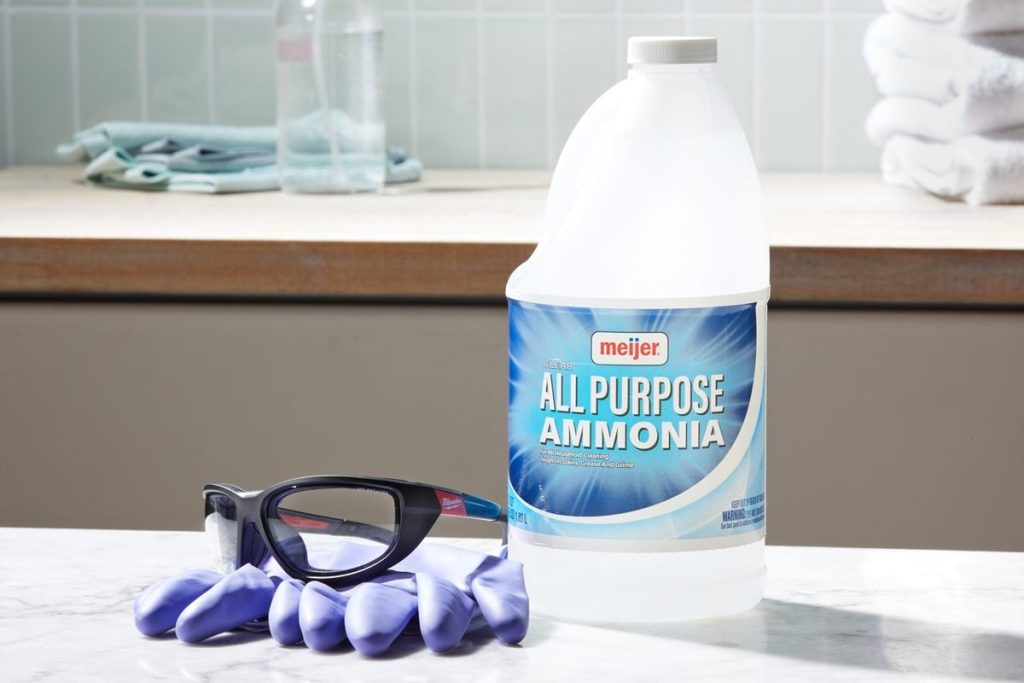
From a pest-control perspective, the fundamental weakness remains the same as with other scent remedies. The rag does not close the opening through which the mouse entered, remove food, or eliminate nesting material.
That makes ammonia a poor substitute for physical exclusion and established rodent-control practices. A car owner may notice activity disappear temporarily, but there is no sound basis for assuming the odor created a lasting protective zone.
When a vehicle is valuable enough to warrant protection from wiring damage, a method with uncertain effectiveness and chemical risks is difficult to justify as the primary defense.
9. Human or Pet Hair
Placing human or pet hair around a parked vehicle is sometimes suggested as a natural way to scare mice away. The theory is that rodents will detect the smell of a potential predator or unfamiliar animal and avoid the area.
The problem is that there is no reliable field evidence showing that loose human or pet hair creates a lasting protective zone around a vehicle.
University of Minnesota Extension specifically lists human and pet hair among home remedies whose effectiveness has not been tested, reinforcing the distinction between a commonly repeated tip and a demonstrated deterrent.
Even if a mouse initially investigates the smell and becomes cautious, that reaction does not establish long-term avoidance. Rodents regularly encounter changing environmental odors, and a vehicle can remain attractive because it provides shelter from weather and predators.
Once an animal becomes accustomed to a smell, the supposed warning signal can become much less meaningful.
There is also a practical limitation. Hair does not create a physical barrier around openings in an engine compartment, wheel well, or other areas through which rodents can enter. Wind can scatter it, rain can wet it, and normal vehicle movement can displace it.
That makes hair particularly weak as a standalone strategy. A reduction in rodent activity after placing hair nearby could also result from changes in weather, nearby food sources, or normal fluctuations in animal activity.
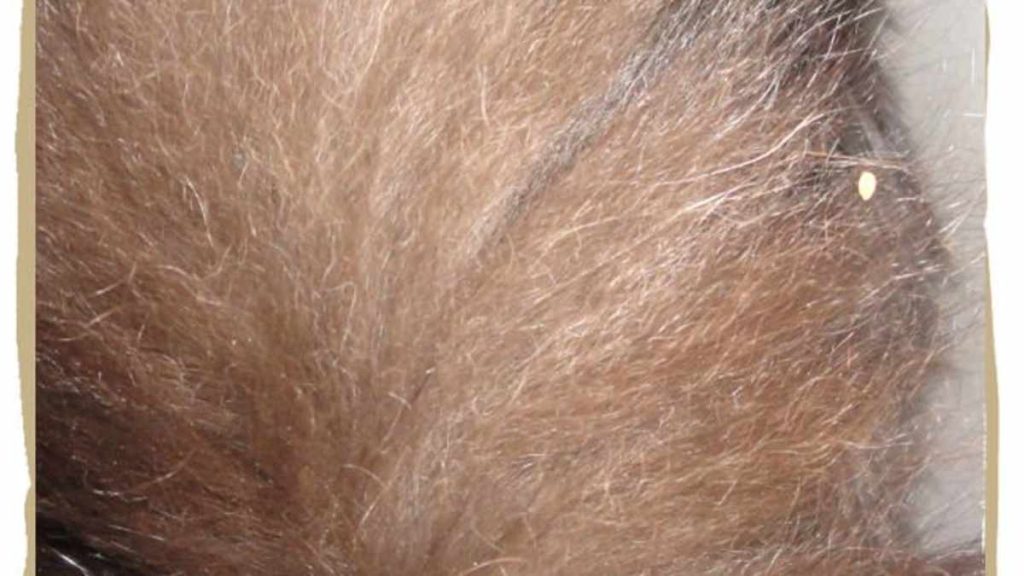
For car owners, the important point is not that hair can never influence an individual rodent. Rather, there is no tested field basis for treating it as dependable vehicle protection. If rodents are already present, exclusion and removal of food and nesting opportunities address the underlying problem far more directly.
10. Leaving a Radio Playing
Leaving a radio playing near or inside a parked vehicle is another home remedy based on the idea that unpredictable human voices and music will frighten rodents away. It sounds plausible because animals can respond to unfamiliar sounds, but repeated noise is not the same as a reliable rodent-control method.
The University of Minnesota Extension notes that radios and other scare techniques can fail quickly because animals adapt to them. Its guidance specifically groups radios among methods that may provide little lasting benefit once wildlife becomes accustomed to the stimulus.
That limitation is especially relevant to a vehicle. A radio produces sound from a relatively predictable location, and, depending on the vehicle, the noise may not reach enclosed areas where rodents are nesting. Engine compartments also contain barriers and spaces that can reduce how effectively sound travels.
A mouse seeking shelter does not necessarily need to remain frightened indefinitely. If the animal discovers that the sound does not lead to a real threat, it can gradually resume normal activity. Turning the radio on and off also does not create a physical obstacle preventing access.

There is another practical issue for owners: continuously running a vehicle’s audio system while parked can place unnecessary demand on the battery, particularly when the engine is not running. That creates a separate risk without establishing dependable rodent protection.
A radio might temporarily disturb an individual animal, but there is not sufficient field evidence to present continuous music or talk radio as a proven way to keep rodents out of cars.
For lasting protection, the stronger approach remains identifying entry points, reducing nearby food and nesting material, and using established pest-control methods rather than depending on repeated noise.
