
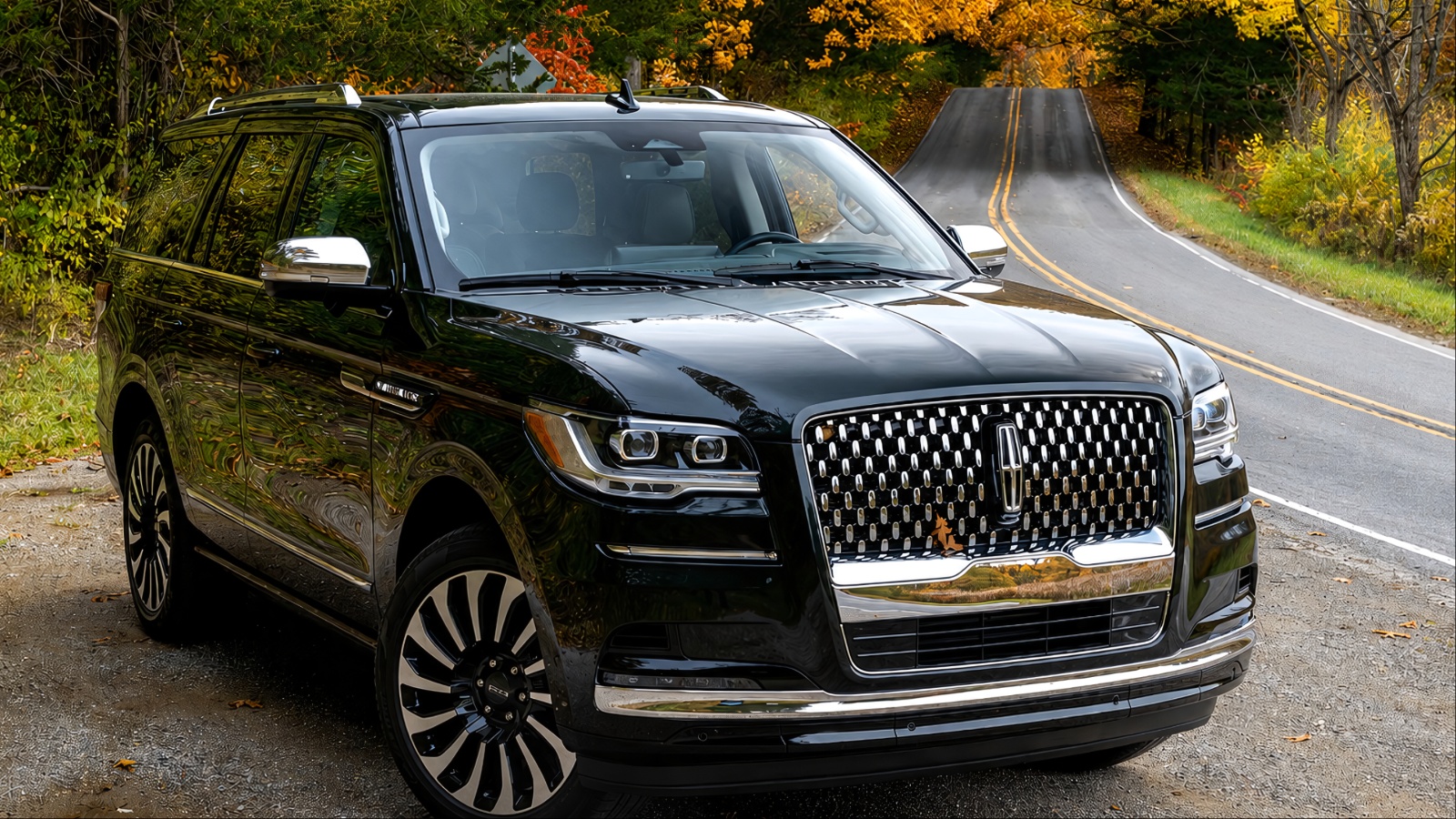
A family SUV may carry a $35,000, $45,000, or even $60,000 sticker price, but that number does not represent what an automaker spends to build the vehicle.
The economics behind a new SUV are far more complicated, involving thousands of components, supplier contracts, factory labor, machinery, transportation, engineering, warranty costs, and other expenses.
There is also no official universal figure for what it costs to manufacture one specific SUV. Automakers generally report companywide financial results rather than revealing the exact production cost of individual models.
That means claims that a particular $40,000 SUV costs exactly $25,000 or $30,000 to build should be treated as estimates unless they come directly from internal company data. Financial filings nevertheless reveal how the money is distributed.
General Motors said in its 2025 annual report that material costs represented approximately two-thirds of its automotive and other cost of sales. The remaining portion included labor, depreciation and amortization, engineering, freight, warranty, and recall campaigns. GM also reported $159.1 billion in automotive and other cost of sales for 2025.
That provides a useful starting point for understanding what really goes into a family SUV.
The Parts Are the Biggest Piece of the Puzzle
The most obvious cost is the vehicle itself. A modern SUV contains thousands of individual components, although many arrive at the assembly plant as complete systems supplied by outside companies.
Steel and aluminum form much of the body structure, while plastics, glass, wiring, electronics, seats, brakes, suspension components, lighting, and countless smaller parts fill out the rest.
The powertrain can represent a significant portion of the bill. A gasoline SUV requires an engine, transmission, exhaust system, cooling system, and fuel equipment. A hybrid adds electric motors, batteries, and power electronics. An EV replaces much of the traditional powertrain with a large battery pack, motors, and high-voltage electronics.
Material prices can therefore have a major effect on profitability. Toyota’s fiscal 2025 filing showed ¥35.51 trillion in cost of products sold. The company also identified steel, precious metals, non-ferrous alloys, aluminum and plastics among materials whose prices can affect manufacturing costs.
Automakers work constantly to reduce these expenses. Toyota said its cost-reduction efforts include value engineering, common parts, and reducing the number of different components used across vehicles.
That strategy explains why saving just a few dollars on one component can matter enormously. A $5 saving becomes $500,000 across 100,000 vehicles and $5 million across one million vehicles.
The factory itself adds another layer. Modern assembly plants require stamping equipment, paint facilities, robots, conveyors, tooling, computerized quality-control systems, and extensive maintenance.
Those investments are not simply paid once and forgotten. Depreciation, electricity, equipment maintenance, property expenses, and factory management all contribute to manufacturing costs.
Supplier economics are equally important. Magna’s 2025 annual report provides an unusually useful window into the automotive supply chain. The company reported $25.6 billion in material costs, $3.0 billion in direct labor, and $7.5 billion in overhead against $36.0 billion in cost of goods sold.
Those figures cover Magna’s entire business and cannot be used as the manufacturing cost of one SUV. They do, however, demonstrate just how heavily automotive production depends on materials.
A family SUV also contains components that consumers rarely associate with manufacturing expense. Cameras, radar sensors, electronic control units, displays, wiring harnesses, connectivity hardware, and driver-assistance systems can add substantial costs, particularly on higher trims.
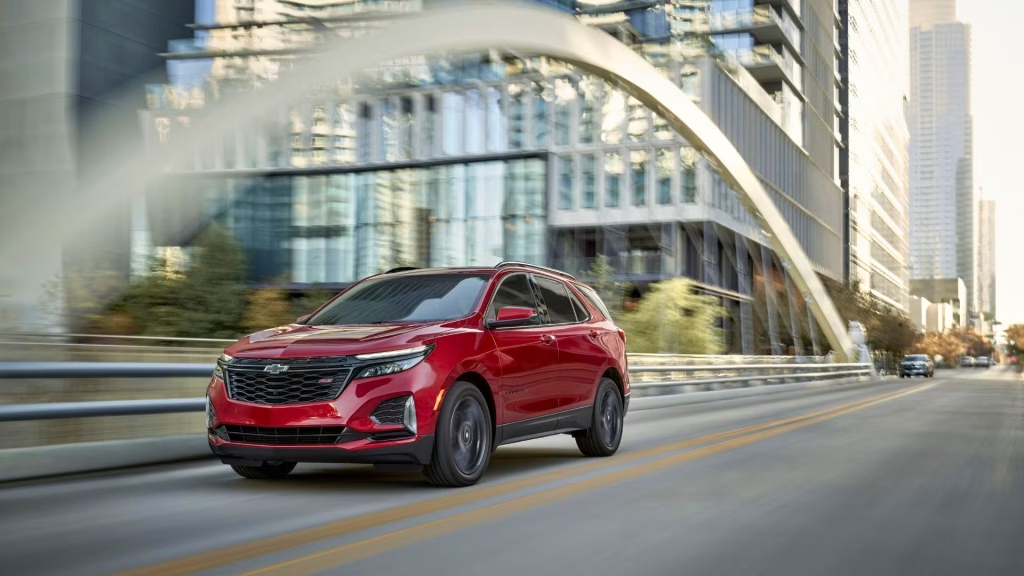
The automaker then has to transport those components to the factory and eventually ship the finished vehicle to dealers.
Labor, Engineering, and Logistics Push the Cost Higher
Labor is important, but it is only one part of the manufacturing equation. GM’s 2025 filing shows why. Since material costs accounted for roughly two-thirds of automotive cost of sales, everything else had to fit within the remaining portion, including labor, depreciation, engineering, freight and warranty expenses.
The manufacturing process also depends on workers outside the assembly line. Engineers spend years developing the vehicle before production begins. The company has to design the body, powertrain, suspension, electronics, and software; build prototypes; conduct durability testing; and complete safety validation.
Those development expenses are spread across the expected production volume. That creates an enormous advantage for high-volume family SUVs.
If an automaker spends hundreds of millions or more developing a vehicle and sells hundreds of thousands of examples, the development cost can be distributed across a much larger number of units than it could be for a low-volume model.
Regulatory testing adds another expense. Vehicles need to satisfy federal safety and emissions requirements, while automakers must also account for testing facilities, certification work, and engineering changes.
Logistics can become expensive as well. Components can travel between suppliers, assembly plants, and distribution centers before a completed SUV reaches a customer.
Tariffs can make that equation even more complicated. GM reported that increased material and freight costs in 2025 included $3.1 billion attributable to tariffs. It also reported $1.3 billion in increased warranty-related costs and campaigns.
These figures demonstrate why the cost of building a vehicle cannot be reduced to the price of its steel, engine, and seats.
Warranty exposure is particularly important. An automaker must account for the possibility that vehicles will require repairs after they have been sold. Recalls can create additional expenses through replacement parts, dealer labor, engineering work, and customer support.
The result is a manufacturing structure where the cost of each SUV extends far beyond the assembly line.
Toyota’s filings also demonstrate the importance of cost reduction. The company reported that its fiscal 2025 cost-reduction efforts included value engineering and manufacturing initiatives, while higher material prices and efforts to strengthen suppliers offset some of those savings.
This is why automakers constantly redesign components, share parts between models, and negotiate supplier prices.
A door handle that costs slightly less, a common electronic module used across several vehicles, or a simplified bracket can generate substantial savings when multiplied across hundreds of thousands of vehicles.
Why the Sticker Price Is Not the Automaker’s Profit
The biggest misunderstanding surrounding vehicle pricing is the assumption that the difference between manufacturing cost and MSRP is pure profit. It is not.
Consider an SUV with a $40,000 sticker price. The automaker still has expenses associated with research and development, administration, marketing, transportation, warranty support, and other business operations. Dealers also have their own facilities, employees, and operating expenses.
There can also be manufacturer incentives and dealer discounts between the advertised MSRP and the final transaction price.
This is why subtracting an estimated manufacturing cost from the sticker price does not reveal an automaker’s actual profit on a vehicle. Trim levels make the calculation even more complicated.
A base SUV and a $50,000 premium version may share the same basic body, engine, and platform. The more expensive model might add larger wheels, upgraded seats, advanced driver-assistance technology, a larger infotainment system, premium audio, and additional electronics.
Many of those additions increase the production cost, but they can also increase the selling price by substantially more than their incremental manufacturing cost.
That is one reason family SUVs are attractive products for automakers. They can be produced at high volumes while offering multiple trims and equipment packages.
Still, the exact manufacturing cost remains closely guarded. Automakers publish financial information detailed enough to reveal broad cost structures, but they generally do not disclose the negotiated price of every component or the precise manufacturing cost of an individual model.
Independent teardown and cost-analysis companies can estimate those figures by examining components, materials, labor, and logistics, but their numbers remain estimates rather than official manufacturer disclosures.
The most reliable conclusion is therefore not that a particular $40,000 SUV costs a specific amount to build. It is that materials generally represent the largest portion of automotive production costs, while labor, factory overhead, engineering, logistics, warranty expenses, and other costs make up much of the remainder.
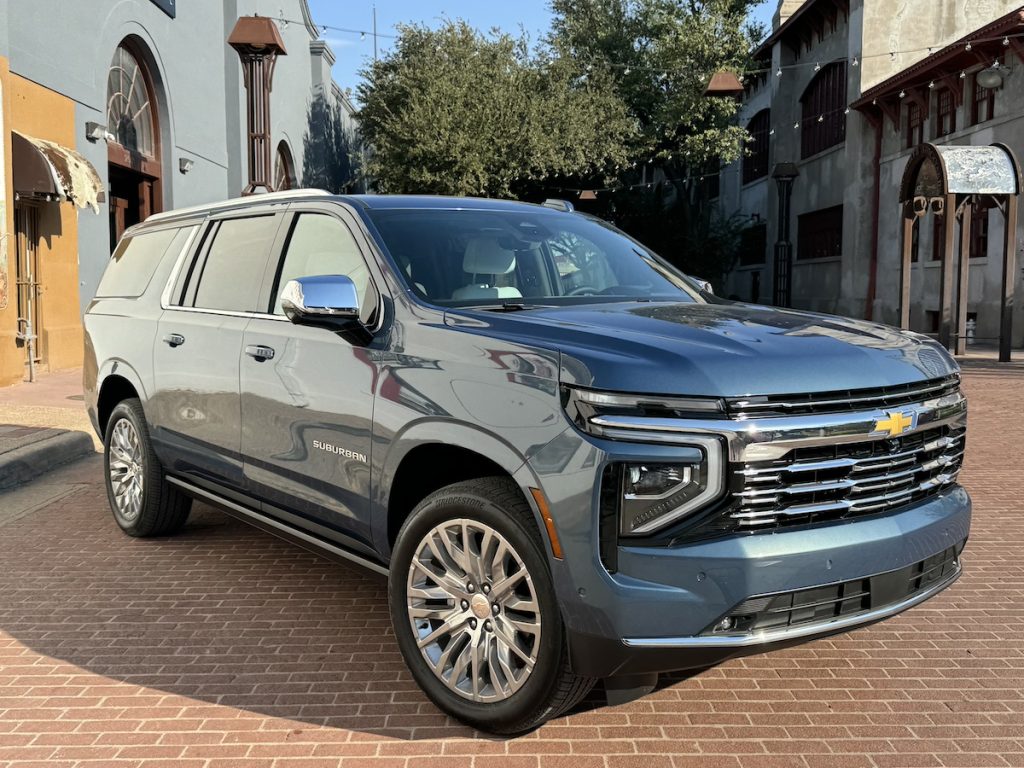
The manufacturing cost also varies dramatically between vehicles. A simple, high-volume gasoline SUV can have a very different cost structure from a heavily equipped hybrid or an electric SUV with a large battery pack. Higher trims increase component costs, while shared platforms and common parts can reduce development and manufacturing expenses.
This is also why automakers pay so much attention to production volume. The more vehicles they can build using the same architecture, components, and manufacturing equipment, the more efficiently they can spread development and tooling costs.
Ultimately, the price consumers see on a window sticker represents the final stage of a much larger economic chain.
Before a family SUV reaches a dealership, money has already been spent on raw materials, suppliers, engineering, factories, workers, tooling, software, testing, transportation, and quality control. After production, the automaker still faces warranty obligations and other operating expenses.
So while a $40,000 SUV might look like a simple product with a huge gap between its parts and retail price, the reality is considerably more complicated.
The true manufacturing cost of a family SUV is not one secret number. It is the combined result of materials, labor, factory investment, engineering, logistics, and warranty exposure, all shaped by production volume and supplier economics.
That is why the difference between what an SUV costs to build and what a customer pays should never automatically be mistaken for the automaker’s profit.
