

A car’s advertised price is rarely the final number on the paperwork. After negotiating the vehicle itself, buyers can encounter documentation charges, electronic filing fees, dealer-installed products, financing markups, and other items that can add hundreds or even thousands of dollars.
The important distinction is that not every dealer fee is a scam, and not every charge has literally zero cost to the dealership. Some represent real administrative work or state-required expenses.
The problem begins when ordinary overhead, optional products, or already-included services are presented as special costs that the customer must pay. Understanding where dealers can add margin gives buyers a much stronger position before signing.
1. VIN Etching
VIN etching is one of the easiest charges for a dealer to turn into profit because the actual physical process can be inexpensive while the amount appearing on a buyer’s contract can be considerably higher.
The service typically involves placing the vehicle identification number onto the glass or applying an identifying marking intended to make stolen parts or the vehicle easier to trace.
The Federal Trade Commission specifically lists VIN etching among common dealer add-ons and makes clear that such products are optional rather than automatically required to purchase a vehicle.
The important issue is not whether the dealership performed some work. It is the relationship between that work and the price being charged. A dealer might present a VIN-etching package for several hundred dollars even though the incremental materials and labor involved can be relatively small.
In some cases, the vehicle may also arrive already equipped with etched glass or another identification system, meaning the buyer should ask exactly what is being provided before paying for it.
The FTC has warned consumers that add-ons can cost thousands of dollars and may appear late in the purchasing process, when buyers are tired and less likely to challenge individual charges. The agency advises customers to ask for the price of every add-on and confirm that the contract contains only products they actually agreed to purchase.
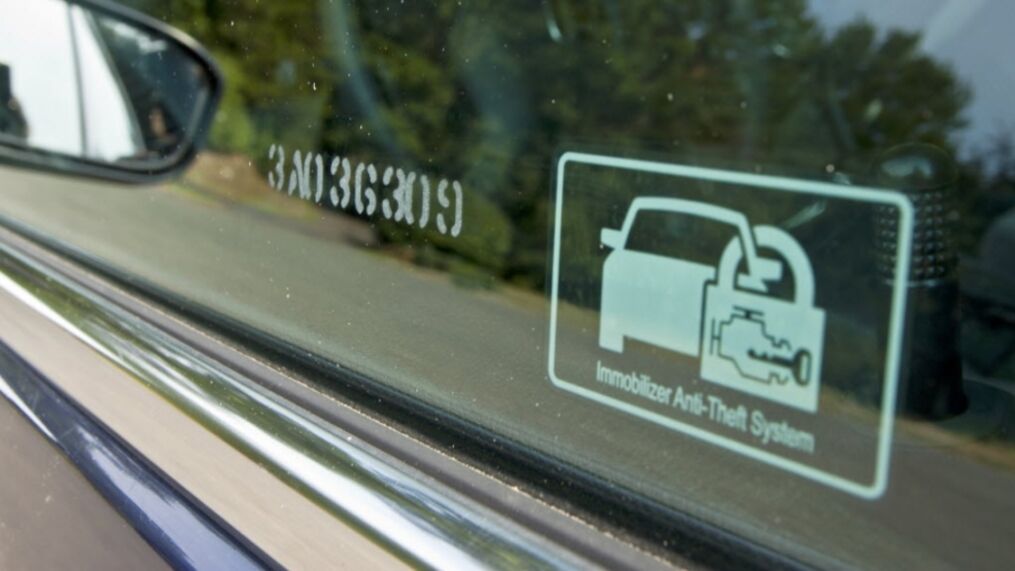
There is another important distinction: a VIN-etching fee is not the same thing as a government registration charge. If the dealer says it is mandatory, ask for the legal requirement in writing. Optional dealer products generally do not become mandatory simply because they appear on a worksheet.
The best response is simple: ask whether the vehicle already has VIN identification, ask what the product actually includes, and decline it if you do not want it.
2. Nitrogen Tire Fill
A nitrogen tire charge can sound technical enough to make buyers hesitate before questioning it. The dealership may explain that nitrogen can reduce pressure loss or improve tire-pressure stability, then present the service as an important upgrade.
The reality is much less dramatic: ordinary air is already approximately 78% nitrogen, so a tire filled with conventional compressed air already contains mostly nitrogen.
That does not mean nitrogen has no legitimate uses. Specialized applications, including racing and aviation, can have reasons for using nitrogen.
For an ordinary passenger vehicle, however, the FTC has specifically cited so-called nitrogen-filled tires as an example of a potentially bogus add-on when the product provides no meaningful benefit to the consumer. The agency’s proposed rules specifically referenced tires containing no more nitrogen than normal air as an example of a junk fee concern.
This is where the dealer’s cost and the customer’s charge can become very different things. Adding nitrogen to a tire does not require replacing the tire, changing the wheel, or installing a complicated mechanical component.
The dealership may have equipment for supplying nitrogen, but the service itself can require relatively little time and material compared with a substantial line-item charge.
More importantly, tire pressure remains the critical issue. Whether a tire contains ordinary air or a higher concentration of nitrogen, maintaining the manufacturer’s recommended pressure is essential for handling, tire wear, and fuel economy.
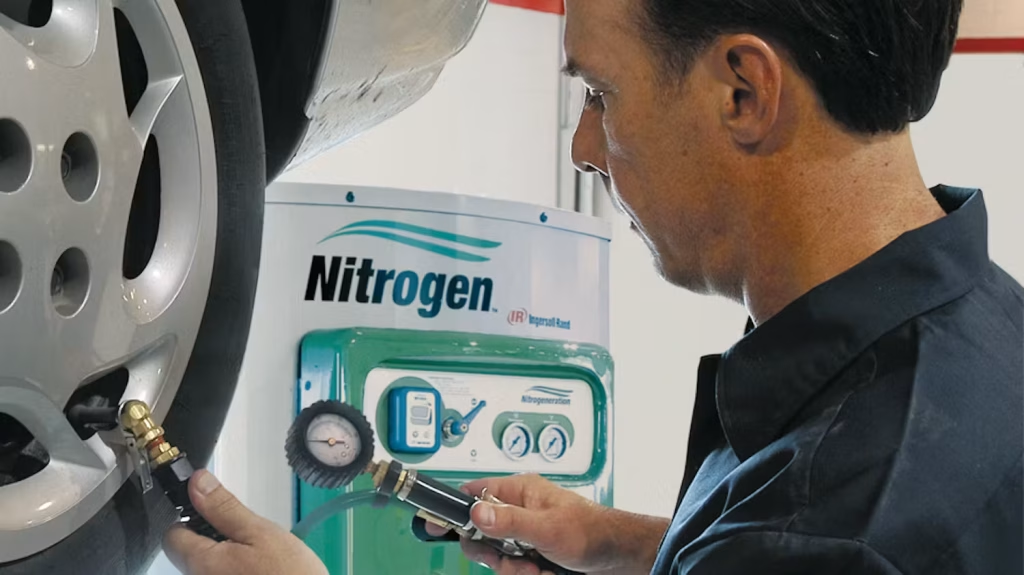
The FTC has repeatedly advised consumers to question optional dealer add-ons and determine whether they actually provide value. A buyer who is offered a nitrogen package should therefore ask what measurable benefit it provides, what exactly is included, and whether the charge is optional.
If the answer is simply that the dealership recommends it, that is not the same as a requirement. You can decline the package and maintain your tires using the manufacturer’s recommended pressure.
3. Dealer-Installed Paint Protection
Paint protection is one of the easiest products to turn into a high-margin add-on because the dealership can present a relatively simple treatment as a premium protection package.
The FTC specifically identifies paint protection among the types of dealer add-ons consumers should question, alongside products such as VIN etching and rustproofing. The agency advises buyers to determine exactly what they are paying for and whether they actually want the product.
The important distinction is that paint protection itself is not necessarily worthless. A legitimate ceramic coating, paint sealant, or protective film can provide a genuine benefit when correctly applied.
The problem occurs when a dealer automatically adds a vague “paint protection” charge without clearly identifying the product, application process, warranty, or coverage.
The cost to the dealership can also be far lower than the price presented to the customer. A dealer may already have technicians applying similar products as part of its vehicle preparation process, meaning the buyer could be charged hundreds of dollars for something that required relatively little additional material or labor.
That is why the FTC recommends asking for the exact price and details of every add-on. Buyers should request the product name, warranty terms, duration of protection, and whether the treatment has already been applied before they arrive.
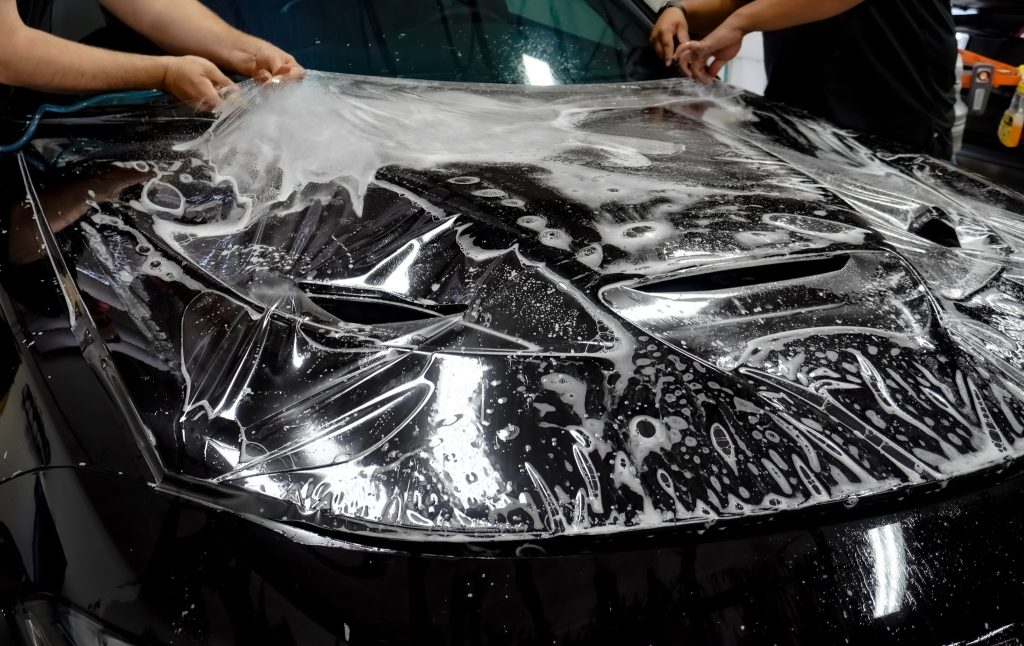
There is another useful negotiating tactic: ask whether the vehicle can be purchased at the advertised price without the protection package. If the salesperson says it cannot be removed, ask whether the charge is a manufacturer option, a government requirement, or simply a dealer-installed product. Those are very different categories.
A buyer who genuinely wants paint protection can also compare the dealer’s price with independent detailing businesses. The CFPB notes that optional add-ons are generally negotiable, so there is little reason to assume the dealer’s first price is the final price.
4. Window Tinting
Window tint is another charge that can look like a legitimate vehicle expense while offering the dealership a substantial opportunity for markup. Unlike taxes, title fees, and registration charges, dealer-installed tint is generally an optional aftermarket product.
The CFPB specifically lists physical add-ons such as window tint among products consumers can negotiate or decline.
There is nothing inherently wrong with paying for quality tint. Professional window film can reduce solar heat entering the cabin, provide some ultraviolet protection, and improve privacy. The issue is whether the dealer is charging a reasonable amount for the actual product and installation.
The buyer should ask several straightforward questions before agreeing. What brand and grade of film is being installed? Is it dyed, carbon, ceramic, or another type? What is the warranty? What percentage of visible light transmission will the glass have?
Most importantly, has the tint already been installed, or is it being added specifically because the customer requested it?
That last question can matter enormously. Some dealerships install tint on vehicles before displaying them and then attempt to treat the resulting cost as mandatory. If the product was installed as part of the dealer’s preparation process, that does not automatically mean the buyer must accept the dealer’s chosen price.
State law also matters because window-tint limits vary across the United States. A buyer should make sure the proposed tint is legal for the specific windows on the vehicle before paying for it.
The FTC warns that dealers may present optional products late in the purchase process, when customers have already spent hours negotiating and are more likely to accept additional charges.
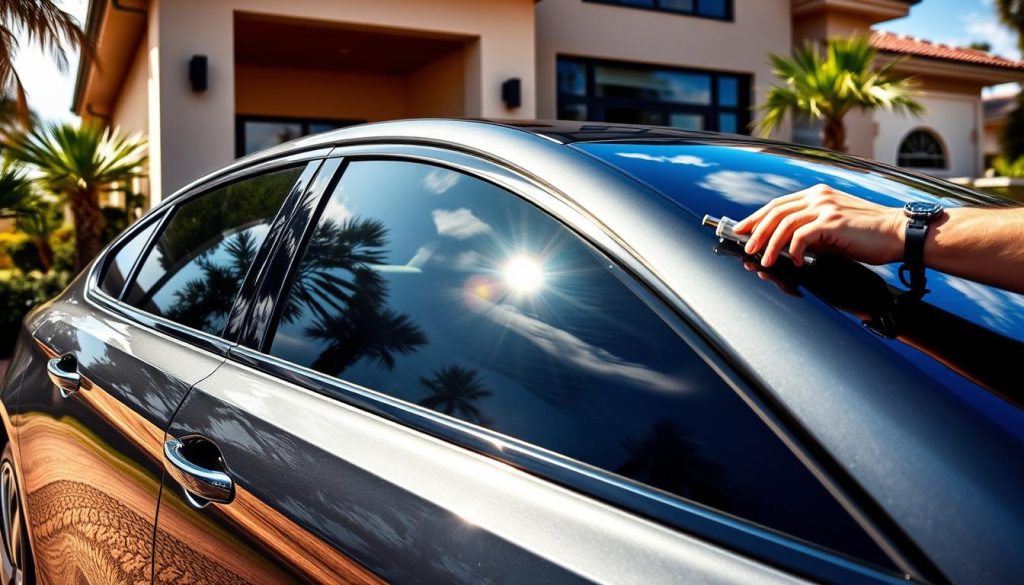
The smartest approach is to separate the vehicle price from the accessory price. If you want the tint, negotiate it as a standalone product. If you do not want it, ask for the vehicle without the charge.
5. Dealer Documentation Fee
A documentation fee is one of the most misunderstood charges on a car-buying worksheet because it can represent both legitimate administrative work and a significant source of dealer profit.
The dealership may need to prepare paperwork, process documents, and handle electronic submissions, but that does not mean the amount charged to the customer equals the dealer’s actual cost.
The Federal Trade Commission distinguishes legitimate government charges from dealer-imposed fees and advises consumers to ask what each fee covers before agreeing to it. Documentation fees can vary substantially from one dealership and state to another, and some states regulate how much dealers may charge.
The important point is that a documentation fee is generally not the same as a government tax or registration fee. A dealer may collect those government charges on behalf of the state, while a documentation fee is typically retained by the dealership.
This is where negotiation becomes important. The CFPB advises consumers that various dealer charges can be negotiated when purchasing a vehicle. If the dealer refuses to reduce the documentation fee, you can instead negotiate the vehicle’s selling price to compensate for it.
A useful tactic is to negotiate the out-the-door price, rather than becoming distracted by individual fees. That figure incorporates the vehicle price, dealer charges, taxes, and government costs, giving you a clearer basis for comparison.
A documentation fee, therefore, should not automatically be called fraudulent. The problem comes when buyers assume every dollar on the line is an unavoidable government expense.
6. Dealer Advertising Fee
An advertising fee can appear particularly confusing because the dealership may tell you that the manufacturer or regional distributor requires it. In some cases, advertising expenses are legitimate business costs incurred by dealers.
The important question for a buyer is whether the fee is actually an unavoidable charge tied to the specific vehicle or simply another amount being added to the transaction.
Advertising is normally part of a dealership’s cost of doing business. Dealers advertise inventory through television, websites, social media, newspapers, direct mail, and manufacturer-supported campaigns.
Those expenses help the dealership attract customers, but they do not necessarily create a unique product or service for the individual buyer.
That is why consumers should ask exactly what an “advertising fee” represents. If it is listed separately on the buyer’s paperwork, ask whether the charge is mandated by the manufacturer, required by state law, or simply imposed by the dealership. Those distinctions can materially affect how negotiable it is.
The CFPB recommends negotiating the components of a vehicle transaction and focusing on the complete purchase price rather than allowing individual fees to obscure the real cost.
A dealer may refuse to remove an advertising fee from the worksheet, but that does not necessarily mean the customer has no negotiating power. You can instead negotiate a lower selling price that offsets the charge.
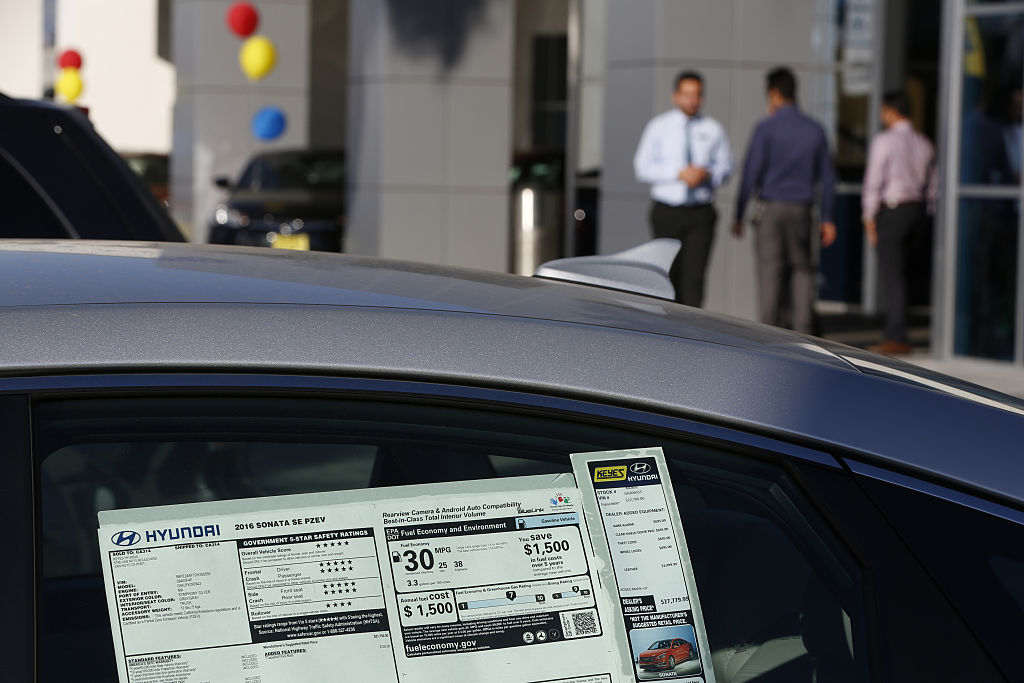
The strongest approach is to compare the out-of-the-door price from multiple dealers. If one dealership adds a $500 advertising charge while another offers the same vehicle for $500 less with no such fee, the reason for the fee matters less than the final amount you pay.
7. Dealer Preparation Fee
A dealer preparation fee can sound like a charge for a specific service performed on your vehicle, but the reality depends heavily on what the dealership means by “preparation.” Dealers routinely have employees inspect vehicles, wash them, fuel them, remove shipping materials, install plates or temporary equipment, and prepare them for delivery.
Those activities are part of getting inventory ready for sale, but a separate fee does not necessarily mean the dealership incurred a matching cost for every dollar charged.
The CFPB specifically identifies preparation fees among dealer charges that consumers may encounter during a vehicle purchase and says buyers can negotiate certain dealer costs.
This makes the wording important. Ask the dealer to provide an itemized explanation of what the preparation fee covers. If it includes services that are already part of the dealer’s normal vehicle preparation process, you have a legitimate reason to question why they are being presented as an additional mandatory expense.
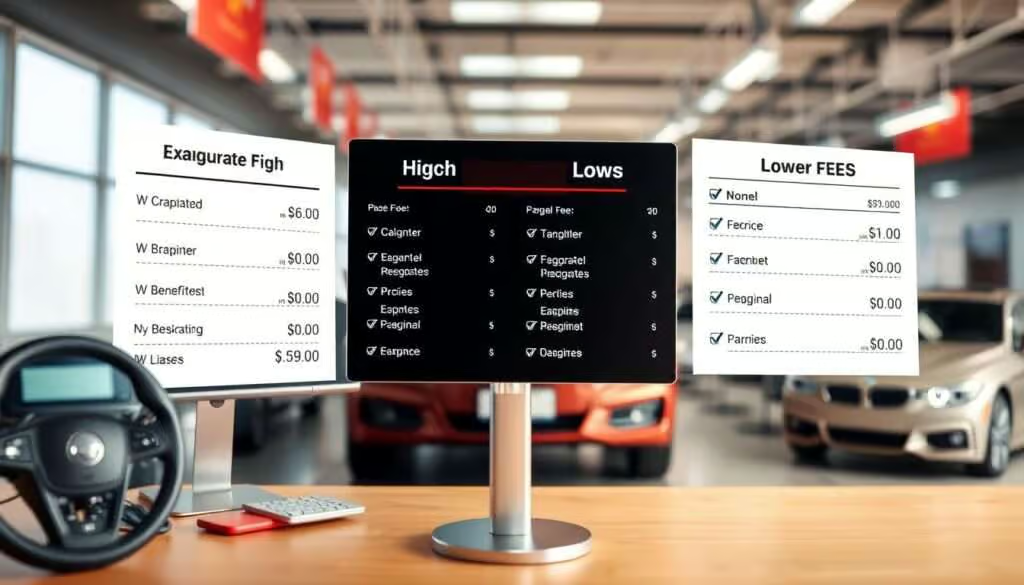
The FTC also recommends obtaining the out-of-the-door price in writing before visiting the dealership. That makes it much easier to spot fees that appear later in the transaction.
A preparation fee is therefore not automatically illegitimate. The issue is whether the charge is clearly disclosed, accurately described, and reflected in the price you agreed to.
8. Electronic Filing Fee
An electronic filing fee can be legitimate in some situations, but buyers should not assume every amount labeled “electronic filing” represents a government charge. Dealers increasingly process registration, title, and other paperwork electronically, and certain states or third-party systems can involve genuine costs.
The important distinction is between a government-mandated charge and a fee created by the dealership. The CFPB notes that dealer fees can include document and other processing charges, while taxes, title fees, and registration charges established by government authorities generally are not negotiable.
If an electronic filing fee appears on your contract, ask who receives the money. Is it paid to a state agency? Is it paid to a third-party registration service? Or does the entire amount remain with the dealership? The answer can make a major difference.
You should also ask whether the fee is already incorporated into the dealership’s advertised price. In March 2026, the FTC warned 97 auto dealership groups that advertised prices must include mandatory fees consumers are required to pay.
This does not mean every electronic filing charge is automatically invalid. It means the buyer should understand precisely what it represents instead of treating every line item as unavoidable.

The simplest strategy is to request an itemized breakdown before signing. If the dealer says the charge is legally required, ask for the applicable state requirement. If it is a dealer-created processing charge, negotiate the vehicle price accordingly.
9. Dealer Finance Markup
The interest rate offered in the dealership’s finance office can contain something the buyer never sees: a dealer-arranged financing markup.
When a dealer arranges a loan through a bank or credit union, the lender may provide a rate to the dealer, and the dealer can potentially offer the customer a higher rate. The difference can become additional dealer compensation.
The CFPB specifically warns that dealer-arranged financing can be more expensive than obtaining a loan directly from a bank or credit union, because the dealer may have an incentive to charge more for the financing. It recommends comparing outside financing offers and negotiating the rate with the dealer.
This does not mean every dealer increases every customer’s rate. Credit profile, lender programs, vehicle type, loan term, and market conditions can all influence the final APR. The important point is that the dealer’s financing offer is not necessarily the only available option.
For example, if your bank has already approved you at one rate, you have a useful benchmark before entering the finance office. The dealer may be able to beat it, match it, or offer different terms. Without that comparison, it is harder to know whether the rate being presented is competitive.
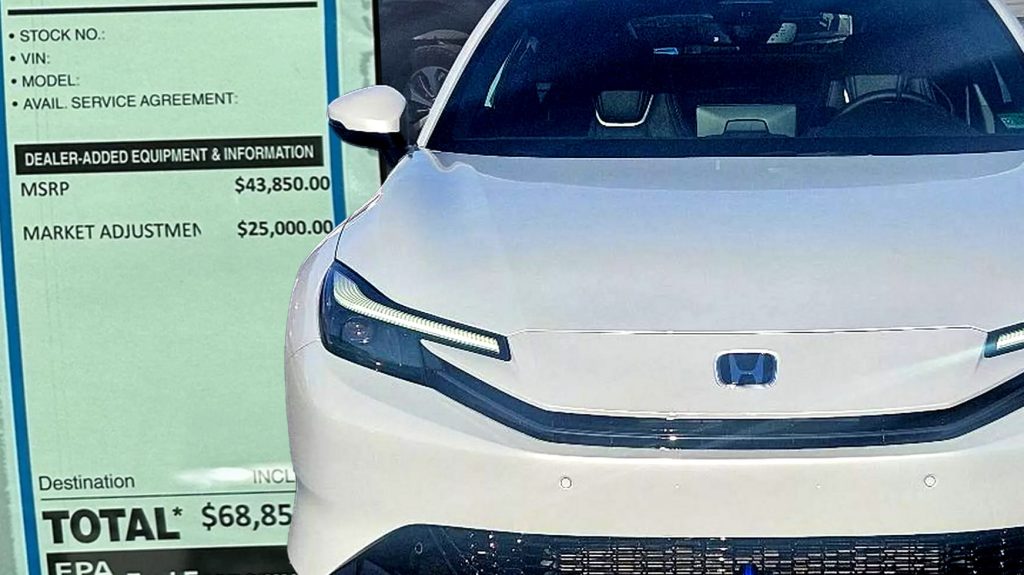
The CFPB also recommends looking beyond the monthly payment because a higher interest rate can substantially increase the total amount paid over the life of the loan.
A smart buyer should therefore negotiate the APR separately from the vehicle price and ask for the exact interest rate, loan term, amount financed, and total finance charge.
10. Extended Warranty Markup
An extended warranty or vehicle service contract can provide genuine protection, but the price presented by a dealership is not necessarily the cost of the underlying coverage. Dealers commonly sell these contracts through the finance and insurance department, and the price can include a markup above the provider’s underlying cost.
The CFPB identifies extended warranties and service contracts as optional add-on products. Buyers are not generally required to purchase one to obtain an auto loan, and the agency advises consumers to compare products and prices before agreeing.
That distinction matters because a service contract is not the same thing as the manufacturer’s factory warranty. It may cover only specified components, have a deductible, exclude particular repairs, impose mileage or time limits, or require repairs to meet specific conditions.
The CFPB has also highlighted situations in which consumers financed add-on products as a lump sum and then continued paying for them through the loan. If the loan ends early, certain products may qualify for a prorated refund depending on their terms.
Before purchasing one, ask for the contract itself. Look at the coverage period, deductible, exclusions, cancellation policy, administrator, and claim procedures. Then compare the price with other providers.
A dealer may offer a legitimate service contract, but that does not make the first quoted price automatically reasonable. The buyer can negotiate the price or decline it entirely.
