
A used-car listing can make a questionable vehicle look like the bargain of the year. A low price, spotless photos, and phrases such as “runs great” can create confidence before you have even seen the car.
The problem is that an online advertisement rarely tells the complete story. The FTC recommends checking a vehicle’s history, confirming its condition through an independent inspection, and understanding exactly what the seller is offering.
VIN information, title history, mileage, accident records, warranty terms, and pricing can all change the risk of a purchase. These ten warning signs can help you recognize listings that deserve much more scrutiny before you spend your money.
1. The Listing Refuses to Show the VIN
A missing VIN is one of the first things that should make a used-car shopper slow down. The 17-character Vehicle Identification Number is essentially the vehicle’s identity, and it allows a buyer to connect the advertisement with government, manufacturer, and vehicle-history information.
The Federal Trade Commission recommends getting a vehicle history report before purchasing a used vehicle. NMVTIS-approved reports can provide information concerning title history, odometer data, and certain damage information. The FTC also recommends checking the VIN when investigating a used vehicle’s history.
That makes a seller who refuses to provide the VIN particularly difficult to evaluate. There can be legitimate privacy or security concerns about displaying a complete VIN publicly, so the absence of a VIN from a public advertisement does not automatically mean the car is fraudulent.
The important distinction is whether the seller will provide the VIN privately when you show serious interest.
A much bigger warning sign appears when the seller repeatedly avoids giving it to you. Without the VIN, you cannot properly compare the advertised mileage with available history records, investigate title branding, or check the vehicle against certain safety information.
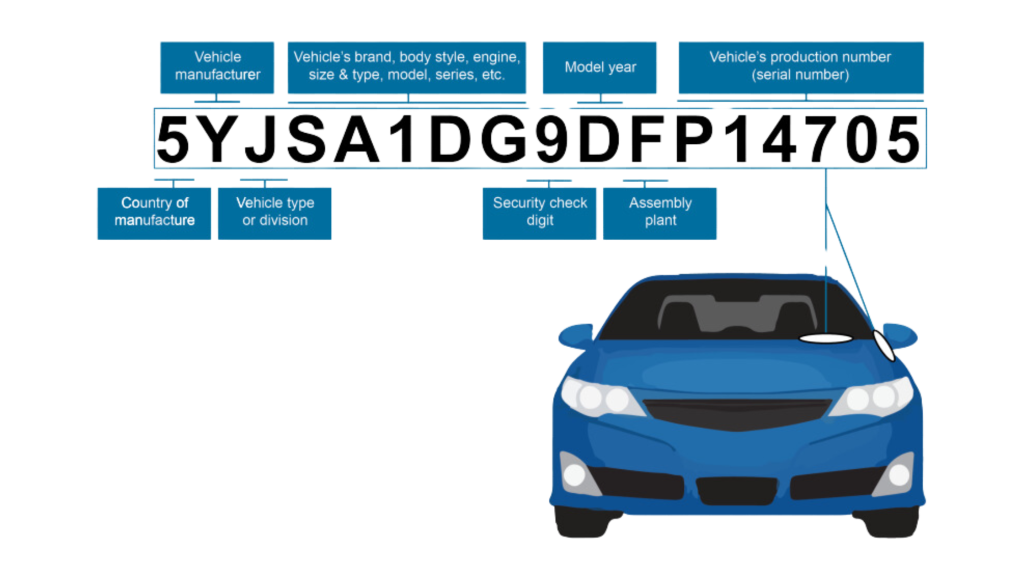
NHTSA also allows consumers to search for safety recalls using a VIN. The agency says its VIN search can show unrepaired safety recalls associated with a particular vehicle.
A legitimate seller should understand why a serious buyer wants this information. If the response is evasive, aggressive, or repeatedly delayed, there is little reason to rush toward a purchase.
What to check before proceeding:
Complete 17-character VIN.
VIN on the listing versus VIN on the vehicle
Title and registration information
Vehicle history report
Open safety recalls
2. The Price Is Dramatically Lower Than Comparable Cars
A spectacularly cheap used car can be exciting, but an unusually low price should trigger questions rather than an immediate deposit. Price by itself does not prove anything is wrong.
A seller may need to move a vehicle quickly, the car may have cosmetic damage, or local market conditions may legitimately produce a lower asking price. The problem is when the discount is large, and the explanation is weak.
The FTC specifically warns consumers about deceptive vehicle advertising involving unusually attractive prices. The agency advises buyers to confirm that the advertised price is actually available and to obtain the out-the-door price in writing.
This matters because an advertised number may not represent the amount you will actually pay. Dealer advertisements can sometimes feature discounts, financing conditions, or mandatory charges that change the final transaction price.
In March 2026, the FTC warned 97 auto dealership groups about deceptive pricing and emphasized that advertised prices must include mandatory fees consumers are required to pay.
Private-party listings carry a different risk. An unusually low price could indicate title problems, serious mechanical defects, flood damage, accident history, or an attempt to attract buyers into a fraudulent transaction.
The best response is not to dismiss every cheap car. Instead, compare several similar vehicles using the same year, trim, mileage, and condition. Then ask the seller why this particular vehicle is priced substantially below comparable examples.
If the answer does not make sense, investigate the VIN and arrange an independent inspection before discussing payment. The cheaper the vehicle looks, the more important those checks become.
Before treating a low price as a bargain:
Compare similar vehicles.
Request the complete VIN.
Verify title status.
Ask for the reason behind the discount.
Get an independent inspection before purchasing.
3. The Mileage in the Ad Does Not Match the Story
Mileage is one of the most valuable pieces of information in a used-car listing, which is why inconsistencies deserve immediate attention. A listing might advertise a vehicle with 72,000 miles, while the seller’s description mentions that the previous owner “barely drove it,” or the photographs may show an odometer reading that does not match the advertised number.
A mileage discrepancy does not automatically prove fraud. There can be innocent explanations, such as a replacement instrument cluster or an incorrectly entered listing. What matters is whether the seller can explain the difference and provide documentation supporting the current odometer reading.
The FTC recommends obtaining a vehicle history report before purchasing a used car. Such reports can contain title information, reported odometer readings, accident records, and other historical information. The FTC also notes that a history report is not a substitute for an independent mechanical inspection.
That makes the mileage timeline particularly important. Suppose a vehicle’s history shows 94,000 miles two years ago, but the current listing claims 78,000 miles. That is a much more serious issue than a simple typo.
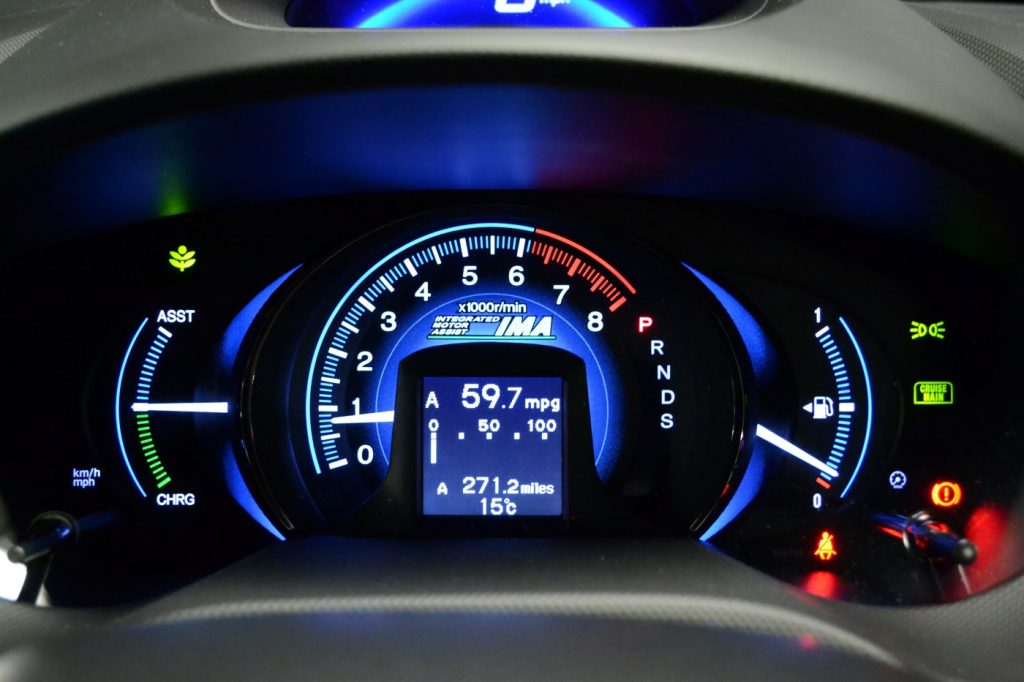
Buyers should also remember that odometer fraud is not always obvious from the number displayed on the dashboard. A vehicle can have a relatively low current reading while having accumulated substantially more mileage earlier in its life.
The safest approach is to compare the listing against multiple records and ask the seller to explain any inconsistency before arranging payment.
Check these details:
Current odometer reading
Previous mileage records
Title and registration information
Service and maintenance invoices
Vehicle history report
4. The Listing Uses “As-Is” Language Without Explaining the Car’s Condition
“As-is” is a phrase that should make a used-car buyer pay closer attention, not necessarily walk away immediately.
An as-is sale can be legitimate, particularly in private-party transactions, but it means the buyer needs to understand exactly what condition the vehicle is being sold in and what protection, if any, exists after the transaction.
For dealer sales, the FTC’s Used Car Rule requires most dealers who sell more than five used vehicles in 12 months to display a Buyer’s Guide on vehicles offered for sale.
The guide indicates whether the vehicle is being sold as-is or with a warranty and identifies important information about the vehicle’s major mechanical and electrical systems.
That makes a listing that vaguely says “as-is, no warranty” worth investigating. The phrase itself does not tell you whether the car is mechanically sound. It simply describes the legal terms under which the seller may be offering it.
The bigger warning sign is when the seller uses the phrase to avoid answering basic questions. If you ask whether the transmission slips, whether the engine consumes oil, whether warning lights are illuminated, or whether the vehicle has been in a major accident, you should expect a clear answer.
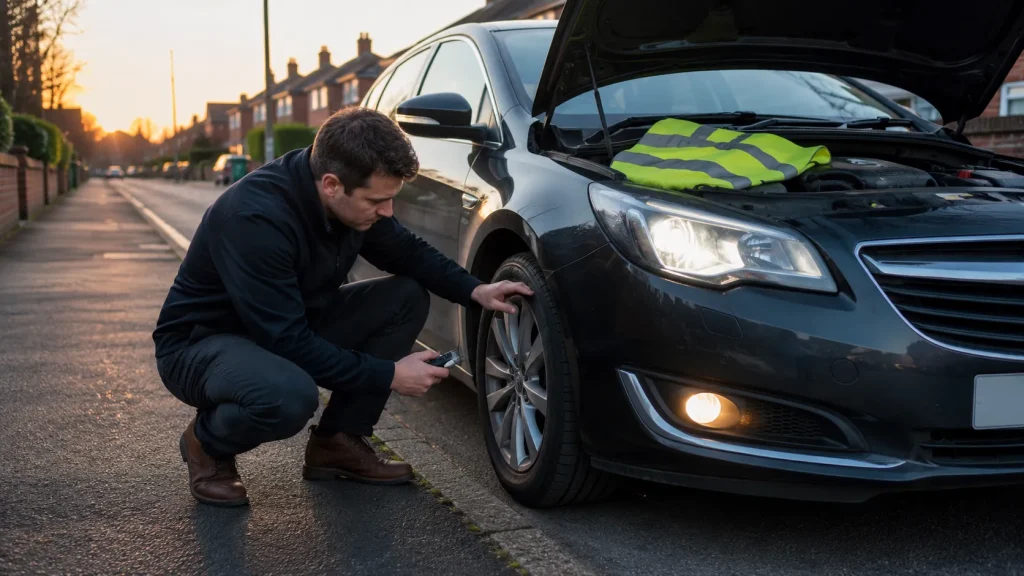
The FTC also recommends getting an independent inspection before buying a used vehicle, even when a dealer claims the car has already been inspected or certified. A vehicle history report can reveal important historical information, but it generally cannot replace a hands-on mechanical examination.
If the seller refuses an independent inspection while simultaneously emphasizing that the vehicle is being sold as-is, the risk becomes considerably higher.
Before accepting an as-is deal:
Read the Buyer’s Guide carefully.
Ask what defects are known.
Request everything in writing.
Obtain a vehicle history report.
Arrange an independent inspection.
5. The Photos Look Too Perfect, Too Few, or Clearly Staged
Photos are often the first thing that sells a used car, which is exactly why buyers should pay attention to what an advertisement does not show. A listing with one glossy exterior photograph, stock images, heavily edited pictures, or carefully cropped angles gives you very little evidence about the vehicle’s actual condition.
The FTC recommends looking closely at online vehicle listings and doing research before purchasing. It also recommends obtaining a vehicle-history report and having the car independently inspected before committing to the purchase.
A suspicious photo pattern can include only pictures of the driver’s side, no images of the engine bay, no dashboard photograph showing the odometer, no close-ups of the wheels or tires, and no pictures of the interior’s worn areas.
A seller may have perfectly innocent reasons for leaving out certain photographs, but refusing to provide additional pictures when specifically asked is different.
Pay particular attention to images that appear to be stock photography rather than photographs of the actual vehicle. The FTC warns online shoppers generally to make sure listings show the actual item rather than relying on stock images.

Flood-damaged vehicles deserve particular caution. NHTSA warns that flood vehicles can look fine after being cleaned up and says buyers should check for musty odors, excessive air freshener, dirt or waterlines in hidden areas, and unusual rust or corrosion.
Ask the seller for fresh photographs showing today’s date, the VIN, the odometer, the engine bay, the underbody, the tires, and any damaged areas. If the seller becomes evasive, the photographs have already provided useful information.
Before moving forward:
Request photographs of every side.
Ask for the actual dashboard and odometer.
Inspect the engine bay and underbody.
Look for water damage or suspicious cleaning.
Compare photographs with the vehicle in person.
6. The Seller Says, “No Inspection Needed”
Few statements should make a serious used-car buyer more cautious than a seller insisting that an independent inspection is unnecessary. The seller may genuinely believe the vehicle is excellent, but that does not eliminate the buyer’s need to verify the claim.
The FTC specifically recommends having a used vehicle inspected by an independent mechanic before purchasing it. The agency says a vehicle history report is not a substitute for an independent mechanical inspection because history reports can contain accident or flood information while typically not identifying every mechanical problem.
That distinction is extremely important when evaluating an online listing. A car can have a clean-looking history report and still have worn suspension components, leaking fluids, transmission problems, neglected maintenance, or other mechanical defects that are not obvious from photographs.
A seller who says, “You’re welcome to have it inspected,” is giving the buyer an opportunity to verify the claims. Someone who says, “My mechanic already checked it, so you don’t need your own inspection,” is asking you to rely on their assessment instead.
The FTC even advises buyers to consider walking away from a dealer who will not allow an independent inspection. A mobile inspection service can sometimes be used when taking the vehicle off the lot is inconvenient or restricted.
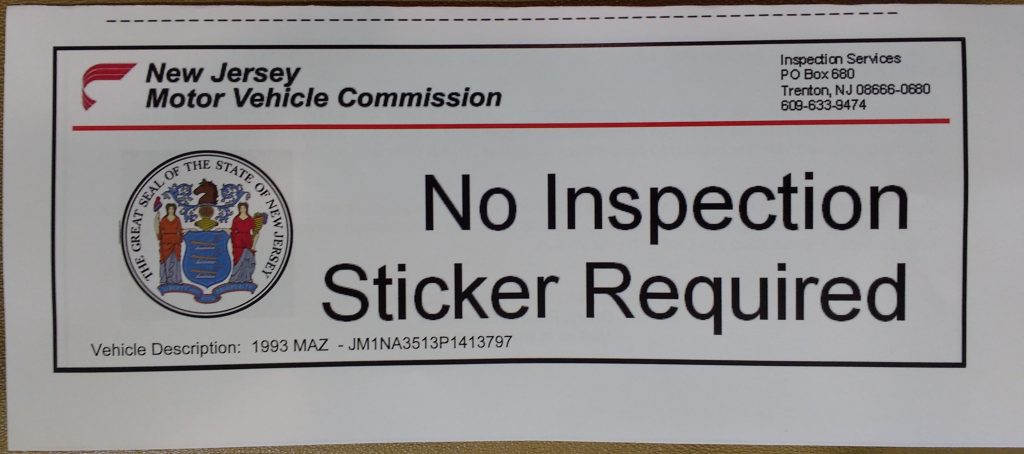
The inspection should also be more than a quick visual glance. Ask for a written report identifying the vehicle by make, model, and VIN and documenting necessary repairs. That report can also become a negotiating tool if legitimate maintenance issues are discovered.
A used car is too expensive a purchase to evaluate entirely through photographs and a seller’s promises.
A serious buyer should:
Arrange an independent pre-purchase inspection.
Choose the mechanic whenever possible.
Request a written inspection report.
Ask for estimated repair costs.
Walk away if the seller refuses reasonable inspection access.
7. The Listing Mentions a Recent Accident but Gives Almost No Details
“Minor accident” can sound harmless, but those two words can cover a surprisingly wide range of repairs. A scraped bumper and a vehicle with structural damage are obviously not the same thing, yet a short online listing may describe both simply as having been in an accident.
That is why an accident disclosure should lead to questions, not assumptions. The FTC recommends obtaining a vehicle history report before purchasing a used vehicle and getting an independent inspection. A history report may contain accident and damage information, but it is not a substitute for examining the actual vehicle.
Look for specifics in the advertisement. Does the seller identify which panels were damaged? Is there documentation from the repair? Was an insurance claim filed? Does the title carry a salvage or rebuilt brand? Has the vehicle been inspected since the repair?
The absence of details does not prove that the seller is hiding something. However, vague language becomes more concerning when the seller refuses to provide photographs, repair invoices, or the VIN.

Structural repairs deserve particular attention because cosmetic repairs can make a seriously damaged vehicle appear nearly flawless. An independent mechanic or qualified body shop professional can examine areas that are difficult for an ordinary buyer to evaluate.
A buyer should also compare the accident information with the vehicle-history report. If the seller describes a tiny parking-lot incident but the history shows substantial collision damage, the discrepancy deserves an explanation before any money changes hands.
Before proceeding:
Request the accident history.
Ask for repair invoices and photographs.
Check the title for branding.
Compare the seller’s story with the history report.
Get an independent inspection.
8. The Listing Says “Clean Title,” but the Vehicle’s History Is Unclear
“Clean title” is one of the most reassuring phrases a buyer can see in a used-car advertisement, but it should never be treated as the entire vehicle history. A title status is important, yet a clean title does not guarantee that a vehicle has never experienced serious damage.
The FTC recommends checking a vehicle’s history before purchase, while NHTSA warns that flood-damaged vehicles can sometimes be cleaned up and sold in another state. NHTSA specifically cautions buyers to look for unusual rust or corrosion, dirt or waterlines in hidden areas, and strong odors that could indicate attempts to mask water damage.
The phrase “clean title” therefore deserves context. A seller may be accurately describing the current title while leaving out information that appears elsewhere in the vehicle’s history.
Title washing is particularly concerning because moving a vehicle between states can sometimes complicate how previous damage appears in records. That is why the FTC recommends using title-history information and vehicle-history reports rather than relying entirely on a seller’s description.
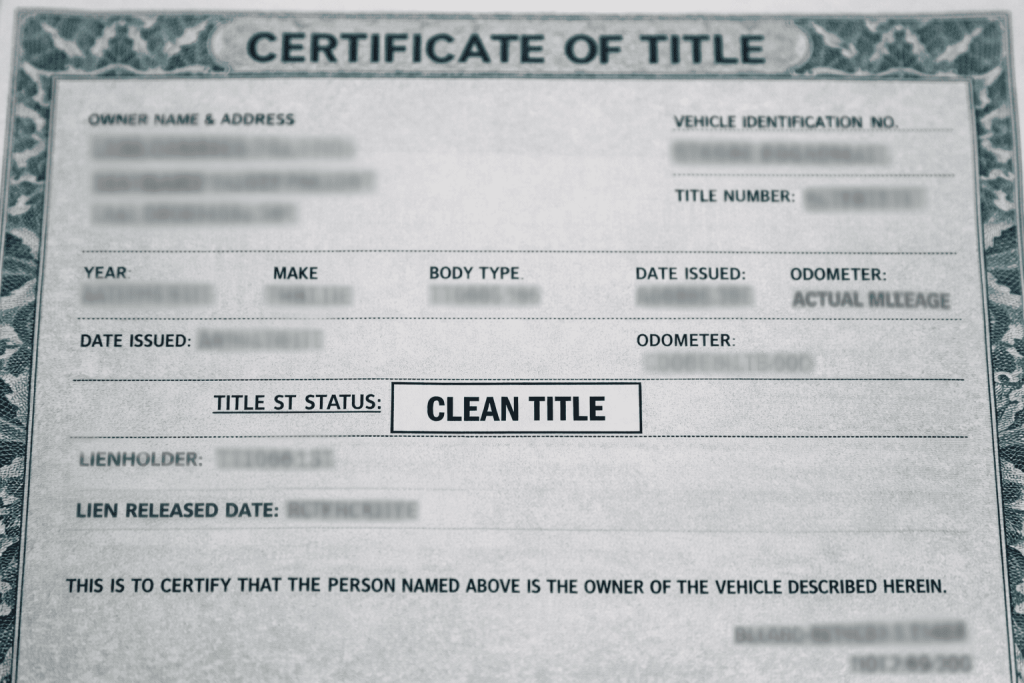
Flood damage deserves special attention because electrical and mechanical problems can emerge later. NHTSA notes that water damage may not immediately manifest as a problem and can affect a vehicle for years.
A clean title is therefore useful information, but it is not a mechanical inspection, and it is not a guarantee that the car has an untouched history.
A careful buyer should verify:
Current title status
Previous states where the vehicle was titled
Odometer history
Accident and flood records
Salvage or rebuilt history
Signs of previous water exposure
9. The Seller Wants a Deposit Before You See the Car
A used-car listing becomes considerably more dangerous when the seller wants money before allowing you to properly inspect the vehicle. A deposit can be legitimate in some transactions, particularly when a buyer is reserving a vehicle, but the circumstances surrounding the payment matter.
The FTC has warned consumers about online used-car scams and recommends researching the seller, obtaining vehicle-history information, and inspecting the vehicle before committing to a purchase.
The agency specifically advises consumers to be cautious when shopping for vehicles online because fraudulent sellers can use attractive listings to pressure buyers into sending money.
A serious seller should generally be comfortable with reasonable verification. You should be able to confirm the VIN, examine the title, inspect the vehicle, and establish who legally owns it before handing over a substantial amount of money.
Be particularly cautious when the seller claims that several other buyers are waiting and demands an immediate deposit to “hold” the vehicle. Artificial urgency is useful to scammers because it encourages buyers to skip precisely the checks that could reveal a problem.
Payment instructions can provide another warning. Requests for wire transfers, cryptocurrency, gift cards, or payments to a person whose name does not correspond with the seller or title holder deserve serious scrutiny.

The FTC recommends researching the seller and getting important information in writing. A legitimate transaction should leave you with documentation identifying the vehicle, seller, purchase terms, and payment arrangement.
A deposit is therefore not automatically a scam. The red flag is being asked to pay before you have enough information to establish what you are actually buying.
Before paying anything:
Verify the VIN.
Confirm the seller’s identity.
Inspect the title.
See the actual vehicle.
Agree on written deposit terms
Avoid pressure to pay immediately.
10. The Listing Claims “No Issues” but Gives No Maintenance Records
“No issues,” “runs perfect,” and “needs nothing” sound reassuring, but these phrases are descriptions, not evidence. A used vehicle can drive normally during a short test drive while still having overdue maintenance, expensive wear items, or problems that have not yet become obvious.
The FTC recommends researching a used vehicle’s maintenance and repair records and obtaining an independent inspection before purchase. It specifically points out that a vehicle-history report generally will not identify every mechanical problem, which is why an independent mechanic remains important.
Maintenance documentation gives you something far more useful than a seller’s confidence. Oil-change records, service invoices, tire receipts, brake work, and manufacturer-recommended maintenance can establish how the vehicle was treated and whether major services were performed.
The absence of records does not automatically mean the vehicle was neglected. Some private owners simply fail to keep paperwork, while routine services may have been performed at shops that did not provide easily accessible records.
However, when a seller makes strong claims about excellent condition while having no documentation to support them, the buyer has less evidence to rely upon.

Pay particular attention to major scheduled maintenance. Depending on the vehicle, that can include timing-belt replacement, transmission service, cooling-system work, differential service, spark plugs, and other manufacturer-specified maintenance.
The safest response is to treat unsupported claims as unverified rather than automatically accepting or rejecting them. Ask the seller what has been replaced, request receipts where available, and have an independent mechanic evaluate the vehicle.
If the inspection reveals that expensive maintenance is immediately due, that information can change what the car is actually worth to you.
Ask for:
Service and repair invoices
Maintenance history
Recent inspection records
Tire and brake information
Major scheduled-service documentation
An independent pre-purchase inspection
