
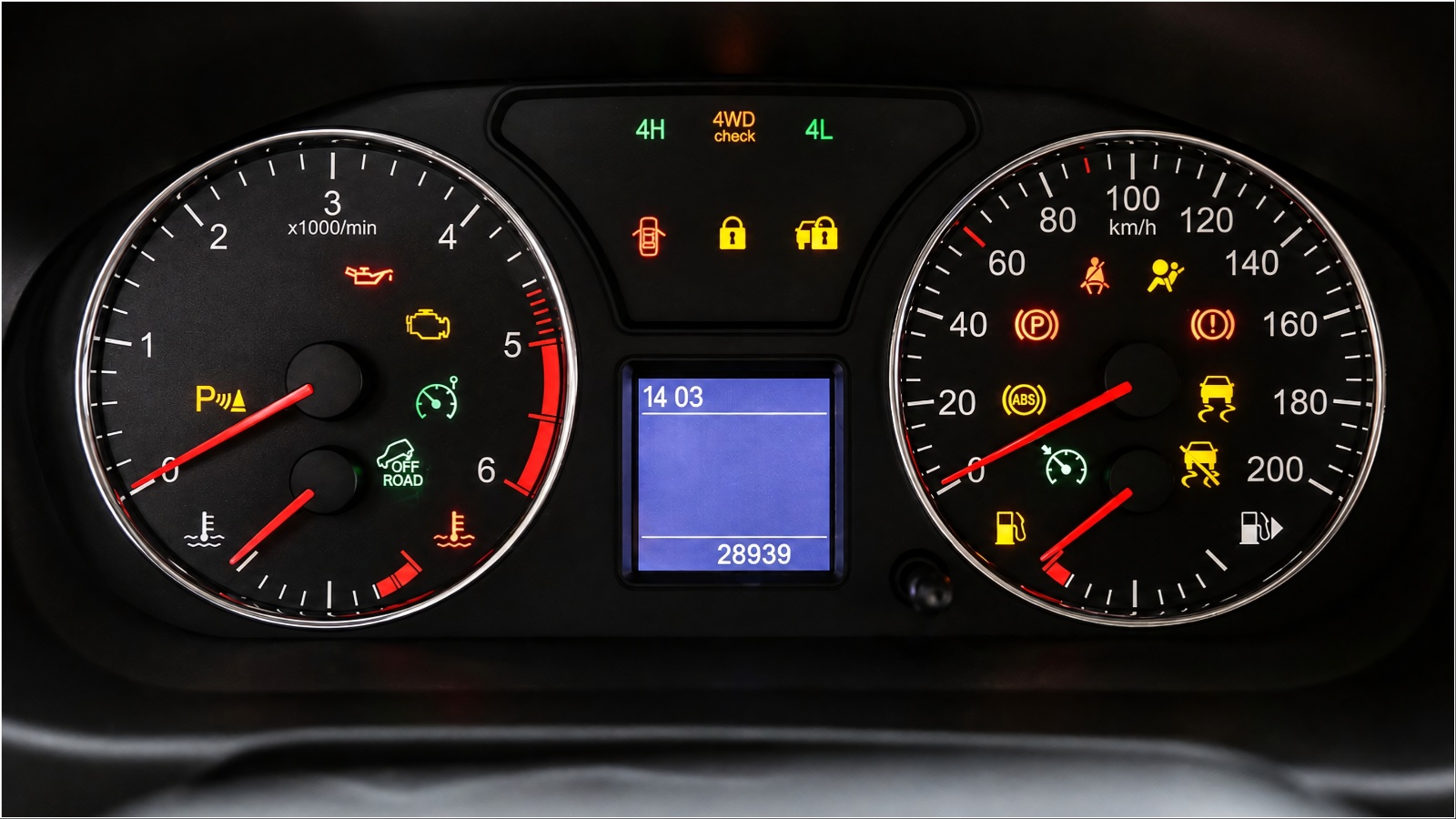
A dashboard warning light can instantly change how a driver feels about a vehicle. Some illuminated symbols indicate conditions that require immediate attention, while others may simply confirm that a system is operating or remind the driver about routine maintenance.
Mechanics learn to distinguish between these signals by considering the light’s color, behavior, timing, and accompanying symptoms.
A warning that appears with rough running, overheating, low oil pressure, or braking problems demands a very different response from a maintenance reminder or temporary traction-control light.
Knowing which dashboard warnings deserve action and which can usually be monitored helps drivers respond appropriately without either taking unnecessary risks or spending money on repairs that are not needed.
4 Warning Lights Mechanics Act On
1. Oil Pressure Warning Light
The oil pressure warning light is one of the dashboard signals mechanics are particularly reluctant to ignore. Engine oil does more than keep internal components lubricated. The engine’s lubrication system must maintain sufficient pressure to deliver oil where it is needed, helping reduce friction and remove heat from critical components.
When the oil pressure warning illuminates while the engine is running, the cause can range from low oil level to a problem involving the oil pump, pressure sensor, pickup system, or internal engine condition.
The light itself does not identify the exact failure, but it tells the driver that the lubrication system may not be maintaining the required pressure.
That distinction matters because continuing to run an engine with genuinely inadequate oil pressure can cause severe internal damage. Bearings, crankshaft surfaces, camshaft components, and other moving parts depend on proper lubrication.
A problem that might initially require diagnosis can become an engine replacement if the vehicle continues operating without sufficient oil pressure.
Mechanics therefore treat this warning differently from a routine maintenance reminder. If the light remains illuminated, especially alongside unusual engine noise, the vehicle should be stopped safely and the cause investigated.
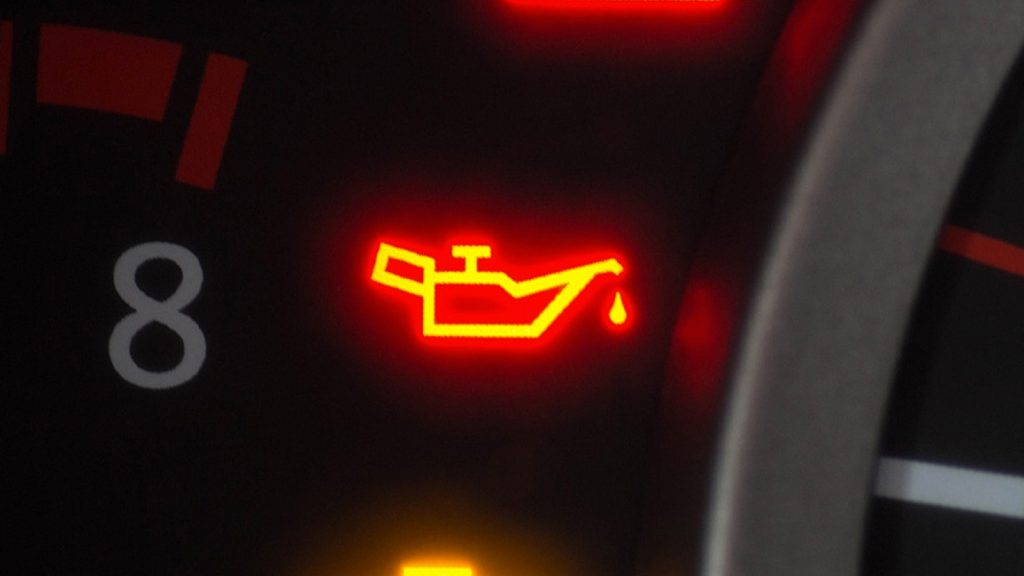
Checking the oil level is a sensible first step when conditions permit, but a normal oil level does not automatically mean the engine is safe to continue running. The warning concerns pressure, not merely the quantity of oil in the engine.
This warning deserves attention because the cost of responding quickly can be dramatically lower than the cost of repairing an engine damaged by continued operation.
2. Brake System Warning Light
A brake warning light immediately attracts a mechanic’s attention because the braking system is directly connected to vehicle safety. Depending on the vehicle, the warning can indicate several conditions, including a problem with brake fluid level, the parking brake being engaged, or a detected fault within the braking system.
The exact meaning varies by vehicle, which is why the symbol should not be interpreted without consulting the owner’s information. A warning that disappears after the parking brake is released may have a simple explanation. A warning that remains illuminated while driving is more significant and deserves investigation.
Brake fluid level can provide an important clue. If the reservoir is low, there may be a leak, although fluid level can also fall as brake-pad wear progresses and the caliper pistons move farther outward. Simply adding fluid without finding out why the level is low can therefore miss the underlying problem.
Modern vehicles can also display separate warnings for anti-lock braking systems and electronic brake-control faults. Those systems contribute to braking performance and vehicle stability, so mechanics need to determine whether the warning represents a mechanical issue, an electronic fault, or a combination of problems.
This warning is included because drivers should never assume that a brake-related light is merely another dashboard notification. Even if the vehicle appears to stop normally, the warning can indicate that an important part of the braking system needs attention.
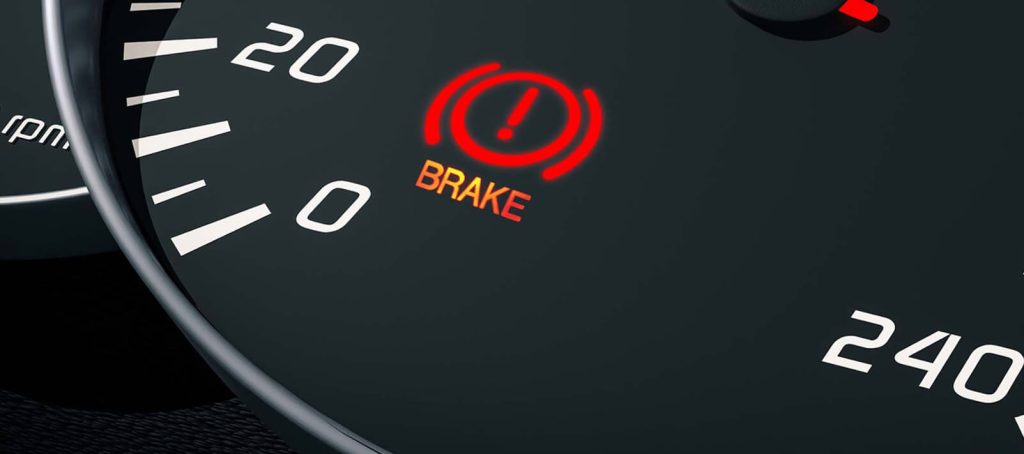
A technician may inspect fluid levels, hydraulic components, pads, rotors, sensors, wiring, and electronic control systems depending on the warning displayed. Prompt diagnosis can identify a relatively simple problem before it affects braking performance.
If a brake warning remains illuminated, particularly when accompanied by a soft pedal, reduced braking ability, fluid leakage, or unusual braking behavior, continuing to drive should not be treated casually.
3. Engine Temperature Warning Light
An engine temperature warning light is one of the dashboard signals that mechanics take seriously because excessive heat can damage an engine surprisingly quickly. When this warning appears, the vehicle may be telling the driver that coolant temperature has risen beyond the normal operating range.
The exact warning symbol varies between vehicles, but the underlying concern remains the same: the cooling system may no longer be controlling engine temperature properly.
Several problems can produce excessive engine temperature. Low coolant, a coolant leak, a malfunctioning thermostat, a failed radiator fan, a damaged water pump, or another cooling-system fault can prevent heat from being removed effectively.
In some cases, the problem may begin with a relatively inexpensive component but become far more serious if the engine continues operating while overheated.
This is why mechanics do not recommend simply switching off the warning or continuing to drive until the vehicle reaches its destination.
Excessive heat can affect gaskets, cylinder heads, seals, and other internal components. Repairs that might initially involve the cooling system can become major engine work if overheating continues.
The driver’s response also matters. If the temperature warning appears, safely stopping the vehicle and allowing it to cool is generally more sensible than opening the cooling system immediately. Hot coolant can be under pressure and cause serious burns.
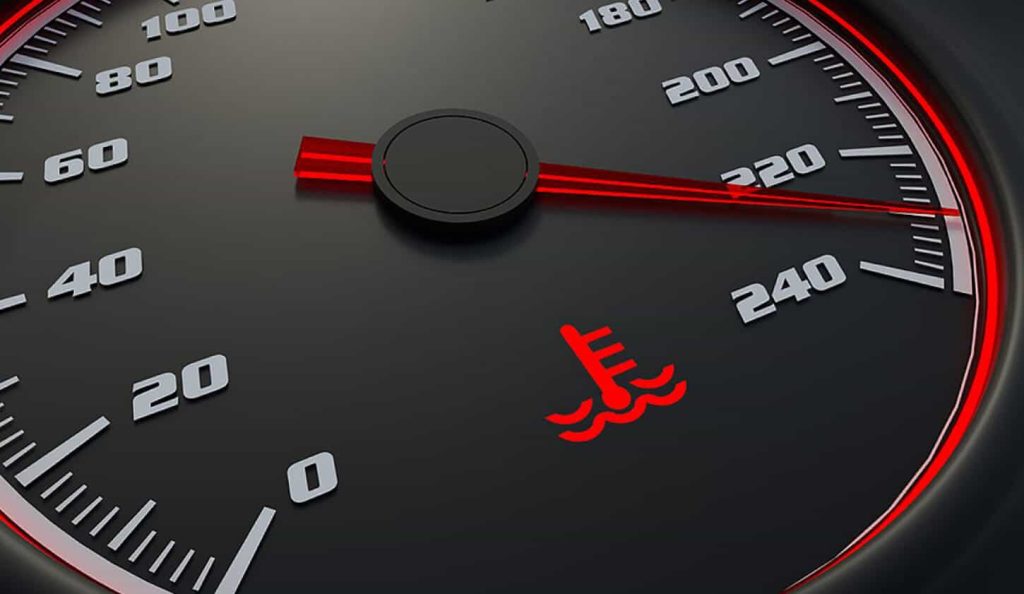
A technician will inspect coolant level, hoses, the radiator, thermostat, water pump, fans, and other relevant components to identify the cause.
This warning deserves attention because temperature problems can progress quickly. Acting early may prevent a cooling-system repair from turning into an expensive engine failure.
4. Battery or Charging System Warning Light
The battery-shaped warning light is another dashboard signal mechanics do not casually dismiss. Despite its familiar appearance, the warning often concerns the vehicle’s charging system rather than the battery alone.
If the light remains illuminated while the engine is running, the alternator or another part of the charging system may not be supplying electrical power as expected.
A vehicle can sometimes continue operating for a limited period after the charging system develops a fault because the battery still contains stored electrical energy. That can create a false sense of security. The car may appear to drive normally even though its available electrical reserve is gradually being depleted.
Potential causes include an alternator problem, damaged wiring, a loose or damaged drive belt on applicable vehicles, poor electrical connections, or a battery that is no longer functioning correctly. The exact cause requires testing rather than simply replacing the battery.
Mechanics pay attention to this warning because modern vehicles depend heavily on electrical power. As voltage falls, various systems can stop functioning properly. Eventually, the engine may shut down if the vehicle can no longer maintain the electrical power required for its control systems.
Drivers may also notice dimming lights, electrical glitches, warning messages, or difficulty starting the vehicle. These symptoms strengthen the case for immediate diagnosis.
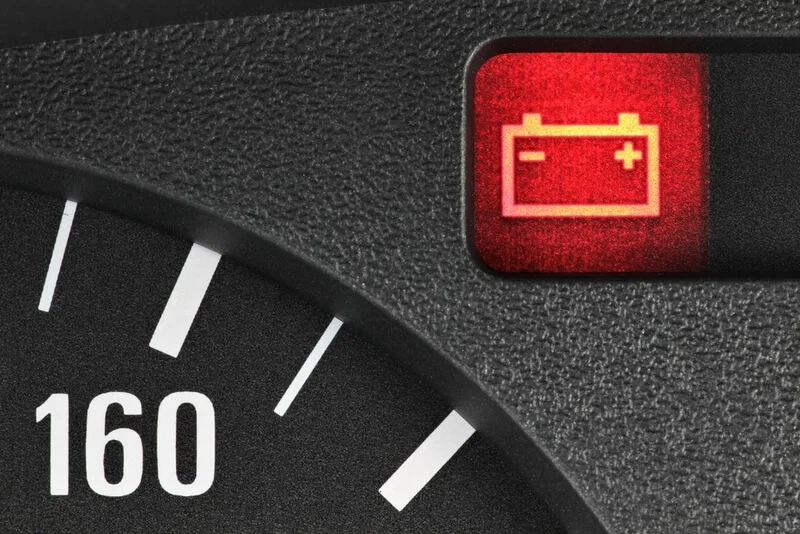
The reason for including this warning is that a vehicle with a charging-system problem can go from apparently normal to immobilized without much notice. A driver who continues traveling for hours after the warning appears may eventually find the vehicle unable to restart.
A charging warning therefore deserves prompt attention. Checking the system early can reveal whether the issue is a battery, alternator, belt, connection, or another electrical fault before the vehicle becomes stranded.
4 Warning Lights They Ignore
1. Windshield Washer Fluid Reminder
A windshield washer fluid warning is one of the clearest examples of a dashboard notification that mechanics generally do not treat as a mechanical emergency. Its purpose is straightforward: the vehicle’s reservoir is running low and needs to be refilled.
Washer fluid has no direct role in keeping the engine, transmission, brakes, or suspension functioning. Running out will not normally leave the vehicle mechanically disabled. The warning therefore belongs in a completely different category from a low oil-pressure or brake-system warning.
That does not make the notification useless. Clean windshield glass is important for visibility, particularly when road grime, insects, salt, or mud accumulate on the surface. In poor weather, having functioning washer fluid can become a practical safety consideration.
The distinction is about urgency. A driver can generally continue to a suitable location and refill the reservoir rather than immediately stopping the vehicle because the warning appeared. Mechanics are unlikely to recommend a major diagnostic procedure simply because this indicator is illuminated.
There can occasionally be a separate problem if the reservoir has been filled, but the warning remains active. A faulty level sensor, wiring issue, or related component could be responsible. Even then, the issue usually concerns the warning system rather than a critical mechanical system.
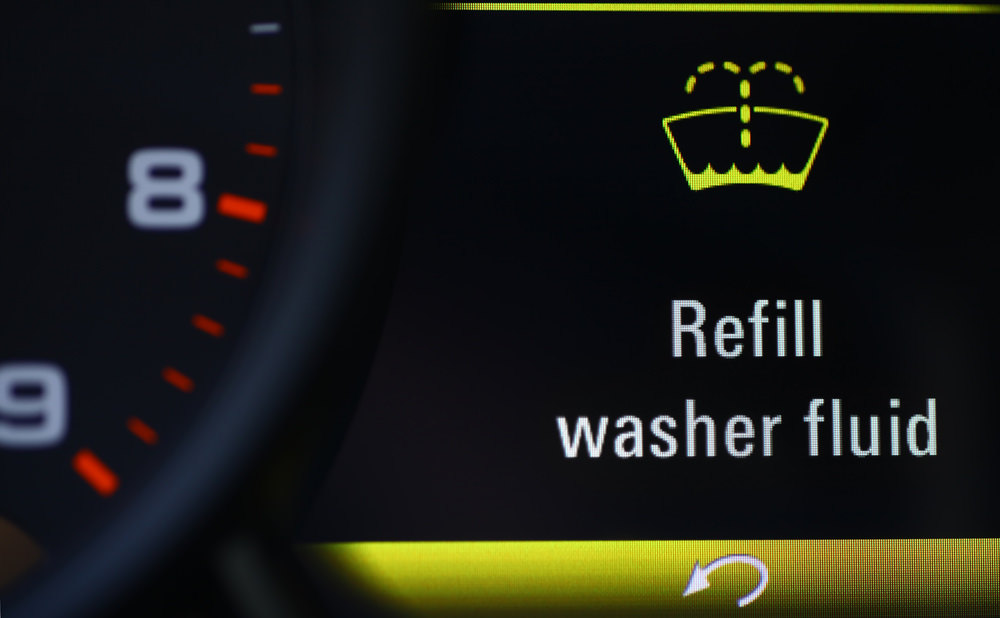
This light is included because dashboard symbols can appear equally serious when they are displayed together. Their actual importance varies considerably.
A washer-fluid reminder should therefore be handled promptly enough to maintain good visibility, but it normally does not justify the same level of concern as a warning that indicates possible engine damage or compromised braking performance.
2. Tire Pressure Monitoring Light
A tire-pressure warning is important, but mechanics do not automatically treat it as evidence of a major vehicle failure. The warning generally indicates that one or more tires has fallen below the pressure level monitored by the vehicle’s tire-pressure system.
The appropriate response is to check the tire pressures and adjust them according to the vehicle manufacturer’s specified cold inflation pressures. Those specifications are normally found on the vehicle information label rather than on the tire itself.
Several ordinary conditions can trigger the warning. Temperature changes can alter tire pressure, meaning a noticeable drop in ambient temperature may cause the monitoring system to register lower pressure. A slow puncture can produce the same warning while being a more significant issue that requires inspection.
The reason mechanics do not automatically panic over this light is that the warning itself does not necessarily mean the tire has suffered a dangerous failure. It tells the driver that pressure needs to be checked.
However, this is one warning that should not be ignored indefinitely. Driving with significantly underinflated tires can affect handling, braking, fuel consumption, and tire wear. Severe underinflation can also contribute to excessive heat buildup.
After correcting the pressure, some vehicles require the monitoring system to be reset or driven for a period before the warning disappears, depending on the system design.
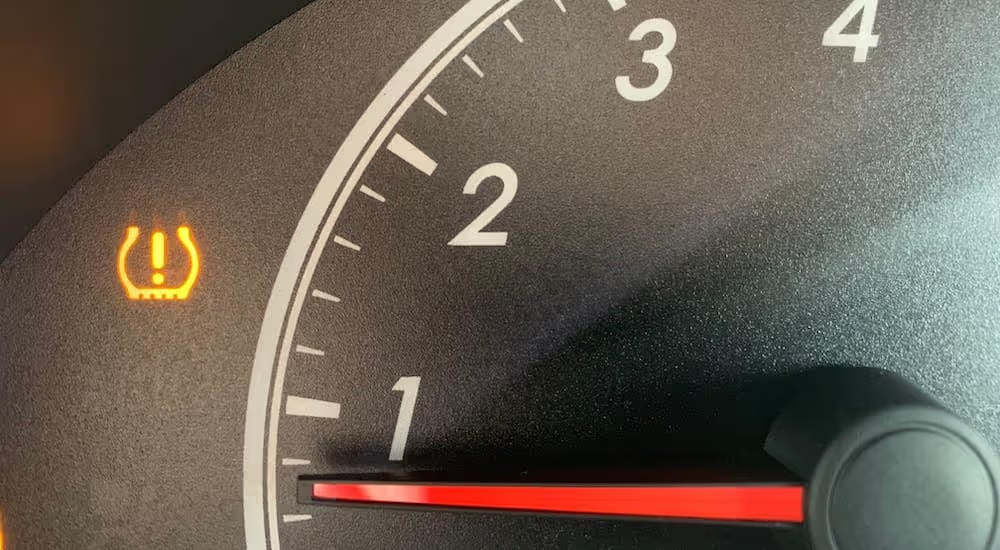
The important distinction is therefore between urgency and importance. A tire-pressure warning is important because tire condition affects safety, but it does not automatically indicate a major mechanical defect. Mechanics generally begin with a pressure check and tire inspection rather than assuming the vehicle has suffered a serious failure.
If pressure continues dropping after inflation, the situation changes. A puncture, damaged valve, or other leak should then be identified rather than repeatedly adding air and hoping the warning stays away.
3. Check Engine Light
The check engine light is one of the most misunderstood warnings on a vehicle’s dashboard. Its appearance does not automatically mean the engine is about to fail, which is why mechanics do not always react to it with the same urgency as an oil-pressure or brake warning.
The light can be triggered by a wide range of issues involving emissions equipment, sensors, fuel delivery, ignition, or engine-management systems.
A steady check engine light often means the vehicle’s computer has detected a fault that should be diagnosed, but the vehicle may still be operating normally. A loose fuel filler cap, for example, can trigger an emissions-related fault on some vehicles.
Other causes can be considerably more complicated, including malfunctioning oxygen sensors, ignition components, catalytic converter problems, or fuel-system faults.
The behavior of the light changes its importance. A flashing check engine light is much more concerning because it can indicate a severe misfire capable of damaging the catalytic converter.
A vehicle that is shaking, losing power, producing unusual exhaust, or displaying a flashing warning should not be treated like one with a steady light and no noticeable symptoms.
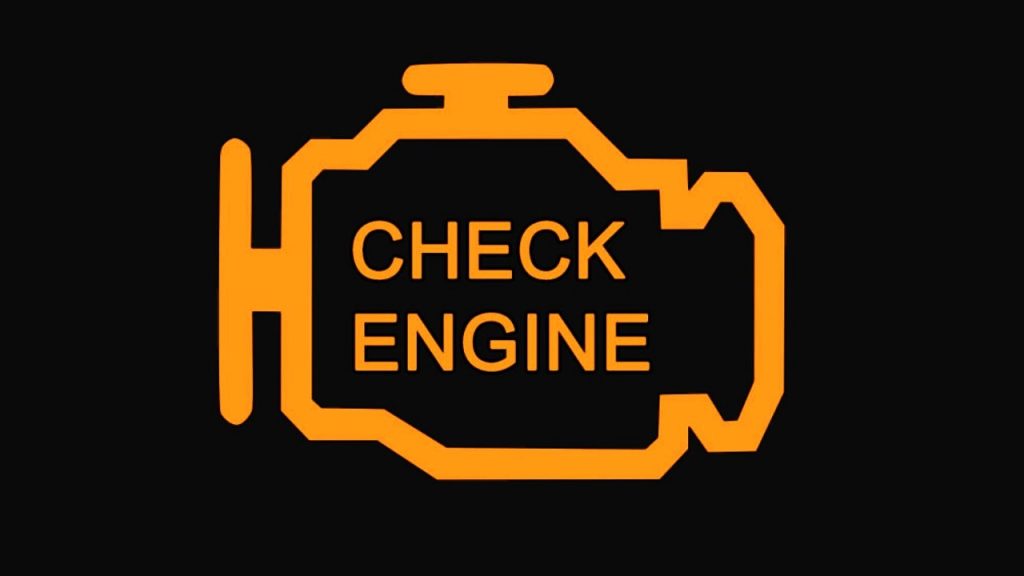
Mechanics therefore do not simply erase the warning and send the vehicle away. They retrieve diagnostic trouble codes and use them as starting points for determining the underlying problem. A code identifies a detected condition, but it does not always identify the failed component itself.
This warning belongs in the lower-urgency category because a steady light can sometimes accompany a relatively minor issue. It should still be diagnosed, especially if it remains illuminated. The appropriate response is not panic, but neither is permanent neglect.
4. Service or Maintenance Reminder
A maintenance reminder is another dashboard notification that mechanics generally do not treat as an emergency. These systems are designed to tell the driver that scheduled maintenance is due based on mileage, elapsed time, engine operating conditions, or a service interval programmed into the vehicle.
Depending on the vehicle, the reminder may relate to an oil change, routine inspection, tire rotation, or another scheduled service. The exact meaning varies, so the owner’s manual or vehicle information display should be consulted before assuming what the notification represents.
The key difference is that a maintenance reminder usually does not mean the vehicle has detected an active failure. It is a prompt intended to prevent routine servicing from being forgotten. That makes it fundamentally different from a warning indicating low oil pressure or overheating.
Mechanics may reset the reminder after the required maintenance has been completed, but the reset itself should not be confused with repairing a mechanical problem. If a driver clears the notification without carrying out the recommended service, the vehicle may simply lose its reminder while the maintenance requirement remains.
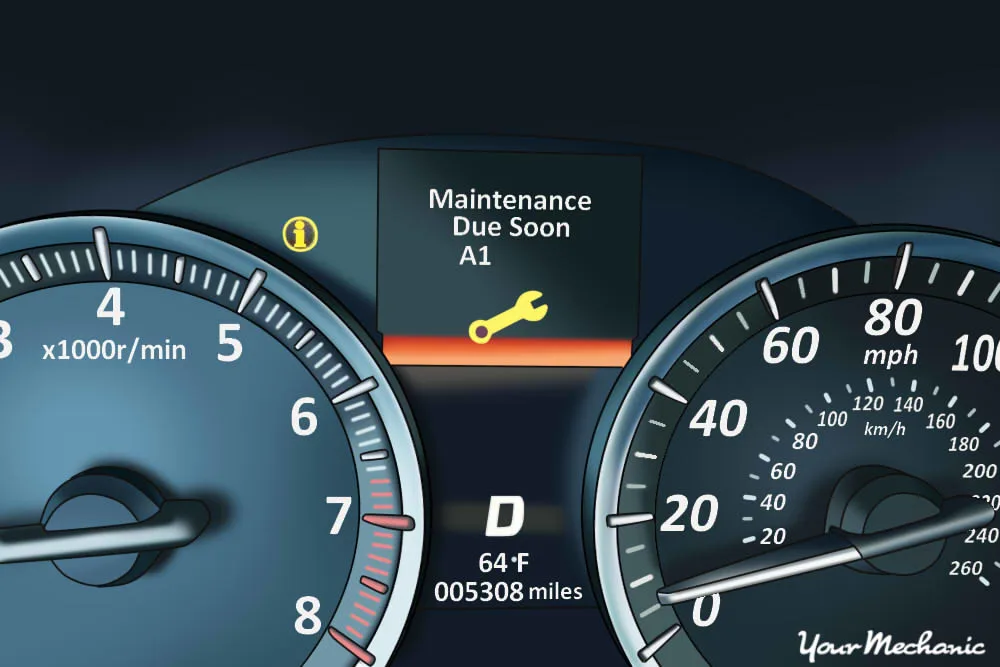
This distinction is worth emphasizing because dashboard notifications can create unnecessary anxiety. A service reminder appearing during a normal drive does not normally mean the vehicle needs to be pulled over immediately.
It does mean that maintenance should be scheduled within the appropriate timeframe. Regular servicing can help identify worn components, contaminated fluids, aging filters, and other developing issues before they become larger problems.
Mechanics therefore view this warning as a planning issue rather than an emergency signal. It belongs on the driver’s maintenance calendar, not necessarily at the top of a roadside crisis list.
