
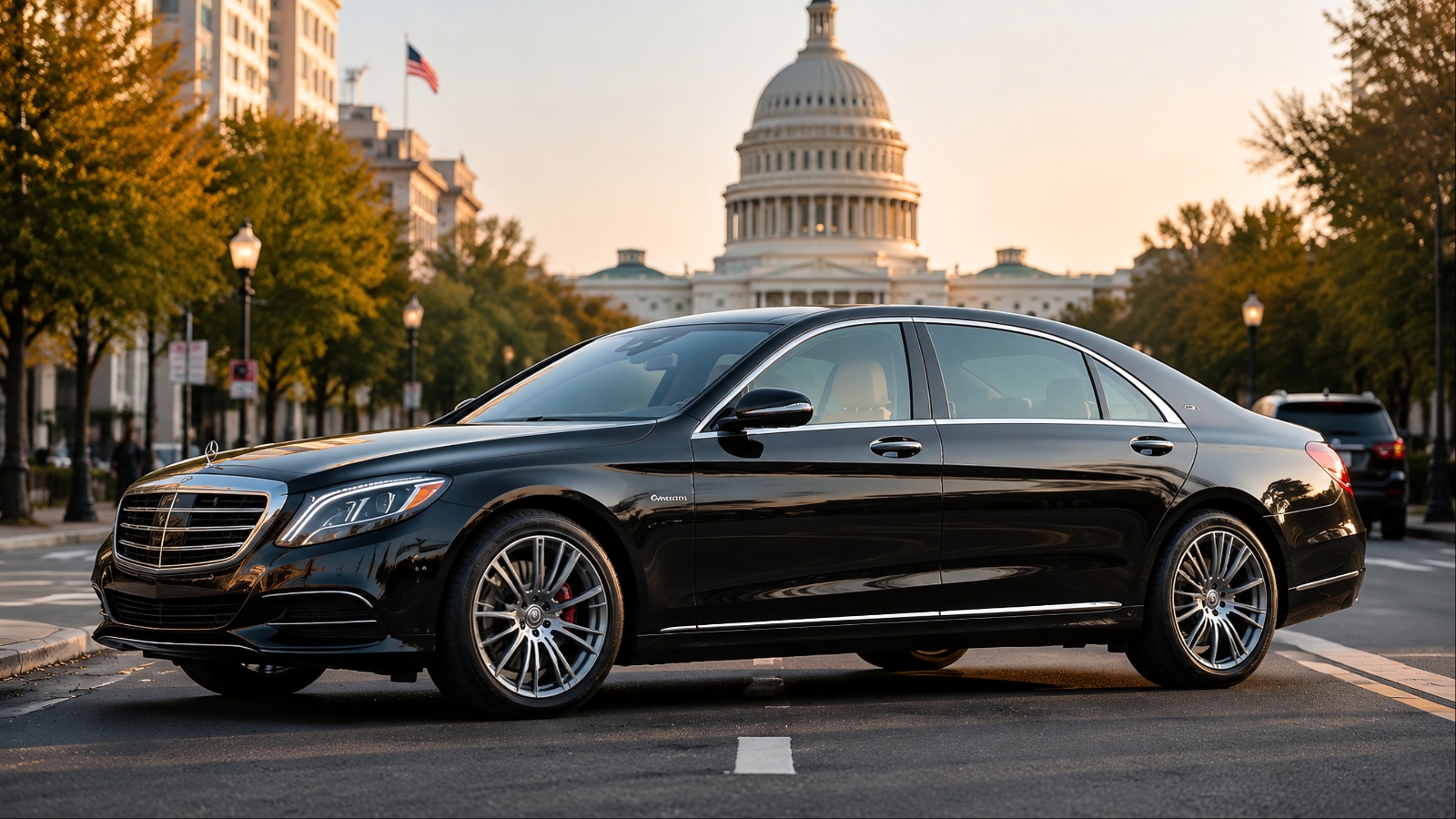
A stolen vehicle is not necessarily gone forever, but the chances of getting it back can vary significantly depending on the type of vehicle, how quickly the theft is reported, and where the theft occurs.
The National Insurance Crime Bureau says more than 85 percent of passenger vehicles reported stolen in 2023 were eventually recovered, with 34 percent recovered within a day. However, state-level recovery data is not published as a current annual ranking in NICB’s public 2023 and 2024 releases.
To avoid inventing percentages, this ranking uses the latest verifiable NICB state recovery data available for the relevant vehicle-theft dataset, while clearly distinguishing it from newer theft-rate statistics. The figures below should not be confused with theft rates.
10. Texas
Texas consistently appears near the top of America’s vehicle-theft statistics, but its enormous number of thefts should not automatically be interpreted as a poor recovery rate. The state is large, heavily populated, and contains several major transportation corridors, making both theft volume and vehicle movement substantial.
NICB reported 115,013 vehicle thefts in Texas during 2023, second only to California’s 208,668. Texas also recorded a theft rate of 383.00 vehicles per 100,000 residents, placing it tenth among the states and the District of Columbia in NICB’s 2023 ranking.
The important distinction is that those numbers measure theft, not recovery. NICB’s national 2023 recovery analysis found that more than 85 percent of stolen passenger vehicles were eventually recovered, but the organization does not provide a comparable current state-by-state recovery percentage in that public release.
Texas has another factor working in favor of recovery: the state’s enormous law enforcement and transportation network creates many opportunities for stolen vehicles to be identified after they enter major metropolitan areas or interstate corridors.
Houston, Dallas-Fort Worth, and other large Texas metropolitan areas also rank among the country’s highest-volume theft regions. In 2023, Houston recorded 35,119 thefts, while Dallas-Fort Worth recorded 34,135.
That scale matters because a stolen vehicle can quickly cross county or state lines. Reporting the theft immediately is therefore critical. NICB specifically says prompt reporting increases the likelihood of recovery, with 34 percent of recovered passenger vehicles in its 2023 analysis recovered within one day.

Texas belongs in a discussion of difficult recovery environments because its enormous theft volume creates a large pool of vehicles that law enforcement must track. But the available evidence does not support claiming that Texas has a particularly low recovery percentage without a specific state recovery dataset.
The key takeaway is simple: high theft volume and low recovery rate are two different measurements.
9. Missouri
Missouri presents a different problem from Texas. The state has a much smaller population, yet its vehicle-theft rate places it among the nation’s most affected areas.
NICB recorded 27,279 stolen vehicles in Missouri during 2023, giving the state a theft rate of 441.61 per 100,000 residents. That placed Missouri seventh nationally for theft rate in NICB’s 2023 data.
The St. Louis metropolitan area is particularly important to the state’s theft picture. Missouri’s position near several state borders means a stolen vehicle can potentially leave the state relatively quickly, complicating recovery when authorities do not receive immediate information.
However, there is a major data limitation that should not be ignored. NICB’s current public national releases provide detailed state theft counts and theft rates, but they do not publish a corresponding 2023 recovery percentage for every state. Consequently, it would be misleading to assign Missouri an invented recovery rate and call it official NICB data.
What can be established is that the national recovery picture remains fairly strong. NICB says more than 85 percent of passenger vehicles stolen in 2023 were eventually recovered. The organization also reported that 34 percent of recovered stolen passenger vehicles were recovered within the first day.
Missouri’s relatively high theft rate makes rapid reporting particularly important. A vehicle that remains unreported or is reported late gives investigators less opportunity to circulate identifying information before it can be moved, dismantled, or transported elsewhere.
The state’s position in theft-rate rankings also demonstrates why population-adjusted statistics matter. California had more than seven times Missouri’s raw number of stolen vehicles in 2023, but Missouri’s smaller population means its theft rate remained considerably higher than many states.

For readers comparing states, this distinction is essential. A state can have fewer stolen vehicles while still experiencing a much greater theft burden relative to its population.
Missouri therefore deserves attention because of its elevated theft rate, but a precise current recovery percentage should only be used when supported by a state-specific recovery dataset.
8. Colorado
Colorado has one of the strongest documented vehicle-theft problems in recent NICB data, although its position should not be interpreted as an official state recovery-rate ranking.
The state experienced 42,706 vehicle thefts in 2022, according to NICB’s Hot Spots analysis. Colorado’s theft rate was high enough to rank first among the states that year, and three of its metropolitan areas also appeared among the nation’s 10 highest theft-rate regions.
Pueblo recorded a remarkable 1,086.44 thefts per 100,000 residents, while Denver-Aurora-Lakewood reached 1,062.67.
Colorado’s situation changed significantly afterward. NICB’s 2024 data shows the state’s theft rate fell to 430.04 per 100,000 residents, compared with 583.25 in 2023. The number of thefts also declined as part of the broader national reduction.
That decline is important because it demonstrates why older rankings can quickly become misleading. Colorado had been the state with the highest theft rate for four consecutive years before falling from the top position in the 2024 data.
Recovery speed remains crucial regardless of location. NICB says 34% of recovered stolen vehicles are recovered on the same day, while 45% are recovered within two days. Those figures make immediate reporting one of the most important actions an owner can take.

Colorado therefore belongs in this discussion because of its historically extreme theft exposure, especially in the Denver and Pueblo regions. But the available NICB evidence does not justify assigning Colorado a specific low recovery percentage.
The more accurate conclusion is that Colorado has experienced unusually high theft risk, even though theft levels have improved substantially.
7. New Mexico
New Mexico is another state where the theft-rate statistics are striking, particularly when adjusted for population.
NICB’s latest full-year state data places New Mexico’s 2024 vehicle-theft rate at 458.24 per 100,000 residents, making it the third-highest rate in the United States behind the District of Columbia and California. The rate was down from 489.67 in 2023, but New Mexico remained near the top of the national ranking.
That distinction is important. New Mexico does not have the enormous raw theft volume of California or Texas. Its problem becomes much more apparent when thefts are measured relative to its population.
The state’s 2024 performance also illustrates the broader national improvement. Vehicle thefts across the United States fell 17% from 2023 to 2024, dropping from 1,020,729 to 850,708. NICB described this as the largest annual decline in stolen vehicles in four decades.
Yet a high theft rate still creates a challenging environment for vehicle owners. The longer a stolen vehicle remains unidentified, the greater the possibility that it can be moved into another jurisdiction. NICB therefore emphasizes immediate police reporting and insurer notification.
Its national recovery figures show why speed matters. In 2023, more than 85% of stolen passenger vehicles were eventually recovered, but 34% were recovered within one day and 45% within two days.

New Mexico’s high theft rate should therefore not be presented as proof that vehicles are unlikely to be recovered. Those are different measurements. Instead, the state demonstrates how a high theft burden can place greater pressure on law enforcement and vehicle owners.
For someone living in New Mexico, the practical lesson is particularly straightforward: maintain the VIN and identifying information somewhere accessible, use available anti-theft measures, and report a theft immediately if it occurs.
6. Nevada
Nevada has consistently appeared among the states with unusually high vehicle-theft exposure, and its numbers show why the state deserves attention.
NICB’s 2024 data put Nevada’s vehicle-theft rate at 394.42 per 100,000 residents, the fifth-highest rate in the nation. That was a substantial improvement from 2023, when Nevada recorded 572.70 thefts per 100,000 people.
The decline was not minor. NICB reported that Nevada experienced a 31% reduction in vehicle thefts from 2023 to 2024, the second-largest percentage decrease among states. That makes Nevada an interesting case because its theft exposure remained high even as the number of stolen vehicles fell sharply.
Las Vegas is particularly important to Nevada’s theft picture. The metropolitan area has repeatedly appeared among the country’s highest-volume vehicle-theft regions, and NICB previously identified Las Vegas-Henderson-Paradise as one of the major areas for thefts involving vehicles where keys had been left inside. In that analysis, the Las Vegas area accounted for 11,292 such thefts.
That statistic highlights an important point about recovery. A vehicle being stolen does not automatically mean it disappears permanently. NICB has found extremely high recovery rates for certain categories of theft. In its analysis of vehicles stolen with keys left inside, 95% were recovered, leaving 12,355 unrecovered out of 244,845 thefts in the dataset.

Consequently, Nevada should not be described as having a verified low statewide recovery percentage. The available NICB evidence supports describing it as a state with historically high theft exposure and significant metropolitan theft activity.
The practical lesson is particularly relevant in a state with a major tourism and transportation hub. Owners should report a stolen vehicle immediately and provide law enforcement with the VIN, license plate, and identifying information. NICB specifically says faster reporting increases the chance of recovery.
5. Washington
Washington has one of the more interesting recent vehicle-theft stories because the state experienced a dramatic reduction in thefts while still carrying a comparatively high theft burden.
NICB reported that Washington had the largest percentage decline in vehicle thefts among states from 2023 to 2024, falling 32%. That was a larger reduction than Nevada’s 31% decline and Oregon’s 30% drop.
The improvement is especially significant when viewed against Washington’s earlier theft statistics. In NICB’s 2023 ranking, Washington recorded 554.44 thefts per 100,000 residents, placing it fourth among states behind Colorado, Nevada, and California.
Washington’s metropolitan areas have also experienced substantial theft activity. The Seattle-Tacoma-Bellevue region recorded 31,328 vehicle thefts in 2023, ranking seventh among the nation’s metropolitan areas by theft volume.
Those figures make Washington an important state in any discussion of vehicle recovery, but they still do not establish a statewide recovery percentage. Theft rate measures how frequently vehicles are reported stolen relative to population.
Recovery rate measures how many stolen vehicles are eventually found. The two statistics should not be substituted for one another.
There is encouraging evidence on the recovery side. NICB says it assisted thousands of law enforcement agencies in 2024 and helped with the recovery of hundreds of thousands of stolen vehicles nationwide. Its national data also shows that many recoveries happen quickly after a theft is reported.

Washington’s dramatic theft decline also demonstrates that prevention efforts can change the picture. NICB has credited partnerships involving law enforcement, government agencies, manufacturers, and public awareness with helping reduce thefts.
Therefore, Washington’s place in this article should be understood as a high-theft-exposure state with historically elevated theft rates, not as proof that Washington has one of America’s lowest recovery percentages.
4. Oregon
Oregon belongs in this discussion because its vehicle-theft rate has remained elevated even as the state experienced one of the country’s largest recent declines in thefts.
NICB’s 2023 data placed Oregon ninth nationally for vehicle-theft rate, at 394.14 thefts per 100,000 residents. That put Oregon just above Texas and behind Maryland among the states in NICB’s top-10 list.
The situation improved substantially in 2024. NICB reported that Oregon’s vehicle thefts fell 30% from 2023 to 2024, the third-largest percentage decline among all states. Washington and Nevada recorded slightly larger decreases of 32% and 31%, respectively.
That improvement is important when discussing recovery. A high theft rate does not automatically mean a low recovery rate. The two measurements answer completely different questions. Theft rate measures how frequently vehicles are stolen relative to population, while recovery rate measures how many stolen vehicles are subsequently located.
NICB’s national recovery data provides the clearest benchmark available. More than 85% of passenger vehicles reported stolen in 2023 were eventually recovered, and 34% of recovered vehicles were found within one day of the theft being reported. Another 11% were recovered during the second day, bringing the two-day figure to 45%.
Oregon’s high historical theft rate means there are simply more theft cases competing for law enforcement attention than in many lower-theft states. Portland is an important part of that picture because metropolitan areas account for substantial portions of state-level vehicle theft.

Still, the dramatic 2024 decline suggests the situation is moving in a positive direction. NICB attributed the nationwide improvement to stronger prevention efforts, law-enforcement partnerships, and changes in theft patterns.
For Oregon owners, the most important recovery factor remains speed. NICB specifically recommends immediately reporting the theft to law enforcement and the insurer, with the VIN, license plate, and vehicle description ready.
3. Maryland
Maryland’s position is particularly interesting because its theft problem accelerated sharply before improving. In 2023, NICB recorded a 63% increase in vehicle thefts compared with 2022, the second-largest increase among states and behind only the District of Columbia.
The state’s 2023 theft rate reached 427.99 per 100,000 residents, putting Maryland eighth nationally. It also appeared among the 10 states with the highest raw theft volume, according to NICB’s state data.
Maryland’s location makes its theft statistics particularly significant. The state surrounds or borders the Washington metropolitan area, which NICB identified as one of the nation’s major theft hotspots. The Washington-Arlington-Alexandria metropolitan region recorded 24,119 vehicle thefts in 2023, an increase of 52% from the previous year.
That does not mean every Maryland vehicle is difficult to recover. In fact, NICB’s national data shows that the majority of stolen passenger vehicles are eventually recovered. The organization reported that more than 85% of stolen passenger vehicles were recovered in 2023.
The timing of a report can make a significant difference. NICB says 34% of recovered stolen vehicles were found on the same day they were reported stolen, while 45% were recovered within two days. That makes the first few hours particularly important.
Maryland therefore demonstrates why theft-rate rankings should not be presented as recovery-rate rankings. The state clearly experienced a severe theft problem in 2023, but NICB’s publicly available state data does not establish that Maryland had a particular percentage of stolen vehicles that remained unrecovered.

For owners, the practical lesson is more useful than an unsupported recovery statistic. Keep the VIN accessible, report the theft immediately, and notify the insurer after contacting police. A stolen vehicle can cross jurisdictions quickly, so early notification gives law enforcement more time to circulate identifying information.
Maryland’s dramatic 2023 increase also shows how quickly a state’s theft environment can change, making current data more valuable than an old recovery ranking.
2. California
California has the largest vehicle-theft problem in the United States by raw numbers, making it impossible to discuss American vehicle recovery without addressing the state.
NICB recorded 208,668 stolen vehicles in California during 2023, more than any other state and more than the combined total of several states in the top 10. Its theft rate was 534.49 per 100,000 residents, placing it fifth nationally.
The Los Angeles metropolitan area accounts for a significant portion of that activity. NICB recorded 72,460 vehicle thefts in the Los Angeles-Long Beach-Anaheim region alone during 2023, the highest total among the nation’s metropolitan areas. San Francisco-Oakland-Berkeley added another 40,977.
Yet California’s huge theft count should not be mistaken for a 20% or 30% recovery rate. NICB’s publicly available state rankings measure thefts, while its published recovery statistic is national. More than 85% of passenger vehicles reported stolen nationwide in 2023 were subsequently recovered, meaning the vast majority were eventually located.
The timing of the recovery is particularly revealing. NICB reports that 34% of recovered stolen passenger vehicles were recovered within one day, while 45% were recovered within two days. A vehicle that is reported quickly can therefore enter law enforcement databases while it is still relatively easy to identify and intercept.
California’s sheer volume creates a different challenge. Even with a high national recovery percentage, hundreds of thousands of theft cases across the country require investigation, and California alone accounted for more than 200,000 reports in 2023.

The state’s position here should therefore be interpreted as high theft exposure rather than a verified low recovery percentage. There is no current NICB publication establishing California as having the nation’s lowest recovery rate.
For owners, the most important response is immediate reporting. NICB recommends contacting law enforcement and the insurer as soon as the theft is discovered and having the VIN, license plate, and vehicle description available.
1. District of Columbia
The District of Columbia stands apart from every state in NICB’s 2023 theft-rate data. Although Washington, D.C., is not a state, it recorded the highest vehicle-theft rate in the entire country, making it important to include when examining jurisdictions with the greatest theft exposure.
NICB reported 1,149.71 vehicle thefts per 100,000 residents in 2023. That was more than twice California’s rate of 534.49 and nearly three times the national rate cited by NICB.
The situation also worsened sharply that year. Vehicle thefts in the District increased 64% from 2022 to 2023, the largest percentage increase among states and the District of Columbia in NICB’s ranking.
Washington’s metropolitan area provides another dimension. The Washington-Arlington-Alexandria metropolitan region, which crosses D.C., Maryland, and Virginia, recorded 24,119 vehicle thefts in 2023, an increase of 52% from the previous year.
Despite those alarming numbers, D.C. should not be described as having a documented recovery rate below a particular percentage.
NICB’s public data does not provide a comparable current recovery percentage for the District. The available national recovery data instead shows that more than 85% of passenger vehicles stolen in 2023 were eventually recovered.
That distinction is critical. A jurisdiction can have an exceptionally high theft rate while still recovering a large proportion of stolen vehicles. Theft rate describes the frequency of the crime; recovery rate describes what happens afterward.
For vehicle owners in the nation’s capital, rapid reporting is particularly important. NICB says 34% of recovered stolen passenger vehicles are found on the same day, and 45% are recovered within two days.

The District’s extraordinary theft rate earns it the top position in this revised ranking of high-theft jurisdictions, but the evidence does not support claiming that D.C. has America’s lowest recovery percentage.
The safest conclusion is therefore more precise: D.C. has the country’s highest documented vehicle-theft rate in NICB’s 2023 state and district data, while national recovery statistics show that prompt reporting can significantly improve the chances of finding a stolen vehicle.
