
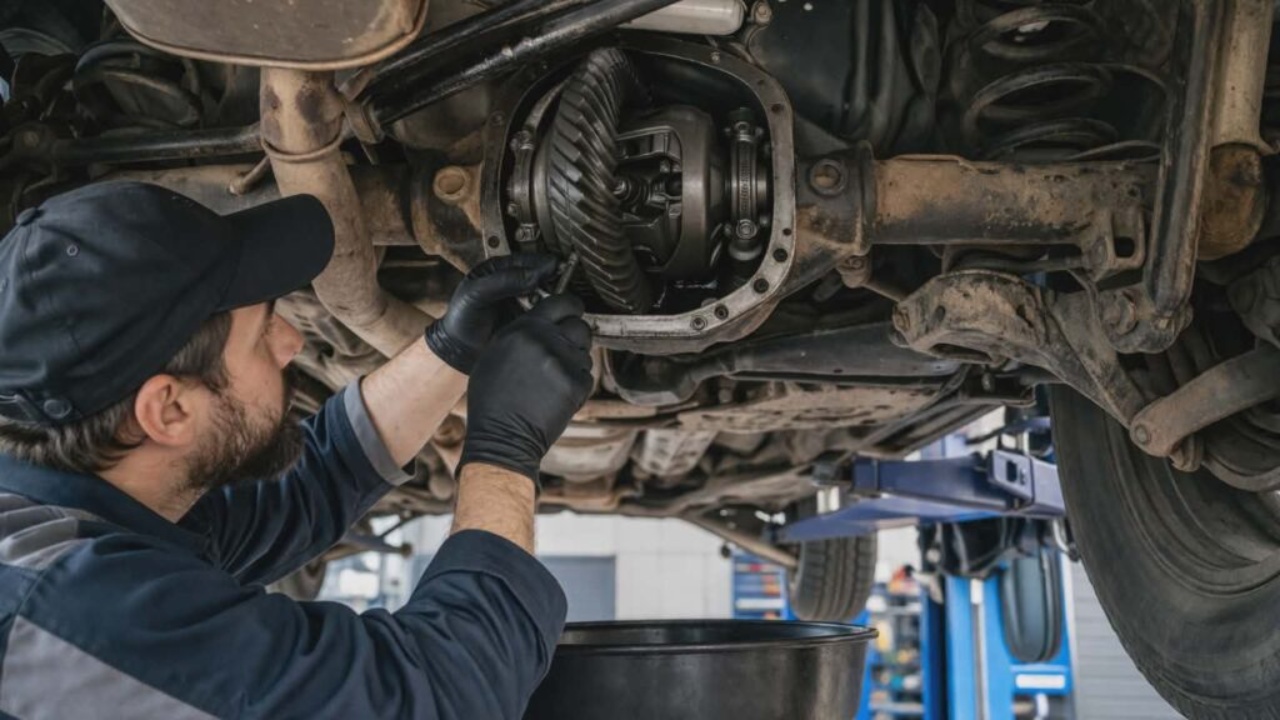
Some vehicle noises deserve immediate attention, while others are simply part of normal operation. The challenge for drivers is knowing which is which.
A strange sound may come from something harmless, such as a loose interior panel, but another noise could signal a failing bearing, damaged brake component, or serious engine problem.
Mechanics learn to distinguish these sounds by paying attention to their pitch, rhythm, location, and timing. They also consider whether the noise changes with engine speed, vehicle speed, braking, steering, or acceleration.
Understanding that difference can help drivers avoid two costly mistakes: ignoring a genuine mechanical warning or paying for repairs when the vehicle is behaving normally.
5 Noises Mechanics Worry About
1. Deep Knocking From the Engine
A deep, rhythmic knocking sound coming from the engine is one of the noises that can immediately change a mechanic’s attitude toward a vehicle.
The concern is particularly strong when the sound follows engine speed and becomes more pronounced as the engine is revved. Such a noise can sometimes indicate excessive clearance or wear involving internal engine components, including connecting rod bearings.
The reason mechanics take this sound seriously is that internal engine components operate under considerable loads and depend heavily on proper lubrication.
If a bearing or another internal component has developed excessive wear, continued operation can allow the problem to progress rapidly. In severe circumstances, an engine that initially produces a noticeable knock can eventually suffer extensive internal damage.
Low engine oil can also contribute to serious mechanical problems, making an oil-level check an important first step. However, adding oil should not be treated as a complete diagnosis when a persistent knocking noise is already present.
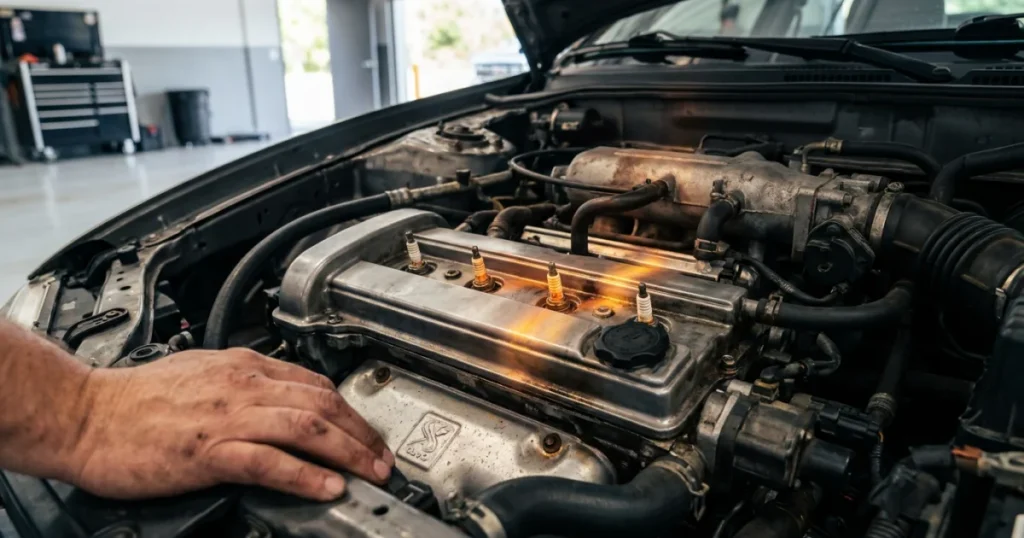
A technician may listen to the engine from different locations, check oil level and condition, measure oil pressure when appropriate, and look for other symptoms such as warning lights, vibration, or reduced performance.
This noise is included because its consequences can be far greater than those associated with an ordinary rattle. A driver who hears a new, deep engine knock should avoid assuming that it will disappear on its own. Early diagnosis may identify the problem before continued operation causes substantially more damage.
2. Grinding While Braking
Grinding during braking is another sound that mechanics generally do not want to ignore. The braking system is responsible for converting the vehicle’s motion into heat through friction, so an unusual grinding noise can indicate that components are no longer interacting as intended.
One possible cause is severely worn brake pads. Brake pads contain friction material designed to sit between the braking surfaces. When that material is depleted, the metal backing can come into contact with the rotor. Continued driving can then damage the rotor and turn a relatively straightforward brake service into a more extensive repair.
Not every brake noise has the same meaning. Some vehicles produce a high-pitched squeal because of brake-pad characteristics, wear indicators, or vibration.
A harsh grinding sensation is more concerning because it may indicate direct contact between metal components. Mechanics will therefore consider the type of noise along with pedal feel, stopping performance, vehicle pulling, vibration, and visible brake wear.
The reason this sound deserves its place on the warning list is not simply repair cost. Brakes are a safety-critical system. A driver should not treat persistent grinding as an annoyance comparable to a loose dashboard panel.
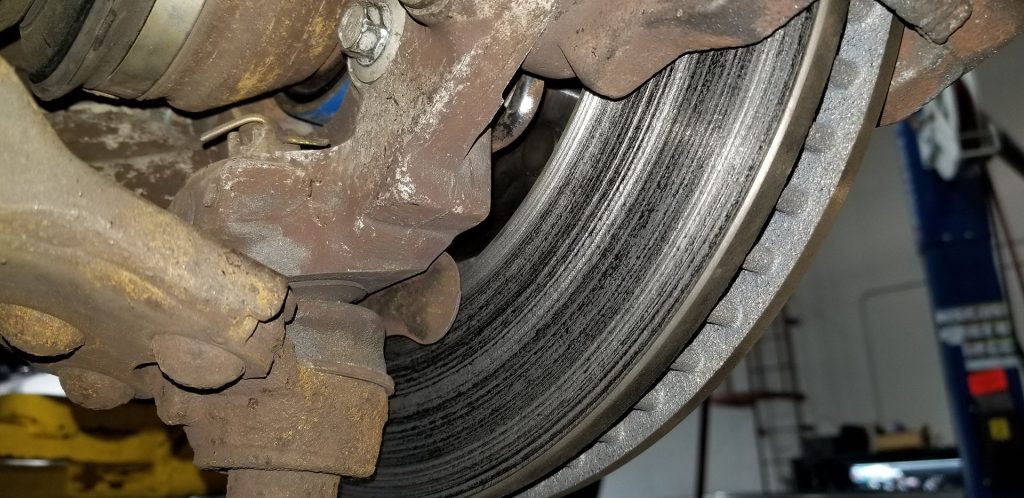
During an inspection, a technician can examine the pads, rotors, calipers, and associated hardware to determine what is producing the sound. Addressing the cause promptly can prevent additional damage and restore the braking system to proper operation.
If grinding is accompanied by unusual pedal behavior or reduced braking performance, the vehicle should receive attention without unnecessary delay.
3. A Growling or Humming Noise That Rises With Vehicle Speed
A steady growling or humming sound that becomes louder as the vehicle gains speed is something mechanics listen to carefully, particularly when the noise continues even after the engine’s rpm changes. That distinction can help separate a wheel or drivetrain problem from an engine-related sound.
One possibility is a worn wheel bearing. Wheel bearings allow the wheels to rotate smoothly while supporting the vehicle’s weight. As they deteriorate, they can produce a low-pitched humming, rumbling, or growling sound. The noise may gradually become louder with road speed and sometimes change when the vehicle is turned.
That change during cornering can provide an important diagnostic clue. If the sound becomes more pronounced during a particular direction of steering, a technician may pay closer attention to the wheel-end components on the corresponding side.
However, sound can travel through the vehicle, so identifying the exact source by listening alone is not always straightforward.
Tire problems can create remarkably similar noises. Uneven tread wear, certain tire patterns, or improper inflation can produce a hum that resembles a bearing problem. This is why a mechanic normally examines both the tires and wheel-end components instead of immediately replacing a bearing.
The reason this noise belongs on the concern list is that a deteriorating bearing can affect more than comfort. Advanced wear may create looseness or play at the wheel, potentially affecting handling and other components.

A new speed-related growl therefore deserves investigation, especially if it is becoming louder or is accompanied by vibration, steering changes, or unusual tire wear. Finding the source early can prevent the driver from confusing a developing mechanical issue with ordinary road noise.
4. Loud Clicking or Clunking During Turns
A repeated clicking or clunking sound while turning is another noise-related issue to approach with caution because steering and suspension components experience significant loads whenever the vehicle changes direction. The exact sound can vary considerably depending on which component is responsible.
A rapid clicking noise that becomes more noticeable during tight turns can be associated with a worn constant-velocity joint on vehicles using front-wheel-drive or independent drive systems.
CV joints transfer power to the wheels while allowing the suspension and steering to move. Their protective boots are designed to retain lubricant and keep contaminants away from the joint. If a boot tears and lubrication is lost, accelerated wear can follow.
A deeper clunk can have a different origin. Suspension components, steering links, mounts, or other joints can produce knocking sounds when they develop excessive movement. Because several parts operate close together, technicians need to inspect the system rather than diagnose the problem purely from the driver’s description.
This noise is worth highlighting because steering-related sounds should not automatically be dismissed as normal suspension movement. A worn component may initially produce nothing more than an occasional click or knock, yet deterioration can continue while the vehicle remains in daily use.

During an inspection, the technician may check the CV boots, joints, steering components, suspension connections, and wheel assemblies for looseness or damage. The vehicle may also be tested during slow, tight turns to reproduce the sound.
A noise that consistently appears during steering gives mechanics a useful clue. Rather than waiting until the sound becomes severe, having it examined early can help identify wear before it affects additional components or vehicle behavior.
5. Repeated Clattering or Rattling From the Engine Bay
A persistent metallic rattle or clatter from the engine compartment can make mechanics cautious because several important components can produce similar sounds. The challenge is determining whether the noise is coming from an internal engine component, timing system, exhaust component, accessory, or loose hardware.
Timing-system problems are among the possibilities that deserve particular attention. Depending on the engine design, worn timing components can create rattling or abnormal mechanical noise, especially during startup.
Since the timing system controls the relationship between engine components, a serious failure can have major consequences on engines where internal components can interfere with one another.
Not every engine-bay rattle is equally serious. A loose heat shield, exhaust bracket, or protective cover can produce an irritating metallic vibration without indicating internal engine damage. That is why experienced mechanics avoid making a diagnosis based only on the word “rattle.”
The timing of the sound provides valuable information. A noise that lasts briefly during startup may lead the technician toward different possibilities than one that continues constantly at idle and rises with engine speed. Mechanics may also listen for changes when accessories are switched on or when engine load changes.
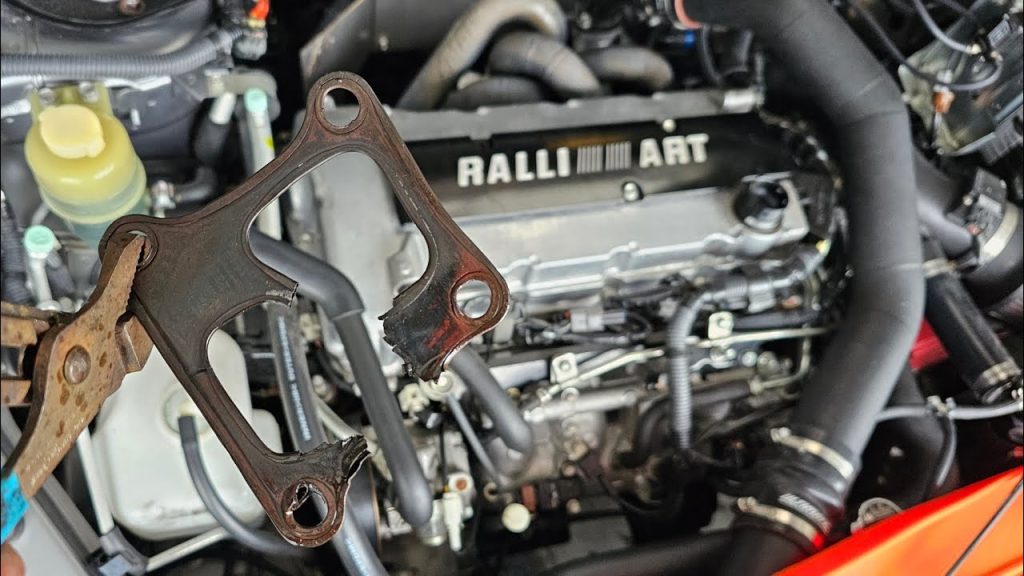
This sound belongs on the warning list because the same general description can represent either a minor loose component or a problem involving expensive mechanical parts. A professional inspection can distinguish between them.
Drivers should pay particular attention if the rattle is new, becoming louder, accompanied by warning lights, or associated with rough running or loss of power. Investigating the noise early is far safer than assuming every engine-bay rattle is simply a loose piece of metal.
5 Noises They Do Not
1. A Brief Tick After the Engine Is Shut Off
A series of light ticking or clicking sounds shortly after an engine is switched off can sound surprisingly mechanical, especially when the vehicle has been driven long enough for the exhaust system and other components to become hot. In many cases, however, the noise is simply the result of materials cooling down.
Metal components expand when heated and contract as their temperature falls. Exhaust components are exposed to particularly high temperatures, so they can produce small ticking sounds as they cool and return toward their normal dimensions. Heat shields and other nearby components can also make similar noises.
The reason mechanics are generally less concerned about this sound is its timing. A light tick that begins after shutdown and gradually disappears is very different from a persistent knock occurring while the engine is running. The pattern provides important diagnostic information.
Drivers may notice the sound more clearly in a quiet garage or driveway because there is less surrounding noise to mask it. That can make an otherwise normal cooling process seem more dramatic than it really is.
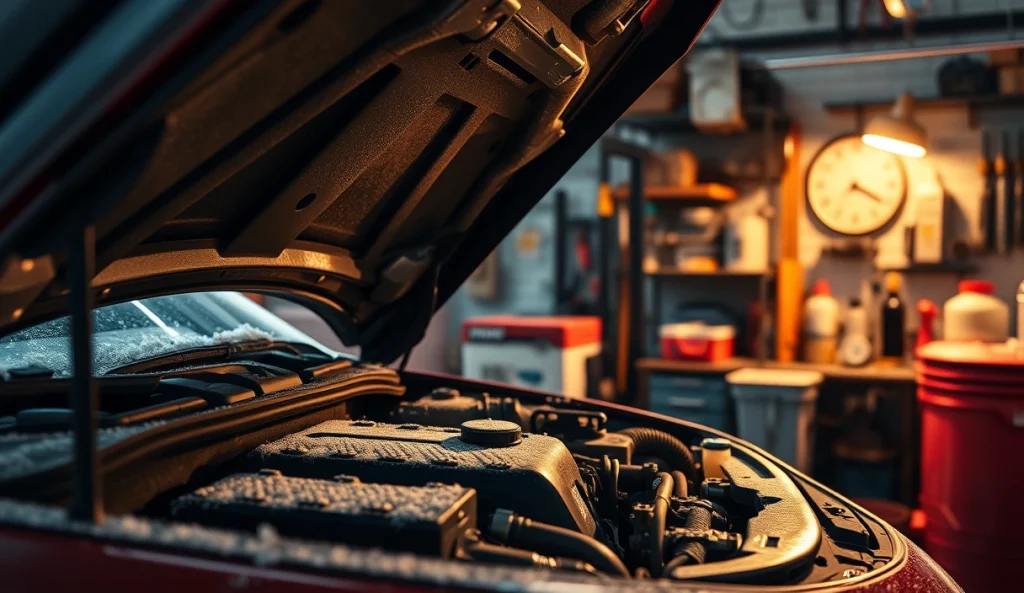
Still, context matters. If the ticking becomes unusually loud, continues for an extended period, appears while the engine is running, or is accompanied by an exhaust leak, burning smell, warning light, or visible damage, it deserves inspection.
For a vehicle producing only a brief series of light cooling ticks after normal operation, however, mechanics usually have little reason to treat the sound itself as evidence of an impending mechanical failure. It is often simply the vehicle cooling down after doing its job.
2. A Soft Click When the Turn Signal Is Operating
A steady clicking sound from the dashboard or instrument-panel area when the turn signal is activated is one of the least alarming noises a driver can hear. In modern vehicles, the sound is deliberately produced to provide feedback that the turn signal is operating.
It helps the driver know that the indicator has been activated without requiring constant attention to the instrument cluster.
Older vehicles commonly used mechanical or electromechanical flasher systems that created an audible clicking sound as the indicators switched on and off.
Modern vehicles may use electronic systems and speakers to reproduce a similar sound even though the underlying mechanism works differently. The familiar rhythm has therefore remained a normal part of vehicle operation.
The reason mechanics generally do not worry about this noise is its predictability. It occurs when a specific control is activated, follows a regular rhythm, and normally stops when the turn signal is cancelled. That behavior is completely different from an unexplained clicking noise that appears randomly while driving.
There can still be a reason to investigate if the sound suddenly changes. For example, an unusually rapid turn-signal rhythm can indicate that one of the exterior indicator bulbs or related lighting components has failed, depending on the vehicle’s electrical design. A warning message or non-functioning indicator should therefore not be ignored.
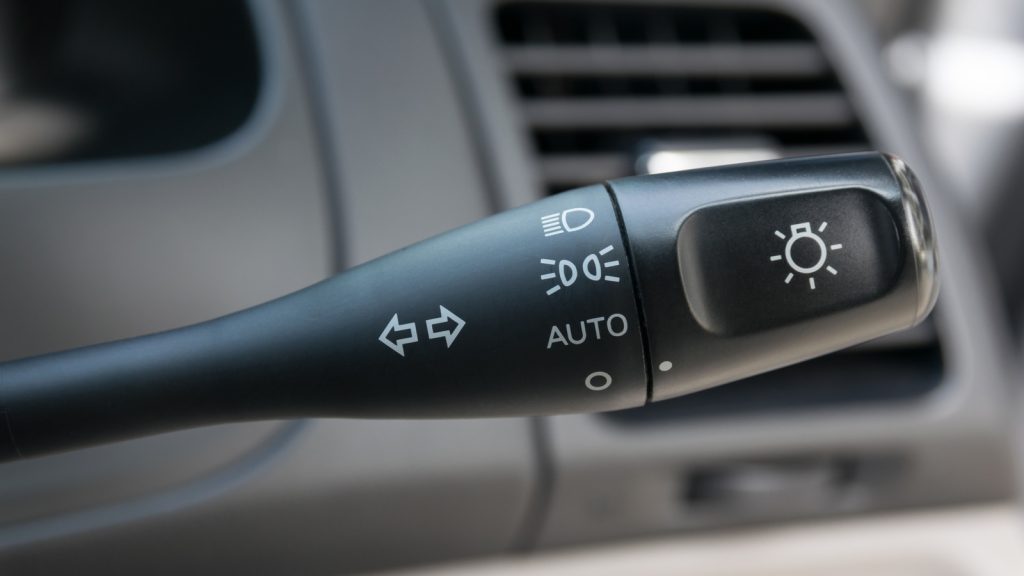
The clicking itself, however, is not a warning of mechanical failure. It is primarily an operating cue.
This noise belongs in the non-concerning category because understanding its purpose prevents unnecessary diagnosis.
Drivers sometimes become suspicious when they hear repeated clicking inside the cabin, but when it occurs only with the indicators and behaves normally, it is simply the vehicle communicating that the turn signal system is active.
3. A Light Squeak From the Brakes at Low Speed
A faint squeak from the brakes does not automatically mean the braking system is failing. Brake noise can occur under perfectly normal conditions, particularly when a vehicle is moving slowly, the brakes are lightly applied, or environmental conditions have affected the surfaces.
Brake components operate under considerable friction, and small vibrations between the pad and rotor can generate audible sounds. Moisture can also create temporary surface conditions that produce noise.
After a vehicle sits overnight, for example, a thin layer of surface oxidation may develop on the brake rotors. The first few brake applications can sound different until normal braking removes that surface material.
Temperature can make a difference as well. Some brake pads are naturally more prone to producing occasional squeaks under certain conditions. A light noise that appears intermittently without any change in stopping performance is therefore not automatically a sign that replacement parts are needed.
Mechanics become more interested when the sound is accompanied by grinding, pulsation, pulling, unusual pedal behavior, or a noticeable reduction in braking performance. Those additional symptoms change the diagnostic picture because they suggest that something beyond ordinary brake noise may be occurring.
The reason this sound is included is that drivers often hear one squeak and immediately assume their brake pads are finished. That conclusion is not necessarily justified. Brake wear needs to be assessed through inspection rather than sound alone.
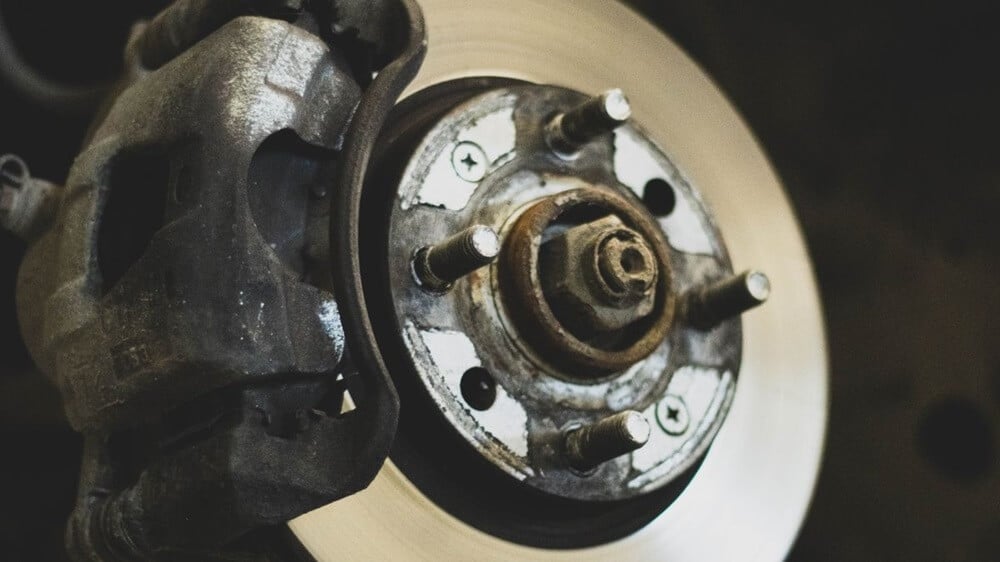
A vehicle that produces an occasional soft squeak but brakes normally may simply be experiencing ordinary friction-related noise. If the sound becomes persistent, harsh, or noticeably different, however, having the brakes inspected remains sensible.
The distinction is important because normal brake noise should not be confused with the much more concerning grinding associated with severe wear or abnormal contact.
4. A Short Buzz From the Dashboard or Interior
A brief buzzing or humming sound from inside the cabin can be irritating without representing a serious mechanical problem. Modern vehicles contain numerous small electric motors, fans, actuators, speakers, sensors, and control systems, so the interior can produce sounds that were uncommon in older cars.
Climate-control systems are a common source. Small motors operate air-distribution doors and other components within the heating and ventilation system. Depending on the vehicle, these mechanisms may produce a brief whirring, buzzing, or clicking sound when the ignition is switched on or when a climate-control setting changes.
Electronic systems can also make faint noises during startup. Some vehicles perform system checks after the ignition is activated, while others operate small components for a short period after the engine has been switched off. Hearing a brief sound during one of these moments does not necessarily indicate a defect.
Mechanics generally become more interested when the noise continues indefinitely, changes dramatically, or is accompanied by a malfunction. A buzzing sound combined with an HVAC system that cannot direct air correctly, for instance, gives the technician a stronger reason to investigate the related actuator or control system.

This noise is worth mentioning because cabin sounds are particularly difficult for drivers to locate. Interior trim can transmit or amplify small vibrations, making a minor component sound as though it is coming from somewhere completely different.
If the buzz is brief, predictable, and connected to a particular electrical or climate-control function, there is usually less reason for concern. The important clue is consistency. A sound that appears during normal system operation is fundamentally different from an unexplained noise that suddenly appears while driving.
5. A Single Clunk When the Vehicle Settles
A single, mild clunk when a vehicle first moves, settles after being parked, or transitions from one position to another can sometimes be completely normal. Vehicles have many components that shift slightly as weight transfers through the suspension and drivetrain.
For example, when a driver moves from reverse to drive after applying the brake, a small amount of drivetrain movement can sometimes be heard as the vehicle takes up slack in its mounts and driveline components. Suspension components can also make a brief sound when the vehicle’s weight shifts after being stationary.
The important factor is repetition and severity. A single mild noise that occurs during a specific transition is much less concerning than a loud clunk that happens repeatedly over potholes, during every turn, or whenever the brakes are applied. Mechanics use that pattern to decide whether the sound is likely part of normal movement or evidence of excessive play.
Temperature and parking conditions can influence sounds as well. A vehicle parked on an incline may place different loads on its drivetrain or parking mechanism than one sitting on level ground. Releasing those loads can occasionally create a noticeable movement or sound.
This noise belongs in the lower-concern category because a vehicle does not remain perfectly motionless internally when its direction of movement changes. Components must transfer forces, and small movements can sometimes be audible.
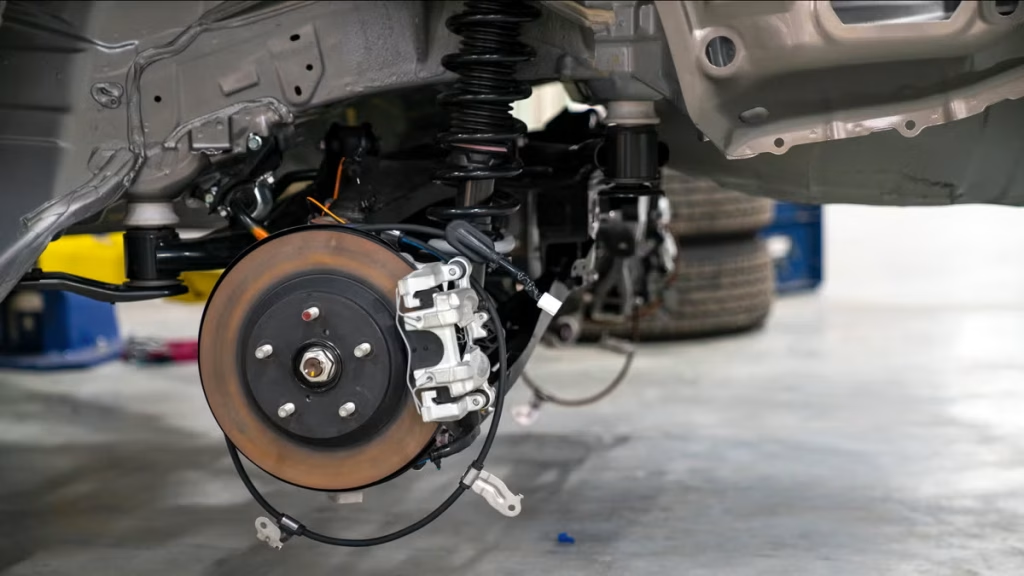
That does not mean every clunk should be dismissed. A new, loud, repeated, or worsening noise deserves inspection, particularly if it comes with vibration, steering changes, suspension problems, or unusual handling. But an isolated mild clunk tied to a predictable change in vehicle position is not automatically evidence of a failing component.
For drivers, the best approach is to pay attention to the pattern rather than reacting to one isolated sound.
