
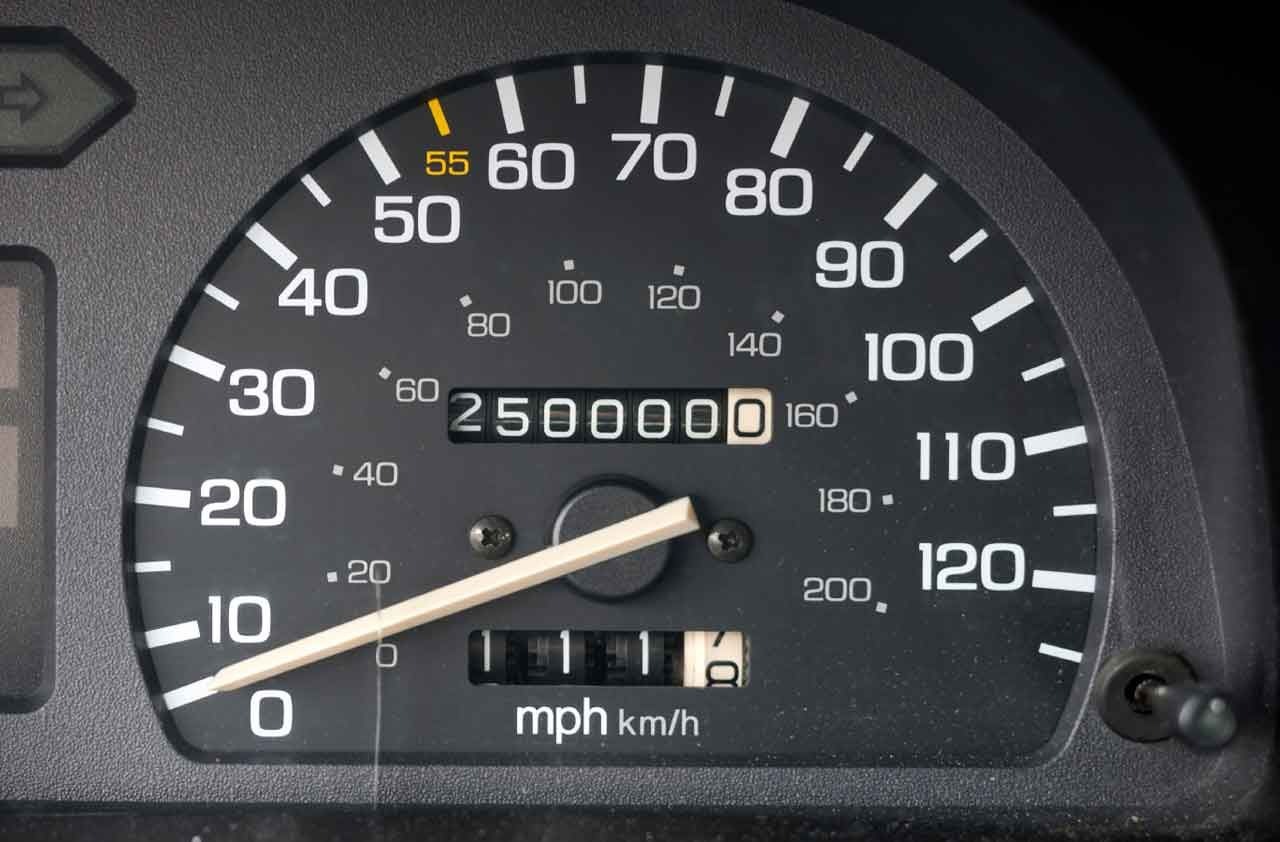
Ever wonder why some cars roll past 200,000 miles like it’s nothing, while others limp to the junkyard at 90,000? The secret isn’t luck or a magic engine. It’s a handful of small, consistent habits that owners build into their routine. Skip the guesswork and random advice from a buddy who “swears by” a certain trick.
Below are twelve proven practices that protect your engine, transmission, and body from the wear that ends most vehicles too soon. Stick with these, and your car has a real shot at outliving your car payments by a long stretch.
1. Follow the Manufacturer’s Maintenance Schedule (by Mileage and Time)
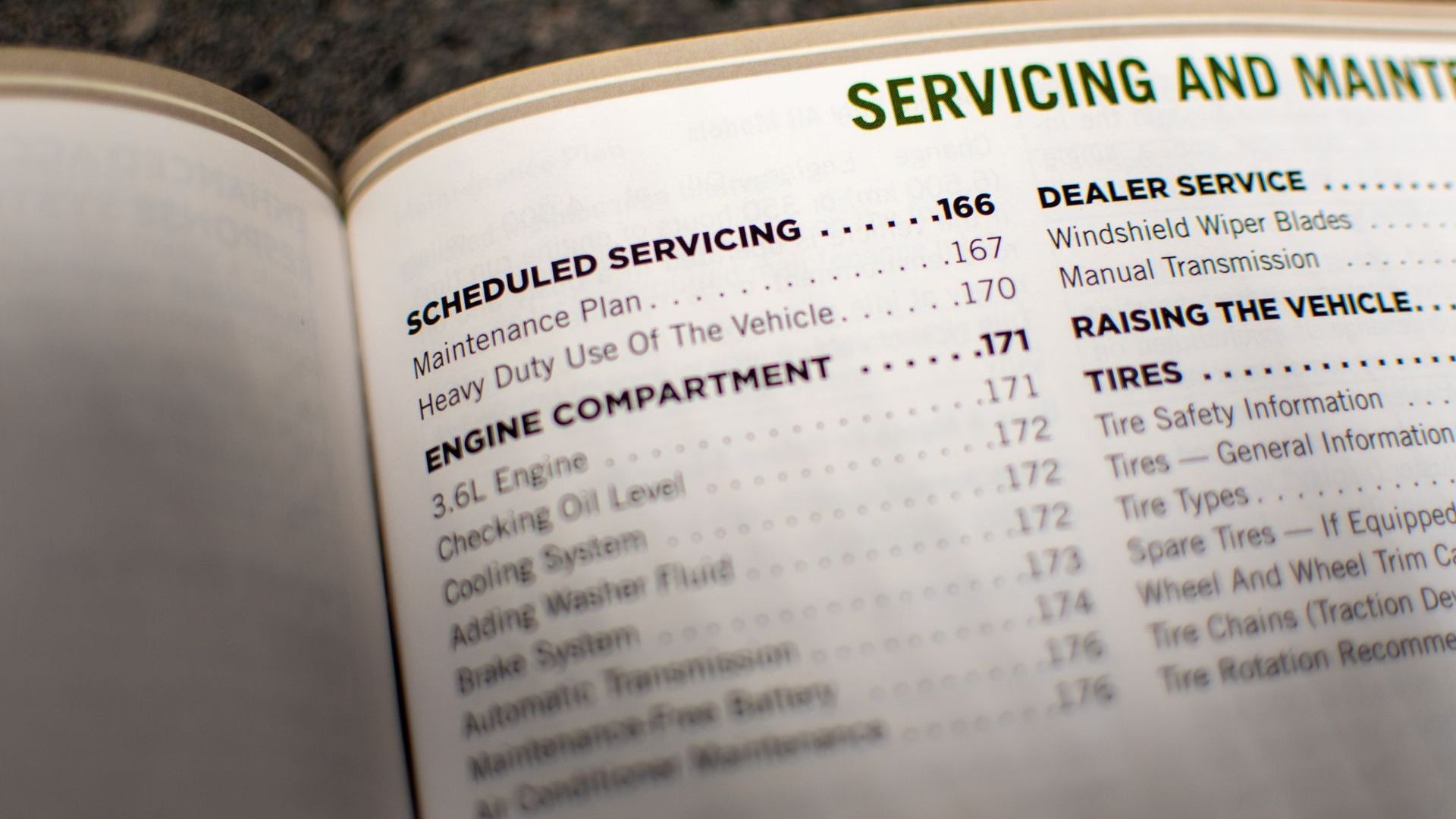
Your owner’s manual is not a suggestion box. It’s a blueprint built by the people who engineered your car, tested it in labs, and know exactly how its parts age. So skip the internet folklore about oil changes every 3,000 miles no matter what, or brake fluid swaps “whenever you remember.”
Open the manual, find the service schedule, and follow it by both mileage and time, since some fluids and rubber components degrade with age even if you barely drive.
One detail that many owners overlook is the separate maintenance schedule for severe driving conditions. Frequent stop-and-go traffic, repeated short trips, extreme temperatures, dusty roads, trailer towing, and extended idling can all place your vehicle under severe service conditions. If your driving includes these situations regularly, you may need to follow the more frequent maintenance schedule.
Severe conditions accelerate wear on oil, transmission fluid, and other systems, so the standard schedule won’t cut it. Pull out the manual, check the definitions, and be honest about your driving pattern.
A car driven gently on the highway ages differently than one used for daily short errands in the city. Matching the schedule to your actual habits, rather than the easiest one to remember, is the first real step toward six-figure mileage.
2. Change Engine Oil and the Oil Filter on Schedule
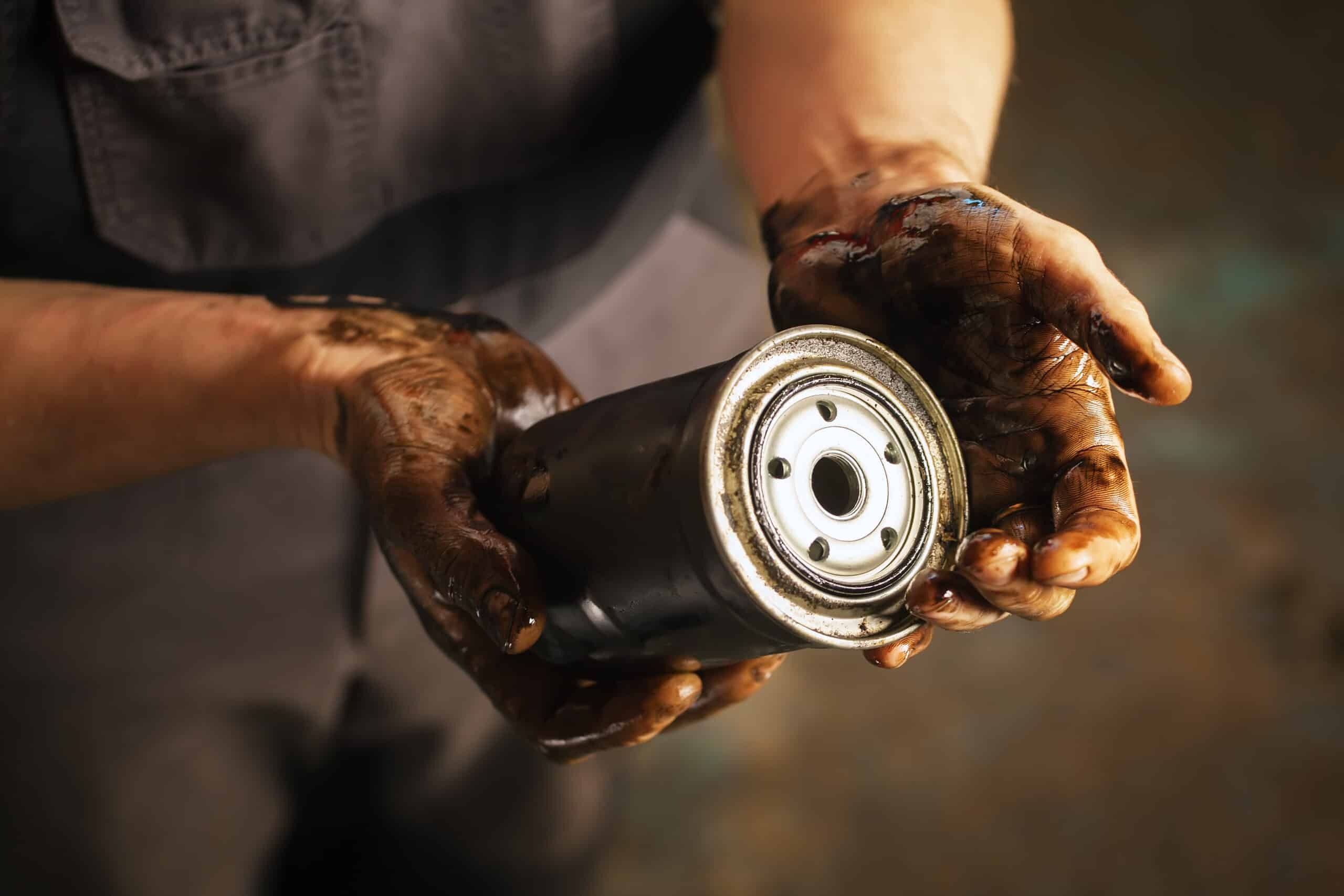
Oil is the lifeblood of your engine, and getting it right means paying attention to details most people skip. Start with the viscosity and performance rating listed in your manual, not the bottle that happens to be on sale.
If your vehicle requires 5W-30, switching to 0W-20 is not automatically acceptable just because both oils are synthetic. The same principle applies to oil filters. Choose one that meets the required specification instead of relying solely on the brand name.
Marketing labels can be misleading, too. “Full synthetic” sounds impressive, and “high mileage” formulas promise miracles, but neither guarantees compatibility with your specific engine.
What matters is whether the product meets the exact standard your manufacturer requires. Buying based on packaging language instead of the spec sheet is a common and costly mistake.
Then there’s the temptation to judge oil health by looking at it. Dark oil doesn’t always mean it’s spent, and lighter oil doesn’t always mean it’s fresh. Modern oils darken quickly from normal combustion byproducts, so color alone tells you almost nothing about lubrication quality or additive depletion.
Waiting for oil to “look dirty” before changing it is a gamble that can quietly wear down bearings, cams, and other internal components over months without any visible warning.
Stick to the interval, use the correct spec, and swap the filter every time. This single habit, done consistently, does more for engine longevity than almost anything else on this list.
3. Check Fluid Levels Regularly and Repair Leaks Promptly
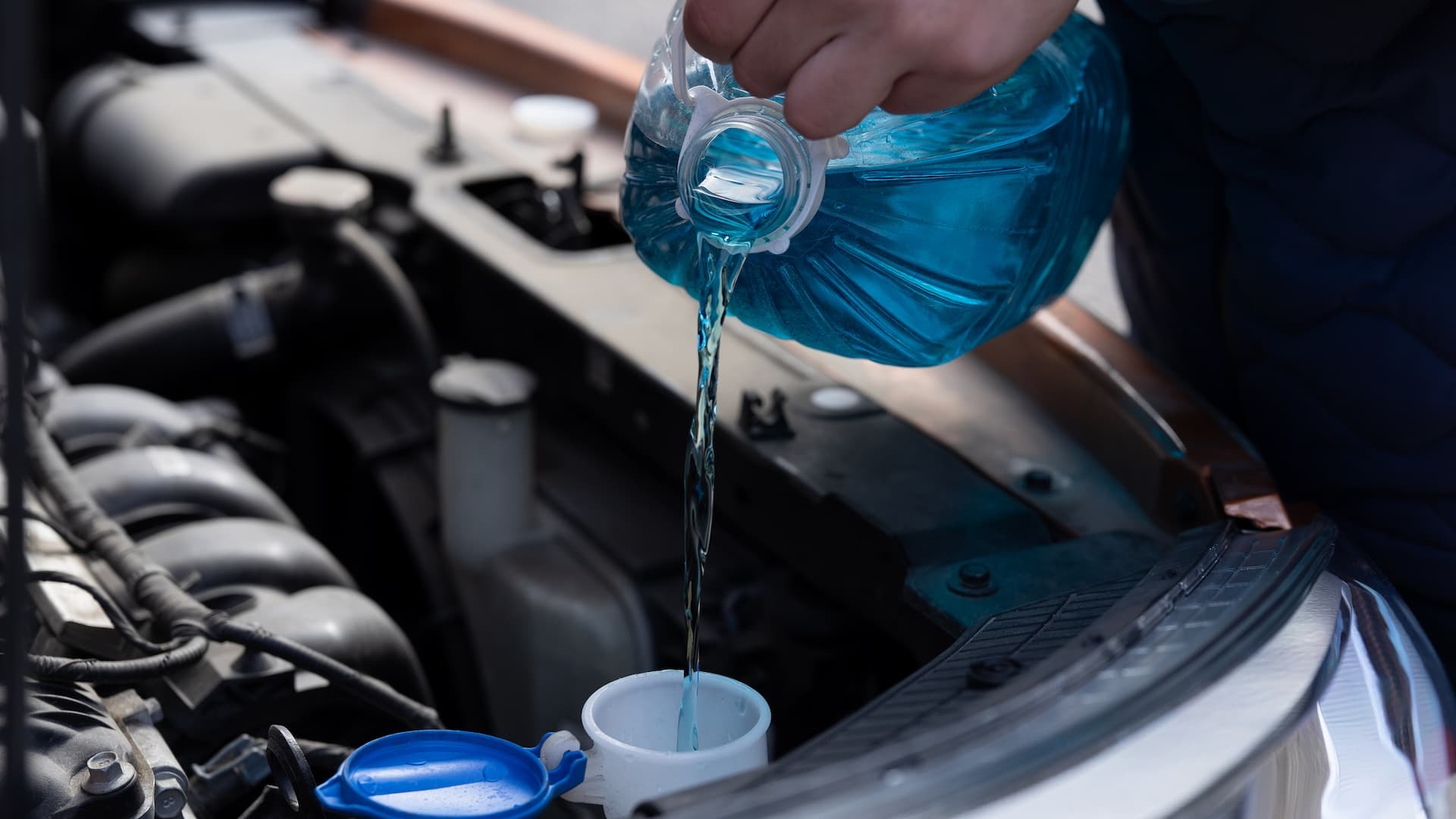
Think of fluid checks like a monthly health screening for your car. Pop the hood, glance at the dipstick, check the coolant reservoir, and note the brake fluid level. It takes minutes and costs nothing, yet it catches problems long before they become expensive.
There are six key fluid systems that deserve regular attention. These include engine oil, coolant, brake fluid, transmission or gearbox fluid, hydraulic power steering fluid on applicable vehicles, and differential or transfer case fluid on trucks and SUVs. Each fluid protects different components, and low levels can increase wear on parts that are much more expensive to repair or replace.
Now, about leaks. A puddle under your car is not something to shrug off or top up around. It’s a signal that a seal, gasket, hose, or line has failed and needs attention. Ignoring a small leak rarely keeps it small.
Low fluid levels caused by leaks lead to overheating, transmission slipping, brake failure, or seized components, depending on the system involved. What starts as a twenty-dollar seal replacement can turn into a multi-thousand-dollar rebuild if left unaddressed for months.
Make fluid checks part of your fueling routine, or set a calendar reminder if that works better for you. And whenever you notice a drip, a stain, or a low level that keeps returning after topping off, treat it as a repair job, not routine upkeep. Catching leaks early is one of the cheapest insurance policies you can give your vehicle
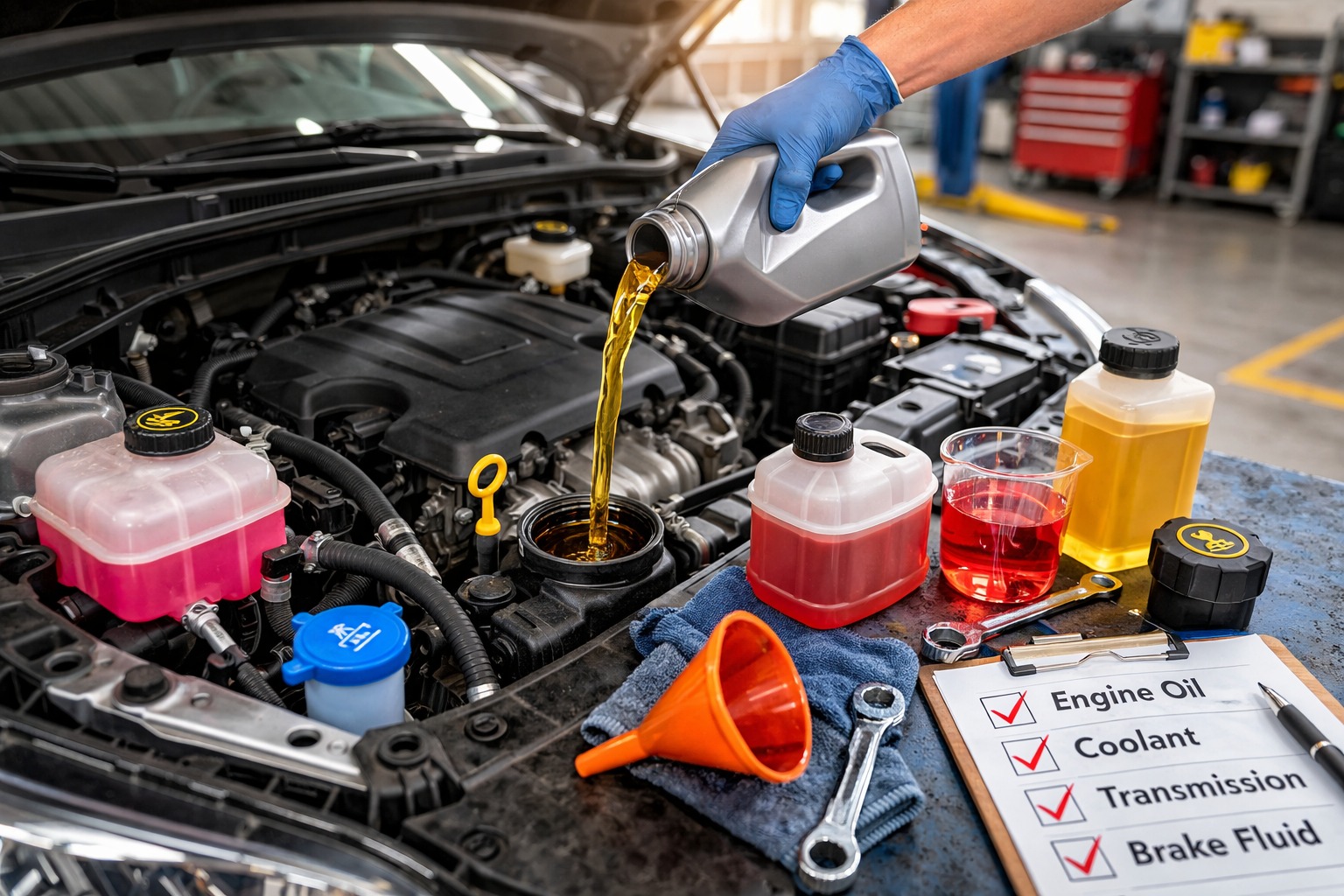
4. Replace Fluids When the Manufacturer Specifies (Not Just When They Look Dirty)
A fluid can look clean and still be overdue for replacement. That is why judging fluids by appearance alone can lead to costly problems. Coolant, transmission fluid, brake fluid, and differential fluid can all lose their protective qualities while appearing normal.
Coolant gradually loses its ability to prevent corrosion, even when its color remains green, pink, or orange. When that protection weakens, rust and scale can form inside the cooling system, restricting passages and reducing its ability to control engine temperature.
Transmission fluid can have a clean reddish appearance while its friction additives wear down, causing harsh gear changes and possible internal damage. Brake fluid presents another concern because it absorbs moisture from the surrounding air.
As water content increases, the fluid’s boiling point drops. Under demanding conditions, such as towing or driving through mountains, this can contribute to a soft pedal and weaker braking performance. The fluid may look clean.
The best approach is to follow the vehicle manufacturer’s recommended fluid type and service interval. Avoid relying on advice. Using an incorrect fluid or delaying service can result in expensive repairs. Check the owner’s manual, set maintenance reminders, and replace fluids according to the schedule rather than their appearance.
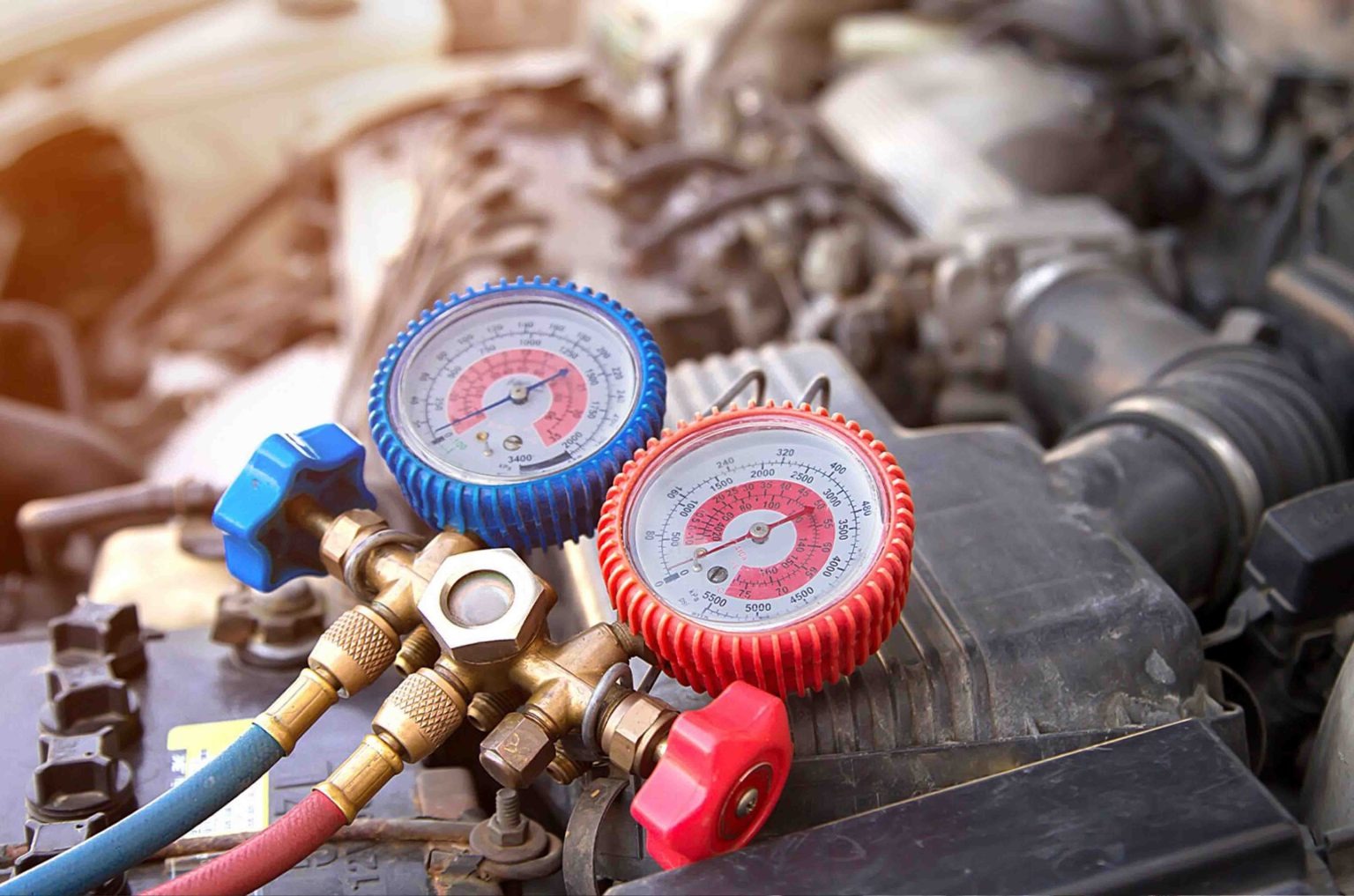
5. Keep the Engine and Drivetrain at Operating Temperature Without Unnecessary Idling
Remember when people used to let their cars idle in the driveway for five or ten minutes before driving anywhere? That habit made sense decades ago with carbureted engines, but it actually works against modern vehicles. Today’s engines are built to reach operating temperature efficiently through gentle driving, not prolonged idling.
Start your car, give it maybe thirty seconds for oil pressure and electronic systems to settle, then pull away and drive gently for the first few minutes. This approach warms the engine, transmission, differential, and tires far more evenly and quickly than sitting still ever could.
Idling burns fuel without generating the heat needed to properly circulate oil through every component, and it can actually wash oil off cylinder walls in colder conditions, increasing wear during that stretch.
Excessive idling also has downstream effects. Spark plugs can foul faster, exhaust systems accumulate more moisture and carbon, and fuel economy takes a hit. None of that helps your car reach 200,000 miles.
There’s a balance here, though. Driving hard immediately after starting, before the engine has had any chance to build oil pressure and warm slightly, is just as harmful in the opposite direction. The habit that protects your vehicle is a short settling period followed by smooth, moderate driving until the temperature gauge reaches its normal range.
Avoid long idling sessions in the driveway, at drive-throughs, or while waiting in parking lots whenever it’s reasonably avoidable. Your engine and your fuel tank will both thank you.
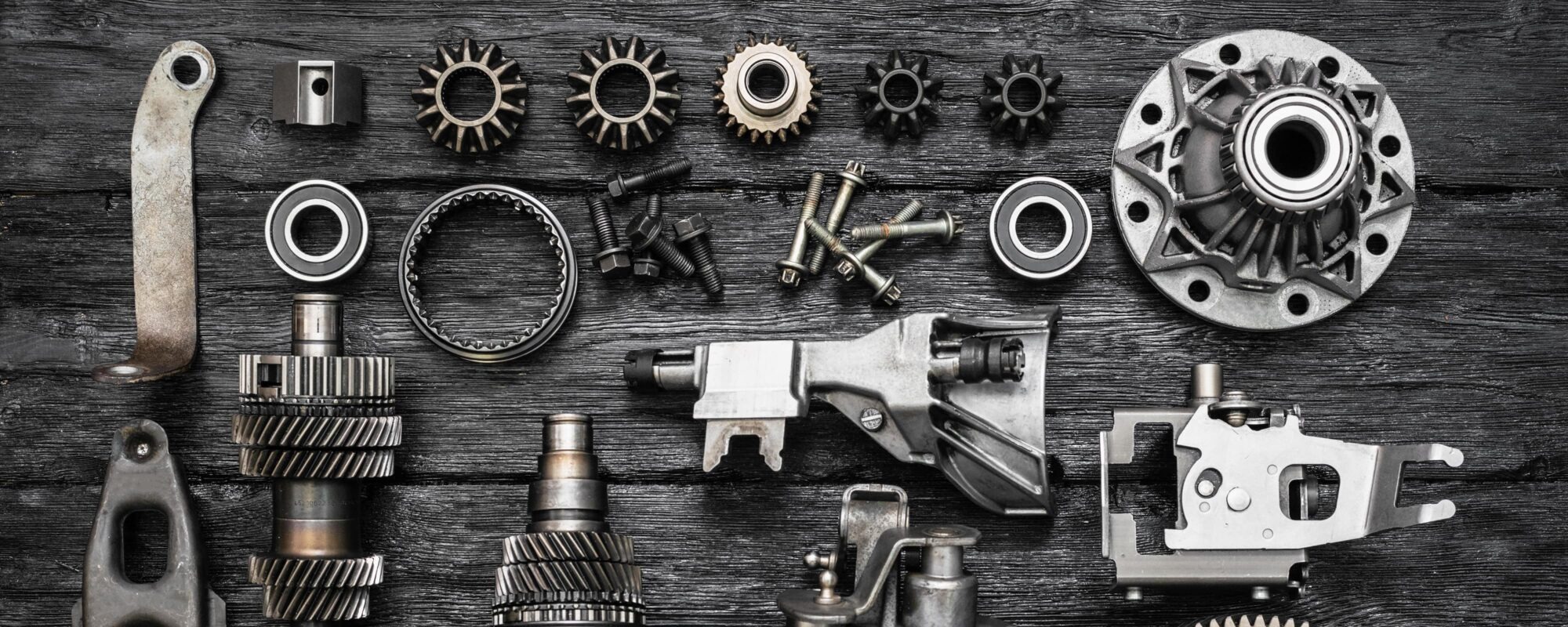
6. Use the Correct-quality Parts, Fluids and Filters
Not every replacement part needs to carry the manufacturer’s logo, but every replacement part does need to meet the manufacturer’s specification. That distinction matters more than most owners realize.
A budget filter that technically fits your vehicle but doesn’t meet the required filtration standard can allow contaminants into your engine or transmission, quietly grinding down components over thousands of miles.
This matters most for components that require specific specifications, including engine oil, transmission fluid, coolant, oil filters, air filters, and spark plugs. These components work closely with moving parts, precise tolerances, and systems that are sensitive to heat.
Choosing based on price alone, without checking whether the product meets the required rating, is a shortcut that tends to cost more down the road. Aftermarket parts absolutely have a place.
Many reputable manufacturers produce components that match or exceed original equipment standards, often at a lower price. The key is verifying the specification rather than assuming any part that physically fits will perform the same way.
A spark plug with the wrong heat range can cause misfires or even lead to engine damage, even if it fits properly. Make it a habit to check your owner’s manual or a reliable parts lookup before buying any part or fluid. Confirm the exact specification your vehicle requires, then choose products that meet those requirements.
This one extra step, taking maybe five minutes, protects your investment far better than grabbing whatever’s cheapest or most convenient on the shelf. Quality parts, matched correctly, are a quiet but powerful contributor to long-term reliability.
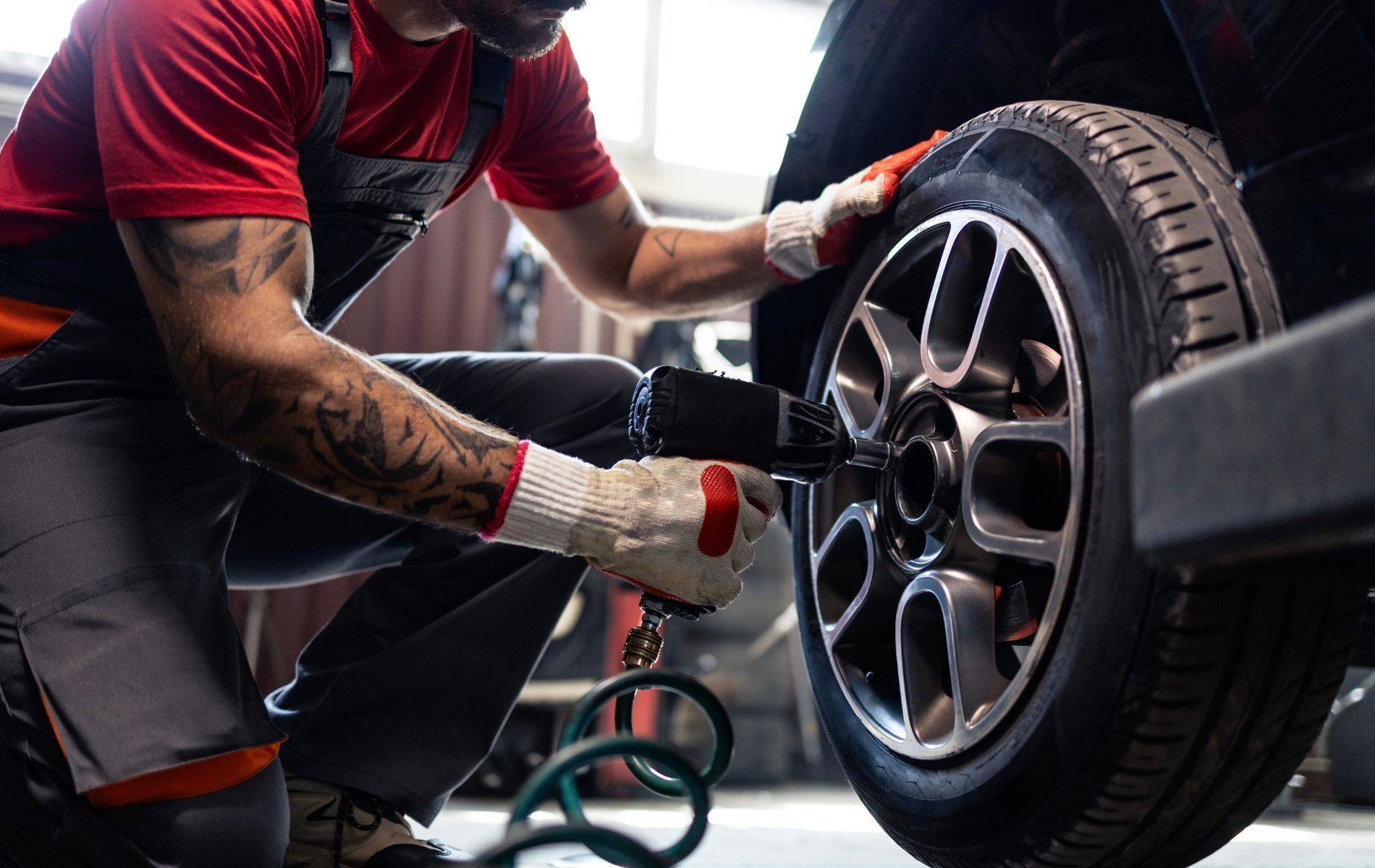
7. Maintain the Tires, Wheels and Alignment
Tires are the only part of your car actually touching the road, yet they’re often the most neglected component. Set a monthly reminder to check cold tire pressure, meaning before you’ve driven anywhere that morning, since heat from driving raises pressure and gives a false reading.
Use the number printed on the door jamb sticker or in your manual, never the maximum figure printed on the tire’s sidewall itself. Those numbers serve different purposes, and mixing them up leads to poor handling, uneven wear, or reduced comfort.
While you’re at it, run your hand along the tread and sidewalls looking for cracks, bulges, or embedded debris. Rotate the tires at the interval your manufacturer recommends to even out wear across all four positions, since front and rear tires typically wear differently depending on your drivetrain.
Pay attention to how your car feels, too. A vibration at highway speed, a pull to one side, or wear that looks heavier on one edge of a tire are all signs something needs professional attention, whether that’s balancing, alignment, or a suspension check. These issues rarely fix themselves, and driving on a misaligned vehicle accelerates tire wear and puts stress on suspension components.
Tires and alignment might feel like small details compared to engine maintenance, but they affect fuel economy, safety, and how evenly the rest of your car ages. Treat this system with the same seriousness as anything under the hood.

8. Drive Smoothly and Treat Potholes, Speed Bumps, and Rough Roads Seriously
Your driving habits can have a major effect on how well your vehicle holds up. Accelerating hard whenever the traffic light changes and braking aggressively at stops can put extra pressure on the engine mounts, transmission, brakes, and tires.
Gentle acceleration and steady braking help reduce unnecessary wear. This simple habit does not cost anything, yet it can help your vehicle last much longer. Road conditions also deserve attention.
A pothole may look harmless, but hitting one at high speed can bend a wheel, damage the inside of a tire, affect wheel alignment, or even harm suspension parts. Speed bumps can cause similar problems when you drive over them too quickly.
If you hit a large pothole or curb, take a moment to check your vehicle when it is safe to do so. Look at the tire and wheel for visible damage, then pay attention to how the car feels while driving. If the vehicle starts pulling to one side, develops unusual vibrations, or shows uneven tire wear, have the alignment inspected.
Smooth driving does not mean driving slowly or being overly cautious. It simply means avoiding unnecessary force. Treating your car gently helps reduce stress on its mechanical parts and can save you from expensive repairs later.

9. Change Gears Properly and Don’t Abuse the Transmission
The transmission is one of the most expensive components to repair, so treating it carefully is worth the small effort. If you drive an automatic, always bring the vehicle to a complete stop before shifting between Reverse and Drive, or vice versa.
Changing gear while the car is still rolling, even slowly, forces internal components to change direction under load, which adds unnecessary stress that accumulates as time goes on.
Avoid using the transmission to hold your car in place on a hill. That’s what the brake pedal, and on some vehicles the parking brake, are designed for. Riding the gas against the brake, or relying on the transmission’s resistance to prevent rolling backward, puts strain on internal clutches and bands that were never meant to act as a holding mechanism.
Follow your manufacturer’s specific guidance for Park and Neutral positions, particularly if you ever tow your vehicle behind another car or on a flatbed. Some vehicles require the transmission in Neutral during towing, while others need additional steps like disconnecting a driveshaft.
Getting this wrong can cause serious internal damage in a matter of minutes. If you drive a manual transmission, proper clutch technique matters just as much. Press the pedal fully when shifting, avoid resting your foot on it while driving, which is often called riding the clutch, and don’t use it to hold the car on an incline.
Small habits like these, repeated daily, are what keep a transmission running smoothly for hundreds of thousands of miles instead of failing early.
10. Replace Wear Items Before They Become Secondary Failures
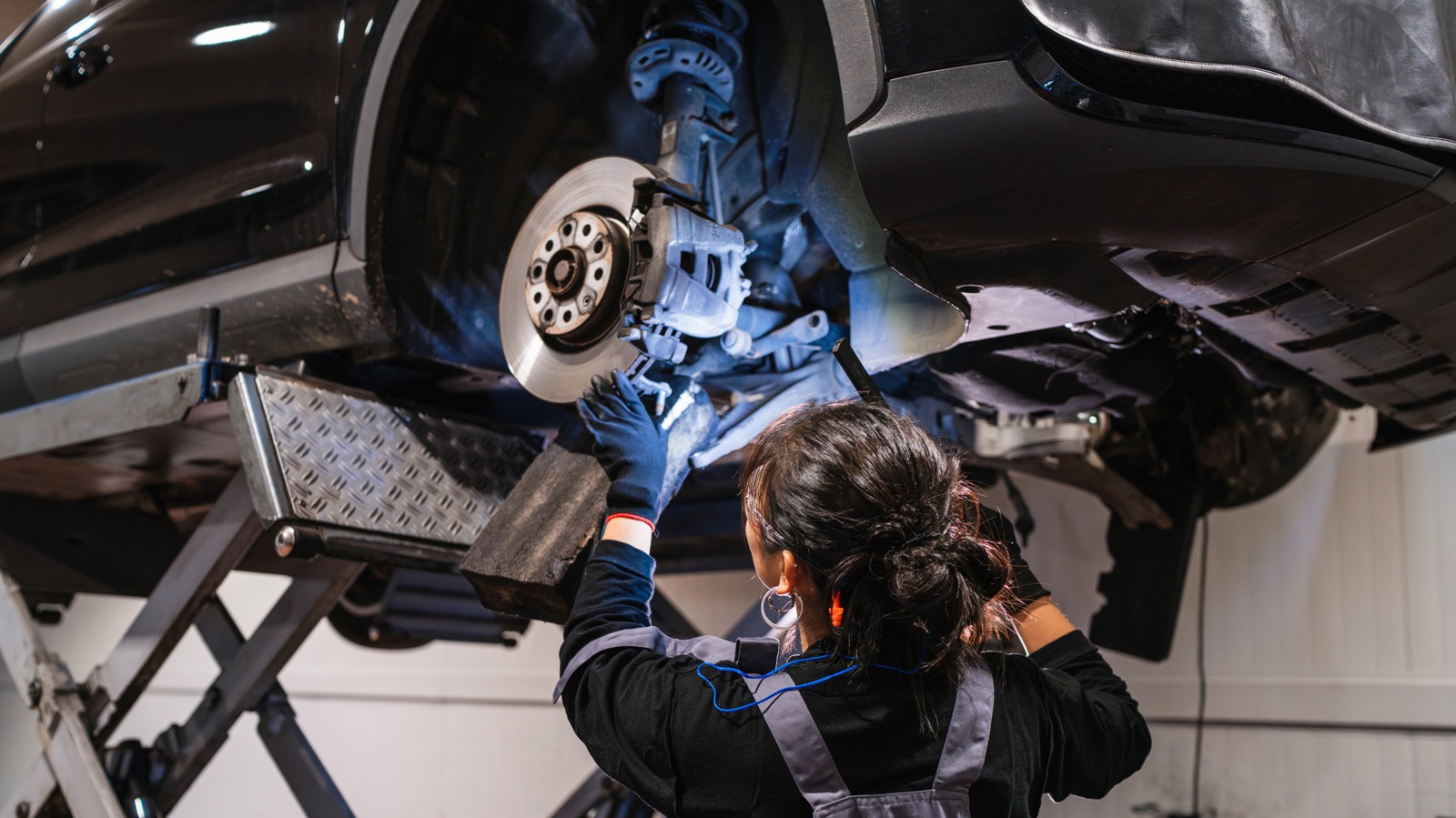
Every vehicle has components that are meant to wear out and be replaced at specific intervals, including spark plugs, air filters, cabin filters, and drive belts. Replacing these parts on time can prevent minor maintenance issues from turning into expensive repairs. A worn drive belt can break and damage other components, while a clogged air filter can reduce airflow and gradually hurt engine performance.
That said, not everything needs to be replaced simply because a mile marker was reached. Ignition coils are a good example. Some owners assume these should be swapped on a fixed schedule like spark plugs, but most manufacturers don’t require that unless there’s an actual problem. Replacing healthy coils unnecessarily wastes money without adding any real benefit.
What does deserve immediate attention is a misfire. If your engine starts running rough, hesitating, or the check engine light comes on with a misfire code, don’t put off diagnosing it. A misfire allows unburned fuel to enter the exhaust system, where it can overheat and damage the catalytic converter, a component that’s far more expensive to replace than whatever caused the misfire in the first place.
The key is finding the right balance. Replace wear items according to their recommended schedules, and address warning signs as soon as they appear instead of hoping they disappear. Regular maintenance combined with timely diagnosis can prevent minor problems from developing into costly repairs.
11. Fight Corrosion and Protect the Body/Chassis
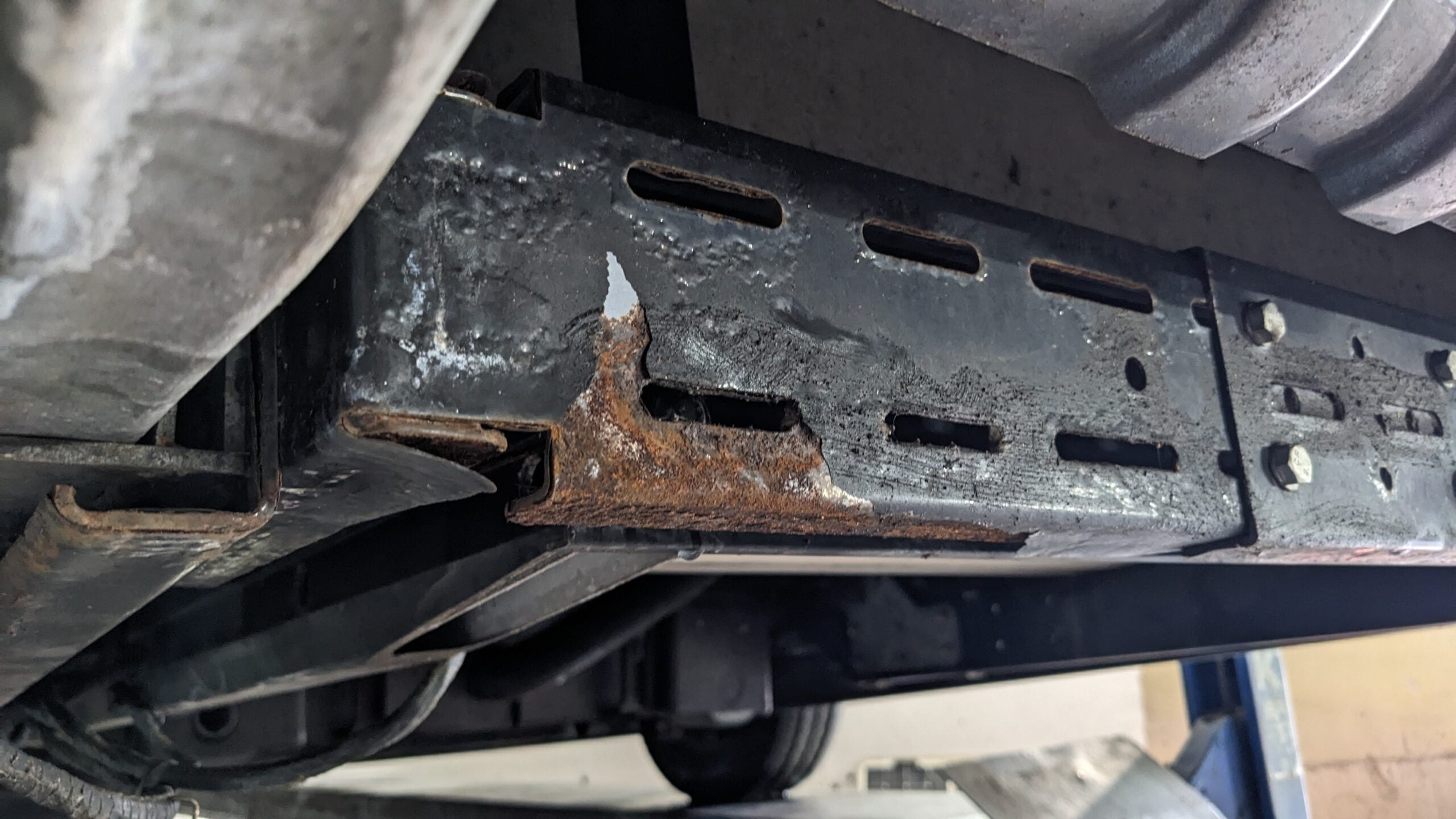
Keeping your engine in good condition does not protect the rest of your vehicle from rust. Brake lines, fuel lines, suspension parts, and other metal components can corrode quietly without showing any warning at first.
Washing the car regularly, including the underside, is one of the easiest ways to reduce this risk. After driving through mud, flooded areas, or roads covered with corrosive materials, rinse the underside properly to remove dirt and moisture.
Your car’s paint also does more than improve its appearance. It protects the metal underneath from moisture and air. A small stone chip that exposes bare metal can soon become a rust spot. Repairing these chips early can stop the damage from spreading.
Water can also collect inside doors, rocker panels, and other body sections when drain holes become blocked. Dirt and leaves can seal these openings, leaving moisture trapped inside and allowing rust to develop where you cannot easily see it.
Regular checks can save you from expensive repairs. Inspect the chassis, brake lines, fuel lines, and suspension parts from time to time. This is especially important in areas with heavy rainfall or salty air. Washing the underside, fixing paint damage, and keeping drain holes clear can help protect your vehicle for many years.
12. Inspect the Vehicle Proactively Instead of Waiting for Symptoms
The final habit is to stay proactive rather than waiting for your car to show obvious signs of trouble. Symptoms such as grinding noises, warning lights, or fluid leaks often appear only after a problem has already been developing for some time.
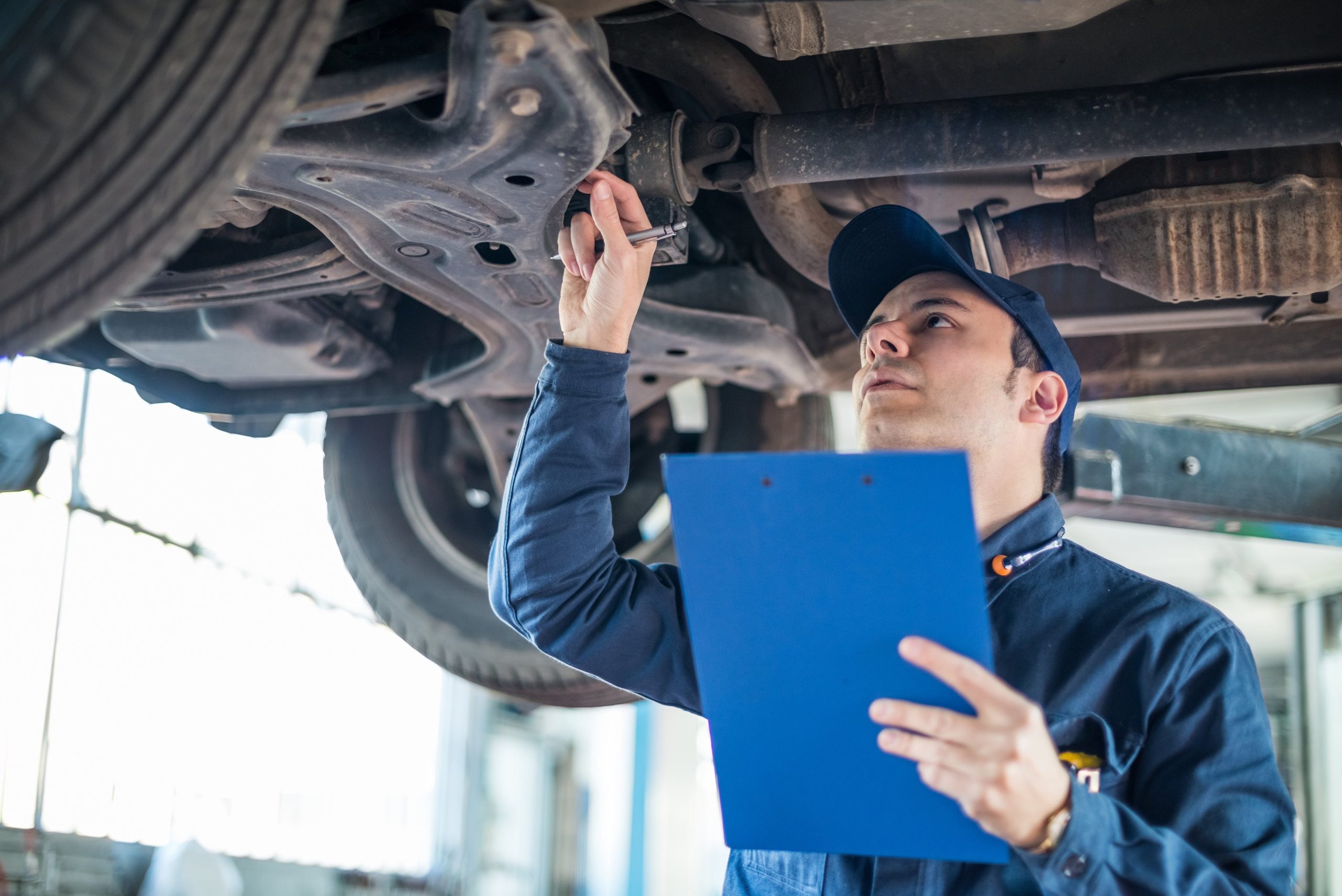
Proactive inspection catches these issues while they’re still small and inexpensive to fix. Every time your vehicle is in for service, ask for a walk-around inspection. Brake pads and rotors should be checked for remaining thickness.
Shocks and struts should be examined for leaking fluid, which indicates they’re no longer damping properly. Rubber bushings throughout the suspension deteriorate with age and exposure, often cracking or softening long before they cause a noticeable ride change.
Hoses deserve a close look, too, since cracks or soft spots can precede a sudden failure. CV boots, the rubber covers protecting the joints in your drive axles, should be intact and free of tears, because a torn boot lets grease escape and dirt in, leading to joint failure. Wheel bearings, steering components, exhaust systems, and battery condition round out a thorough inspection.
This habit is what separates cars that reach 200,000 miles from those that don’t. It’s not one dramatic fix. It’s a pattern of catching small, developing faults before they become expensive failures. Build this into every service visit, and 200,000 miles stops being a milestone you hope for and becomes a realistic, achievable outcome for your vehicle.
