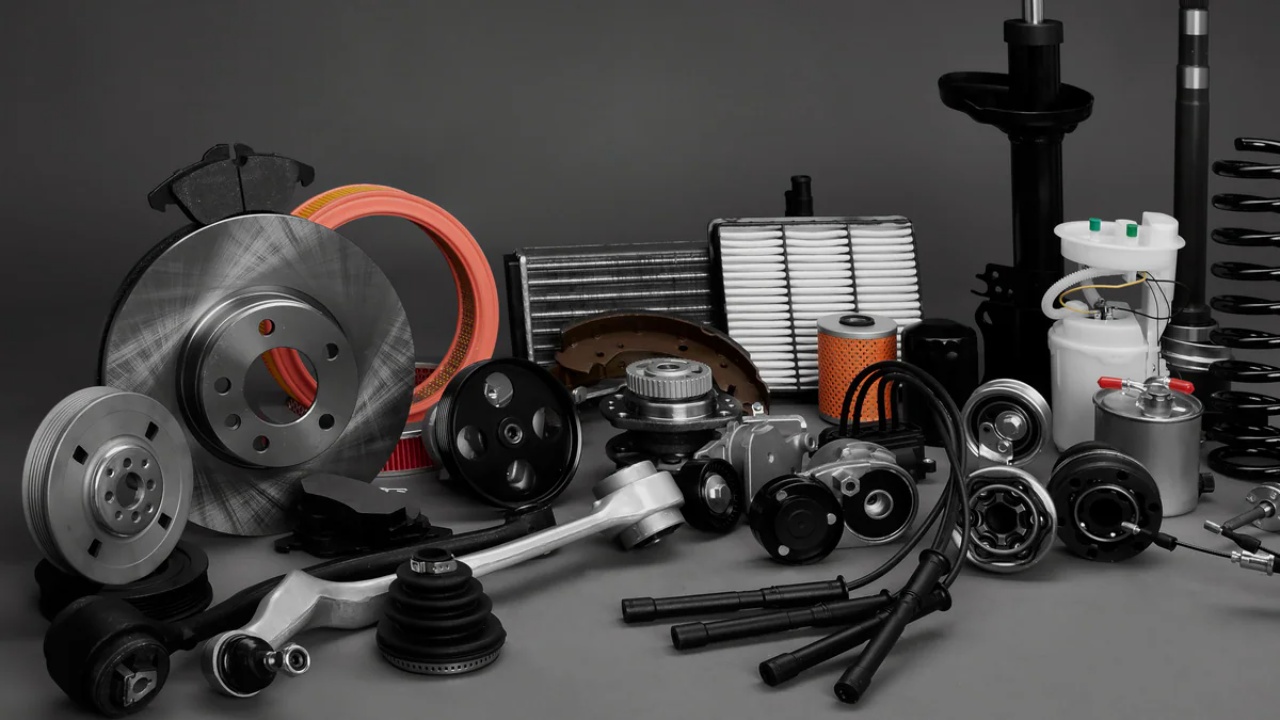
The aftermarket can transform a car’s sound, appearance, handling, and performance, but not every modification is legal to sell for use on public roads. Federal law is especially strict when a part bypasses, disables, or makes an emissions-control system inoperative.
The EPA calls these products “defeat devices,” and the Clean Air Act prohibits manufacturing, selling, offering to sell, or installing them when their principal effect is to defeat required emissions controls.
Recent enforcement actions show that this is not an outdated rule. Companies have faced multimillion-dollar penalties for selling prohibited products. The eight categories below explain where aftermarket performance crosses the federal legal line.
1. Diesel DPF Delete Kits
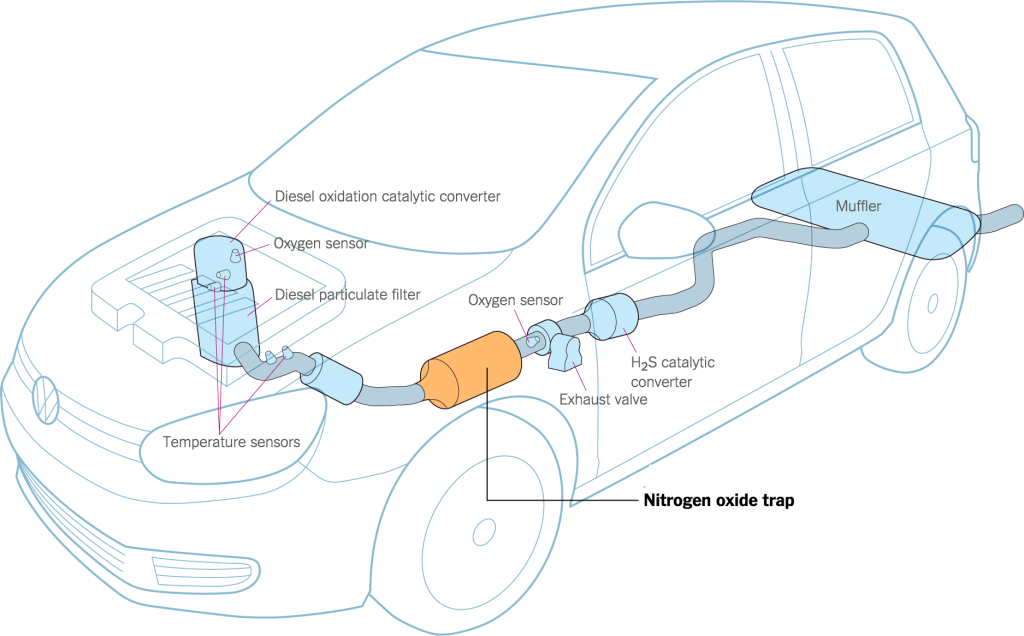
Diesel particulate filter delete kits are among the clearest examples of aftermarket products that can violate federal law. A diesel particulate filter, commonly called a DPF, is part of the emissions-control system installed on many modern diesel vehicles. Its job is to capture particulate matter from the exhaust before those pollutants reach the atmosphere.
The EPA specifically identifies DPFs and their associated sensors among the emissions-control components protected by the Clean Air Act’s anti-tampering provisions. Federal law prohibits manufacturing, selling, offering to sell, or installing an aftermarket component when its principal effect is to bypass, defeat, or render inoperative an emissions-control device.
That makes a product marketed specifically to remove or disable a vehicle’s DPF a serious legal problem. Calling it a “race-only” product does not automatically make its road use legal, and labeling alone does not change what the component is designed to accomplish.
EPA enforcement demonstrates the scale of the issue. In its settlement with Turn 14 Distribution, the agency said the company had sold more than 140,000 defeat devices between January 2016 and August 2021.
The products included devices intended for diesel trucks and were designed to remove or defeat emissions controls. The settlement required Turn 14 to pay a $3.6 million civil penalty and stop selling the devices.
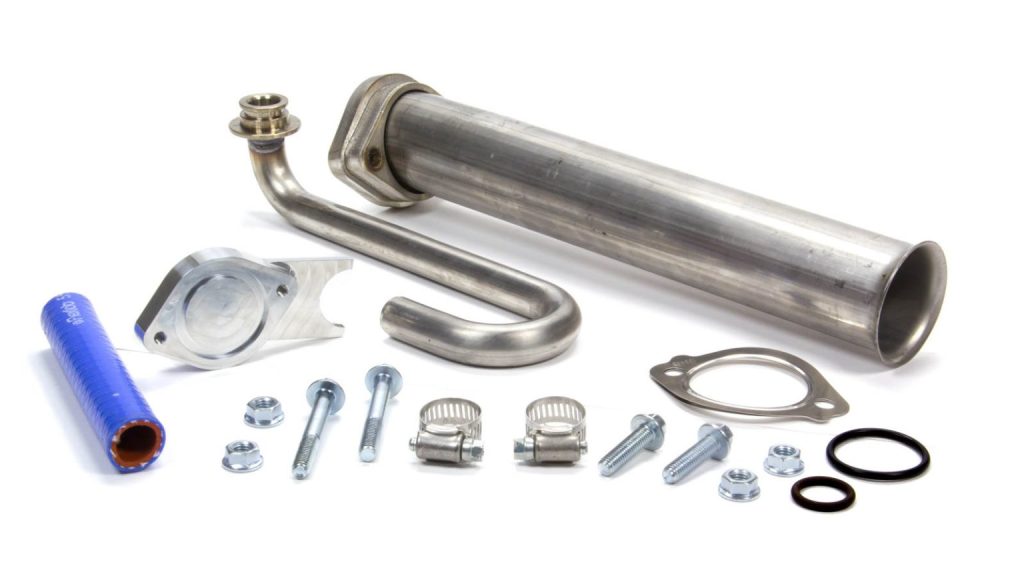
The EPA has also estimated that known sales of certain diesel defeat devices for trucks produced after 2009 and before 2020 could result in more than 570,000 tons of excess nitrogen oxides and 5,000 tons of excess particulate matter over the affected trucks’ lifetimes.
The important distinction is that a replacement DPF is not inherently illegal. A compliant replacement designed to perform the same emissions-control function can be lawful. The problem begins when an aftermarket product is designed to defeat the federally required system.
2. EGR Delete Kits
Exhaust gas recirculation, better known as EGR, is another emissions-control system that has attracted a large aftermarket industry. EGR systems work by routing a controlled portion of exhaust gas back into the engine’s intake system, helping reduce certain emissions, particularly nitrogen oxides.
The EPA specifically lists EGR systems among the emissions-control components covered by its aftermarket defeat-device enforcement policy. Federal law prohibits selling or installing a component when its principal effect is to bypass, defeat, or render an emissions-control device inoperative.
That means an aftermarket product designed specifically to eliminate the factory EGR system from a road-going vehicle can fall squarely within the federal prohibition.
The legal issue is not whether the part makes the engine run differently or whether an owner personally prefers the change. The critical question is whether the component defeats an emissions-control system that was installed to comply with federal requirements.
The EPA has repeatedly enforced this rule against businesses selling diesel performance products. In 2023, the agency announced a settlement with Fleece Performance after alleging that the company sold and installed defeat devices designed to bypass or disable vehicle emissions controls.
The company agreed to destroy its inventory of defeat-device components and stop selling or installing them.
There is an important difference between an EGR replacement component and an EGR-delete product. A replacement designed to restore the factory emissions function is not automatically prohibited simply because it is aftermarket.
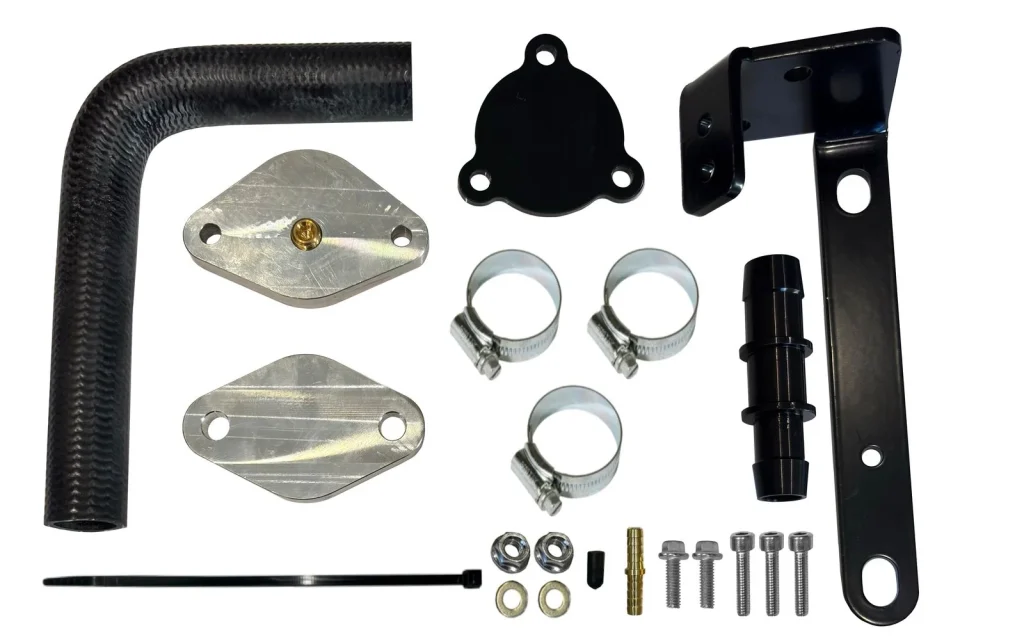
EPA guidance recognizes circumstances in which a replacement part is identical in design and function to the component it replaces.
For buyers, the warning sign is therefore not the word “aftermarket.” It is the purpose and effect of the product. An EGR component designed to maintain the required emissions system is fundamentally different from a kit marketed to remove or defeat it.
3. Catalytic Converter Delete Pipes
Catalytic converters are among the most important emissions-control components on gasoline-powered vehicles, and replacing one with a straight pipe designed to eliminate its function can cross a clear federal legal line.
The EPA states that removing a catalytic converter without replacing it with an approved replacement is illegal tampering under the Clean Air Act.
That makes a catalytic-converter delete pipe fundamentally different from a properly certified replacement exhaust component. A compliant replacement can restore the emissions system, while a pipe designed to remove the converter defeats a device installed to control emissions.
The federal prohibition also reaches the people selling these products. The Clean Air Act prohibits manufacturing, selling, offering to sell, or installing a part when its principal effect is to bypass, defeat, or render inoperative an emissions-control device.
EPA enforcement shows that this is more than a theoretical rule. The agency has specifically identified hollow straight pipes that replace filters or catalysts as examples of potential aftermarket defeat devices.
In one enforcement case, EPA said aftermarket products included straight pipes and tuning software that enabled removal of filters, catalysts, and other emissions controls.
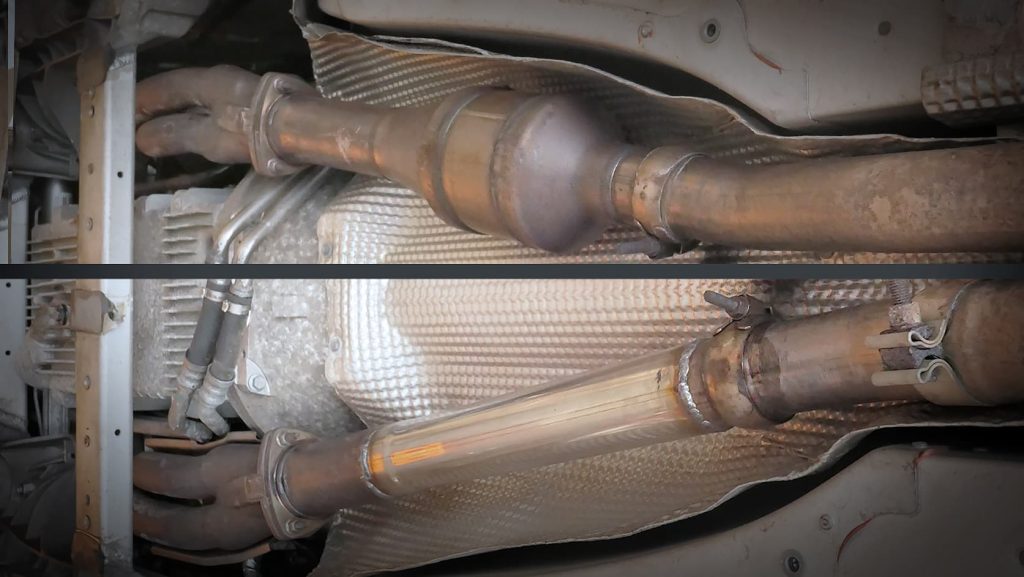
The legality can become more complicated when a product is advertised for competition use. A label saying “off-road” or “race use only” does not automatically make an otherwise prohibited product lawful to sell. The EPA evaluates what the product is designed to do and whether it bypasses required emissions controls.
For consumers, the safest choice is a replacement catalytic converter that is appropriate for the vehicle and complies with applicable federal and state requirements. Simply removing the factory converter may produce a louder exhaust, but it also creates a federal tampering problem.
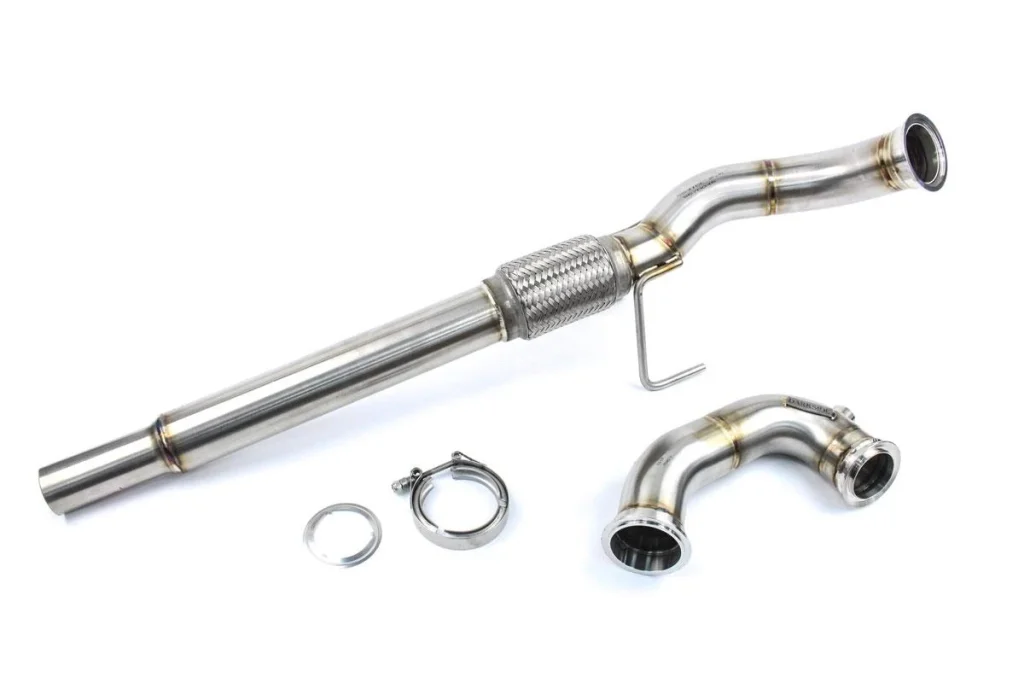
4. DPF Delete Pipes
A diesel particulate filter, or DPF, is designed to capture particulate matter from diesel exhaust. Removing it can dramatically change the vehicle’s emissions, which is why DPF delete pipes are among the aftermarket products targeted by federal enforcement.
The EPA specifically identifies diesel particulate filters and their sensors as emissions-control components protected by the Clean Air Act’s anti-tampering provisions. The agency also identifies replacement exhaust pipes that remove after-treatment equipment as examples of defeat devices.
The legal problem is not the shape of the pipe itself. A properly engineered exhaust replacement that preserves the required emissions-control functions is a different product. A pipe marketed specifically to eliminate the DPF, however, is designed to defeat a federally required emissions system.
EPA enforcement has demonstrated how aggressively the agency treats this category. Its national enforcement initiative reported that known sales of certain diesel defeat devices for trucks built after 2009 and before 2020 were associated with more than 570,000 tons of excess nitrogen oxides and 5,000 tons of excess particulate matter over the affected vehicles’ lifetimes.
The agency has also pursued companies selling these products. In a 2025 settlement, EPA and the Justice Department said a Florida diesel-performance distributor had sold or installed at least 748 aftermarket defeat devices that bypassed or rendered vehicle emissions controls inoperative.
That enforcement history makes the risk difficult to dismiss as an obscure technical rule. Selling a DPF delete product for use on emissions-controlled road vehicles can create federal liability.
For diesel owners, a compliant replacement DPF is the appropriate route when the original component fails. A delete pipe may be marketed as a performance modification, but if its purpose is to eliminate the factory particulate-control system, it can fall directly within the federal prohibition.
5. Oxygen Sensor Simulators
An oxygen sensor simulator can look like a tiny, harmless electronic accessory, but the EPA has specifically identified this type of product as an illegal aftermarket defeat device when it is designed to hide an emissions-control failure.
Oxygen sensors monitor exhaust gases and provide information to a vehicle’s engine-control system. That information can influence fuel management and help the onboard diagnostic system identify problems with emissions equipment.
An oxygen sensor simulator, sometimes called an O₂ simulator, is designed to send a false signal to the vehicle computer so it behaves as though the emissions system is functioning correctly.
The EPA has already taken direct enforcement action in this category. In a case involving Casper’s Electronics, the agency said the company sold more than 44,000 O2 simulators before enforcement stopped further sales.
The products were designed to prevent the check engine light from appearing when a catalytic converter was damaged or missing.
The “off-road only” label did not solve the problem. EPA said the products were marketed for use on regular production vehicles, and the agency specifically noted that there is no general off-road exemption allowing emissions controls on ordinary highway vehicles to be defeated.
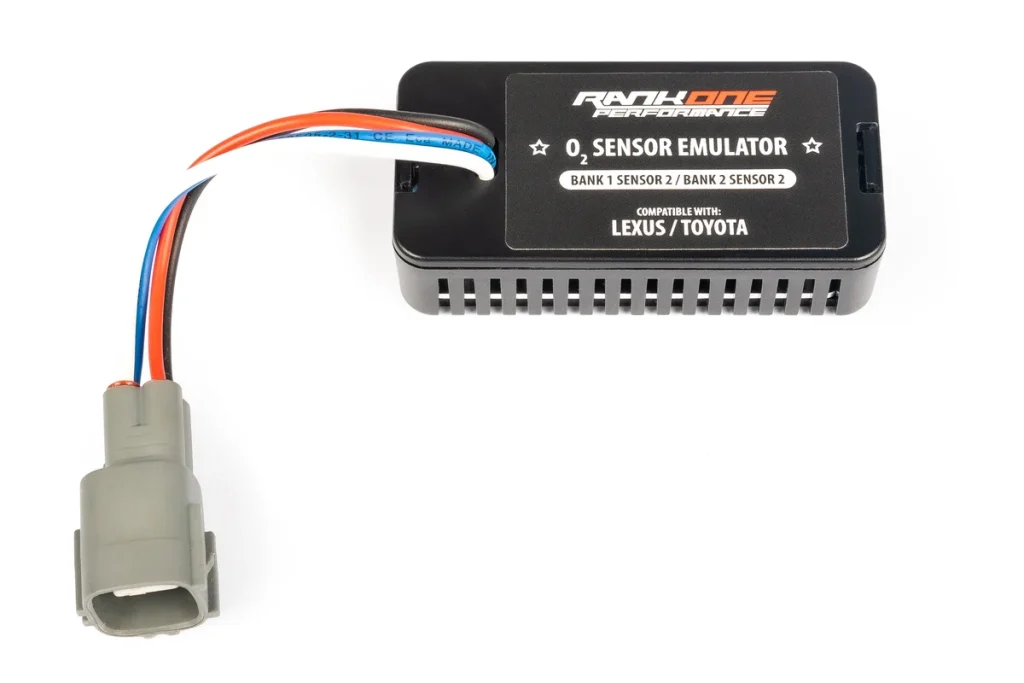
That distinction matters for aftermarket shoppers. A replacement oxygen sensor that performs its intended function is entirely different from an electronic device designed to fool the vehicle’s diagnostic system.
The federal rule focuses on the device’s purpose and effect. If its principal effect is to bypass or render an emissions-control system ineffective, manufacturing, selling, offering it for sale, or installing it can violate the Clean Air Act.
6. Emissions Defeat Tuners
Performance tuners are not automatically illegal. In fact, the aftermarket contains many legitimate tuning products. The problem begins when a tuner provides functions specifically designed to disable, bypass, or reduce the effectiveness of federally required emissions controls.
Modern vehicles rely heavily on electronic control units to manage fuel delivery, ignition, exhaust after-treatment, and diagnostic functions.
The EPA specifically identifies ECU calibrations as potential emissions-control elements and warns that aftermarket tuners can become illegal defeat devices when they allow users to circumvent those controls.
This is not merely an interpretation on paper. The EPA and Department of Justice reached a settlement with COBB Tuning Products in 2024 over alleged Clean Air Act violations involving aftermarket emissions defeat devices. COBB agreed to stop manufacturing and selling the products covered by the settlement and pay a $2.9 million civil penalty.
Another EPA enforcement case involving AutoAnything found that the company had sold tuners that enabled users to turn off emissions controls. The company paid a $125,000 penalty as part of a broader 2021 settlement involving several distributors.
The important distinction is between performance calibration and emissions tampering. An aftermarket tune that has a reasonable basis for not adversely affecting emissions is treated differently from software specifically designed to shut down emissions systems.
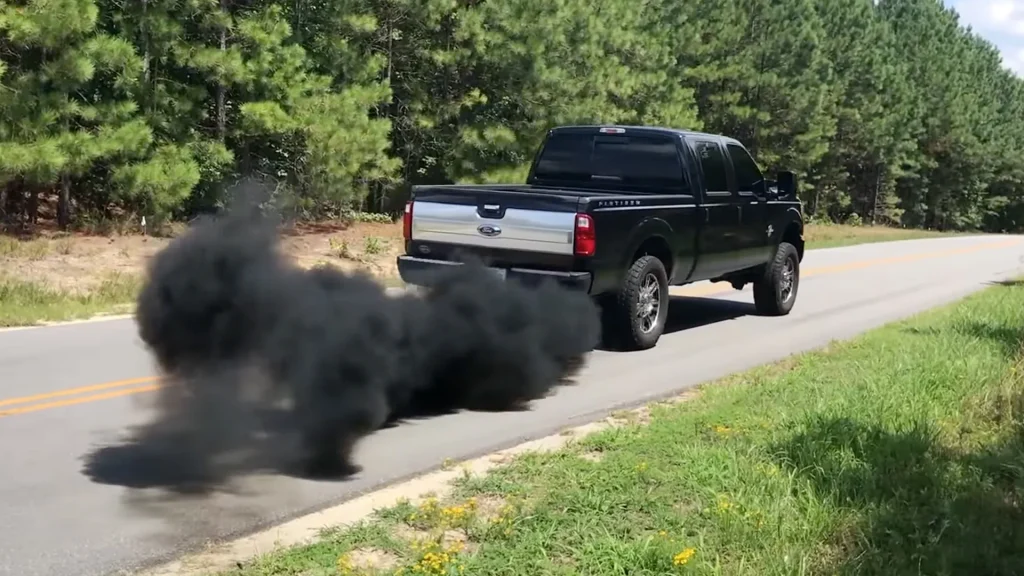
Buyers should therefore be skeptical of products advertised with features such as “EGR off,” “DPF delete,” “catalyst delete,” “NOx system delete,” or similar functions for road vehicles. Those descriptions indicate that the product may be intended to defeat federally required equipment.
The EPA’s enforcement policy makes clear that the sale itself can be prohibited. A company does not necessarily avoid liability simply because the customer is responsible for installing the product.
7. SCR and DEF Delete Devices
Selective catalytic reduction, or SCR, is a major emissions-control system used on many modern diesel vehicles. It works with diesel exhaust fluid, commonly called DEF, to reduce nitrogen oxide emissions before exhaust leaves the vehicle.
Because SCR and its related components are part of the certified emissions system, products designed to disable them can fall directly under the federal prohibition on aftermarket defeat devices.
The EPA specifically lists SCR systems, NOx sensors, urea-quality sensors, and related emissions components among the systems protected by the Clean Air Act.
The agency states that manufacturing, selling, offering to sell, or installing a component whose principal effect is to bypass, defeat, or render an emissions-control system inoperative can violate federal law.
This is why products marketed as “DEF delete,” “SCR delete,” or similar devices are a major legal concern when intended for road-going vehicles. The issue is not simply that the product changes engine behavior. Its intended function is to prevent a federally required emissions system from operating as designed.
EPA enforcement provides a clear warning. In 2025, the agency and Department of Justice settled with White’s Diesel Performance after alleging that the company sold or installed at least 748 aftermarket defeat devices that bypassed or rendered emissions controls inoperative.
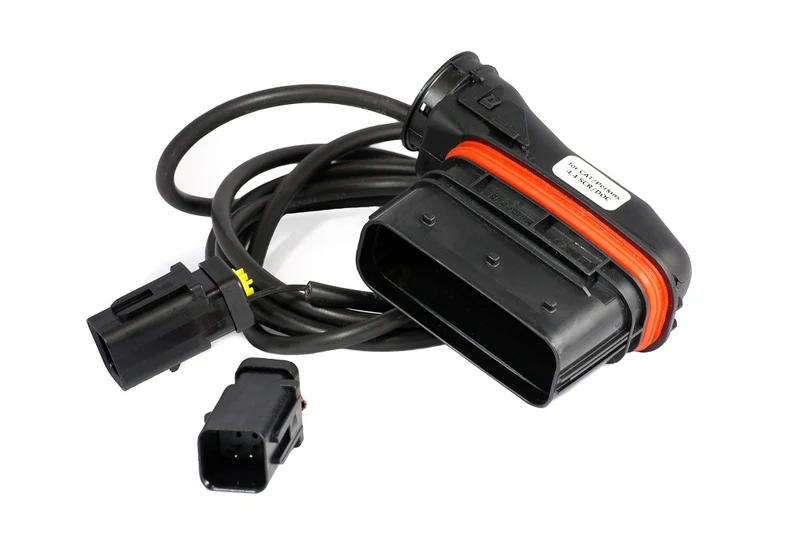
There is a legitimate distinction between a replacement component that repairs an SCR or DEF system and a product designed to eliminate its operation. An emissions-compliant replacement can serve the original function, while a delete device is intended to defeat it.
For buyers, claims such as “race use only” should not be treated as automatic federal permission for a road vehicle. EPA enforcement focuses on what the product does and how it is marketed and used.
8. Exhaust Systems Designed to Defeat Emissions Controls
An aftermarket exhaust system is not automatically illegal. Cat-back systems, replacement mufflers, and other properly designed components can be legitimate modifications. The legal problem arises when an exhaust product is specifically engineered to bypass or disable required emissions-control equipment.
The EPA has repeatedly targeted companies selling exhaust products that function as defeat devices. Its enforcement guidance identifies catalysts, filters, and other exhaust after-treatment components as protected emissions-control equipment.
A replacement exhaust component that leaves those systems functioning properly is fundamentally different from one designed to eliminate them.
One particularly clear case involved GReddy Performance Products. In 2020, EPA announced a settlement alleging that the company manufactured and sold 231 aftermarket exhaust systems designed to defeat emissions controls on gasoline-powered vehicles. The company agreed to pay a $60,000 penalty.
Borla Performance Exhaust also faced EPA enforcement. In 2022, the agency announced that the company agreed to pay $1,022,500 over alleged sales of aftermarket products that countered vehicle emissions-control systems.
Those cases demonstrate why the phrase “performance exhaust” does not automatically tell a buyer whether a product is legal. The critical issue is whether the modification maintains the emissions performance for which the vehicle was certified.
EPA guidance provides ways aftermarket manufacturers can establish a reasonable basis that a replacement part will not adversely affect emissions.
One method is demonstrating that the aftermarket part is identical in design and function to the component being replaced. Another involves emissions testing, while a California Air Resources Board Executive Order can provide supporting evidence for covered applications.
For consumers, the safest approach is to choose an exhaust product with clear emissions compliance documentation rather than assuming that an aggressive-sounding or high-flow component is automatically legal. A performance gain is not the issue by itself. Defeating federally required emissions controls is.