
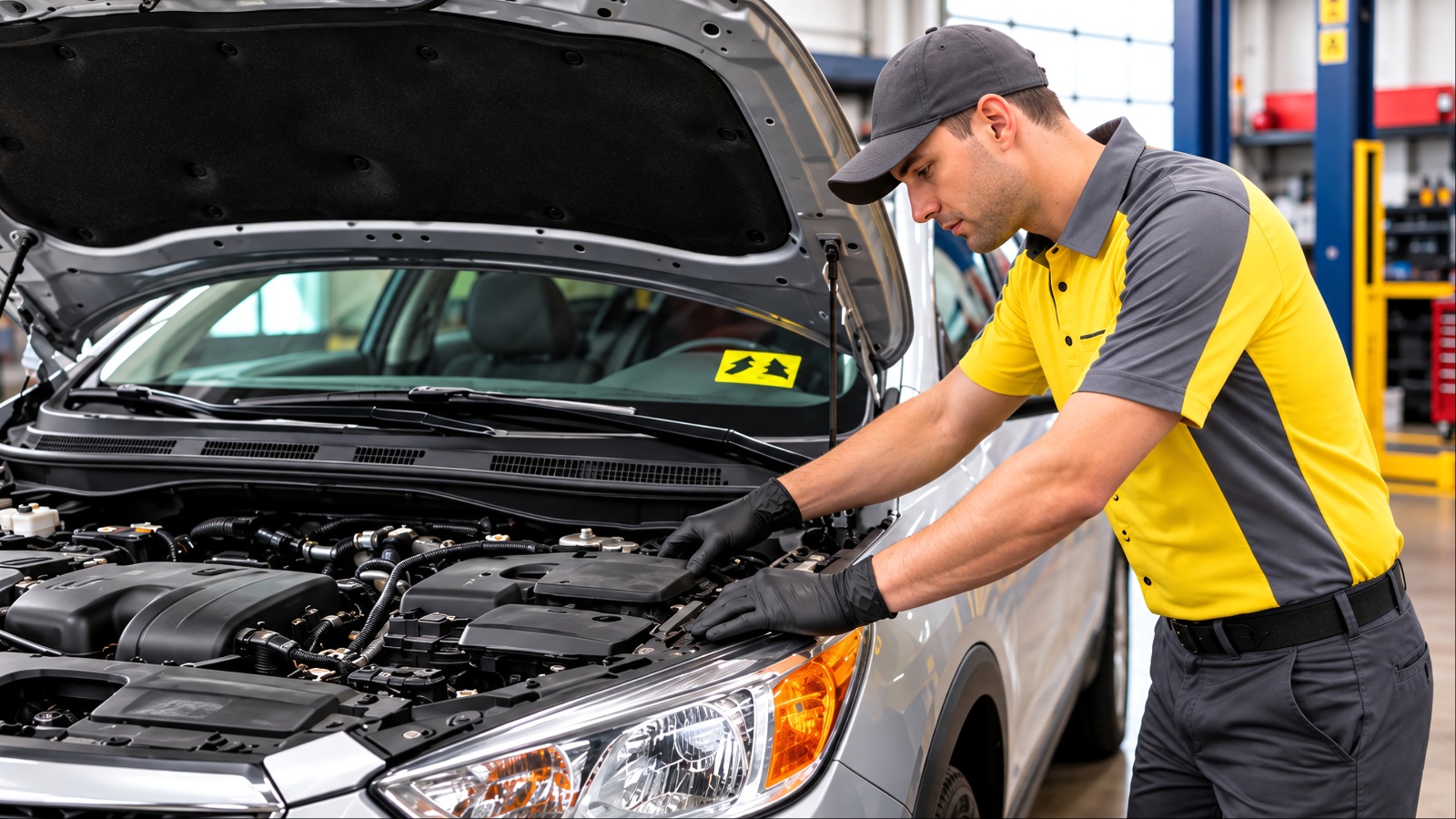
New York’s annual vehicle inspection is more than a quick look at whether a car appears roadworthy. The inspection combines safety checks with emissions testing when applicable, and a failure in either area can prevent a new inspection certificate from being issued.
The New York State Department of Motor Vehicles lists brakes, tires, steering, suspension, lighting, glass, mirrors, wipers, horns, seat belts, and fuel leaks among the safety items inspectors examine.
Certain vehicles also undergo emissions testing based on model year, fuel type, and weight. Knowing the most common failure points can help owners fix problems before arriving at the inspection station.
1. Worn or Defective Brakes
Brakes are one of the first areas New York inspectors examine because they are fundamental to a vehicle’s ability to stop safely.
The state’s light-vehicle inspection checklist specifically includes the service brake system and parking brake among the required safety inspection items. A problem with either system can result in a rejection.
A driver does not necessarily need to hear grinding before a brake problem becomes inspection-related. Excessive wear, damaged components, or a braking system that does not perform as required can create trouble during the inspection.
The parking brake is also part of the examination, so owners should not assume that a vehicle with apparently normal service brakes automatically passes.
Warning signs are useful before the appointment. A vehicle that pulls during braking, produces unusual noises, develops pedal problems, or requires noticeably more stopping distance deserves attention.
These symptoms do not automatically identify the exact fault, but they are good reasons to have the system checked by a qualified technician.
New York’s inspection rules are not simply based on whether the owner believes the brakes still have some life remaining. Inspectors evaluate the vehicle according to the state’s prescribed inspection procedures. That means waiting until a brake component becomes completely unusable is a poor strategy.
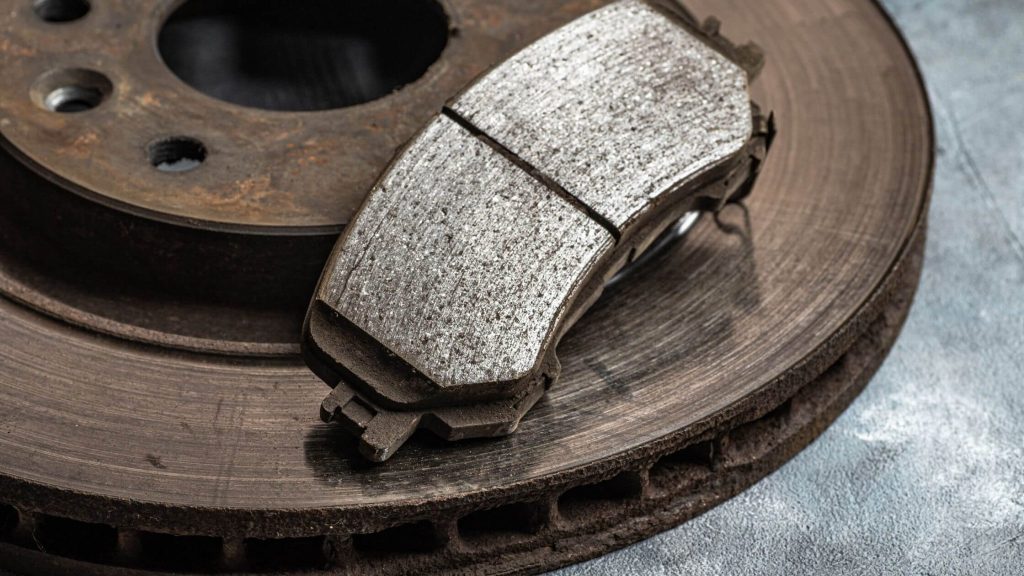
The best way to prepare is to have any questionable brake components inspected before the appointment, especially if routine maintenance is overdue or warning signs have appeared. Replacing worn brake pads, repairing a faulty parking brake, or fixing any other known problem ahead of time can help prevent an unnecessary inspection failure.
Because braking performance is directly connected to road safety, this is one inspection item that should never be treated as a cosmetic concern.
2. Tires With Unsafe Wear or Damage
Tires may look acceptable from several feet away while still having problems that matter during New York’s inspection. The DMV’s official light-vehicle checklist identifies tires as a required safety inspection item.
Tire pressure is checked on the checklist as advisory only, meaning pressure by itself is not a cause for rejection, but the condition of the tire remains part of the inspection.
That distinction is important for drivers preparing their vehicles. Simply inflating a tire before inspection does not address worn tread, damage, or other defects that an inspector may identify. A tire can have adequate pressure and still require replacement.
Uneven wear deserves particular attention. If one section of the tread is wearing substantially faster than another, the underlying cause could involve alignment, suspension components, inflation, or other mechanical issues. Replacing only the visibly worn tire without addressing the cause may allow the problem to return.
Owners should inspect all four tires, rather than checking only the tire that looks worst. The spare should also be maintained appropriately even though its role in the inspection can differ depending on the vehicle and circumstances.
Cracks, bulges, exposed internal material, or other visible damage should not be ignored. These conditions can indicate that a tire has suffered structural deterioration or damage.
New York’s inspection program is designed to identify safety-related defects before a vehicle continues operating on public roads. Tires are particularly important because they provide the contact between the vehicle and pavement. Their condition affects braking, steering, and stability.
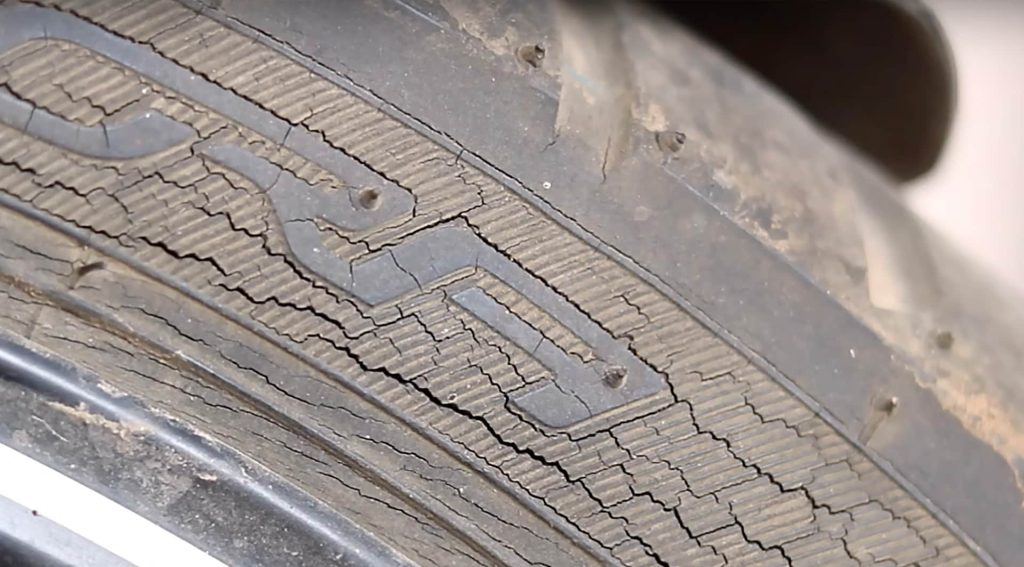
Before an inspection appointment, drivers should examine tread condition, look for visible damage, and confirm that inflation matches the vehicle manufacturer’s recommended specification. If anything appears questionable, a tire professional can determine whether the tire remains serviceable.
Taking five minutes to inspect the tires can therefore prevent an unpleasant surprise at the inspection station and, more importantly, identify a potential safety issue before it becomes a roadside problem.
3. Lighting Problems That Make the Car Unsafe
New York’s annual safety inspection includes the vehicle’s lighting equipment, so a burned-out bulb or defective lamp should not be dismissed as a minor cosmetic issue.
The state’s inspection checklist covers required lighting equipment, including headlamps, tail lamps, stop lamps, turn signals, and other applicable lamps. A vehicle that does not meet the required equipment standards can fail inspection.
The problem is that some lighting failures are easy for the driver to miss. A brake lamp may be out without affecting the driver’s view, while a turn signal can continue operating from inside the cabin even though an exterior lamp has failed. Walking around the vehicle with the lights activated is therefore a useful pre-inspection check.
Headlamps deserve particular attention. Cracked lenses, damaged assemblies, or lamps that do not function correctly can create both inspection and nighttime-driving problems. Drivers should also check the high-beam function and make sure exterior lenses are not excessively obstructed by damage or deterioration.
Turn signals and hazard lamps should flash correctly, while brake lamps should illuminate when the pedal is pressed. If one side behaves differently from the other, the vehicle should be inspected before the appointment.
A replacement bulb may be inexpensive, but the cause of a lighting failure is not always the bulb itself. Faulty wiring, sockets, fuses, or electrical connections can also cause a lamp to stop working.
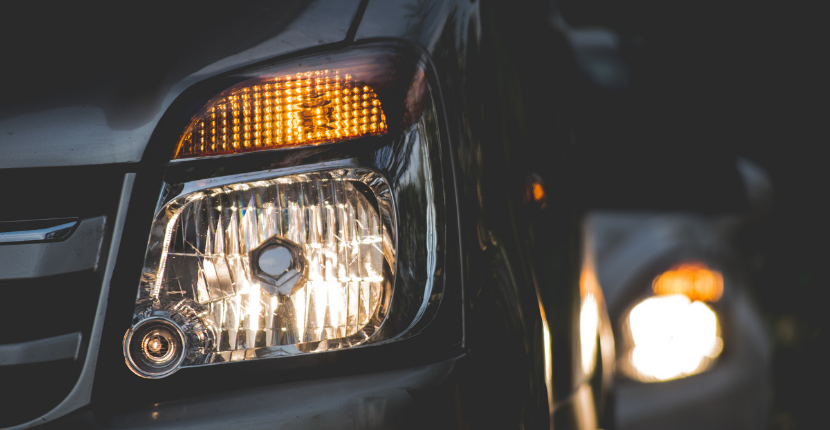
New York’s inspection program exists to ensure vehicles meet minimum standards for safe operation on public roads. That makes lighting more than a pass-or-fail technicality. Properly functioning lamps help other drivers recognize braking, turning, and the vehicle’s position, especially in darkness and poor weather.
Checking every exterior light before inspection takes only a few minutes. Fixing a problem beforehand is considerably easier than discovering it after the inspector has already identified it.
4. A Check Engine Light or Unready Emissions System
For many New York vehicles, passing the safety portion of the inspection is only half the task. Applicable vehicles must also pass an emissions inspection, and problems with the engine’s emissions-control system can result in a failed inspection.
New York DMV states that many gasoline-powered vehicles are subject to emissions testing, with exemptions including vehicles that are 26 or more model years old, less than two model years old, or registered as historic.
The check engine light is particularly important on vehicles using OBD II emissions testing. New York DMV explains that the inspection equipment reads diagnostic information and readiness monitors from the vehicle’s computer.
An illuminated malfunction indicator can therefore signal an emissions-related problem that needs attention before inspection.
There is another issue to keep in mind. Clearing a warning light just before an inspection does not always fix the underlying problem. Disconnecting or replacing the battery, or using a scan tool to erase diagnostic trouble codes, can reset the vehicle’s readiness monitors. The car may then need to complete the proper drive cycle before those monitors are ready for inspection.
For model years 1996 through 2000, EPA guidelines allow up to two monitors to remain not ready. For 2001 and newer vehicles, one monitor can generally remain not ready under the applicable testing rules.
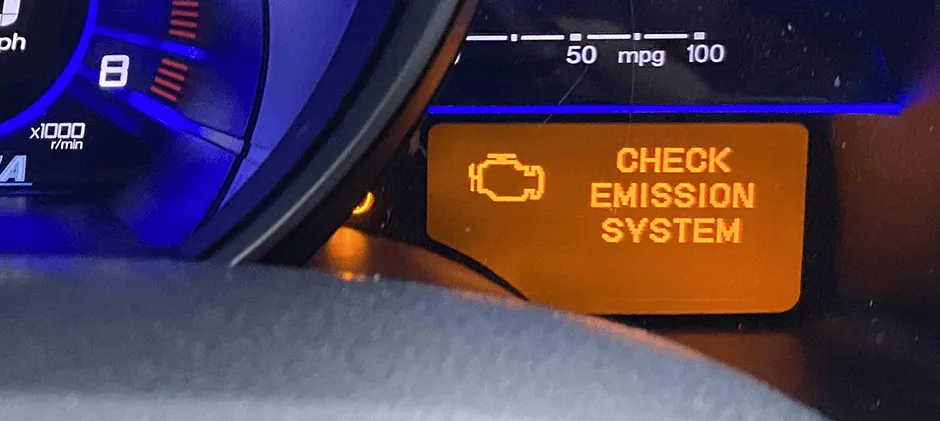
That makes last-minute preparation risky. If the check engine light is illuminated, diagnose the cause rather than simply clearing the code. After repairs, allow the vehicle’s monitoring system to complete its required tests before returning for inspection.
An emissions failure does not necessarily mean the engine itself is mechanically worn out. The fault could involve an emissions component, sensor, or other system monitored by the vehicle’s onboard diagnostics. Proper diagnosis is the key to fixing the actual cause instead of repeatedly resetting the warning light.
5. Cracked Windshield or Damaged Safety Glass
Windshield damage can become an inspection problem when it interferes with the driver’s required view or violates New York’s safety-glass requirements.
The state’s inspection checklist specifically addresses the windshield, other required glass, and the driver’s field of vision. That means a crack or chip should not automatically be dismissed simply because it does not appear large from inside the vehicle.
Location matters. Damage directly in the driver’s viewing area can be more concerning than a small defect away from the normal field of vision. The inspector is evaluating whether the vehicle’s glass meets the state’s requirements, not simply measuring whether a crack has reached a particular length.
This is why repairing windshield damage before an inspection can be a smart move. A small chip may sometimes be repairable, while a larger crack or damaged area may require windshield replacement. The appropriate solution depends on the location, size, and type of damage.
Drivers should also check the windshield for conditions that could obstruct visibility. Excessive discoloration, damage, or other problems affecting the required viewing area can create an inspection issue. Windshield wipers are separately inspected as well, so a damaged windshield combined with poor wiper performance creates two potential concerns.
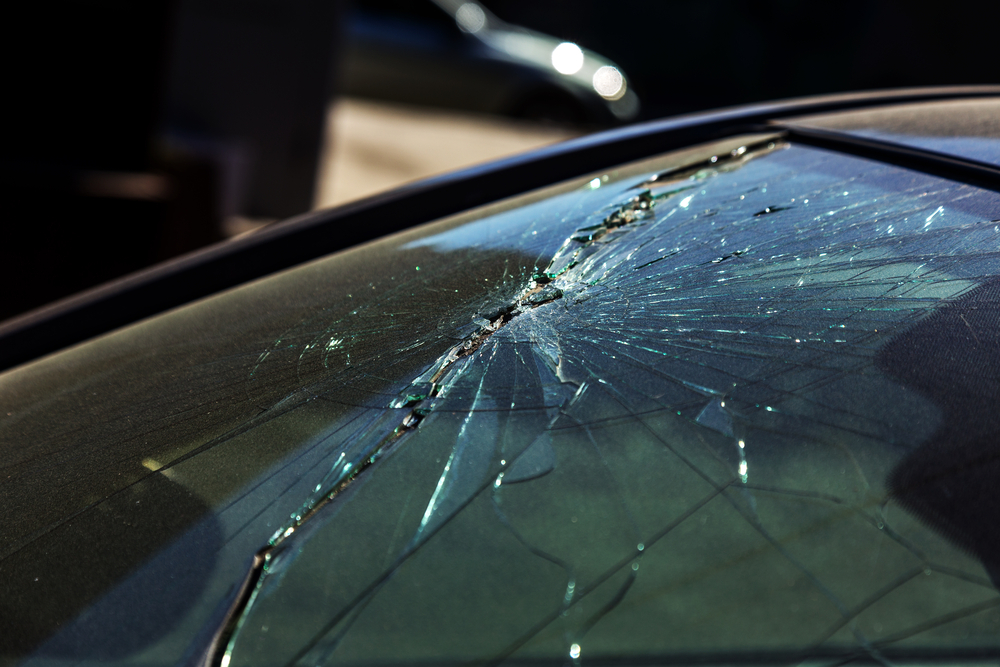
The safest approach is not to wait until inspection day. Walk around the vehicle and inspect the glass in good lighting. If damage is visible, have a qualified glass professional determine whether repair or replacement is appropriate.
A clear windshield is particularly important at night, during rain, and when facing glare from oncoming headlights. New York’s inspection requirements therefore connect directly to practical driving safety. Fixing questionable glass before the inspection can prevent a rejection while restoring the visibility the driver depends on every time the vehicle is used.
6. Worn Wipers That Cannot Clear the Windshield
Windshield wipers have a surprisingly important role in New York’s vehicle inspection because visibility is a safety requirement, not merely a convenience. The state’s inspection checklist includes windshield wipers and requires them to operate correctly. Defective wipers can therefore contribute to an inspection failure.
The easiest problems to identify are worn blades that leave streaks, skip across the glass, or fail to clear water properly. A blade that has hardened or deteriorated may look intact while performing poorly during rain.
The inspection issue is not limited to the rubber blade itself. A damaged wiper arm, defective mechanism, or missing required equipment can also affect whether the system functions as intended.
New York weather makes this particularly relevant. Rain, snow, and road spray can quickly turn a marginal wiper into a visibility problem. Drivers should therefore test the wipers rather than assuming they work because the motor still runs.
Washer operation also deserves attention because cleaning fluid and functioning spray equipment help maintain the driver’s view. If the windshield cannot be cleared effectively, the vehicle becomes harder to operate safely.
Replacing worn blades is generally a straightforward maintenance task, but owners should use the correct size and attachment for their vehicle. Installing a blade that does not sit properly against the glass can leave uncleared areas.
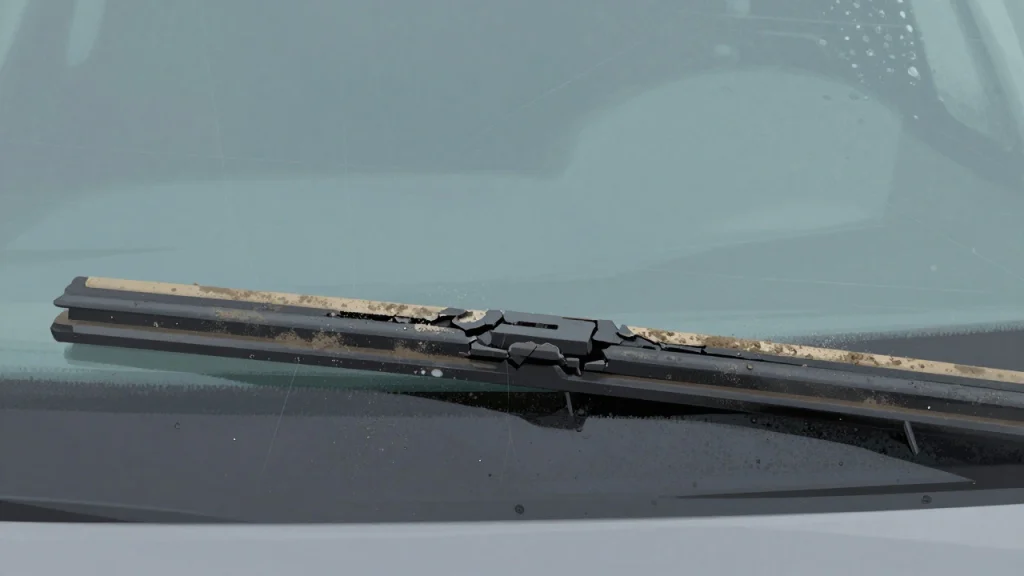
Before inspection, activate the wipers and look carefully at the windshield while they operate. Streaks, missed sections, unusual movement, or damaged rubber are warning signs worth addressing.
This is a good example of how a relatively inexpensive maintenance item can matter during an official inspection. A driver may rarely think about wipers on a dry day, but the inspector is concerned with whether the vehicle can maintain adequate visibility when conditions deteriorate.
A small repair before the appointment is preferable to discovering the problem when the vehicle is already being inspected.
7. Faulty Seat Belts or Restraint Problems
Seat belts are among the most important safety components checked during New York’s vehicle inspection. The state’s official inspection checklist includes seat belts, meaning a vehicle can encounter an inspection problem when required restraints are missing, damaged, or do not function as required.
A seat belt should latch securely, release properly, and retract as intended. Frayed webbing, damaged buckles, or a belt that refuses to lock can indicate a defect that needs attention. Drivers should also check every belt rather than testing only the one used most frequently.
Airbag warning lights deserve separate attention as well. Although the exact inspection treatment depends on the vehicle and applicable requirements, a warning indicator can point toward a restraint-system problem that should not be ignored. A diagnostic scan may be necessary to identify the underlying fault.
Owners sometimes overlook rear-seat belts because those positions are used less often. That is a mistake when preparing for inspection. Required restraint equipment is part of the vehicle’s safety configuration, so every applicable seating position should be checked.
Do not attempt to hide a warning light or make a temporary alteration simply to get through inspection. A restraint-system fault can have serious consequences in a crash, making proper diagnosis much more important than obtaining a certificate.
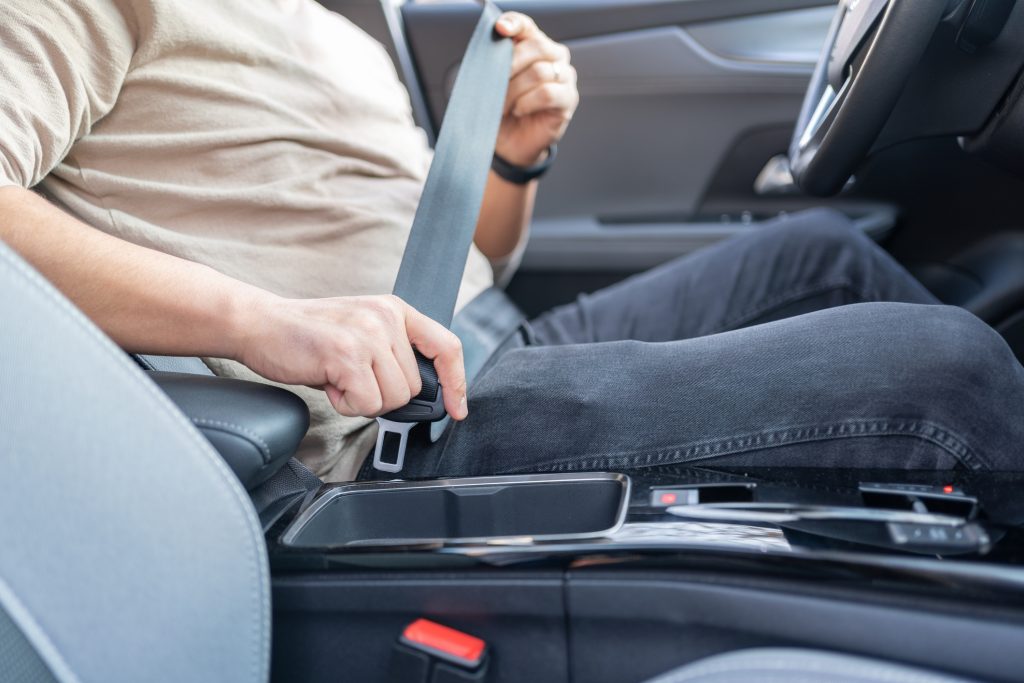
Before visiting the inspection station, buckle each accessible belt and inspect the webbing for visible damage. If a buckle will not latch or a belt does not operate correctly, have the system repaired by a qualified professional.
A functioning restraint system does more than satisfy an inspection requirement. It provides the primary means of keeping occupants properly positioned during a collision. Addressing a defective belt before inspection therefore solves both a regulatory problem and a genuine safety concern.
8. A Horn That Does Not Work Properly
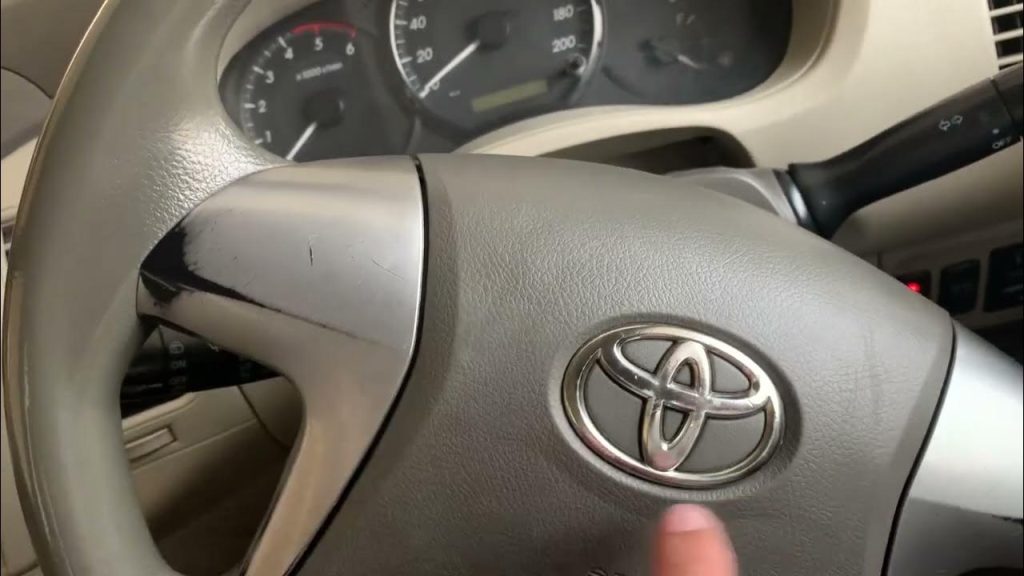
The horn is easy to forget because most drivers rarely think about it during routine maintenance. New York’s vehicle inspection requirements, however, include the horn as part of the safety inspection. A horn that fails to operate properly can therefore create an inspection problem.
Testing it before an inspection appointment takes only seconds. Press the horn and confirm that it produces a clear, consistent sound. If nothing happens, the cause could be something as simple as a blown fuse, but the fault may also involve wiring, the horn unit, a relay, or the steering-wheel control.
The horn is not merely an accessory. It provides an audible warning when a driver needs to alert another road user to the vehicle’s presence or an immediate hazard. That makes reliable operation part of basic vehicle safety.
Intermittent operation deserves attention too. A horn that works occasionally may indicate an electrical connection or component that is beginning to fail. Assuming it will cooperate during inspection is an unnecessary gamble.
Owners should avoid improvised electrical repairs that could create additional problems. If the fault is not obvious, an automotive technician can test the circuit and identify whether the issue is with the fuse, relay, wiring, or horn assembly.
The inspection process is designed to catch safety equipment that does not meet required standards, and the horn is one of the simpler systems to verify. A vehicle can be mechanically sound yet still encounter an inspection issue because a small electrical component was overlooked.
Checking the horn alongside the lights, wipers, and other basic equipment gives drivers a better chance of identifying inexpensive problems before the inspection begins. It also ensures the vehicle retains an important communication tool for situations where a visual signal is not enough.
9. Broken Mirrors or Poor Rear Visibility
Mirrors are another small component that can create a significant inspection problem. New York’s safety inspection checklist includes required mirrors and examines whether the vehicle provides the necessary rearward view. A damaged, missing, or improperly functioning mirror can therefore become a reason for rejection.
The driver’s side mirror deserves immediate attention because damage can directly reduce the ability to monitor surrounding traffic.
A cracked mirror surface, loose housing, or missing section should not be ignored. Interior and passenger-side mirrors can also matter depending on the vehicle’s configuration and the visibility provided by other required mirrors.
A common mistake is assuming that a mirror is acceptable simply because it is still attached. The important question is whether it provides the required view and remains securely mounted.
Before inspection, check each mirror from the driver’s normal seating position. Adjust them correctly and make sure the housing does not move excessively. If an electric mirror is equipped with adjustment controls, confirm that those functions work as intended.
Damage should be repaired rather than temporarily covered. Adhesive or makeshift mounting may not restore the mirror’s proper position or stability.
Rear visibility becomes especially important when changing lanes, reversing, or monitoring traffic approaching from behind. A properly positioned mirror can help reduce blind spots and provide information the driver cannot obtain by looking through the windshield alone.
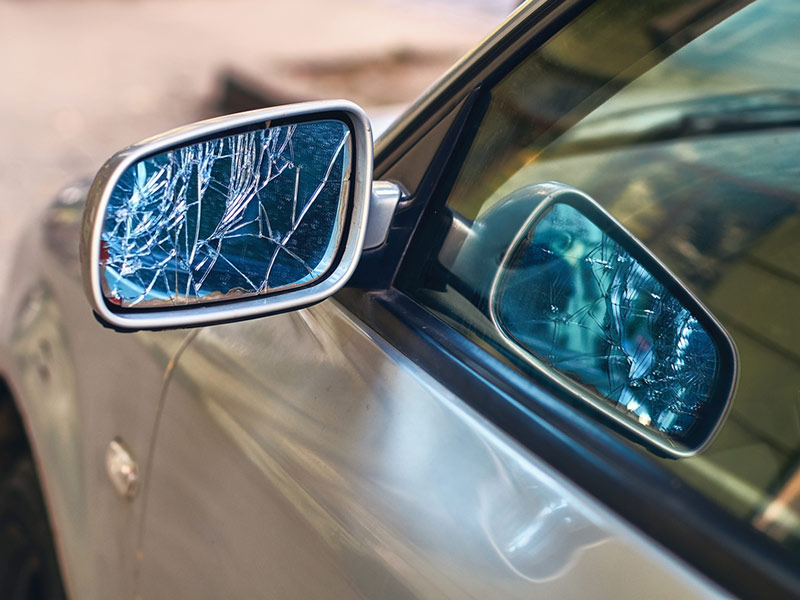
If a mirror has been damaged recently, addressing it before the inspection appointment is preferable to waiting for the inspector to identify the problem. Replacement mirror assemblies are available for many vehicles, and a professional installation can restore the intended field of view.
The inspection requirement serves a practical purpose here. Mirrors are not decorative equipment. They are part of the system that allows drivers to understand what is happening around the vehicle without constantly turning away from the road ahead.
10. Missing or Defective Safety Equipment
Some inspection failures come from equipment that owners rarely consider until the vehicle is examined. New York’s safety inspection checklist covers multiple required items beyond brakes and tires, including the horn, seat belts, mirrors, lighting, windshield, wipers, and other safety-related equipment.
Modifications can make this particularly complicated. A vehicle that has been altered from its factory configuration may still need to comply with applicable New York requirements. Removing required equipment, installing noncompliant replacements, or making poorly executed modifications can create problems that are not obvious during everyday driving.
The lesson is not that every aftermarket part causes an inspection failure. Many modifications are perfectly compatible with legal road use. The concern is whether the finished vehicle continues to meet the standards that apply to it.
Owners preparing for inspection should therefore look at the car as a complete system rather than concentrating on one mechanical component. Check the required safety equipment, confirm that installed components function properly, and address visible defects before arriving.
This is particularly useful when buying a used vehicle. A car can appear inexpensive because a previous owner deferred maintenance or modified equipment without considering inspection requirements. A pre-purchase inspection can reveal issues before the buyer becomes responsible for correcting them.
New York also separates safety inspection requirements from emissions requirements for applicable vehicles, so passing one portion does not necessarily guarantee that the vehicle passes the other.
The smartest approach is to keep the vehicle properly maintained throughout the year rather than waiting for the inspection to expose problems. Regular inspections and routine maintenance can identify faulty equipment while repairs are still relatively simple. When inspection day finally arrives, passing should simply confirm that the vehicle has been well cared for instead of revealing major issues that could have been addressed earlier.
