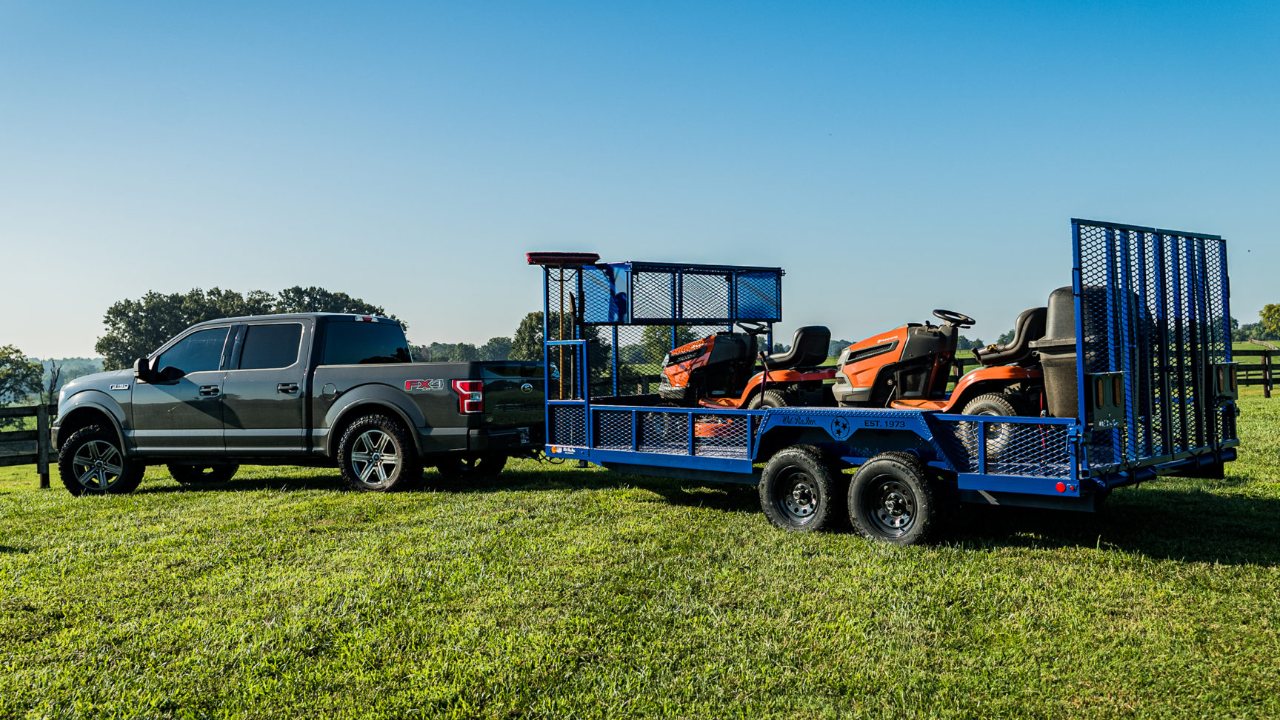
Towing a trailer across America can feel deceptively simple until the road crosses a state border. A trailer that is legal in one state may face different requirements for brakes, lights, safety chains, dimensions, registration, mirrors, or speed limits just a few miles later.
Federal rules provide some consistency, but many towing requirements are controlled by individual states, creating a patchwork of regulations that can catch even experienced drivers off guard.
For anyone planning a multi-state trip with a boat, camper, utility trailer, or cargo trailer, understanding these differences is essential. The following rules highlight important state-to-state changes that can affect an otherwise routine tow.
1. California – Trailer Brakes Can Depend on Weight
For anyone towing a trailer in California, the 1,500-pound threshold is especially important. State law generally requires trailers weighing more than that amount to have a braking system that the driver can operate from the towing vehicle. This requirement is intended to give drivers greater control when hauling heavier loads.
That requirement can become particularly important for people towing small campers, boats, or utility trailers that might appear light enough to stop without dedicated braking equipment.
California also requires trailers to have appropriate lighting and reflectors. Trailer combinations must display the required rear lighting, including stop lamps, tail lamps, and turn-signal equipment.
When a trailer or load extends beyond the rear of the towing vehicle, additional visibility requirements can apply. California’s rules also address safety chains and other connections between the towing vehicle and trailer.
Another consideration is the trailer’s dimensions. California generally allows a maximum vehicle width of 102 inches on many highways, but exceptions and additional restrictions can apply depending on the type of vehicle, road, and load.
The state also regulates combination length, making it important to check the specific configuration rather than assuming a trailer that is legal elsewhere is automatically legal in California.
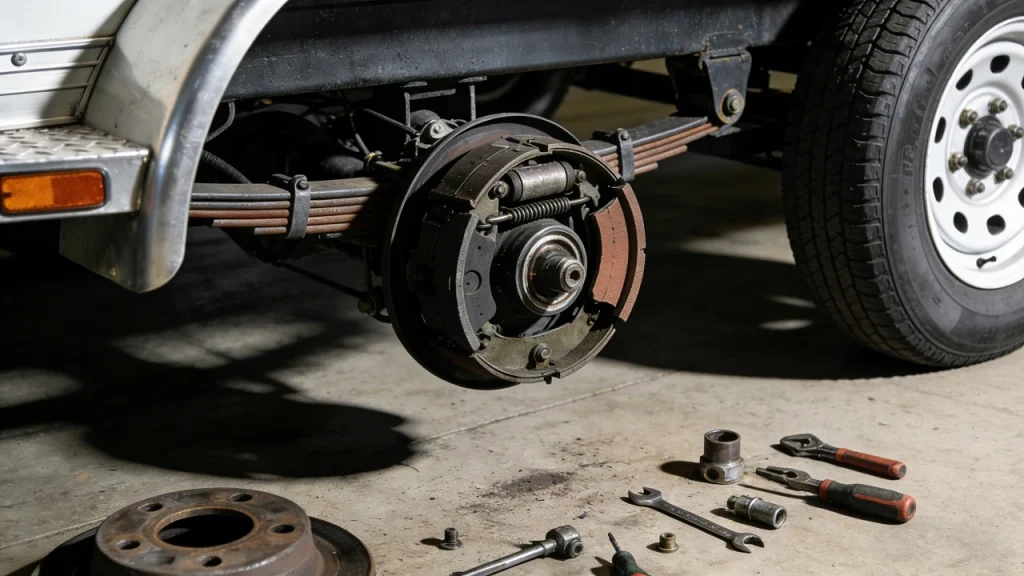
This is where interstate towing becomes complicated. A driver crossing from Nevada into California can encounter California requirements immediately after crossing the state line. The trailer itself has not changed, but the legal requirements governing its equipment have.
California’s Department of Motor Vehicles and Vehicle Code are therefore essential references before entering the state, particularly for heavier trailers and unusual combinations.
2. Texas – Width, Length, and Weight Get Serious
Texas approaches trailer regulation with some notably generous dimensions, but that does not mean anything goes.
The Texas Department of Motor Vehicles states that vehicles and loads generally may operate without an oversize permit at up to 8 feet 6 inches wide, while passenger vehicles and their loads have an 8-foot width limit. The standard height limit is 14 feet.
Length requirements depend on the type of combination being operated. In Texas, a truck towing a trailer is generally subject to a 65-foot maximum combination length. Texas also limits certain semitrailer and trailer combinations to 28 feet 6 inches per trailer or semitrailer when used in specific multi-trailer configurations.
The exact limit can vary according to the vehicle combination and how the trailers are configured, so drivers should check the applicable Texas requirements before towing across the state.
Weight is another major consideration. Texas lists an 80,000-pound gross weight maximum for ordinary highway operations, alongside axle-specific limits such as 20,000 pounds for a single axle and 34,000 pounds for a tandem axle group. The actual legal weight can depend on axle spacing and the particular configuration.
Oversize equipment is handled through permits, and those permits bring additional requirements. Texas can require route inspections, escort vehicles, special lighting, flags, and other precautions when a combination becomes sufficiently large.
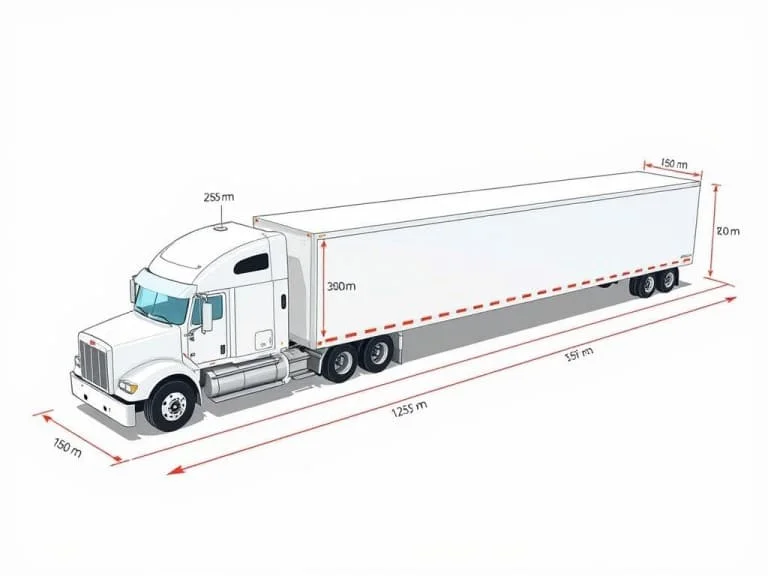
For example, certain loads exceeding 14 feet in width can trigger escort requirements depending on their dimensions and roadway.
That makes Texas a good example of why trailer legality cannot be judged by trailer size alone. The towing vehicle, axle arrangement, total combination, and load can all affect the applicable rule. A setup that appears comfortably within one limit can still exceed another.
3. Florida – Trailer Brakes and Safety Chains Have Specific Requirements
Florida’s trailer rules can become important surprisingly quickly, particularly for drivers towing boats, campers, or utility trailers. Under Florida law, a trailer with a gross weight of more than 3,000 pounds must have brakes on all wheels, subject to the state’s specific statutory requirements and exceptions.
That threshold is important because a trailer that does not seem especially large can still cross it once its loaded weight is considered.
Florida also requires trailers to have appropriate safety equipment. Trailers must be securely connected to the towing vehicle, and safety chains or similar devices are required in applicable configurations to provide a secondary connection if the primary hitch connection fails.
Lighting requirements also apply, including rear lamps, stop lamps, and turn signals where required by the vehicle configuration.
Dimensions matter as well. Florida generally permits a maximum vehicle width of 102 inches, although certain roads and circumstances can involve additional restrictions. Height and length rules can also differ depending on the type of vehicle combination and whether the vehicle is operating under special provisions.
One particularly useful point for recreational trailer owners is that Florida’s rules do not simply revolve around the empty trailer. The loaded weight can determine whether braking requirements apply, so drivers need to consider the trailer’s actual operating weight rather than relying solely on its unloaded specification.

Florida’s climate creates another practical concern. Heavy rain can reduce traction and stopping performance, making properly functioning trailer brakes especially valuable even when the law might not require them for a lighter setup.
Before crossing into Florida, drivers should verify the current requirements for their exact trailer type, weight, and combination. State statutes can distinguish between recreational, commercial, and other vehicle categories, meaning a rule that applies to one trailer may not automatically apply to another.
4. Pennsylvania – Trailer Brakes and Breakaway Systems Matter
Pennsylvania takes a particularly specific approach to trailer braking. Under the state’s equipment regulations, a trailer generally must have a service-brake system, although an important exception applies to trailers with a gross weight of 3,000 pounds or less when the trailer’s gross weight does not exceed 40% of the towing vehicle’s gross weight.
That means two trailers weighing the same amount can potentially face different requirements depending on the vehicle pulling them. A 2,900-pound trailer behind a substantially heavier tow vehicle may fall within the exception, while the same trailer behind a lighter vehicle may not.
Pennsylvania also requires a breakaway system for trailers equipped with brakes or trailers exceeding 3,000 pounds gross weight. The system must automatically stop and hold the trailer if it separates from the towing vehicle.
The state’s rules also recognize surge or inertia brakes as permissible systems, provided they meet the applicable requirements. Braking components must remain in safe operating condition, and brakes must operate on the required wheels.
There is another unusual consideration for long-distance towing through Pennsylvania during severe winter weather. PennDOT can impose temporary restrictions that prohibit passenger vehicles towing trailers from certain affected highways when designated winter-weather restriction tiers are active.

During some restrictions, a trailer that is completely legal under normal conditions may therefore be unable to use a particular roadway.
For travelers, the situation involves two separate considerations. The trailer must meet all legal equipment requirements, and current road conditions must also allow the vehicle combination to safely use the planned route.
5. Virginia – Trailer Safety Checks Become Part of the Towing Routine
Virginia takes a practical approach to trailer safety by emphasizing the condition of the connection and lighting before a trip. The Virginia Driver’s Manual specifically advises drivers to inspect a light or medium trailer before each journey.
That inspection includes checking the hitch coupler, the pin securing the ball mount, safety chains, the electrical connection, and the trailer’s brake lights, turn signals, and license plate light.
Virginia’s guidance also points to an important aspect of towing that drivers can easily overlook. Adding a trailer changes the way the entire vehicle combination responds on the road. The state’s driver manual notes that towing increases the distance needed to stop, accelerate, turn, and pass.
Drivers are therefore advised to allow additional space when changing lanes and to slow down if the trailer begins to sway.
Mirror visibility is another consideration. Virginia notes that larger side mirrors are generally needed when towing a light or medium trailer because the trailer can obstruct the driver’s normal rearward view. That becomes especially important on multi-lane roads, where a driver needs to confirm that the trailer and adjacent traffic are clear before changing lanes.
The state also recommends practicing trailer handling in a vacant parking lot before taking the combination onto public roads. Backing is specifically different because the trailer responds opposite to the intuitive steering direction in many situations.
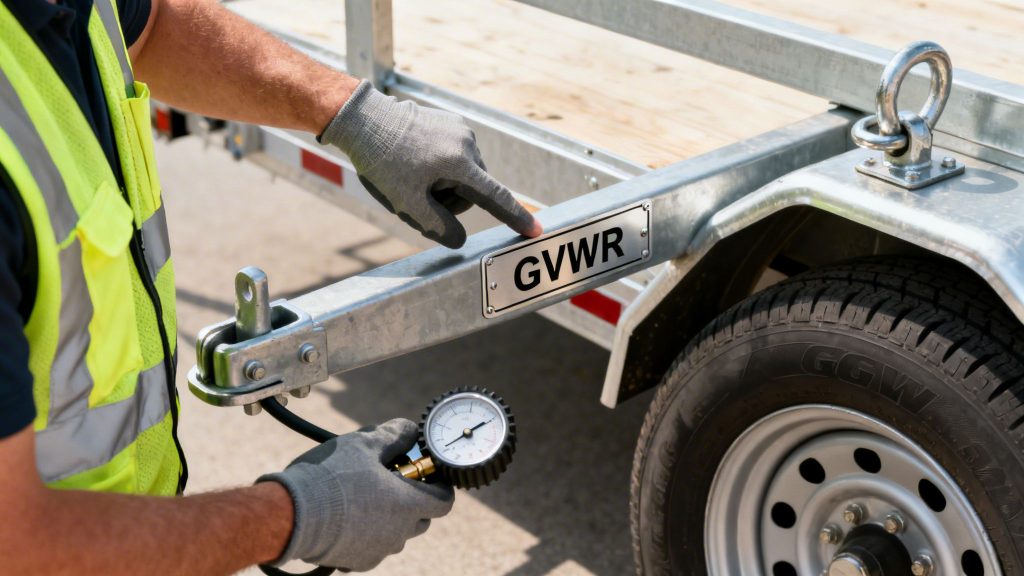
Virginia’s requirements and safety guidance illustrate why crossing a state line can change more than paperwork. Even when a trailer remains within legal size and weight limits, its connection, lighting, visibility, and operating characteristics still have to be addressed.
Drivers entering Virginia should therefore check the current rules for their specific trailer and towing vehicle rather than relying on the requirements from the state where the journey began.
6. Michigan – Trailer Brakes and Weight Ratings Can Change the Equation
Michigan offers another example of how trailer regulations can vary. Braking requirements may change depending on the trailer’s weight and the type of braking equipment it uses.
State law requires certain trailers to have adequate braking systems, and Michigan’s vehicle regulations distinguish between different trailer categories and weight ratings. This means a driver cannot determine compliance simply by looking at the physical size of the trailer.
For interstate travelers, the gross vehicle weight rating is particularly important. The relevant figure is not necessarily what the trailer happens to weigh on a particular morning.
The vehicle’s rated capacity and the applicable statutory requirements can determine which equipment is required. That distinction matters when a utility trailer is loaded with tools, building materials, recreational equipment, or other cargo.
Michigan also requires appropriate lighting and signaling equipment for trailers operating on public roads. Depending on the trailer’s dimensions and configuration, requirements can include tail lamps, stop lamps, turn signals, and reflectors. Safety equipment must remain visible and functional rather than being obscured by cargo.
The connection itself deserves attention too. A properly rated hitch, secure coupler, and safety chains provide the mechanical link between the tow vehicle and trailer. If any part of that system is improperly selected or installed, the fact that the trailer falls below a particular weight threshold does not make the combination safe.
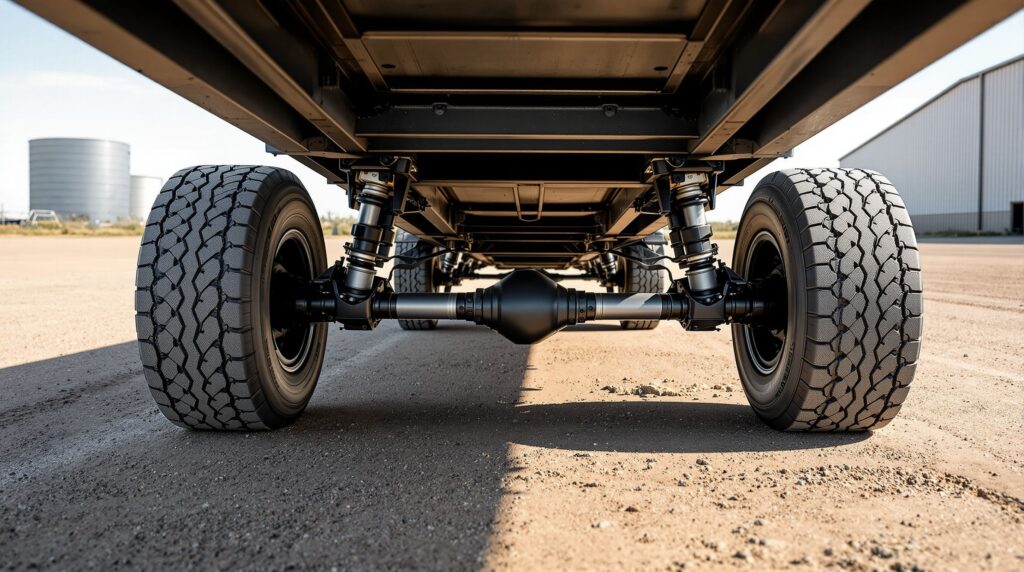
Michigan’s winter conditions add another practical reason to take trailer preparation seriously. Snow, ice, and wet pavement can make stopping more difficult, while a trailer can increase the distance and control effort required during braking and cornering.
For anyone crossing into Michigan, checking the current state requirements before departure is worthwhile, especially when the trailer is heavily loaded or close to a regulatory weight threshold. A setup that works legally in one state should never be assumed to satisfy every requirement after crossing the border.
7. Georgia – Trailer Brakes Start at 3,000 Pounds
Georgia gives trailer owners a clear weight threshold that is easy to remember but important to calculate correctly. The Georgia Department of Public Safety states that a trailer must have brakes when its gross weight exceeds 3,000 pounds.
Gross weight means the trailer itself plus its load, so adding equipment, recreational gear, or cargo can push a previously exempt trailer into a different legal category.
Georgia’s requirement goes beyond simply having a basic braking mechanism. For trailers above the stated threshold, the state’s guidance calls for operative service brakes on all wheels, along with a parking brake system, an emergency brake system, and a breakaway braking system. The parking and emergency functions may be combined where permitted.
That breakaway requirement is particularly important because it addresses a worst-case situation. If the trailer becomes separated from the tow vehicle, the breakaway system is designed to activate the trailer’s brakes rather than leaving an uncontrolled trailer moving independently.
Georgia also defines gross combination weight as the total weight of the powered vehicle, trailer, or trailers and cargo. Drivers therefore need to consider the complete combination when evaluating weight limits rather than looking only at the trailer’s empty specification.
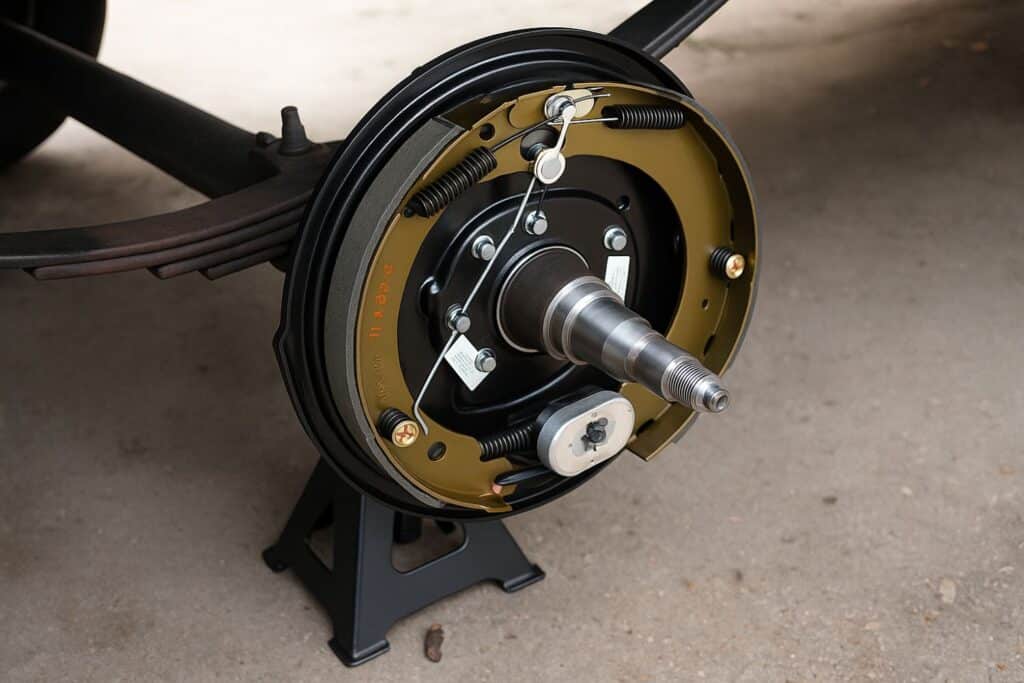
For a recreational traveler crossing into Georgia, the 3,000-pound threshold can be the number that changes the equipment checklist. A trailer loaded for a vacation can weigh substantially more than it did sitting empty at home.
The safest approach is to verify the actual loaded weight and confirm that the trailer’s braking equipment meets Georgia’s requirements before entering the state. A trailer that was legally configured for one state should not automatically be assumed to satisfy every requirement in Georgia.
8. North Carolina – Size Limits Can Trigger Permit Requirements
North Carolina takes a particularly important approach to trailer regulation by tying permits to the dimensions and weight of the complete vehicle or combination.
According to the North Carolina Department of Transportation, a permit is generally required when a vehicle exceeds the state’s legal weight limits, has a total width greater than 8 feet 6 inches, exceeds 14 feet in height, or reaches certain length thresholds.
For many truck-and-trailer combinations, North Carolina generally sets the maximum length at 60 feet before an oversize permit is typically required. However, a truck tractor hauling a 53-foot semitrailer is treated differently under the cited provision, with the state permitting that combination on all roads without a specified maximum length.
This distinction matters because trailer owners sometimes measure only the trailer itself. North Carolina’s permit rules can instead concern the dimensions of the vehicle combination, meaning the tow vehicle and trailer must be considered together.
Width is another easy point to overlook. A trailer that measures close to 8 feet 6 inches can become a regulatory concern after equipment, load overhang, or other factors are considered. Height deserves the same attention, especially with enclosed trailers carrying tall equipment.
North Carolina also maintains its own registration and inspection requirements. The state’s DMV states that a motor vehicle registered in North Carolina must pass an annual safety inspection before registration renewal, although specific inspection rules and exemptions depend on the vehicle.
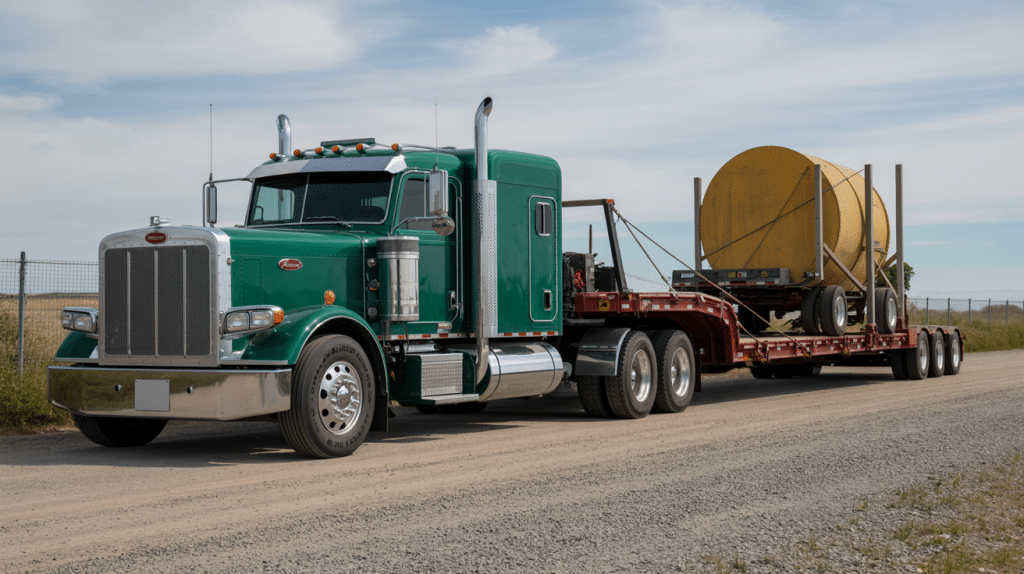
For an interstate traveler, North Carolina demonstrates why trailer dimensions should be checked before the trip rather than at the state line.
A combination that fits comfortably within another state’s rules may require a permit once it enters North Carolina. The important numbers to verify are width, height, length, and weight, because exceeding any one of them can change the legal requirements.
9. Ohio – Trailer Weight Can Determine When Brakes Are Required
Ohio is another state where trailer owners need to pay attention to weight rather than simply judging a trailer by its size. State law requires braking equipment for certain trailers based on their construction and weight.
Under Ohio’s vehicle regulations, trailers and semitrailers with an empty weight of 2,000 pounds or more generally fall under brake requirements, while specific provisions apply to travel trailers and manufactured homes built after January 1, 2001.
That distinction makes Ohio particularly interesting for interstate towing. A utility trailer that looks similar to one used elsewhere can have a different legal requirement depending on its empty weight and type.
Drivers should therefore check the trailer’s manufacturer’s identification plate and documentation rather than estimating its weight by appearance.
Ohio’s braking rules are also concerned with the ability of the equipment to control and stop the vehicle safely. The state’s general brake statute requires motor vehicles to have brakes adequate to control movement and stop and hold the vehicle.
Boat owners need to be especially careful because Ohio has separate provisions concerning watercraft trailers. State requirements can depend on the trailer’s gross vehicle weight rating and manufacturing date, making the exact trailer specifications important.
Lighting, reflectors, and the physical connection between the tow vehicle and trailer also deserve attention before a trip. A trailer may satisfy a weight-based brake rule but still fail to comply with another equipment requirement.
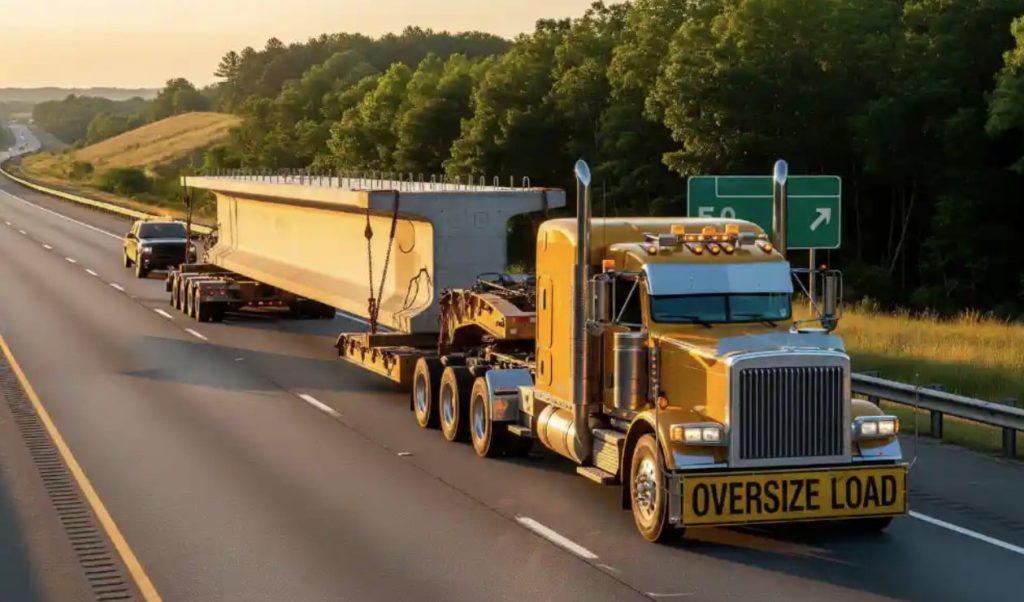
For someone beginning a long trip outside Ohio, this is an easy rule to overlook. The trailer may have been purchased, registered, and routinely used in another state, but crossing into Ohio can introduce requirements that depend on the trailer’s characteristics.
Checking the current Ohio Revised Code before departure is therefore a much safer approach than relying on assumptions from another state’s regulations.
10. Nevada – A 1,500-Pound Threshold Can Change Your Trailer Setup
Nevada provides one of the clearest examples of why interstate trailer trips require planning. The state’s braking requirements can apply at a 1,500-pound threshold, making the rule significantly more demanding than states where trailer brakes generally become mandatory at 3,000 pounds or more.
That number matters because many small recreational and utility trailers can approach or exceed 1,500 pounds once equipment is included. A trailer that does not require brakes under a higher-threshold state may therefore require a braking system when traveling through Nevada.
The important point is that trailer weight must be evaluated using the definition applicable to the specific Nevada requirement. Owners should not simply look at how much cargo they have added. The trailer’s rated capacity, empty weight, and applicable gross weight figures can all be relevant, depending on the rule being applied.
Nevada’s location also makes this particularly important for western road trips. A driver traveling between California, Arizona, Utah, and Nevada can cross multiple state boundaries during a single day’s journey.
Each state can have its own equipment and weight provisions, so a trailer configured around the requirements of one jurisdiction may not necessarily satisfy another.
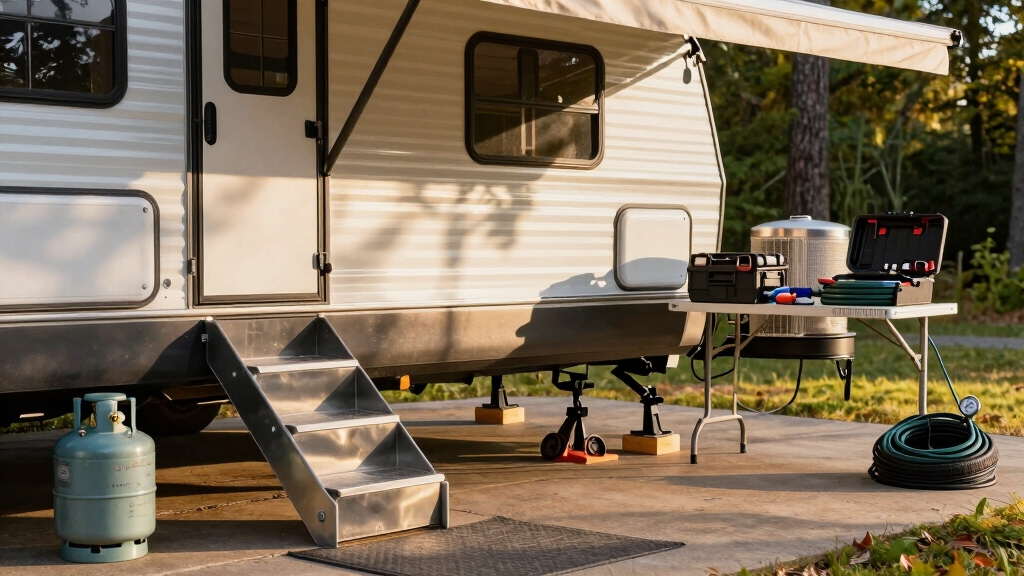
The braking system is only part of the checklist. Trailer owners should also verify required lighting, reflectors, safety connections, registration, and dimensions before beginning a multi-state trip. The exact requirements can vary according to the trailer’s type and the vehicle combination.
For drivers crossing Nevada with a trailer near the 1,500-pound threshold, checking the current state rules before departure is especially important. A seemingly minor difference in state law can turn into a compliance problem after the trip has already begun.
The safest interstate strategy is to build the towing setup around the strictest applicable requirements along the planned route, then verify each state’s current rules before setting out.