
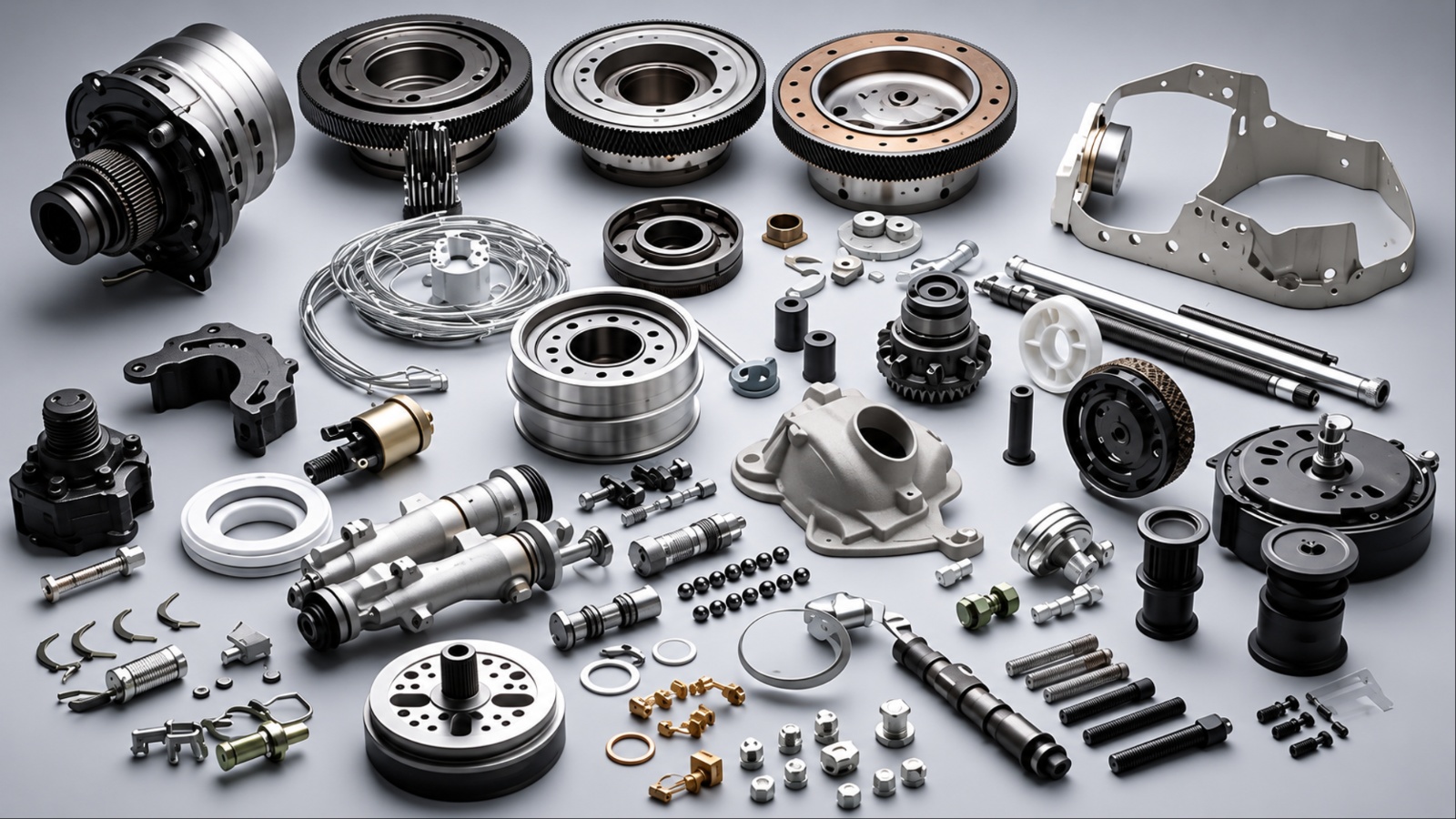
A dealer’s parts counter can be convenient, especially when a vehicle needs a replacement immediately. But convenience does not always mean the lowest price. The same type of automotive component may be available through independent parts retailers, aftermarket manufacturers, remanufacturers, or salvage suppliers for substantially less.
There is no universal rule saying a dealer part will cost exactly three times more, and prices vary by vehicle, brand, and location.
However, certain categories repeatedly create large price differences because of OEM pricing, dealer markups, specialized packaging, and limited sourcing options. These are the parts worth checking before approving an expensive repair.
1. Cabin Air Filters
Few automotive parts demonstrate the difference between convenience and price as clearly as the humble cabin air filter. The component is relatively simple, has no electronics, and generally requires no programming, yet buying one directly from a dealership can cost considerably more than purchasing an equivalent filter elsewhere.
A cabin filter’s job is straightforward. It sits in the HVAC airflow path and removes dust, pollen, and other airborne material before air enters the passenger compartment. Depending on the vehicle, the filter may contain activated carbon or other filtration material, but the basic replacement process remains relatively simple on many models.
The important distinction is that a dealer is normally selling an OEM or manufacturer-specified replacement, while independent retailers offer filters manufactured by companies that meet the vehicle’s required dimensions and filtration specifications.
The Federal Trade Commission recognizes aftermarket parts as components made by companies other than the vehicle manufacturer and states that using them does not automatically void a vehicle warranty.
That does not mean every aftermarket filter is identical. Buyers should compare the exact application, dimensions, filtration construction, and manufacturer reputation instead of choosing solely by price.
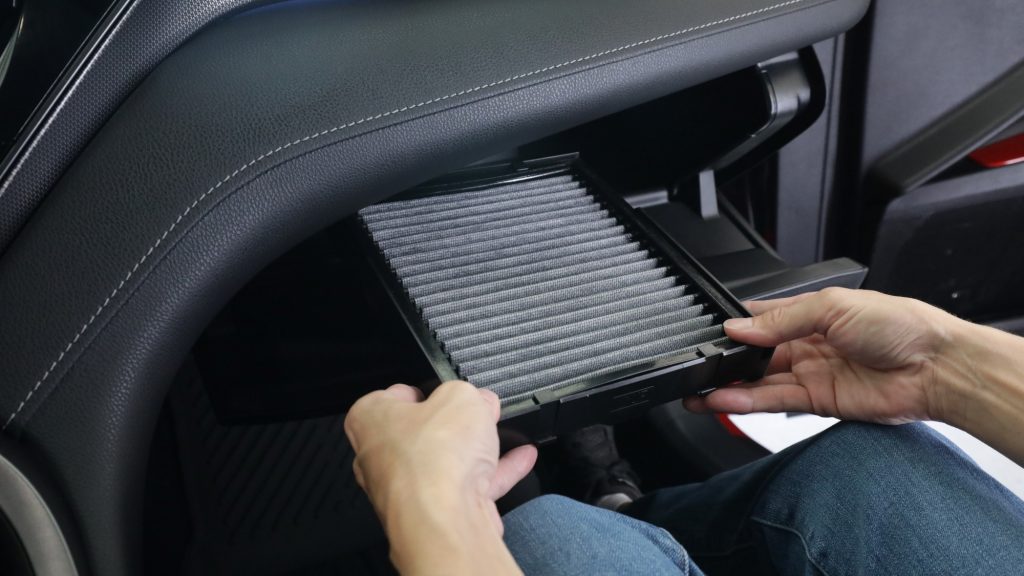
Cabin filters are particularly easy to overpay for because the part itself is often inexpensive relative to dealer labor. A driver may receive a service recommendation showing a filter replacement as part of scheduled maintenance, only to discover that the component is available independently for much less.
The smart comparison is therefore not simply dealer versus online seller. Check the OEM part number, verify compatibility, and compare equivalent-quality filters. The FTC also recommends obtaining a written estimate that identifies parts and charges before approving repair work.
2. Engine Air Filters
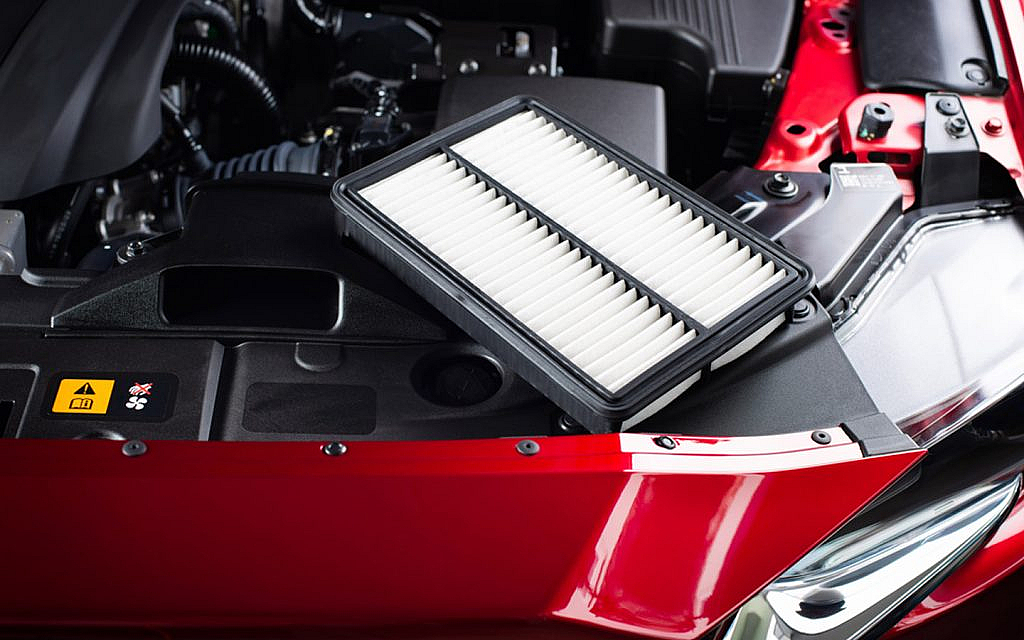
The engine air filter is another ordinary component that can become surprisingly expensive when purchased through a dealership. Unlike sensors or specialized electronic modules, an engine air filter is fundamentally a maintenance item.
Its purpose is to prevent dirt and debris from entering the engine’s intake system while allowing sufficient airflow for normal operation.
Because the design is relatively straightforward, several reputable aftermarket manufacturers produce filters for the same vehicle applications. A dealer will generally provide the manufacturer’s branded or approved replacement, while independent suppliers may offer OEM-equivalent alternatives.
The price difference can become meaningful when the filter is replaced repeatedly over the vehicle’s life. A single replacement might not seem worth investigating, but routine maintenance can involve several filter changes. Paying a premium every time turns a small difference into a larger ownership expense.
There is also an important distinction between price and suitability. The cheapest filter available is not necessarily the right choice. Buyers should verify the part number and vehicle application and should avoid questionable products that lack reliable manufacturing information. A quality filter must fit correctly and seal properly inside the airbox.
The Federal Trade Commission specifically advises consumers to ask what type of parts a repair facility intends to install. It distinguishes new parts from remanufactured, rebuilt, and salvaged components and notes that prices and quality can vary.
For a vehicle outside its factory warranty period, comparing equivalent filters can be particularly worthwhile. Even during warranty coverage, the FTC says a manufacturer generally cannot void warranty coverage simply because a consumer uses an aftermarket part, although damage caused by that part can affect a related warranty claim.
That makes the engine air filter a classic example of a component where knowing the exact part number can prevent unnecessary spending without compromising routine maintenance.
3. Windshield Wiper Blades
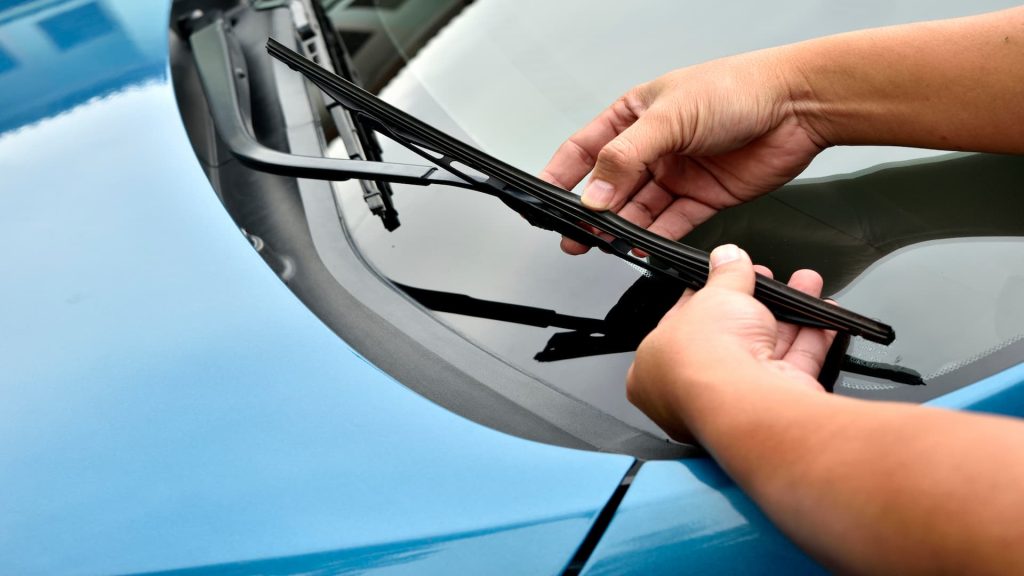
Wiper blades are among the easiest parts to compare because the component is visible, widely available, and replaced regularly. Yet dealership pricing can make a simple set of blades considerably more expensive than equivalent options sold through independent retailers.
Modern vehicles can complicate the situation slightly. Some use conventional rubber blades, while others use beam-style designs, specialized connectors, or blades incorporating manufacturer-specific fittings.
Luxury vehicles may also use unusually shaped or sized blades. Those differences can justify some price variation, but they do not automatically mean a dealer’s blade is the only suitable replacement.
A driver should first identify the correct blade length and attachment mechanism. Many aftermarket manufacturers provide application catalogs that specify compatibility by year, make, and model. Quality varies, so price should be considered alongside construction, warranty, and manufacturer reputation.
The biggest advantage of shopping around is that wiper blades are generally maintenance items rather than components that require vehicle-specific programming. Installation also tends to be straightforward, although drivers should make sure the replacement locks securely into the wiper arm.
The FTC advises consumers to compare parts and charges and to request a written estimate before authorizing repair work. This is useful even for a seemingly minor maintenance job because a parts invoice can reveal exactly what the dealership intends to install.
There is another reason not to assume dealer pricing is mandatory. Federal warranty guidance states that manufacturers generally cannot require consumers to use a particular brand of part to preserve warranty coverage unless the manufacturer provides that part for free or receives an applicable waiver.
That does not make every aftermarket blade equivalent to an OEM product, but it gives consumers room to compare legitimate alternatives. For a component designed to be replaced repeatedly, that comparison can add up to meaningful savings during years of ownership.
4. Brake Pads
Brake pads can create a much larger dealer-versus-independent price difference because they are both safety-critical and commonly replaced. That combination often encourages owners to accept the dealer’s recommendation without investigating what is actually being supplied.
A brake pad replacement involves more than buying friction material. Pad compounds, backing plates, shims, and hardware can differ substantially between products. Some vehicles also have electronic wear sensors or specialized brake designs that affect the correct replacement procedure.
That makes brake pads a category where shoppers should resist the temptation to buy simply because the box is cheaper. The correct approach is to identify the vehicle’s exact brake configuration and compare reputable OEM and aftermarket options.
The FTC notes that new parts can be produced by the vehicle manufacturer or independent companies and that prices and quality vary.
Dealer pricing can also include more than the physical pads. A repair estimate may bundle labor, hardware, rotor inspection or replacement, and other services. That is why comparing a dealer’s complete estimate with an independent shop’s estimate is more useful than comparing two individual part prices.
There is a legal consideration for newer vehicles as well. The FTC states that a manufacturer generally cannot void a warranty merely because an owner uses an aftermarket part. However, if the aftermarket component causes damage to a covered component, the manufacturer can potentially deny coverage for the damage it caused.
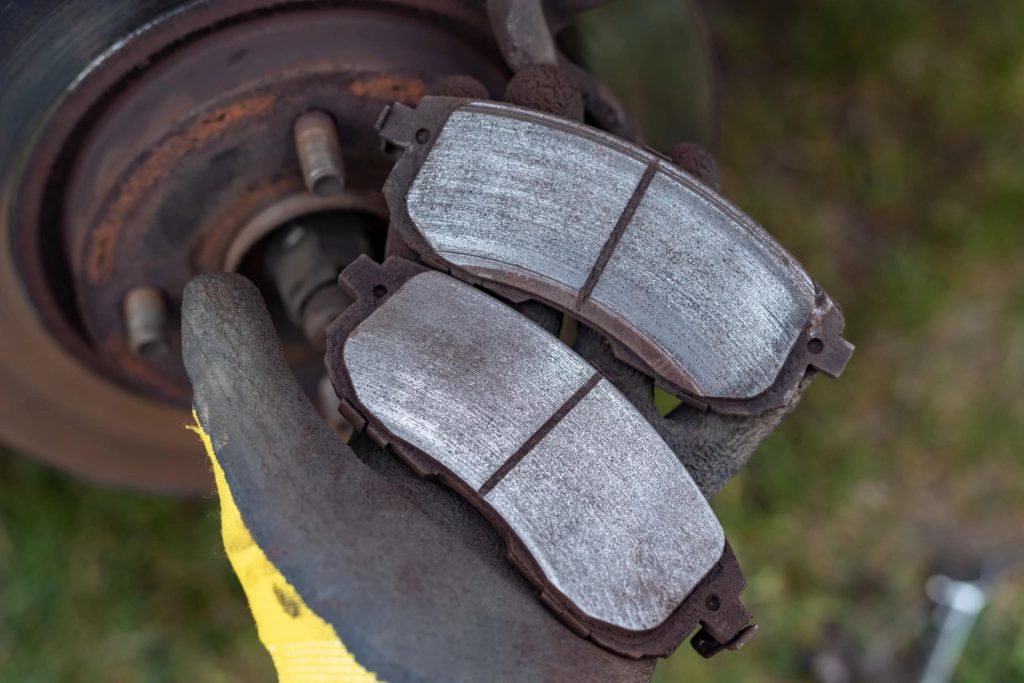
Brake work is therefore not an area for cutting corners. Saving money makes sense only when the replacement parts are appropriate, reputable, and correctly installed.
The biggest opportunity comes from separating the part decision from the dealership’s convenience. Ask for the exact pad part number, determine whether hardware is included, and compare reputable alternatives.
A dealer may still provide the best option for a particular vehicle, but the buyer should reach that conclusion through comparison rather than assumption.
5. Brake Rotors
Brake rotors can produce an even larger bill because they are heavier and more expensive components than pads. When a dealership recommends replacing both pads and rotors, the parts portion of the estimate can become substantial.
Rotors are precision-machined components that provide the friction surface for the brake pads. Their dimensions, thickness, metallurgy, and ventilation design vary according to vehicle application. Performance-oriented vehicles may use larger rotors, specialized materials, or complex cooling designs.
Because rotor specifications matter, choosing an aftermarket product requires careful matching. The correct replacement must fit the hub, wheel assembly, and braking system and meet the vehicle’s required dimensions. A bargain product that does not meet the required specifications is not a sensible saving.
Nevertheless, aftermarket rotor choices can be extensive. Independent parts manufacturers produce replacements for mainstream vehicles, and some are designed to meet or exceed the applicable original specifications.
The FTC recognizes new aftermarket parts as a legitimate category and recommends asking what type of replacement parts are being used during a repair.
The dealer’s estimate should also be examined for additional work. A rotor replacement may be recommended because of measured thickness, surface condition, corrosion, pulsation, or other brake-system concerns. Those reasons should be explained rather than buried in a generic maintenance recommendation.
For consumers comparing estimates, the useful question is not simply, “How much are rotors?” Ask for the rotor part number, quantity, brand, and labor separately. That makes it possible to compare the same job elsewhere.
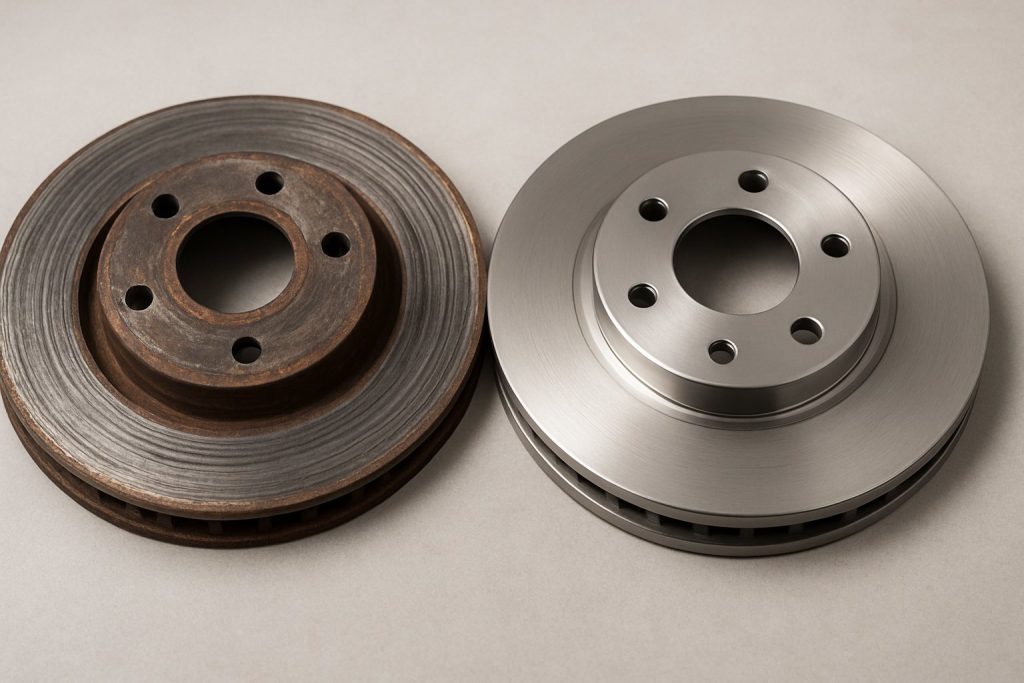
The FTC advises consumers to get written estimates identifying the parts needed and anticipated labor charges before authorizing expensive or complicated repairs.
That approach can expose a large parts markup without requiring the owner to compromise on safety. If a dealer’s rotor is genuinely superior for a specific application, the buyer can choose it knowingly. If a reputable alternative meets the vehicle’s requirements at a substantially lower price, the savings can be considerable.
6. Batteries
A vehicle battery looks simple from the outside, but modern cars can make battery replacement more complicated than it was decades ago. Even so, the physical battery itself can carry a significant price difference depending on where it is purchased.
The first requirement is compatibility. Battery group size, terminal arrangement, reserve capacity, cold-cranking performance, and technology all matter. Some modern vehicles use conventional lead-acid batteries, while others require AGM batteries or other specified designs. Start-stop systems can place additional demands on battery construction.
A dealer may supply a manufacturer-branded battery and include installation, testing, and, on some vehicles, battery registration or programming. Those additional services can be legitimate charges. The problem arises when consumers assume that the dealer’s battery is automatically the only appropriate option.
Independent retailers frequently sell batteries from major manufacturers that meet the vehicle’s required specifications. A consumer can compare the battery’s group size, technology, and electrical ratings before deciding where to buy it.
There is another important reason to separate the battery itself from the installation charge. The FTC recommends that repair estimates identify the parts needed and anticipated labor charges. A written breakdown makes it much easier to determine whether the expensive portion is the battery, labor, programming, or another service.
Battery replacement can also become an opportunity for unnecessary upselling. A dealer might recommend additional maintenance at the same appointment, but the customer is entitled to understand which services are required and which are optional.
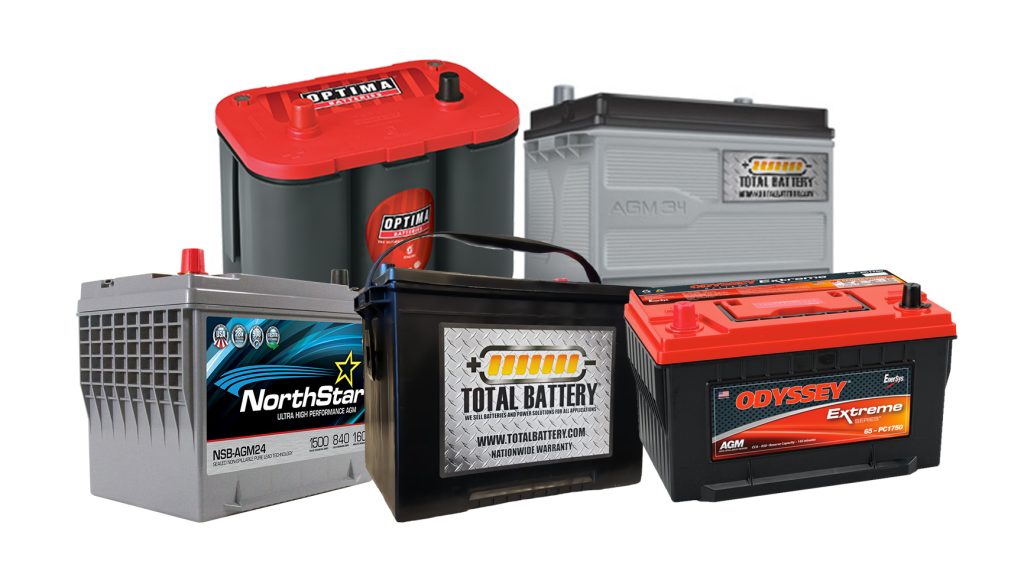
The FTC warns consumers that dealers can sell optional products and services and emphasizes that buyers can decline unwanted add-ons.
That same mindset is useful at the parts counter. Ask what the vehicle actually requires, compare the specifications of the proposed battery with reputable alternatives, and determine whether any required registration procedure applies.
The result can be a properly specified battery without automatically paying a premium simply because it came through the dealership.
7. Spark Plugs
Spark plugs are tiny compared with many components on an automobile, but replacing a complete set through a dealership can turn into a surprisingly expensive parts charge. Modern engines may use specialized plugs with precise heat ranges, electrode designs, and specified replacement intervals.
That makes correct identification essential. The plug installed in an engine must match the manufacturer’s required specification. A cheaper plug that is the wrong type is not an acceptable substitute simply because it physically fits.
At the same time, consumers are not necessarily limited to buying the spark plugs directly from a dealership. Major spark-plug manufacturers produce components for vehicle applications, and independent retailers can sell products that match the required specifications.
The difference becomes especially noticeable when an engine uses four, six, or eight plugs and the vehicle requires replacement as a complete set. A small price difference per plug multiplies across the engine.
Labor can also dominate the final bill. Some engines provide easy access to the plugs, while others require removal of covers or other components. The FTC recommends getting a written estimate that separates anticipated parts and labor charges. That information helps an owner determine whether a large invoice is coming from expensive parts, labor time, or both.
There is also no reason to confuse aftermarket with inferior. The FTC defines aftermarket parts as parts made by companies other than the vehicle manufacturer and states that using aftermarket parts does not automatically invalidate a vehicle warranty.
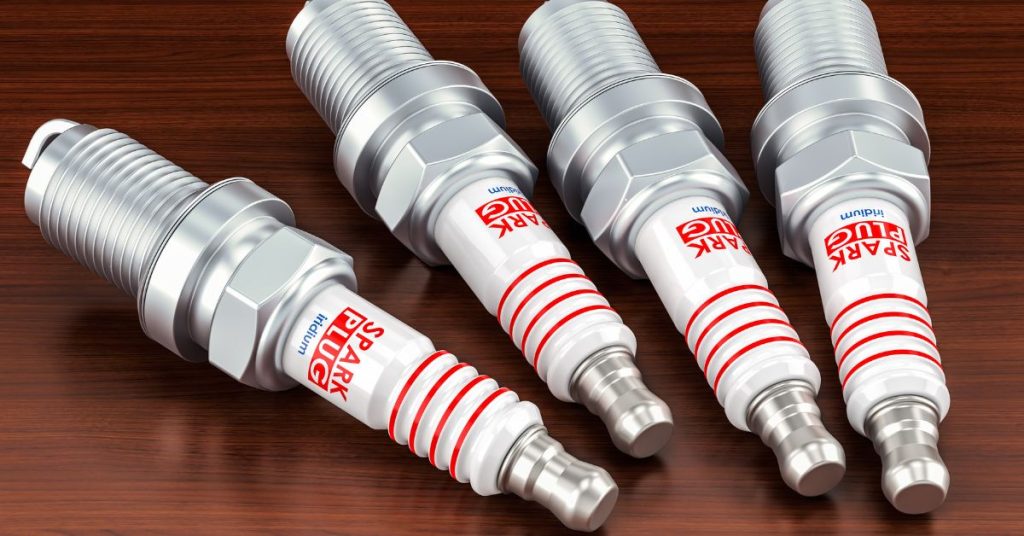
The sensible strategy is specification first, brand second, and price third. Check the manufacturer’s required plug type, confirm the exact application, and compare reputable suppliers.
Spark plugs are a good example of why the phrase “dealer part” should not automatically be interpreted as “only part that will work.” Sometimes the dealer’s component is the right choice. In other cases, an equivalent specification from an established manufacturer can accomplish the same job for substantially less.
8. Ignition Coils
Ignition coils are considerably more expensive than spark plugs, making dealer pricing more noticeable when one fails. These components convert the vehicle’s electrical supply into the high voltage required to ignite the air-fuel mixture inside the engine.
Modern vehicles may use one coil per cylinder, coil packs, or other ignition arrangements. That means the cost of replacing a single failed unit can differ dramatically depending on engine design. A vehicle with six individual coils, for example, does not necessarily need all six replaced when one fails.
This is where diagnosis becomes important. An illuminated check-engine light does not automatically mean the ignition coil is defective. Misfires can originate from spark plugs, fuel delivery, wiring, sensors, compression problems, and other causes.
The FTC specifically advises consumers to ask about diagnostic charges and to consider a second opinion for expensive or complicated repairs.
Once a failed coil has been confirmed, the part itself becomes the next comparison point. OEM coils are available through dealers, while reputable aftermarket manufacturers also produce application-specific replacements.
Consumers should compare exact part numbers and compatibility rather than purchasing a generic component based only on appearance.
Warranty considerations again matter. The FTC says an automaker generally cannot deny warranty coverage simply because an aftermarket part was used. However, if the aftermarket component caused damage to another covered component, that related damage may not be covered.
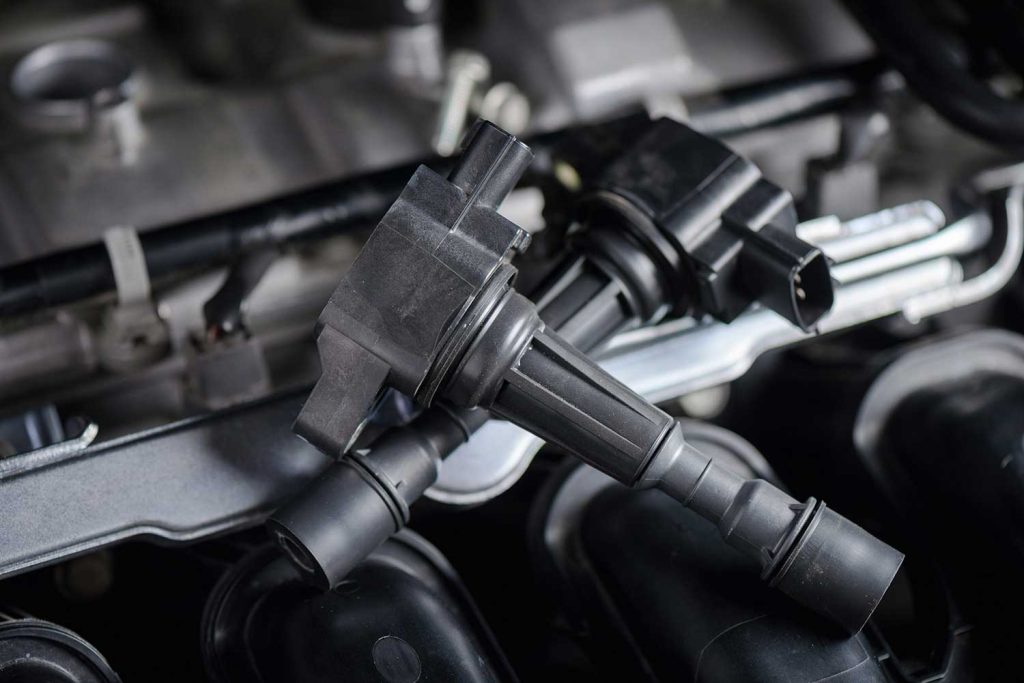
That distinction is important for expensive ignition repairs. A low-cost coil from an unknown manufacturer may not be a sensible gamble simply to avoid the dealer’s price.
A better strategy is to obtain the diagnostic result, identify the exact failed component, and compare a genuine OEM replacement with reputable aftermarket choices. If the dealer’s quote remains much higher, the owner can then decide whether the manufacturer’s part and dealer installation justify the premium.
9. Oxygen Sensors
Oxygen sensors can be among the more expensive electronic components to purchase at a dealership, especially when a vehicle uses multiple sensors. Their job is critical because they measure oxygen content in the exhaust and provide information that the engine management system uses to control fuel mixture and monitor emissions performance.
The complication is that vehicles can have several oxygen or air-fuel sensors positioned at different locations. A diagnostic trouble code may identify a circuit, bank, or sensor position, but that does not automatically mean the sensor itself has failed.
This is where parts-counter savings should begin with diagnosis rather than shopping. Replacing the wrong sensor can turn a relatively expensive repair into an even more expensive mistake. The FTC recommends asking whether a diagnostic charge applies and considering a second opinion when repairs are complicated or expensive.
Once the failed component has been identified, owners can compare the dealer’s part number with reputable aftermarket equivalents. Sensor technology is more specialized than an air filter, so manufacturer quality matters. A sensor must provide the appropriate electrical characteristics and response for the vehicle’s engine-management system.
The dealer may also have a legitimate advantage when the vehicle requires a specific OEM calibration or when installation access is difficult. But those benefits should be distinguished from the price of the physical sensor.
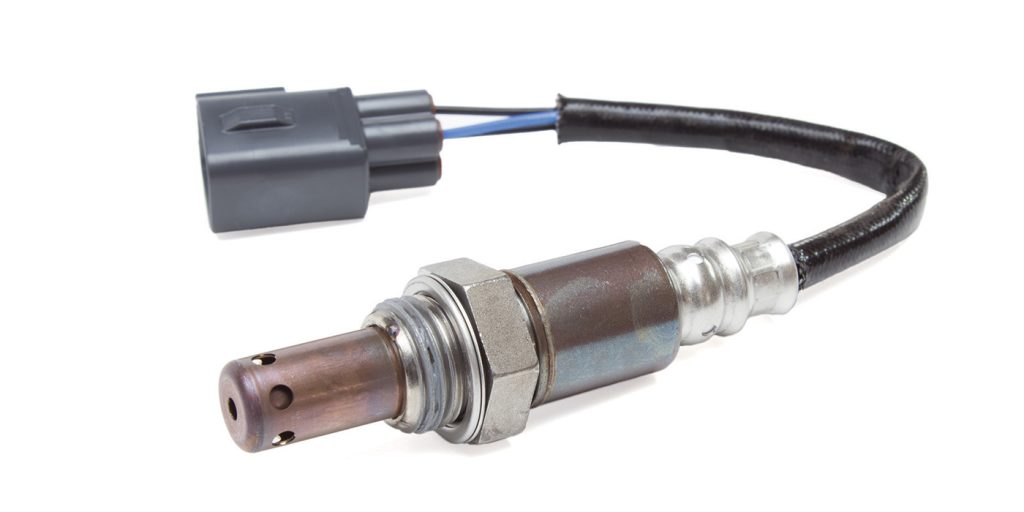
A written estimate can make the difference visible. The FTC advises consumers to obtain estimates that identify the parts needed and anticipated labor charges. If the sensor itself accounts for a large portion of the invoice, comparing the exact part elsewhere becomes worthwhile.
The biggest mistake is treating a diagnostic code as a shopping list. Diagnose first, verify the exact sensor, then compare reputable replacement options.
That approach can reduce the risk of paying a dealership premium for a component that is available through established independent suppliers without sacrificing the vehicle’s required specifications.
10. Thermostats
The thermostat is one of the most underestimated parts in the cooling system. It is relatively small, yet its operation affects engine temperature and coolant flow. When it fails, the resulting repair can become much more expensive at a dealership than the physical component alone might suggest.
A thermostat regulates coolant circulation according to engine temperature. If it remains open, the engine can have difficulty reaching its intended operating temperature. If it remains closed, coolant circulation can become severely restricted and overheating can result.
The part itself varies by vehicle. Some thermostats are simple mechanical components, while modern applications can incorporate housings, sensors, or electronically controlled systems. Consequently, not every thermostat should be treated as an inexpensive universal replacement.
This is another situation where the exact repair estimate matters. A dealer may quote the thermostat, housing, seals, coolant, and labor as a package. The owner should determine which components are actually being replaced rather than comparing only the thermostat’s advertised price elsewhere.
The FTC recommends asking for a written estimate that identifies the condition being repaired, parts required, and anticipated labor. That information provides a much more useful basis for comparison.
Aftermarket cooling-system manufacturers produce thermostats and related components for many vehicles, but quality remains important. The correct temperature specification, fit, and construction must match the application. A questionable bargain part is not worthwhile if it fails prematurely or causes another cooling-system problem.
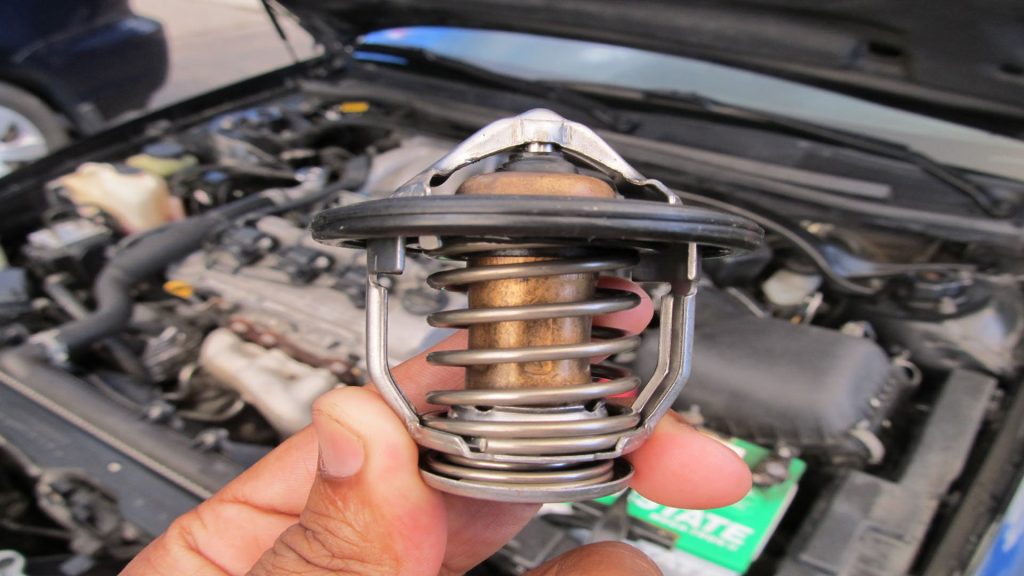
For vehicles still covered by a manufacturer’s warranty, consumers also have protections concerning aftermarket parts. The FTC states that a warranty generally cannot be voided simply because an aftermarket part was installed, although damage caused by that part can affect coverage for the resulting damage.
The lesson from thermostats is broader than the part itself. A dealership’s price can combine a component markup with labor and additional materials, making the invoice appear dramatically higher than the component’s independent retail price.
Before approving the repair, separate those costs, confirm the diagnosis, and compare the exact parts being proposed.
