

On cold mornings, many drivers still follow a familiar routine. They start the engine, leave the car idling in the driveway, and take a few minutes to enjoy their coffee before heading out. The habit can feel both responsible and nostalgic, especially for those who grew up watching their parents or grandparents do the same thing.
But is this ritual actually helping your car, or is it just burning gas and wasting time for no real mechanical benefit? Modern engines work differently than the ones from decades past, and that difference matters more than most drivers realize. Let’s clear up the confusion once and for all.
Why People Think Warming Up Helps
The warm-up habit didn’t come from nowhere. Decades ago, cars relied on carbureted engines that genuinely needed time to reach proper operating temperature before running smoothly.
Cold carburetors struggled to mix fuel and air correctly, often causing stalling, rough idling, or hesitation if you tried driving away too soon. Letting the engine idle for a few minutes gave that older technology a fighting chance to perform properly once you actually pulled out of the driveway.
That practical necessity eventually turned into ingrained habit, passed down from one generation of drivers to the next. Parents taught their kids to warm up the car because that’s simply what their own parents had taught them, and the reasoning behind it rarely got questioned once it became routine.
Cold weather intensified the belief too, since engines genuinely do feel different when starting on a frigid morning, reinforcing the idea that extra idle time must be doing something beneficial.
Oil thickness adds another layer to this long-standing belief. Cold oil does flow more slowly than warm oil, and older engines with looser tolerances sometimes benefited from a brief warm-up period, allowing that oil to circulate before demanding full performance.
Combine that with genuine memories of stalling carbureted engines, and it’s easy to understand why warming up a car became such a deeply rooted habit for so many drivers, even ones who’ve since bought vehicles built with completely different technology under the hood.
What Modern Engines Actually Need
Fuel injection changed everything, and most drivers haven’t fully caught up with what that change actually means for their daily routine.
Since the late 1980s and increasingly through the 1990s, automakers shifted away from carburetors toward computer-controlled fuel injection systems that precisely calculate the correct fuel and air mixture regardless of outside temperature. That precision eliminates the stalling and rough running that once made warm-up time genuinely necessary.
Modern engines are actually designed to reach optimal operating temperature faster through normal driving rather than sitting stationary in a driveway. Idling generates heat slowly since the engine isn’t under load, while actual driving allows the engine to warm up within just a minute or two under gentle acceleration.
That’s a considerably faster path to proper operating temperature compared to letting a car sit and idle for five or ten minutes before heading out.
Oil technology has also improved dramatically alongside engine design. Modern synthetic and synthetic-blend oils flow more effectively even in cold temperatures compared to older conventional oils, reducing the need for extended warm-up periods to protect internal components.
Manufacturers today generally recommend driving gently for the first several minutes rather than idling extensively beforehand, since that approach warms the engine, transmission, and other components more evenly and efficiently than stationary idling ever could.
The Real Reason Idling Can Hurt Your Engine
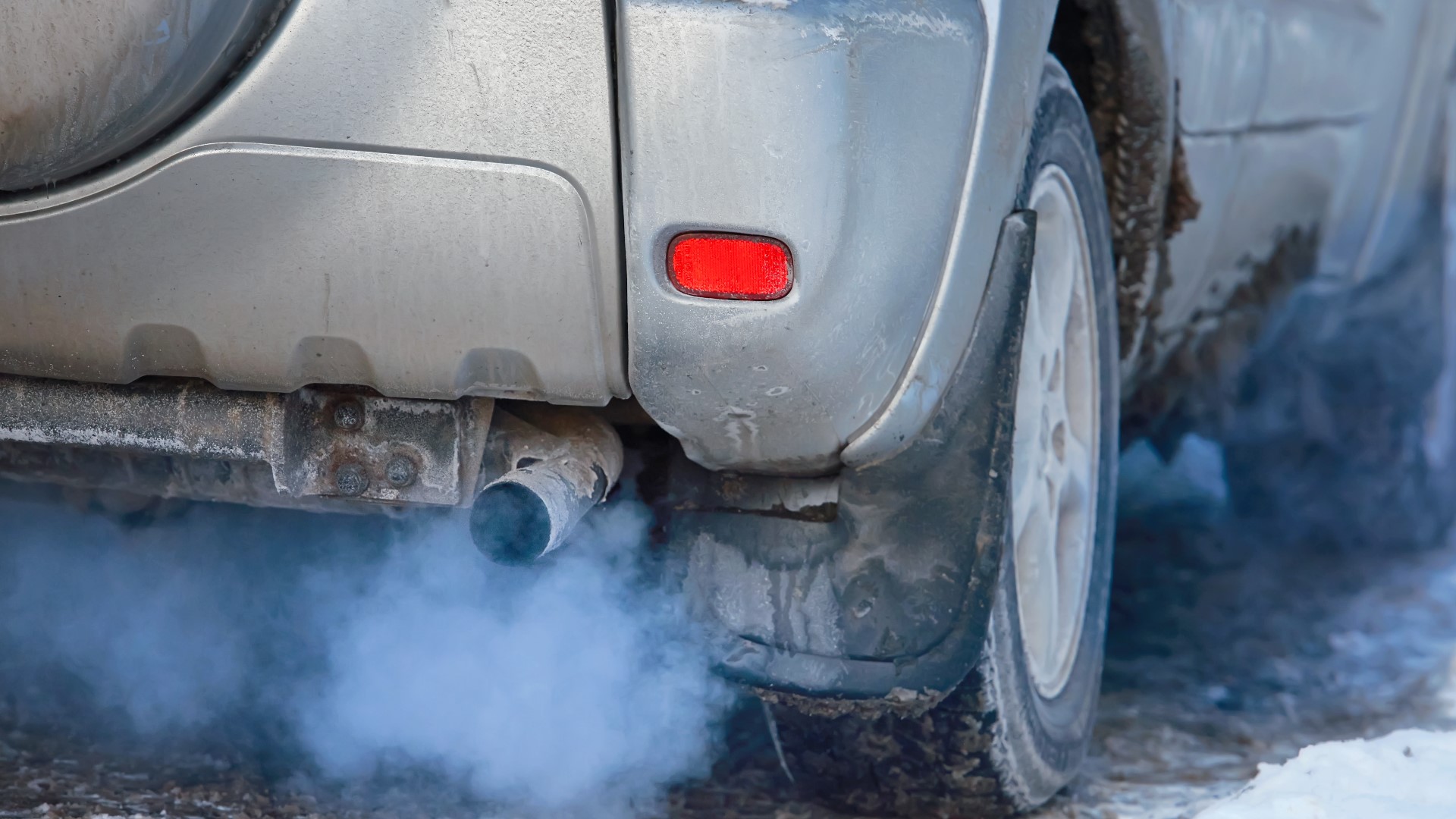
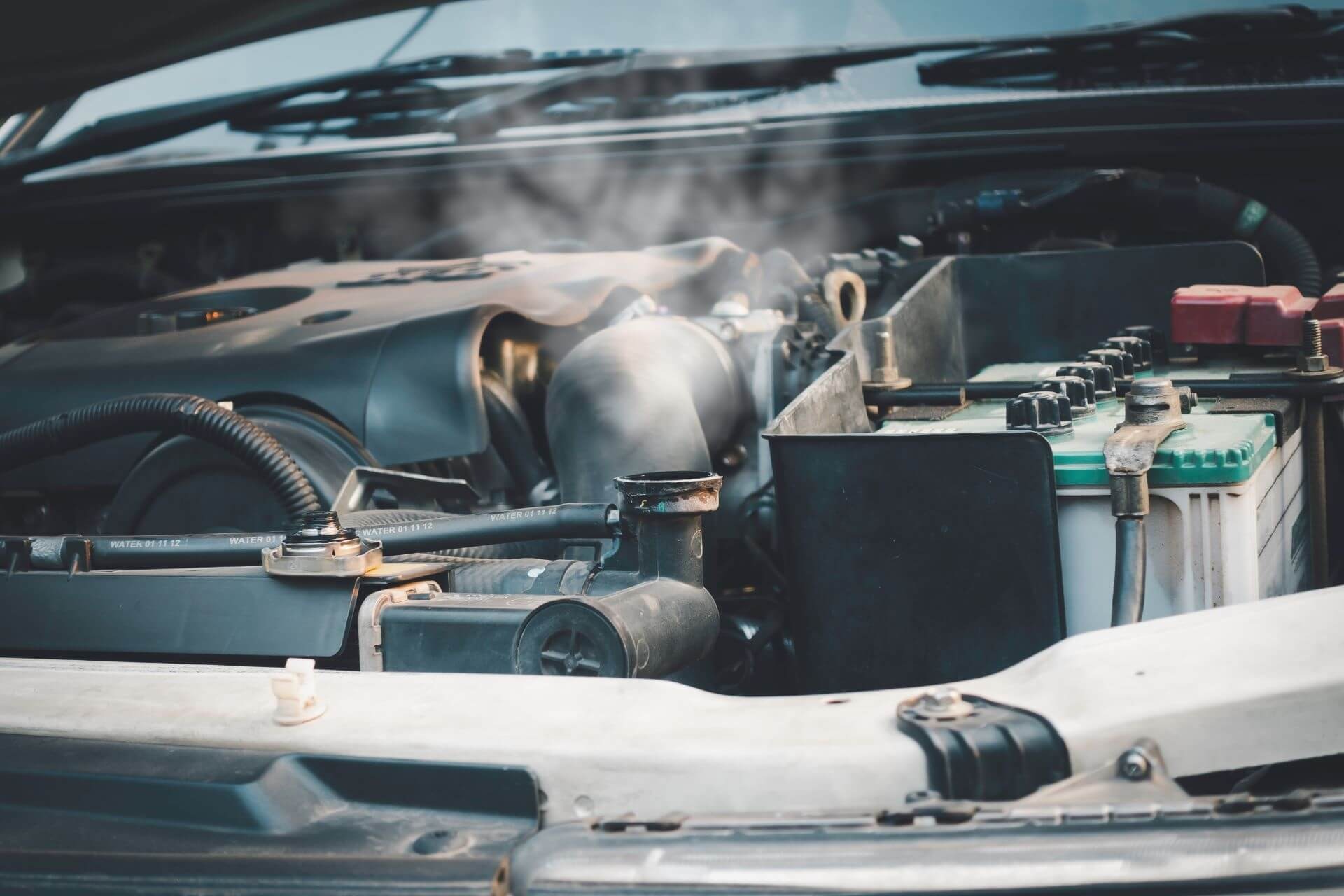
Many drivers may be surprised to learn that letting a car idle for an extended period can contribute to greater engine wear than gently driving away after a short startup. An idling engine warms up slowly and unevenly, so leaving the vehicle running in the driveway for several minutes does not bring it to the same balanced operating temperature that normal driving can achieve.
During that extended idle period, fuel can wash down cylinder walls in certain engines, potentially diluting oil and reducing its ability to properly lubricate moving parts.
This effect tends to be more pronounced in cold weather specifically, meaning the exact conditions that prompt people to warm up their cars are also the conditions where prolonged idling causes the most unnecessary wear.
Excess idling also means burning fuel without actually going anywhere, which adds up over weeks and months into wasted money at the pump for essentially zero benefit.
Multiply that daily five-minute warm-up habit across an entire winter season, and the fuel cost becomes genuinely noticeable, all for a practice that modern engines simply don’t require anymore.
Emissions represent another consideration many drivers overlook entirely. A cold engine running at idle produces more pollution per minute compared to an engine operating under normal driving conditions, since catalytic converters need to reach proper operating temperature before functioning at their intended efficiency.
Extended idling delays that process rather than speeding it along, meaning your warm-up routine may be contributing more pollution than a quick, gentle drive away would generate instead.
How Weather Changes the Equation
Cold weather does introduce some legitimate considerations, even if the old five-to-ten-minute idle ritual isn’t the right solution anymore.
Extremely low temperatures can genuinely make oil thicker and slower to circulate, and giving your engine thirty seconds to a minute before driving away allows oil pressure to build and begin properly lubricating critical components before you ask the engine to work under load.
That brief pause differs considerably from the extended warm-up many drivers still practice out of habit. Automotive experts consistently recommend starting the car, allowing a short pause of roughly thirty seconds to a minute, then driving away gently rather than flooring the accelerator immediately.
This approach lets oil begin circulating properly while still allowing the engine and other components to reach full operating temperature more efficiently through actual driving rather than stationary idling.
Extreme cold weather, particularly temperatures well below freezing, might justify a slightly longer pause compared to milder winter days, though even then, extended idling beyond a couple of minutes offers diminishing returns for most modern vehicles.
Cabin comfort factors into people’s decisions here too, since many drivers want their windshield defrosted and interior warmed before actually setting off. That’s a completely reasonable consideration, though it’s worth recognizing that comfort preference is genuinely separate from any mechanical necessity your engine actually requires.
Regional climate also plays a role in how much this matters day to day. Drivers in consistently cold northern climates deal with this question far more often than those in milder regions, making it worth understanding the proper approach if you’re facing genuinely frigid mornings on a regular basis throughout an entire winter season.

So, Should You Warm Up Your Car?
The short answer is no, not in the traditional sense most drivers grew up believing. Modern fuel-injected engines simply don’t require several minutes of stationary idling before they’re ready to perform properly, and clinging to that old habit likely does more harm than good, both for your engine and your wallet at the gas pump.
What you should actually do is start your car, give it a brief thirty-second to one-minute pause, particularly during genuinely cold weather, and then drive away using gentle acceleration for the first several minutes.
This approach allows oil to circulate and reach critical components while letting the engine, transmission, and other systems warm up more evenly and efficiently than idling in your driveway ever could accomplish.
If you’re mainly warming up your car for cabin comfort rather than any belief about engine protection, that’s a personal choice worth making consciously rather than out of habit.
Just recognize that idling for comfort and idling for mechanical necessity are two completely different things, and only one of them actually reflects how your modern vehicle was engineered to operate.
Breaking a habit passed down through generations isn’t always easy, especially when it feels like you’re skipping a step that once mattered a great deal.
But trusting the engineering behind your modern engine, rather than outdated advice built around technology that stopped being standard decades ago, will save you time, save you money, and likely extend the life of components that don’t benefit from unnecessary idling in the first place.
How to Warm Up Your Car the Right Way
Try a simple routine the next time you start your car on a cold morning. Start the engine, get settled, fasten your seat belt, check your mirrors, and wait briefly before pulling away. For many modern vehicles, this short pause is all that is needed. AAA notes that a brief startup period gives the oil enough time to circulate through the engine’s critical components.
Once you begin moving, resist the temptation to accelerate aggressively. Keep the first few minutes gentle while the engine and fluids warm up. Consumer Reports recommends avoiding high engine speeds during this early portion of the drive.
If frost or ice is blocking your view, take the time to clear the glass completely before driving. No amount of engine warmth can make up for poor visibility. The same goes for snow. Remove it from the windows, roof, hood, and trunk so your vehicle is clear and safe before you get on the road.
Your owner’s manual deserves a place in this routine, too. Some vehicles have special requirements, particularly older models, diesel-powered vehicles, or vehicles operating in unusually cold conditions. Follow the manufacturer’s instructions when they differ from general advice.
For electric and hybrid vehicles, the situation can be different because their powertrains do not require the same engine warm-up process as conventional gasoline vehicles. AAA recommends using the vehicle’s built-in climate functions where appropriate rather than treating an electric vehicle like a traditional gas-powered car.
